León, Spain · OEM / ODM Anti-Fingerprint Glass Export Program
Anti Fingerprint Glass Supplier & Exporter in León
Custom oleophobic, tempered, AR, AG and printed cover glass for touch panels, industrial HMIs, appliance controls and smart switches — engineered and exported by Dongguan Jaswe Glass Co., Ltd.
Anti-Fingerprint Glass Products for León Buyers
Each product below is made to drawing, with glass thickness, outline, holes, edge profile, silk-screen printing and AR / AG / AF surface treatment reviewed before quotation. Product URLs are preserved for direct technical evaluation.
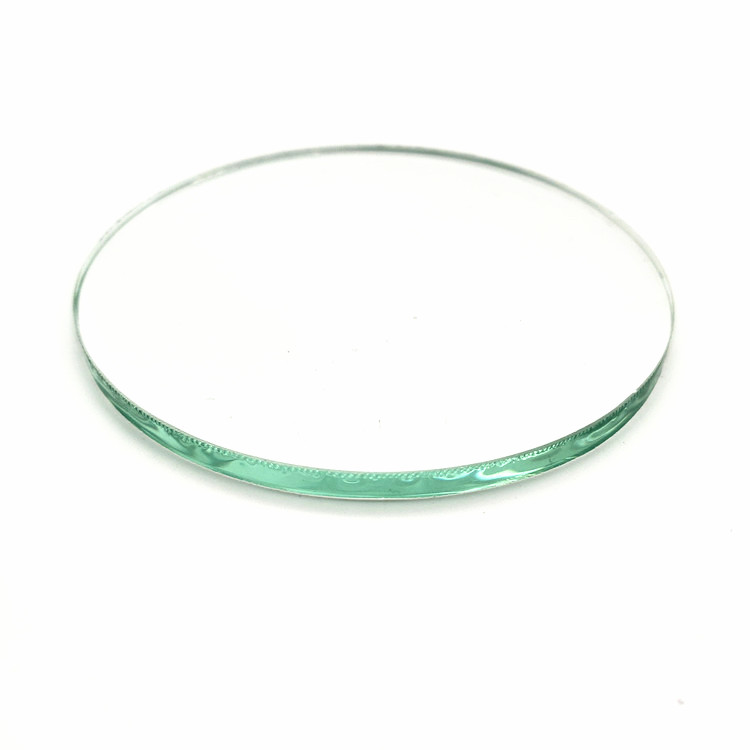
Customized Clear Flat Solid Tempered Glass Pieces 1mm-19mm for Industrial Lighting and Various Applications
Clear tempered glass for robust lighting covers, equipment windows and industrial front panels. CNC cutting, edge polishing and AF coating can be combined for high-touch surfaces.
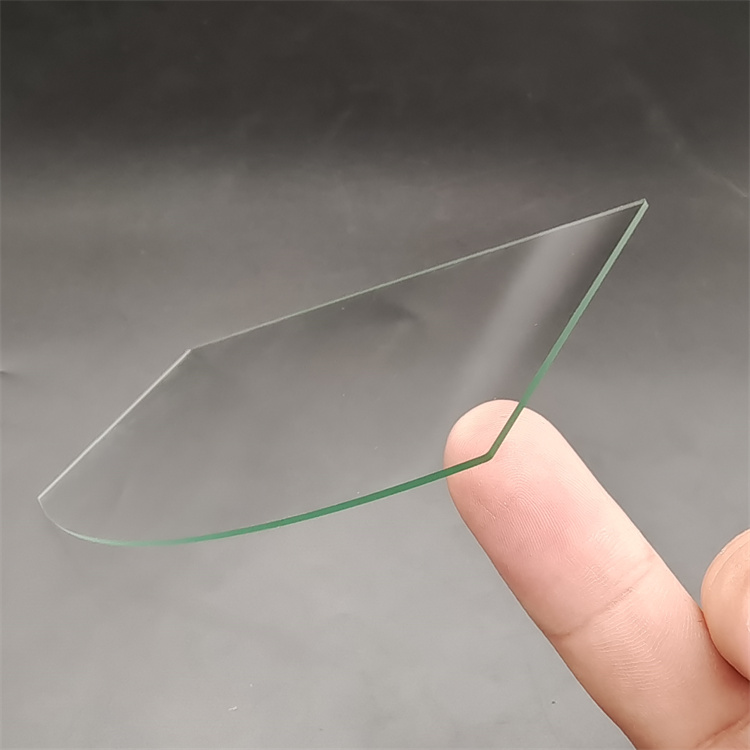
Any Size Custom 0.5/0.7/1/1.5/2/3mm Tempered Glass Screen Protector,Round Rectangle Triangle Customized Tempered Glass Oem Odm
Thin tempered screen protector formats for compact devices. Round, rectangular and triangular outlines are supported, with hole drilling, printing and anti-fingerprint treatment available.
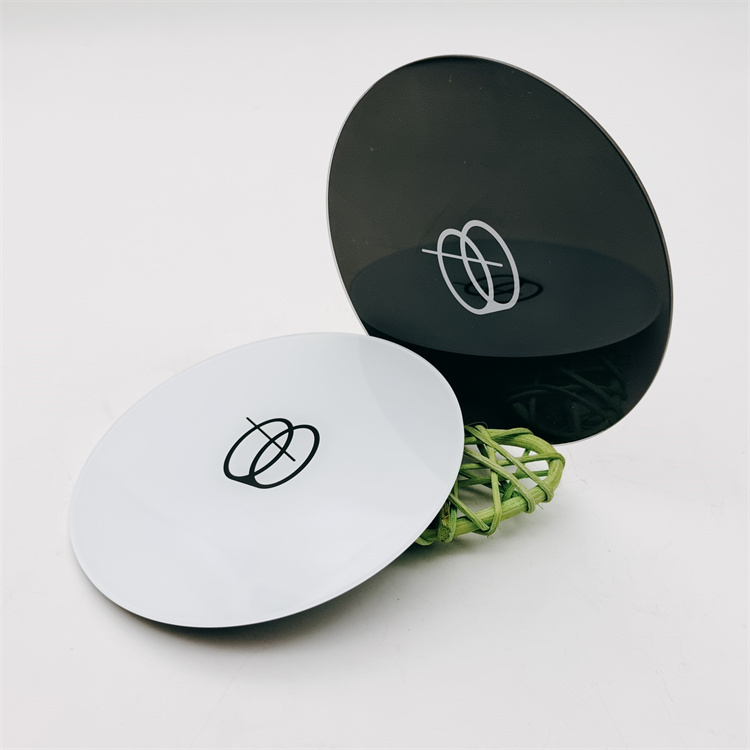
Black White Silk Screen Printing Toughened Glass Round Tempered Glass for Electric Appliance
Printed glass panels for appliance controls, logos, icons and display windows. Ceramic or silk-screen inks can hide circuitry while keeping transparent windows optically clear.

Customized Small Size 3mm 4mm 5mm 6mm Beveled Edge Tempered Glass
Compact tempered glass for switches, instrument windows and small control areas. Beveled and polished edges improve handling safety and premium appearance.
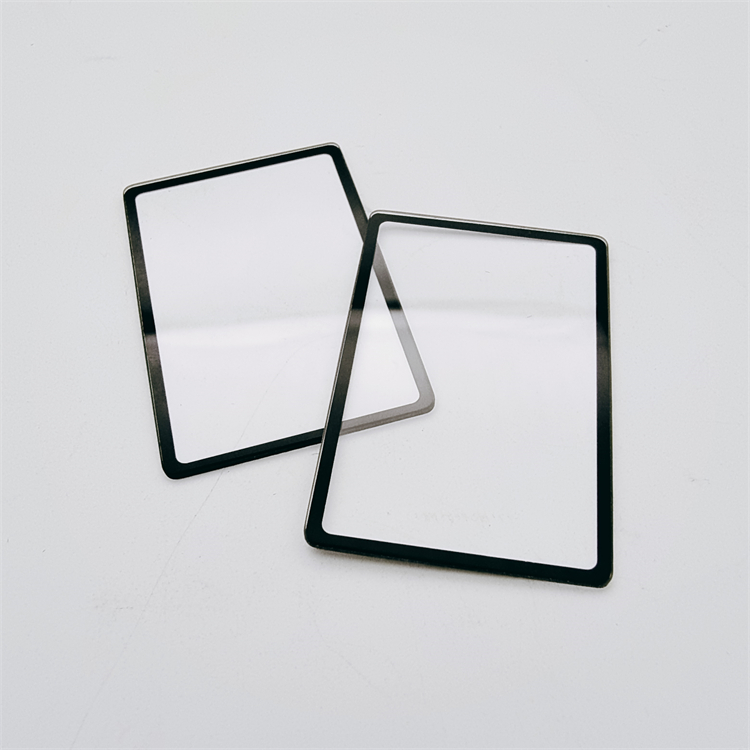
0.5mm 0.7mm 1mm 2mm 3mm Good Price OEM Wholesale Custom Premium Silk Screen Printing Tempered Glass Display Screen Industrial
OEM display screen glass with printed borders, sensor windows and clean touch surfaces. Suitable for industrial controls, appliances and compact electronic interfaces.
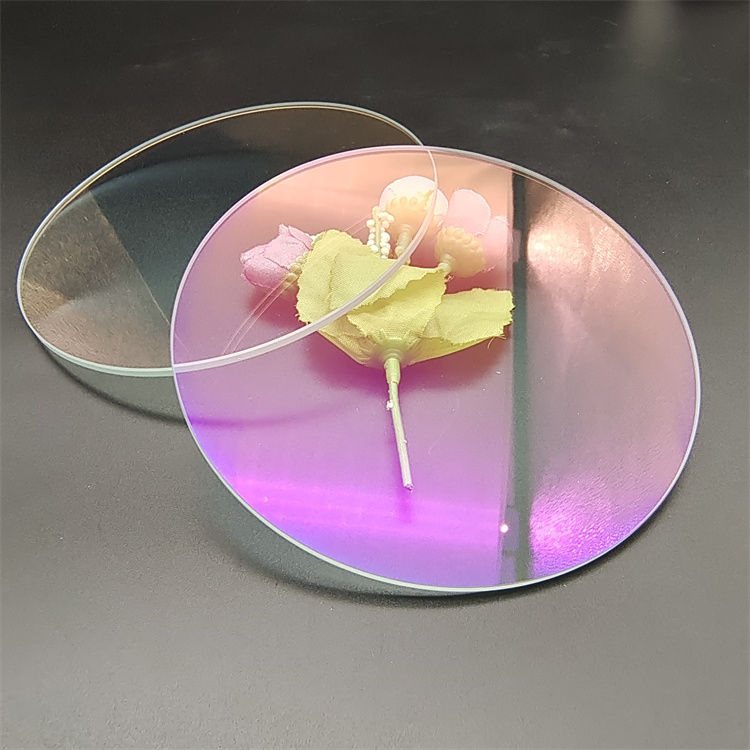
Premium Quality Ultra Clear Anti Reflective Solid High Strength 1mm 2mm 3mm 4mm 5mm 6mm Flat Tempered Glass Coating
Ultra-clear AR tempered glass for display panels where contrast and light transmission matter. Single- or double-sided AR coating can be specified, with AF as a top layer.
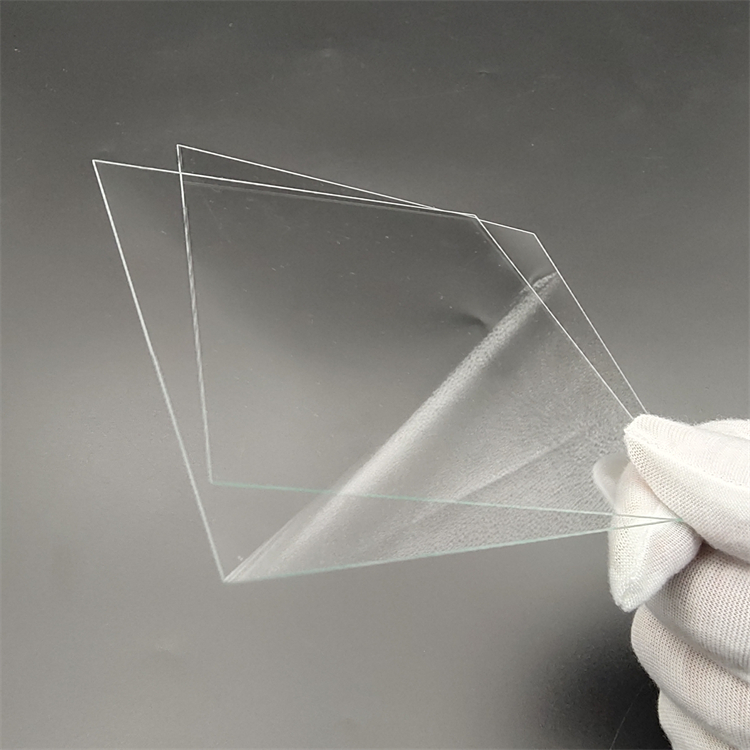
Customized Ultra Clear 0.5mm 0.7mm Thickness Ultra Thin Tempered Glass
Very thin clear glass for compact touch and display assemblies. Controlled handling and edge finishing help protect yield when the cover glass is only 0.5 mm or 0.7 mm thick.
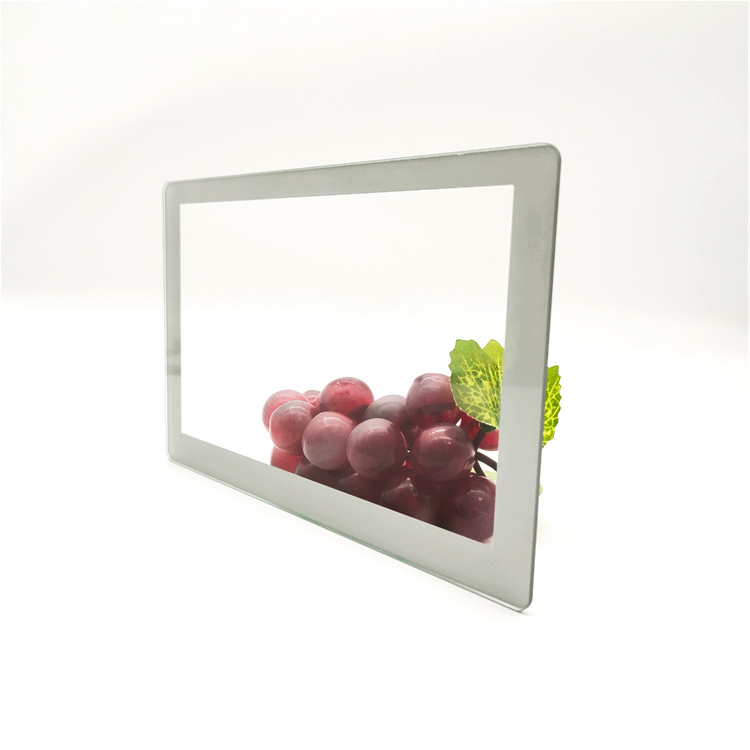
Customized High Strength Anti Glare Frosted Finish Tempered Glass LED/LCD Display Touch Panel for Monitor Screen Protector
AG frosted glass for LED / LCD monitors, touch panels and bright environments. Reduces reflective glare while retaining touch smoothness; AF coating helps resist fingerprints.
Why León OEMs Use Jaswe Glass as a Production Partner
Performance evidence matters more than a list of claims. These figures reflect the operating profile behind our custom glass export program for Europe.
Why Anti-Fingerprint Glass Is a Localized Performance Decision in León
Anti-fingerprint glass is not a simple “upgraded clear glass” item. It is a touch-surface system whose value depends on the operating environment, the optical stack and the total cost of cleaning, inspection and warranty returns.
Touch Economics
In León’s visitor-facing kiosks, clinic reception screens and smart-building controls, fingerprints become a visible quality problem. An oleophobic top layer reduces smudge adhesion and makes routine cleaning faster, which matters when staff time and product presentation are part of the user experience.
Optical Stack Control
AF rarely works alone in a high-value display. It can be layered over AR coating for contrast, over AG treatment for glare control, or combined with printed tempered glass. Buying one part from a printer, another from a coater and another from a tempering shop creates tolerance and accountability gaps.
Export-Ready Accountability
Dongguan Jaswe Glass processes in-house: cutting, CNC shaping, edge polishing, drilling, tempering, silk-screen and ceramic printing, AG treatment and AR/AF coating. For a León buyer, that means one technical contact, one quality route and one packing specification instead of fragmented responsibility.
Engineering note: AF coating is a surface layer, not a permanent dirt shield. Its performance depends on substrate cleaning, coating adhesion, handling, cleaning chemicals and the customer-approved sample. We recommend application-specific cleaning validation before mass production.
Where Anti-Fingerprint Glass Creates Measurable Value in León
From Castilla y León’s industrial belt to visitor-facing services in León city, anti-fingerprint cover glass is most useful where frequent touch, bright light and premium appearance occur together.
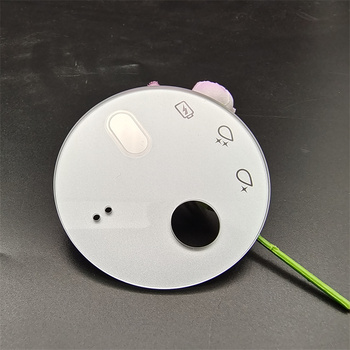
Appliance Control Panels
Printed tempered glass with anti-fingerprint finish for kitchen appliances, laundry equipment and control windows. Smudges are less visible on glossy black and white surfaces, protecting the retail quality of assembled goods.
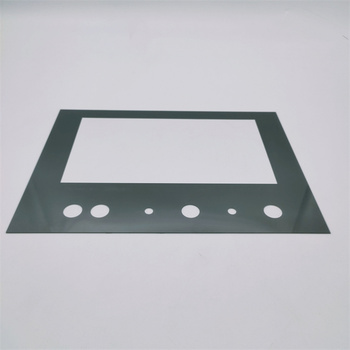
Industrial HMI & Instruments
AG + AF coated cover glass for production machinery, agri-food processing lines, packaging equipment and winery HMIs. The combination reduces glare from overhead lighting while resisting oily fingerprint marks during shift changes.
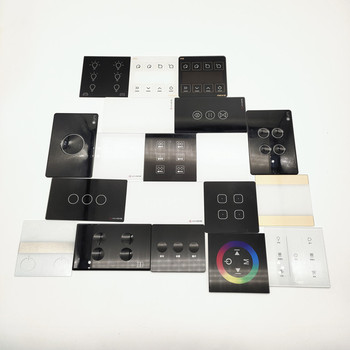
Smart Switches & Building Controls
Printed, tempered, AF-treated switch glass for hotels, offices and residential automation. Fingerprint resistance supports a clean first impression in lobbies, apartments and hospitality projects across León.
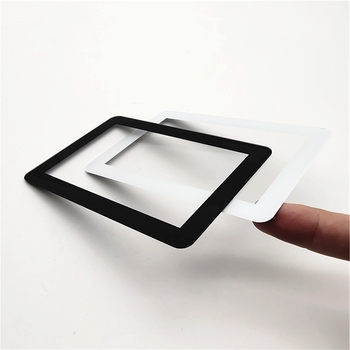
Self-Service & Hospitality
Touch screen cover glass for ticketing, check-in, vending and wayfinding terminals. Anti-fingerprint treatment keeps the interface cleaner between users, while AG options control reflections in glazed public spaces.
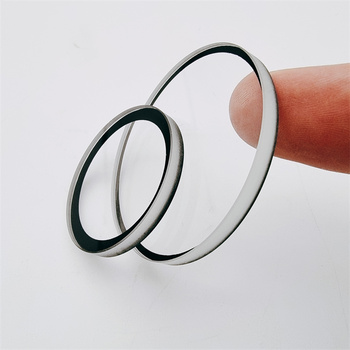
LED Lighting & Architectural Glass
Clear or ultra-clear tempered glass for LED fixtures, downlights and wall washers. AF coating can be added to exposed lenses that are handled during installation or maintenance in commercial interiors.
Medical, Security & Mobility
Cover glass for diagnostic interfaces, access-control terminals, EV charging displays and transport equipment. Printed windows and precision cut-outs can be combined with AR or AF for cleanability and readability.
Four Procurement Trends Shaping León’s Glass Demand
León buyers are not asking only for a lower unit price. They are comparing suppliers on technical response, coating durability, traceability and the ability to support EU-facing product expectations.
Longer Use, Cleaner Interfaces
As equipment and public terminals stay in service longer, anti-fingerprint glass becomes part of maintenance strategy. Cleaner surfaces reduce cleaning frequency and preserve brand perception in high-traffic environments.
Automation in Castilla y León
Manufacturers in agri-food, packaging, automotive supply and energy are adopting touch HMIs that must remain readable under factory lighting. AG plus AF is often the most practical cover-glass specification.
Touch-First Public Services
Tourism, healthcare, transport and municipal services in León are deploying self-service screens. Buyers now ask for oleophobic top layers, fingerprint-resistant cleaning performance and rounded safety edges.
Documented Quality, Not Guesswork
European procurement teams expect drawing review, sample approval, inspection records and packing control. A supplier that documents the process route is easier to qualify than a trader that only quotes a glass size.
AR vs AG vs AF vs Printed Tempered Glass: Which Specification Should León Buyers Choose?
The most effective approach is to define the user problem first, then select the coating and substrate. The matrix below is a practical starting point for RFQs sent to our engineering team.
| Buyer Requirement | Recommended Glass Construction | Why It Works for León Applications | What to Specify in the RFQ |
|---|---|---|---|
| Fingerprint resistance on touch displays | Tempered or chemically strengthened glass + AF top coating | Reduces visible smudges and improves touch feel on kiosks, HMIs, smart switches and POS terminals. | Thickness, coating side, cleaning chemical restrictions, abrasion test expectation and touch surface finish. |
| Outdoor or bright-environment readability | AG frosted glass + AF, with optional AR if reflection control is not enough | AG diffuses glare from sunlight and ceiling lighting; AF helps keep the textured surface clean during public use. | Haze or gloss level, viewing distance, display resolution, surface hardness requirement and edge profile. |
| High-contrast medical or instrument display | Ultra-clear glass + AR coating + AF | AR improves light transmission and reduces ghost reflections; AF supports frequent touch and cleaning. | Single- or double-sided AR, transmittance target, color-neutrality requirement and glass thickness. |
| Printed appliance or switch panel | Silk-screen printed tempered glass, optionally AF coated | Printed borders hide wiring and add icons, while AF reduces marks on glossy white or black surfaces. | Pantone colors, window transparency, print side, surface finish, hole positions and edge type. |
| Ultra-thin compact touch product | 0.5 mm or 0.7 mm ultra-clear tempered glass + AF | Keeps the stack light and thin while giving compact devices a durable, premium touch surface. | Corner radius, packaging method, flatness tolerance, handling risk, lamination compatibility and sample quantity. |
| Industrial cover window with safety focus | 3–6 mm tempered glass with polished or beveled edges; print and AF optional | Balances strength, edge safety and optical clarity for equipment windows that are installed by hand. | Impact requirement, edge finish, hole and notch locations, mounting tolerance and tempering mark allowance. |
Final optical and durability values must be confirmed on customer-approved samples. Coating performance depends on substrate cleaning, application, handling and maintenance chemicals.
What to Put on the Drawing Before You Request a León Export Quote
A precise RFQ shortens sampling cycles. For a custom anti-fingerprint glass project, the drawing should communicate geometry, optical requirements, cleaning expectations and packing method in one review package.
Drawing & Tolerance
PDF, DXF or DWG with outline dimensions, corner radii, hole positions, critical fit dimensions and accepted tolerance ranges.
Substrate & Thickness
Clear, ultra-clear or tinted glass; required thickness such as 0.5, 0.7, 1, 2, 3, 4, 6 or 19 mm; tempering or strengthening expectation.
Edge & Hole Finish
Pencil, flat, beveled, stepped or matte edge; drilled holes, countersinks, notches and stepped cut-outs for sensors or buttons.
Tempering Route
Indicate whether thermal tempering, chemical strengthening or both are expected; confirm breakage pattern and safety requirements.
Printing & Color
Pantone or RAL reference, black/white opacity, transparent window size, icon detail, print side and ceramic or silk-screen process.
AF / AR / AG Stack
State which side receives coating, whether AR is single or double-sided, AG haze level, AF cleaning expectation and any touch-force requirement.
Optical Acceptance
Define transmittance, reflection, haze, color tone, visible-defect limits and viewing conditions so the sample is judged against production reality.
Packing & Shipping
Specify interleaving paper, protective film, edge protection, moisture barrier, carton strength, pallet type and delivery port.
 Dongguan manufacturing base · export-focused glass processing


Dongguan Jaswe Glass Co., Ltd.: One Partner from Raw Sheet to Finished Cover Glass
Based in Dongguan, the center of China’s electronics supply chain, Jaswe Glass designs, processes and exports tempered glass, display glass, touch screen glass, silk-screen printed glass, switch glass, AR / AG / AF coated glass, electrical equipment glass and LED lighting glass. For León buyers, this product breadth is useful because one cover-glass assembly may require printing, tempering, edge polishing and optical coating in the same production route.
Most of our 80+ operators have more than eight years of hands-on glass processing experience. That depth matters on tight-tolerance jobs such as ultra-thin 0.5 mm and 0.7 mm cover glass, multi-color printing with transparent display windows, and coated touch panels where small handling errors become visible defects.
“Scientific management, careful manufacture, high quality service, striving for excellence.”
In-house steps include cutting, special-shaped and CNC cutting, edge polishing, hole drilling, tempering, silk-screen and ceramic printing, AG processing and AR / AF coating. With monthly output above 200,000 pieces, the same quality system can support sample evaluation and repeat production rather than treating custom glass as a one-off project.
Read the full company profile ›Five Steps from Drawing to Delivery for León OEMs
A clear workflow reduces the risk of expensive assumptions. Our engineering review is designed to catch manufacturability problems before samples are made.
Send Requirements
Share drawing, thickness, edge type, printing, coating, application, annual volume and target delivery port.
Engineering Review
We check glass size, hole spacing, edge risk, tolerances, coating stack and packing route before quoting.
Sampling
Physical samples support fit, color, print and optical evaluation. Customer approval becomes the production reference.
Mass Production
Batch production follows the approved process route, with inspection at cutting, edging, tempering, printing and coating stages.
Packing & Shipping
Export packing uses interleaving protection, edge protection and carton/pallet control for safer transit to Spain.
Quality Control Focus for Anti-Fingerprint and Coated Glass
Coated glass requires extra discipline because a visual defect cannot always be repaired after tempering or printing. We plan inspection gates around the processes that can create irreversible defects.
Incoming Glass Review
Thickness, color tone, visible defects and sheet condition are checked before cutting so substrate issues do not continue downstream.
Dimension & Edge Check
Outline, holes, notches, edge chips and polishing quality are reviewed against the approved drawing before tempering or coating.
Print & Coating Inspection
Color, window transparency, pinholes, coating streaks and surface cleanliness are checked under controlled lighting.
Packing Audit
Interleaving, protective film, edge guards, moisture protection and carton strength are checked before export dispatch.
Operating indicators used during supplier reviews
These figures help León buyers compare communication reliability, repeat confidence and production scale. They are not a substitute for sample approval, but they provide a practical baseline.
Common Questions from León Buyers Sourcing Anti-Fingerprint Glass
These questions reflect the practical procurement concerns we see from European OEMs, integrators and brand owners when they evaluate a China-based custom glass supplier.
How does anti-fingerprint glass improve touch displays used in León?
AF coating lowers surface energy so oil, sweat and cleaning residues are less likely to cling to the glass. In public kiosks, clinic reception screens, factory HMIs and smart switches, this can reduce visible smudging, improve touch feel and support a cleaner product presentation between cleaning cycles.
What minimum order quantity can Jaswe Glass support for León buyers?
Most custom items start at 100 to 500 pieces depending on size, printing, coating and packing. Standard clear tempered pieces can sometimes be supplied in smaller sample quantities for evaluation. For coated or printed glass, the MOQ is confirmed after drawing review because yield and tooling differ by project.
How is glass shipped to León, Spain, and which ports are commonly used?
Export shipments to Spain are commonly routed through Valencia, Barcelona or Bilbao, with final inland delivery by truck to León. The best port depends on shipment size, Incoterm, forwarder routing and whether the buyer requires palletized delivery or consolidated cargo. We can quote ex-works, FOB or a forwarder-supported route during RFQ.
Are samples available before mass production?
Yes. For custom projects, sampling is the normal route. We use the approved sample as the production reference for color, transparency, print position, edge quality and coating appearance. Buyers should approve samples under their real viewing conditions rather than relying only on photos.
What drawing and specification files should I send?
Send PDF, DXF or DWG drawings with outline dimensions, corner radii, hole positions, thickness, edge type, print colors, coating requirement, application and estimated annual volume. If the glass must fit an existing housing, include the critical fit dimensions and tolerance range.
How do you test anti-fingerprint coating durability?
The test plan should match the cleaning chemicals and touch frequency of the final product. Buyers can request sample-based checks such as appearance after wiping, adhesion evaluation and abrasion simulation appropriate to the project. We recommend agreeing on the test method before mass production because coating systems differ.
Can AF coating be combined with AR or AG treatment?
Yes. AF can be applied as the top layer over AR coating, AG treatment or printed tempered glass. For outdoor kiosks, AG + AF is common. For high-contrast medical or instrument displays, AR + AF can be more suitable. The exact stack depends on lighting, viewing distance and cleaning requirements.
What lead times should León OEMs plan for?
Lead time depends on drawing complexity, sample approval, coating route, printing colors and order volume. A reasonable planning approach is to allow time for engineering review, sample production, customer evaluation, mass production and sea or rail freight. Urgent projects should be discussed before quotation so the route can be planned realistically.
Do you support OEM, ODM and private-label projects?
Yes. We support custom outlines, printed logos, icons, display windows, packaging specifications and production documentation aligned with OEM/ODM requirements. Send the drawing and brand artwork together so print resolution, color reference and legal marking requirements can be reviewed in one step.
How is breakage controlled in export packing?
Packing is specified around glass size, thickness and coating sensitivity. Typical controls include interleaving protection, protective film where appropriate, edge protection, moisture barrier, reinforced cartons and pallet stability. For coated glass, surface protection and clean packing are especially important to protect optical appearance.
Request an Anti-Fingerprint Glass Quote for León
Send your drawing, thickness, edge requirement, printing details, coating preference and estimated annual volume. Our engineering team will review manufacturability and recommend a practical production route for your León project.