AR Coated Glass for Display Panel Light Transmission Manufacturers & Exporter in Las Vegas
Optical-grade AR, AG, AF and ultra-clear tempered glass for casino gaming displays, sportsbooks, resort wayfinding kiosks and outdoor Las Vegas signage — custom engineered by Dongguan Jaswe Glass.
Contact UsAR-Coated and Display-Grade Glass Products for High-Transmission Applications
For Las Vegas display integrators, gaming equipment manufacturers, signage fabricators and distributors, these eight product paths provide a practical starting point for custom sizing, tempering, printing, edge treatment and optical coating. Each item is made to drawing, not limited to a catalog outline.
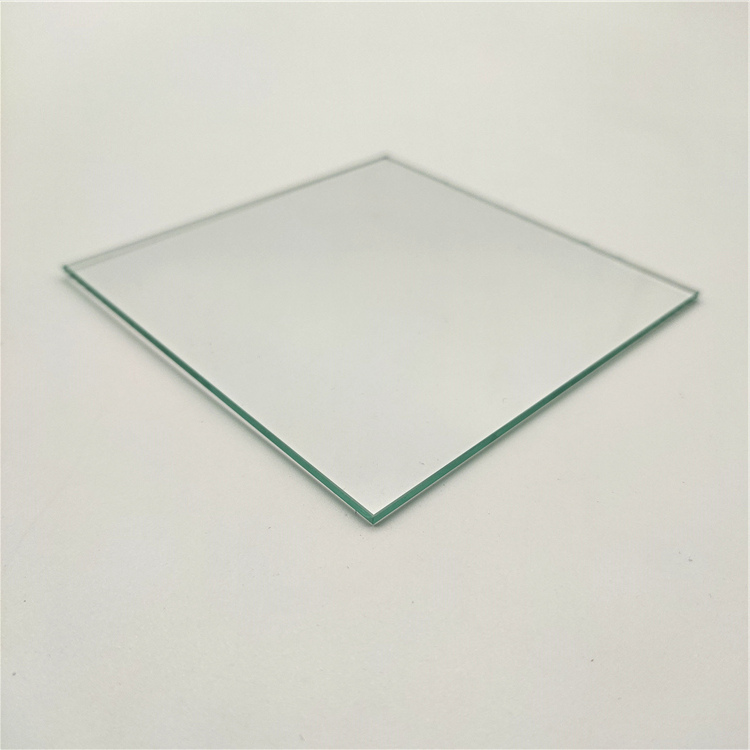
Fast Delivery Custom 1mm Clear Glass Sheet
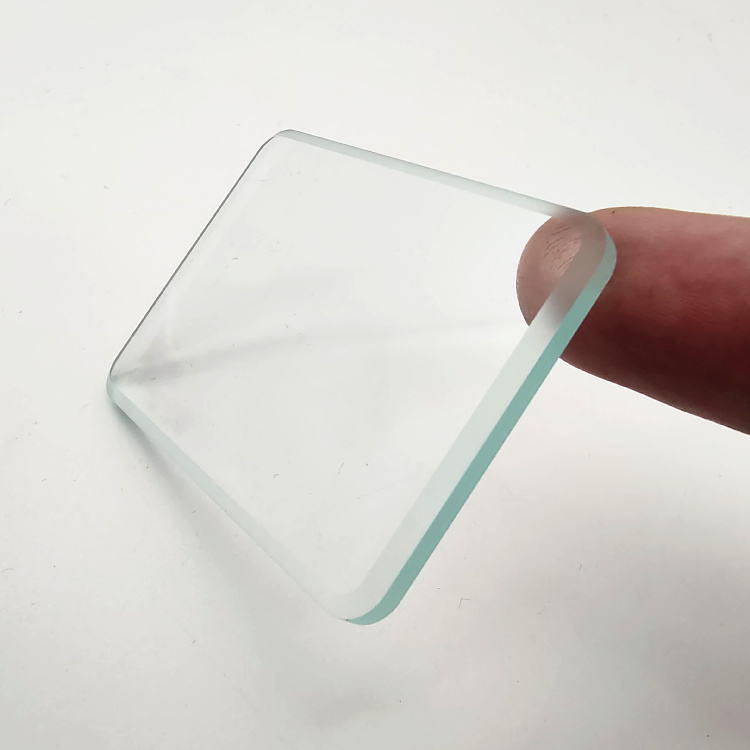
Custom Small Dimensions Tempered Beveled Edge Glass for Sale
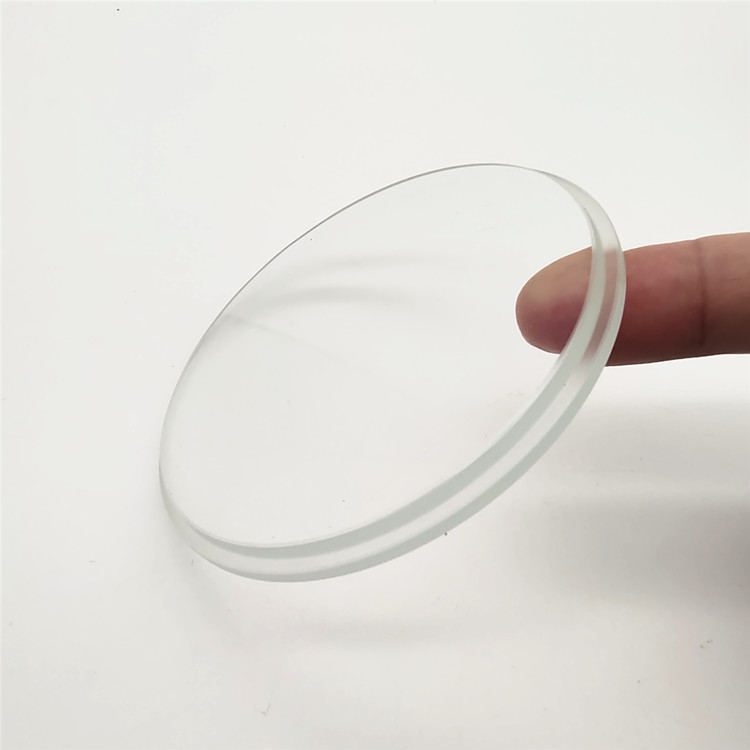
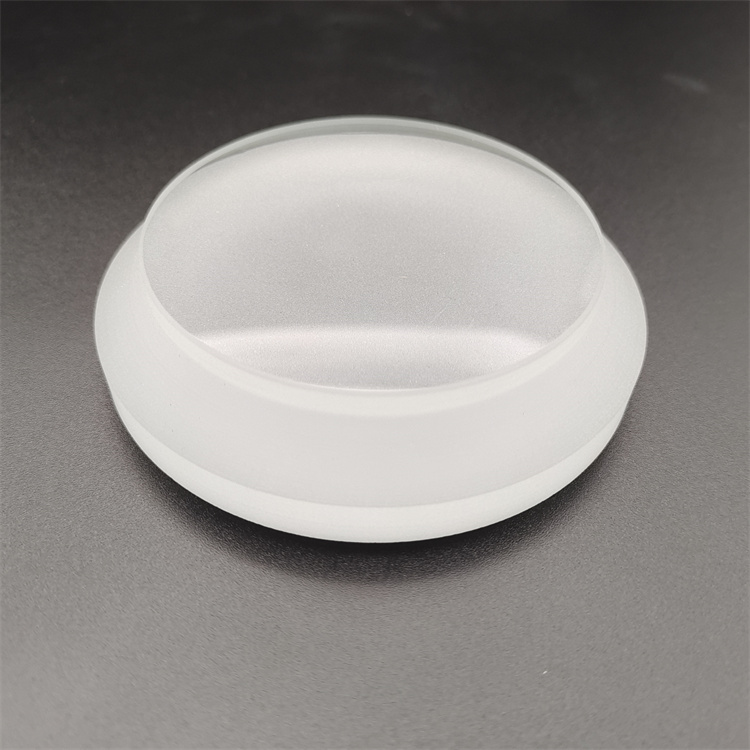
Factory Price 2mm 3mm 4mm 5mm 6mm 8mm 10mm Tempered Step Edge Glass
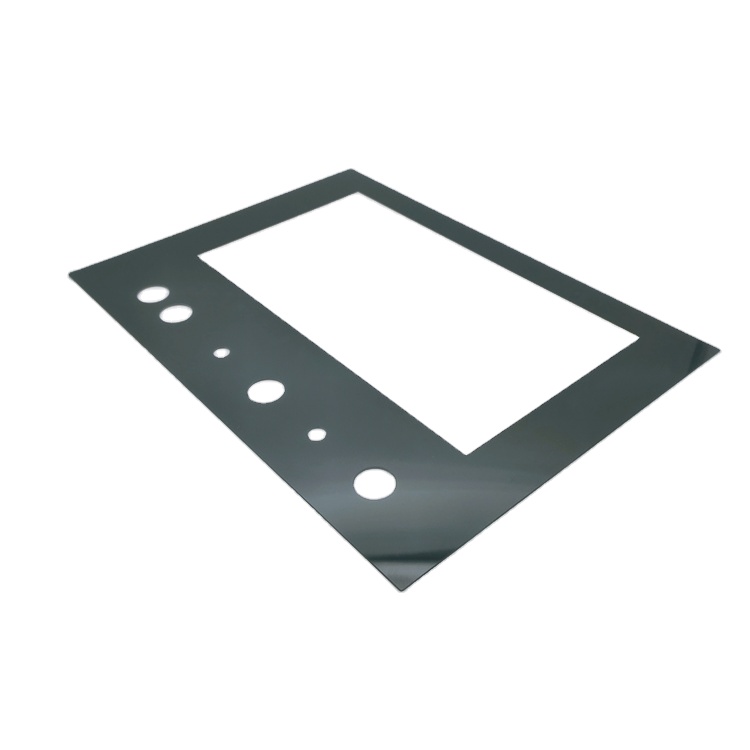

Customized Ultra Clear 0.5mm 0.7mm Thickness Ultra Thin Tempered Glass
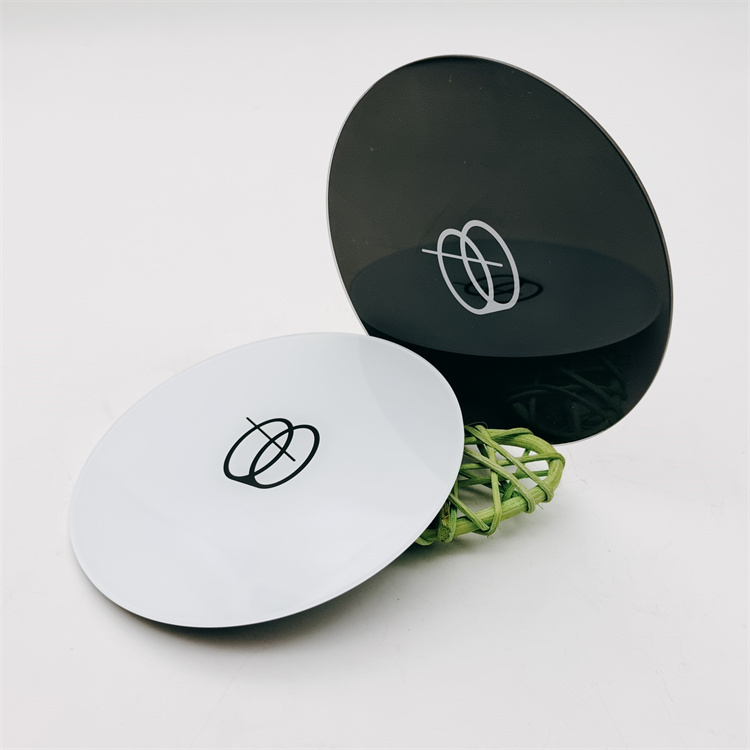
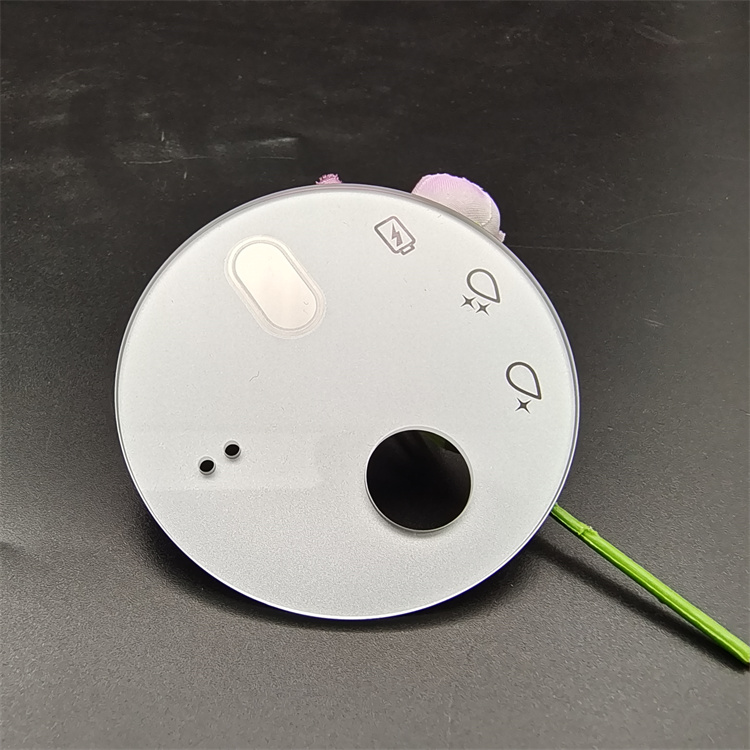
Need an AR coating stack matched to your display brightness, touch design or outdoor enclosure?
Contact UsHow AR-Coated Glass Improves Display Panel Light Transmission
Light transmission is not simply a matter of clearer glass. It is the result of substrate quality, surface reflection control, coating design, tempering sequence and the environmental conditions where the display is installed.
Reflection, not just tint, controls usable light
On ordinary clear glass, each air-to-glass interface reflects roughly 4% of incident light under common viewing conditions. In a multi-layer display assembly, those reflections can reduce perceived contrast, create distracting double images and force the backlight to work harder. For a display panel, the practical benefit of AR coated glass for display panel light transmission is that the coating reduces surface reflection while preserving the image behind it.
Single-sided AR is often selected for signage and covered displays where the main reflection comes from the viewer side. Double-sided AR is preferred for premium casino gaming displays, high-brightness sportsbook monitors and optical windows where both front and rear reflections matter. Low-iron ultra-clear substrate further reduces the greenish edge tint that can appear in thick or large-format glass, helping white balance and color fidelity remain closer to the designer’s intent.
In Las Vegas, optical design must account for intense desert daylight, interior spotlights, 24/7 operating schedules and the visual competition of casino floors. A display that looks acceptable in a showroom can become unreadable beside a bright window or under a wall-washer. Engineers should evaluate reflectance, transmittance, haze, color neutrality, flatness and coating durability as a system — not by transmittance alone.
- Substrate: choose low-iron ultra-clear glass when color accuracy and edge aesthetics are important.
- Coating: specify single- or double-sided AR based on the real viewing geometry, not by habit.
- Touch surface: add AF anti-fingerprint treatment when the display is interactive or publicly accessed.
- Glare: use AG diffusion where direct sun or overhead lights create specular hotspots.
- Durability: temper, print and coat in a controlled sequence so the optical finish is not compromised by later handling.
Samples should be measured against agreed acceptance criteria before mass production. Final optical values vary with thickness, coating stack, printing, glass source and the measuring instrument, so the best purchasing decision is based on an approved physical sample rather than a generic data sheet.
Typical optical design targets
Illustrative design targets for project discussion. Actual transmittance and reflection must be confirmed by approved samples and the agreed test method.
Casino gaming touch displays
Consider ultra-clear 0.7–3 mm tempered glass with double-sided AR and AF treatment to improve contrast, reduce fingerprints and maintain a premium touch feel.
Outdoor Las Vegas signage and kiosks
For sun-facing kiosks and wayfinding, evaluate low-iron glass with AG diffusion or AR plus AG, plus printed borders and sealed edge detailing for desert dust exposure.
Appliance and control panels
Use printed tempered glass with transparent windows, drilled holes and ceramic-ink borders where brand graphics and electrical controls share one surface.
Where AR-Coated Display Glass Matters in Las Vegas
Las Vegas combines high ambient light, continuous operation, heavy public touch traffic and a design culture that rewards visual impact. Display glass must support all four without compromising maintainability.
Casino gaming and slot displays
AR glass can improve readability of game graphics, meters and touch interfaces under decorative lighting. AF coating helps public touch surfaces stay cleaner and easier to maintain.
Sportsbooks and video walls
High-transmission, low-reflection cover glass supports contrast in bright sportsbook environments where multiple screens compete with ambient illumination.
Resort wayfinding and check-in kiosks
Custom-sized touch glass with printed borders and AR/AF treatment integrates into hotel lobbies, wayfinding pylons and self-service terminals.
Outdoor signage near the Strip and Fremont Street
AG processing diffuses harsh reflections from the sun, while AR coating improves transmission for bright digital signage and enclosed display boxes.
Convention centers and entertainment venues
Custom display glass supports interactive directories, stage-control panels and high-impact information surfaces in event environments.
EV charging, parking and ticketing kiosks
Outdoor touch interfaces benefit from durable tempered glass, sealed edge design, anti-glare treatment and easy-clean AF surfaces.
What Las Vegas Display Buyers Are Looking For Now
The local market is moving toward brighter displays, more interactive surfaces and stricter uptime expectations — with a strong preference for suppliers who can engineer rather than simply resell.
Desert-light optical performance
High ambient light and reflective interiors make AR and AG decisions part of the display architecture, not a last-minute accessory.
24/7 gaming and hospitality uptime
Custom covers must fit existing cabinets, survive cleaning schedules and keep pace with repair or retrofit cycles.
Immersive and interactive experiences
Public touch surfaces and experiential displays need AF treatment, precise cut-outs and reliable edge quality.
Factory-direct customization
Las Vegas integrators value direct engineering review, rapid samples, low-to-mid MOQ flexibility and clear export communication.
AR vs AG vs AF vs Ultra Clear: Which Display Glass Fits Your Project?
Use this comparison during design review. Optical treatments can be combined, but each layer should earn its place in the stack.
| Glass / Treatment | Primary Benefit | Best-Fit Las Vegas Use | Engineering Note |
|---|---|---|---|
| Ultra-clear low-iron glass | Reduces green tint and improves color neutrality | Casino gaming displays, premium kiosks, LED light covers | Pair with suitable printing and AR coating when maximum transmission is required. |
| AR anti-reflective coating | Lowers surface reflection and increases useful light transmission | Sportsbooks, indoor signage, display windows, control-room monitors | Decide between single- and double-sided coating based on viewing geometry. |
| AG anti-glare treatment | Diffuses intense reflected light and reduces specular hotspots | Outdoor kiosks, Strip signage, sun-facing terminals | Select haze level with viewing distance and screen resolution in mind. |
| AF anti-fingerprint coating | Improves touch feel and resists oil, sweat and smudges | Gaming touch panels, hotel kiosks, ticketing machines | Often applied as a top layer over the selected optical treatment. |
| Printed tempered glass | Hides wiring, adds brand graphics and creates transparent windows | Appliance panels, switch glass, instrument covers, kiosk bezels | Provide Pantone references, window dimensions and hole positions with the drawing. |
Final performance depends on thickness, substrate, coating stack, printing and test conditions. Approve a physical sample before production.
 Factory tour · Custom glass processing
One Glass Processing Partner from Drawing Review to Export Packing
Dongguan Jaswe Glass Co., Ltd. is a custom glass processing manufacturer and exporter serving display, electronics, lighting, appliance and electrical equipment industries. For Las Vegas buyers, the advantage is not a generic catalog but a direct engineering path: send a drawing, define the optical target, review manufacturability and approve a sample before volume production.
Our in-house capabilities cover cutting, CNC special-shaped cutting, edge polishing, hole drilling, tempering, silk-screen and ceramic printing, AG processing and AR/AF coating. With 26 glass processing machines and more than 80 workers, monthly output exceeds 200,000 pieces. The sales and engineering team maintains a recorded buyer response rate of 96.61%, an average response time within about 3 hours and a 26% reorder rate.
“Scientific management, careful manufacture, high quality service, striving for excellence.”
Optical coating and print control
AR, AG, AF and printed glass are handled through a coordinated process route so the cover surface, viewing window and edge finish work together.
Custom thickness and outline
Ultra-thin 0.2 mm electronic glass through 19 mm flat tempered glass, with CNC shapes, holes, slots, beveled edges and step edges available.
Practical MOQ and export communication
Most custom items start around 100–500 pieces depending on size, printing and coating. Standard clear tempered pieces can be sampled in smaller quantities for evaluation.
A Clear Five-Step Path from Drawing to Delivery
Designed for overseas display manufacturers and exporters who need predictable quality, understandable technical feedback and documented production stages.
Send requirements
Share a DXF, DWG or PDF drawing with thickness, edge type, holes, printing, coating target and estimated annual volume.
Engineering review
We review manufacturability, coating feasibility and handling risks before quoting so avoidable issues are caught early.
Sample approval
Physical samples support fit, color, edge and optical evaluation. Agree on acceptance criteria before mass production.
Batch production
Cutting, printing, tempering and coating run through controlled stages with inspection at critical checkpoints.
Export packing
Interleaved, edge-protected packing supports safer transit to Las Vegas, Nevada and other North American destinations.
Common Procurement Questions from Las Vegas Display Manufacturers and Exporters
Practical answers for project managers, sourcing teams and engineers evaluating a custom optical glass supplier.
Do you supply AR-coated display glass to buyers in Las Vegas and Nevada?
What is the minimum order quantity for custom AR glass?
Which coating is better for an outdoor Las Vegas kiosk: AR or AG?
Can you customize the shape, holes, edges and printed graphics?
What thicknesses are available for display panel glass?
How do I start an AR-coated glass project with Jaswe Glass?
Need a Clearer, Low-Reflection Display Glass for a Las Vegas Project?
Share your drawing and optical target with our engineering team. We will help define the right substrate, coating stack, tempered glass thickness, printing and edge treatment for your display, kiosk or control panel.
Contact UsEmail: info@jasweglass.com · Custom AR / AG / AF coated glass · Manufacturer & Exporter