AR Cover Glass Sourcing for Kobe’s High-Mix Manufacturing Base
For buyers comparing AR cover glass exporters and wholesalers in Kobe, the real question is not only price per piece. It is whether the supplier can translate an optical requirement, a printed graphic and a mechanical drawing into repeatable production.
Kobe procurement teams rarely buy AR cover glass as a generic commodity. A cover glass that performs well on a medical diagnostic display, a port-side terminal, a robotic control pendant or a premium appliance panel must be specified from the inside out. Substrate clarity, thickness, tempering, edge finish, printed graphics and the optical coating stack all interact. A glass that looks acceptable on a desk can show haze, color shift, reflection or fingerprint visibility when it reaches the installed device.
AR cover glass is not simply “glass with a coating.” Anti-reflective treatment reduces surface reflection and can raise light transmission so the display behind it delivers stronger contrast, better legibility and more accurate color. In Kobe’s high-mix manufacturing environment, that optical benefit is just the starting point. Buyers also need anti-glare treatment for outdoor readability, anti-fingerprint coating for touch interfaces, low-iron ultra-clear substrate for neutral color, silk-screen or ceramic printing for control panels, and precision hole drilling for cameras, sensors, buttons and light windows.
Dongguan Jaswe Glass Co., Ltd. is a custom glass processor and exporter rather than a catalogue-only stockist. Cutting, CNC and special-shaped cutting, edge polishing, hole drilling, tempering, silk-screen and ceramic printing, AG processing and AR/AF coating are handled under one roof. Our published operating data includes more than 80 skilled workers, 26 glass processing machines, monthly output above 200,000 pieces, an average response time within about 3 hours and a 96.61% buyer response rate. For Kobe buyers, those figures point to a practical advantage: fewer hand-offs between subcontractors, faster engineering feedback and a clearer route from drawing to sample to repeat order.
The city’s industrial character also matters. Kobe sits in a Kansai manufacturing corridor that includes precision machinery, medical equipment, robotics, marine electronics and high-end appliances. Wholesalers and OEM teams in this region often manage many low-volume variants rather than one long-run commodity product. That makes specification discipline critical. A cover glass supplier serving Kobe should be comfortable reviewing DXF, DWG or PDF drawings, discussing coating options before sampling, controlling printed colours across batches, protecting glass edges during export packing and keeping communication clear when an engineering change appears.
Eight AR Cover Glass Product Options for Wholesale and Custom Projects
These product families cover printed tempered glass, ultra-clear low-iron glass, beveled-edge glass, drilled glass panels, optical AR glass and instrument cover glass. Each item can be reviewed against your Kobe application, drawing and estimated annual volume.
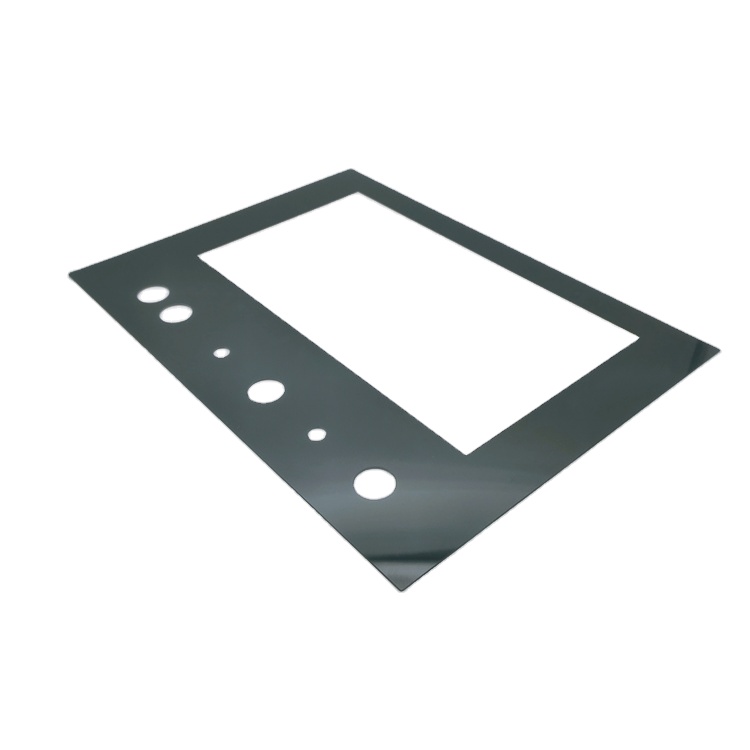
Customized Printed 0.5-6mm Thickness Flat Tempered Glass Screen Protector with Cut Holes
A printed flat tempered cover with CNC cut-outs for sensors, buttons or camera windows. Recommended for control panels, equipment windows and custom display covers.
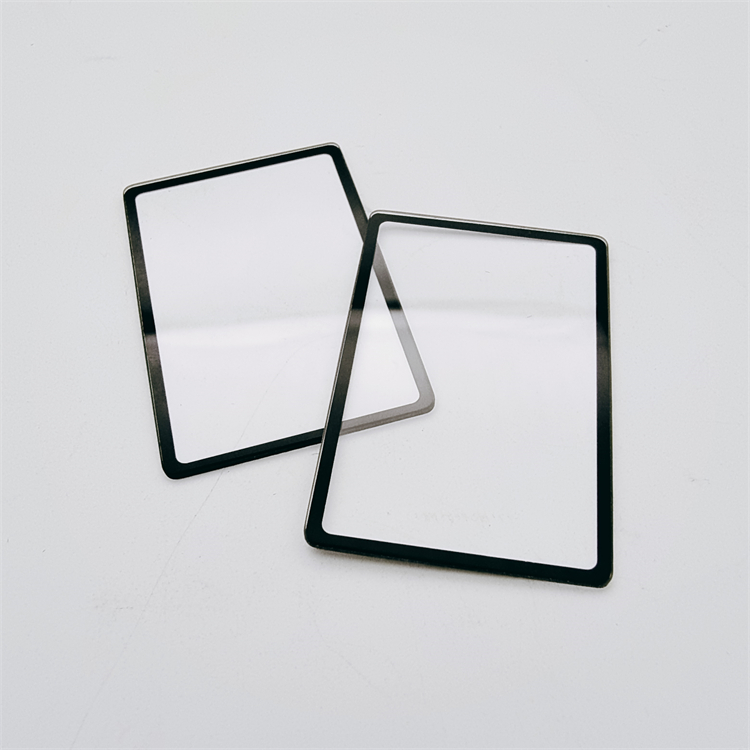
0.5mm 0.7mm 1mm 2mm 3mm Good Price OEM Wholesale Custom Premium Silk Screen Printing Tempered Glass Display Screen Industrial
A cost-controlled printed tempered display glass for industrial screens and appliance panels where repeatability, colour matching and wholesale supply matter.
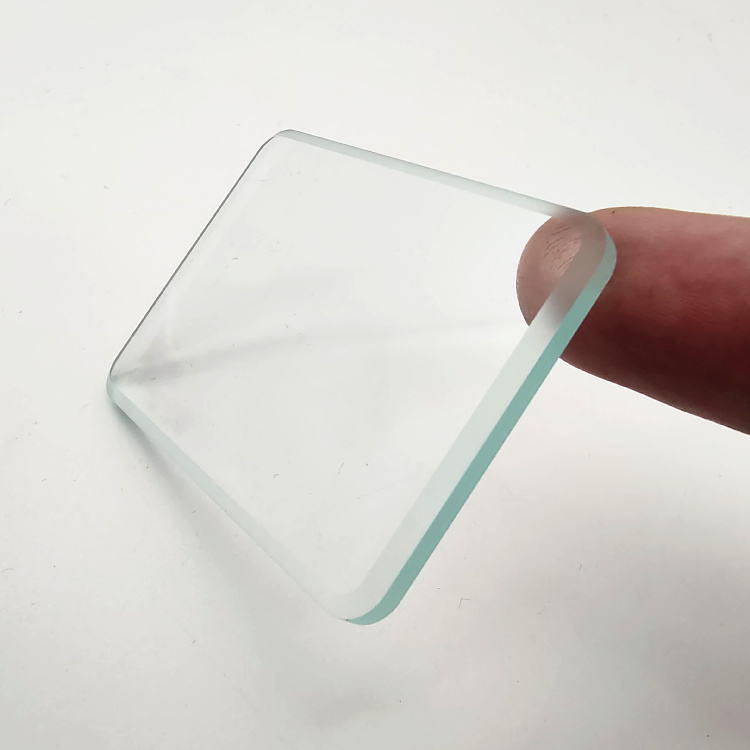
Custom Small Dimensions Tempered Beveled Edge Glass for Sale
Small-format tempered glass with a polished beveled edge for compact instrument windows, decorative covers and precision assemblies.
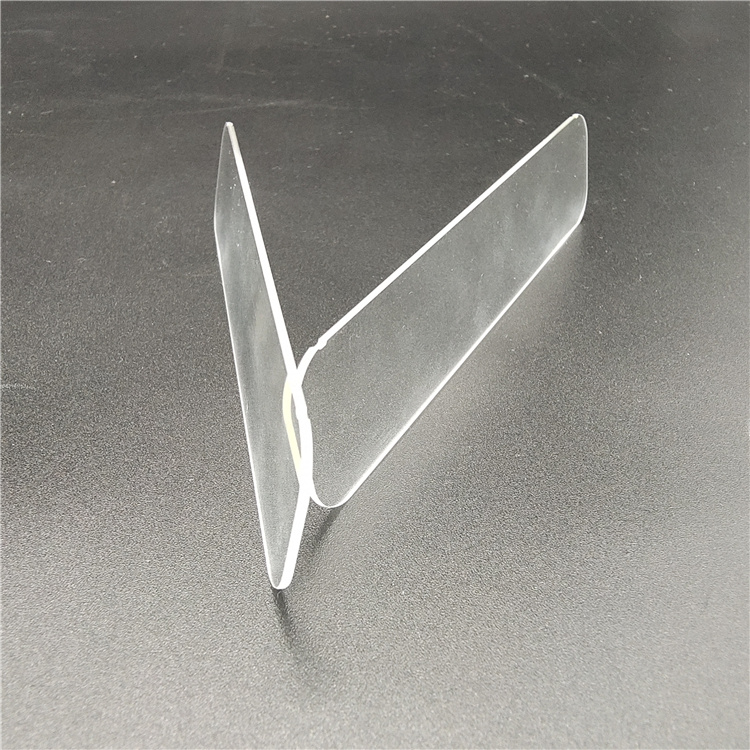
Custom Extra White 0.5mm 1mm 1.5mm 2mm Low Iron Tempered Glass Chemical Strengthened
Low-iron chemically strengthened glass for neutral colour, high transparency and thin cover-glass designs where visual clarity is critical.
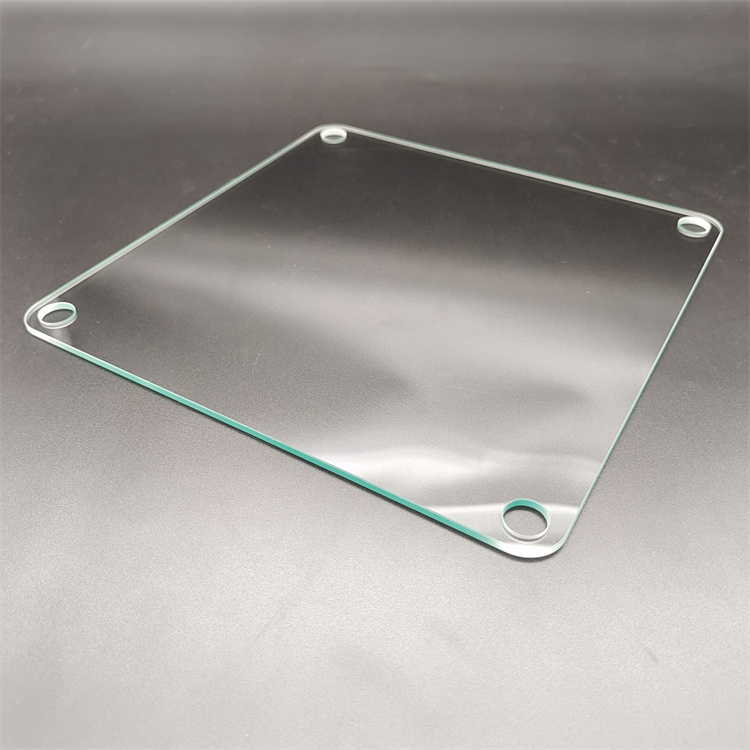
Factory Sale Customized Shape Decorative Glass Cover Hole Drilling Glass Panel Soda-lime Tempered Glass Sheet With Holes
Custom-shaped soda-lime tempered glass with drilled holes for decorative covers, equipment windows and mounting assemblies.
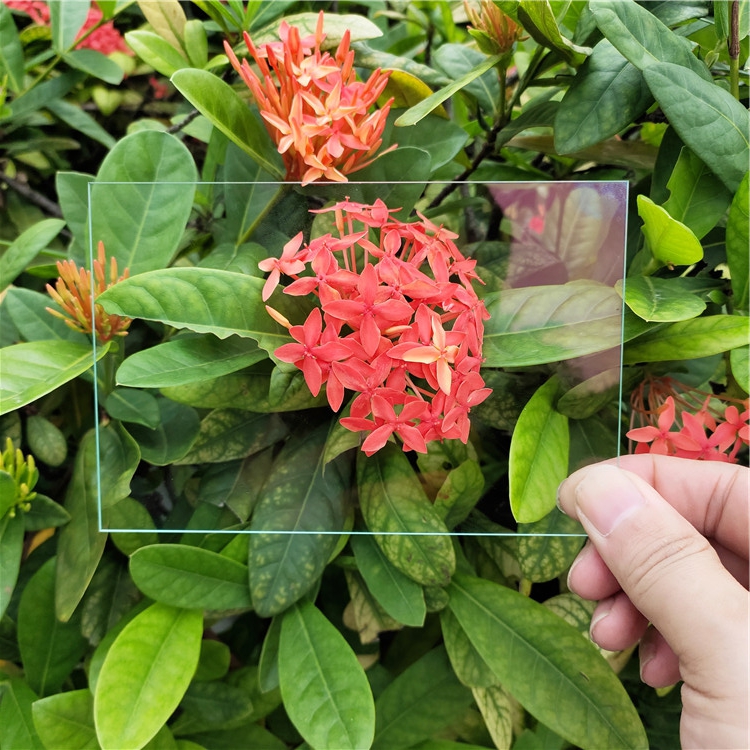
Factory Custom Optical Quality Nano Coating Tempered Anti Reflective AR Glass
Nano-coated AR glass designed to reduce reflection and improve display contrast. Request a coating-stack review for your specific viewing conditions.
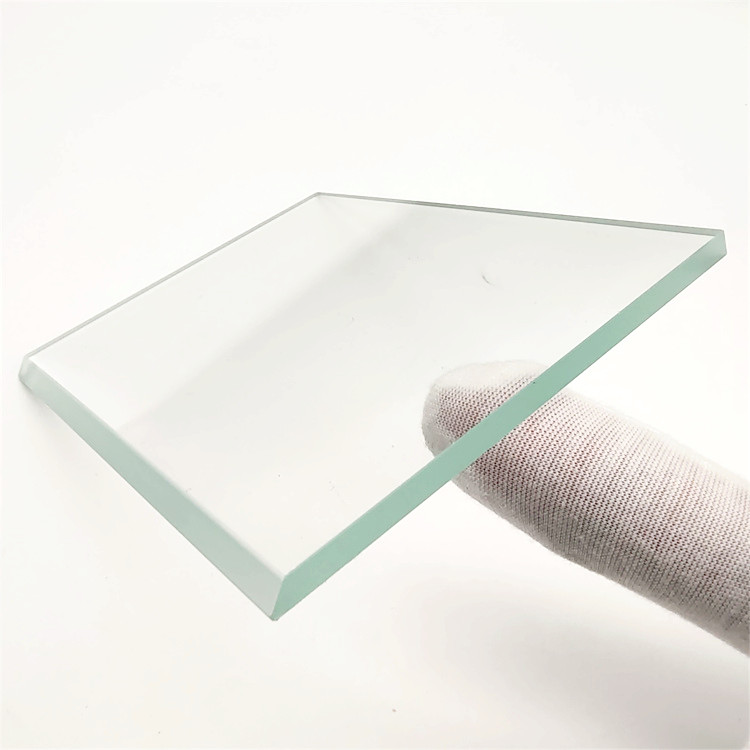
Customized Small Size 3mm 4mm 5mm 6mm Beveled Edge Tempered Glass
Small-size beveled tempered glass for compact display covers, sight windows and custom control interfaces requiring a clean edge finish.
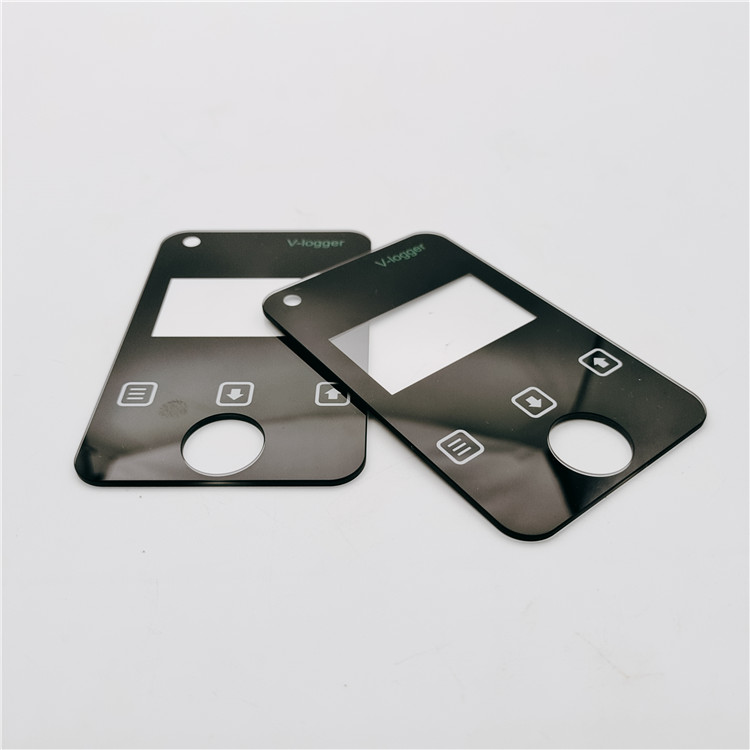
Customized Cut 1mm 2mm 3mm 4mm Instrument Printed Tempered Glass With Holes
Printed tempered instrument glass with precision holes for meters, HMI windows and industrial equipment covers.
Where Kobe and Kansai Buyers Use AR Cover Glass
Kobe’s display and equipment clusters are not all the same. Medical imaging, port logistics, robotics, marine electronics, premium appliances and industrial instruments each place different demands on optical performance, printing and mechanical features.
Medical imaging and diagnostic displays
AR-coated ultra-clear cover glass is used on diagnostic monitor windows, imaging equipment bezels and laboratory instrument displays. Double-sided AR can improve contrast while low-iron glass helps maintain neutral colour. Anti-fingerprint coating is useful where the surface may be touched during cleaning or calibration.
Outdoor kiosks and port logistics terminals
Kobe Port and waterfront logistics operations need sunlight-readable terminals, gate displays and outdoor kiosks. AG or AG+AF coated tempered glass diffuses glare, while touch-friendly AF reduces smudges and cleaning downtime. Printed borders can hide gaskets and mounting hardware.
Robotics and factory automation interfaces
Robot control pendants, machine tools and automated equipment use printed tempered panels with drilled holes, transparent windows, icons and ceramic borders. Tempered 1–4 mm glass is common; thicker glass can be used where rigidity and impact resistance are important.
Marine, navigation and measurement instruments
Marine electronics, navigation instruments and precision measurement devices require durable glass with stable optical properties. AR glass improves contrast in bright cabins, while beveled edges and small dimensions help fit compact instrument windows.
Premium appliance and smart home panels
Appliance control panels and smart home switches use printed tempered glass. Low-iron glass helps prevent a green tint, silk-screen or ceramic printing hides circuits and adds icons, and AF coating keeps daily touch interfaces cleaner for longer.
Printers, scanners, cameras and sensor windows
Industrial printers, scanners, security cameras and sensor modules use drilled, printed and AR-coated covers. Accurate CNC hole positions and polished edges help avoid assembly leaks, light leakage and visible defects in finished equipment.
Trends Shaping AR Cover Glass Demand in Kobe
Procurement behaviour in Kobe and the wider Kansai region is moving toward higher specification discipline, smaller batch sizes and faster engineering loops. That changes how a cover glass exporter should support wholesale and custom buyers.
High-mix, low-volume customization
Kansai OEMs often support many product variants with modest annual quantities. A wholesaler serving Kobe should be able to manage 100–500 piece starts for custom printed or coated parts, then scale as demand becomes clearer.
Glare control for outdoor and harbor environments
Outdoor terminals, transportation displays and port equipment require readability under strong ambient light. AG treatment and optical bonding decisions are increasingly reviewed together, not chosen after the enclosure is already designed.
Touch-first hygiene and AF coating
Smart switches, HMI panels and self-service interfaces make fingerprint resistance part of the user experience. AF coating is often specified as a top layer over AR or AG glass to reduce smudging and simplify cleaning.
Documentation and response speed
Kobe buyers increasingly evaluate communication quality as part of supplier reliability. Fast engineering replies, clear sample reports, export-ready packing and traceable inspection steps matter as much as a low quotation.
AR, AG, AF or Printed Tempered Glass: Which Should You Specify?
This is the quick selection logic we use during engineering review. Treatments can be combined, and final optical values depend on glass thickness, substrate and coating stack.
Choose AR for contrast and transmission
Use anti-reflective coated glass for medical displays, camera windows, laboratory instruments and high-contrast monitor covers. Double-sided AR usually gives the largest improvement when both viewing and external light paths matter.
Choose AG for bright or outdoor viewing
Anti-glare processing diffuses reflected light so screens remain readable under sunlight, overhead lighting or harbor conditions. Haze level should be matched to viewing distance and display resolution.
Choose AF for touch cleanliness
Anti-fingerprint coating is an oleophobic top layer for capacitive touch panels, smart switches, POS terminals and control interfaces. It improves glide and reduces visible smudges without changing the underlying printed design.
Choose printed tempered for control panels
Silk-screen or ceramic printed tempered glass hides wiring, adds icons and borders, and creates transparent display windows. For precise assemblies, combine printing with CNC holes, slots, countersinks and beveled edges.
Recommended starting point for Kobe buyers: request a sample with the same substrate, thickness, printing and coating stack you intend to approve. Evaluate reflection, haze, colour, edge quality, hole position and cleaning performance under the actual viewing conditions.
Why Jaswe Glass Fits Kobe Wholesale and Custom Programs
Our advantage is not only product variety. It is the ability to review a drawing, choose a manufacturable process route, produce samples, control batch inspection and ship protected glass to overseas buyers.
One-roof glass processing
Cutting, CNC shaping, edge polishing, hole drilling, tempering, printing, AG processing and AR/AF coating are kept inside one production flow.
Broad thickness range
Electronic-grade ultra-thin glass from 0.2 mm up to 19 mm flat tempered glass can be reviewed, with 0.5, 0.7, 1, 2, 3 and 4 mm commonly requested for covers.
26 machines and 80+ workers
The production floor includes a tempering furnace, edge polishing equipment, printing lines and automatic cutting capability for repeat custom work.
200,000+ pieces per month
Monthly output above 200,000 processed pieces supports wholesale programs and recurring OEM orders without losing sight of custom detail.
Fast engineering replies
Average response time within about 3 hours and a published 96.61% response rate help Kobe buyers keep projects moving across time zones.
Repeat-order confidence
A 26% buyer reorder rate reflects repeat business from lighting, electronics and appliance customers who value consistency after sampling.
Drawing review before quotation
Send DXF, DWG or PDF files with thickness, edge, printing, coating and quantity requirements. Engineers review manufacturability before sampling.
Inspection and export packing
Inspection is applied at cutting, edging, tempering, printing and coating stages before interleaved, edge-protected packing for export transit.
For third-party context, review our company profile, trade capacity, ratings and reviews and credit index.
How to Evaluate an AR Cover Glass Exporter for Kobe Delivery
Price is only one data point. For projects that need AR, AG, AF, printing, holes or tempered edges, supplier evaluation should include process capability, sample discipline and export communication.
Check the coating stack, not just the label
Ask whether AR is single-sided or double-sided, how transmittance and reflection are controlled, and whether AG or AF is applied as an additional layer. The same “AR glass” label can describe very different optical results.
Validate printing and hole tolerance early
Printed windows, icons and holes need to match the enclosure, gasket and display module. A supplier with in-house printing and CNC drilling can review these features together instead of treating them as separate jobs.
Test under real viewing conditions
Evaluate samples under the lighting, angle and cleaning routine used by the end product. A coating that improves desk performance may behave differently under strong downlighting or outdoor daylight.
Confirm MOQ, packing and lead time
Most custom items start around 100–500 pieces depending on size, printing and coating. Confirm sample quantities, export carton design, pallet protection and the communication path for engineering changes before mass production.
FAQ: Buying AR Cover Glass in Kobe
These are the questions overseas and Kansai-based buyers commonly ask when starting a custom glass project with a manufacturer outside Japan.
Do you ship AR cover glass to Kobe and other Kansai cities?
Yes. We export custom glass to overseas buyers and can ship to Kobe, Osaka, Kyoto and other Kansai destinations using agreed courier, air freight or sea freight terms. The quotation can include packing suggestions and shipping coordination based on your quantity and project schedule.
What is the minimum order for a Kobe prototype or pilot run?
Most custom items start at 100–500 pieces depending on size, printing and coating. Standard clear tempered pieces may be available in smaller sample quantities for evaluation. Send your drawing and annual demand so the factory can recommend a practical minimum.
Can AR, AG and AF coatings be combined on one cover glass?
Yes. AR reduces surface reflection, AG diffuses glare and AF adds an oleophobic top layer for touch surfaces. A common outdoor touch solution is AG plus AF, while medical or high-contrast displays often prioritize AR. The right combination depends on the light environment and interface usage.
What files should we send for an engineering review?
Send DXF, DWG or PDF drawings together with thickness, outline dimensions, hole positions, edge type, printing colours, transparent window size, coating requirement, application and estimated annual quantity. If you have a Pantone colour or previous sample photo, include it in the first message.
How do you control printed colour and display windows?
Printing projects are reviewed against artwork, Pantone references and window dimensions. Samples are used to approve colour, opacity and edge alignment before mass production. In-process inspection is applied during cutting, printing, coating and final packing stages.
How is glass packed for export to Kobe?
Finished glass is normally interleaved and edge-protected, then packed in export cartons suitable for the chosen shipping method. For larger or high-value orders, carton and pallet protection can be reviewed with your forwarder so the glass arrives without edge chipping or surface damage.
Request an AR Cover Glass Quote for Your Kobe Project
Share your drawing, thickness, edge type, printing colours, AR/AG/AF coating requirement, application and estimated annual quantity. Our team will review manufacturability and recommend a practical production route for sampling.
Email: info@jasweglass.com