AR Glass Manufacturers & Factory for the Mexico City Market
Custom anti-reflective, anti-glare and tempered display glass for Mexico City’s retail, transit, medical, security and industrial design teams — engineered by Jaswe Glass with in-house CNC, tempering, printing and AR / AG / AF coating.
Why Mexico City Is a High-Value Market for AR-Coated Display Glass
Mexico City is not only a consumer market; it is a design, procurement and specification hub. Brand teams in Polanco, corporate real-estate teams in Santa Fe, transit authorities, hospital groups, museums, retail chains and industrial automation integrators all influence specifications before a purchase order is released. For AR glass suppliers, this means the buying conversation is rarely only about price per square metre. It is about readability, coating durability, edge quality, printing accuracy and the ability to keep a finish consistent from sample to mass production.
At roughly 2,240 metres above sea level, Mexico City receives intense daylight and high ultraviolet exposure. The effect on a display is not simply “more light”. It is stronger veiling glare on glossy cover glass, faster fading of poorly specified inks, and higher contrast loss when a screen sits behind a glass window in a bright lobby. That is why many local designers now ask for an optical stack — for example AR on the outer face, AG treatment where reflected light cannot be controlled, and AF on touch surfaces — rather than a single uncoated tempered sheet.
Nearshoring has also changed procurement behaviour. Mexico has become a more important manufacturing and assembly location for North American brands, and Mexico City often acts as the engineering and purchasing bridge between local factories and global headquarters. Suppliers that can answer in English and Spanish, provide clear coating data and pack glass for a long ocean route are more useful than a catalog-only trader. Jaswe Glass supports this workflow from Dongguan, China, with in-house glass processing and export experience across America, Europe and Asia.
Mexico City specification signals
- High-altitude daylight: stronger perceived glare in glazed retail, lobbies and transit canopies.
- Touch-first public interfaces: ticket machines, POS, vending and smart-building panels need AF and easy-clean surfaces.
- Premium retail and museums: ultra clear, low-iron glass protects colour truth in lighting and display windows.
- Nearshoring pressure: shorter sample cycles, bilingual documentation and predictable export packing.
Eight AR & Display Glass Products Recommended for Mexico City Projects
Each item is made to drawing. Product URLs are preserved, and specifications can be combined with AR, AG, AF, silk-screen printing, holes and custom edges.
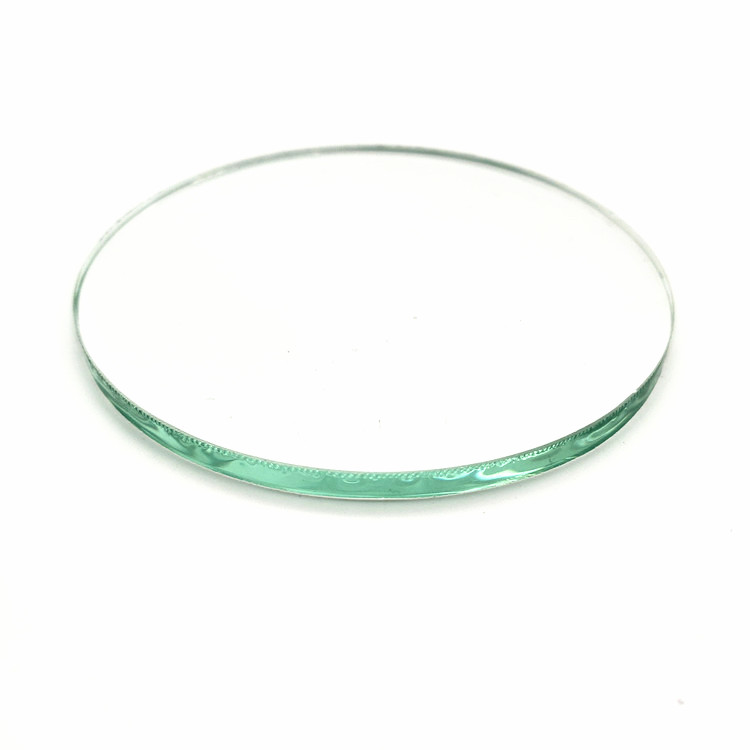
Customized Clear Flat Solid Tempered Glass Pieces 1mm–19mm
For Mexico City lighting, signage and equipment windows that need a clear, impact-resistant substrate before AR or AG coating.
- Thickness: 1–19 mm
- Clear float · polished edge
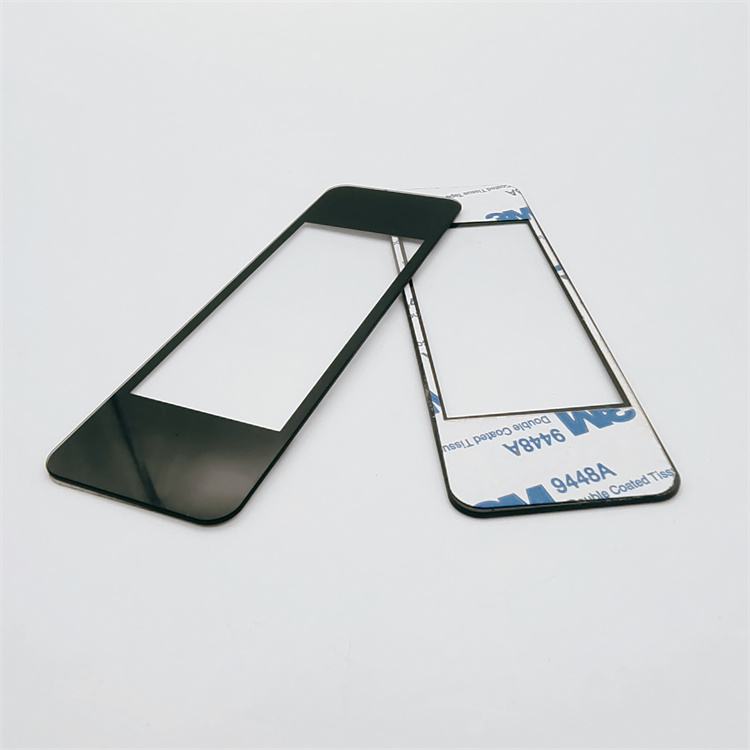
Ultra Thin 1mm Tempered Glass with 3M Tape for Screen Cover Glass
For compact display covers and control interfaces where adhesive assembly saves time. Suitable for Mexico City POS terminals, elevator panels and smart-home touch plates.
- 1 mm ultra-thin glass
- 3M tape · screen cover
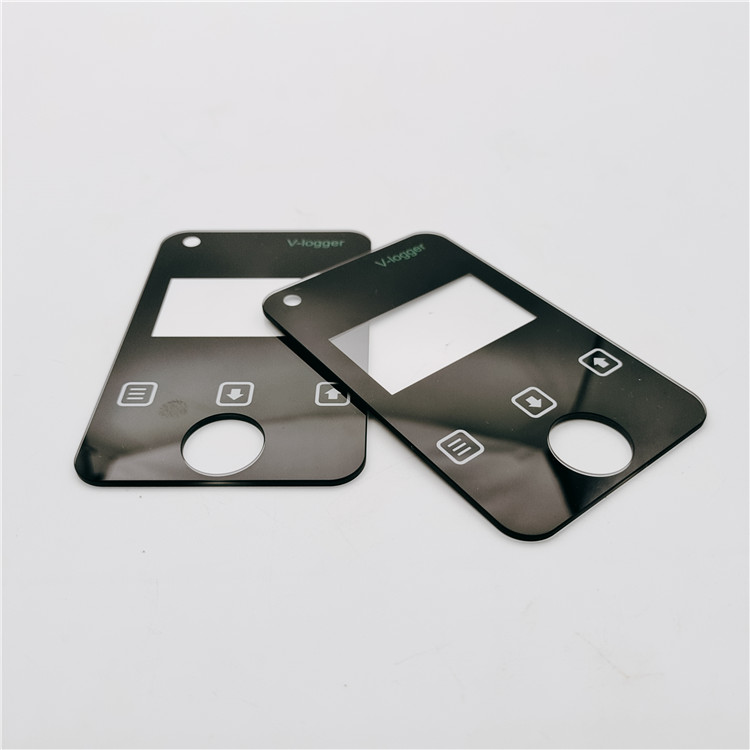
Customized Cut 1mm 2mm 3mm 4mm Instrument Printed Tempered Glass With Holes
A strong fit for industrial instruments, meter windows and equipment panels that need holes and printed graphics. Bilingual artwork review helps avoid wrong icons.
- 1–4 mm thickness
- Drilled holes · silk print
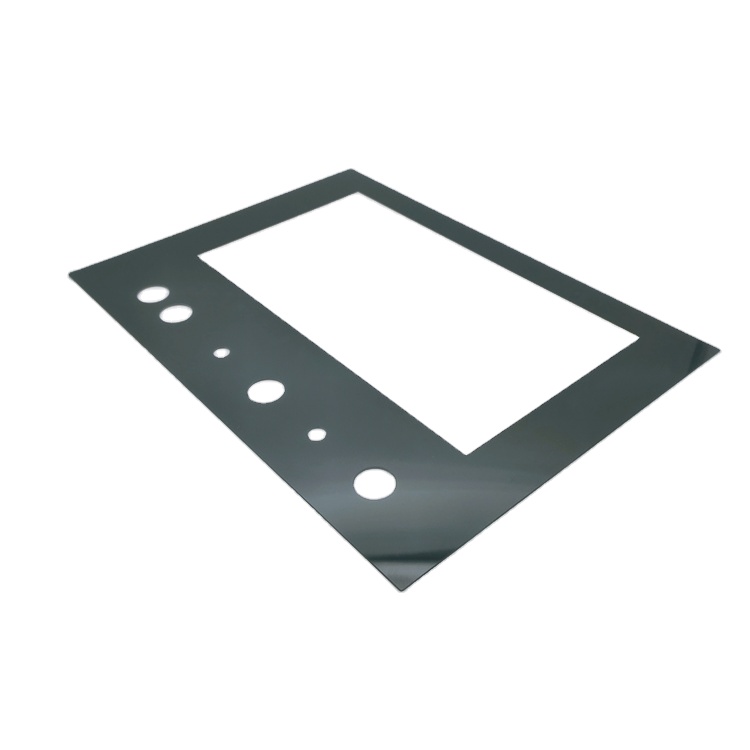
Customized Printed 0.5–6mm Flat Tempered Glass Screen Protector
Useful for appliance, medical and kiosk covers requiring a printed border or transparent window. Specify Pantone colours and window size for Mexico City assembly teams.
- 0.5–6 mm · cut holes
- Black border / display window
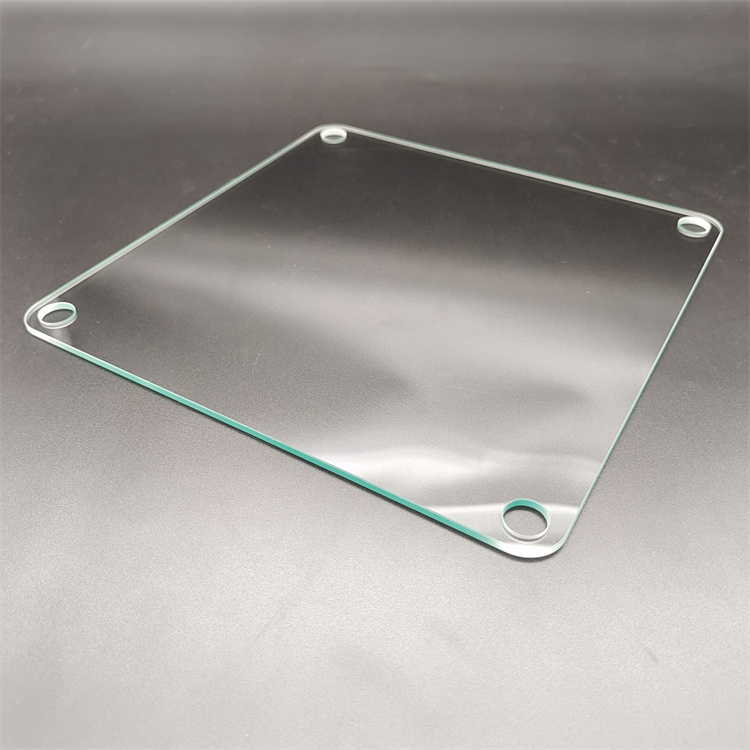
Factory Sale Customized Shape Decorative Glass Cover with Drilled Holes
For decorative covers, sensor windows and architectural hardware. Custom outline and drilling can reduce assembly steps for Mexico City integrators.
- Soda-lime tempered glass
- Custom shape · hole drilling
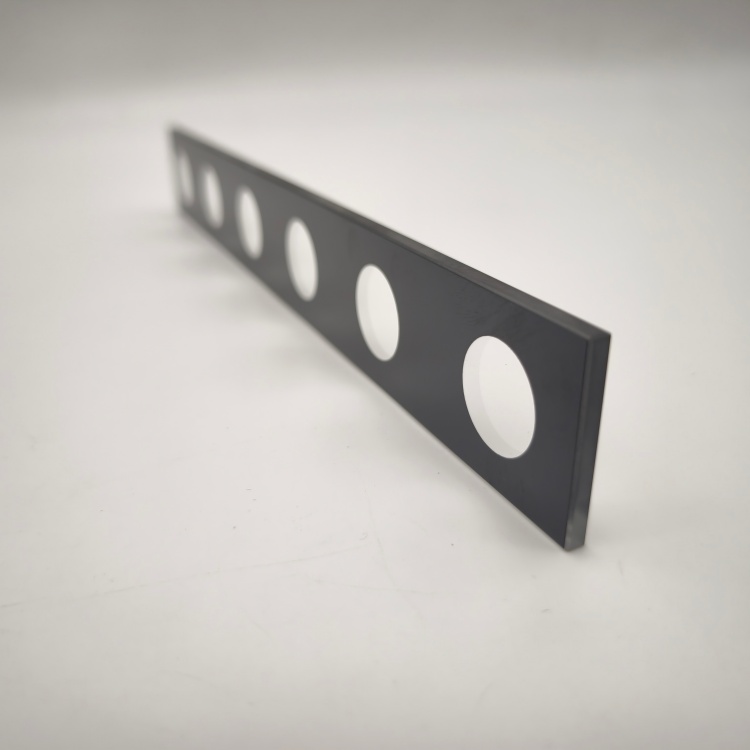
Black Printed Polished Smooth Matte Edge Linear Tempered Glass for LED Wall Washer Light
A lighting-specific glass for wall washers and linear fixtures. The black print hides internal components; the matte edge reduces visual distraction.
- Black printed glass
- Polished matte edge · linear
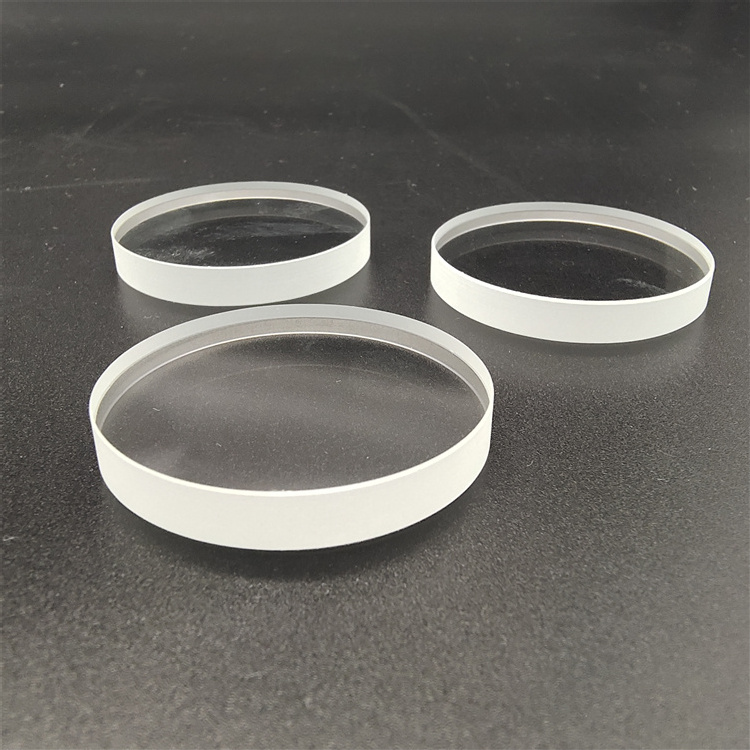
Full Tempered 30mm Diameter Ultra Clear Round Tempered Glass
Round ultra-clear covers for downlights, sensors and compact displays. The low-iron substrate helps avoid green tint in high-end retail and museum lighting.
- 30 mm diameter
- 3–8 mm · ultra clear
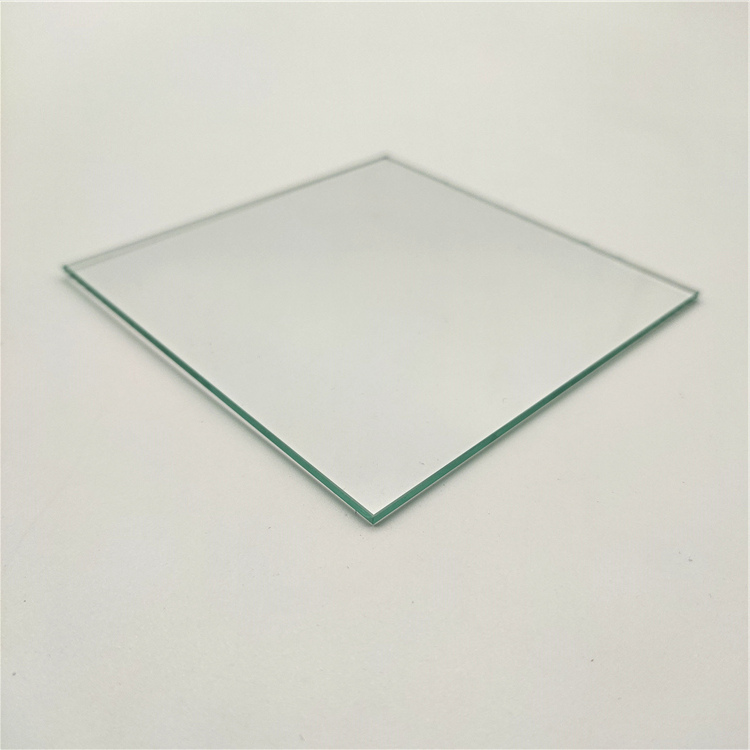
Fast Delivery Custom 1mm Clear Glass Sheet
A practical sampling and bridge-production item for Mexico City design teams. Use it to validate fit, edge finish and coating before higher-volume custom AR glass moves into production.
- 1 mm clear glass
- Fast delivery · custom size
Where AR Glass Improves Visibility Across Mexico City
From Polanco retail windows to Santa Fe control rooms, the same optical problem appears: a screen or object behind glass loses contrast when reflections are uncontrolled.

Interactive retail & POS terminals
AR + AF cover glass keeps self-service screens readable in bright shopping centres and reduces fingerprint haze at checkout counters.

Transit & public information kiosks
Printed windows and AG surfaces help ticket machines, wayfinding panels and outdoor information displays stay legible under canopy glare.
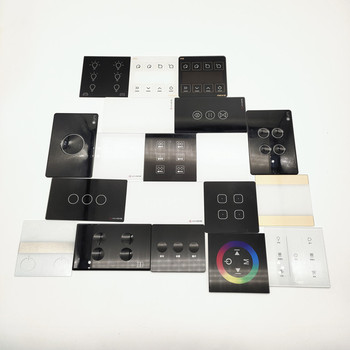
Smart home & switch panels
Printed icons, touch windows and AF coating give residential and hospitality projects a clean interface that resists daily handling marks.
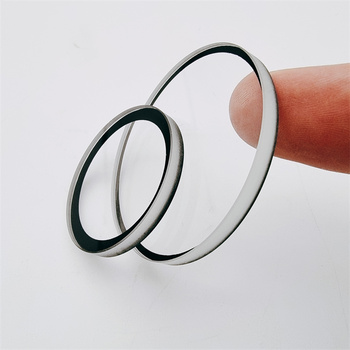
Premium lighting & hospitality
Low-iron round covers support colour-accurate LED downlights, decorative fixtures and museum-grade lighting in high-end venues.
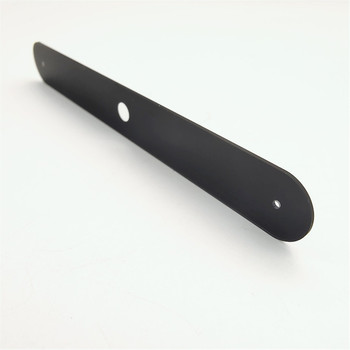
Security & camera devices
Precision cut-outs, printed masks and AR windows improve image clarity for surveillance, access control and sensing equipment.
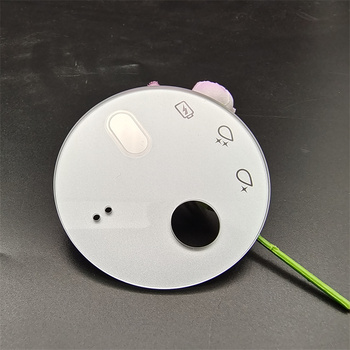
Home appliance display panels
Thin printed glass panels combine scratch resistance, colour-matched graphics and easy cleaning for premium appliance lines.
Mexico City AR Glass Trends Buyers Are Specifying Now
Local design teams are moving from “clear glass with printing” to engineered optical stacks with documented performance.
Optical stacks instead of single coatings
AR reduces reflection, AG diffuses unavoidable glare, and AF improves touch feel. Mexico City projects increasingly combine two or three treatments on one cover glass.
Bilingual artwork and faster sampling
Spanish-language interface files, Pantone references and transparent window dimensions are now part of the specification package, not an afterthought.
Nearshoring-driven documentation
Buyers want coating declarations, batch traceability, export packing details and customs support so that glass arrives ready for local assembly.
UV-stable inks and outdoor readability
High-altitude sunlight accelerates colour shift in poor-quality printing. Ceramic inks and UV-resistant coating stacks are preferred for exposed signage and transit displays.
How to Specify AR Glass for Mexico City: A Practical Selection Matrix
Use this matrix during design review. Final values depend on thickness, substrate, coating stack and the viewing environment.
| Specification decision | Why it matters in Mexico City | Recommended approach |
|---|---|---|
| AR vs AG vs AF | Bright lobbies, retail windows and transit canopies create veiling glare; public touch interfaces collect fingerprints. | Use AR for contrast-critical displays, AG where reflected light cannot be controlled, and AF on touch surfaces. Combine AR + AF or AG + AF when needed. |
| Ultra clear or standard clear | Premium retail, museums and lighting projects cannot tolerate a green edge tint. | Specify low-iron ultra clear glass for colour-critical covers; standard clear is acceptable for hidden or industrial panels. |
| Thickness and strength | Thin covers suit compact electronics, while thicker glass supports instruments, lighting and architectural hardware. | Use 0.5–4 mm for display covers, 1–6 mm for printed instrument panels, and 3–8 mm for round lighting covers. |
| Printing and windows | Spanish-language icons, brand colours and transparent display windows must match after tempering and coating. | Provide Pantone codes, window dimensions and artwork files. Use high-temperature ceramic ink for exposed or long-life products. |
| Edges, holes and stress | Transport vibration and local assembly handling can expose weak edges or poorly drilled holes. | Polish edges, specify hole position tolerances and avoid sharp internal corners. Review the drawing before tempering. |
| Export packing | Ocean freight from China to Mexico involves multiple handling points before truck delivery to Mexico City. | Use interleaved paper, PE film, edge protectors, moisture barrier and palletised cartons. Keep adhesive films away from optical coatings. |
For projects using IMMEX or a Mexican customs broker, share the broker’s instructions early so that invoices, packing lists and material declarations match the import file.
Why Jaswe Glass Is a Practical AR Glass Partner for Mexico City Buyers
In-house processing reduces hand-offs, protects coating quality and gives design teams a single technical contact from sample to shipment.



Dongguan Jaswe Glass Co., Ltd. processes custom tempered, ultra clear, silk-screen printed, AR, AG and AF coated glass for displays, touch panels, LED lighting, switch panels and electrical equipment. The company is based in Dongguan, Guangdong, China — a manufacturing region with deep experience in electronics, lighting and precision components.
More than 80 skilled operators and 26 glass processing machines support monthly output above 200,000 pieces. Most custom items start at 100–500 pieces depending on size, printing and coating. Standard clear tempered pieces can be supplied in smaller sample quantities for evaluation.
We keep cutting, CNC shaping, edge polishing, hole drilling, tempering, silk-screen and ceramic printing, AG treatment, and AR / AF coating under one roof. That matters for Mexico City buyers because every additional subcontractor increases the chance of coating damage, colour drift or a dimensional mismatch between the printed window and the display module.
“Scientific management, careful manufacture, high quality service, striving for excellence.”
CNC & special-shape cutting
Rounds, notches, slots and irregular outlines cut to drawing before tempering.
Thermal tempering
Strengthened glass for impact resistance and safer breakage behaviour.
Silk-screen & ceramic printing
Multi-colour logos, icons, borders and display windows with colour matching.
AR / AG / AF coating
Optical reflection control, glare diffusion and anti-fingerprint touch performance.
In-process quality control
Inspection at cutting, edging, tempering, printing and coating stages before packing.
Export-safe packing
Interleaved, edge-protected cartons on pallets for long ocean transit to Mexico.
From Drawing to Mexico City Delivery in Five Controlled Steps
A transparent process for overseas buyers who need predictable quality and clear communication.
Send drawing & brief
Share DXF, DWG or PDF with thickness, edge, printing, coating and annual volume.
Engineering review
We check manufacturability, coating sequence, hole stress and packing method.
Sample approval
Physical samples validate fit, colour, reflection, haze and touch feel.
Mass production
Batch production with in-process inspection at each critical station.
Packing & shipping
Export packing and documents prepared for your forwarder and customs broker.
What Mexico City Buyers Ask Before Ordering AR Glass
Practical answers for sourcing teams, design studios and importers comparing AR glass manufacturers and factories.
Which AR glass is best for Mexico City’s high-altitude sunlight?
What is the minimum order quantity for custom AR glass?
Can Jaswe Glass support Spanish-language drawings and documentation?
How long does production and shipping to Mexico City take?
What documents are needed for Mexican customs clearance?
How do you protect AR, AG and AF coatings during international shipping?
Can you combine AR, AG, AF and silk-screen printing on one panel?
How do I start an AR glass project for Mexico City?
Send your Mexico City project drawing for an AR glass review.
Share thickness, coating target, printing colours, annual volume and delivery location. Our engineers will return a manufacturability note and catalog.
Email: info@jasweglass.com