8 Beveled and Precision Glass Products for United States Buyers
These factory-direct formats cover the most common U.S. RFQs: thin screen protection, small beveled-edge covers, industrial display windows, ultra-clear panels, AR-coated optics and adhesive-backed assemblies. Product URLs are preserved for direct specification review.
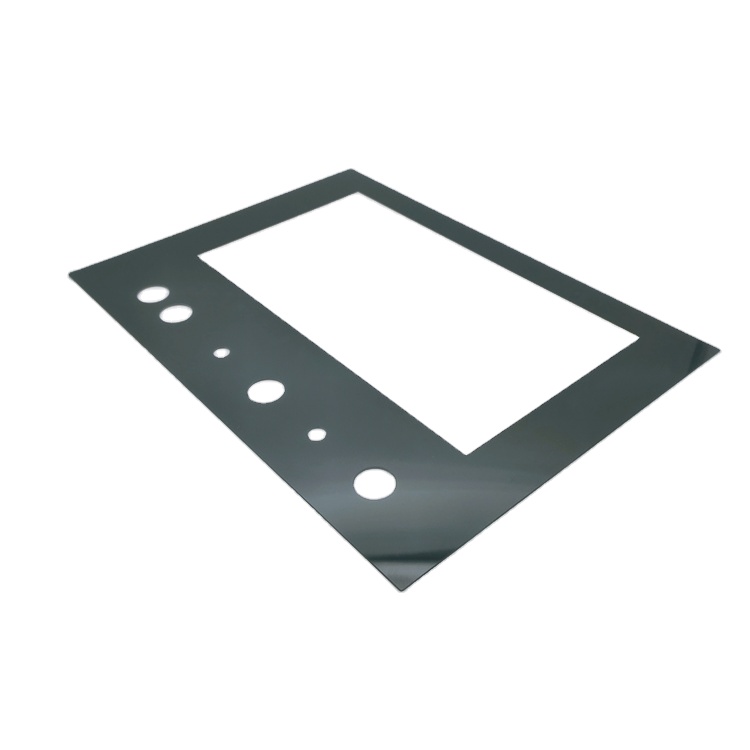
Customized Printed 0.5–6 mm Thickness Flat Tempered Glass Screen Protector with Cut Holes

Customized Small Size 3 mm 4 mm 5 mm 6 mm Beveled Edge Tempered Glass
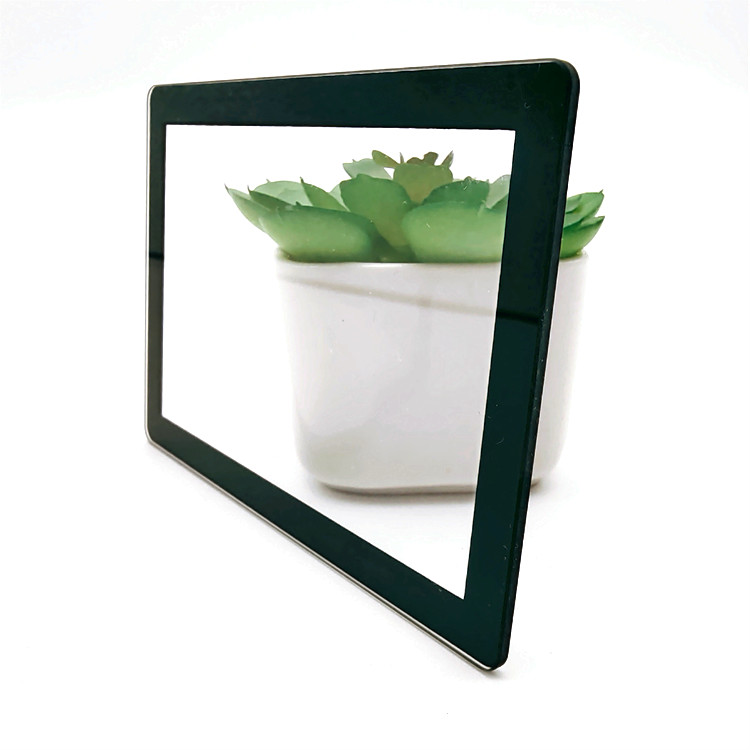
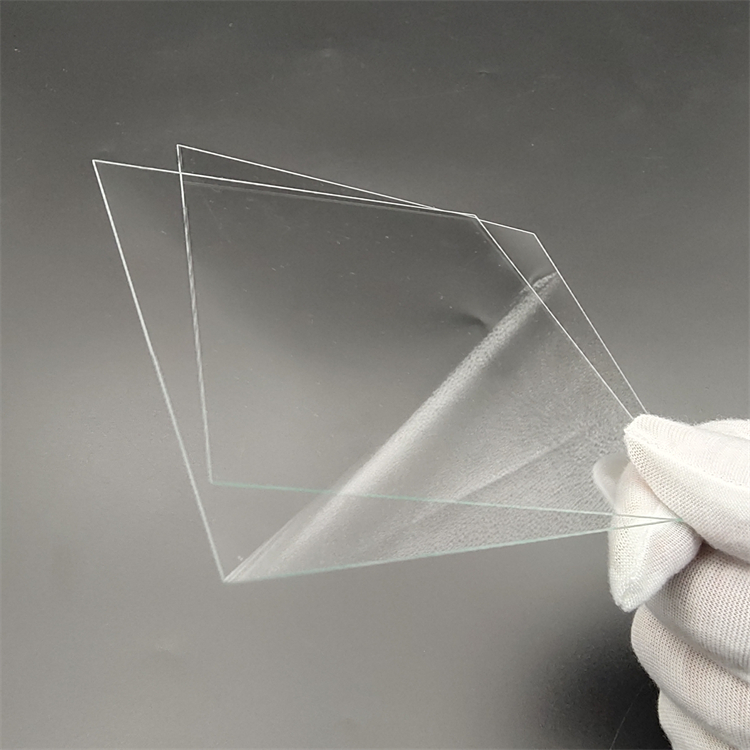
Customized Ultra Clear 0.5 mm 0.7 mm Thickness Ultra Thin Tempered Glass
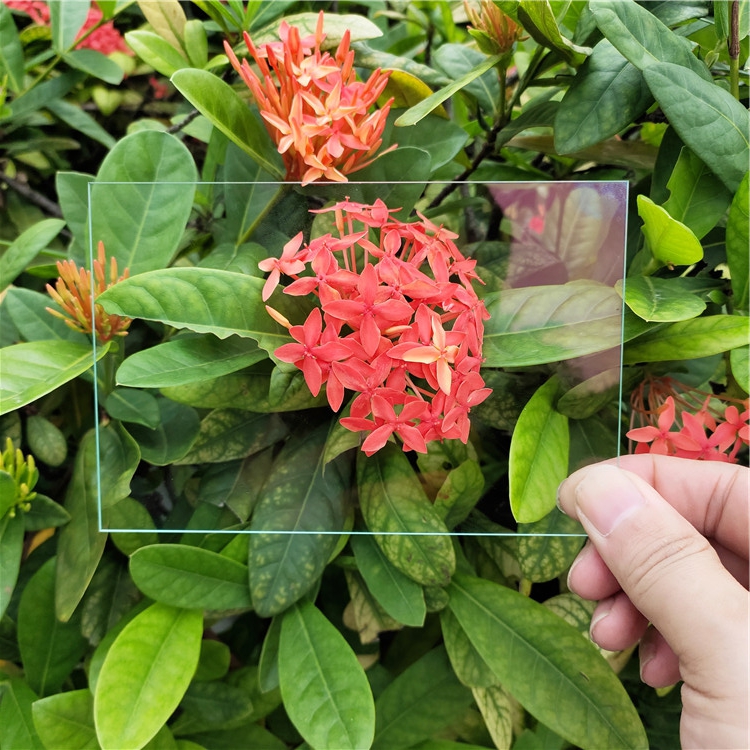
Factory Custom Optical Quality Nano Coating Tempered Anti Reflective AR Glass
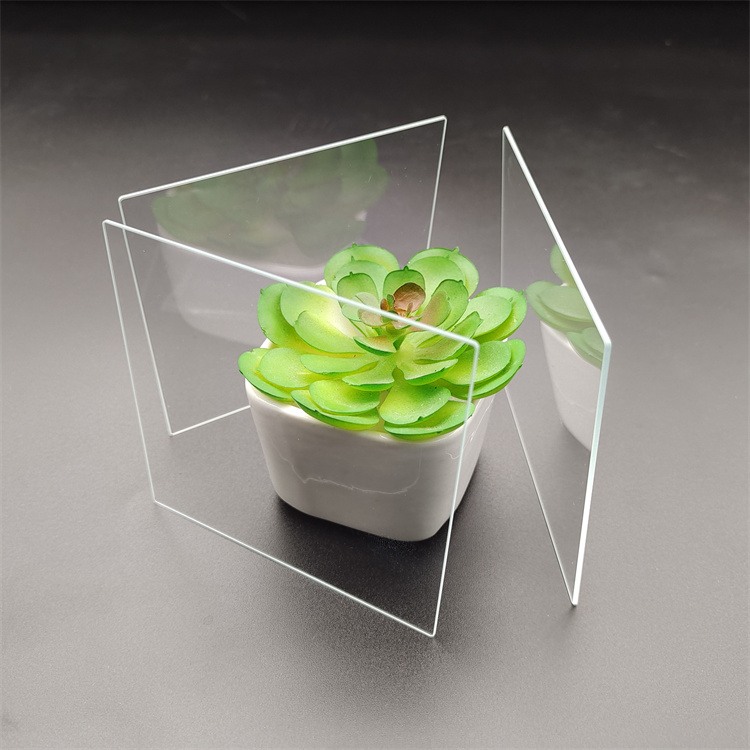
Custom 1 mm 2 mm 3 mm 4 mm 5 mm Tempered Extra Clear Glass Panel for LCD Screen / LED Light / Electronic Appliance Cover
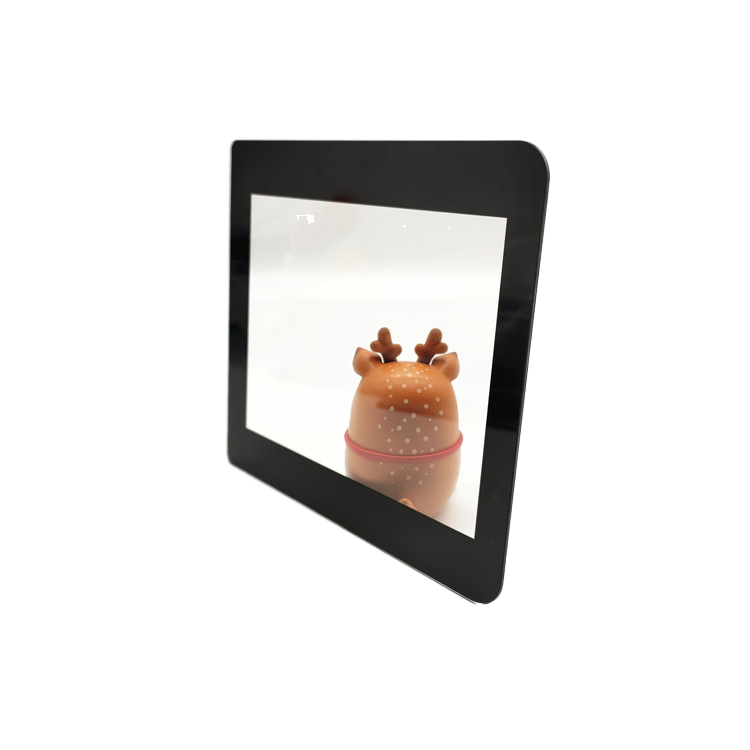
Industrial Use Electronic Glass 1 mm/2 mm/3 mm/4 mm Tempered Glass Display Screen Window Protection Cover

Small Size Ultra Thin 0.5 mm 0.7 mm 1 mm Tempered Glass Panel With Adhesive Tape for Screen Protection
What U.S. Buyers Actually Need from a Beveled Glass Factory
The United States market does not buy “beveled glass” as a generic commodity. U.S. OEMs, importers and brand owners buy a controlled edge geometry, a repeatable optical surface, a predictable installation fit and documentation that supports quality and compliance reviews.
A beveled glass part can pass every dimensional check and still fail during assembly if the bevel width, corner transition, edge polish, tempering bow, printing registration or protective packing drifts between lots. That is why the strongest suppliers treat beveling, polishing, drilling, printing, coating and tempering as one process chain, not as independent line items. A beveled edge made before tempering behaves very differently from an edge that is reworked afterward; in tempered glass, cutting or aggressive edge modification after tempering can compromise the temper and should be avoided unless the process is explicitly qualified.
For U.S. procurement teams, the RFQ also needs to handle local realities: drawings may be supplied in inches while the factory works in millimeters; the application may fall under ANSI Z97.1 or CPSC 16 CFR 1201 safety glazing requirements; the brand may require RoHS, REACH and California Proposition 65 documentation; and the assembly plant may need lot traceability, interleaved packing and replacement-part consistency across multiple shipments. A reliable factory answers these questions during engineering review, before samples are approved.
Bevel geometry before tempering
The edge profile should be ground and polished to the approved drawing before tempering. Specify bevel width, angle, corner radius and polish level in the RFQ so the factory can build the correct process route.
Optical and print registration
Ultra-clear substrate, AR / AG / AF coatings, silk-screen ink and transparent windows must be reviewed together. A display window that shifts by a fraction of a millimeter can create a visible border defect in a finished U.S. product.
Export packing and documentation
Edge protection, interleaving, moisture control and lot marking protect finished bevels during ocean or air freight. Material reports, inspection records and change notifications support the buyer’s supplier-quality system.
Information gain for U.S. sourcing teams
Ask every candidate factory to state, in writing, whether the bevel is produced before or after tempering; how edge chips are judged; how the coating stack is verified; and how the packing method protects beveled corners during transit.
Where Beveled Glass Creates Value in U.S. Products
Beveled edge glass is often selected when the glass is visible, handled by end users or integrated into a premium enclosure. The same part may also need tempering, anti-glare treatment, printed graphics and a clean adhesive interface.
Retail fixtures and luxury displays
U.S. display makers use beveled glass for showcase shelves, cosmetic counters and branded fixtures where a polished edge catches light. Consistent bevel width and corner symmetry matter more than nominal thickness alone.
Appliance control glass
Kitchen appliances, laundry equipment and smart-home controls use printed tempered glass with icon windows and touch-key areas. U.S. brands expect color consistency, fingerprint resistance and edge quality suitable for visible consumer surfaces.
Touch kiosks and self-service terminals
Outdoor or brightly lit kiosks in U.S. retail, transit and hospitality environments often combine AG anti-glare treatment with AF anti-fingerprint coating. Beveled edges can soften exposed borders and improve the perceived finish.
Industrial HMI and instrument windows
Equipment built in the U.S. for factories, laboratories and energy sites uses glass windows that resist cleaning, glare and impact. Tight CNC tolerances, stepped edges and clear print windows help the glass seat correctly in the housing.
LED lighting and backlit signage
Glass covers for downlights, wall washers and backlit panels need controlled light diffusion, heat resistance and clean printing. Beveled edges add a premium look in hospitality, commercial and architectural lighting projects.
Security and medical device covers
Camera windows, sensor covers and medical equipment panels may require optical clarity, anti-reflective coating and drill features. U.S. buyers should define cleaning agents, drop/impact requirements and any regulatory documentation at the RFQ stage.
Beveled Edge Glass Specification Guide for U.S. Buyers
In glass fabrication, “beveled” can describe several different edge geometries. The purchase order should define the visible bevel width, the angle, the transition at corners, the polish standard and the tempering requirement.
Beveled edge glass is commonly produced from clear, extra-clear or ultra-clear float glass. The fabricator cuts the outline, CNC-shapes internal cut-outs and holes, grinds the bevel, polishes the edge, cleans the part and then tempers or chemically strengthens it as required. For thin electronic glass, edge quality is especially important because small chips or micro-cracks can become breakage origins during handling, lamination or drop testing. For thicker architectural and display glass, the bevel is both functional and decorative; the reflective line along the edge can complement metal, wood or illuminated housings.
| Edge profile | Visual / functional result | Typical U.S. applications | RFQ data to include |
|---|---|---|---|
| Flat polished edge | Clear, mirror-like edge with no visible angled bevel; easy to clean and suitable for framed openings. | Appliance control glass, instrument windows, backlit display covers. | Polish quality, corner radius, chamfer allowance, edge gloss requirement. |
| Pencil edge | Rounded edge profile that reduces sharp handling risk and creates a softer visible border. | Touch panels, switch plates, point-of-sale terminals, consumer electronics. | Radius tolerance, polishing method, chip criteria, small-hole distance from edge. |
| Beveled edge | Angled decorative border, commonly 1–5 mm visible width, polished to highlight the glass thickness. | Luxury retail fixtures, premium appliance panels, architectural signage, display enclosures. | Bevel width, bevel angle, corner transition, polish level, tempering after beveling. |
| Stepped / CNC edge | Machined shoulder or step for locating the glass into a housing or gasket; combines fit and finish. | Industrial HMI, meter windows, control panels, equipment doors. | Step depth and width, CNC tolerance, datum surfaces, sealing surface flatness. |
| Seamed / matte edge | Satin or low-reflection edge that softens glare and provides a more restrained industrial appearance. | Outdoor enclosures, signage, LED lighting covers, anti-glare display stacks. | Surface roughness, haze level, edge color, cleaning chemical compatibility. |
A beveled edge is not a substitute for a safety-glazing rating. Specify glass type, thickness, tempering, edge finish and the applicable standard separately, and require project-specific compliance evidence before mass production.
Drawing + units
Provide DXF, DWG or PDF with inch and millimeter dimensions, corner radii, hole positions and a clear datum. Note tolerances that are critical to assembly.
Glass chemistry
State clear, extra-clear or ultra-clear substrate; thickness; transmittance target; and whether AR, AG or AF coating is required on one or both faces.
Housing interface
Share the gasket, adhesive, bracket and installation method. This determines edge profile, step dimensions, flatness and whether the bevel is visible after assembly.
Inspection + packing
Agree on appearance limits, coating test methods, printing color standard, lot marking and edge-protected export packaging before the first production run.
United States Market Trends Shaping Beveled Glass Demand
U.S. sourcing strategies are becoming more technical and more risk-aware. Buyers want factory transparency, fast engineering feedback and documented process control, not only a low unit price.
Premium edge finishing
Beveled, stepped and matte edges are being specified for retail, appliance and smart-home products where the glass edge remains visible. Edge finish is now part of the brand experience.
AR, AG and AF integration
Optical coatings are moving from niche displays into mainstream U.S. products. Outdoor kiosks, medical monitors and touch controls increasingly combine anti-glare, anti-reflective and anti-fingerprint performance.
High-mix, lower-volume sourcing
U.S. brands increasingly launch multiple sizes and finishes per year. Factories that can handle 100–500 piece custom runs, rapid sampling and repeatable color matching have an advantage over suppliers built only for huge commodity orders.
Landed-cost transparency
U.S. buyers now evaluate packaging efficiency, dimensional weight, replacement-part risk and documentation quality alongside piece price. A lower quotation can lose to a supplier with better total landed cost and fewer assembly surprises.



What Jaswe Glass Brings to U.S. Beveled Glass Projects
Dongguan Jaswe Glass Co., Ltd. is a glass processing company based in Dongguan, Guangdong, China. Its published company profile lists 51–100 employees, annual revenue of US$2.5M–US$5M and main markets across America, Europe and Asia. The factory operates 26 glass processing machines with more than 80 workers, and monthly output exceeds 200,000 pieces of processed glass.
For beveled glass buyers, the important advantage is process coverage under one roof: cutting, special-shaped and CNC cutting, edge polishing, hole drilling, tempering, silk-screen and ceramic printing, AG processing, AR coating and AF anti-fingerprint coating. This reduces handoff risk between subcontractors and gives U.S. buyers one technical contact for drawing review, sampling and production.
“Scientific management, careful manufacture, high quality service, striving for excellence.”
The supplier’s published performance data also gives buyers useful first-pass signals: average response within 3 hours, a 96.61% response rate and a 26% buyer reorder rate. These figures do not replace a factory audit or project-specific validation, but they are relevant when evaluating communication speed and repeat-order confidence for U.S. custom glass programs.
From RFQ to Production: A Practical Workflow for U.S. Buyers
Clear inputs shorten engineering review and reduce the risk of approving a sample that cannot be reproduced in mass production.
Send requirements
Drawing, thickness, edge profile, printing colors, coating stack, application and estimated annual volume.
Engineering review
Manufacturability check for bevel width, corner radius, hole spacing, tempering and coating requirements.
Sample approval
Physical samples for fit, edge appearance, print color, optical performance and housing assembly.
Mass production
Batch production with in-process inspection at cutting, edging, tempering, printing and coating stages.
Packing & shipping
Interleaved, edge-protected export packing and documentation suited to the U.S. buyer’s receiving process.
Beveled Glass Sourcing FAQ for U.S. Buyers
These are the questions U.S. importers, product engineers and sourcing managers ask most often when evaluating custom beveled glass suppliers.
Are you a beveled glass factory or a trading company?
Dongguan Jaswe Glass Co., Ltd. is a glass processing factory in Dongguan, Guangdong, China. Its published profile describes in-house cutting, special-shaped and CNC cutting, edge polishing, hole drilling, tempering, silk-screen and ceramic printing, AG processing and AR / AF coating. U.S. buyers should still request a recent factory audit, business license, process list and sample records for their specific project.
Can you produce small beveled edge tempered glass in 3 mm to 6 mm?
Yes. The product shortlist includes small-size 3 mm, 4 mm, 5 mm and 6 mm beveled edge tempered glass. For a precise quotation, provide the bevel width, bevel angle, corner radius, glass type, hole positions, printing requirement and annual quantity. Bevel specifications should be formed and polished before tempering; avoid assuming that a decorative bevel automatically satisfies a safety-glazing requirement.
How should U.S. buyers specify beveled edges on a drawing?
Show the bevel width in millimeters or inches, the edge angle, the corner transition and the polished or matte finish. State whether the bevel is visible after installation and list any chip, scratch or haze limits. Include the drawing datum, critical dimensions, tolerances and whether the glass will be tempered. Where possible, send both inch and millimeter values to avoid rounding errors between the U.S. design team and the factory.
What standards can the factory support for U.S. projects?
Standards must be named in the RFQ and confirmed project by project. Depending on the application, U.S. buyers may reference ASTM C1048 for heat-treated flat glass, ANSI Z97.1 or CPSC 16 CFR 1201 for safety glazing, RoHS or REACH for material restrictions, California Proposition 65 for warnings and customer-specific appearance standards. Do not assume certification from a generic product page; request the applicable test reports, material declarations and inspection plan for the exact part.
What is the minimum order quantity and typical sampling process?
Most custom items start at 100–500 pieces depending on size, printing, coating and edge processing. Standard clear tempered pieces may be available in smaller sample quantities for evaluation. Sampling should confirm fit, bevel appearance, print registration, coating color and packing method before mass production. Lead time varies with thickness, tooling, coating and order volume and should be confirmed in writing for each project.
How can U.S. buyers reduce landed cost and reorder risk?
Start with sheet utilization: the outline, corner radius and hole layout can affect how many parts fit on a glass sheet. Use standard thicknesses where the design allows, combine printing and coating operations, and forecast repeat volumes so the factory can maintain stable process settings. For U.S. importers, packaging efficiency and damage prevention are part of landed cost. Also verify HTS classification, duty treatment, freight terms and receiving requirements with your customs broker rather than assuming the piece price is the total cost.
Have a U.S. Beveled Glass Requirement?
Send your drawing, bevel specification, glass thickness, printing colors, coating stack, application and estimated annual volume. The factory can review manufacturability, recommend the process route and quote the most suitable format for your United States market program.