Eight Silk Screen Glass Products Recommended for Columbus Buyers
These custom glass formats match the most common sourcing requests from Columbus display, lighting, appliance, instrument and smart-building supply chains. Each product link is preserved for direct specification review. CE documentation is prepared by project scope, not by assumption.
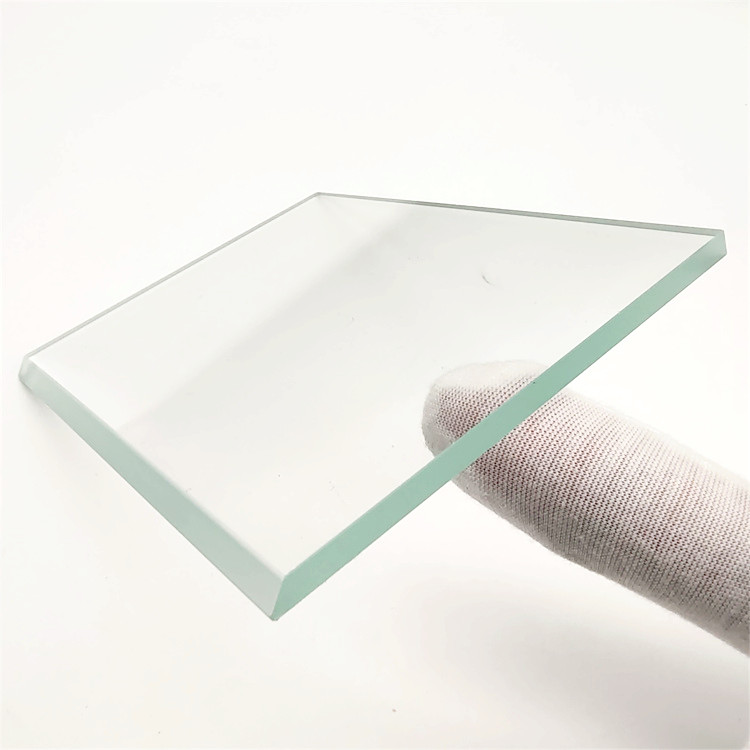
Customized Small Size 3mm 4mm 5mm 6mm Beveled Edge Tempered Glass
Small-format beveled-edge covers for premium switch plates, instrument windows and compact display assemblies. Edge polish and print windows are made to drawing.
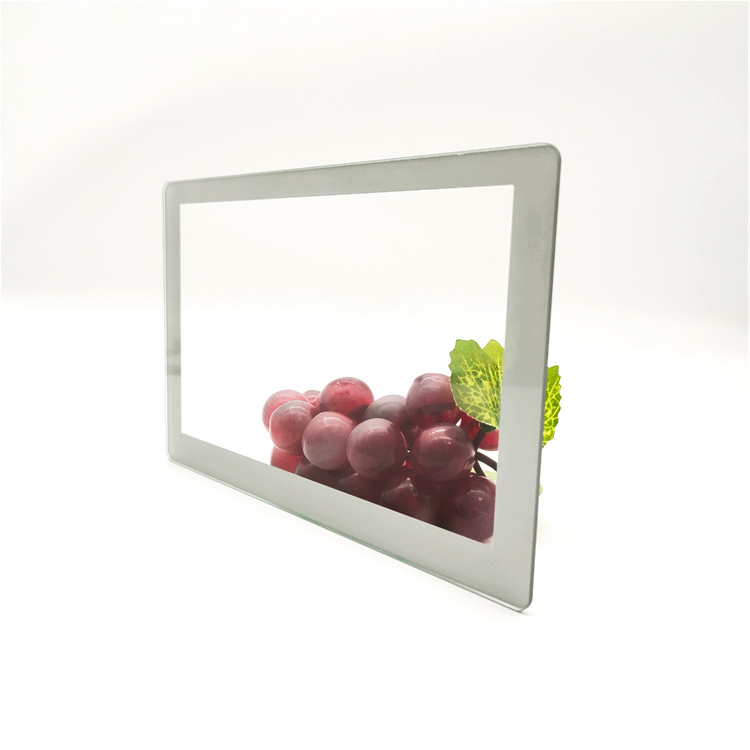
Customized High Strength Anti Glare Frosted Finish Tempered Glass LED/LCD Display Touch Panel for Monitor Screen Protector
Anti-glare frosted glass for bright lobbies, outdoor kiosks and control rooms where reflected light reduces screen readability.
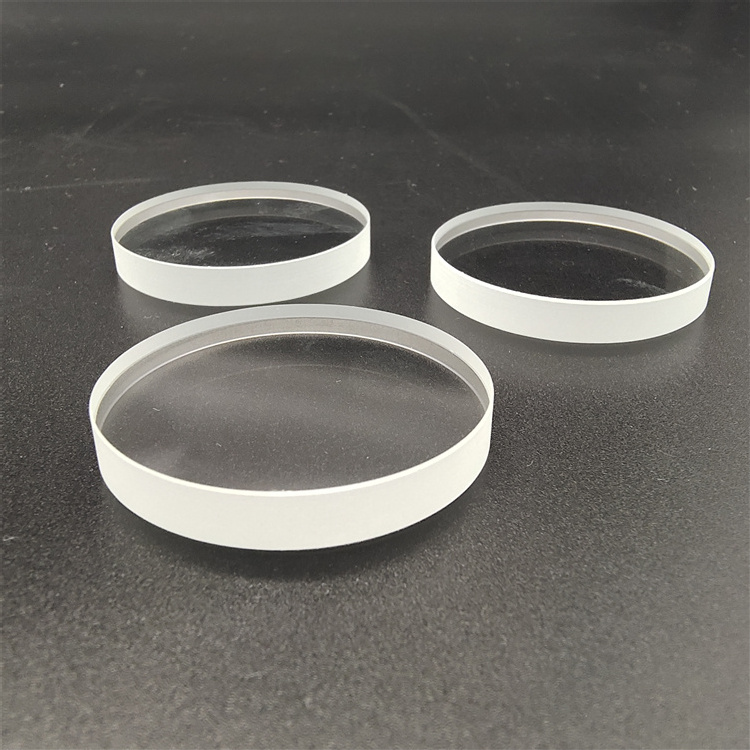
Full Tempered 30mm Diameter 3mm 4mm 5mm 6mm 8mm Thickness Ultra Clear Round Tempered Glass
Precision round glass for sensors, circular fixtures, downlights and protective windows requiring high light transmission.
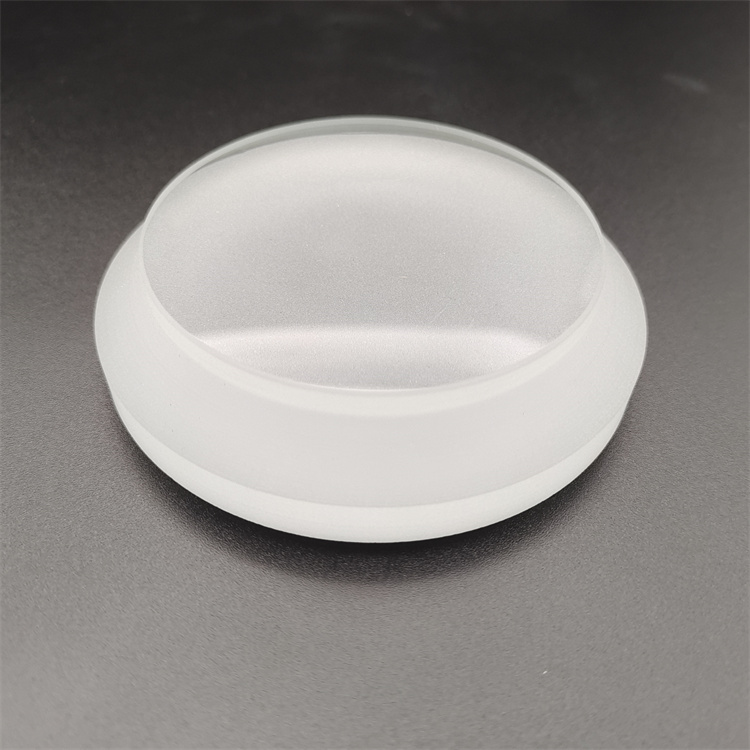
Customized Industrial Lighting Solid Flat Ultra Clear Frosted Tempered Glass with Beveled Step Edge
Flat lighting glass with optional frosted diffusion and beveled step edge for architectural and industrial LED fixtures.
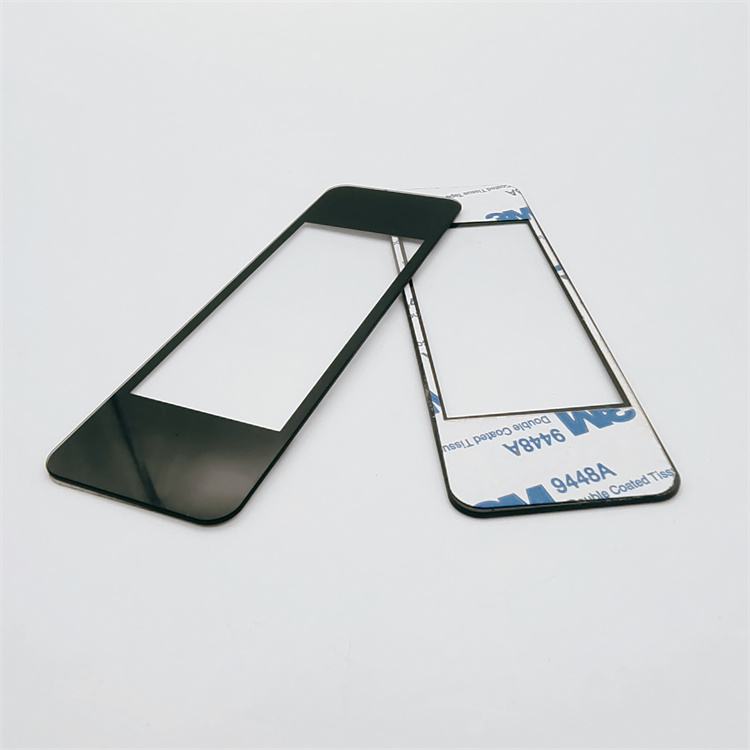
Ultra Thin 1mm Tempered Glass with 3M Tape for Screen Cover Glass
A practical choice for compact displays and electronics where adhesive-backed assembly reduces secondary operations.
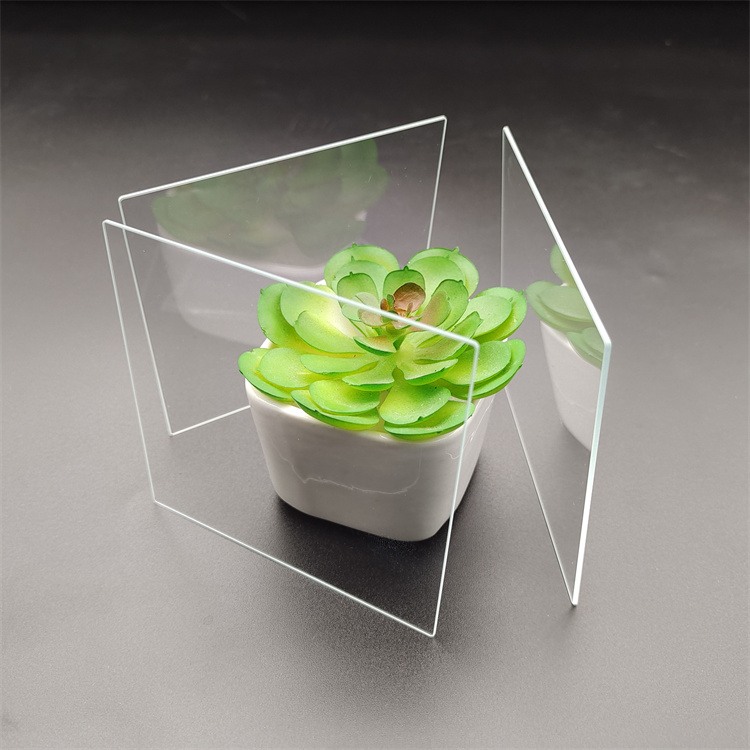
Custom 1mm 2mm 3mm 4mm 5mm Tempered Extra Clear Glass Panel for LCD Screen / LED Light / Electronic Appliance Cover
Extra-clear panels for LCD windows, LED lighting and appliance covers where neutral color and consistent transmission matter.
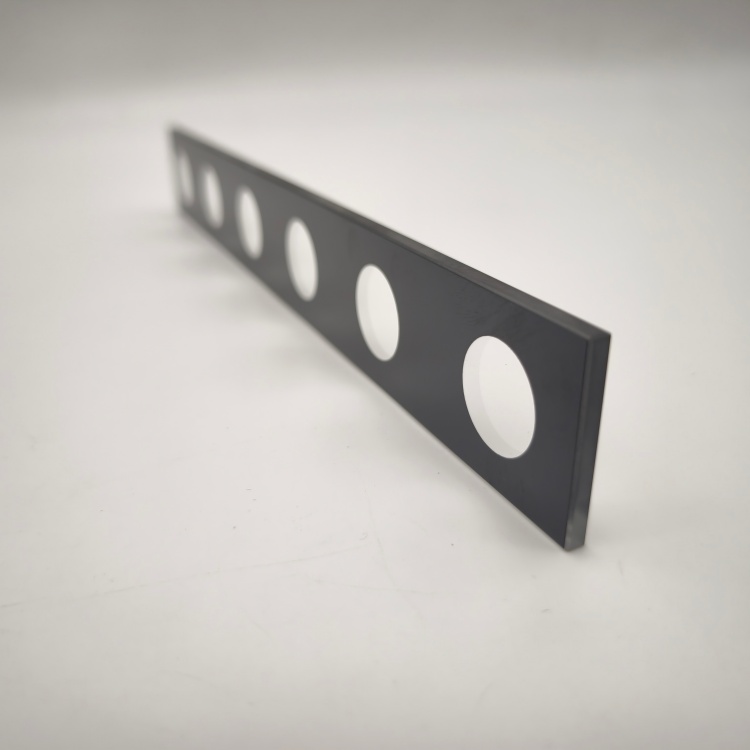
Black Printed Polished Smooth Matte Edge Linear Tempered Glass for LED Wall Washer Light
Linear printed glass for LED wall washers and architectural lighting, with edge treatment selected for appearance and handling safety.
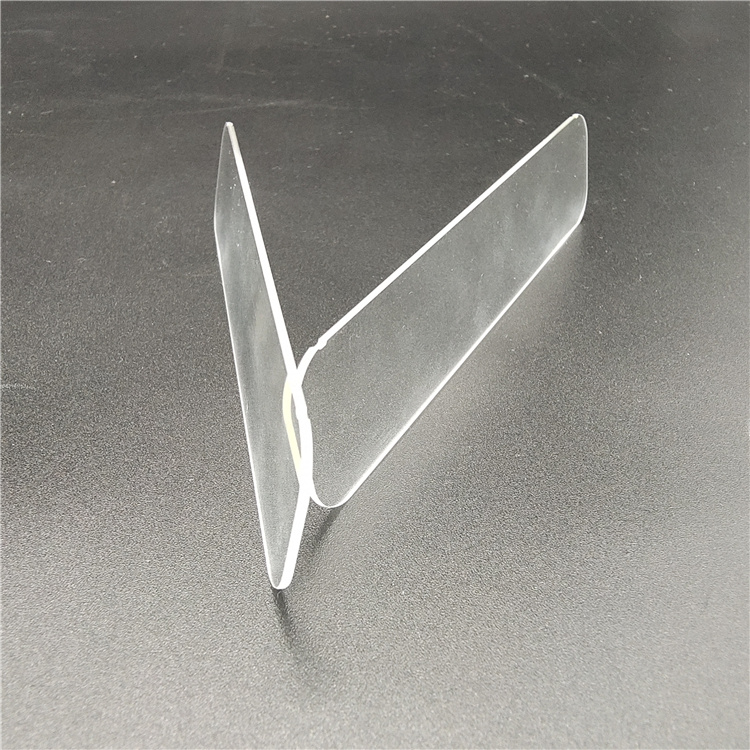
Custom Extra White 0.5mm 1mm 1.5mm 2mm Low Iron Tempered Glass Chemical Strengthened
Low-iron, chemically strengthened glass for premium touch interfaces, appliance windows and optical display covers needing extra clarity.
Why Columbus Buyers Are Re-Specifying Silk Screen Glass Supply
Buyers in Columbus are not simply comparing piece prices. They are evaluating documentation, process control, packaging durability, engineering response and the total risk of placing a custom printed glass component into an Ohio assembly or distribution chain.
Columbus, Ohio sits at the center of a diversified production and logistics network. The region supports appliance and electronics suppliers, LED lighting brands, medical and laboratory equipment manufacturers, warehouse-automation integrators, retail technology teams, smart-building contractors and industrial control-panel builders. For those teams, silk screen printed glass is rarely a generic decorative material. It is a functional interface surface: it may hide circuitry, define a transparent window, carry a brand mark, diffuse light, protect a display, provide a touch surface or survive repeated cleaning in a public environment.
When a Columbus sourcing manager searches for “CE Certified Silk Screen Glass Factories & Exporters for Columbus”, the intent is usually commercial investigation. The buyer needs a shortlist of factories that can read a drawing, recommend the right glass thickness and coating stack, supply CE-scope documentation where applicable, protect the printed area during export, and communicate clearly across U.S. time zones. The supplier must also understand that a custom glass item may be part of a larger CE-marked machine, appliance, lighting fixture, display enclosure or building product, so the glass specification cannot be treated in isolation.
Jaswe Glass approaches Columbus projects with a drawing-first engineering process. Before quoting, we review the application, viewing environment, glass thickness, edge condition, hole positions, print colors, transparent windows, coating requirement, adhesive use and annual volume. That review is where many avoidable problems are found: a hole too close to an edge, a bevel that interferes with a gasket, a black print that hides a sensor, a glossy surface that creates glare in a bright lobby, or a glass thickness that makes the final assembly too heavy. This front-end engineering review is a form of information gain for Columbus procurement teams: it turns a price request into a manufacturable specification.
Drawing-first DFM
DXF, DWG, PDF and STEP references are reviewed for edge, hole, tolerance, print and assembly risk before samples are made.
CE-scope evidence
Project-specific documentation may include tempering evidence, ink data, dimensional reports and RoHS / REACH declarations.
Print and optical control
Pantone matching, transparent window sizing and AG / AR / AF treatment are controlled as separate variables.
Export-ready packing
Interleaved surfaces, edge protection, foam separation and reinforced cartons protect printed glass through inland rail and truck routes.
What “CE Certified” Should Mean in a Silk Screen Glass RFQ
CE marking is not a decorative logo and it is not a single certificate issued to a factory. It is a compliance system tied to the applicable directive, the product’s intended use and the manufacturer’s technical documentation.
For glass used in construction or regulated assemblies, the relevant harmonized standard may be EN 12150 for thermally toughened safety glass, with factory production control and initial type testing supporting the Declaration of Performance where the product is in scope. Heat-soaked tempered glass may relate to EN 14179. Where the glass is part of an electrical appliance, lighting fixture, display enclosure, medical device or industrial machine, the end product may fall under other CE directives. The honest approach is to define the CE scope by application and end use.
Jaswe Glass therefore treats CE support as a documentation package rather than a one-line sales claim. For Columbus buyers, the useful questions are practical: which standard applies, who issues the declaration, what test evidence is available, what ink and coating data can be supplied, and how will the factory control repeatability across production lots? Our team can prepare project-specific evidence for applicable tempered glass and surface-treatment scopes, including tempering evidence, ink and coating information, RoHS / REACH declarations, dimensional inspection records and visual quality standards. This is especially important for buyers who export the finished machine or display back into Europe or who must satisfy a corporate compliance team in Ohio.
Silk screen printing itself should be specified with equal rigor. The buyer should provide artwork with color codes, print coverage, transparent window dimensions, ink side, edge clearance, registration tolerance and any special durability requirement. If the printed glass will face cleaning chemicals, ultraviolet light, heat or outdoor weather, the ink system and protective coating must be selected accordingly. Vague phrases such as “black print” or “frosted finish” are not enough for a production purchase order.
CE evidence checklist for a Columbus RFQ
- Applicable end-product directive and intended use.
- EN 12150 / EN 14179 evidence where tempered safety glass is in scope.
- Declaration of Performance or supplier declaration where required.
- Ink and coating SDS, RoHS / REACH statements and color standard.
- Dimensional report, edge / hole inspection record and optical requirement.
- Change-control agreement for substrate, print, coating and packing.
| Compliance evidence | Why it matters to Columbus buyers | What to request in the quotation |
|---|---|---|
| Tempering process evidence | Supports impact resistance and safer breakage behavior where safety glass is required. | Standard reference, furnace control parameters, fragment / bend test record where applicable. |
| Ink and coating declarations | Helps the buyer verify RoHS / REACH status for electronics, appliances and lighting fixtures. | Ink brand, SDS, color code, coating stack and substrate declaration. |
| Dimensional and visual standards | Reduces fit problems at Ohio assembly lines and avoids disputes over cosmetic defects. | Critical dimensions, tolerance zones, edge / print inspection criteria and sample approval record. |
| Packaging validation | Printed glass can be scratched or chipped if export packing is weak. | Interleaf material, corner protection, carton strength, pallet pattern and drop-test expectation. |
| Change notification | Prevents an unannounced process or ink change from affecting a validated product. | Written notice period, re-sample rule and batch traceability requirement. |
CE obligations depend on the finished product and its intended market. Fabricators can support evidence, but the final compliance route should be confirmed with the product manufacturer or a qualified compliance professional.
Where Silk Screen Glass Works in Columbus and Central Ohio
Columbus projects often combine industrial durability, consumer-facing appearance and high-mix customization. These are the application clusters where custom printed glass delivers the strongest value.
Warehouse automation and HMI
Central Ohio’s logistics and distribution footprint uses rugged HMIs, scanners and control terminals. Printed cover glass can hide LEDs, define viewing windows and provide an easy-clean front surface for busy facilities.
Appliance and smart-home controls
Black or colored printed panels give appliance controls, smart switches and touch keys a durable glass finish that resists cleaning and daily contact.
LED lighting and architectural fixtures
Round, linear and flat lighting glass supports downlights, wall washers and commercial fixtures where light diffusion, color neutrality and heat resistance are important.
Medical and laboratory instruments
Display windows, sensor covers and front panels for lab and medical equipment benefit from accurate print registration, edge quality and low-reflection optical treatments.
Retail POS, kiosks and signage
Columbus retail and hospitality teams use printed glass for point-of-sale terminals, self-service kiosks and digital signage where glare control and fingerprint resistance improve the customer experience.
Smart-building switch plates
Glass switch panels for commercial interiors and smart buildings combine brand consistency, scratch resistance and precise icon printing for lighting, shading and HVAC controls.
Procurement Trends Shaping Silk Screen Glass Demand in Columbus
The strongest signal from Columbus buyers is a shift from low-price purchasing toward documented, repeatable and packaging-safe supply. Custom glass is increasingly treated as an engineered component, not a commodity.
Documentation-led sourcing
Ohio manufacturers serving regulated markets increasingly ask for RoHS / REACH statements, EN 12150 evidence, inspection reports and formal change notification before approving a custom glass supplier.
Supplier diversification
Columbus buyers are balancing cost, lead time and risk by developing alternate qualified suppliers while keeping drawings, print standards and inspection criteria consistent across sources.
High-mix, lower-volume customization
MOQ in the 100–500 piece range is common for printed, coated or non-standard glass. The supplier must remain efficient while supporting multiple colors, sizes and edge profiles.
Touch hygiene and easy-clean surfaces
AF anti-fingerprint coatings are increasingly requested for shared kiosks, medical interfaces and smart switches where fingerprints and cleaning frequency affect perceived quality.
Energy-efficient lighting
LED fixture upgrades continue to require extra-clear, frosted and printed glass that transmits light efficiently without a green edge tint or inconsistent diffusion.
Inland logistics optimization
Columbus’s rail and highway connections make packaging quality and carton planning part of supplier selection. A lower unit price can disappear if damage or repacking delays an Ohio production line.
Match the Glass Specification to the Columbus Use Case
A practical matrix for sourcing teams comparing anti-glare, anti-reflective, anti-fingerprint, low-iron and printed tempered glass options.
| Glass option | Best-fit Columbus use case | Performance contribution | RFQ detail to define |
|---|---|---|---|
| Anti-glare frosted tempered glass | Outdoor kiosks, bright lobbies, industrial HMI, digital signage | Diffuses reflected light so the display remains readable under strong ambient light. | Haze level, gloss level, viewing distance, print window and touch compatibility. |
| Ultra-clear low-iron glass | LED lighting, appliance windows, optical display covers, sensors | Reduces green tint and improves color neutrality and transmission. | Thickness, edge color, print color, coating and light transmission target. |
| AR anti-reflective coating | Medical monitors, instrument windows, high-contrast displays | Lowers surface reflection and can increase perceived contrast. | Single- or double-sided coating, transmittance target, coating durability. |
| AF anti-fingerprint coating | Touch panels, smart switches, POS terminals, shared kiosks | Creates an oleophobic top layer that resists smudges and supports easy cleaning. | Touch surface side, cleaning chemical exposure, abrasion requirement. |
| Black printed linear tempered glass | LED wall washers, architectural linear fixtures, lighting covers | Hides internal structure and defines light apertures with a clean façade. | Ink side, print density, color code, edge polish and transparent area. |
| 1 mm adhesive-backed glass | Compact displays, control modules, electronic appliance covers | Supports thin assemblies and can reduce separate adhesive operations. | 3M tape grade, tape width, bonding surface, thermal exposure and flatness. |
Final optical and durability values depend on substrate, thickness, print layering and coating stack. Sample evaluation is recommended before mass production.
From CAD Drawing to Export Carton: The Jaswe Production Route
Keeping cutting, CNC shaping, edge polishing, hole drilling, tempering, silk screen printing, ceramic printing, AG processing and AR / AF coating under one roof shortens lead time and closes quality gaps between subcontractors.
Drawing review
Review DXF, DWG, PDF, thickness, print artwork, coating and annual volume.
Engineering feedback
Manufacturability check, tolerance advice, material and process route.
Sampling
Physical sample for fit, color, edge, surface and optical approval.
Production & QC
Batch production with dimensional and visual checks at key stages.
Packing & export
Interleaved and edge-protected packing for inland U.S. delivery.
With more than 80 skilled workers and 26 glass processing machines, Dongguan Jaswe Glass Co., Ltd. supports custom projects from compact 0.2 mm electronic glass up to 19 mm flat tempered glass. The most requested thicknesses for display and touch covers are 0.5, 0.7, 1, 2, 3 and 4 mm, while lighting and industrial covers often use 3–8 mm depending on span, fixture design and safety requirements. Our monthly output exceeds 200,000 pieces, which gives Columbus buyers a practical path from sample approval to recurring production.
The company operates as a 51–100 person manufacturer with annual revenue in the US$2.5M–US$5M range and serves customers in America, Europe and Asia. For buyers who need a supplier that can respond quickly, the team maintains an average response time within 3 hours and a 96.61% buyer response rate. A 26% reorder rate reflects the value of consistent quality, clear communication and repeatable packing standards rather than one-off price competition.
A Practical Columbus Sourcing Path for Custom Printed Glass
Use this six-step approach to move from an internal requirement to a validated production order with fewer surprises.
- 1. Define the application and CE scope. State whether the glass is for a display, appliance, lighting fixture, control panel, building product or industrial machine. Identify the finished product’s target market and any directive or standard the glass must support.
- 2. Send a controlled drawing and artwork. Include outline dimensions, critical tolerances, edge profile, hole and slot positions, print side, Pantone colors, transparent windows, coating side and any adhesive requirement.
- 3. Request engineering review before price comparison. Ask each supplier to flag manufacturability risks and propose a process route. A quote without questions is often a warning sign on custom glass.
- 4. Approve a physical sample. Check fit, color, edge quality, print registration, window clarity, coating appearance and packing method. Keep the signed sample as the production reference.
- 5. Confirm inspection and documentation. Agree on AQL or visual criteria, dimensional inspection points, document package and change notification. For CE-scope projects, confirm the exact declaration and test evidence before mass production.
- 6. Plan the Columbus delivery route. Most export shipments move through a West Coast gateway and then by rail or truck toward Ohio. Jaswe can prepare export cartons and pallet data for the buyer’s freight forwarder, with delivery coordination to Columbus, Rickenbacker, or nearby distribution centers.
Documents to prepare for a smooth import
Commercial invoice, packing list, bill of lading or air waybill, country of origin, HTS classification support, and product-specific compliance documents where applicable. For CE-scope products, include the relevant declaration or standard reference in the technical file rather than relying on a generic certificate image.
Packaging note: printed glass should be interleaved, edge-protected and separated with foam or pearl wool. Cartons should be reinforced and palletized for LTL or rail-truck transfer. Clear carton labeling and quantity marks help Columbus receiving teams inspect incoming lots without unnecessary handling.
Inquire Now Factory tour · custom glass processing


Why Jaswe Glass Is a Credible Partner for Columbus Buyers
Dongguan Jaswe Glass Co., Ltd. is a custom glass processing manufacturer located in Dongguan, Guangdong, China — a mature electronics and manufacturing supply base. We process tempered glass, ultra-clear glass, silk-screen printed glass, display cover glass, touch screen glass, switch glass, LED lighting glass, electrical equipment glass and AR / AG / AF coated glass.
Our advantage is not a single machine or a single coating. It is the combination of in-house process control, engineering responsiveness and export experience. The company has 26 glass processing machines, more than 80 workers and a monthly output exceeding 200,000 pieces. Most operators have over eight years of hands-on experience, which matters on tight-tolerance jobs such as ultra-thin 0.2 mm cover glass, multi-color printing with transparent windows and beveled edges that must fit a gasket or housing.
“Scientific management, careful manufacture, high quality service, striving for excellence.”
- Location
- Dongguan, Guangdong, China
- Employees
- 51–100 people
- Annual revenue
- US$2.5M–US$5M
- Main markets
- America · Europe · Asia
- Equipment
- 26 machines incl. tempering furnace
- Supplier status
- On-site verified · 6 years
In-house process control
Cutting, CNC, polishing, drilling, tempering, printing and coating are coordinated under one quality system.
Fast engineering replies
Average response within 3 hours and a 96.61% response rate support overseas buyers in different time zones.
CE evidence support
Project-specific documentation for applicable tempered glass, inks, coatings and inspection criteria.
Export-safe packaging
Protective interleaving, edge protection and reinforced cartons are planned for long-distance shipping.
High-mix production
Custom sizes, colors, printing, holes, edge profiles and coatings support varied Columbus product lines.
Verified trade record
Six years of on-site verified supplier status and public trade-capacity information help buyers conduct due diligence.
Repeatable reorders
A 26% buyer reorder rate reflects consistent quality and communication across recurring programs.
Application-led advice
Recommendations cover thickness, print, edge, coating, packing and compliance based on the end use.
Questions Local Buyers Ask Most About CE Silk Screen Glass
These answers are written for sourcing, engineering and compliance teams evaluating a custom glass factory for Columbus-bound production.
Are your silk screen glass products CE certified?
CE marking depends on the finished product, its intended use and the applicable directive. For tempered safety glass in construction-related scopes, we can support documentation aligned with EN 12150 and related factory production control requirements where applicable. For electronics, appliances, lighting or machinery, the final equipment manufacturer normally determines the CE route. We provide project-specific evidence such as tempering data, ink and coating declarations, RoHS / REACH statements and inspection records so your compliance team can make a documented decision.
Can you ship custom printed glass to Columbus, Ohio?
Yes. We regularly support North American buyers with export packing and documentation. Most shipments move through a West Coast port and then by rail or truck toward Ohio, or by air for urgent samples. We can prepare carton dimensions, pallet data and packing lists for your freight forwarder and coordinate delivery to Columbus, Rickenbacker or a nearby distribution center.
What is the minimum order quantity for a Columbus custom project?
Most custom items start at 100–500 pieces depending on size, printing, coating and material. Standard clear tempered pieces may be available in smaller sample quantities for evaluation. For printed or coated glass, the MOQ is influenced by setup, color matching and yield, so the quotation should state the exact basis rather than a generic number.
What information do you need for an accurate quotation?
Send a drawing in DXF, DWG or PDF format; glass thickness; overall dimensions; critical tolerances; edge profile; hole and slot positions; print artwork with Pantone colors; transparent window sizes; coating requirements; adhesive use; application; estimated annual quantity; and the target CE or compliance scope. Photos of the housing or final assembly also help our engineers identify fit and handling risks.
Which thicknesses can Jaswe Glass process?
The current range covers ultra-thin electronic-grade glass from 0.2 mm up to 19 mm flat tempered glass. The most requested thicknesses for display and touch covers are 0.5, 0.7, 1, 2, 3 and 4 mm. LED lighting and industrial covers often use 3–8 mm. The correct thickness should be selected from the application, span, impact requirement, edge finish and assembly method.
How do you protect printed graphics during export?
Printed glass is typically interleaved, edge-protected and separated with foam, pearl wool or custom inserts. Cartons are reinforced and palletized for LTL or rail-truck transfer. For high-value or large-format panels, we can discuss additional corner protection, moisture barrier packaging and carton labeling to support receiving inspection in Columbus.
What is the typical lead time for samples and mass production?
Lead time depends on drawing complexity, new tooling, print colors, coating type and approval speed. Clear samples can move faster, while custom printed or AR / AG / AF coated parts require additional process time. After drawing review, we provide a project-specific schedule. Mass production is planned only after the sample, inspection standard, packaging method and documentation scope are confirmed.
Can you support recurring production for an Ohio assembly line?
Yes. With 26 processing machines, more than 80 workers and monthly output above 200,000 pieces, Jaswe is structured for repeat custom glass production. We recommend freezing the approved drawing, print standard, coating stack and packing method, then using batch traceability and change notification for long-term supply. A 26% buyer reorder rate reflects this repeat-order approach.
Send Your Drawing for a Columbus-Ready Quotation
Share your glass size, thickness, edge profile, print artwork, coating requirement, application and estimated annual volume. Our engineers will review manufacturability and recommend the most practical production route for your Columbus project.
Inquire Now