Anti-Reflective & High-Transmittance Glass Product Selection
These eight product families cover the practical requirements most Hai Phong buyers bring to a China AR glass factory: ultra-clear display covers, nano AR coating, ultra-thin tempered glass, beveled edges, drilled holes, printed display windows, industrial screen protection and clear tempered glass for lighting and equipment.
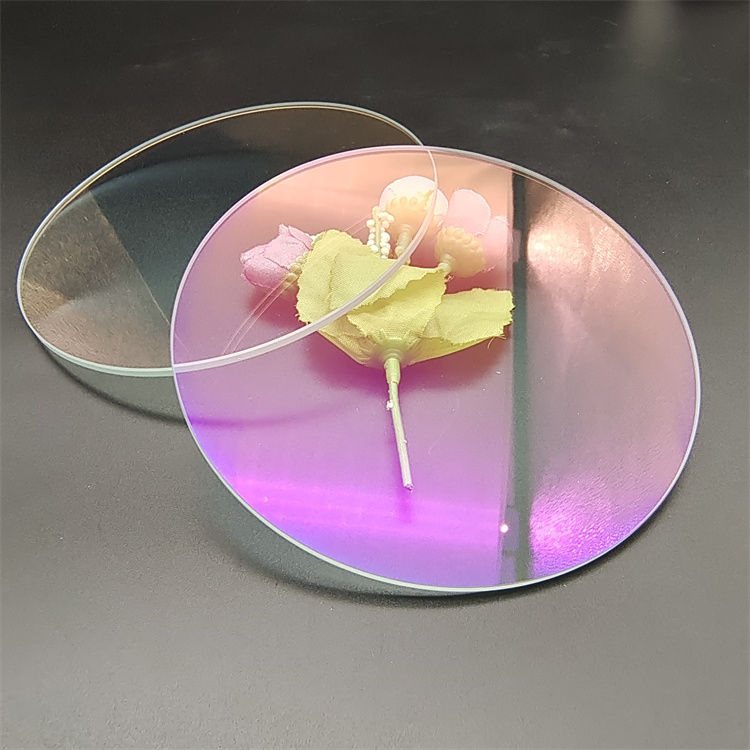
Premium Quality Ultra Clear Anti Reflective Solid High Strength 1mm 2mm 3mm 4mm 5mm 6mm Flat Tempered Glass Coating
A high-clarity display cover option for buyers who need strong glass, low reflection and a clean optical surface for control panels and screens.
View Product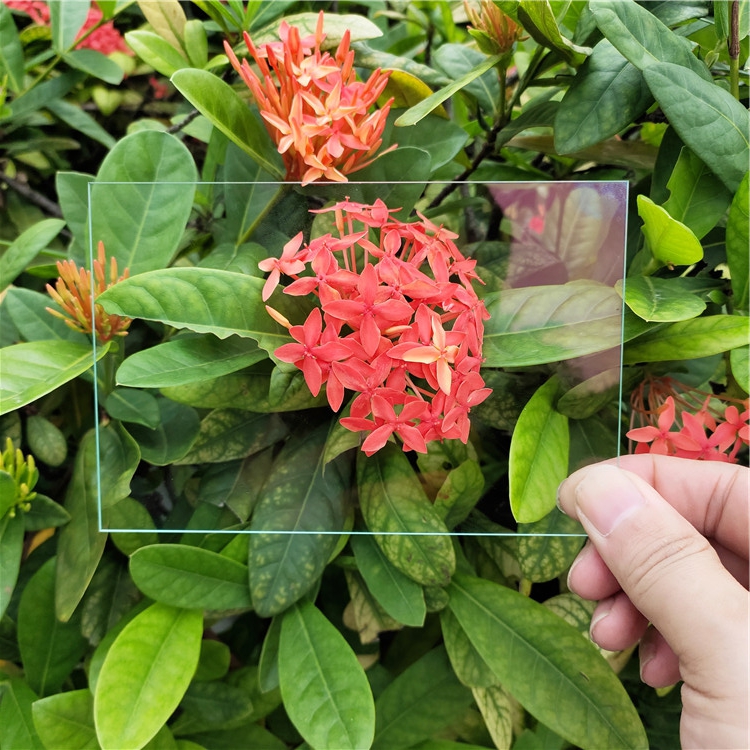
Factory Custom Optical Quality Nano Coating Tempered Anti Reflective AR Glass
Designed for display windows where reflection management and surface durability both matter, with coating and tempering matched to the drawing.
View Product
Customized Ultra Clear 0.5mm 0.7mm Thickness Ultra Thin Tempered Glass
Lightweight cover glass for compact electronics, touch modules and instrument windows where thickness control and clarity are critical.
View Product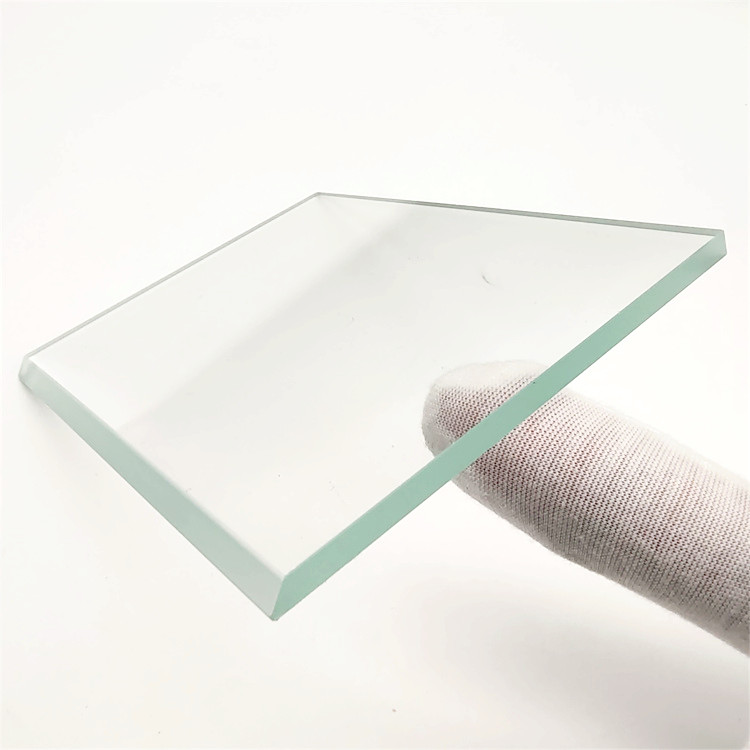
Customized Small Size 3mm 4mm 5mm 6mm Beveled Edge Tempered Glass
Small-format tempered glass with beveled edges for equipment covers, display bezels and control interfaces needing safe handling.
View Product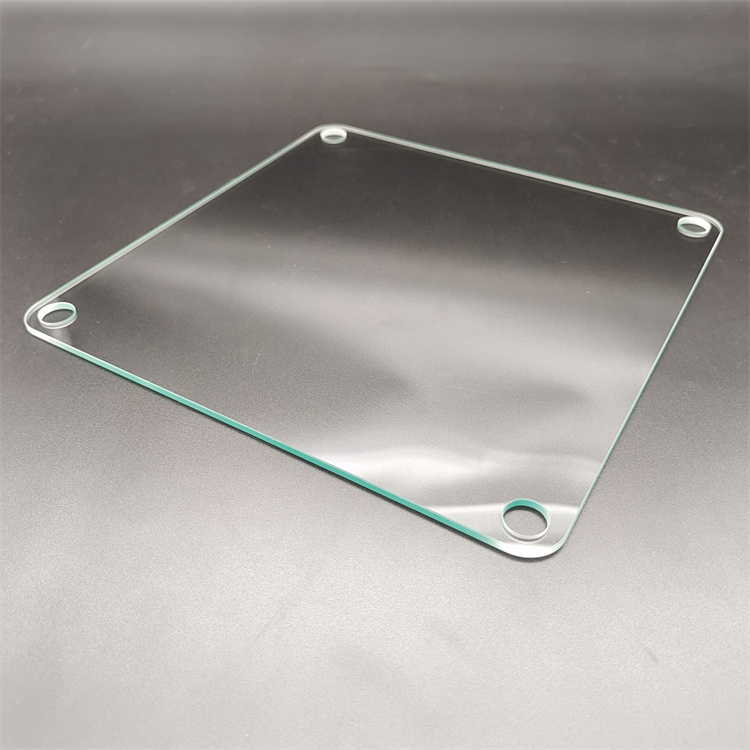
Factory Sale Customized Shape Decorative Glass Cover Hole Drilling Glass Panel Soda-lime Tempered Glass Sheet With Holes
Custom outline and drilled-hole glass covers for sensors, fasteners, connectors and decorative front panels.
View Product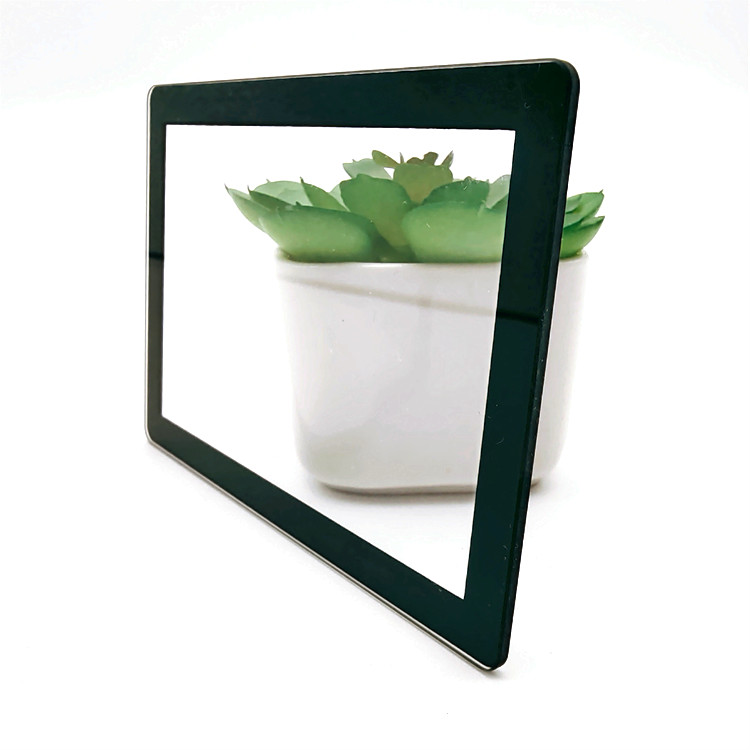
High Quality 0.5mm-6mm Solid Industrial Display Screen Tempered Glass with Printed Design High Strength & Bulletproof Protection
A robust industrial display protection option with printed design, tempered strength and customization for factory HMI equipment.
View Product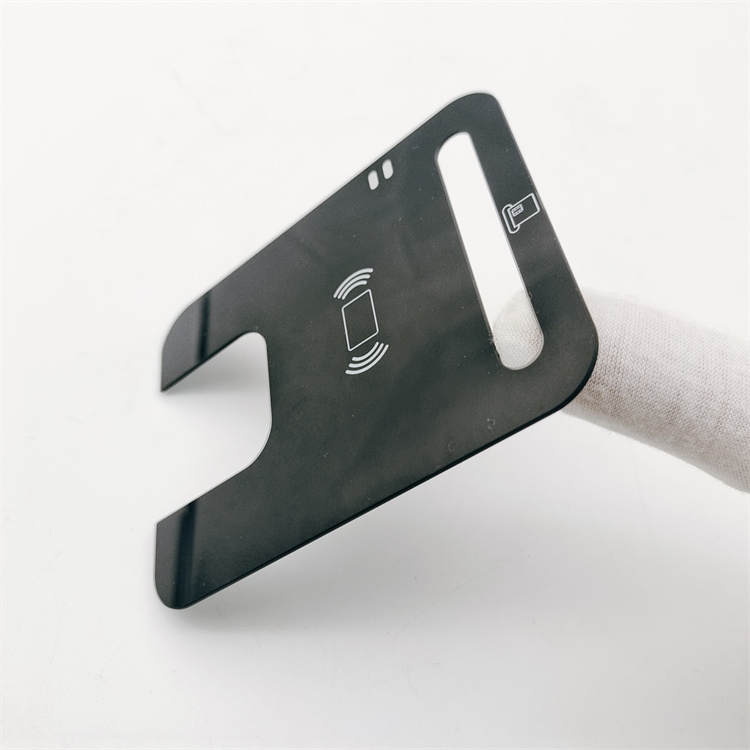
Custom Printed Tempered Glass Panel High Strength Decorative Cover with Hole for Card Reader Instrument
Printed tempered glass covers for card readers, instruments and equipment interfaces, including transparent windows and mounting holes.
View Product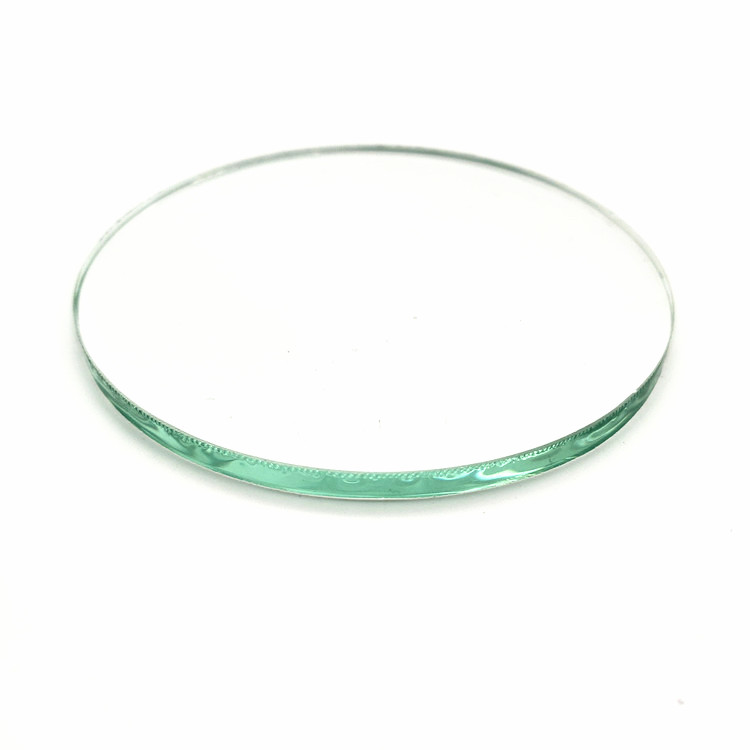
Customized Clear Flat Solid Tempered Glass Pieces 1mm-19mm for Industrial Lighting and Various Applications
Clear flat tempered glass pieces from 1 mm to 19 mm for LED lighting, fixture covers, equipment windows and general industrial uses.
View ProductChina Top Anti-Reflective Glass Factory & Suppliers for Hai Phong Display Projects
Hai Phong buyers are not only looking for a product photo. They are evaluating optical performance, sample speed, engineering communication, coating durability and export delivery into northern Vietnam.
For high-transmittance display screens, the cover glass is part of the optical system. Anti-reflective coating reduces surface reflection so more visible light reaches the viewer, while tempered glass adds mechanical protection. The best solution depends on whether the display is used indoors under factory lighting, outdoors at a port terminal, inside a humid production area or on a touch interface cleaned many times per day. A China-based custom factory can provide the flexibility that a local stockist usually cannot: custom dimensions, drilled holes, printed borders, beveled edges and combined AR/AG/AF coating in one controlled process.
A practical sourcing note for Hai Phong procurement teams: there is a difference between a local trading company with limited stock and a custom glass processing factory that reviews drawings before quotation. The latter is usually more suitable for new display models, non-standard sizes, printed control windows and coastal-environment projects where samples must be validated before mass production.
Optical Stack, Not Just Thickness
AR coating, ultra-clear substrate, tempering and AF topcoat must be selected together. A glass cover that is clear but highly reflective can still look dim on a bright factory floor.
Hai Phong Climate Requires Discipline
Humidity, coastal air and frequent cleaning make edge quality, coating adhesion and AF durability important. For touch products, sample testing should include wiping and environmental exposure.
Drawing-Based Engineering Review
Send a DXF, DWG or PDF with dimensions, hole positions, edge type, printing colors, coating side and annual volume. A manufacturability review reduces trial-and-error before sampling.
AR, AG, AF or Ultra Clear: Matching the Glass to High-Transmittance Displays
High transmittance is not achieved by one coating alone. It is a result of glass substrate, coating design, light management and the final display stack.
| Display Application | Recommended Glass Stack | Why It Matters | Hai Phong RFQ Checkpoint |
|---|---|---|---|
| Indoor HMI and control panels | Ultra-clear tempered glass + single-side AR + optional AF | Reduces reflections from factory ceiling lights and improves perceived contrast without changing the display electronics. | Confirm coating side, printed window size, viewing distance and whether the cover will be bonded or air-gapped. |
| Outdoor port, kiosk and signage displays | AR + AG combination + AF topcoat + sealed edge review | AR helps light transmission; AG diffuses strong sunlight and ambient glare. AF helps touch surfaces stay cleaner in public use. | Test under actual outdoor brightness. Specify haze level, gloss level and cleaning chemical exposure. |
| Touch panels in humid coastal areas | Tempered ultra-clear glass + AR + AF + inspected edge treatment | Touch interfaces need both optical quality and a surface that is easy to clean. Edge quality matters in humid environments. | Include wiping cycles, sweat/oil exposure and coating adhesion in the sample approval plan. |
| LCD/TFT covers with printed borders | Ultra-clear glass + silk-screen or ceramic printing + AR | Printed black masks hide wiring and create a clean display window. AR reduces reflection on the uncovered viewing area. | Provide Pantone colors, transparent window dimensions, tolerance and logo position. |
| Camera, sensor and instrument windows | High-clarity glass + double-side AR when transmission is critical | Double-side AR is often considered when both surfaces contribute to reflection and the optical path needs maximum clarity. | Specify transmittance target, wavelength range and whether coating durability is required on both faces. |
Final optical values depend on glass thickness, substrate, coating design and the complete display assembly. Physical samples are recommended before mass production.
Where High-Transmittance AR Glass Creates Value in Hai Phong
Hai Phong is a port city and industrial base in northern Vietnam. Display readability, equipment durability and humidity resistance are practical issues, not abstract specifications.
Factory Automation HMI
Industrial displays on production lines need strong cover glass and low reflection from overhead lighting. AR glass helps operators read parameters with less eye strain.
Port and Logistics Displays
Terminal information, warehouse control and logistics interfaces may face bright ambient light. AR and optional AG can improve readability in challenging viewing conditions.
Outdoor Kiosks and Wayfinding
Public information kiosks benefit from AR for transmission and AF for touch cleanliness. Coastal humidity makes edge quality and coating adhesion important sample checks.
Consumer Electronics & Touch Modules
Display assembly customers need consistent dimensions and clean optical surfaces for capacitive touch modules, control panels and compact electronic devices.
Marine and Equipment Control Glass
For coastal equipment, instrument and control enclosures, tempered glass covers can combine impact resistance with optical clarity, color printing and drilled mounting holes.
Appliance and Switch Panels
Printed tempered glass panels for appliances, smart switches and electrical equipment combine decorative design, touch windows and easy cleaning.
Hai Phong Procurement Trends Shaping AR Display Glass Demand
Buyers sourcing from China factories for Hai Phong projects are becoming more specific about optical performance, environmental reliability and delivery planning.
The growth of electronics-related manufacturing in northern Vietnam, combined with port digitalization and industrial automation, is creating demand for more customized display cover glass. At the same time, procurement teams are under pressure to shorten new-product introduction cycles. That changes the supplier evaluation: a responsive factory that can review drawings, produce samples and document processes is often more valuable than a supplier that only offers a broad catalog.
Deeper Regional Supply Chains
As electronics and display-related assembly expands in northern Vietnam, local buyers want suppliers who can support small-batch variations, repeat orders and drawing revisions.
Port and Logistics Digitalization
Terminals, warehouses and transport hubs rely on information displays in bright or semi-outdoor conditions, increasing interest in AR and AG combined cover glass.
Coastal Reliability Becomes a Spec
Humidity and coastal air make coating adhesion, edge finishing and AF durability part of the purchasing conversation, especially for touch products and outdoor kiosks.
Faster Sample, Faster Launch
New display products need rapid design validation. Buyers increasingly prefer factories that can combine cutting, tempering, printing and coating under one roof to reduce coordination time.
Dongguan Jaswe Glass: Export-Oriented Custom Glass Processing
For Hai Phong buyers comparing China suppliers, manufacturability review, in-house processing, inspection discipline and communication speed matter as much as a low unit price.

Factory Capability That Supports Hai Phong Buyers
Dongguan Jaswe Glass Co., Ltd. is a custom glass processing supplier based in Dongguan, Guangdong, China. The factory handles tempered glass, ultra-clear glass, silk-screen printed glass, AR/AG/AF coated glass, touch screen cover glass, switch glass, electrical equipment glass and LED lighting glass. For buyers searching for a China top anti-reflective glass factory serving Hai Phong, the advantage is not simply a product list — it is the ability to review a drawing and coordinate cutting, CNC shaping, edge polishing, hole drilling, tempering, printing and coating in one production flow.
Most of the production team has hands-on glass processing experience, and the company reports more than 80 skilled workers, 26 glass processing machines and monthly output above 200,000 pieces. Buyer-facing performance data from the original company profile includes an average response time within 3 hours, a 96.61% response rate and a 26% buyer reorder rate. These figures are useful signals during supplier screening, but they should still be combined with sample evaluation and specification review.
- In-house cutting and CNC shaping
- Edge polishing and hole drilling
- Tempering furnace processing
- Silk screen and ceramic printing
- AR, AG and AF coating options
- Export packing and specification review
- LocationDongguan, Guangdong, China
- Employees51–100 people
- Equipment26 glass machines
- Capacity200,000+ pieces/month
- Main marketsAmerica, Europe, Asia
- Supplier statusOn-site verified · 6 years
The company’s quality statement — “Scientific management, careful manufacture, high quality service, striving for excellence” — is most meaningful when it shows up in process control. For custom AR display glass, that means checking glass dimensions, edge condition, hole positions, printing alignment and coating appearance before packing, and agreeing on sample approval criteria before mass production.
From Drawing to Hai Phong Delivery: A Controlled Six-Step Process
A clear process reduces the risk of optical mismatch, printing errors and shipping delays. It also gives procurement teams a documented trail for internal approval.
Send the Drawing
Provide DXF, DWG or PDF drawings with dimensions, tolerances, holes, edge type, printing colors and coating requirements.
Engineering Review
Review manufacturability, glass thickness, coating side, tempering constraints and the most suitable process route.
Sample Approval
Evaluate dimensions, edge quality, printing, optical appearance and touch feel against your display module.
Mass Production
Batch production with checks at cutting, edging, drilling, tempering, printing and coating stages.
Export Packing
Interleaved, edge-protected and carton-packed glass for international transport and port handling.
Hai Phong Logistics
Coordinate shipping documents and packing details with the buyer’s forwarder or nominated logistics provider.
Local Procurement Questions About AR Glass for High-Transmittance Displays
These are the practical questions Hai Phong-based display, electronics and equipment buyers commonly ask when comparing China AR glass factories and suppliers.
Can a China anti-reflective glass factory ship custom display glass to Hai Phong?
Yes. Custom AR glass can be produced in China and shipped to Hai Phong through the Hai Phong port network or the buyer’s nominated freight route. The important steps are agreeing on the glass specification, approving samples, confirming export packing and preparing the commercial invoice, packing list and bill of lading. For first orders, plan enough time for sampling and optical approval before mass production.
What is the minimum order quantity for custom AR-coated tempered glass?
Most custom glass items start around 100 to 500 pieces, depending on size, thickness, printing, hole drilling and coating. Standard clear tempered pieces may be available in smaller sample quantities for evaluation. The exact MOQ should be confirmed after the factory reviews the drawing, because very small parts and multi-step coatings can affect yield and handling.
Which glass stack is better for Hai Phong’s humid coastal environment?
For humid and coastal conditions, start with tempered ultra-clear glass and carefully controlled edge quality. If the display needs higher visible transmission, add AR coating. If the product is touch-operated, consider an AF topcoat. If the display faces strong outdoor light, AG may also be required. The best combination should be validated with samples, especially for coating adhesion, cleaning resistance and edge appearance.
Do high-transmittance display screens always need double-sided AR coating?
No. Double-sided AR is often considered for camera windows, sensor windows or optical paths where both glass surfaces contribute to reflection. For display covers, the choice depends on the final stack, bonding method and viewing conditions. In some designs, a single-side AR coating may be sufficient. The right decision should be based on the display module and a physical sample comparison.
Can you customize size, holes, printing and edge profile for Hai Phong projects?
Yes. The available processes include custom cutting, CNC shaping, edge polishing, drilled holes, countersinks, silk-screen printing and ceramic printing. Buyers can specify beveled, pencil, flat, stepped or matte edges where applicable. For printed glass, provide artwork, Pantone or color references, transparent window dimensions and tolerance requirements so the sample matches the design intent.
How should Hai Phong buyers compare a China factory with a trading company?
Ask for process control details, photos or video of relevant production steps, sample lead time and engineering feedback on your drawing. A factory should be able to explain how cutting, tempering, printing and coating interact with your specification. A trading company may offer convenience, but for custom AR display glass, technical feedback and traceability are especially valuable.
What documents are typically needed for export delivery to Hai Phong?
Common export documents include a commercial invoice, packing list and bill of lading. Depending on the trade terms and buyer requirements, a certificate of origin or other documents may also be requested. The supplier and buyer should confirm Incoterms, shipping responsibility and document requirements before production, especially for first-time shipments into Vietnam.
How do we start an anti-reflective glass inquiry?
Send an email with the drawing, glass thickness, dimensions, edge type, hole positions, printing requirements, coating preference, application, estimated annual quantity and destination in Hai Phong. If the display assembly is already fixed, include a photo or diagram of the final product. This information lets the factory recommend a realistic AR, AG or AF configuration before sampling.
Request an AR Glass Engineering Review for Your Hai Phong Display Project
Share your drawing and display requirements with Dongguan Jaswe Glass Co., Ltd. Our team can review glass thickness, edge treatment, printing, hole drilling and AR/AG/AF coating options before samples are made. For buyers searching for a China top anti-reflective glass factory and suppliers in Hai Phong, a clear specification and sample-led approval process are the fastest route to a reliable display cover glass supply.
Contact UsCustom tempered glass · Ultra clear glass · Silk-screen printed glass · AR / AG / AF coated glass · Display cover glass · Switch glass · LED lighting glass