White Paper Perspective
Why Washington DC Buyers Need a Different Instrument Panel Glass Strategy
Washington DC is not a typical factory town. It is a procurement, engineering, integration, and policy market. That changes how instrument panel glass should be sourced.
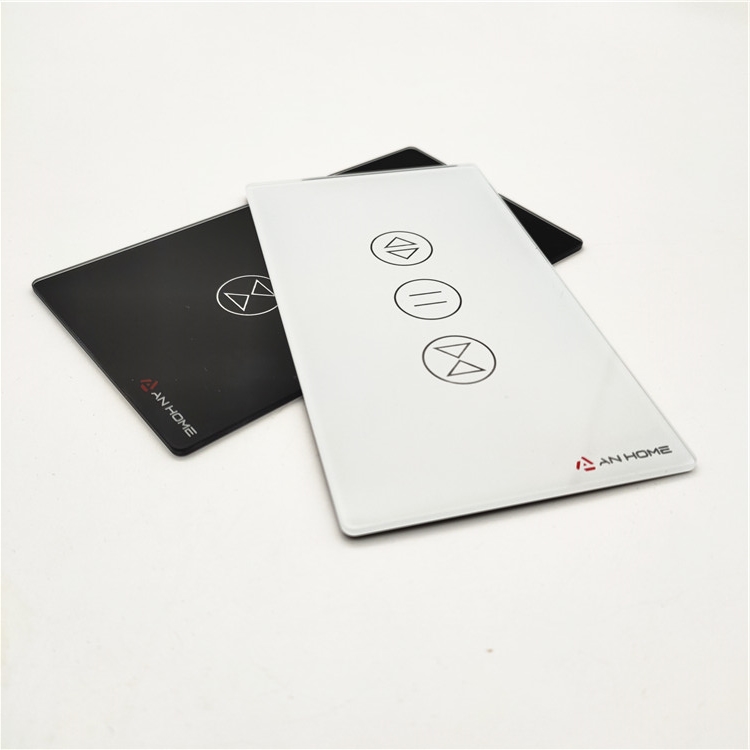
Washington DC is a market of systems integrators, federal contractors, hospital groups, museums, universities, data-center operators, property managers, and commercial real-estate teams. A piece of instrument panel glass may represent a small share of the bill of materials, but it is often the surface that users see, touch, clean, and judge every day. A control-room HMI in Arlington, a touch switch in a NoMa office tower, a diagnostic-device window in Maryland, or a gallery label in a National Mall museum all create the same requirement: the glass must be optically consistent, mechanically durable, and repeatable across reorders.
China remains a deep source for custom instrument panel glass because the supply chain for thin float glass, CNC shaping, edge polishing, hole drilling, ceramic printing, tempering, and optical coating is mature. The stronger question for Washington DC buyers is not “Which factory has the lowest unit price?” It is “Which supplier can translate a drawing into a repeatable process, document inspection, protect glass during export packing, and answer engineering questions before a project schedule slips?” That is where information gain matters. A useful supplier page should help procurement teams compare glass types, understand local applications, and plan for documentation and logistics, not simply repeat product names.
This guide uses the original Jaswe Glass product data and factory profile as its baseline: 80+ workers, 26 glass processing machines, more than 200,000 pieces per month, an average response time within 3 hours, a 96.61% response rate, and a 26% buyer reorder rate. Those figures do not replace a sample approval process. They do, however, help a buyer judge whether a factory can support both the technical and commercial sides of a Washington DC project.