China Top LED Glass Factory & Wholesalers in the Baltimore Market
Custom tempered, printed, AR / AG / AF coated and low-iron LED glass for Baltimore lighting brands, electrical OEMs, display integrators and wholesale distributors — engineered in Dongguan, packed for export, and quoted around your drawing.
Why Baltimore Buyers Are Moving Toward Factory-Direct LED Glass
Baltimore is not a generic glass market. Lighting distributors around the Inner Harbor, electrical contractors serving historic row houses, port-side industrial operators, hospitality renovators in Harbor East, and display integrators in the Baltimore–Washington corridor all buy glass differently. Most begin with a search for “LED glass factory,” “wholesalers near Baltimore,” or “custom tempered glass cover,” but the real procurement intent is more specific: they need a supplier who can read a drawing, protect the optical performance of an LED fixture, repeat a Pantone print color, and ship glass safely to Maryland without turning every replacement part into a new project.
In LED lighting, the glass is not just a protective sheet. It affects light distribution, color consistency, thermal shock behavior, cleaning routines, installation tolerances, and end-product liability. A thin low-iron cover can make a fixture look cleaner and brighter, while a ceramic-printed 10 mm round lens can define the visual identity of a spotlight. For outdoor fixtures exposed to Chesapeake humidity, UV, and freeze-thaw cycles, tempering quality and edge finishing matter as much as the initial unit price.
Dongguan Jaswe Glass Co., Ltd. is a China-based custom glass processing factory serving overseas buyers — not a local Baltimore trading desk. That distinction is useful for wholesalers and OEM buyers who need direct engineering feedback, in-house cutting, CNC shaping, edge polishing, drilling, tempering, silk-screen and ceramic printing, AG anti-glare processing, and AR / AF coating under one roof. The company’s export-focused model answers a Baltimore-specific need: high-mix customization with production-scale consistency.
What Baltimore wholesale buyers actually evaluate
- Factory-direct quotation versus trading-company markups
- Drawing review before samples, not after a failed install
- Print color, light transmission and coating repeatability
- Export packing that survives port handling and local delivery
8 Custom LED Glass Products Baltimore Wholesalers Ask For
Each item below is made to a drawing. Product links are preserved so your engineering team can compare specifications directly; use the live quote button when you are ready to send thickness, print colors, edge type, coating and estimated annual volume.

Custom Extra White 0.5mm 1mm 1.5mm 2mm Low Iron Tempered Glass Chemical Strengthened
Ultra-clear 0.5–2 mm low-iron glass for slim LED fixtures, control windows and display covers where green edge tint and light loss are unacceptable.

Customized Small Size 3mm 4mm 5mm 6mm Beveled Edge Tempered Glass
Beveled-edge tempered glass for hospitality luminaires, upscale wall lights and small decorative fixtures that need a polished, premium edge.
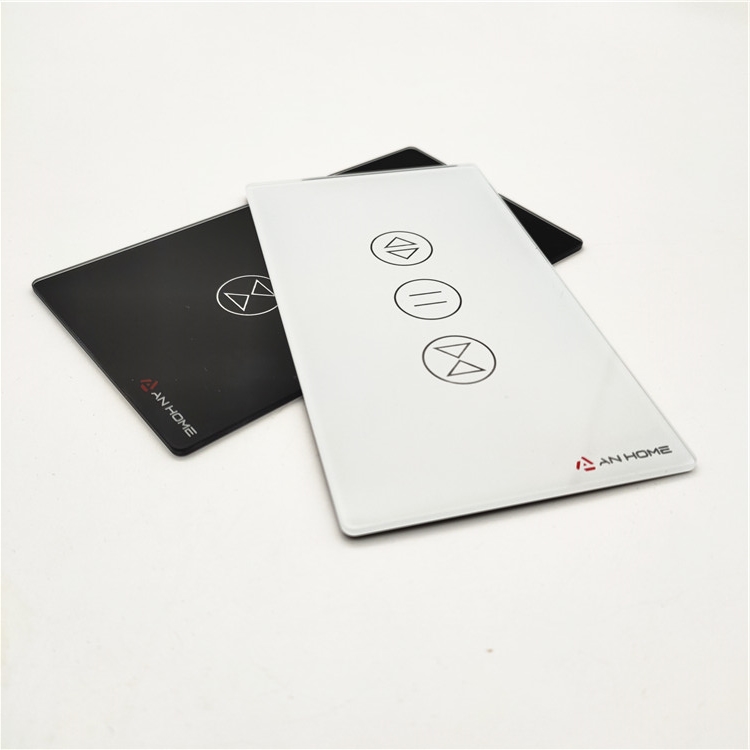
Home Smart WiFi Remote Control Touch Tempered Glass Screen-Printed Glass Switch Glass Panels Curtain Control Glass
Screen-printed tempered touch glass for smart home switches, curtain controls and wall panels with custom icons, windows and mounting holes.

Custom Printed Tempered Glass Panel High Strength Decorative Cover with Hole for Card Reader Instrument
Printed high-strength glass covers for card readers, electrical instruments and control modules where a clean aperture and durable surface are required.
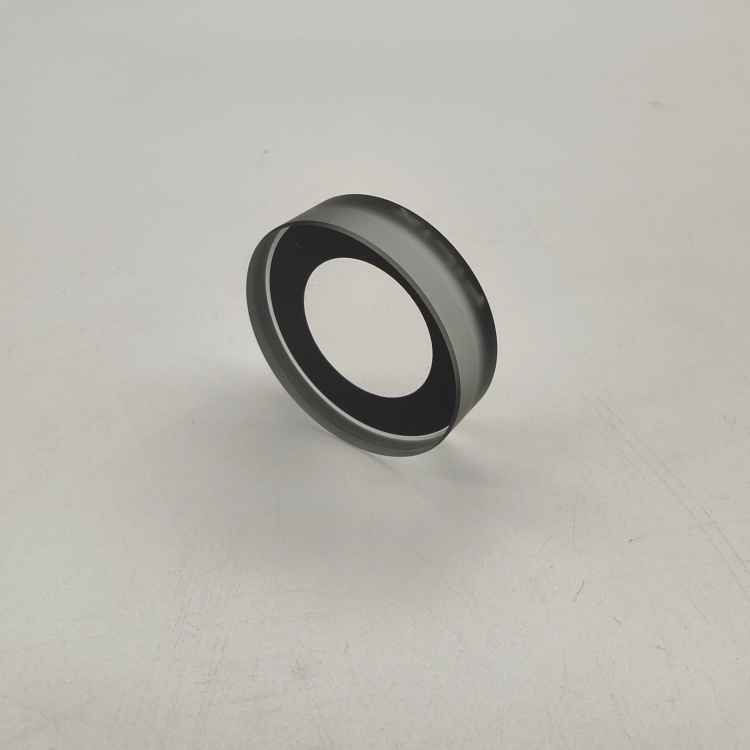
High Quality Small Diameter 10mm Thickness Round Tempered Glass with High Temperature Ceramic Printing
Small-diameter 10 mm round tempered glass with high-temperature ceramic printing for LED spotlights, bezels and fixtures needing fade-resistant detail.
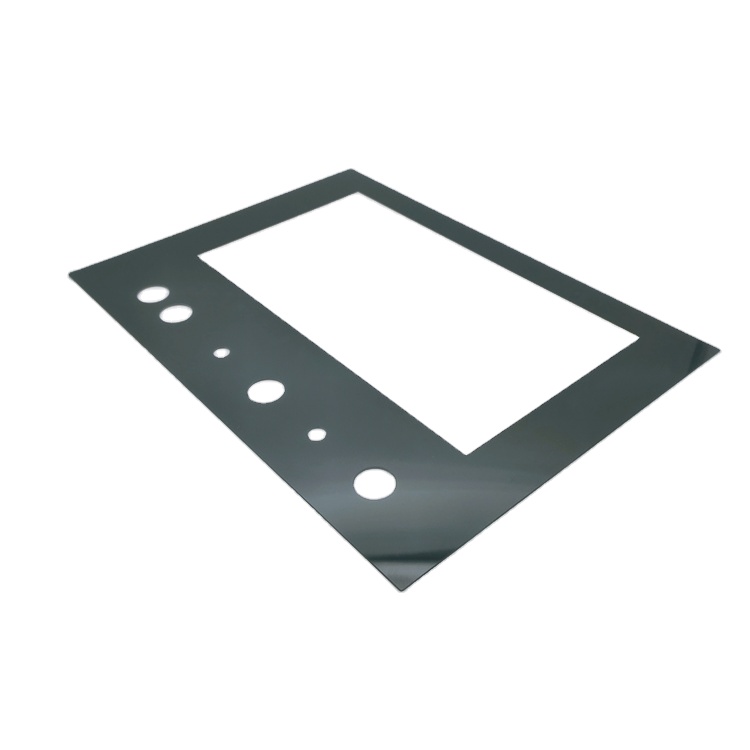
Customized Printed 0.5-6mm Thickness Flat Tempered Glass Screen Protector with Cut Holes
Flat tempered screen-protector glass with printed borders and cut holes for displays, control interfaces and equipment windows.
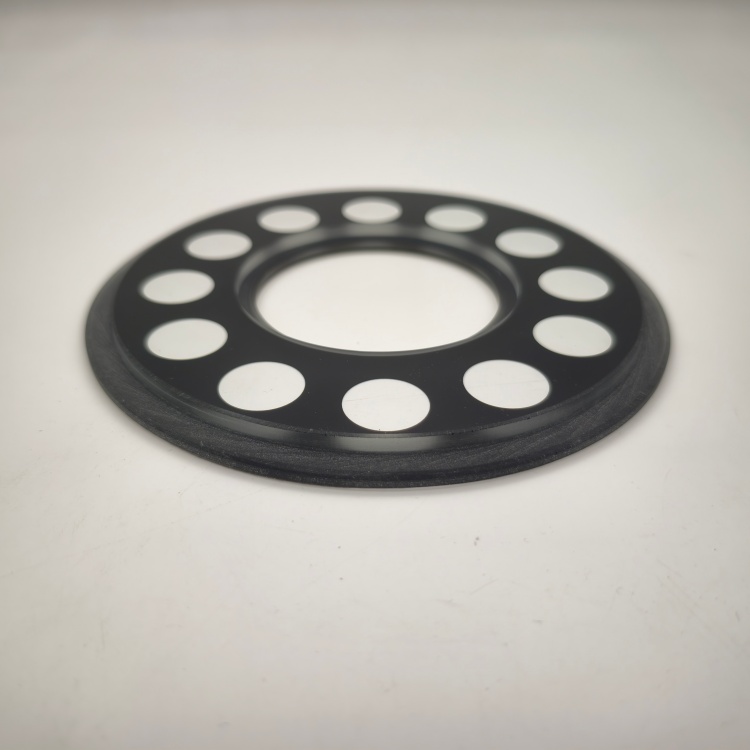
Factory Customized Round Hole Inner and Outer Double Step Edge Printed Tempered Glass for LED Lighting
Stepped round tempered glass with printed detailing for recessed LED fixtures, downlights and lighting assemblies requiring exact fit and edge control.
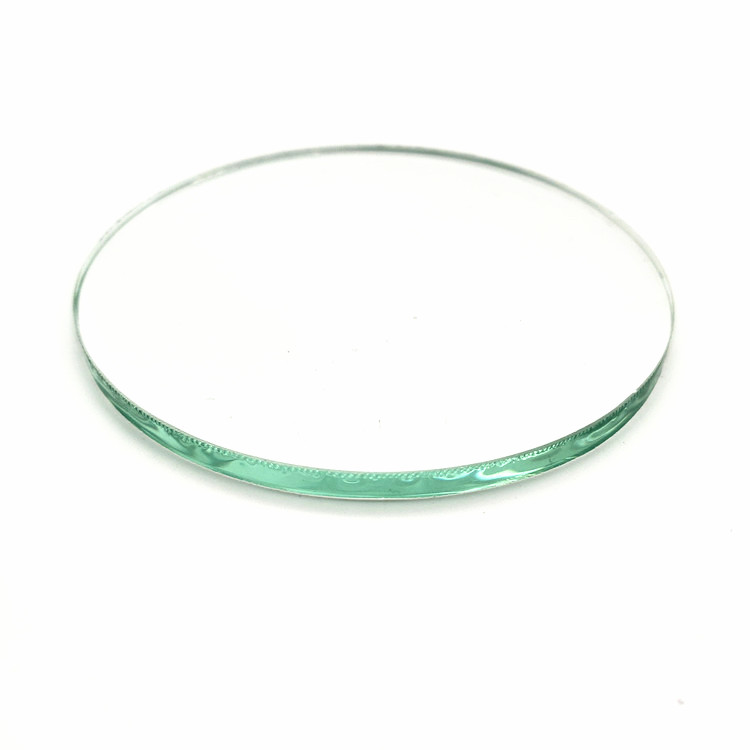
Customized Clear Flat Solid Tempered Glass Pieces 1mm-19mm for Industrial Lighting and Various Applications
Clear flat tempered glass from 1 to 19 mm for high-bay fixtures, industrial lighting, equipment enclosures and heavy-duty covers.
Where LED Glass Performs in the Baltimore Market
Baltimore projects combine old building stock, waterfront humidity, port logistics, modern commercial retrofits and a strong healthcare and research base. These local conditions influence glass choice more than a generic spec sheet suggests.
Inner Harbor & Harbor East Hospitality Lighting
Hotels, restaurants and waterfront venues need LED wall lights, downlights and feature luminaires with clean glass faces, warm-color consistency and low-glare performance. Beveled or printed tempered glass helps the fixture look premium while staying easy to clean.
Historic Row House & Multi-Family Retrofits
Baltimore’s rowhouse renovations and multifamily upgrades often face legacy electrical boxes, tight wall cavities and custom switch layouts. Screen-printed tempered switch glass with custom icons and precise cut-outs reduces field modification.
Port of Baltimore & Sparrows Point Industrial Lighting
Warehouse, port and industrial fixtures around the Port of Baltimore need impact-resistant covers, reliable edge quality and resistance to humid, dusty environments. Clear flat tempered glass from 3 to 10 mm is often the practical choice.
Canton, Fells Point & Signage Displays
Independent retail and signage projects frequently need printed borders, transparent windows and readable faces under changing daylight. AG anti-glare treatment and printed tempered glass work together to keep LED signage legible without washing out.
Smart Building & HMI Retrofit Panels
Commercial building upgrades increasingly combine LED lighting, touch interfaces and digital controls. AR-coated and AF-coated cover glass improves readability and reduces fingerprint haze on control panels in lobbies and mechanical rooms.
Baltimore Research, Medical & Instrumentation Displays
Laboratory equipment, medical devices and industrial instruments benefit from low-iron display glass with precise holes, anti-reflective coating and consistent print masking. Tighter optical control supports clearer readings and fewer service calls.
4 Trends Reshaping LED Glass Purchasing in Baltimore
Wholesalers that plan around these trends usually reduce air freight, minimize rework and win more repeat business from contractors and OEMs.
Port-Led Inventory Planning
Baltimore importers are consolidating more custom glass into planned container shipments instead of paying repeat air-freight costs for small fixture reorders.
Energy-Efficiency & LED Retrofit Demand
Commercial lighting upgrades continue to push demand for thin low-iron covers, printed diffusers and optical glass that help LED systems meet visual and energy goals.
Outdoor Durability for Chesapeake Weather
Humidity, salt air near the harbor, summer UV and winter freeze-thaw cycles make proper tempering, edge polishing and sealed packaging non-negotiable.
Brand-Specific Printing & High-Mix Orders
Lighting brands want Pantone-matched borders, logos, icon windows and special holes — often in mixed sizes — without moving to a separate printer or coater.
Confirm indoor, damp or outdoor use before choosing thickness, printing and coating.
Validate glass edge type against the fixture frame, gasket and installation method.
Approve print color, window position and hole tolerances on a physical sample.
Plan packing and shipment around the Port of Baltimore, local warehousing or job-site delivery.
LED Glass Selection Matrix for Baltimore-Local Projects
Use this matrix as a starting point. Final specifications should be confirmed against your fixture drawing, installation environment, light source and target service life.
| LED glass application | Recommended glass approach | Why Baltimore buyers choose it | Procurement note |
|---|---|---|---|
| LED lighting diffuser / front cover | 0.5–2 mm low-iron tempered or chemically strengthened glass | High clarity, minimal green edge, clean appearance for premium fixtures | Confirm light transmission target and print side before sampling |
| Outdoor LED wall washer | 3–6 mm tempered glass with ceramic printing and polished edges | Resists harbor humidity, cleaning and temperature cycling | Specify edge quality, sealing method and packing protection |
| Smart switch / curtain control | Printed tempered glass panel with touch windows | Fits smart-home retrofits and hotel room controls | Provide icon artwork, Pantone colors and box depth |
| LED spotlight bezel / round lens | 10 mm round tempered glass with high-temperature ceramic print | Durable face detail for hospitality and accent lighting | Check print fade resistance and outer diameter tolerance |
| Industrial fixture / high-bay cover | Clear flat tempered glass, 3–19 mm depending on opening | Impact resistance for warehouses and port-side facilities | Share fixture span, mounting pressure and impact expectation |
| Digital signage / HMI window | AR-coated or AG-treated tempered display glass | Improves contrast and reduces glare in lobbies and outdoor sign boxes | Choose AR, AG or AR+AF based on viewing distance and touch use |
| Electrical instrument cover | Printed tempered glass with drilled holes and transparent window | Protects displays while hiding wiring and fastener areas | Send DXF/DWG with hole positions and transparent window dimensions |
| Appliance / control panel | Silk-screen printed tempered glass, 0.5–4 mm | Easy-clean surface with custom graphics and masking | Confirm ink adhesion, cleaning chemical exposure and backing adhesive |
Inside Dongguan Jaswe Glass: Advantages That Matter to Baltimore Buyers
Jaswe Glass is a custom glass processing factory based in Dongguan, Guangdong, China. The company’s location sits inside one of the world’s densest electronics and lighting supply chains, while its export focus makes documentation, packaging and communication practical for North American buyers.



Most of the company’s 80+ operators have years of hands-on glass processing experience, and the factory runs 26 glass machines with monthly output exceeding 200,000 pieces. For Baltimore buyers, that capacity is useful when a lighting brand needs a small sample first and then scales into repeat wholesale orders without changing suppliers.
The in-house chain includes precision cutting, special-shaped and CNC cutting, edge polishing, hole drilling, tempering, silk-screen and ceramic printing, AG processing, and AR / AF coating. Keeping these steps under one roof reduces the finger-pointing that occurs when glass moves between unrelated subcontractors. It also shortens iteration on printing colors, stepped edges, transparent windows and optical coating combinations.
“Scientific management, careful manufacture, high quality service, striving for excellence.”
Six Advantages Baltimore Wholesalers Can Verify
Engineering Review Before Sampling
Send a DXF, DWG or PDF drawing with thickness, edge, printing and coating notes. The factory reviews manufacturability before time is spent on an unusable sample.
In-House Tempering & Printing
Cutting, CNC shaping, drilling, polishing, tempering and printing are controlled as one process, which helps protect tolerance and color consistency.
AR / AG / AF Optical Coating
Display and touch products can combine anti-reflective, anti-glare and anti-fingerprint treatments for Baltimore signage, HMI and smart-control applications.
High-Mix, Low-Volume Flexibility
Most custom items start around 100 to 500 pieces depending on size, printing and coating, making market trials and replacement-part programs more practical.
Export-Safe Packing for Maryland
Interleaved paper, edge protection, foam, moisture barriers and palletized cartons help glass survive the Port of Baltimore and local job-site handling.
Responsive Communication
A 96.61% response rate and average reply within 3 hours help Baltimore buyers coordinate drawings, samples and production schedules across time zones.
A Clear Six-Step Custom LED Glass Workflow
Send the Application Brief
Share drawing, thickness, edge type, printing colors, coating requirement, fixture environment and estimated annual volume.
Review Manufacturability
The engineering team checks glass size, hole spacing, print windows, tempering limits and packing needs before quoting.
Approve a Physical Sample
Evaluate fit, color, light transmission, edge appearance and surface treatment under lighting close to the Baltimore installation.
Run Production
Batch production follows the approved sample, with in-process checks at cutting, edging, drilling, printing, tempering and coating stages.
Inspect Before Packing
Visual, dimensional and packaging checks reduce the risk of scratch, chip, print misalignment or coating defects arriving at your door.
Ship with Export Packing
Cartons, pallets and shipment documentation are prepared for container, LCL or express delivery to Maryland and nearby markets.
Questions Baltimore LED Glass Buyers Ask Most
Are you a China factory or a Baltimore wholesaler?
Dongguan Jaswe Glass Co., Ltd. is a custom glass processing factory in Dongguan, China. The company supplies wholesale and OEM buyers directly, including lighting brands, electrical panel makers and display integrators serving the Baltimore market. This is factory-direct sourcing rather than a local stock warehouse in Baltimore.
What is the minimum order quantity for custom LED glass?
Most custom items start around 100 to 500 pieces depending on size, printing, coating and tempering requirements. Standard clear tempered samples can often be supplied in smaller quantities for evaluation before a wholesale order is placed.
How fast can I receive a sample and production quote?
Quotations are typically reviewed quickly once a drawing, application and quantity are provided. The factory reports an average response time within 3 hours and a 96.61% response rate. Sample and production lead times depend on glass thickness, printing, coating and order volume, so they should be confirmed in writing for each project.
Which glass is best for outdoor LED fixtures in Maryland’s humid, freeze-thaw climate?
For outdoor fixtures, specify properly tempered glass, suitable thickness for the opening, polished edges and a compatible sealing method. Ceramic printing and UV-stable inks help graphics survive sunlight. For display or signage windows, AG anti-glare treatment can improve readability, while AR coating is used when maximum light transmission is the priority.
How is glass packed for shipment to the Port of Baltimore?
Export packing typically uses interleaved paper, edge protectors, foam, moisture protection and palletized cartons. The goal is to protect printed faces, coated surfaces and edges during container loading, port handling and final delivery to a Baltimore warehouse or job site. Packing requirements should be discussed with the quote.
Can you match Pantone colors, local mounting dimensions and custom holes?
Yes. Custom screen and ceramic printing can match brand colors and icon windows, while CNC cutting and drilling support custom outlines, cut-outs and stepped edges. Send your artwork, Pantone references, DXF or DWG drawing and target annual volume so the engineering team can review tooling, tolerances and production flow.
Have an LED Glass Drawing for the Baltimore Market?
Send your fixture size, thickness, glass type, printing colors, edge requirement, coating needs and estimated volume. The factory will review manufacturability and recommend a practical process route before sampling.