8 Custom Silk Screen Printing Glass Products for Appliance Control Panels
These eight catalog items cover the most common glass formats used by Detroit appliance and control-panel buyers: ultra-clear display windows, printed LED covers, stepped-edge lighting glass, adhesive-backed thin panels, AR-coated optical glass, fast-ship clear sheets, high-strength black decorative panels and round tempered glass. Each product can be customized by thickness, outline, hole position, edge type, ink color, transparent display window, anti-glare treatment and anti-fingerprint coating.
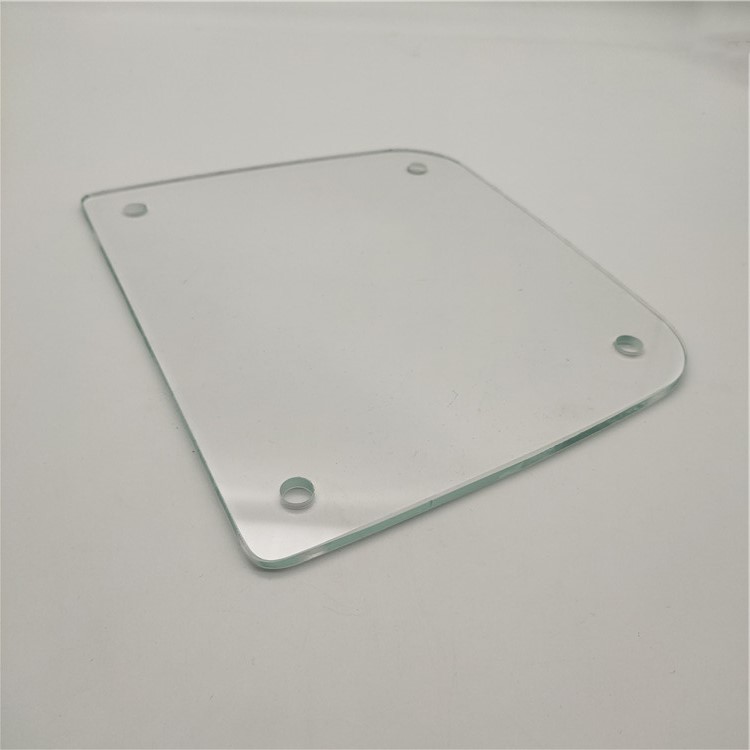
Ultra Clear Tempered Glass Customized Design with Cut Holes for LED Light Cover
Low-iron glass with CNC cut holes for indicator apertures, backlit windows and appliance LED covers.
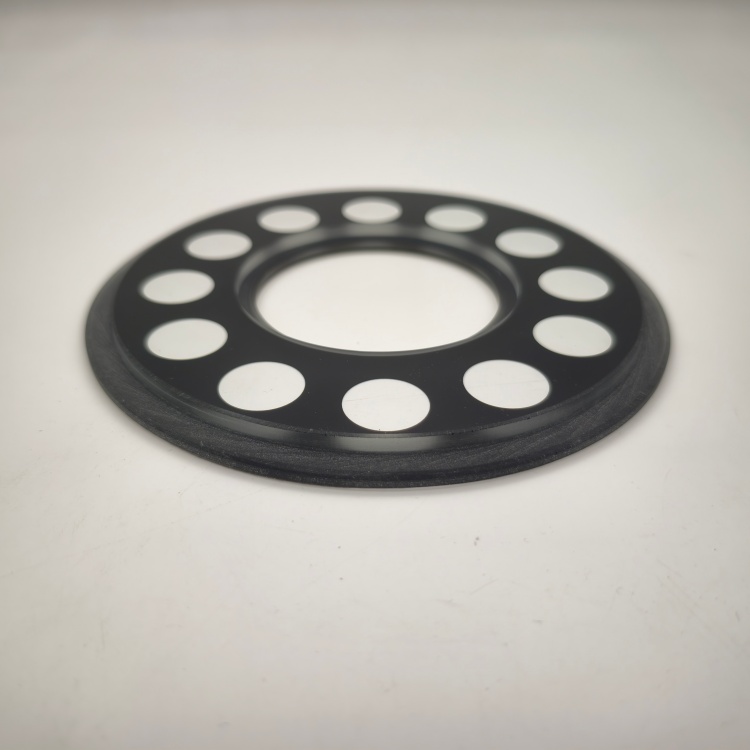
Factory Customized Round Hole Inner and Outer Double Step Edge Printed Tempered Glass for LED Lighting
Double-step edge and printed glass for LED lighting covers and recessed appliance light modules.

Small Size Ultra Thin 0.5mm 0.7mm 1mm Tempered Glass Panel With Adhesive Tape for Screen Protection
Thin tempered glass with adhesive backing for display protection windows and assembly-friendly control lenses.
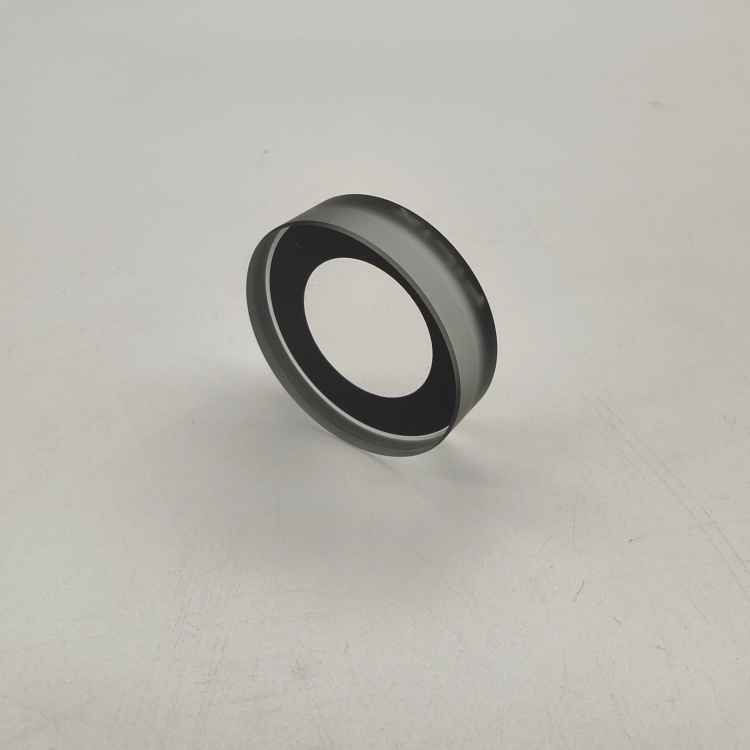
High Quality Small Diameter 10mm Thickness Round Tempered Glass with High Temperature Ceramic Printing
High-temperature ceramic printing for durable marks, icons and borders on small-diameter round glass.

Both Sides Anti Reflective AR Coating 1mm 2mm 3mm 4mm Ultra Clear Tempered Glass
Double-sided anti-reflective coating for clearer display windows, improved contrast and reduced screen glare.
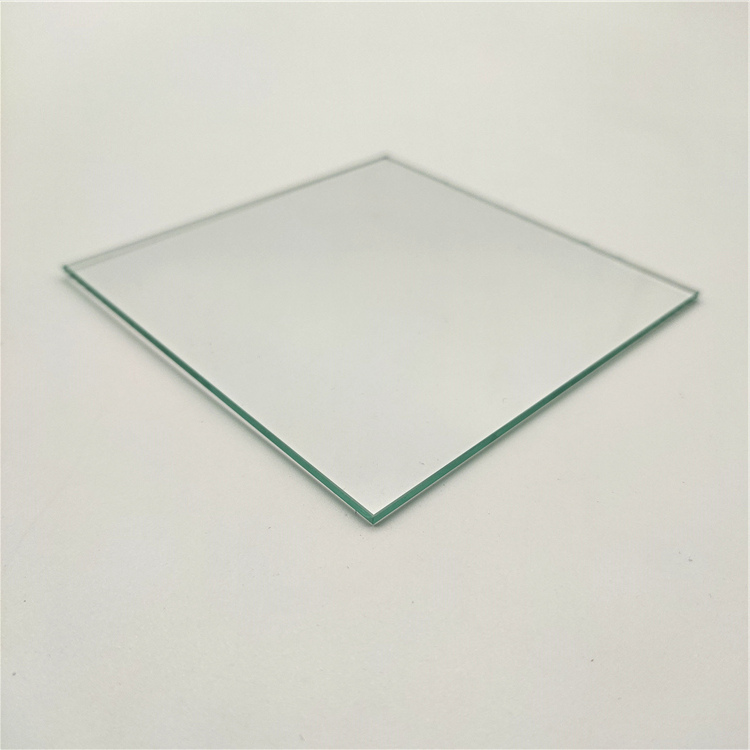
Fast Delivery Custom 1mm Clear Glass Sheet
A practical starting point for evaluation, prototype windows and production support where speed matters.

Factory Customized High Strength 2mm 3mm 4mm 5mm Tempered Black Glass Bulletproof & Decorative Flat Surface
High-strength decorative black glass for premium appliance fascias and durable printed control surfaces.
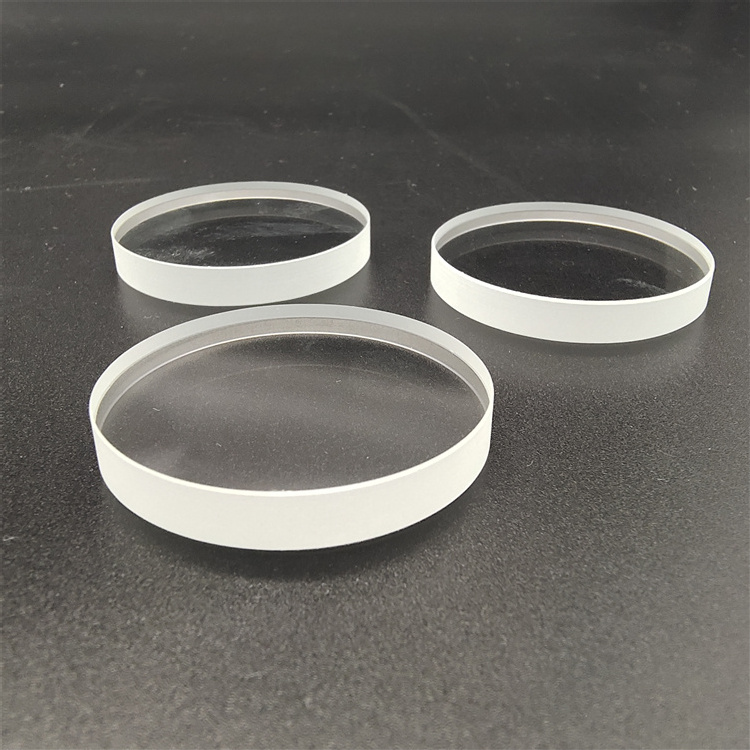
Full Tempered 30mm Diameter 3mm 4mm 5mm 6mm 8mm Thickness Ultra Clear Round Tempered Glass
Round, fully tempered ultra-clear glass for buttons, light lenses, indicator covers and decorative controls.
Why Silk Screen Printing Glass Is Winning Appliance Control Panels in the Detroit Market
A Detroit appliance control panel is not only an interface. It is the visible point where design, durability, brand quality and everyday usability meet.
Detroit and Southeast Michigan have long been associated with disciplined industrial engineering. That culture is now visible in appliance, HVAC, smart-home and commercial equipment programs across the region: buyers expect the same level of fit, finish, dimensional control and repeatability that they associate with the automotive supply chain. For a control panel, this means a plastic overlay is increasingly compared against silk screen printed tempered glass — not only because glass looks premium, but because it can solve real engineering problems in printing durability, scratch resistance, backlit icon clarity and chemical exposure.
Glass is also a better design surface for the direction of modern appliances. Flat glass allows a continuous black or white fascia, dead-front windows that hide displays when off, crisp icons that remain readable after repeated cleaning, and transparent touch windows that blend into the panel. In kitchen appliances, glass surfaces resist heat, moisture and common cleaning agents better than many decorative plastics. In laundry controls, glass helps prevent the dulling and scratching that can appear over years of detergent and water exposure. In smart-home switch plates and thermostat interfaces, glass supports the “clean, architectural” look that Detroit-area designers and homeowners increasingly request.
At the same time, the Detroit market is not a catalog market. A buyer working with an appliance OEM or contract manufacturer usually needs engineering information gain: which glass substrate avoids green tint, how ceramic ink behaves through tempering, whether the transparent window should receive AR or AG coating, how a printed border will sit under a bezel, how the panel will be packed for transit, and whether adhesive can be supplied for a Detroit assembly line. A supplier that can answer those questions before quoting becomes part of the design process rather than a late-stage commodity source.
This is where a factory-direct manufacturer with in-house cutting, CNC, tempering, printing and coating capabilities creates value. Instead of moving glass between several subcontractors, one process team can review the drawing, identify manufacturability risks, produce samples and maintain the print and optical specification into mass production. For Detroit buyers, the practical outcome is shorter engineering cycles, fewer sample iterations, and clearer accountability when the project moves from prototype to launch.
Local application priorities in Detroit
Common control-panel questions center on heat, humidity, cleaning chemicals, scratch resistance, backlit window clarity, touch responsiveness, assembly adhesive and packaging survival. The right glass specification is therefore application-led, not simply thickness-led.
Information gain before price
Detroit appliance buyers often compare more than unit price. They compare print color consistency, edge quality, sample speed, engineering response time, packing protection and whether the supplier can preserve a golden sample over repeat orders.
Where Printed Glass Control Panels Are Used Across Metro Detroit and the Midwest
From kitchen and laundry appliances to smart-home controls and factory-floor equipment, glass panels are specified where appearance and long-term performance both matter.

Kitchen and Cooking Appliances
Ranges, microwaves, hood controls, built-in ovens and coffee equipment use printed glass for heat resistance, premium appearance and wipe-clean surfaces. Ceramic ink helps preserve icon and border appearance through repeated cleaning.

Smart Home and Wall Controls
Touch switch plates and thermostat interfaces benefit from anti-fingerprint coating, anti-glare treatment and crisp printed icons. Dead-front windows keep the panel clean when the display is off.

Touch HMIs and Display Windows
Capacitive touch panels need stable glass thickness, clean transparent windows and optional AR coating to improve contrast under bright kitchen or office lighting.

HVAC and Industrial Instruments
Control covers for HVAC equipment, meters and testing devices often require printed borders, sensor cut-outs and impact-resistant tempered glass for factory or service environments.

Plant-Floor and Equipment Controls
Detroit’s manufacturing ecosystem also uses glass covers on production equipment, test stations and control cabinets where scratch resistance and clear indicator windows are important.

Commercial Equipment and Lighted Controls
Commercial kitchens, laundry facilities and retail equipment use illuminated indicators and round glass lenses that require clean edges and consistent print opacity.
2025–2026 Trends Shaping Appliance Control Panel Glass Procurement
Detroit-area appliance and control-panel programs are becoming more design-led, more electronics-heavy and more demanding on supplier responsiveness.
Premiumization
Flat, seamless glass fascias continue to replace multi-piece plastic overlays in kitchen and laundry equipment, especially where the control panel is the visual center of the product.
Touch and Backlit Interfaces
Capacitive touch keys, hidden-until-lit icons and transparent display windows require controlled ink opacity, accurate print registration and anti-fingerprint surfaces.
Cleanability and Durability
Appliance buyers increasingly test glass against detergents, humidity, thermal shock and repeated wiping. Tempered glass plus properly cured ceramic ink supports a longer service appearance.
Supply-Chain Resilience
Detroit buyers want short engineering replies, stable golden samples, export-safe packing and a factory that can scale from prototype quantities to repeat production.
Another trend is the use of one control surface for multiple functions. Instead of separate buttons, labels and display windows, appliance designers use a single printed glass panel with transparent windows, backlit icons and touch areas. This reduces assembly complexity and gives the product a cleaner visual identity. It also raises the importance of DFM review: the glass must be drawn not only for appearance, but also for ink layering, hole clearance, edge durability and the optical behavior of the transparent window.
Finally, local buyers are paying more attention to total landed value, not only the unit price. A low quote that causes repeated sample delays, color drift, packing breakage or assembly-line fit issues is expensive. Detroit-oriented supply programs increasingly favor suppliers that can document the process, preserve approved samples and provide clear communication in English throughout the project.
Specifying Silk Screen Printing Glass for Appliance Control Panels
The following matrix is a practical starting point for engineering reviews. Final specifications should be confirmed through samples because optical values, ink appearance and mechanical strength depend on thickness, size, coating stack and product housing.
| Design Requirement | Recommended Glass Approach | Why It Matters | Detroit Market Note |
|---|---|---|---|
| High-end appliance fascia | Low-iron ultra-clear tempered glass with ceramic printed border and clear window | Reduces green tint, improves color fidelity and supports a flat, premium front | Common in kitchen and laundry programs where the control panel defines perceived quality |
| Backlit icons or dead-front display | Multi-layer silk screen printing with controlled ink opacity and transparent display windows | Keeps icons hidden when off and evenly illuminated when on | Useful for smart-home controls, washing machines, ovens and premium wall switches |
| Touch interface under bright light | AR anti-reflective coating plus optional AF anti-fingerprint layer | Improves contrast, reduces reflection and keeps touch surfaces easier to clean | Detroit homes and commercial interiors often mix daylight, LED downlights and glossy cabinetry |
| Humidity and cleaning exposure | Tempered glass with properly cured ceramic ink and edge treatment | Supports scratch resistance and long-term print appearance | Laundry and commercial kitchen equipment must tolerate moisture, detergents and frequent wiping |
| Assembly-line efficiency | Adhesive-backed thin glass, printed alignment marks and protective film options | Reduces separate taping steps and helps maintain consistent placement | Useful for Detroit contract manufacturers and regional assembly operations |
| Equipment and industrial controls | High-strength black tempered glass, AR-coated windows and precision cut-outs | Combines scratch resistance, visual masking and clear indicator visibility | Supports plant-floor equipment, HVAC controls and testing instruments |
For efficient engineering review, send a DXF, DWG or PDF drawing with thickness, outline tolerance, edge type, hole positions, printing colors, transparent window dimensions, coating requirement, adhesive requirement, application environment and estimated annual quantity.



Inside Dongguan Jaswe Glass Co., Ltd.
Dongguan Jaswe Glass Co., Ltd. is a custom glass processing manufacturer located in Dongguan, Guangdong, China. The company serves buyers in America, Europe and Asia with tempered glass, ultra-clear glass, silk screen printed glass, display cover glass, touch screen glass, switch glass, electrical equipment glass, LED lighting glass and AR/AG/AF coated glass.
The factory reports 80+ skilled workers, 26 glass processing machines and monthly output of more than 200,000 pieces. Its in-house process chain includes cutting, special-shaped and CNC cutting, edge polishing, hole drilling, tempering, silk screen and ceramic printing, AG processing and AR/AF coating. This breadth is important for appliance control panels, where a single order may combine printing, a display window, a precision hole, a polished edge and a special surface treatment.
For Detroit buyers, the value of this structure is communication speed and process control. The company reports an average response time of three hours or less, a 96.61% response rate and a 26% buyer reorder rate in its trade profile. It is also listed as an on-site verified supplier for six years, with 51–100 employees and annual revenue in the US$2.5M–US$5M range. These figures are useful when a buyer is evaluating whether a factory can handle repeat production rather than only one sample order.
“Scientific management, careful manufacture, high quality service, striving for excellence.”
- 80+Skilled workers
- 26Glass processing machines
- 200K+Pieces per month
- ≤3hAverage response time
- 96.61%Response rate
- 26%Buyer reorder rate
Capacity, Response and Repeat-Buyer Signals
Detroit buyers can use these verifiable company data points as an initial screening layer before moving to drawing review and sampling.
Buyer-confidence indicators
Trade-profile response rate
Buyer reorder rate
Production capability at a glance
Figures are based on the company’s published trade profile and are intended for initial supplier evaluation. Project-specific capacity should be confirmed during quoting.
From Drawing to Detroit: A Clear Five-Step Process
A practical workflow for appliance control panel projects that need both design intent and repeatable production.
Send the Drawing
Share DXF, DWG or PDF files with glass thickness, outline, holes, edge style, printing colors, windows, coating and estimated annual volume.
Engineering Review
The factory reviews manufacturability, ink layering, tolerances, tempering limits and coating options before quoting or sampling.
Sample Approval
Physical samples allow the Detroit buyer to confirm fit, edge quality, color, transparency, touch window appearance and surface feel.
Production and QC
Batch production follows the approved sample, with checks across cutting, polishing, drilling, printing, tempering and coating stages.
Export Packing
Interleaved, edge-protected packaging is planned for long-distance shipping, with shipment methods and delivery terms confirmed during quoting.
Common Questions From Appliance Manufacturers Sourcing Printed Glass Panels
These are the questions most often discussed by overseas buyers preparing a custom glass control-panel project.
What glass thickness is most common for appliance control panels?
Many appliance and control-panel designs use 1 mm, 2 mm, 3 mm or 4 mm tempered glass, with thin 0.5 mm and 0.7 mm glass used for compact screens, protective windows and adhesive-backed assemblies. The right choice depends on the panel size, support structure, cleaning pressure, impact risk and whether the glass must provide structural stiffness. For a new Detroit appliance program, define the housing support and touch-module stack-up first, then confirm glass thickness with samples.
Can you match brand colors and create dead-front display windows?
Yes. Silk screen and ceramic printing can reproduce logos, icons, borders, gradients and transparent display windows. Buyers should provide Pantone numbers or approved color chips, plus the exact window dimensions and opacity expectation. Dead-front and hidden-until-lit effects depend on ink layers, glass substrate and the backlight system, so a physical sample is strongly recommended before production.
How durable is silk screen printing on glass for kitchen and laundry controls?
Durability comes from the combination of glass tempering, ink selection, print thickness, curing and the surface the panel must resist. Ceramic printing is well suited to high-temperature applications and long-term appearance. For laundry and commercial cleaning environments, discuss detergent exposure, wipe frequency and chemical cleaners with engineering so the ink and top coating can be matched to the real use case.
Can you supply adhesive backing for a Detroit assembly line?
Adhesive-backed tempered glass is available for suitable designs. To evaluate it correctly, share the mating surface, required bond strength, operating temperature, cleaning process and expected rework method. The adhesive choice should consider shipping and storage conditions as well as the final Detroit assembly environment.
Should we choose AR, AG or AF coating for the control panel?
AR anti-reflective coating helps reduce reflection and improve contrast for display windows. AG anti-glare treatment diffuses reflected light and is useful where strong ambient light creates annoying hotspots. AF anti-fingerprint coating helps touch surfaces stay cleaner and smoother. These treatments can be combined, for example AR plus AF for a touch display window, or AG plus AF for a control panel near bright lighting. Final optical performance should be checked with samples.
What is the minimum order quantity and how do samples work?
Minimum order quantities vary by size, printing complexity, coating and material. Many custom glass items start in the 100–500 piece range, while standard clear tempered pieces may be available in smaller evaluation quantities. The fastest path is to send a drawing with annual demand, prototype quantity, target launch date and any special testing requirements. The factory can then recommend a sampling and production plan.
How is glass packed for shipment to Detroit?
Export packing should protect edges, prevent face-to-face abrasion and reduce movement during transit. Typical planning includes interleaving, edge protection, moisture protection and reinforced cartons or crates where appropriate. For Detroit shipments, confirm the shipping method, delivery term, freight forwarder and packaging validation requirements during the quotation stage. Buyers with assembly-line delivery schedules should also discuss carton labeling and sequence requirements early.
Start With a Drawing Review for Your Detroit Appliance Control Panel
Send your glass thickness, outline, printing colors, display window, hole positions, coating needs, adhesive requirements and annual volume. The engineering team can recommend a manufacturable glass stack and sample plan before you commit to tooling or mass production.