Wholesale AF Glass & Coated Tempered Glass for Nagoya Buyers
These eight product platforms cover the cover-glass, display-window, switch-panel and lighting applications most often evaluated by Nagoya-area OEMs and distributors. Each can be discussed with an AF anti-fingerprint top layer, AR anti-reflective coating, AG anti-glare treatment, ceramic printing, CNC holes or stepped edges, subject to drawing review.
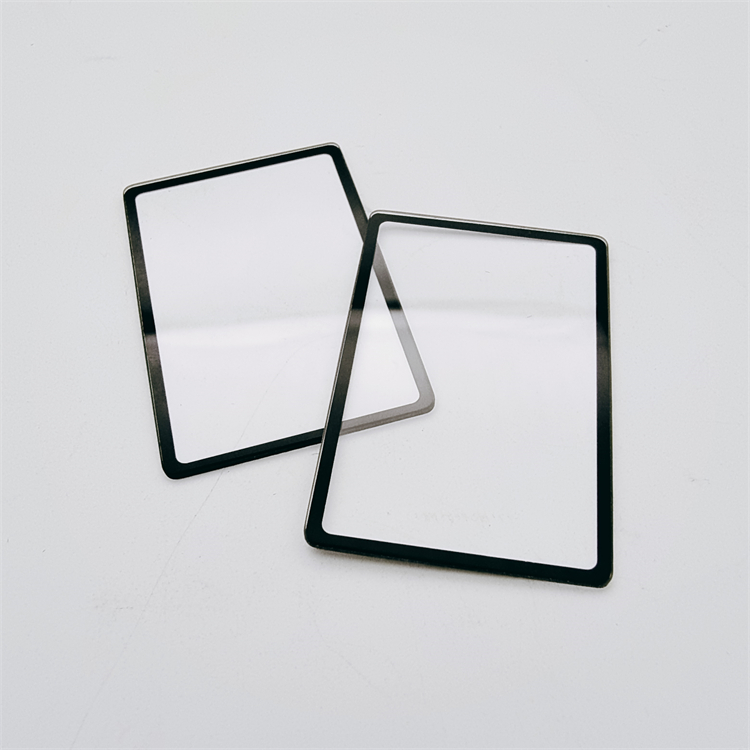
0.5mm 0.7mm 1mm 2mm 3mm Good Price OEM Wholesale Custom Premium Silk Screen Printing Tempered Glass Display Screen Industrial
A flexible printed display cover platform for industrial HMIs, appliance windows and instrument panels. Ask for AF, AR/AG, black mask printing and CNC cut-outs for Nagoya assembly lines.
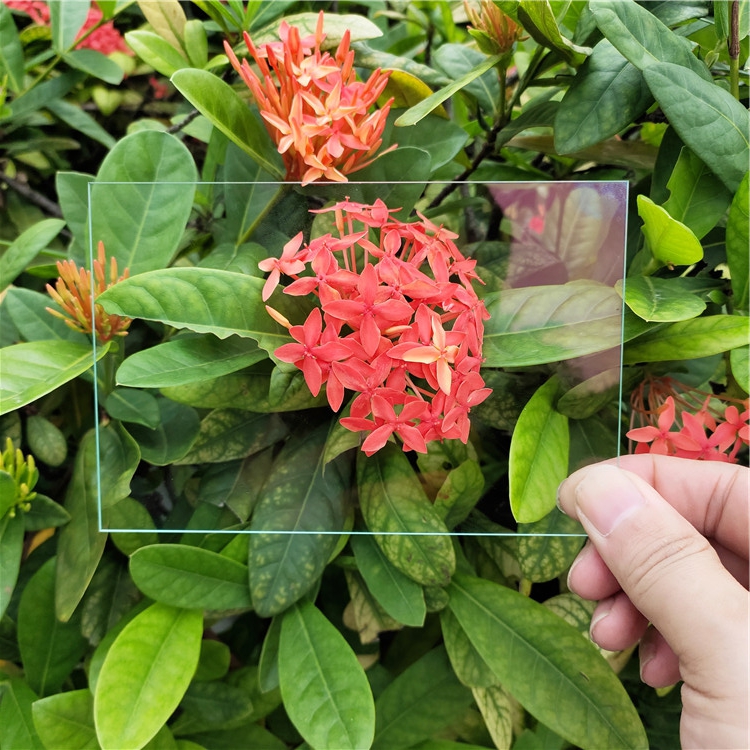
Factory Custom Optical Quality Nano Coating Tempered Anti Reflective AR Glass
For displays that need higher contrast under strong indoor lighting. AR reduces surface reflection; an AF top layer can be added for touch-intensive interfaces.

Custom Extra White 0.5mm 1mm 1.5mm 2mm Low Iron Tempered Glass Chemical Strengthened
Low-iron substrate helps remove the green edge tint that can affect white printing, LED diffusers and premium display windows. Suitable for AF and AR coating combinations.
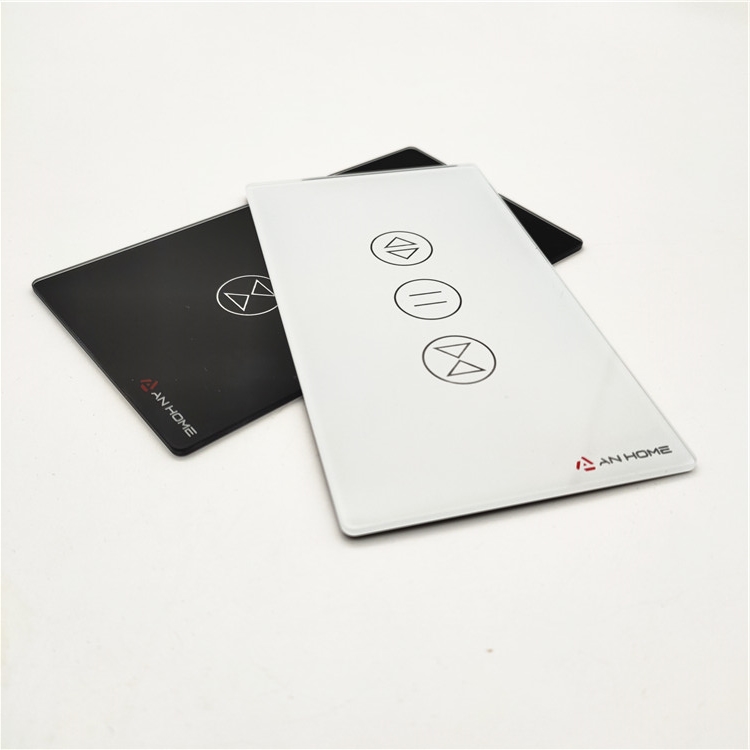
Home Smart WiFi Remote Control Touch Tempered Glass Screen-Printed Glass Switch Glass Panels Curtain Control Glass
Printed switch glass with icon windows and touch-key areas. AF coating helps maintain a cleaner feel on frequently used smart-home and curtain-control panels.
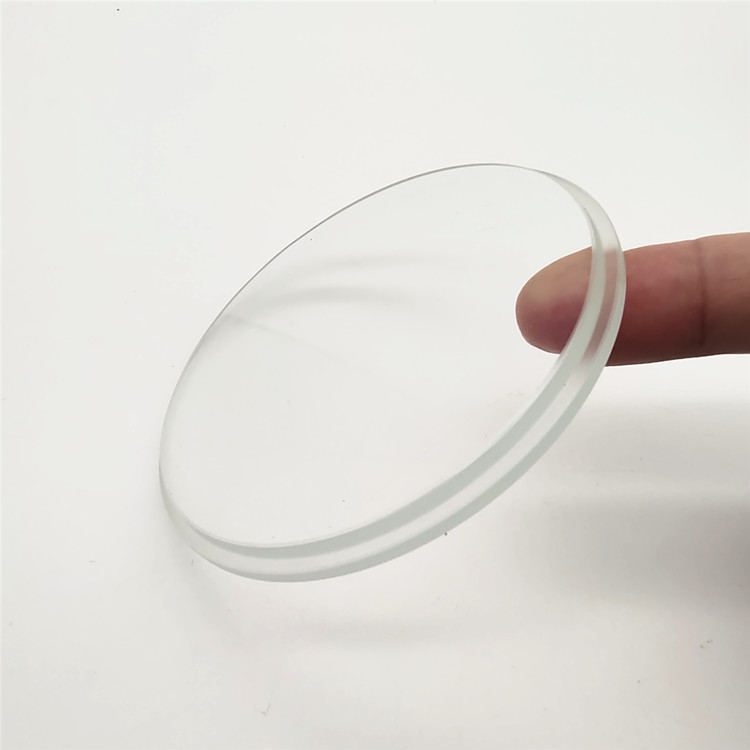
Factory Price 2mm 3mm 4mm 5mm 6mm 8mm 10mm Tempered Step Edge Glass
Stepped edges support flush mounting, location control and clean interfaces in equipment covers. AR/AG/AF surface options can be reviewed according to the installation environment.

Custom Printed Tempered Glass Panel High Strength Decorative Cover with Hole for Card Reader Instrument
A cover-glass format for card readers, payment terminals and compact instruments. Printed graphics, drilled holes and AF top treatment can be aligned with the cleaning routine and touch frequency.
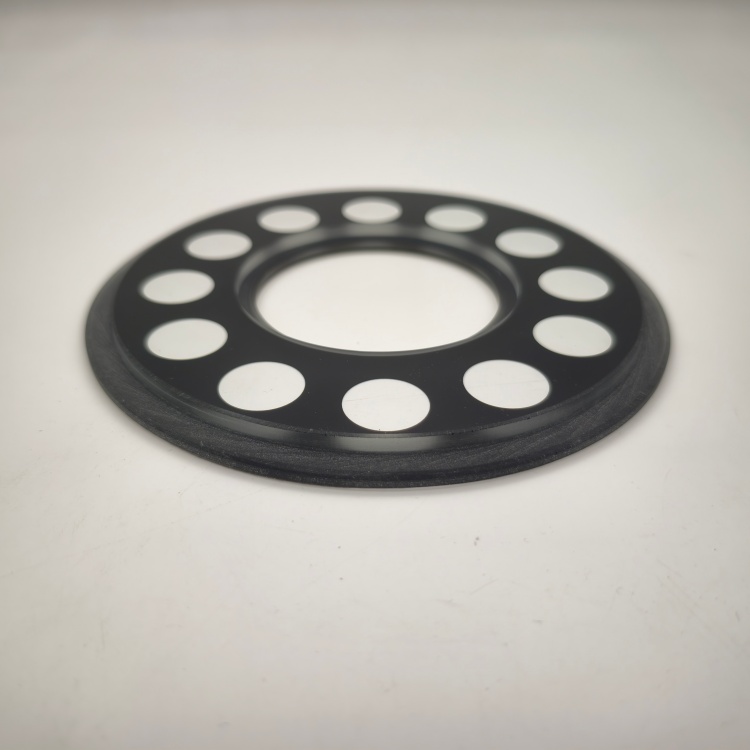
Factory Customized Round Hole Inner and Outer Double Step Edge Printed Tempered Glass for LED Lighting
Round LED fixture covers with inner/outer stepped edges. Ultra-clear low-iron glass and printed borders support high-transmission light output and clean fixture styling.
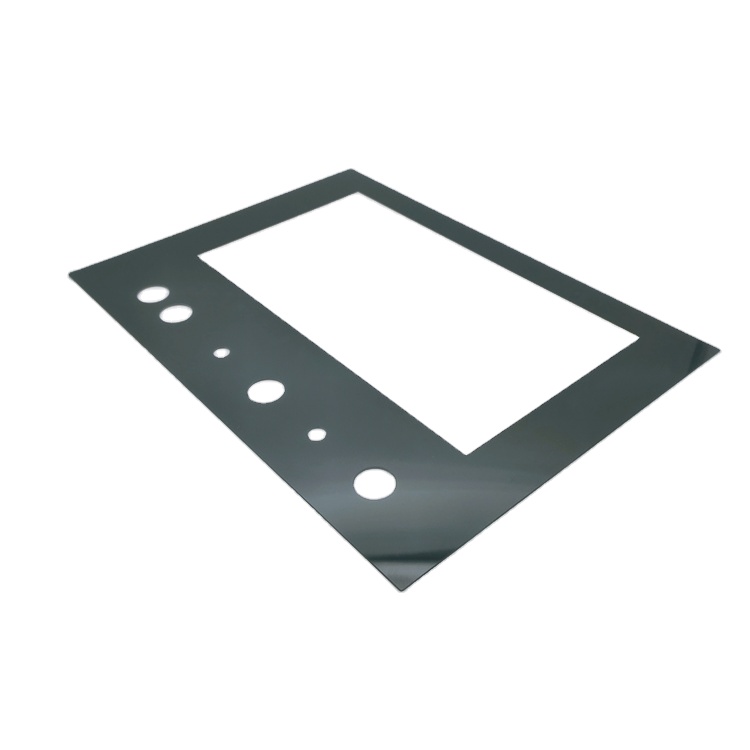
Customized Printed 0.5-6mm Thickness Flat Tempered Glass Screen Protector with Cut Holes
A practical format for instrument windows, equipment screens and protective cover glass. AF, AR or AG treatments can be discussed for touch, outdoor viewing or glare-sensitive use.
Need an AF-coated version, a combined AR + AF stack or a Nagoya-specific packing plan?
Inquire NowWhy AF Glass Specification Requires More Than a Price Comparison
Nagoya is not a generic export destination. It sits inside the Chubu manufacturing belt, where automotive, factory automation, precision instruments, smart-home equipment and retail systems often share the same expectation: stable appearance, predictable touch feel and clear visual performance after long use.
Quality Consistency Beats One-Time Samples
A good sample is only the beginning. Nagoya buyers usually evaluate whether the same print color, edge finish, hole position and coating appearance can be repeated across production batches.
AF Must Be Designed as Part of the Stack
AF is a surface treatment, not a substitute for substrate quality. Its value depends on the glass, printing, AR or AG layer beneath it, the cleaning method and the touch frequency of the final product.
Responsiveness Reduces Project Risk
For buyers coordinating assembly in Japan, engineering feedback speed matters. Jaswe’s recorded average response time is within 3 hours, with a 96.61% response rate and a 26% reorder rate.
Where AF-Coated Glass Creates Practical Value in Nagoya
AF anti-fingerprint glass is most useful where repeated touching, visual clarity and easy cleaning intersect. The application list below reflects common evaluation scenarios across the Nagoya and wider Chubu region.
Cockpit HMI and Charging Interfaces
Nagoya’s automotive cluster is investing heavily in EV, connected cockpit and charging infrastructure. Touch displays need readable AR/AG optics and an AF surface that reduces visible fingerprints after repeated use in showroom, cabin and charging environments.
Robotics, PLC and Machine Control Panels
In the Chubu manufacturing belt, HMIs face operators wearing gloves, bright factory lighting and long uptime. AG can reduce glare, tempered glass provides impact resistance, and AF helps maintain perceived cleanliness on frequent-touch screens.
Switch Glass and Residential Control Panels
Smart-home panels are visible design elements. Silk-screen printing, icon alignment and AF coating should work together so the panel looks clean in kitchens, living spaces and rental properties. Low-iron glass also supports brighter whites.
Payment Terminals, Ticket Machines and Kiosks
In busy areas around Nagoya Station, Sakae and retail networks, touch surfaces are used by many people each day. AF coating helps make cleaning easier, while AR improves clarity in indoor lighting and storefront environments.
Diagnostic, Beauty and Precision Equipment
Instrument windows often combine printed borders, transparent viewing areas and drilled holes. AF-treated glass can support easier wiping of non-porous surfaces, but the final cleaning protocol should be validated by the equipment manufacturer.
Outdoor Digital Signage and Public Displays
Central Japan experiences humid summers, bright daylight and varied indoor-to-outdoor light conditions. AG helps diffuse strong reflections; AF can be added where public touch interaction or frequent cleaning is expected.
AF vs AR vs AG vs Ultra Clear: What Should Nagoya Buyers Specify?
A clear specification prevents over-engineered cost and under-performing screens. Use the following matrix as a starting point for design review, then validate the final coating stack with physical samples.
| Glass / Treatment | Primary Problem Solved | Typical Nagoya Use Case | Procurement Question to Confirm |
|---|---|---|---|
| AF Anti-Fingerprint Coating | Reduces visible smudges and improves touch feel on glass surfaces. | Smart switches, POS terminals, automotive HMI, medical and industrial touch panels. | Which cleaning agents and wipe materials will be used by the end user? AF durability should be reviewed against the cleaning routine. |
| AR Anti-Reflective Coating | Lowers surface reflection and increases perceived contrast and light transmission. | High-clarity display windows, instrument monitors, camera and sensor covers. | Single-sided or double-sided AR? What is the viewing direction and acceptable color reflection? |
| AG Anti-Glare Processing | Diffuses reflected light so a display remains readable under strong ambient light. | Factory HMIs, outdoor kiosks, signage and transportation displays. | What is the viewing distance and resolution? Gloss and haze level should be selected accordingly. |
| AF + AR Combination | Provides clearer viewing plus easier touch maintenance in high-clarity environments. | Premium touch displays, medical instruments, smart-home control screens. | Coating order, layer durability and optical target should be agreed before sampling. |
| AG + AF Combination | Controls glare while improving the touch surface and cleaning experience. | Outdoor touch kiosks, industrial control panels, public ticketing machines. | Does the AG texture affect the feel or cleaning protocol? Review a physical sample with the end user. |
Final transmittance, haze, reflection and durability values depend on glass thickness, substrate, printing, coating stack and test method. Sample validation is recommended before mass production.
AF for Touch-Facing Surfaces
AR for Optical Clarity
AG for Bright Environments
The bars above are illustrative design priorities, not guaranteed optical or durability figures.
What Is Changing in Nagoya’s Display and Control-Glass Supply Chain?
Nagoya-area buyers are increasingly balancing Japanese quality expectations with global sourcing flexibility. These four trends shape how AF glass should be quoted, sampled and supplied.
High-Mix, Lower-Volume Sourcing
Product teams request multiple thicknesses, print variants, hole layouts and coating options without committing to a single large volume. A supplier must handle drawing changes and version control clearly.
Coating-Stack Engineering
Instead of ordering “AF glass” as a generic item, buyers increasingly compare AR + AF, AG + AF and printed + AF combinations against the actual lighting and touch environment.
Process Traceability and Inspection
Appearance and dimensional consistency are checked at cutting, edging, tempering, printing and coating stages. Buyers want clear inspection points before export packing.
Supply Resilience for Chubu Assembly
Shipping plans often need to align with production schedules in Japan. Nagoya Port and Chubu Centrair provide route options, while sample approval and packing validation help reduce delay risk.



Inside Jaswe Glass: A China Wholesale AF Glass Supplier Built for Nagoya Buyers
Dongguan Jaswe Glass Co., Ltd. is a glass processing company based in Dongguan, Guangdong, China — a location inside one of the world’s densest electronics and manufacturing supply chains. As one of the China wholesale AF glass manufacturers and suppliers serving the Nagoya market, Jaswe supports custom tempered, ultra-clear, silk-screen printed, AR, AG and AF glass for displays, touch panels, LED lighting, switches and electrical equipment.
The company’s advantage is process integration. Cutting, CNC shaping, edge polishing, hole drilling, thermal tempering, silk-screen and ceramic printing, AG processing, and AR/AF coating are handled under one roof. That reduces the quality gaps that can appear when glass moves between multiple subcontractors and makes engineering feedback more practical during sampling.
Jaswe’s production base has more than 80 skilled workers, 26 glass processing machines including a tempering furnace, and monthly output exceeding 200,000 pieces. Annual revenue is listed in the US$2.5M–US$5M range, with main markets in America, Europe and Asia. Buyers can review supplier assessment, trade capacity, transaction level, trade history, credit index and ratings through the company’s public profile pages.
“Scientific management, careful manufacture, high quality service, striving for excellence.”
From Raw Glass Sheet to AF-Ready Finished Cover Glass
Every step below can influence the final appearance and touch performance of AF-treated glass. Keeping these processes coordinated makes it easier to review tolerances, printing colors, edge details and coating requirements together.
Precision Cutting & CNC
Automatic cutting and CNC shaping for rounds, notches, slots, stepped edges and irregular outlines.
Edge Polishing
Pencil, flat, beveled, stepped and matte edges for safe handling and clean product appearance.
Hole Drilling
Holes and countersinks for buttons, sensors, cameras, knobs and mounting screws.
Thermal Tempering
Tempering strengthens glass for impact resistance and more predictable breakage behavior.
Silk Screen & Ceramic Printing
Multi-color logos, icons, borders and display windows with color-matching support.
AG Anti-Glare Processing
Diffused surface treatment for screen readability under strong ambient or outdoor light.
AR Anti-Reflective Coating
Optical coating that lowers reflection and supports higher display contrast.
AF Anti-Fingerprint Coating
Oleophobic-style top layer for touch surfaces — smoother glide, fewer visible smudges and easier cleaning.
Five Steps from Drawing to Delivery for Nagoya Projects
A clear process helps overseas buyers coordinate samples, approval and mass production without unnecessary back-and-forth.
Send Requirements
Drawing, thickness, edge, printing, coating, application and estimated annual volume.
Engineering Review
Manufacturability check and process route feedback, typically within hours.
Sampling
Physical samples for fit, print color, edge appearance and optical approval.
Mass Production
Batch production with inspection points at key glass-processing stations.
Packing & Shipping
Interleaved, edge-protected export packing with shipping route discussed in the quotation.
Comprehensive QC System
Inspection at cutting, edging, tempering, printing and coating stages before packing.
Fast Engineering Replies
Average response within 3 hours and a recorded 96.61% response rate to buyer messages.
26% Reorder Rate
Repeat business from lighting, electronics and appliance buyers across multiple regions.
Questions Local Buyers Ask Before Ordering AF Glass from China
These are the practical questions that usually appear during supplier evaluation, sample review and first-order planning for the Nagoya market.
What is AF glass, and why is it relevant to Nagoya touch products?
Can AF coating be combined with AR or AG glass?
What MOQ and sample process apply for Nagoya buyers?
Which thicknesses and sizes can Jaswe Glass process?
How should a Nagoya buyer prepare drawings for an accurate quotation?
How is AF-coated glass protected during export packing?
What quality checks are performed before shipment?
How do you support delivery to Nagoya and the Chubu region?
Send Your Drawing. Confirm the Right AF, AR or AG Stack.
Share your glass thickness, outline, print colors, coating target, application and estimated annual volume. Jaswe’s team can review manufacturability and recommend a practical process route for Nagoya-bound projects.
info@jasweglass.com
Get a Free Engineering Review Before You Commit to Tooling or Samples
Use one supplier for CNC glass cutting, tempering, printing, AR/AG/AF coating and export packing. Start with your drawing and target application; the Jaswe team will respond with process feedback and next steps.