China Wholesale Tempered Glass Manufacturers & Supplier for the Munich Market
Custom tempered, ultra-clear, silk-screen printed, AR / AG / AF coated glass for Munich OEMs in automation, automotive, lighting, medical instruments, smart building and premium appliances — supported by in-house CNC, tempering, printing, coating and export packing.
8 Custom Tempered Glass Products Recommended for Munich Buyers
These eight products keep their original catalogue URLs. Each item addresses a recurring requirement from German buyers in Bavaria: precise outlines, clean edge finishing, durable printing, optical clarity, coating compatibility and repeatable wholesale quality. For Munich projects, send the drawing, annual volume, coating specification and target delivery window; our engineers will confirm manufacturability before sampling.
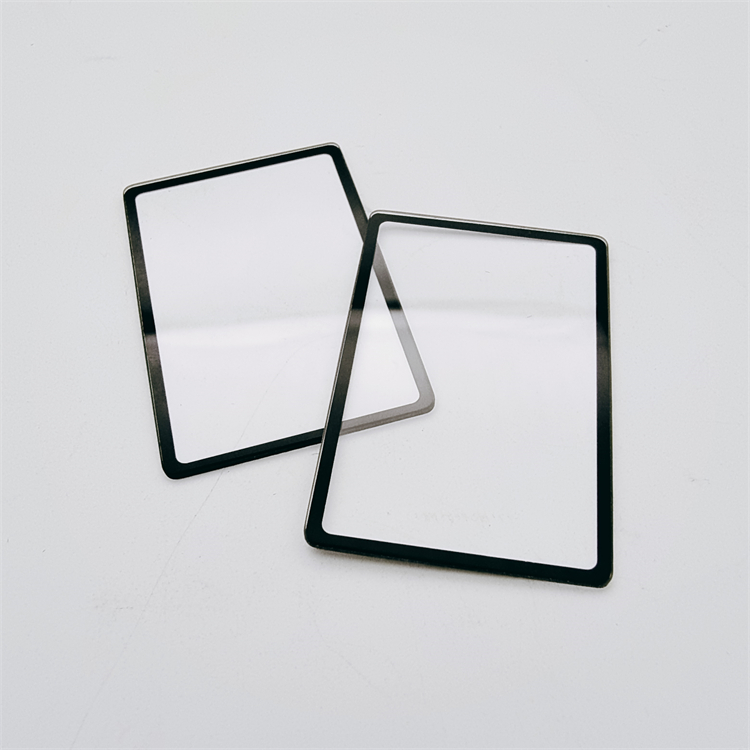
0.5mm 0.7mm 1mm 2mm 3mm OEM Wholesale Custom Premium Silk Screen Printing Tempered Glass Display Screen Industrial
A strong fit for Munich machine-control panels, laboratory instruments and premium appliance interfaces where printed windows must hide circuitry and remain readable under factory lighting.
- Thickness range: 0.5–3 mm
- Options: ceramic ink, transparent windows, step edge
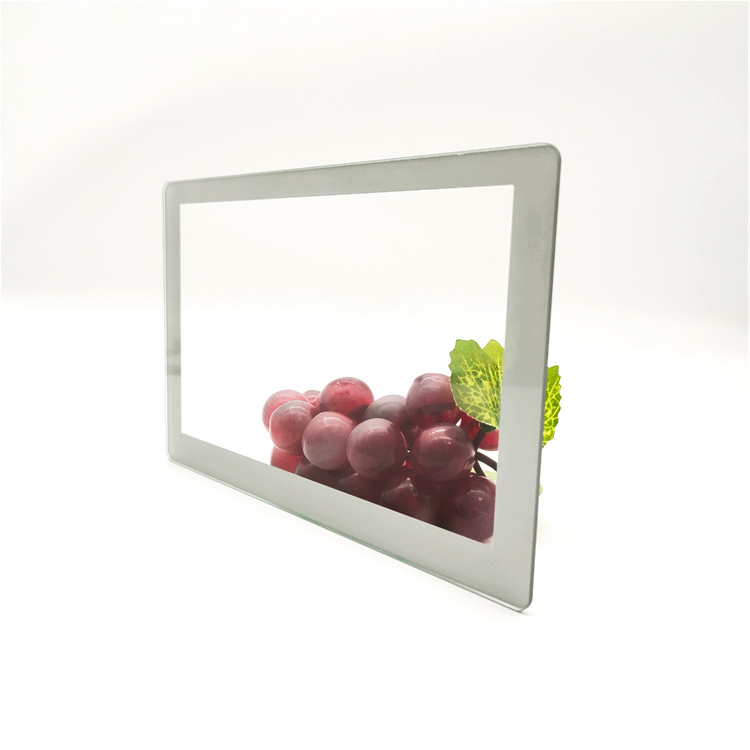
Customized High Strength Anti Glare Frosted Finish Tempered Glass LED/LCD Display Touch Panel for Monitor Screen Protector
Ideal for Munich outdoor kiosks, EV charging stations, building-entry terminals and industrial HMIs exposed to sunlight, ceiling spots or glass-facade reflections.
- Anti-glare surface with controllable haze
- Compatible with touch and display modules

Customized Industrial Lighting Solid Flat Ultra Clear Frosted Tempered Glass with Beveled Step Edge
Suitable for Munich architectural lighting, retail lighting and premium luminaires that need a low-iron substrate, soft light diffusion and a clean step edge for metal-frame assembly.
- Low-iron ultra-clear base glass
- Frosted diffusion, beveled step edge
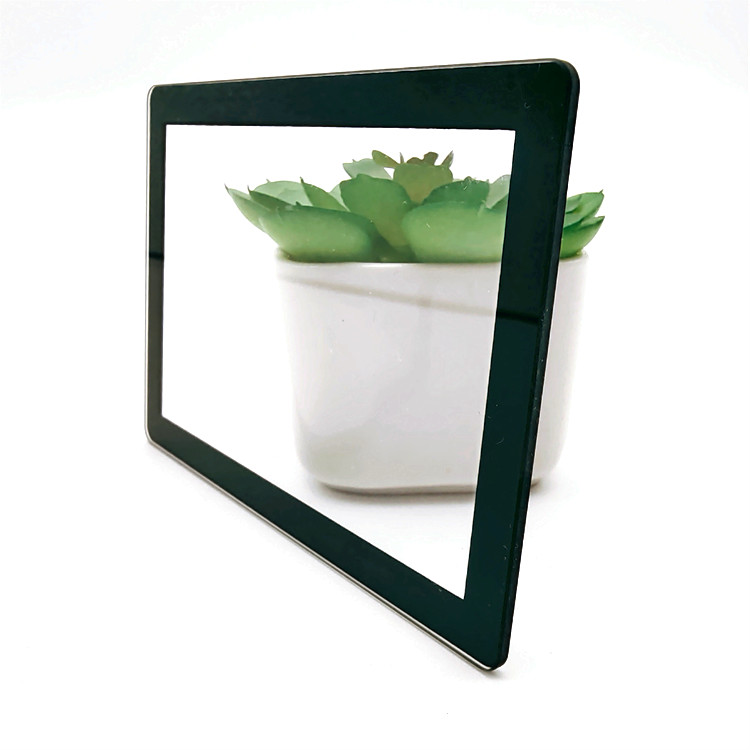
High Quality 0.5mm-6mm Solid Industrial Display Screen Tempered Glass with Printed Design High Strength & Bulletproof Protection
A practical choice for Munich automation cabinets, transport terminals and public-facing control panels. Where a project specifies security glazing, we engineer a suitable laminated build rather than implying that a single monolithic sheet is bulletproof.
- 0.5–6 mm custom processing
- Printed mask, AR window, holes and step edge
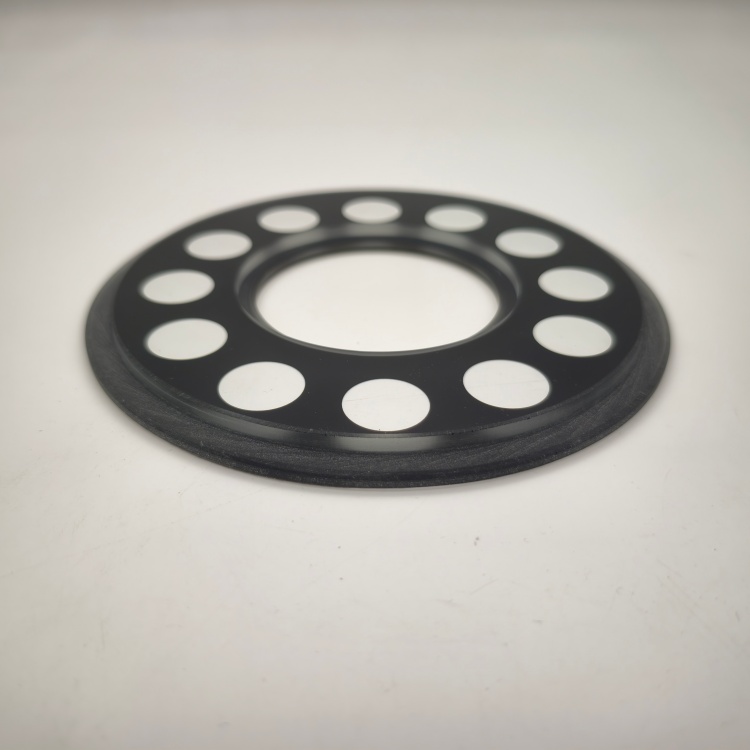
Factory Customized Round Hole Inner and Outer Double Step Edge Printed Tempered Glass for LED Lighting
Designed for Munich luminaire makers that need concentric round holes, double step edges and printed borders with tight chip control and repeatable fit across production batches.
- Round hole and double step edge
- Ceramic print, tempered body
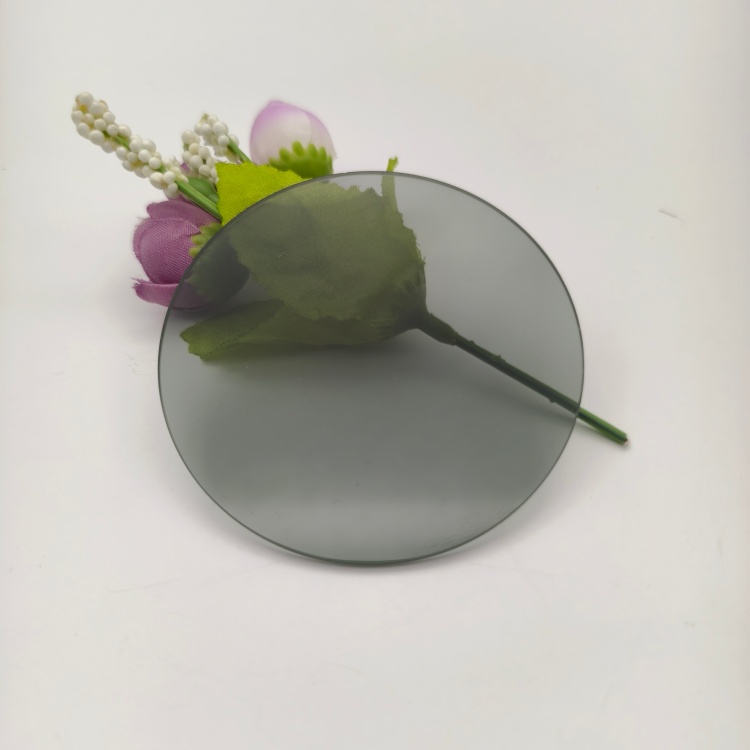
Factory Customized High Strength 2mm 3mm 4mm 5mm Tempered Black Glass Bulletproof & Decorative Flat Surface
Used in Munich smart-home switch plates, premium appliance fronts and decorative control surfaces where deep black printing, scratch resistance and flatness are critical.
- 2–5 mm decorative black glass
- Flat surface, printed icons, cut-outs
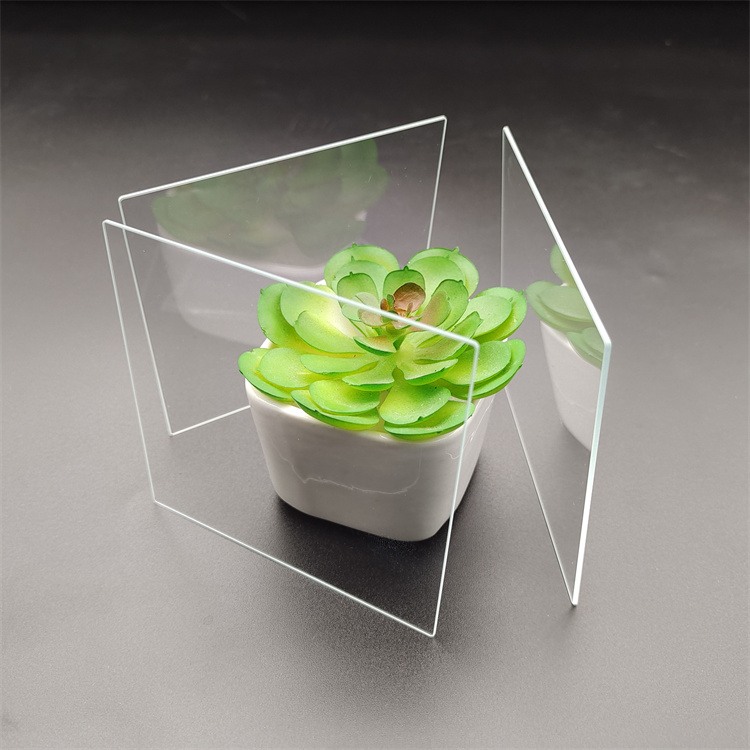
Custom 1mm 2mm 3mm 4mm 5mm Tempered Extra Clear Glass Panel for LCD Screen / LED Light / Electronic Appliance Cover
A strong option for Munich display integrators and electronics brands that need low green tint, high transparency and consistent cover-glass dimensions for LCD, LED and appliance assemblies.
- 1–5 mm extra clear tempered glass
- Cut-to-size, holes, edge polishing
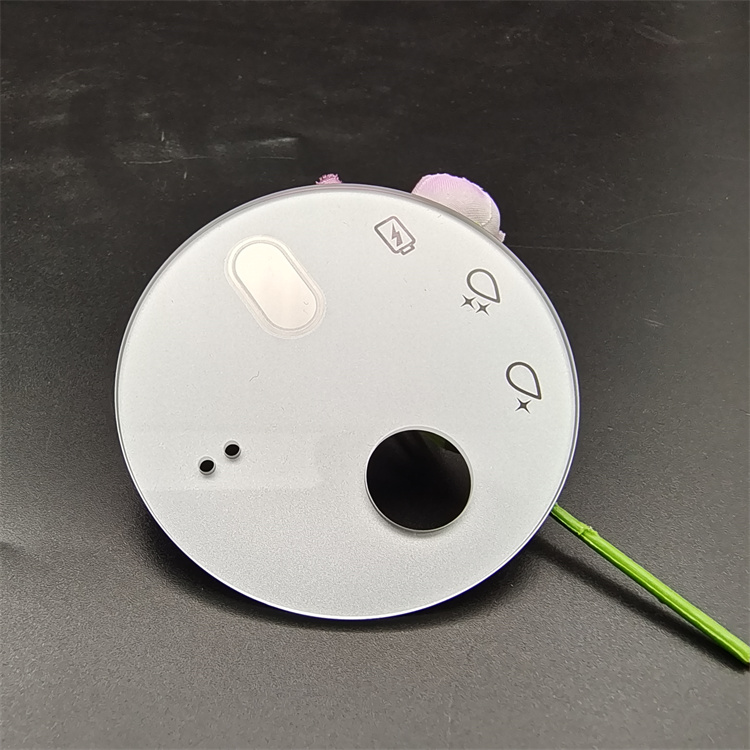
Customized 0.5mm 0.7mm 1mm 2mm 3mm 4mm 5mm 6mm Cut Holes Printed Round Tempered Glass Panels for Home Appliance
Suited to Munich appliance, heating and ventilation controls that combine round outlines, drilled holes, display windows and multi-colour printing in one durable glass panel.
- 0.5–6 mm thick, round or custom
- Cut holes, printed design, tempered
Why Munich Buyers Source Custom Tempered Glass from a China Wholesale Manufacturer
Munich is not a low-cost procurement market. Buyers in Bavaria generally value engineering clarity, documentation, consistent quality and low risk more than the lowest unit price. A China wholesale manufacturer earns the order when it behaves like an extension of the buyer’s engineering and supply-chain team.
Drawing-first engineering
We review DXF, DWG or PDF drawings for thickness, edge profile, hole position, printing window, coating stack and packaging. This prevents expensive sample loops and makes the quotation comparable with German or EU suppliers.
EU-ready documentation
We support material declarations, RoHS and REACH information requests, inspection reports, packing lists and commercial invoices. The importer remains responsible for CE marking where applicable, but we help remove data gaps early.
One-roof process control
Cutting, CNC shaping, edging, drilling, tempering, printing and coating are controlled under one roof. That reduces handling damage and avoids quality gaps when glass would otherwise move between several subcontractors.
Logistics to Bavaria
Munich shipments normally arrive through Hamburg, Rotterdam or via Munich Airport for urgent samples. We quote EXW, FOB, CIF or DAP according to the buyer’s preference and pack glass with interleaving and edge protection.
Where Custom Tempered Glass Is Used in Munich and Across Bavaria
The same tempered glass specification can behave differently in a Munich office, a Bavarian factory, a hospital in Schwabing or an outdoor charging hub along the Mittlerer Ring. These localized use cases show how thickness, coating, printing and edge design should be selected.
Automotive and EV infrastructure
Munich’s automotive ecosystem needs durable HMI covers, charging-station displays and printed glass for control modules. AG glass improves readability near glass facades; AF coating keeps touch surfaces cleaner for public users.
Industrial automation and machinery
Bavarian Mittelstand manufacturers use glass in machine control panels, sensor windows and inspection equipment. Anti-reflective glass increases contrast, while stepped edges and drill holes simplify mounting in metal housings.
Smart building and HVAC controls
Munich’s building-automation and smart-home sector uses black or white printed glass panels for thermostats, room controllers and switch plates. Surface hardness, ink adhesion and fingerprint resistance are central requirements.
Medical, laboratory and optical devices
Munich medtech and research teams require low-reflection display windows, cleanable surfaces and consistent optical quality. AR coating helps diagnostic readability; tempered glass supports repeated cleaning protocols.
Architectural and LED lighting
Hotels, retail stores, museums and public buildings across Munich use glass covers for downlights, wall washers and decorative fixtures. Frosted ultra-clear glass improves diffusion without the green tint of standard float glass.
Public kiosks, transit and POS
Outdoor ticket machines, wayfinding terminals, pickup lockers and payment devices need AG treatment, robust edges and printable borders. Munich’s weather variation makes condensation resistance and cleanable coatings valuable.
Localized Development Trends Munich Procurement Teams Should Track
Munich’s industrial mix makes the local glass market different from a generic consumer-electronics market. These trends are already appearing in RFQs from Bavarian OEMs and Tier suppliers.
Thinner glass, stronger expectations
Display covers in the 0.5 mm to 2 mm range continue to replace thicker glass in compact electronics. Buyers expect better flatness, cleaner edges and fewer micro-chips, especially for touch modules assembled in clean environments.
AR, AG and AF convergence
Single-purpose glass is giving way to multi-layer optical stacks. A Munich outdoor terminal may need AG for glare control, AR for contrast and AF for public touch cleanliness on the same cover glass.
Sustainability documentation
German buyers increasingly ask about low-iron recyclable glass, packaging reduction, ink composition and energy use. We support these questions with process information and can optimize packaging to reduce breakage and material waste.
Dual sourcing and China-plus-one
Munich procurement teams often keep an EU source for urgent runs while developing a qualified China source for volume. The winning China supplier provides stable samples, documented QC and a clear communication rhythm.
AR, AG, AF, Ultra-Clear or Printed? A Practical Selection Matrix
Use this matrix as an early design guide. Final performance depends on glass thickness, coating stack, ink, viewing distance and the lighting environment around the display.
Ultra-clear low-iron glass
Choose this when colour fidelity and high transmission matter: display covers, LED lamp covers and premium appliance windows. It reduces the green edge tone of standard float glass, especially when paired with white printing.
AR anti-reflective glass
Specify AR when reflection is the main problem. It raises contrast and light transmittance for medical monitors, industrial displays and camera windows. Double-sided coating usually delivers the largest visual improvement.
AG anti-glare glass
Use AG when sunlight, spotlights or bright ceilings create visible reflections. A finer haze suits high-resolution close-viewing screens; a stronger matte finish suits large outdoor signage viewed from a distance.
AF anti-fingerprint coating
AF is an oleophobic top layer for touch products. It improves finger glide and makes cleaning easier on public terminals, smart switches and POS devices. It is commonly combined with AR or AG on the same cover.
Silk-screen printed glass
Printed tempered glass hides wiring, creates icon windows and adds brand colours. Munich buyers should provide Pantone references, window dimensions and tolerance expectations, especially for backlit interfaces.
Thermally tempered base glass
Use tempering when the part must withstand impact, thermal stress or handling in production. Edge quality is critical: a well-polished edge and correctly placed holes reduce breakage risk during tempering and assembly.
Dongguan Jaswe Glass Co., Ltd.: Experience, Capacity and Verifiable Performance
Dongguan Jaswe Glass Co., Ltd. is a glass processing company based in Dongguan, Guangdong, China, serving buyers in America, Europe and Asia. For Munich projects, we combine export experience with in-house processing depth and a quality system designed around custom, repeatable glass parts.

Glass processing expertise from Dongguan’s electronics supply chain
Our team processes tempered glass, ultra-clear display glass, touch screen cover glass, silk-screen printed glass, switch and appliance glass, AR / AG / AF coated glass, electrical equipment glass and LED lighting glass. Most operators have more than eight years of hands-on experience, which matters on tight-tolerance work such as 0.2 mm ultra-thin glass, multi-colour printing with transparent windows and edge profiles that must fit a machined housing.
With 26 glass processing machines and more than 80 workers, our monthly output exceeds 200,000 pieces. Our systems cover cutting, special-shaped and CNC cutting, edge polishing, hole drilling, tempering, silk-screen and ceramic printing, AG processing and AR / AF coating. This integrated workflow shortens lead time and keeps quality responsibility clear from raw sheet to finished cover glass.
“Scientific management, careful manufacture, high quality service, striving for excellence.”
Precision and CNC cutting
Automatic cutting and CNC shaping for rounds, notches, slots, camera holes and irregular outlines.
Edge polishing
Pencil, flat, beveled, stepped and matte edges for safe handling, clean appearance and stable assembly.
Hole drilling
Holes and countersinks for buttons, sensors, cameras, knobs, mounting screws and connector access.
Thermal tempering
Tempering strengthens glass for impact resistance and safer breakage behavior in demanding equipment.
Silk-screen and ceramic printing
Multi-colour logos, icons, borders, display windows and colour matching for appliance and control panels.
AG anti-glare processing
Diffused matte surface that keeps displays readable under strong indoor lighting or Bavarian daylight.
AR anti-reflective coating
Optical coating that lowers reflection and raises light transmission for brighter, higher-contrast displays.
AF anti-fingerprint coating
Oleophobic top layer for touch screens: smoother glide, fewer smudges and easier cleaning for public use.
From Drawing to Bavarian Delivery: Six Steps for Munich Buyers
A transparent process reduces uncertainty for German procurement teams that need samples, approvals and production data before releasing volume orders.
Send requirements
Share the drawing, thickness, edge type, printing colours, coating requirement, application, annual quantity and target delivery date.
Engineering review
We check manufacturability, tolerances, hole-to-edge distances, print windows and coating compatibility before quoting.
Sampling
Physical samples are produced for fit, colour, gloss, haze and optical evaluation. Munich buyers can review samples with their own assembly team.
Mass production
Production is released after approval, with in-process inspection at cutting, edging, tempering, printing and coating stages.
Quality check and packing
Finished glass is inspected for scratches, chips, print defects and dimensional consistency, then packed with interleaving and edge protection.
Shipping to Bavaria
We arrange export documents and coordinate with the buyer’s forwarder or quote a suitable Incoterm for Hamburg, Rotterdam or Munich Airport routing.
FAQ: Common Purchasing Questions from Munich Buyers
These are the questions we hear most often from German buyers evaluating a China tempered glass supplier for the Munich market.
What is the minimum order quantity for custom tempered glass?
Most custom items start at 100 to 500 pieces, depending on size, printing and coating. Standard clear tempered pieces can be supplied in smaller sample quantities for evaluation. For Munich OEMs, we recommend a sample round first, then a pilot batch, then volume release.
Which thicknesses can you process?
Our current range covers ultra-thin electronic-grade glass from 0.2 mm up to 19 mm flat tempered glass. The most requested display and touch-cover thicknesses are 0.5, 0.7, 1, 2, 3 and 4 mm. Thickness choice should be confirmed against impact, flatness and assembly requirements.
What is the difference between AR, AG and AF glass?
AR anti-reflective coating reduces surface reflection and increases contrast. AG anti-glare treatment diffuses reflected light so screens remain readable under strong light. AF is an oleophobic top layer that resists fingerprints on touch surfaces. They can be combined on one cover glass.
Can you support RoHS, REACH and EU documentation requests?
Yes. We can provide available material and process information, inspection reports, packing lists and commercial documents. The EU importer remains responsible for final compliance and CE marking where applicable, but we help close data gaps early in the project.
How do you pack glass for shipment to Munich?
Parts are interleaved with protective film or paper, separated by foam or corrugated dividers, and packed in reinforced export cartons. For larger covers we use edge protection and customized crates. Packaging can be adjusted for air freight to MUC or sea freight via Hamburg or Rotterdam.
How do I start a custom glass project?
Send your drawing in DXF, DWG or PDF with thickness, edge type, printing colours, coating requirement, application and estimated annual quantity. Our engineers review manufacturability before samples are made. For Munich projects, include the target packaging standard and delivery Incoterm.
Have a Drawing Ready? Get an Engineering Review Before You Order.
Share your tempered glass specification, coating requirement, annual volume and delivery target for Munich. Our team will review the drawing, recommend the right glass build and prepare a practical quotation for wholesale supply from Dongguan Jaswe Glass Co., Ltd.
Inquire NowEmail: info@jasweglass.com · Custom tempered glass · Ultra-clear glass · AR / AG / AF coated glass · Printed control panels · LED lighting glass