Coffee Machine Glass Factories & Suppliers for the Thailand Market
A procurement and engineering guide for Thai coffee machine brands, café chains, hotel operators and OEM/ODM teams sourcing tempered, printed, AR/AG/AF-coated glass.
Why Coffee Machine Glass Is a Strategic Component, Not a Commodity
Coffee machines have moved from mechanical boxes to connected consumer appliances. A front glass panel can simultaneously protect a display, host a capacitive touch interface, carry brand identity, hide internal wiring and survive daily cleaning. In Thailand, that component must also tolerate tropical humidity, frequent wipe-downs, strong café lighting and high-volume hotel service. For Thai buyers searching for coffee machine glass factories and suppliers, the real question is not simply price per piece. It is whether the supplier can control cutting, edge finishing, hole drilling, tempering, printing, coating and export packing under one quality system.
This is where supplier structure matters. A trading company may quote quickly, but responsibility for flatness, edge chips, ink adhesion, coating durability and breakage can fragment across multiple workshops. A factory with in-house processing can review the complete stack-up: glass thickness, adhesive, printed window, touch sensor, housing tolerance and cleaning chemistry. Dongguan Jaswe Glass Co., Ltd., based in Dongguan, Guangdong, China, is one example of a custom glass processor serving overseas appliance and electronics buyers with more than 200,000 pieces of processed glass per month. Its current range covers ultra-thin electronic glass from 0.2 mm to 19 mm flat tempered glass, with CNC cutting, edge polishing, drilling, tempering, silk screen/ceramic printing, AG processing and AR/AF coating.
Eight Coffee Machine Glass Products for Thai OEM and Aftermarket Programs
These eight product families cover control fascias, touch displays, inspection windows, smart interfaces, printed appliance glass and compact indicator covers. Every product link below is preserved from the supplied catalog.
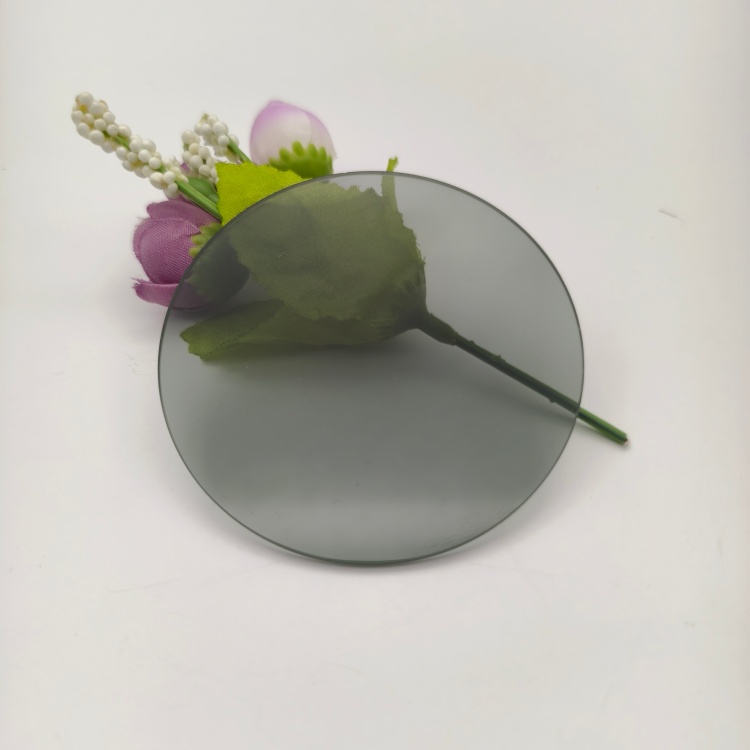
High-Strength Black Tempered Glass for Coffee Machine Fascias and Decorative Doors
A deep-black glass family suited to bean-to-cup front panels, machine doors and brand fascias. For coffee equipment, specify edge profile, touch-window openings, print hiding and optional anti-fingerprint finish.
- 2–5 mm options for control panels and doors
- CNC cut-outs, holes and edge polishing
- Custom logo, icon and transparent window printing
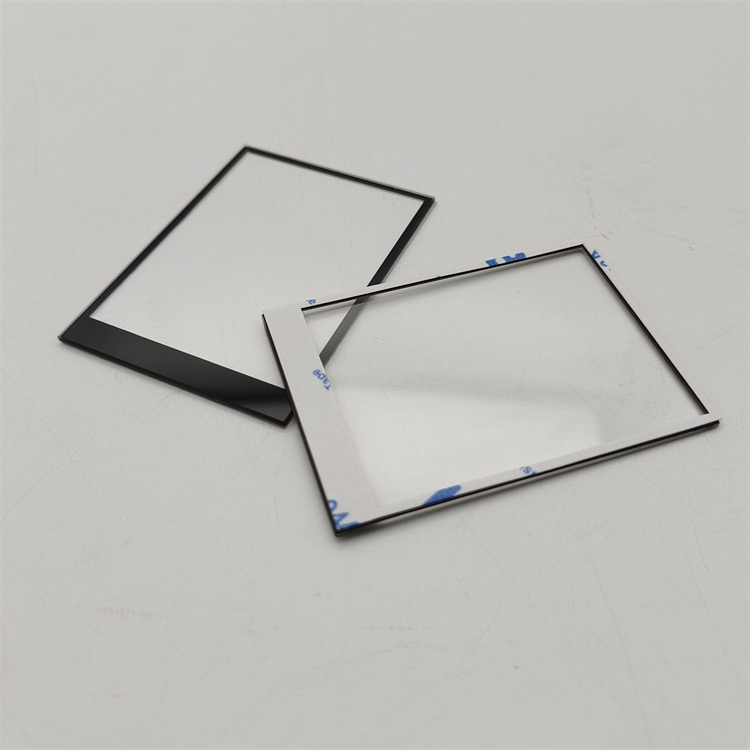
Ultra-Thin 0.5 mm / 0.7 mm / 1 mm Tempered Glass with Adhesive for Coffee Machine Displays
Useful where stack height, weight and modern minimal design matter. Adhesive selection must be validated against heat near brewing components, humidity and cleaning agents before mass production.
- 0.5, 0.7 and 1 mm electronic glass options
- Adhesive-backed mounting support
- Small display windows and protective lenses
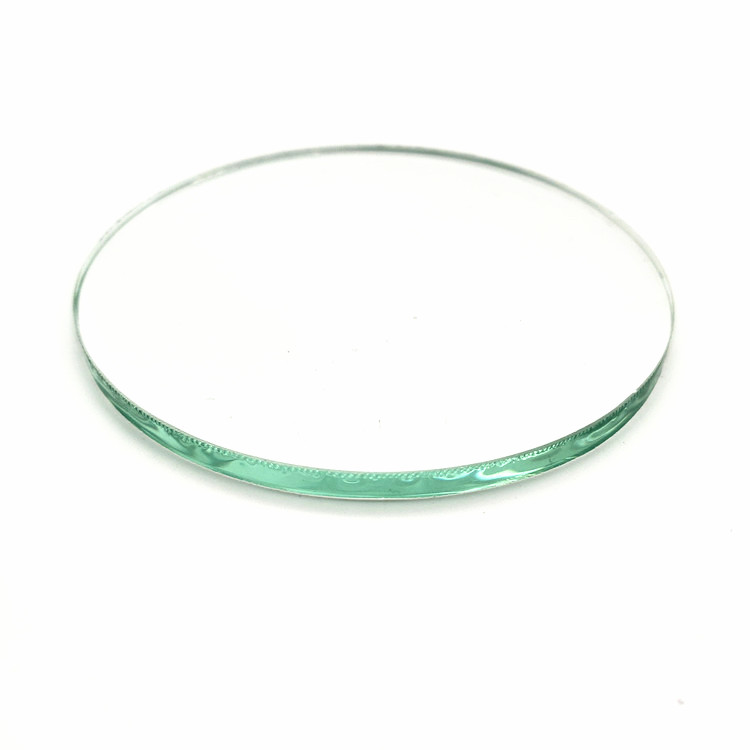
Clear Flat Solid Tempered Glass Pieces 1 mm–19 mm for Viewing Windows and Lighting Applications
For indicator covers, decorative light windows and non-pressure viewing areas. Although tempered glass offers strength, pressure sight glasses and food-contact safety glass require separate engineering validation and certification.
- Clear or low-iron optical appearance
- Available from 1 mm to 19 mm
- Not a substitute for certified pressure sight glass
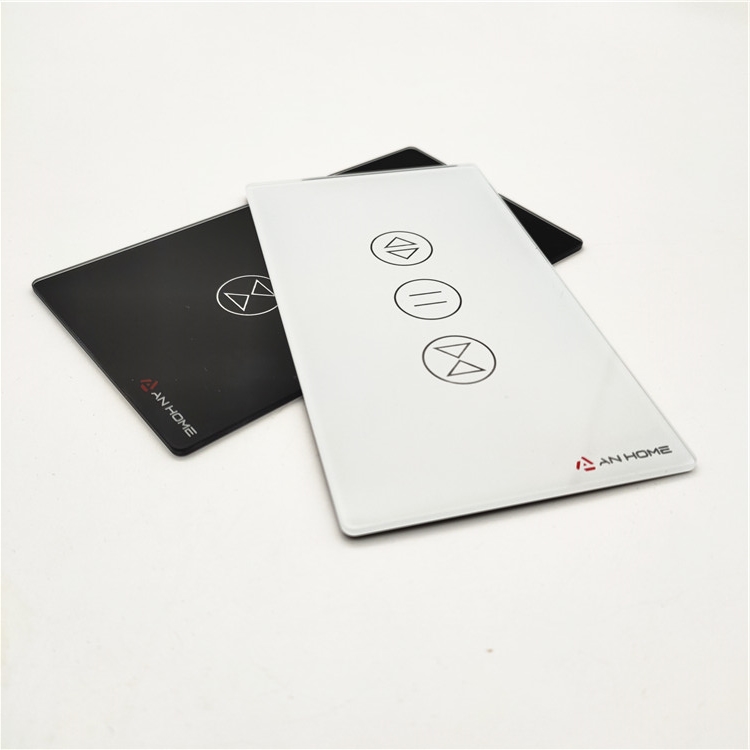
Smart WiFi Remote-Control Touch Tempered Glass Panel for Connected Coffee Equipment
Represents the printed capacitive-glass approach used in smart appliances and connected coffee machines. The same manufacturing logic can be adapted to brew-strength selectors, Wi-Fi pairing icons and touch menus for Thai smart-home installations.
- Printed icons and touch-key windows
- Tempered glass surface for daily operation
- Customizable fascia design and cut-outs
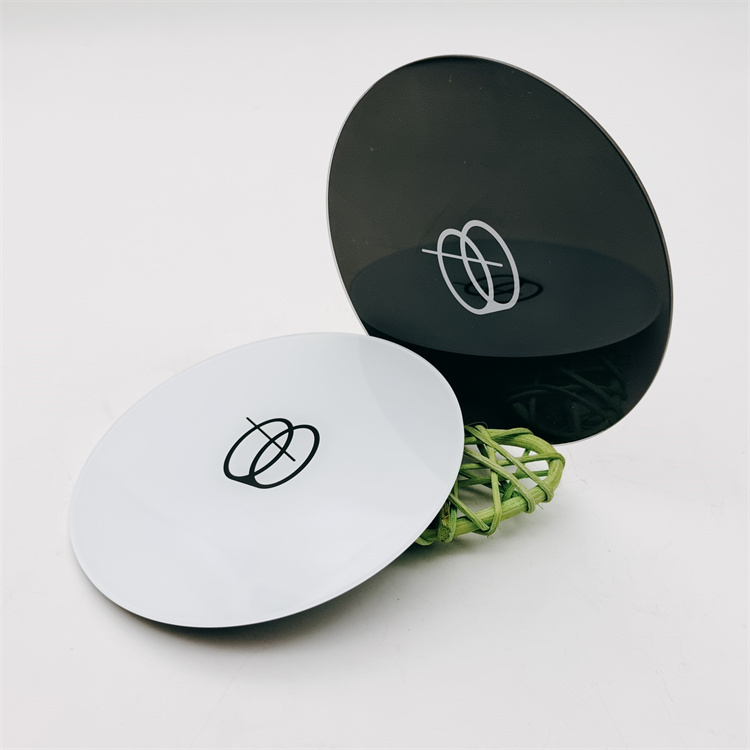
Black & White Silk Screen Printed Toughened Glass for Coffee Machine and Appliance Control Panels
Printed glass is central to premium coffee machine design because it can hide wiring, define icon windows and deliver a crisp brand face. Thai-language icons, warning symbols and multiple Pantone colors can be reviewed from artwork before sampling.
- Multi-color silk screen and ceramic ink options
- Transparent display windows and masking
- Wipe-resistant printed surface when specified correctly
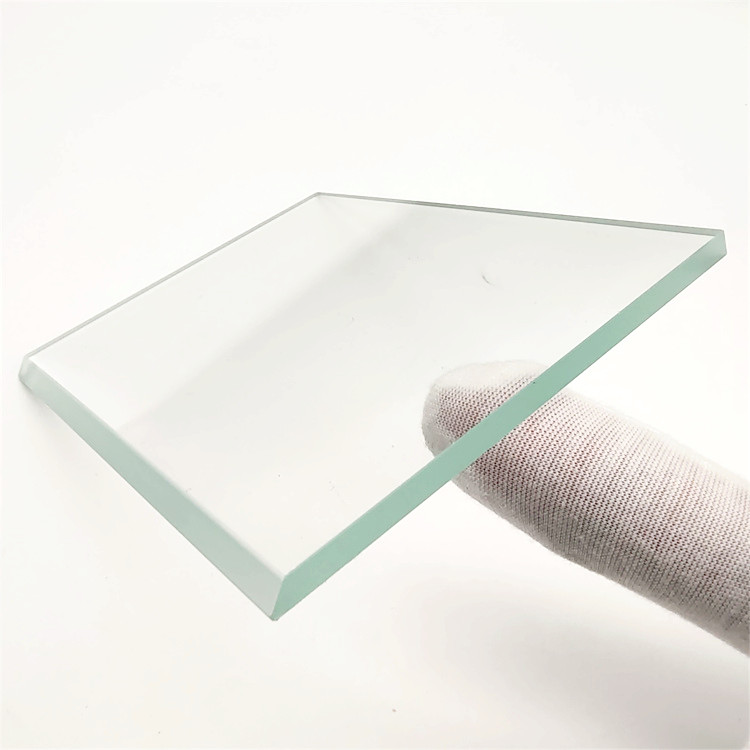
Customized Small-Size 3 mm–6 mm Beveled Edge Tempered Glass for Compact Coffee Equipment
Compact home espresso machines and hotel-room coffee makers often use small glass indicator windows or accent panels. A beveled edge can improve handling safety and create a more finished premium appearance.
- Small-format cutting and edge finishing
- 3 mm, 4 mm, 5 mm and 6 mm options
- Polished bevel for visible edges
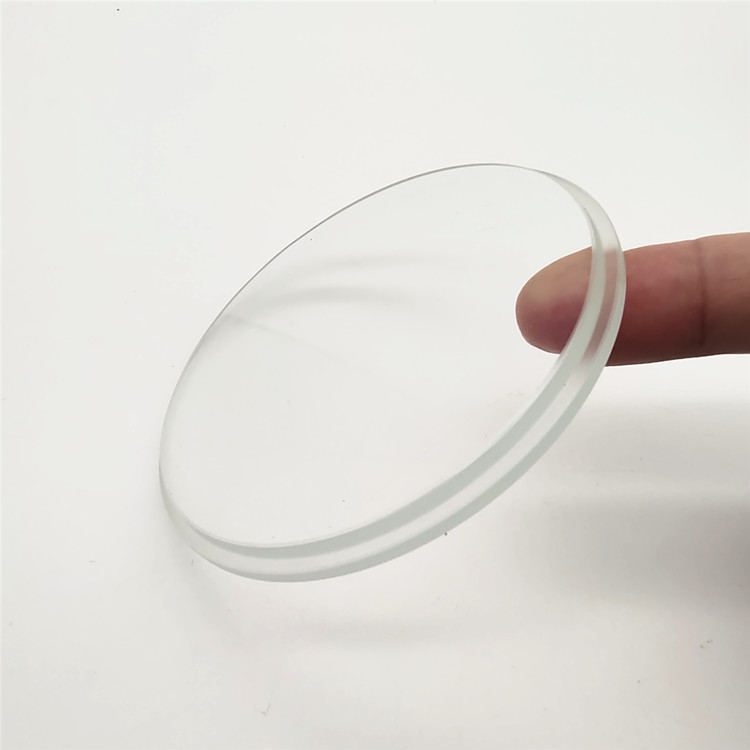
Factory Price 2 mm–10 mm Tempered Step Edge Glass for Flush-Mounted Coffee Machine HMI Windows
Step-edge geometry helps control the visible gap between glass and housing, making it useful for machine fascias that require flush mounting or gasket concealment. Discuss the housing tolerance before final drawing release.
- Step edge for flush-fit design
- 2 mm to 10 mm thickness range
- Holes, slots and printed graphics supported
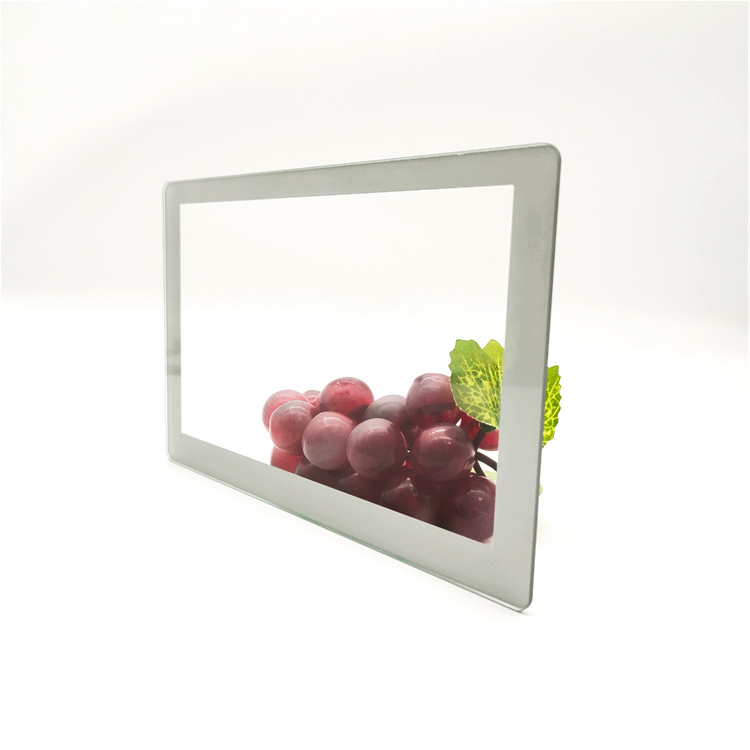
Anti-Glare Frosted Tempered Glass Touch Panel for Coffee Machine Displays and Barista Stations
AG treatment diffuses reflected light so baristas and customers can read the display under downlights, window glare and bright café interiors. For touch use, ask for an AF top layer and verify haze versus clarity.
- Frosted AG surface for glare diffusion
- Optional AR and anti-fingerprint coating
- Touch-display and monitor protection
Thailand Market Signals: What Is Changing in Coffee Equipment Design
Thailand is not only an end market for imported coffee machines. It is an active design, assembly and aftermarket ecosystem for cafés, hotels, convenience stores, offices and smart-home appliances.
Specialty coffee and café-chain expansion
Bangkok, Chiang Mai, Phuket and other hospitality hubs continue to support premium coffee equipment. Machines run longer, interfaces are cleaned often, and buyers expect a front panel to keep its appearance after commercial use.
Smart and connected machines
Wi-Fi, app control, digital recipes and remote diagnostics are moving into coffee appliances. Printed capacitive glass helps combine a sealed surface with clear icon illumination and touch operation.
Premiumization through glass
Black glass, edge-to-edge fascias, step edges and anti-fingerprint surfaces allow Thai brands to differentiate machines in showrooms, hotel catalogs and online listings.
Tropical humidity and condensation
Humidity is a design input. Printed inks, adhesives and optical coatings should be validated for damp heat, condensation cycles and repeated cleaning—not only for a dry showroom environment.
Hygiene and cleaning chemistry
Café teams use sanitizers, descaling solutions and detergents. Glass may be inert, but printed graphics and coatings can degrade if the supplier has not tested chemical resistance and abrasion.
Localized ODM and import logistics
Thai brands often combine local market knowledge with China-based custom manufacturing. Fast sampling, consistent documentation and port-ready packing for Laem Chabang or Bangkok are practical supplier-selection criteria.
Where Coffee Machine Glass Must Perform in Thailand
The same 3 mm printed glass can behave very differently in a hotel buffet, a condo kitchen and a beachfront café. Local application context should drive specification.
Café touch-control panels
For high-traffic Bangkok cafés, specify AG to reduce glare, AF to resist coffee oils and a tempered surface that tolerates frequent wiping. Print contrast should remain readable under warm and cool lighting.
Smart-home and condo coffee stations
Connected coffee makers in Thai condominiums often pair compact design with app control. Ultra-thin cover glass and printed touch windows help reduce stack height and give a clean appliance face.
Hotel and resort breakfast service
Phuket, Koh Samui and city-hotel operations need reliable coffee stations with clear interfaces for multilingual staff. Icon-led printed glass can reduce training friction while preserving a premium look.
Outdoor pickup kiosks and terrace cafés
Sunlight and reflections can wash out displays. AG coating is often more important than adding brightness. UV and humid-heat exposure should be considered for printed inks and bonding materials.
Office coffee service and vending
Vending and office coffee systems require robust fascia glass with protected graphics, simple cleaning and consistent spare-part dimensions for after-sales service across Thailand.
Thai OEM/ODM product development
For new coffee machine platforms, involve the glass processor during industrial design. Early DFM review can prevent coating-stack conflicts, fragile holes, tight step edges and unachievable print tolerances.
Engineering the Right Glass for Thai Coffee Machines
Use this matrix to align design intent with manufacturing processes. Final values must be validated on samples with the actual housing, sensor, cleaning agent and light source.
| Coffee machine location | Recommended glass approach | Typical thickness | Thailand-specific risk | Process control |
|---|---|---|---|---|
| Touch UI cover | Tempered ultra-clear glass with AF, optional AR or AG | 1.5–4 mm | Condensation, coffee oils, glare from café lights | Coating adhesion, flatness, touch sensitivity, edge smoothness |
| Printed control fascia | Silk screen or ceramic-printed tempered glass | 2–4 mm | Cleaning chemistry, humidity, icon fading, edge chips | Ink adhesion, color matching, tempering after print, inspection under light |
| Display window | AR glass or AR + AG optical stack | 0.7–3 mm | Reflection from windows and sun; visual contrast | Transmittance, reflection, haze, coating uniformity, optical inspection |
| Illuminated indicator | Clear, low-iron or frosted glass | 1–3 mm | Hotspots, light leakage, humidity inside housing | Glass grade, frosted uniformity, print masking, dimensional tolerance |
| Side door or trim | Black tempered or decorative flat glass | 3–6 mm | Impact during cleaning, visible edge safety | Edge polishing, tempering, print masking, flatness |
| Small button window | Ultra-thin cover glass with adhesive | 0.5–1 mm | Heat, adhesive bubbling, delamination in damp heat | Adhesive qualification, clean-room handling, humidity aging, outgassing |
Buyer-side RFQ evaluation weighting
Suggested weighting for Thai coffee-machine glass sourcing; this is a procurement checklist, not a third-party market statistic.
Dongguan Jaswe Glass Co., Ltd. — A Custom Glass Partner for Thailand-focused Programs
Thai buyers should evaluate a supplier by process ownership, measurable service performance and willingness to document quality decisions. The following company data is drawn from the supplied company profile content.



Why process ownership reduces risk for coffee machine glass
Dongguan Jaswe Glass Co., Ltd. operates in Dongguan, Guangdong, China, and supplies custom tempered glass, display glass, touch screen cover glass, silk screen printed glass, switch glass, AR/AG/AF coated glass, electrical equipment glass and LED lighting glass. Most of its more than 80 operators have substantial hands-on glass processing experience, which matters for thin cover glass, multi-color printing and coating stacks where small handling errors become visible defects.
For coffee machine programs, a single component often requires several processes: CNC cutting for the outline, drilling for sensors or screws, edge polishing for visible safety, tempering for strength, printing for branding and icon windows, and optional AR/AG/AF coating for readability and cleanliness. Keeping these steps under one roof shortens communication loops and creates clearer accountability when a tolerance or cosmetic issue arises.
Measured service signals include monthly output above 200,000 pieces, an average response time of ≤3 hours, a 96.61% response rate and a 26% buyer reorder rate. These figures are useful during supplier comparison because they move the conversation beyond unit price and toward delivery reliability, engineering feedback and repeat-order confidence.
Capabilities That Matter for Custom Coffee Machine Glass
For Thai OEMs, a supplier’s real advantage is not a long equipment list. It is the ability to translate a drawing, a coffee-machine housing and a local use case into a repeatable glass part.
CNC cutting and special shapes
Rounds, notches, slots, camera windows, sensor openings and irregular outlines can be reviewed before sampling.
Edge polishing and safety
Pencil, flat, beveled, stepped and matte edges can be matched to the machine fascia and handling expectations.
Drilling for coffee machine hardware
Holes and countersinks can be positioned for buttons, sensors, camera modules, knobs and mounting screws.
Tempering and thermal strength
Thermal tempering improves impact resistance and safer breakage behavior for visible appliance panels.
Silk screen and ceramic printing
Logos, icons, borders, warning marks, Thai-language text and transparent display windows can be printed to artwork.
AR, AG and AF coating integration
Optical coatings can be combined to reduce reflection, diffuse glare and resist fingerprints on touch surfaces.
From Thai RFQ to Production: Five Steps
A transparent process reduces surprises when a coffee machine brand needs samples, then scale-up, then repeat orders.
Send the drawing
Share DXF, DWG or PDF plus thickness, edge type, print colors, coating request, annual demand and destination.
Engineering review
Review manufacturability, glass grade, tolerance stack, print windows, coating order and packing needs.
Sampling
Approve fit, color, optical effect, touch feel and cleaning resistance before committing to mass production.
Production
Run batch production with inspection at cutting, edging, drilling, tempering, printing and coating stages.
Export packing
Protect edges, interleave surfaces, control humidity and prepare documentation for Thailand-bound shipments.
Coffee Machine Glass Sourcing Questions Thai Buyers Ask Most
These answers are written for procurement, product development and factory engineering teams comparing custom glass suppliers.
Which glass should a Thai coffee machine brand use for a touch panel?
Start with tempered ultra-clear glass, usually 1.5–4 mm depending on the housing and impact requirement. Add AF for fingerprint resistance and cleanability. If the machine is placed under strong café lighting or near windows, evaluate AG; if display contrast is critical, evaluate AR. Validate the complete coating stack on samples because AR, AG and AF trade off clarity, haze and touch feel differently.
Can Thai-language icons and local branding be printed on the glass?
Yes. Supply vector artwork, Pantone references or color targets, the visible window size and the icon illumination layout. Thai characters need sufficient stroke thickness and spacing to remain readable after printing and tempering. Always approve a physical sample under the actual machine lighting rather than judging from a screen preview.
How should humidity and cleaning chemicals be tested?
Request damp-heat aging for printed and adhesive-backed parts, tape adhesion tests on printing, abrasion testing and chemical resistance checks using the cleaners actually used in Thai cafés or hotels. Glass itself is stable, but inks, adhesives and optical coatings are the parts most likely to be affected by heat, humidity and repeated wiping.
What is the typical MOQ for custom coffee machine glass?
Most custom items in the supplied product range start around 100–500 pieces, depending on size, printing, coating and whether an adhesive or special edge is required. Standard clear tempered pieces may be available in smaller sample quantities for evaluation. Confirm MOQ together with the drawing and annual forecast.
How do coffee machine glass parts ship to Thailand?
Shipments are commonly arranged by sea to Laem Chabang or Bangkok, by air for urgent samples, or by courier for small approvals. Discuss Incoterms, commercial invoice, packing list, bill of lading and any testing documentation with the supplier and your Thai customs broker. HS classification and duty treatment should be confirmed locally.
Can you support a Thai OEM with samples before a full production order?
Yes. A practical sampling path is drawing review, DFM feedback, sample production, physical fit and appearance approval, then production. For Thailand, allow for shipping time and humidity-safe packing even at the sample stage. Keep the approved golden sample as the reference for future repeat orders.
Is your clear tempered glass suitable for pressure sight glasses?
No. Decorative and display glass should not be assumed to be a certified pressure sight glass. Coffee machines with steam pressure, food-contact requirements or safety-critical viewing windows need separate material validation, certification and engineering approval for the specific application.
How should a Thai buyer start a custom glass project?
Send the drawing, thickness, edge profile, printing colors, coating requirements, application, annual quantity and destination port. Ask for a DFM review before quoting. A supplier that raises tolerance, adhesive, coating and packing questions early is usually better prepared for repeat production than one that quotes only from a photo.
Request a Coffee Machine Glass Catalog and Engineering Review
Share your drawing, machine application and estimated annual demand. The catalog request can be used for product selection, sample planning and supplier comparison for the Thailand market.