Cooktop Glass Manufacturer & Exporter for Denpasar
Printed, tempered, low-iron and AR / AG / AF-coated glass for induction hobs, gas cooktops, built-in ovens, smart kitchen switches and appliance control panels — engineered for Bali’s villa, hotel, retail and residential kitchen projects.
Eight Product Platforms for Denpasar Cooktop & Appliance Programs
The products below are selected from the manufacturer’s custom glass range. They are not “one-size-fits-all” stock items. They are platforms for OEM, replacement-part, distributor and project-specific cooktop glass programs where thickness, printing, edgework, holes, coating and packaging must be confirmed against the appliance design.
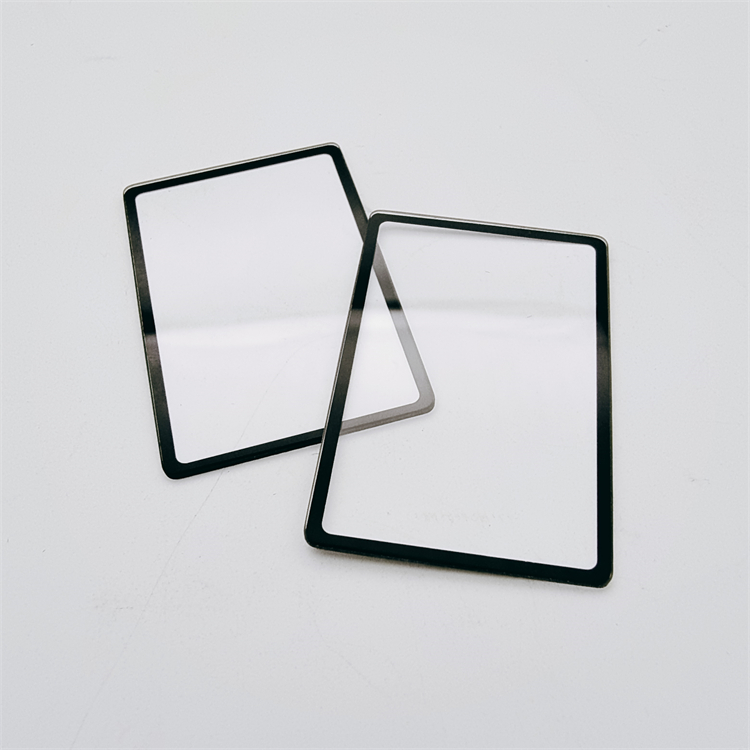
0.5–3 mm OEM Silk Screen Printed Tempered Display Glass
OEM/wholesale printed cover glass for hob displays, appliance windows and touch-control zones. Custom masking, icons, transparent windows and batch-consistent ink coverage.
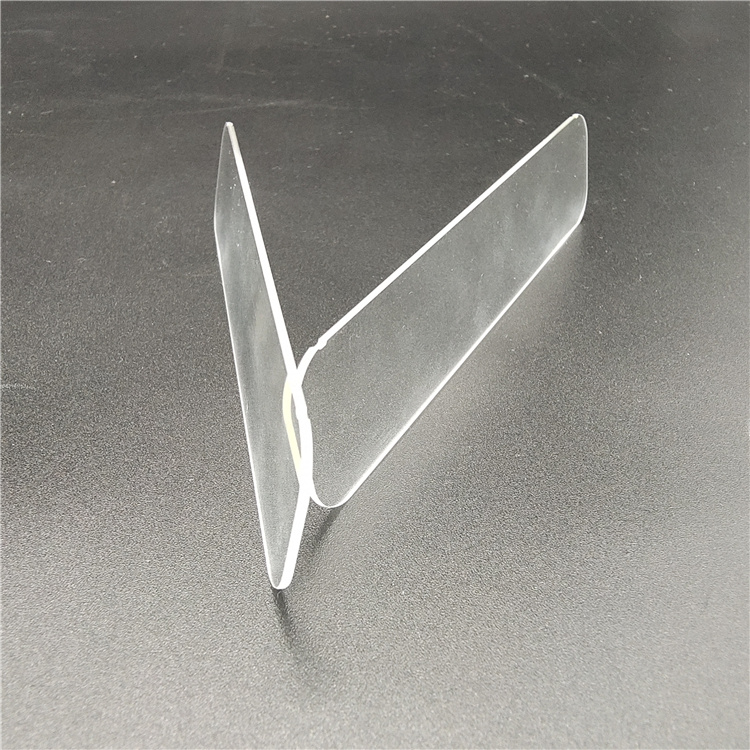
Custom Extra White 0.5–2 mm Low-Iron Tempered Glass
Extra-clear glass with reduced green tint for white, grey and premium black cooktop designs where color fidelity and edge appearance matter.
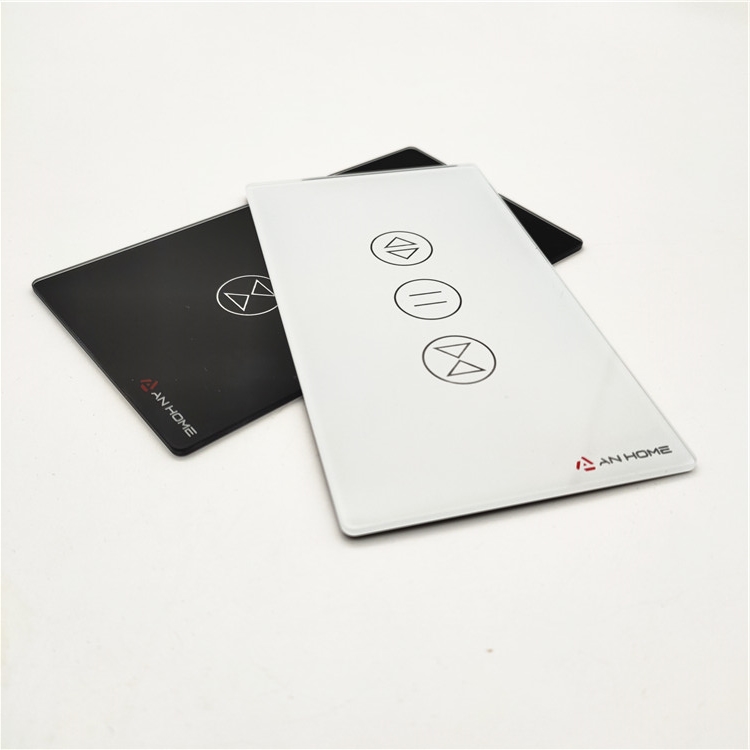
Smart WiFi Touch Control Glass Switch Panel
Tempered, screen-printed touch panels for curtain control, lighting and smart kitchen wall switches. Suitable for villa and hotel automation programs.
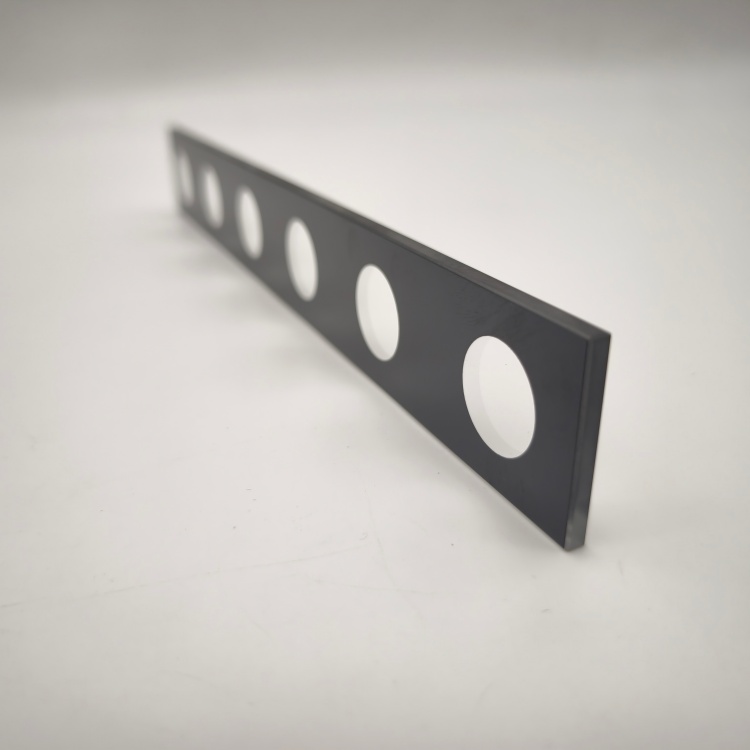
Black Printed Linear Tempered Glass with Matte Edge
Black-printed, polished-edge linear glass for LED wall washers, appliance accents and dark cooktop styling. Edge appearance and print opacity are controlled.
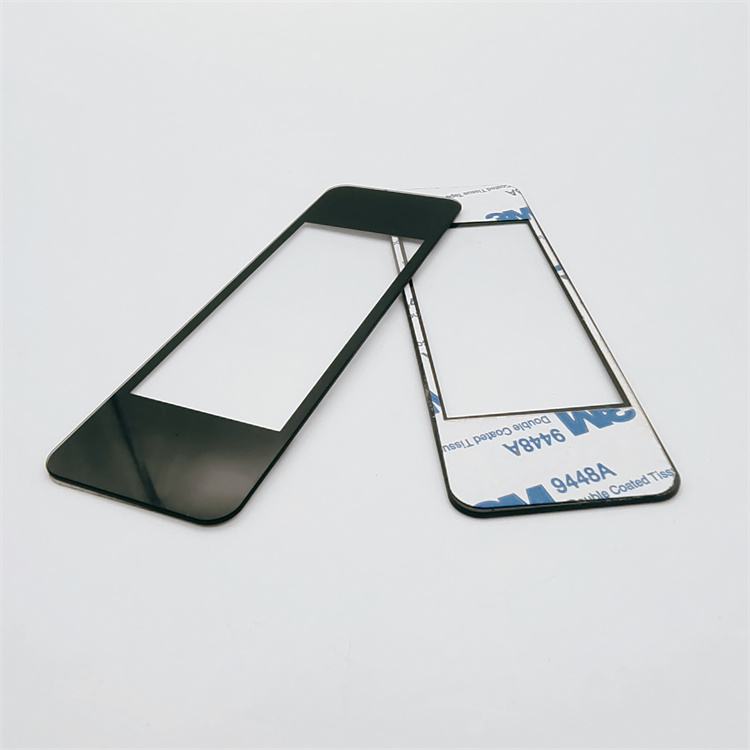
Ultra-Thin 1 mm Tempered Glass with 3M Tape
Thin cover glass with adhesive backing for display windows, touch interfaces and slim control panels where assembly speed and thickness control matter.
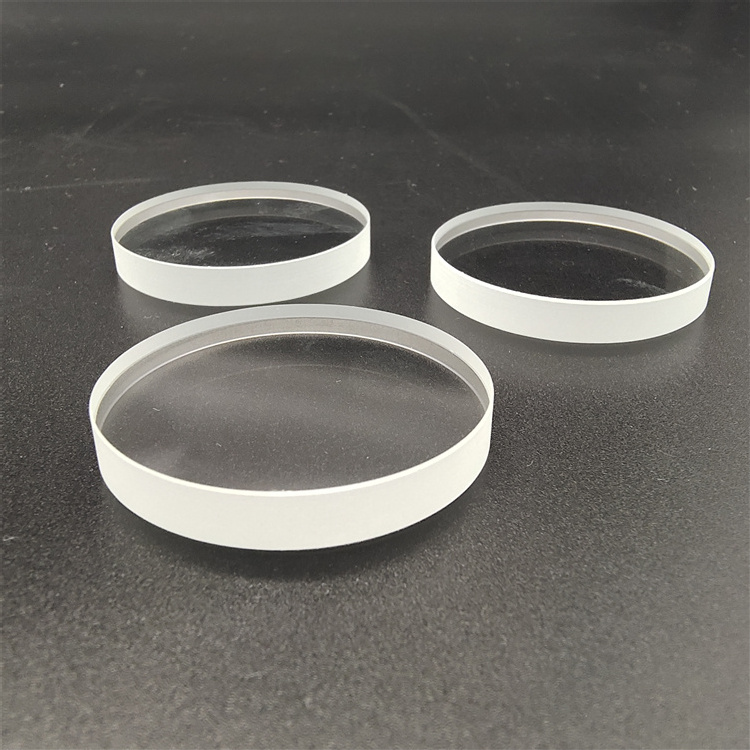
30 mm Diameter Ultra Clear Round Tempered Glass
Small-diameter ultra-clear glass for sensor lenses, knobs, decorative indicators and compact cooktop details. Available in multiple thicknesses.
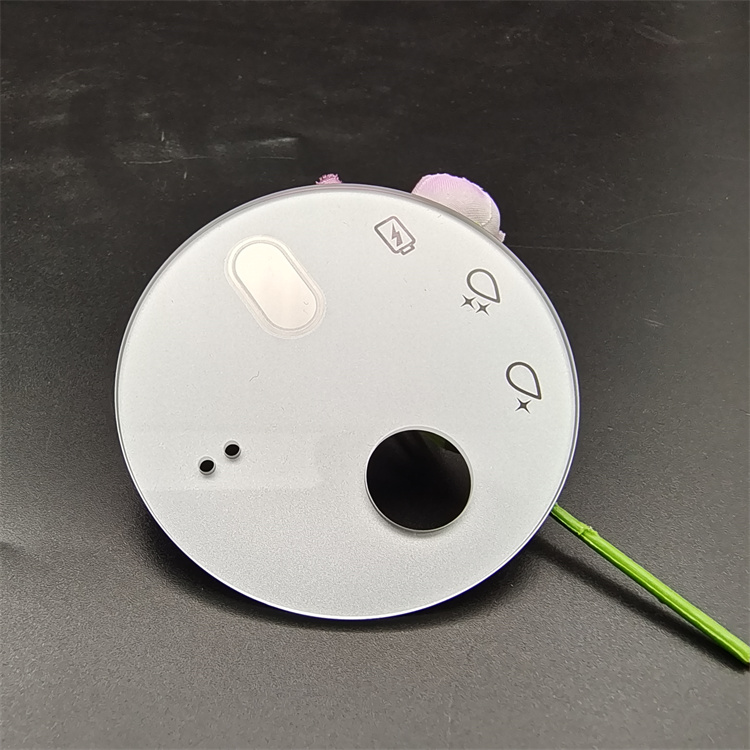
Custom Printed Round Tempered Glass Panels with Cut Holes
Printed round panels with holes and custom outlines for home appliances, cooker controls, knobs and service replacement requirements.
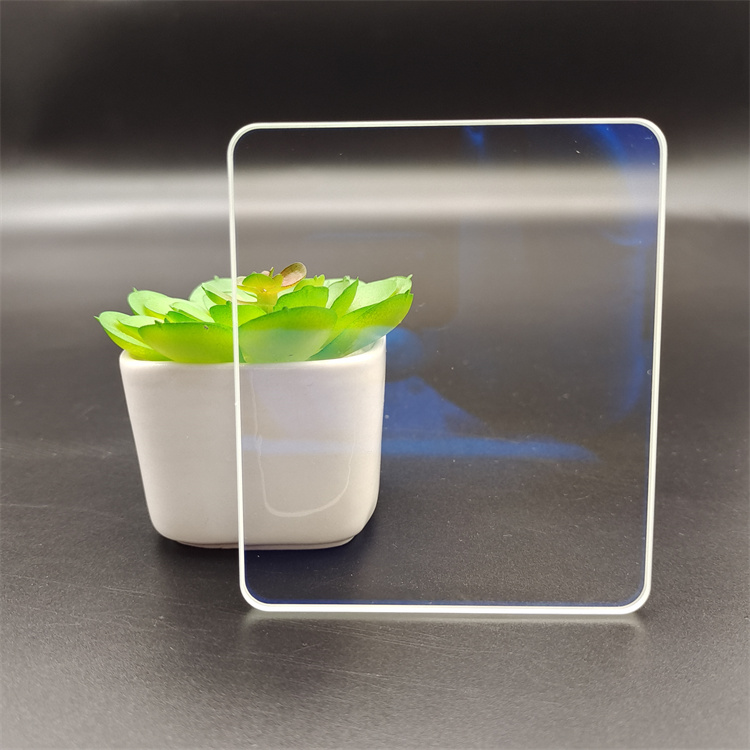
Double-Sided AR-Coated Ultra Clear Tempered Glass
Anti-reflective coating on both sides for brighter displays, higher contrast and low-reflection cooktop windows in premium kitchen designs.
Specification-First Cooktop Glass for Bali’s Climate, Hospitality Pipeline and Replacement Market
Denpasar is not a generic tropical market. It combines high humidity, strong sunlight, coastal salt exposure in nearby Sanur and Benoa, and a dense hospitality and villa pipeline across Bali. For cooktop glass, the visible surface is only one part of the specification. Buyers must also consider thermal cycling around gas burners, printed graphics that must survive daily cleaning, cut-outs for knobs and sensors, edge condition, adhesive systems and export packaging that protects thin glass through multi-leg freight.
Many projects in Denpasar are coordinated by kitchen fabricators, interior contractors, hotel maintenance teams and appliance distributors. They need a manufacturer that can repeat dimensions and maintain a consistent black, white or custom-color print from sample approval to repeat production. That is why the most useful search intent is not simply “cheap cooktop glass”. It is a reliable cooktop glass manufacturer and exporter that can deliver customized, tempered, printed glass to Denpasar with clear engineering review and export packaging.
What local buyers should lock before requesting a price
For a Denpasar quotation that can actually be compared, provide the drawing, appliance model, glass thickness, visible print area, transparent window, edge type, hole positions, coating requirement, packing preference and estimated annual quantity. Without these details, two suppliers may quote very different products under the same “cooktop glass” description.

Where Cooktop Glass Is Used in Denpasar and Across Bali
Glass performance is only useful when it fits the installation. These are the most common project types that require tempered, printed or coated cooktop-related glass in the Denpasar area.
Villas & Hotels in Seminyak, Canggu, Sanur and Ubud
Premium kitchen islands, induction hobs, appliance towers and smart switches require black low-iron glass, consistent print and a finish that matches interior stone, timber and cabinetry.
Restaurants, Cafés and Commercial Kitchens
High-use kitchens need durable printed icons, easy-clean surfaces, safe edges and replacement glass that matches the original equipment. Frequent cleaning makes ink adhesion and edge quality critical.
Induction and Smart Cooktop Programs
Touch controls, display windows and sensor areas benefit from ultra-clear glass, AR coating or AG treatment, with printed graphics aligned to the electronic interface and housing.
Appliance Distributors and After-Sales Stock
Distributors serving Bali need service parts, replacement panels and model-specific print runs. Clear labels, drawing control and repeatable packing matter more than a single low sample price.
Kitchen Fabricators and Interior Contractors
Contractors need samples for client approval, custom outlines, cut-outs for knobs and sensors, and delivery schedules that match joinery and appliance installation.
Showrooms and Product Localization
Brands entering Bali can localize control icons, language markings, trim colors and display glass so that a cooktop range looks correct for Indonesian residential and hospitality buyers.
What Is Changing in Denpasar Kitchen and Appliance Procurement
Bali’s project market is moving toward higher visual finish, more electronic control, faster replacement cycles and better communication between interior design and appliance engineering.
Induction Adoption and Touch-Friendly Panels
Induction hobs and smart appliances continue to replace older equipment in premium villas and hotel kitchens. This increases demand for ultra-clear glass, printed touch zones and low-reflection display windows.
Black-Glass Minimalism and Printed Borders
Black printed glass, narrow borders, hidden icons and matte-edge trims are common in Bali interiors. The challenge is keeping print opacity, color and edge finish consistent across repeat orders.
Hospitality Replacement and Service Stock
Hotels and restaurants cannot wait weeks for a damaged panel. Buyers increasingly request small service batches, drawing control and packaging that protects low-volume replacement glass.
AR / AG / AF Performance Glass
Strong ambient light and touch use make anti-reflective, anti-glare and anti-fingerprint treatments more relevant, especially for display windows, smart controls and outdoor-influenced kitchen areas.
Which Glass Specification Fits Your Denpasar Cooktop Project?
Use this matrix as a starting point for engineering discussion. Final tempering, thickness, coating and mounting design must be confirmed against the appliance structure, thermal test results and installation method.
| Denpasar use case | Recommended glass | Typical format | Why it matters locally |
|---|---|---|---|
| Gas cooktop control fascia | Ceramic-printed tempered glass with polished or matte edges | 3–6 mm; custom cut-outs; heat-resistant print | Resists daily cleaning and thermal cycling around knobs; print must not fade or peel. |
| Induction hob display window | Ultra-clear low-iron tempered glass; AR coating optional | 3–6 mm; transparent window; precise print alignment | Improves display contrast and color neutrality in bright villa kitchens. |
| Smart switch and touch panel | Thin tempered or chemically strengthened printed glass; AF optional | 0.5–3 mm; icons; adhesive or mechanical mounting | Supports clean touch surfaces and smart-home integration in hotel and villa projects. |
| Black trim and LED accent panel | Black-printed tempered glass with matte-edge finish | 2–5 mm; linear or shaped outline | Matches dark cabinetry and premium appliance styling while hiding internal structure. |
| Service replacement stock | Existing drawing matched; printed tempered glass | Model-specific; low to medium batch | Keeps hotel and restaurant equipment working without mismatched visual parts. |
| High-glare display and outdoor-influenced areas | AG anti-glare or AR + AF coated glass | 2–4 mm; selected haze; touch-friendly top layer | Reduces reflections and fingerprints where strong daylight or frequent interaction is expected. |
Important engineering note: tempered glass is not a substitute for appliance thermal design. Direct flame contact, inadequate heat barriers, uneven mounting or poor ventilation can cause failure even with correctly processed glass. Share the complete assembly drawing for review before sampling.
Why Jaswe Glass Is Relevant to Denpasar Buyers
Denpasar buyers need a supplier that can combine custom engineering with repeatable production. The company profile provides verifiable operating data, in-house processing and export experience rather than vague claims.
Glass Processing Depth from Dongguan’s Electronics Supply Chain
Dongguan Jaswe Glass Co., Ltd. processes custom tempered glass, ultra-clear glass, silk-screen printed glass, switch glass, AR / AG / AF coated glass, appliance glass and LED lighting glass. Its location in Dongguan places it close to the electronics, appliance and lighting supply chains that many export products depend on.
For a Denpasar project, this matters in practical terms: one supplier can coordinate cutting, CNC shaping, edge polishing, hole drilling, tempering, silk-screen or ceramic printing, AG processing and AR / AF coating. That reduces the coordination risk that appears when glass is cut by one factory, printed by another and packed by a third.
Operating profile used in this guide
The following figures come from the manufacturer’s published company profile and trade information: more than 80 skilled workers, 26 glass processing machines, monthly output above 200,000 pieces, 51–100 employees, annual revenue in the US$2.5M–US$5M range, and main markets across America, Europe and Asia. The supplier is described as on-site verified for 6 years, with a 96.61% response rate, an average response time within 3 hours and a 26% buyer reorder rate.
“Scientific management, careful manufacture, high quality service, striving for excellence.”
That quality statement is only credible when it is supported by process control. Buyers should ask for drawing revision control, sample approval records, print color approval, edge and hole inspection criteria, and packing photos before shipment. A good cooktop glass supplier should welcome those questions.
Contact Us
From Tempering to Benoa Port: Quality and Packing Details That Protect Repeat Orders
Glass does not become “export quality” because it is packed in a carton. It becomes export-ready when the drawing, print, edgework, tempering, coating, stacking and moisture protection are all controlled as one system.
Stage-by-Stage Inspection
Inspection should follow cutting, edging, drilling, tempering, printing and coating before final packing. For printed cooktop glass, color, window size, print position and surface defects are especially important.
Drawing and Sample Control
Each order should reference a drawing revision and, where needed, a golden sample. This prevents the “same product, slightly different print” problem that creates installation delays in Bali.
Sea and Air Freight Preparation
Sea freight to Benoa and air freight through Denpasar airport have different handling profiles. Glass should be interleaved, edge-protected, labelled and kept dry with suitable packaging for humid transit.
Design for Tropical Service
Avoid sharp internal corners, specify adequate edge distance around holes, confirm print side and choose adhesives suitable for high humidity. Small design changes can reduce breakage and installation complaints.
Service Stock and Distributor Support
Denpasar distributors can keep critical replacement panels in stock with clear model labels. Smaller service batches are easier to manage when the factory retains the approved artwork and drawing history.
Quote-Ready Documentation
For smoother import coordination, provide commercial invoice, packing list, bill of lading or airway bill, approved drawing, print specification and purchase-order details. Confirm HS code with your freight forwarder.
Five Steps from Cooktop Drawing to Denpasar Delivery
A clear process reduces sample rounds, avoids print mismatches and keeps the appliance assembly schedule predictable.
Send Requirements
Drawing, thickness, edge, printing, coating, application and estimated annual volume.
Engineering Review
Manufacturability check for cut-outs, hole spacing, print windows, tempering and packing.
Sampling
Physical samples for fit, color, optical performance, edge appearance and installation review.
Production
Batch manufacturing with in-process inspection at cutting, edging, tempering, printing and coating.
Export Packing
Interleaved, edge-protected packing with labels and documentation prepared for freight.
Common Procurement Questions from Denpasar and Bali Buyers
These answers reflect the questions most often raised by overseas appliance brands, distributors, kitchen fabricators and hospitality maintenance teams before they request cooktop glass samples.
Can you manufacture and export custom cooktop glass to Denpasar, Bali?
What glass thickness should I choose for a cooktop panel or control fascia?
Is tempered glass suitable for gas cooktops?
Can you match our brand colors, icons and transparent display windows?
What is the minimum order quantity for custom cooktop glass?
Can you produce holes, cut-outs, radii, polished edges and matte edges?
How should glass be packed for the humid Bali climate and multi-leg shipping?
What files and information are needed for an accurate quotation?
How do we keep repeat orders consistent after the first Bali shipment?
Can you support appliance distributors who need replacement panels, not only new production?
Send Your Cooktop Glass Drawing for Engineering Review
Share your drawing, target thickness, edge type, printing colors, coating requirement, installation application and estimated annual quantity. The review can identify manufacturability risks before sampling and help Denpasar buyers compare quotations on the same technical basis.
DXF / DWG / PDF drawings accepted · Custom print and coating review · Export packing discussion