8 Custom Glass Products for Cooktop & Appliance Projects
Every item below is made to a drawing. Use these as starting points for control panels, printed windows, decorative trims, display covers and touch interfaces in the Philippine appliance market.
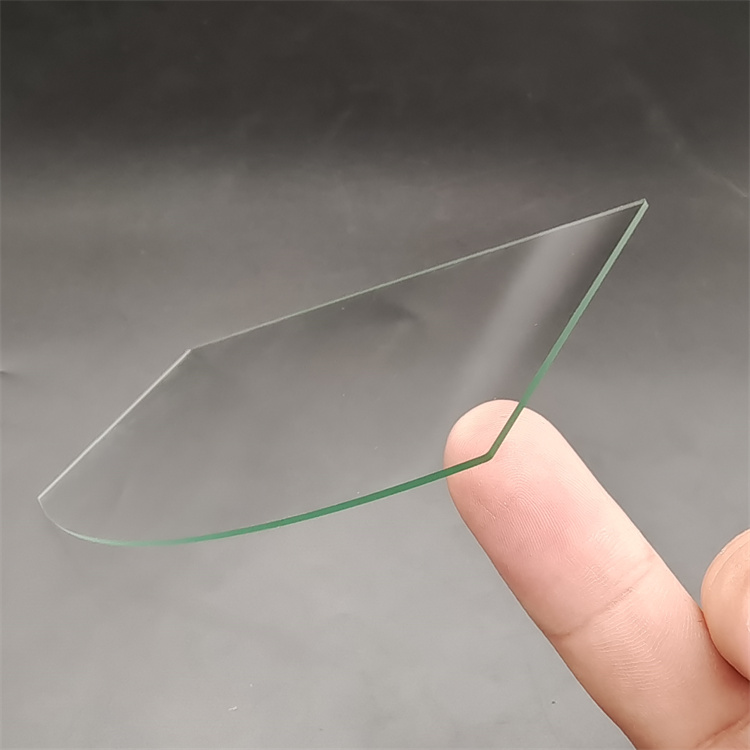
Any Size Custom 0.5/0.7/1/1.5/2/3mm Tempered Glass Screen Protector,Round Rectangle Triangle Customized Tempered Glass Oem Odm
A flexible specification for thin touch windows, display protection and appliance overlays; choose round, rectangular or triangle outlines.
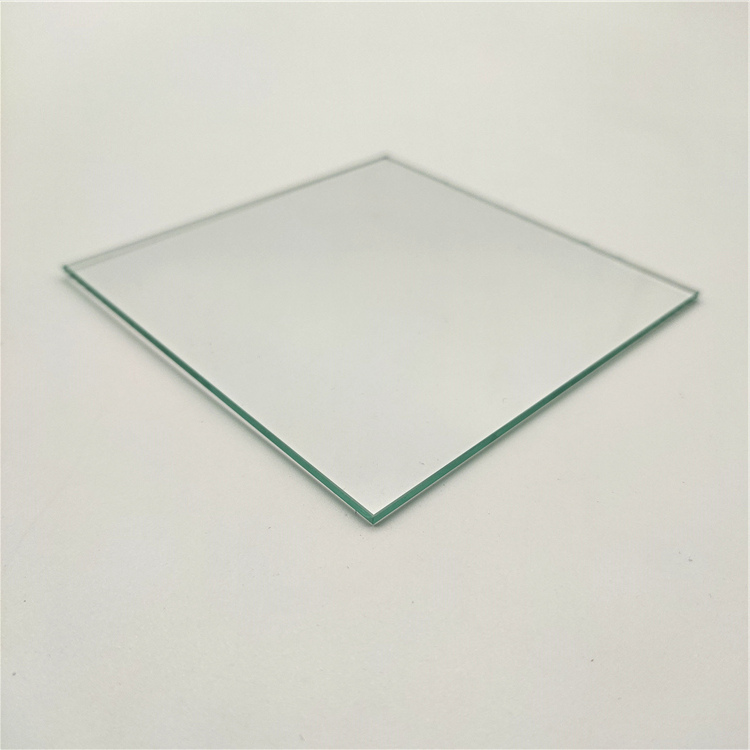
Fast Delivery Custom 1mm clear Glass Sheet
A fast-moving 1 mm clear glass sheet for samples, control-panel windows and replacement parts; specify edge polish, holes and tolerances.

Custom Printed Tempered Glass Panel High Strength Decorative Cover with Hole for Card Reader Instrument
A printed, high-strength cover with a drilled hole for card readers, instruments and compact control modules in appliance assemblies.
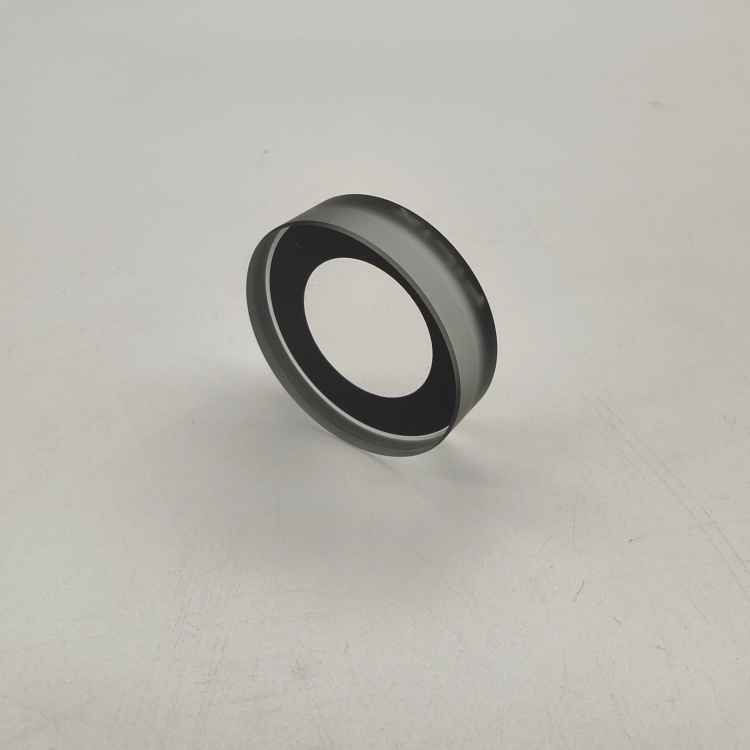
High Quality Small Diameter 10mm Thickness Round Tempered Glass with High Temperature Ceramic Printing
A 10 mm round panel with high-temperature ceramic printing for durable indicator windows and heat-adjacent equipment where the design permits.
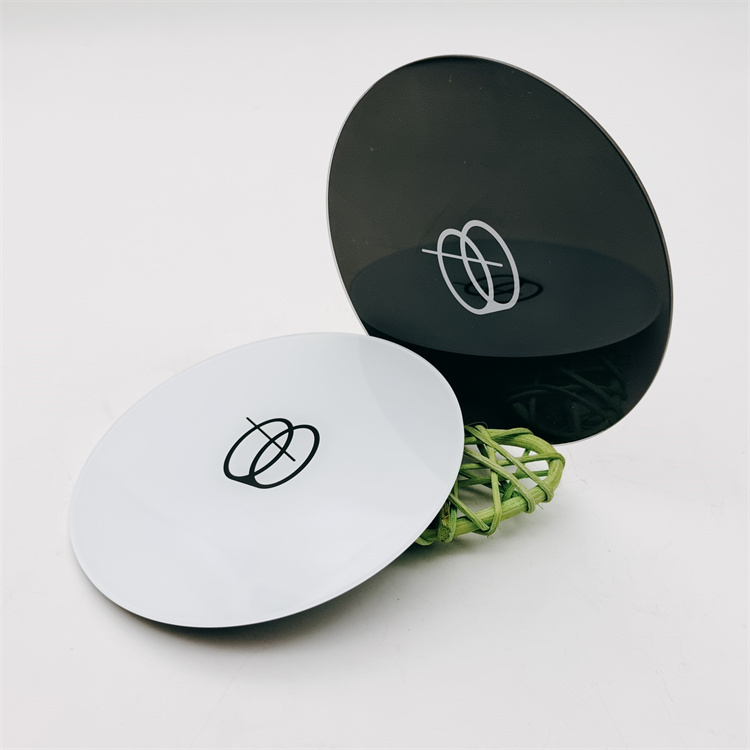
Black White Silk Screen Printing Toughened Glass Round Tempered Glass for Electric Appliance
Black-and-white silk-screen printing for appliance control panels, switches and decorative equipment glass with repeatable color matching.

Custom Extra White 0.5mm 1mm 1.5mm 2mm Low Iron Tempered Glass Chemical Strengthened
Low-iron extra white glass from 0.5–2 mm for neutral color, high clarity and chemically strengthened touch covers.
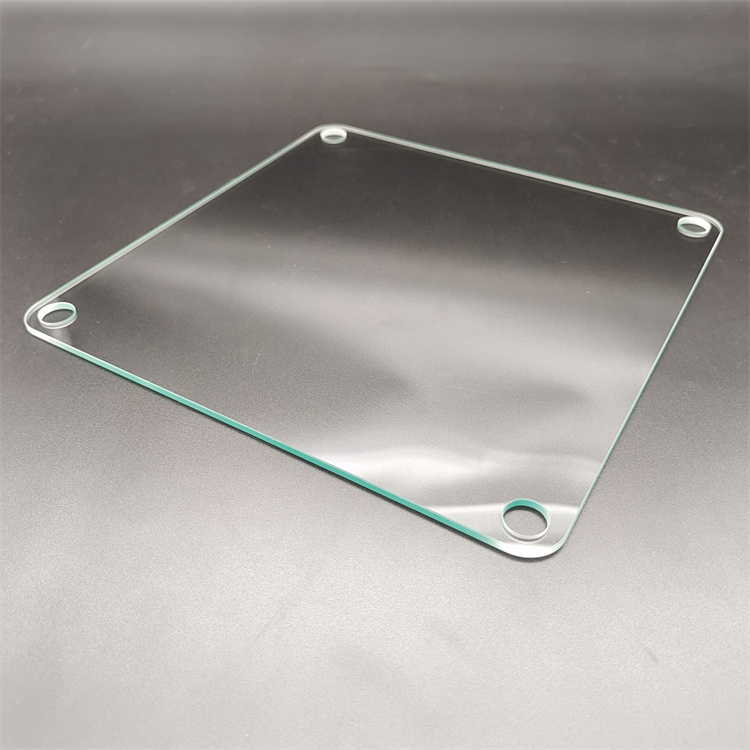
Factory Sale Customized Shape Decorative Glass Cover Hole Drilling Glass Panel Soda-lime Tempered Glass Sheet With Holes
Custom shaped decorative cover glass with drilled holes for sensors, fasteners, knobs or display windows in cooktop and appliance surrounds.
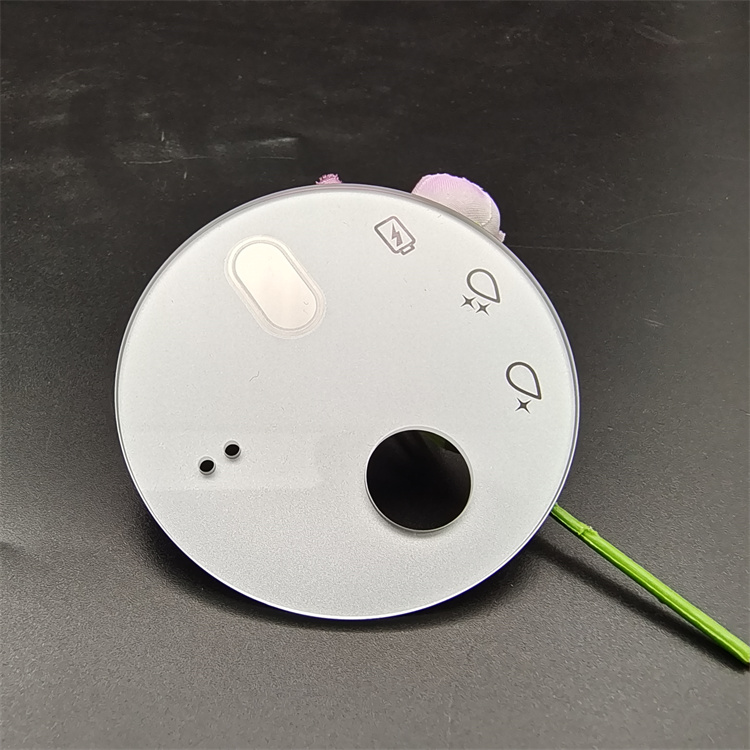
Customized 0.5mm 0.7mm 1mm 2mm 3mm 4mm 5mm 6mm Cut Holes Printed Round Tempered Glass Panels for Home Appliance
Printed round tempered glass from 0.5–6 mm with cut holes for home appliances, control-panel assemblies and replacement programs.
Not sure which thickness or process fits your cooktop control panel? Send a drawing and our engineers will recommend a practical route.
Get a QuoteWhat Philippine Buyers Mean by “Cooktop Glass”
Before comparing suppliers, separate the heated cooking surface from the tempered glass components around it.
Buyers searching for cooktop glass suppliers & wholesaler for Philippines usually encounter two different product families. The first is the heated cooking surface itself: in many modern induction and ceramic electric cooktops this is a glass-ceramic panel engineered and certified for direct thermal load. The second family is the tempered glass components around the cooking zone: touch-control overlays, printed display windows, decorative trims, sensor covers, knob surrounds, appliance control panels and protective covers.
These two families are not interchangeable. Dongguan Jaswe Glass Co., Ltd. focuses on custom processed glass for the second group. We cut, CNC shape, polish, drill, temper, silk-screen print, ceramic print and coat glass for appliance and equipment applications. For a Philippine appliance assembler, importer, distributor or service center, that means we can help you convert a drawing into a repeatable component while keeping safety-critical heating functions in the correct material category.
Our engineering review therefore starts with a simple question: will the part sit in direct contact with a heating element, or will it serve as a control, display, trim or decorative surface? That distinction protects your product design, your warranty position and your customer experience in a market where replacement parts often travel through several hands before installation.
| Component | Typical thickness | Process focus | Philippine buyer check |
|---|---|---|---|
| Direct cooking surface | Glass-ceramic category | Thermal/certification-driven | Confirm appliance safety requirements; do not substitute printed tempered glass. |
| Touch control overlay | 0.5–1.1 mm | Chemical strengthening, AF coating, fine print | Check icon registration, flatness, light transmission and adhesive compatibility. |
| Display window | 1–3 mm | Low-iron glass, AR coating, mask printing | Agree on transmittance, reflection target and transparent-window tolerance. |
| Decorative cooktop trim | 2–4 mm | Tempering, ceramic print, edge polishing | Validate thermal cycling, color depth, flatness and cutout edges. |
| Appliance cover/control panel | 3–6 mm | CNC holes, tempering, printing | Review hole stress, edge quality, screw torque and packing protection. |
Final thickness and strengthening depend on the mechanical design, mounting method, thermal exposure and applicable appliance standards. Always validate samples in the finished product.
Where Cooktop Glass Components Fit in the Philippine Market
From Metro Manila condominium kitchens to Cebu appliance assembly lines, the requirement changes by channel and installation environment.
Condo & serviced-apartment kitchens
Compact induction and electric cooktops in Metro Manila, Makati, BGC, Cebu IT Park and Davao often use printed black control panels, touch overlays and display windows where space is tight and design is visible.
Local appliance assembly
Philippine assemblers and brand owners need repeatable print colors, stable hole positions and mixed SKU support for cooktop, oven, range hood and small-appliance control panels.
Replacement & after-sales market
Distributors and service centers need exact-fit replacement glass for damaged cooktop panels, switches and display windows; low MOQ and clear drawings matter more than large warehouse stock.
Hotel, restaurant & commissary kitchens
Commercial kitchens value robust control surfaces, easy-clean glass and resistance to frequent wiping; specify edge quality and printing durability before approving a batch.
Smart home & touch interfaces
Anti-fingerprint and anti-glare treatments improve the feel of touch controls in humid environments, while AR-coated windows keep small displays readable under strong ambient light.
Distributors & e-commerce sellers
Online sellers and spare-part distributors benefit from protective packaging, consistent dimensions and a quotation route that separates sample approval from repeat wholesale orders.
Philippines Market Trends Shaping Cooktop Glass Procurement
Buyers are not only comparing price per piece. They are comparing design flexibility, replacement speed and shipment reliability.
Design-led black glass
Black printed borders, low-iron clarity and edge-polished panels continue to suit modern condominium kitchens and premium appliance positioning.
Touch, print and coating integration
More appliance projects combine silk-printed icons with AF, AR or AG coatings, requiring one supplier to control print registration and surface quality.
Flexible MOQ & mixed SKU wholesale
Philippine distributors increasingly prefer a stepwise order: approved samples first, then mixed models, then repeat volume for proven cooktop lines.
Sea-freight reliability
Humidity, multiple handling points and long routes to Manila, Cebu or Davao make moisture-barrier packing and edge protection part of the product specification.
What Philippine Buyers Should Verify Before a Purchase Order
Use this checklist during quotation, sampling and first-article approval. It reduces the risk of a visually correct panel failing at assembly or after installation.
| Checkpoint | What to ask the supplier | Why it matters in the Philippines |
|---|---|---|
| Drawing clarity | Do you review DXF, DWG or PDF files and flag unclear tolerances before sampling? | Prevents expensive rework when replacement parts must fit imported cooktops and local assemblies. |
| Substrate & thickness | Which glass type is proposed for the touch overlay, display window or trim? | Ultra clear, low-iron and standard clear glass can change color appearance and print contrast. |
| Tempering / strengthening | Is the part thermally tempered or chemically strengthened, and how is breakage behavior controlled? | Thin control panels and thick decorative covers need different strengthening routes. |
| Edge & hole quality | How are CNC edges, countersinks and holes inspected before tempering? | Poor edge or hole quality can become a stress point during handling and installation. |
| Printing & color | Can you match Pantone references and maintain icon registration across batches? | Brand logos, touch icons and black borders must look consistent in retail and after-sales channels. |
| Coating choice | Do you recommend AR, AG, AF or a combination for the final viewing environment? | Outdoor signage, humid kitchens and touch surfaces have different optical and cleaning requirements. |
| Packing method | Are pieces interleaved, edge-protected and moisture-barrier packed for sea freight? | Glass can survive production yet fail in transit if wooden crates and separators are poorly planned. |
| Traceability | Can samples, first articles and mass-production batches be compared against the same approved drawing? | Clear approval records protect both the supplier and the Philippine importer during repeat orders. |
Dongguan Jaswe Glass: A Lower-Risk Source for Custom Cooktop Glass
Dongguan Jaswe Glass Co., Ltd. is based in Dongguan, Guangdong — a manufacturing hub for electronics and appliance supply chains. We process custom tempered glass, ultra clear glass, silk-screen printed glass, switch glass, LED lighting glass, electrical equipment glass and AR / AG / AF coated display glass.
For Philippine buyers, the advantage is not simply a quotation. It is a process: engineering review before sampling, in-house control of cutting, CNC shaping, edge polishing, drilling, tempering, printing and coating, plus export packing designed for humid sea freight. Our team communicates with overseas buyers in English and keeps each custom part tied to an approved drawing.
Trade-platform records also show an average response time of 3 hours or less and a 26% buyer reorder rate. Those figures matter when a Philippine distributor needs an answer on a replacement panel, a new print color or an urgent sample for a local appliance brand.
Get a Quote
Custom glass processing in Dongguan: cutting, CNC shaping, polishing, drilling, tempering, printing and coating under one quality system.
Engineering review first
We check thickness, holes, edge stress, printing and coating before quoting or sampling.
In-house processing
Cutting, CNC, edging, drilling, tempering, silk print, ceramic print and coating are coordinated together.
Ultra clear options
Low-iron glass helps printed colors and black borders look neutral on appliance panels.
Ceramic printing
High-temperature ceramic ink supports durable borders, windows and icons for appliance glass.
AR / AG / AF coating
Reduce reflection, glare and fingerprints on display windows and touch-control surfaces.
Export packing
Interleaved, edge-protected and moisture-conscious packing for Manila, Cebu and Davao routes.
Fast communication
Average response within 3 hours and a 96.61% response rate recorded by the trade platform.
Repeat-order confidence
A 26% buyer reorder rate reflects ongoing supply to America, Europe and Asia.



From Drawing to Delivery: A Four-Step Custom Order Path
A clear route for first-time Philippine buyers, distributors and appliance assemblers.
Share the requirement
Send a DXF, DWG or PDF drawing, target thickness, edge type, holes, printing colors, coating requirement, application and estimated annual quantity.
Engineering review & sampling
We check manufacturability, confirm the process route and prepare a sample for fit, color and optical approval before mass production.
Production & inspection
Cutting, shaping, edging, drilling, tempering, printing and coating are inspected at the relevant stages before packing.
Packing & shipment
Interleaved, edge-protected export packing is prepared for sea freight or consolidated shipment to the Philippines.
Ready to review a cooktop glass drawing? Our team can respond with process recommendations and a quotation path.
Get a QuoteCooktop Glass Purchasing Questions from Philippine Buyers
Practical answers for importers, appliance brands, replacement-part distributors and local assembly teams.
Do you supply cooktop glass components to the Philippines?
Yes. We support overseas buyers with custom tempered glass components for cooktop control panels, display windows, appliance trims, switch panels and protective covers. Orders are packed for export, and shipment terms can be discussed with your importer or freight forwarder.
What is the minimum order quantity for custom cooktop glass?
Most custom items start at 100 to 500 pieces, depending on size, printing, coating, hole complexity and material. Standard clear tempered samples may be available in smaller quantities for evaluation. A mixed first order is often more practical than committing to a large volume before approval.
What thickness should I choose for a cooktop control panel?
Thin touch overlays commonly use 0.5–1.1 mm glass; display windows often use 1–3 mm; decorative trims and appliance covers may use 3–6 mm or thicker depending on the mechanical design. Do not choose thickness by appearance alone. The mounting method, hole positions, thermal exposure and impact requirements should be reviewed together.
Is tempered glass the same as a glass-ceramic cooktop surface?
No. A glass-ceramic cooking surface is a specialist material intended for direct heating and must be validated for the appliance. Custom tempered glass is commonly used for control panels, display windows, trims and decorative covers around the cooking zone. We help buyers keep those functions separate during specification.
Can you print black borders, brand logos and touch icons?
Yes. Silk-screen printing and ceramic printing can be used for borders, logos, icons, display windows and masking areas. For the best match, provide a vector print file, Pantone references, transparent-window dimensions and the required surface finish.
Can you cut holes for knobs, sensors, burners and screw points?
Yes. CNC cutting and drilling can produce round holes, slots, countersinks and custom outlines. Please mark every hole on the drawing with diameter, position and tolerance. Our engineering review will flag any feature that may concentrate stress before tempering.
How do you pack glass for shipment to Manila, Cebu or Davao?
Export packing typically uses interleaving material, edge protection, separators and wooden crates with moisture-conscious packaging. The exact method depends on panel size, thickness, print side, quantity and the route used by your freight forwarder.
What files should I send for a quotation?
Send a 2D drawing in DXF, DWG or PDF with dimensions and tolerances; the glass thickness; edge requirement; hole positions; printing file or Pantone colors; coating requirement; application; and estimated annual quantity. A photo of the current part or the installation area also helps when no drawing is available.
How quickly can I receive an engineering reply?
Our trade-platform data shows an average response time of 3 hours or less and a 96.61% response rate. Sampling and production timing depend on the drawing, material, printing, coating and order quantity, so they are confirmed after the specification is reviewed.
Can you support wholesale and repeat-order programs?
Yes. We work with appliance assemblers, distributors and service-part sellers that need repeat production against an approved drawing. A 26% buyer reorder rate reflects ongoing supply to buyers in America, Europe and Asia across lighting, electronics and appliance applications.
Request a Philippines-Ready Cooktop Glass Quotation
Share your drawing, target thickness, printing requirements and estimated order volume. Our engineers will review manufacturability and recommend the most practical tempered glass route for your cooktop or appliance project.
- Send DXF, DWG or PDF drawings with tolerances
- Include print colors, holes, edge finish and coating needs
- Tell us whether the part is for a control panel, display window, trim or decorative cover
Have a drawing ready? Start with an engineering review and sample discussion.
Get a Quote