Eight Cover Glass Products for Kawasaki Buyers
These products are practical starting points for Kawasaki OEMs, design studios, trading partners and industrial buyers comparing a custom cover glass supplier near Kawasaki with a direct factory in Dongguan. Every item can be customized by thickness, outline, holes, edge finish, printing and optical coating.
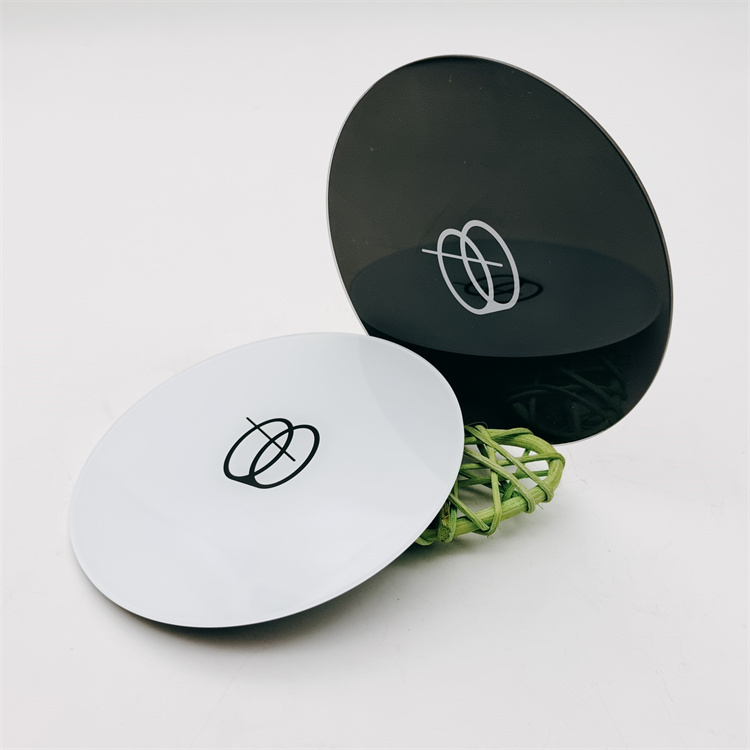
Black White Silk Screen Printing Toughened Glass Round Tempered Glass for Electric Appliance
Suitable for Kawasaki smart-home, appliance and switch-panel projects where printed borders, icons and transparent touch windows must remain crisp after tempering.

Customized Ultra Clear 0.5mm 0.7mm Thickness Ultra Thin Tempered Glass
An efficient choice for compact Kawasaki instrument clusters, wearable displays and space-constrained electronics where clarity, low weight and a slim stack-up are important.
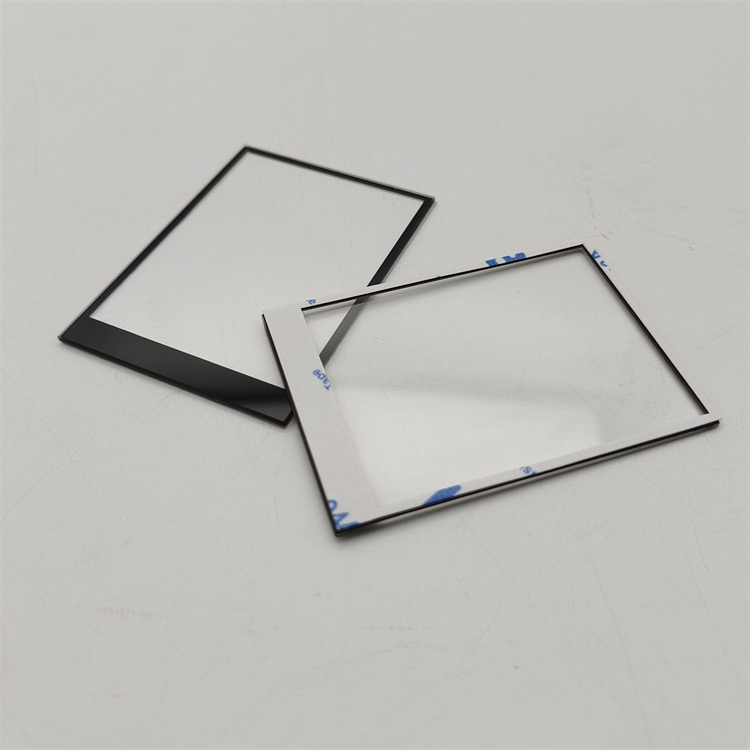
Small Size Ultra Thin 0.5mm 0.7mm 1mm Tempered Glass Panel With Adhesive Tape for Screen Protection
Designed for Kawasaki assembly lines that need a ready-to-bond protective glass panel for small displays, sensors or handheld equipment, with adhesive supplied for cleaner integration.
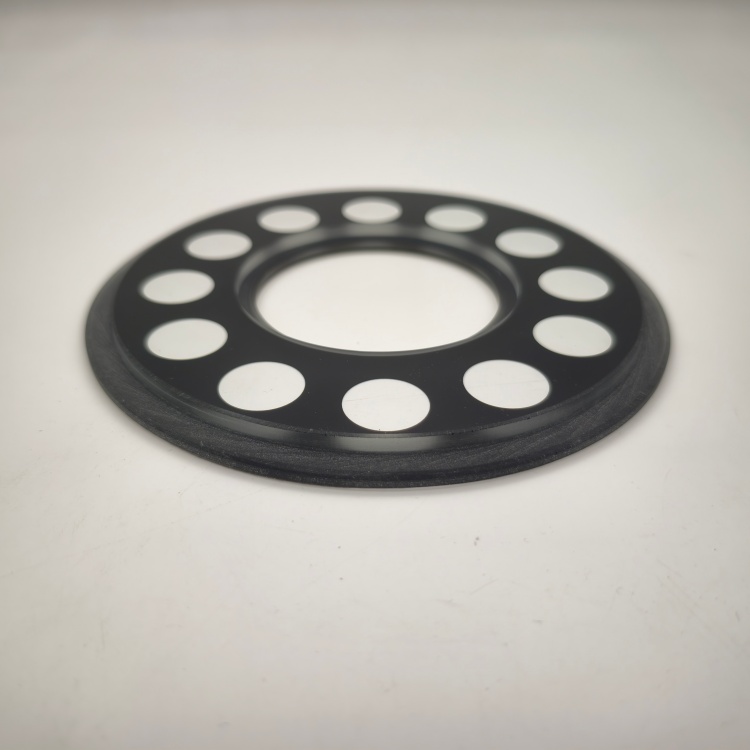
Factory Customized Round Hole Inner and Outer Double Step Edge Printed Tempered Glass for LED Lighting
Useful for Kawasaki lighting fixture designs that combine a visible printed face, a stepped mounting edge and drilled holes for LED modules or fasteners.
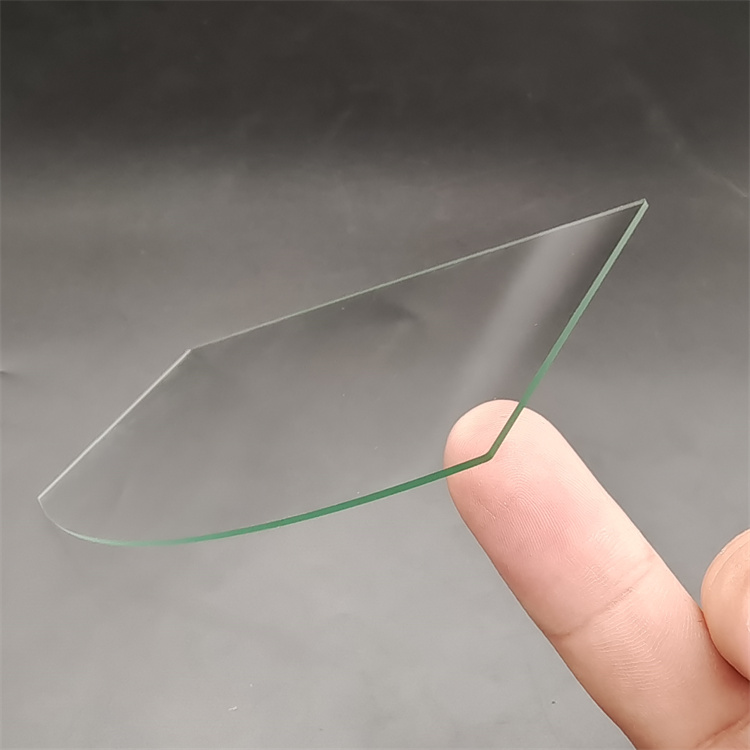
Any Size Custom 0.5/0.7/1/1.5/2/3mm Tempered Glass Screen Protector, Round Rectangle Triangle Customized Tempered Glass OEM ODM
Supports Kawasaki product teams that are still moving between industrial design, mechanical fit and pilot production, and need flexible shapes without multiple tooling sources.
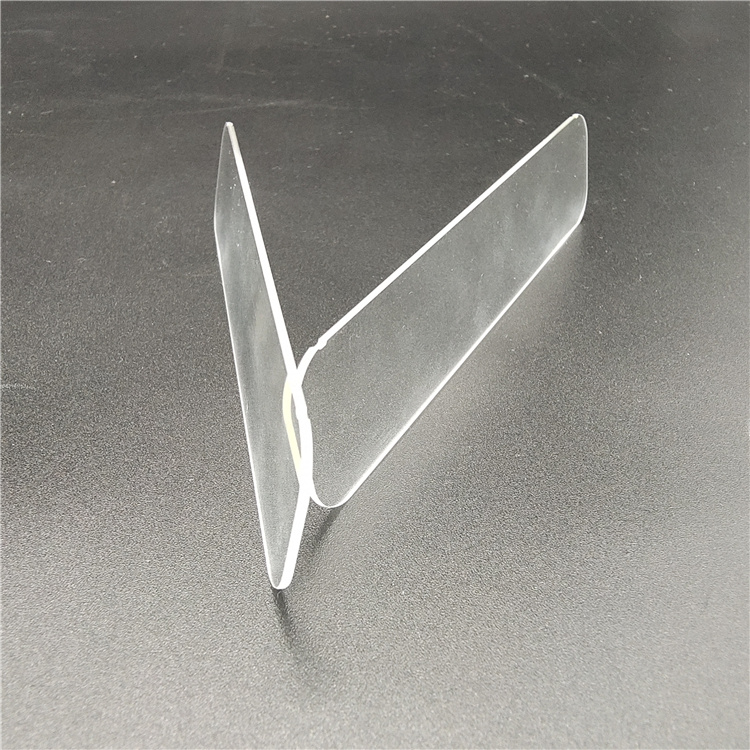
Custom Extra White 0.5mm 1mm 1.5mm 2mm Low Iron Tempered Glass Chemical Strengthened
For Kawasaki color-critical display covers, LED diffusers and premium appliance interfaces where the green tint of standard float glass would compromise visual consistency.
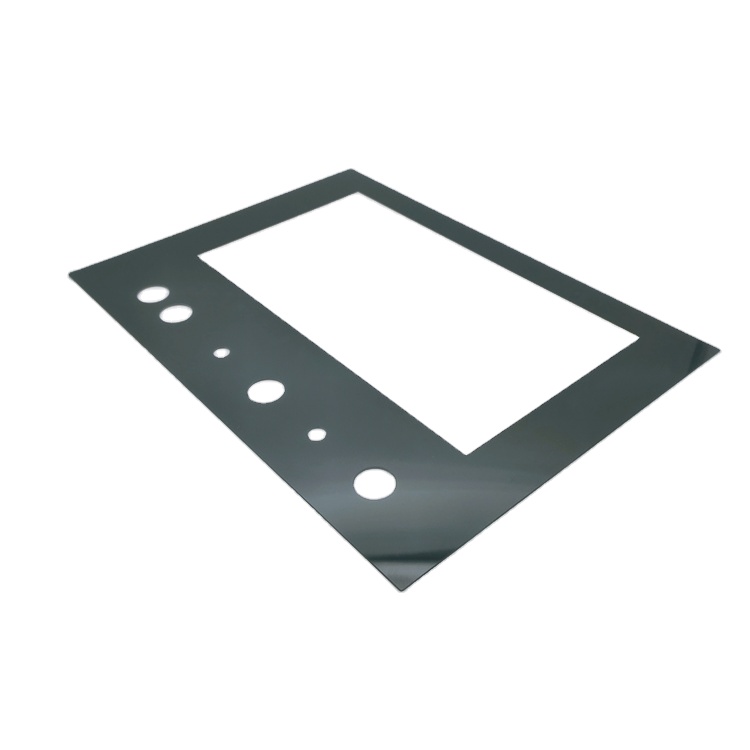
Customized Printed 0.5-6mm Thickness Flat Tempered Glass Screen Protector with Cut Holes
Well suited to Kawasaki industrial HMIs, meter windows and equipment panels that require cut holes for buttons, sensors or indicators together with durable printed graphics.
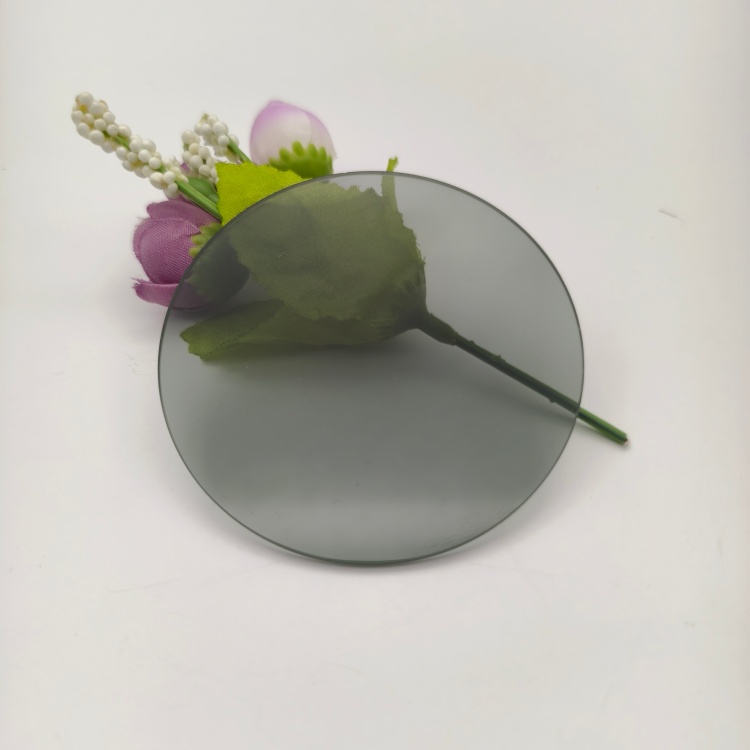
Factory Customized High Strength 2mm 3mm 4mm 5mm Tempered Black Glass Bulletproof & Decorative Flat Surface
Applied in Kawasaki equipment fascia, decorative control surfaces and robust cover designs where a dark glass appearance and flat, easy-clean front face are important.
Why Kawasaki Manufacturers Choose Jaswe Glass
Dongguan Jaswe Glass Co., Ltd. is a custom glass processing and export supplier with cutting, shaping, tempering, printing and coating capabilities under one roof. For Kawasaki buyers, the value is not only the factory price — it is fewer handoffs, clearer engineering communication and more consistent quality from sample to mass production.
The figures above are drawn from the company’s public profile and third-party trade platform data. Performance figures are useful screening signals, not a substitute for sample approval and your own incoming inspection plan.
CNC Cutting & Shaped Glass
Automatic cutting plus CNC shaping for rounds, notches, slots and irregular Kawasaki product outlines.
Edge Polishing
Pencil, flat, beveled, stepped and matte edges for safe handling and a clean front-of-panel appearance.
Hole Drilling
Holes and countersinks for buttons, sensors, cameras, knobs and mounting screws in control glass.
Thermal Tempering
In-house tempering strengthens glass for impact resistance and safer breakage behavior in equipment covers.
Silk Screen & Ceramic Printing
Multi-color logos, icons, borders and transparent display windows with Pantone-based color matching.
AG Anti-Glare Processing
Diffused matte surfaces keep Kawasaki industrial displays readable under strong factory or outdoor light.
AR Anti-Reflective Coating
Optical coatings reduce surface reflection and raise light transmission for brighter, higher-contrast displays.
AF Anti-Fingerprint Coating
Oleophobic top layers improve touch feel, resist smudges and make cleaning easier on interactive panels.
Kawasaki Cover Glass Application Scenarios
Kawasaki sits within the Keihin industrial belt and the greater Tokyo manufacturing ecosystem, where electronics, precision machinery, medical equipment, smart-home devices and lighting products often share demanding visual and mechanical requirements. These are the application contexts where custom cover glass decisions matter most.

Factory Automation & HMI Covers
Kawasaki machinery, robotics and production-equipment suppliers often need robust HMI covers with printed function windows, AR glass for contrast, and AG treatment for glare control on the factory floor.

Medical & Analytical Instruments
Instrument windows and diagnostic-device covers benefit from ultra-clear low-iron glass, AR coating and careful edge quality. Small, clean samples help Kawasaki design teams validate appearance before production.
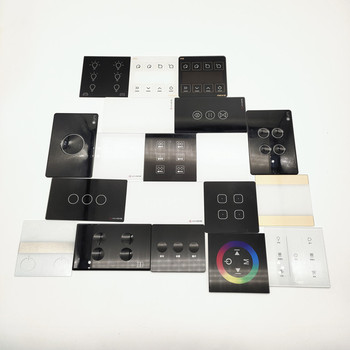
Smart Home & Appliance Controls
Switch plates and appliance panels combine printed icons, transparent touch keys and easy-clean surfaces. Glass thickness, print opacity and adhesive selection all influence the final product feel.
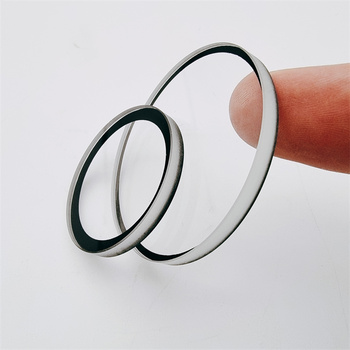
LED Lighting & Illuminated Signage
Kawasaki lighting and signage projects may require round, linear or stepped glass covers with ceramic-printed borders, drilled holes and temperature-resistant finishes.
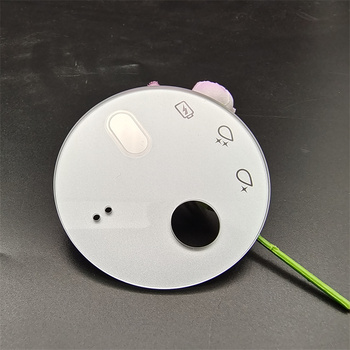
Touch Kiosks, POS & Office Equipment
Public-facing terminals around Kawasaki and Greater Tokyo can use AF-coated touch glass, printed borders and privacy-friendly appearance control while preserving optical clarity.
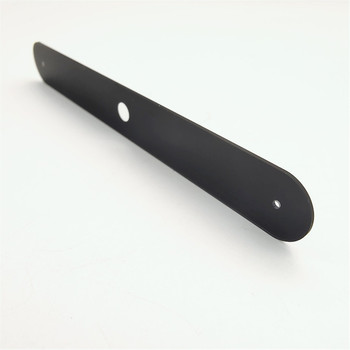
Mobility, Transport & Outdoor Equipment
Cover glass for transport displays, outdoor equipment and monitoring devices must balance readability, impact resistance and sealing integration. AG + AF combinations are often evaluated.
Cover Glass Procurement Trends in Kawasaki
Search intent from Kawasaki-area buyers is shifting from “can you supply glass?” to “can you support a specification-led, low-friction project?” That change creates new selection criteria for exporters.
High-Mix, Low-Volume Production
Kawasaki product teams often work with smaller batches, multiple variants and tight revision cycles. Flexible CNC cutting, sample-first approval and 100–500 piece MOQs matter more than pure annual volume.
Optical Performance Becomes Standard
AR, AG and AF coatings are moving from premium options to baseline specifications for touch panels, industrial displays and outdoor terminals where glare and fingerprints affect usability.
Thinner Yet Stronger Glass
0.5 mm, 0.7 mm and 1 mm chemically strengthened glass supports compact electronics and lighter product stacks while maintaining enough strength for protective cover applications.
Documentation & Packing Reliability
Buyers now ask for DFM feedback, repeatable print color, in-process inspection and export packing that protects glass edges during transport from China to Japan.
Matching Glass Thickness and Surface Treatment to Kawasaki Use Cases
This table is a starting point for engineering discussion, not a substitute for drawing review. Final thickness, tolerance, edge type and coating stack should be confirmed with samples.
| Application Context | Typical Thickness | Recommended Finish | Engineering Note |
|---|---|---|---|
| Smart switch / appliance panel | 0.5–2 mm | Printed tempered, ceramic ink, AF option | Specify icon opacity, transparent window size and edge shape; confirm adhesive compatibility. |
| Industrial HMI / equipment display | 1.1–4 mm | Tempered, AR or AG, AF for touch | Use AG when reflection from overhead lights is a problem; use AR when contrast and transmission are critical. |
| LED lamp and lighting fixture cover | 2–6 mm | Low-iron glass, ceramic print, drilled holes | Check thermal exposure, hole tolerance and edge profile before tooling; step edges can simplify assembly. |
| Portable electronics and compact sensors | 0.5–1.1 mm | Ultra-clear, chemically strengthened, AF / AR | Handle ultra-thin glass with controlled packing; define flatness and edge chipping limits early. |
| Outdoor kiosk and public terminal | 2–6 mm | AG + AF, tempered, printed border | Balance haze level with display resolution; decide whether maintenance cleaning or anti-smudge performance is the priority. |
A Six-Step Project Workflow for Kawasaki Buyers
A predictable process reduces the risk that appearance, fit or lead time becomes a surprise after mass production begins.
Drawing & Use-Case Brief
Send DXF, DWG or PDF drawings, target thickness, edge type, printing colors, coating needs, application and estimated annual volume.
DFM Review
Engineers check manufacturability: hole-to-edge distance, glass strength, print registration, coating compatibility and packing risk.
Sample Build
Physical samples allow Kawasaki teams to verify fit, transparency, print color and surface feel before commitment.
Appearance & Fit Approval
Confirm final drawing revision, color standard, window dimensions and acceptable tolerance bands in writing.
Production & In-Process QC
Inspection at cutting, edging, tempering, printing and coating stages helps catch defects before packing.
Export Packing & Shipping
Interleaved, edge-protected packing supports safe transport from Dongguan to Kawasaki, Tokyo or the forwarder of your choice.
Kawasaki Cover Glass Procurement FAQ
These questions reflect the practical concerns of Kawasaki-area buyers comparing custom glass suppliers for pilot builds, product refreshes and ongoing production.
Can you supply cover glass to Kawasaki and Greater Tokyo?
Yes. Jaswe Glass exports custom processed glass from Dongguan to customers in Asia, Europe and North America. For Kawasaki projects, send your drawing, quantity target and delivery schedule so the quotation can include material, printing, coating, packing and shipping considerations. Your freight forwarder can advise on the final import documentation required for Japan.
What thickness should a Kawasaki product team specify?
Thickness depends on the mechanical stack. Common choices are 0.5 mm and 0.7 mm for compact electronic covers, 1.1–3 mm for industrial HMIs and appliance panels, and 2–6 mm for LED or equipment windows. If the glass is exposed to impact, bending or sealing pressure, define the use case before choosing the thinnest option.
Can you support low-volume prototypes before mass production?
Most custom projects start around 100–500 pieces depending on size, printing and coating. Sampling is important for Kawasaki product teams evaluating color, fit, touch feel or optical performance. Share your estimated annual volume and prototype schedule so engineering can recommend a practical sampling route.
What is the difference between AR, AG and AF glass?
AR anti-reflective coating reduces surface reflection and improves transmission and contrast. AG anti-glare treatment diffuses reflected light so a display remains readable under strong ambient light. AF anti-fingerprint coating is an oleophobic top layer that resists smudges and improves touch feel. They can be combined, for example AG + AF for outdoor kiosks or AR + AF for high-clarity touch displays.
Can you match printing colors, icons and transparent windows?
Silk-screen and ceramic printing can reproduce borders, logos, icons and functional windows. Provide Pantone references, artwork files, window dimensions and the desired ink opacity. A physical sample is the safest way to approve appearance across different glass thicknesses, coatings and lighting conditions.
What files and information are needed for an accurate quotation?
Send a DXF, DWG or PDF drawing; overall dimensions; thickness; tolerance requirements; edge profile; hole positions; printing details; coating requirement; application; estimated annual quantity; sample quantity; and packing preference. If you need help starting a Kawasaki project, the engineering team can review a preliminary drawing before final artwork is released.
This guide is maintained by the export glass engineering team at Dongguan Jaswe Glass Co., Ltd. Product and company data should be verified through current company profiles and approved samples before purchase decisions.
Send Your Cover Glass Drawing for a Kawasaki Project
Share your application, thickness, edge type, printing colors, coating requirement and estimated annual quantity. Our team will review manufacturability and respond with the most practical process route for your project.