8 Recommended Glass Products for Hanoi Projects
These formats cover the most common Hanoi sourcing requests: round and shaped display windows, printed control panels, LED lighting glass, smart-switch surfaces, appliance covers and industrial instrument glass. Every item is made to drawing; review the original product link before requesting samples.
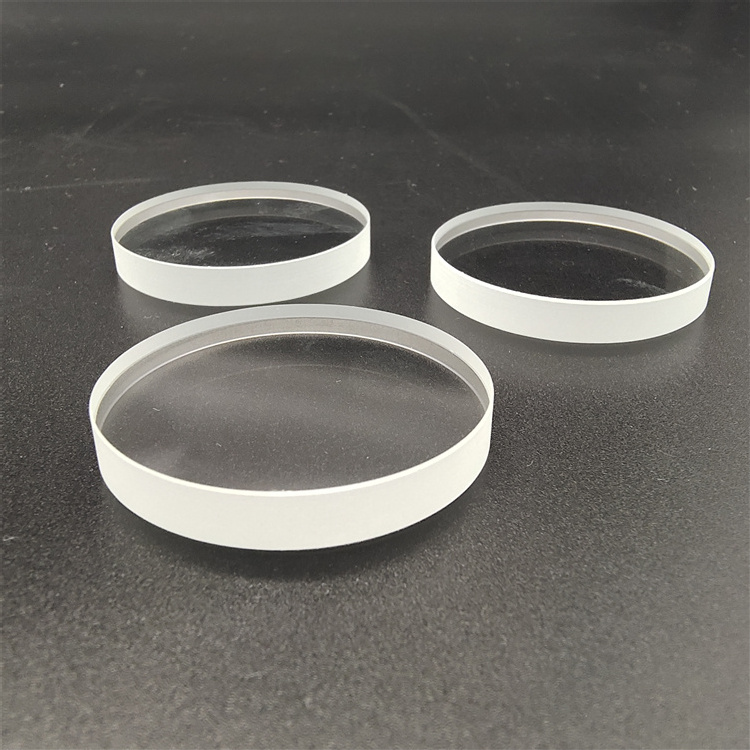
Full Tempered 30mm Diameter 3mm 4mm 5mm 6mm 8mm Thickness Ultra Clear Round Tempered Glass
Round ultra-clear format for display windows, lighting lenses and compact HMI apertures. For curved housings, define the visible radius and edge profile so the glass seats without stress.
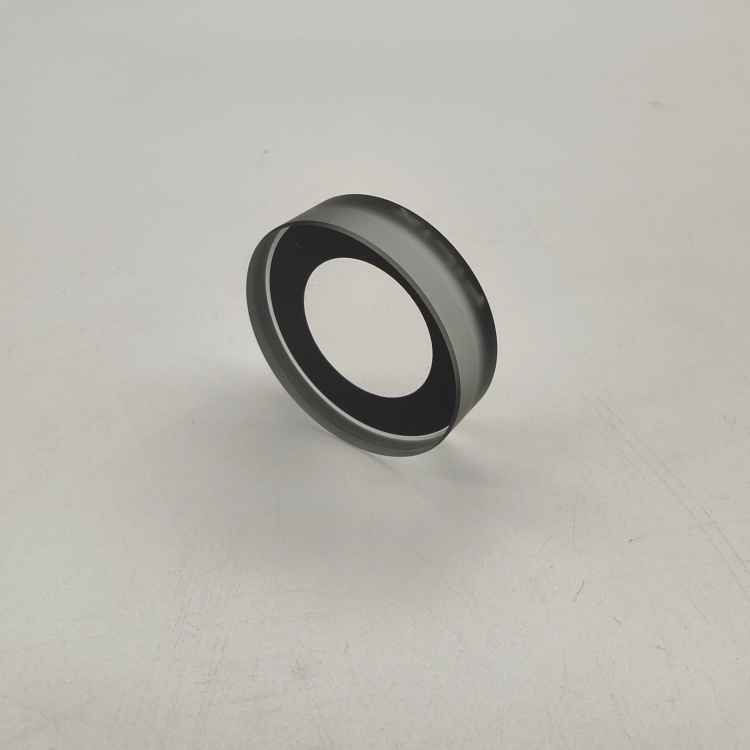
High Quality Small Diameter 10mm Thickness Round Tempered Glass with High Temperature Ceramic Printing
Small-diameter ceramic-printed glass for appliance indicators, control dials, LED fixtures and smart-switch windows. Ask for print registration and fired-ink adhesion samples.

Customized Small Size 3mm 4mm 5mm 6mm Beveled Edge Tempered Glass
Beveled-edge glass for premium switch plates, instrument windows and control covers. Bevel profile, gloss level and edge-chip tolerance should be defined in the drawing before sampling.

Custom Printed Tempered Glass Panel High Strength Decorative Cover with Hole for Card Reader Instrument
Printed cover glass with a clean hole for card-reader, POS and access-control instruments. A strong fit for Hanoi banking, retail and building-security equipment.

Customized Industrial Lighting Solid Flat Ultra Clear Frosted Tempered Glass with Beveled Step Edge
Ultra-clear flat glass with frosted finish and beveled step edge for LED lighting and architectural fixtures. The step edge helps locate the lens in the housing while frosting softens glare.
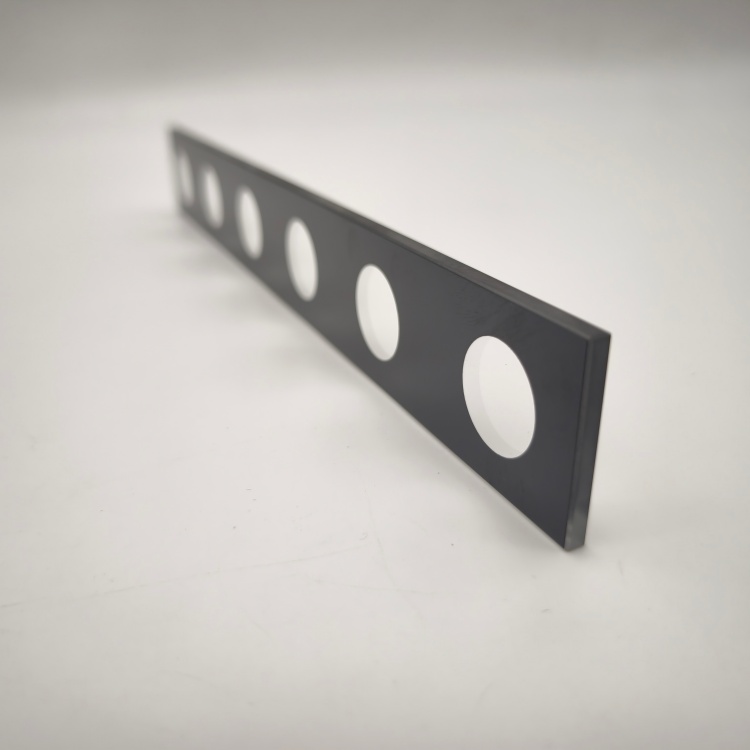
Black Printed Polished Smooth Matte Edge Linear Tempered Glass for LED Wall Washer Light
Linear printed glass for LED wall washers. Black print masks PCB and driver areas, while the matte edge reduces stray reflections in facade and hospitality lighting.

Custom Extra White 0.5mm 1mm 1.5mm 2mm Low Iron Tempered Glass Chemical Strengthened
Low-iron strengthened glass for slim touch interfaces, sensor windows and thin display covers. A strong fit where weight, clarity and edge visibility matter.
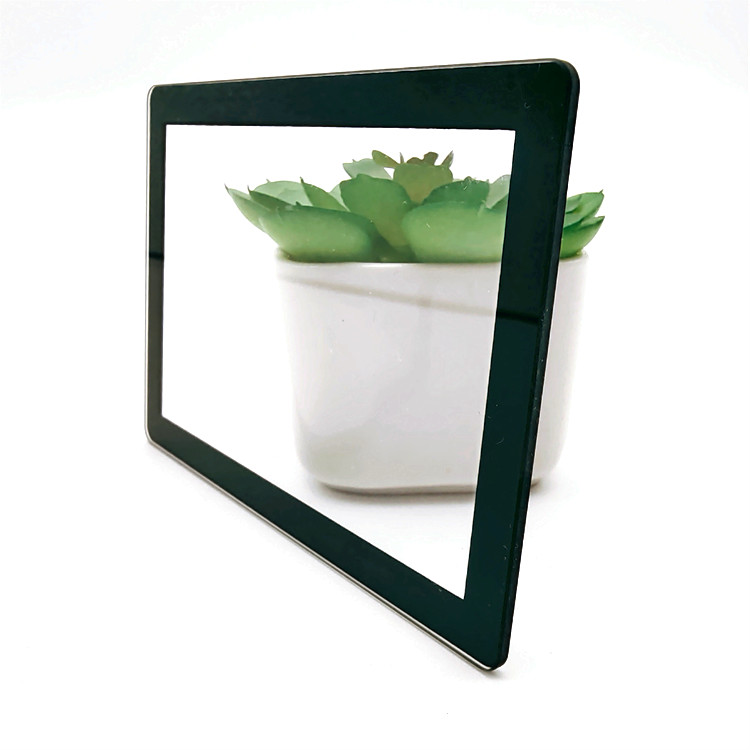
High Quality 0.5mm-6mm Solid Industrial Display Screen Tempered Glass with Printed Design High Strength & Bulletproof Protection
High-strength industrial display glass for HMI, kiosks and equipment windows. Define impact, flatness, optical and protection requirements before approving the construction.
Why Hanoi Is a High-Value Market for Curved & Shaped Cover Glass
Northern Vietnam is no longer only a low-cost assembly location. Hanoi and nearby provinces such as Bac Ninh, Hai Phong and Thai Nguyen host a dense mix of electronics, smart-appliance, LED lighting, automotive-electronics and industrial-automation suppliers. These factories buy cover glass for touch panels, control windows, switch plates and lighting lenses, and they increasingly expect the same engineering discipline from a glass supplier that they apply to PCBs, plastics and metal housings.
Search traffic for “curved glass supplier” in Hanoi often mixes several product families. One buyer may need a true 3D hot-bent glass lens; another needs 2D glass with a curved outer outline, a beveled edge or a stepped edge that follows a moulded housing. The distinction matters for tooling, tempering and price. A 2D shaped part can often be cut, CNC-machined, polished, printed and tempered from flat glass. A true 3D curved surface requires different tooling and process validation. In an RFQ, state the curvature type, radius, chord height, visible window, thickness, coating and annual volume. If the geometry is outside a practical flat/round processing route, an experienced supplier should say so before sampling.
Another local factor is climate. Hanoi’s humid season puts pressure on packing and label durability. For export shipments from Dongguan, glass should be interleaved, edge-protected and sealed against moisture. Printing and coating should be specified for the actual cleaning chemicals used on the production line, not only for the first sample. A supplier that controls cutting, tempering, printing and coating under one roof can reduce the “pass the defect” problem that appears when a panel moves between subcontractors.
In procurement terms, Hanoi buyers should compare more than unit price: sample approval speed, measurement reports, print-color control, edge quality, coating durability and reorder consistency. The cheapest quote often ignores the cost of sorting a mixed lot in Vietnam. Our production data — 26 glass processing machines, 80+ skilled workers and more than 200,000 pieces per month — is useful only if it translates into repeatable output for your drawing. That is why every custom project starts with a drawing review and a physical sample plan.
Company Figures Hanoi Buyers Can Verify
Useful capacity is not a slogan; it is the ability to keep dimensions, printing and coating stable across repeat orders. These figures come from the company profile and trade data referenced on the original site.
Skilled workers with hands-on glass processing experience
Glass processing machines, including tempering and printing equipment
Pieces per month of processed glass output
Average engineering response time for overseas buyer messages
Recorded response rate to buyer inquiries
Reported buyer reorder rate across lighting, electronics and appliances
Verification note: treat every supplier figure as a starting point for due diligence. Ask for a sample report, packing specification, coating test record and a named engineer for your project.
Where Curved & Tempered Glass Goes to Work in Hanoi
Hanoi projects rarely buy glass as a stand-alone object. The glass is part of a housing, a touch stack, a lighting fixture or a control panel. These scenarios show how specifications change by application.
Electronics & display assembly
Hanoi and Bac Ninh electronics factories use ultra-clear, tempered and AR/AF glass for display windows and touch modules. Check transmittance, flatness, print registration and the exact visible window before tooling.
LED lighting & hospitality
Hanoi hotels, facades, retail and residential projects use printed, frosted and wall-washer glass. The glass must fit the aluminium profile, hide the PCB area and deliver the intended light diffusion.
Smart home & switch panels
Apartment, villa and office automation projects need printed switch plates with icons, touch windows and anti-fingerprint surfaces. Brand colors and icon clarity should be validated on the final glass thickness.
Home appliances & kitchen equipment
Control panels for kitchen and household devices often combine ceramic printing, adhesive backing and transparent display windows. Buyers should define cleaning chemicals and heat exposure early.
Industrial HMI & energy cabinets
Industrial instrument windows need clean holes, controlled flatness and durable printing. For outdoor or harsh environments, combine AG for glare control with AF for touch cleaning.
Banking, retail & access control
Card readers, POS terminals and kiosks benefit from printed cover glass with holes, AF coating and edge treatment that survives daily touching and cleaning.
Hanoi Market Trends Shaping Glass Specifications
As electronics and lighting production expands in Northern Vietnam, Hanoi buyers want suppliers who can support a 100–500 piece trial, then scale to monthly production without changing the process route. Sample speed and documentation matter as much as unit price.
AR, AG and AF are increasingly specified together. Outdoor kiosks may need AG for glare and AF for fingerprints; medical or industrial displays may need AR for contrast. The coating stack must be tested on the actual glass thickness and printing.
Vietnamese brands need local icon sets, brand colors and housing-specific shapes. Hanoi’s humid season also makes export packing, edge protection and label durability part of the specification, not an afterthought.
What Hanoi Buyers Typically Evaluate First
Indicative evaluation priorities from custom glass RFQs. These are practical weighting examples, not a statistical survey. Use them to structure your own supplier scorecard.
Why Jaswe Glass Fits Hanoi Buyer Requirements
Dongguan Jaswe Glass Co., Ltd. is based in Shipai Town, Dongguan, Guangdong — a practical export base for Hanoi-bound projects. The company processes custom tempered glass, ultra-clear glass, silk-screen printed glass, switch glass, electrical-equipment glass, LED lighting glass and AR/AG/AF coated glass.
The stated thickness range covers ultra-thin electronic glass from 0.2 mm up to 19 mm flat tempered glass. The most requested display and touch-cover thicknesses are 0.5, 0.7, 1, 2, 3 and 4 mm. In-house operations include cutting, special-shaped and CNC cutting, edge polishing, hole drilling, tempering, silk-screen and ceramic printing, AG processing and AR/AF coating. With 51–100 employees, 26 glass processing machines, more than 80 workers and monthly output above 200,000 pieces, the value for Hanoi buyers is fewer handoffs between subcontractors.
One-roof process control
Cutting, CNC shaping, edging, drilling, tempering, printing and coating can be reviewed as one production route, reducing the risk of tolerance drift between stations.
Export QC and packing
Inspection at cutting, edging, tempering, printing and coating stages, followed by interleaved, edge-protected export packing suitable for Vietnam-bound shipments.
Fast engineering replies
Average response within 3 hours and a reported 96.61% response rate. For Hanoi buyers, a quick manufacturability review can prevent expensive tooling based on an unclear drawing.
Verified repeat business
A reported 26% buyer reorder rate across lighting, electronics and appliance customers, supported by supplier verification and trade-history links on the original site.

Dongguan processing base and export-focused production team

Workshop area for cutting, edging and inspection steps

Tempering, printing and coating support for custom projects
AR, AG, AF, Ultra Clear or Printed: Which Glass Fits Your Hanoi Product?
Use this matrix during design review. Treatments can be combined — for example AG + AF for outdoor kiosks, or AR + AF for touch displays that need both contrast and easy cleaning.
| Glass option | What it solves | Typical Hanoi application | Buyer check before ordering |
|---|---|---|---|
| Ultra clear low-iron | Reduces the green tint of standard float glass for truer color | Display covers, LED lamps, premium appliance panels | Check edge color against the housing and confirm printing color on low-iron substrate |
| AR anti-reflective | Lowers surface reflection and improves contrast and transmittance | Industrial monitors, medical displays, instrument windows | Specify single- or double-sided coating; confirm the optical target on a sample |
| AG anti-glare | Diffuses reflected light so screens remain readable under strong light | Outdoor kiosks, vehicle HMI, factory displays, digital signage | Choose haze level by viewing distance; finer haze is usually better for high-resolution screens |
| AF anti-fingerprint | Repels oil and sweat and makes touch surfaces easier to clean | Touch panels, smart switches, POS terminals, card readers | Apply as the final layer over AR or AG; test with the cleaning agent used on the line |
| Silk-screen or ceramic printed | Hides wiring, adds logos, icons, borders and transparent windows | Switch plates, appliance controls, instrument panels, LED wall washers | Send Pantone codes, artwork, window size and tolerance for print registration |
| Shaped or curved-edge tempered | Matches rounded housings, beveled edges and special outlines | Smart-home panels, compact devices, circular windows, decorative covers | Clarify whether “curved” means a 3D surface, a curved outline or a beveled edge |
Final optical and durability values depend on glass thickness, substrate and coating stack. Sample testing is recommended before mass production, especially for Hanoi projects that combine printing, coating and touch assembly.
Five Steps from Hanoi RFQ to Export Delivery
A transparent workflow for overseas buyers who need predictable quality, clear communication and fewer surprises between sample approval and mass production.
Send requirements
Drawing, thickness, edge type, printing colors, coating requirement, application and estimated annual volume.
Engineering review
Manufacturability check, risk notes and process route — including whether a curved-glass request is suitable for flat/round processing.
Sampling
Physical samples for fit, color and optical approval. Keep a signed golden sample for mass-production reference.
Mass production
Batch production with in-process inspection at cutting, edging, tempering, printing and coating stages.
Packing & shipping
Interleaved, edge-protected export packing. Confirm courier, air, sea or road freight based on sample and production quantities.
Common Questions from Hanoi Buyers
These are the questions that appear repeatedly in RFQs for Hanoi and Northern Vietnam projects. Clear answers early reduce sample cycles and avoid mismatched expectations.
Can you supply curved glass to Hanoi, not only flat glass?
What is the typical MOQ for a Hanoi trial order?
How do Hanoi buyers verify quality before mass production?
What shipping method and packing are used from Dongguan to Hanoi?
Which coating is best for Hanoi’s humidity and outdoor light?
Can printed glass match Vietnamese brand colors and icons?
What information should be included in a curved glass RFQ?
Do you provide local installation in Hanoi?
Send Your Drawing for a Hanoi Project Review
Share your drawing, thickness, edge profile, printing colors, coating requirement and estimated volume. Our engineering team will review manufacturability before samples are made.
Send an Inquiry