8 Custom Glass Products for OEM & Wholesale Programs
Each item below is made to drawing with thickness, outline, holes, edge finish, silk-screen or ceramic printing and surface treatment specified by application. For Memphis buyers, the value is not a single catalog SKU; it is a repeatable process for application-specific cover glass across lighting, appliances, displays and industrial controls.
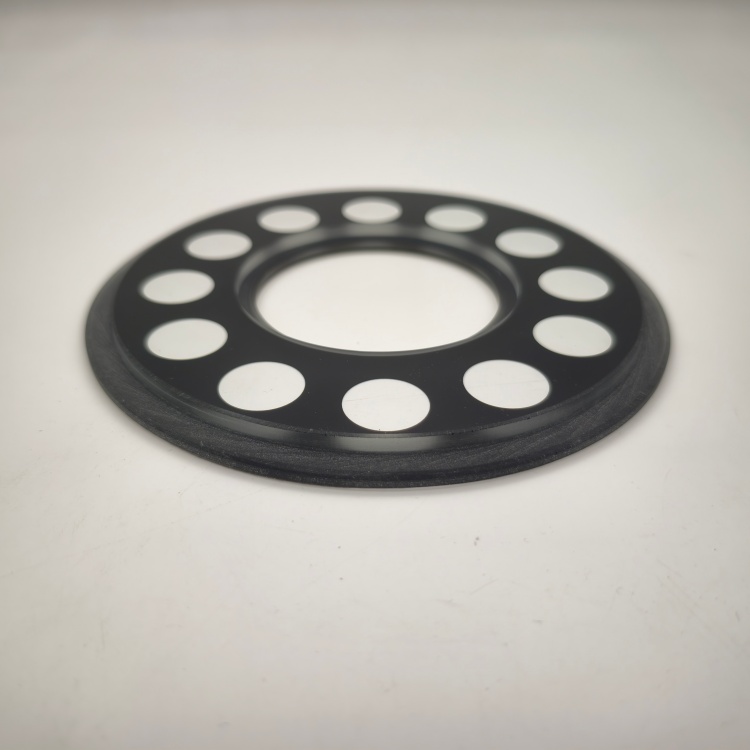
Factory Customized Round Hole Inner and Outer Double Step Edge Printed Tempered Glass for LED Lighting
Double-step edge, inner and outer round holes, and printed masking for LED fixture assembly where fit, light control and clean edges matter.
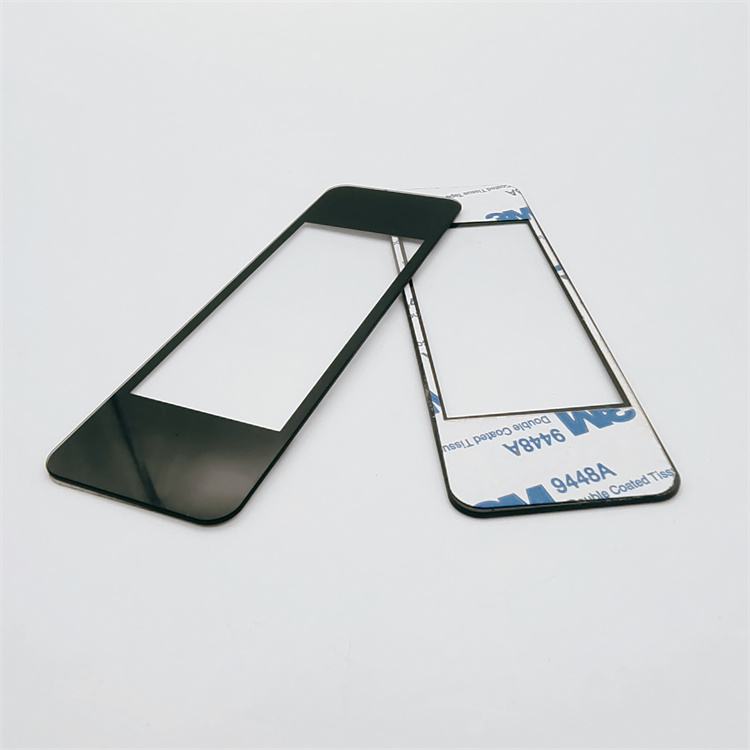
Ultra Thin 1mm Tempered Glass with 3M Tape for Screen Cover Glass
Thin tempered cover glass supplied with adhesive for compact display stacks, clean installation and reliable bonding in electronics assemblies.
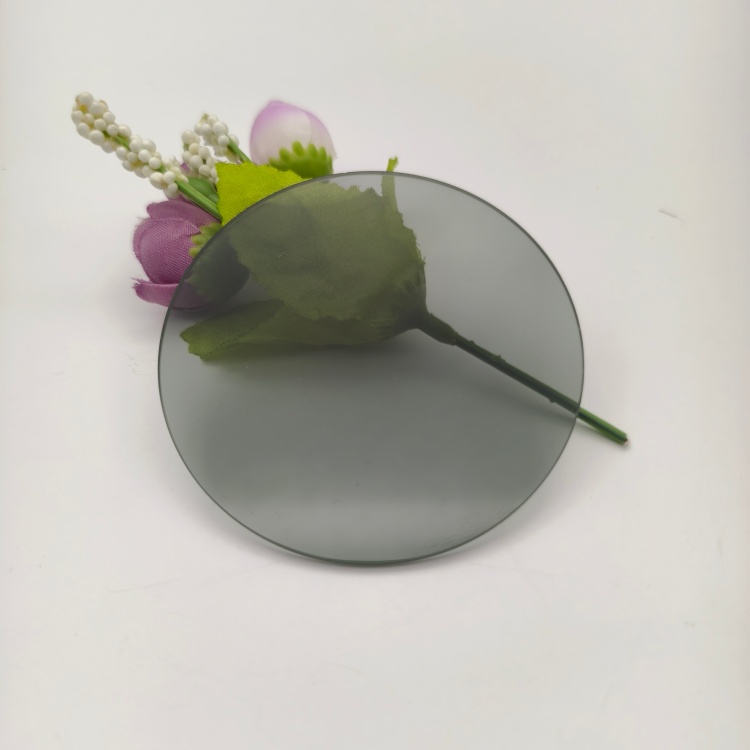
Factory Customized High Strength 2mm 3mm 4mm 5mm Tempered Black Glass Bulletproof & Decorative Flat Surface
Flat black tempered glass for decorative covers, control surfaces and protective panels that need uniform appearance and custom dimensions.
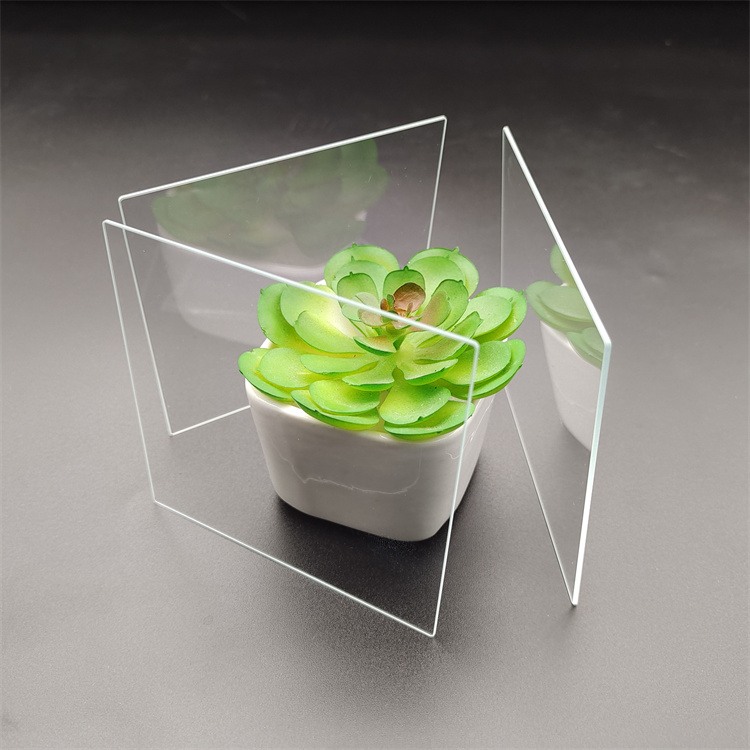
Custom 1mm 2mm 3mm 4mm 5mm Tempered Extra Clear Glass Panel for LCD Screen / LED Light / Electronic Appliance Cover
Low-iron appearance for display windows, LED fixtures and appliance covers where green tint and visible color shift must be minimized.
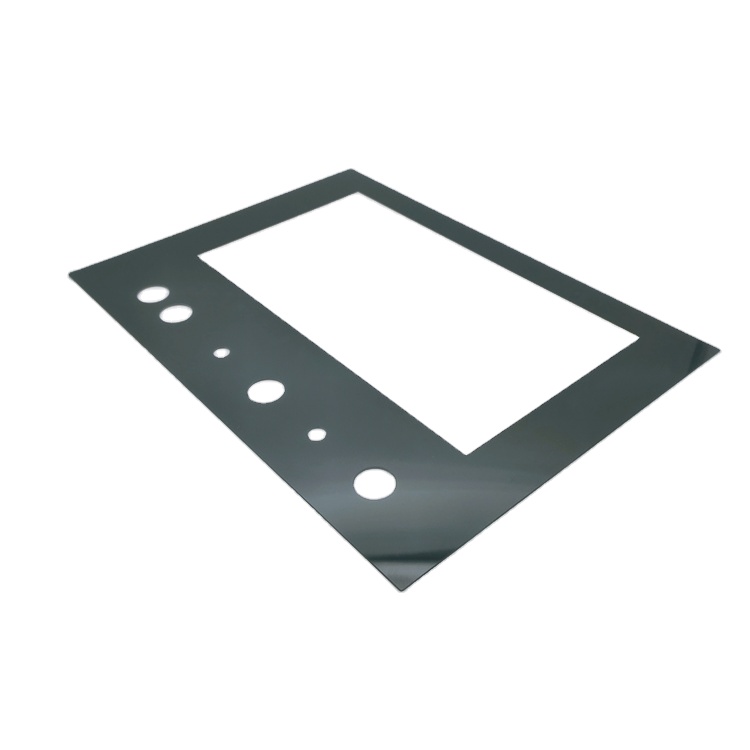
Customized Printed 0.5-6mm Thickness Flat Tempered Glass Screen Protector with Cut Holes
Combines printed graphics, transparent windows and CNC-cut holes for control panels, instruments and touch-enabled equipment covers.
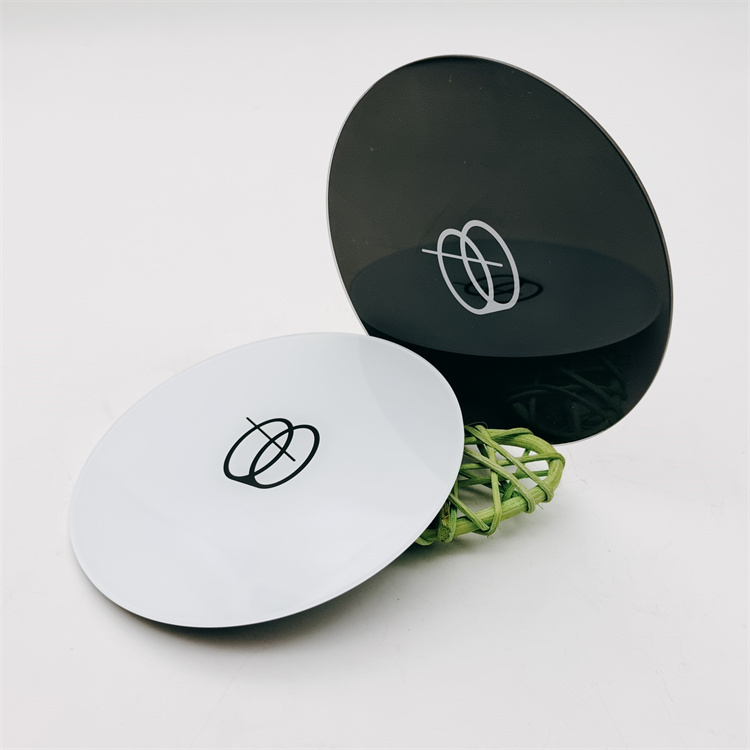
Black White Silk Screen Printing Toughened Glass Round Tempered Glass for Electric Appliance
Silk-screen printed glass for appliance control areas, indicator windows and branded fascia where color consistency supports product quality.
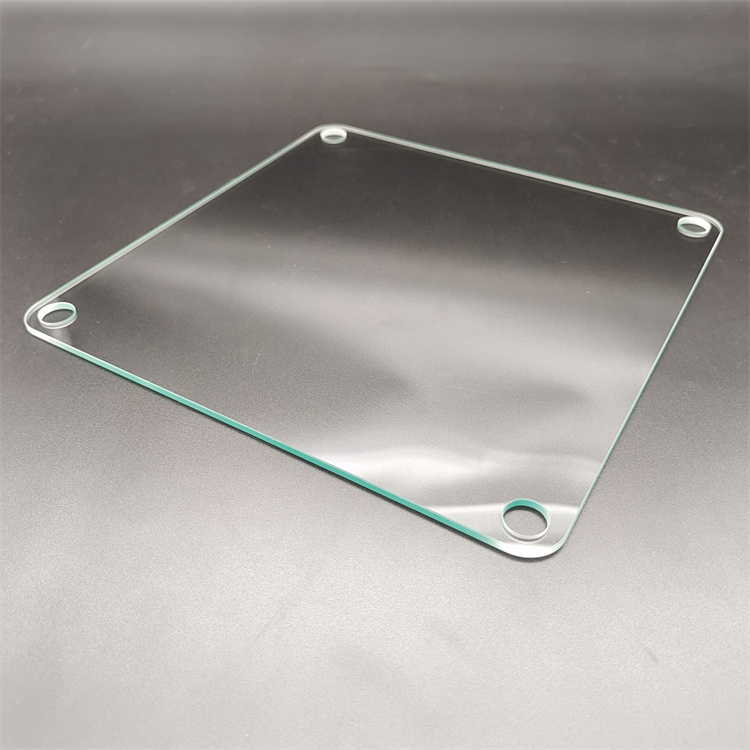
Factory Sale Customized Shape Decorative Glass Cover Hole Drilling Glass Panel Soda-lime Tempered Glass Sheet With Holes
Special-shape decorative cover glass with drilled holes for mounting, sensors and assembly, engineered around your drawing and edge requirements.
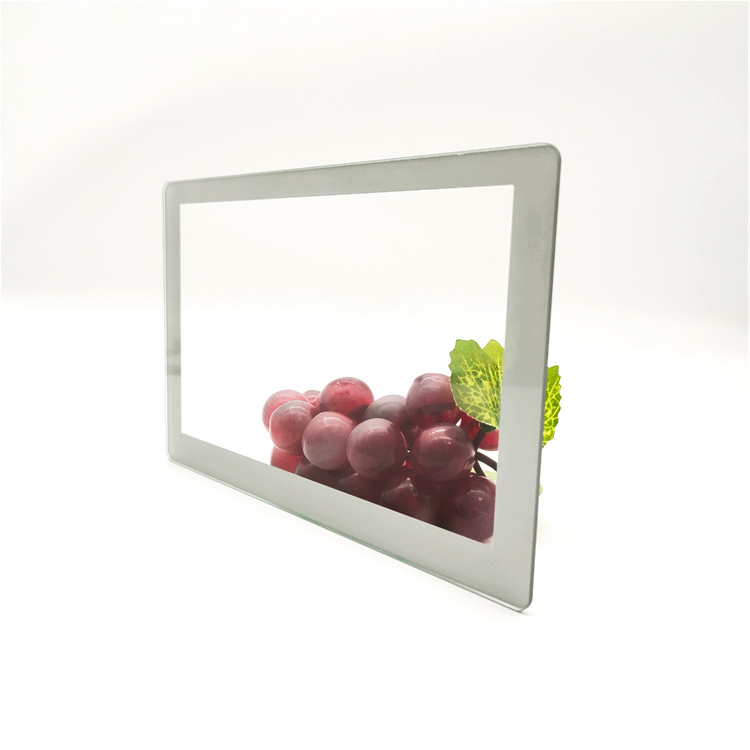
Customized High Strength Anti Glare Frosted Finish Tempered Glass LED/LCD Display Touch Panel for Monitor Screen Protector
Frosted anti-glare finish for bright rooms, lobbies, industrial stations and kiosks where reflected light reduces screen readability.
Where Aluminosilicate and Custom Cover Glass Fit in Memphis
Memphis is more than a freight hub. It is a working market for medical equipment, logistics technology, outdoor signage, appliance controls, HVAC interfaces and hospitality displays. That mix creates demand for glass covers that can survive handling, cleaning, heat and bright ambient light.
Medical & Diagnostic Display Windows
Optical clarity, cleanability and low reflection are central. For high-use equipment, a tempered low-iron or high-performance substrate with AR and AF treatment can improve readability and touch hygiene.
Warehouse & Logistics HMI
Forklift terminals, scan stations and warehouse kiosks need impact-resistant covers, anti-glare surfaces and printed borders that hide wiring while protecting displays.
Outdoor Kiosks & Digital Signage
Memphis sun, heat and river humidity make anti-glare and anti-fingerprint finishes valuable. Printed glass covers should also be reviewed for ink durability and moisture-resistant packing.
Appliance, HVAC & Smart Controls
Silk-screen or ceramic-printed glass panels bring scratch resistance and premium appearance to thermostats, appliance fascia, smart switches and equipment controls.
LED Lighting & Architectural Fixtures
Round, linear and drilled LED covers benefit from extra-clear glass, controlled printing and polished edges that support light output and clean fixture assembly.
Hospitality & Event Displays
Shared touchscreens and branded faceplates in hotels, venues and entertainment spaces benefit from anti-fingerprint coating, durable printing and repeatable color.
What Memphis Buyers Are Asking for in Custom Glass Programs
Across North America, the most competitive OEM programs are moving away from generic cover glass toward drawing-based specifications. For Memphis, the practical priorities are heat and humidity resilience, optical clarity, touch cleanliness and supply consistency.
Reshoring and Regional Assembly
As assembly moves closer to end markets, buyers need an exporter that can work from DXF, DWG or PDF drawings, confirm manufacturability, and keep tolerances consistent across repeat orders.
Hot-Humid Climate Readiness
Outdoor and semi-outdoor Memphis applications need attention to anti-glare treatment, edge quality, ink adhesion and packing that protects glass through multiple freight handoffs.
Touch Interfaces Everywhere
From logistics stations to patient-facing devices, touch surfaces are expected to resist fingerprints and clean easily. AF coating is often evaluated together with AR or AG finishes.
Higher-Mix, Lower-Volume Programs
Many OEM programs require multiple sizes and print variants, not one large commodity order. MOQ commonly starts at 100–500 pieces for custom items, depending on size, printing and coating.
Documentation Before Discounts
Professional buyers request drawings, material assumptions, edge and hole details, coating requirements and annual volumes before pricing. Clear inputs shorten engineering review and sampling.
Freight-Aware Packaging
Memphis is a multi-leg freight market. Interleaving, edge protection and export-packed cartons matter as much as glass quality when parts move from Dongguan to a U.S. assembly line.
Memphis Engineering Priority Indicators
Aluminosilicate vs Soda-Lime Glass: A Practical Buyer Matrix
The right substrate depends on thermal exposure, mechanical risk, optical targets and cost. The following comparison is written for engineering and procurement teams evaluating an OEM glass program for Memphis distribution, assembly or field service.
| Material / Feature | Best Fit | Trade-Off | Memphis Buying Note |
|---|---|---|---|
| Aluminosilicate Glass | High-heat lighting covers, industrial inspection windows, medical or laboratory equipment, applications needing strong thermal and chemical durability. | Often higher material cost than soda-lime glass; processing route and coating compatibility must be reviewed early. | Specify substrate, tempering or strengthening expectations, coating stack and cleaning chemicals during RFQ. |
| Soda-Lime Tempered Glass | Appliance panels, switch covers, LED fixtures, display covers and decorative glass where cost and volume matter. | Lower thermal endurance than high-performance aluminosilicate grades; edge and hole quality remain critical. | Use for many commercial covers when the application does not require elevated thermal performance. |
| Extra Clear / Low-Iron Glass | LCD and LED cover glass, premium appliance panels and display windows where color neutrality is important. | Still needs proper edge finishing and printing control to avoid visible color or reflection differences. | Pair with white or light-color printing when the edge tone must remain neutral. |
| AR Anti-Reflective | Medical monitors, industrial displays, camera windows and high-contrast screens. | Single- and double-sided options differ in performance; handling and cleaning guidance matter. | Use double-sided AR when maximum contrast and light transmission are required. |
| AG Anti-Glare | Outdoor kiosks, logistics HMIs, vehicle interfaces and signage in bright lobbies or sunlight. | Haze level must match viewing distance and pixel density; too much diffusion can soften fine detail. | Request samples under representative Memphis lighting before locking the finish. |
| AF Anti-Fingerprint | Touch panels, smart switches, POS terminals and shared interactive displays. | Surface coating needs compatible cleaning practice; it is often combined with AR or AG. | For high-traffic touch surfaces, evaluate AF as a final top layer rather than a substitute for durability. |
Final substrate, coating and tempering choices should be confirmed through sample testing because optical values, print appearance and mechanical performance depend on thickness, glass composition and the full coating stack.
OEM Selection Matrix for Memphis Use Cases
Use this matrix as an early RFQ checklist. Jaswe Glass can review the drawing, annual volume and assembly environment before recommending a process route.
| Memphis Use Case | Recommended Glass Approach | Critical Finish / Feature | Procurement Input Needed |
|---|---|---|---|
| Medical equipment display window | 0.7–3 mm low-iron or high-performance substrate with tempered or strengthened option | AR + AF, polished edges, controlled flatness, clean packing | Viewing area, cleaning chemicals, coating side, annual quantity |
| Warehouse scanner / forklift HMI | 1–4 mm tempered cover glass with printed border | AG + AF, high-strength edge, CNC holes for buttons or sensors | Impact risk, display stack, hole positions, drop-test expectation |
| Outdoor kiosk / digital signage | 2–5 mm tempered glass, optional low-iron substrate | AG finish, UV-stable printing, moisture-aware packaging | Sun exposure, enclosure design, haze preference, shipping route |
| HVAC / thermostat / smart switch | 0.5–2 mm printed glass with adhesive or mechanical mounting | Silk-screen or ceramic print, AF touch surface | Pantone colors, transparent windows, adhesive type, tolerance |
| LED lighting cover | 1–6 mm extra-clear tempered glass | Round or linear cut, holes, step edge, black or white border print | Thermal load, light transmission target, fixture dimensions |
| Appliance touch fascia | 1–5 mm tempered or chemically strengthened glass | Multi-color print, display window, AF or AG + AF | Brand colors, touch sensor layout, cleaning method, volume |



Built in Dongguan, Aligned with Memphis Procurement
Dongguan Jaswe Glass Co., Ltd. is a glass processing company based in Dongguan, Guangdong, China. The company processes custom tempered glass, ultra-clear glass, silk-screen printed glass, AR / AG / AF coated glass, touch screen cover glass, switch glass, electrical equipment glass and LED lighting glass for buyers in America, Europe and Asia. For a Memphis OEM or wholesaler, that means access to an export-oriented custom processing partner rather than a narrow stock catalog.
Most of the 80+ operators have over eight years of hands-on glass processing experience. In-house steps include cutting, special-shaped and CNC cutting, edge polishing, hole drilling, tempering, silk-screen and ceramic printing, AG processing, and AR / AF coating. Keeping these steps under one roof helps shorten lead time and reduces the quality gaps that can appear when glass moves between subcontractors.
“Scientific management, careful manufacture, high quality service, striving for excellence.”
Recorded company facts include 51–100 employees, annual revenue of US$2.5M–US$5M, 26 glass processing machines including a tempering furnace, and monthly output above 200,000 pieces of processed glass. The business is also shown as on-site verified for six years, with third-party trade platform data supporting response and repeat-order performance. For buyers who need a custom OEM glass exporter and wholesale supply route to Memphis, these indicators are more useful than a single price list.
Four Steps for a Custom Glass Order
A practical workflow for overseas buyers who need predictable engineering communication, sample approval and production consistency.
Send Requirements
Share DXF, DWG or PDF drawings with thickness, outline, holes, edge type, printing colors, coating target, application and annual quantity.
Engineering Review
Review manufacturability, process route, substrate assumptions and potential risks before sampling or quotation.
Sample Approval
Evaluate fit, color, transparency, coating appearance and edge finish under conditions that represent the final Memphis use environment.
Production & Export Packing
Batch production with inspection at key stages, followed by interleaved, edge-protected packing for multi-leg freight.
Questions Local Buyers Ask Before Ordering Custom Aluminosilicate Glass
These answers are written for Memphis-area OEMs, distributors, engineering teams and wholesale buyers comparing custom glass suppliers.
Can Jaswe Glass process aluminosilicate glass and other high-performance substrates for Memphis OEMs?
Jaswe Glass processes custom glass from 0.2 mm up to 19 mm flat tempered glass, with cutting, CNC shaping, edge polishing, hole drilling, tempering, printing and AR / AG / AF coating carried out in-house. For aluminosilicate or other high-performance programs, the engineering team reviews the substrate, strengthening or tempering route, coating compatibility and cleaning environment before sampling. This prevents a specification that looks correct on paper but fails during assembly or field cleaning.
What is the typical minimum order quantity for custom glass sent to Memphis?
Most custom items start at 100 to 500 pieces, depending on size, printing, holes and coating. Standard clear tempered pieces can sometimes be supplied in smaller sample quantities for evaluation. For a Memphis distributor serving multiple OEM accounts, it is often more practical to combine several related sizes or print variants into one production plan after sample approval.
How do Memphis buyers choose between AR, AG and AF glass?
AR anti-reflective coating reduces surface reflection and can increase contrast and light transmission. AG anti-glare treatment diffuses reflected light so a screen remains readable under bright ambient light. AF anti-fingerprint coating is an oleophobic top layer that resists smudges on touch surfaces. They can be combined. For an outdoor kiosk in Memphis, AG + AF is common; for a high-contrast medical display, AR may be more important; for a shared touch interface, AF should be considered as the final surface layer.
What information is needed for a fast custom glass quotation?
Send a drawing in DXF, DWG or PDF, the glass thickness, outline dimensions, hole and cut-out positions, edge style, printing colors or Pantone references, transparent window size, coating requirement, application, cleaning chemicals if relevant, and estimated annual quantity. If you have a target sample date or delivery window for Memphis, include that as well. Complete inputs reduce back-and-forth and allow a more useful engineering review.
How are holes, edges and printed windows controlled for repeat orders?
Control starts with the approved drawing and sample. Holes and cut-outs are CNC processed, edges are selected according to handling and appearance requirements, and printing is matched against approved color or artwork references. During production, inspection is performed at key stages before packing. Buyers should approve the final drawing revision and keep the same revision for reorders to avoid subtle changes in hole position, border width or window opening.
What packaging is recommended for export shipments to Memphis?
Glass parts should be interleaved and edge-protected, then packed in export-grade cartons suitable for multi-leg freight. For thin glass, printed windows, coated surfaces or large panels, discuss the packing method during quotation. Memphis buyers often receive goods through freight hubs, so packaging that protects edges and prevents surface abrasion is important. If your assembly line uses returnable racks or special trays, share those specifications before production.
Can you support samples before a wholesale production order?
Yes. Sampling is the normal route for custom projects. After engineering review, samples can be made for fit, color, optical appearance, edge finish and hole placement. For AR, AG or AF products, sample evaluation under realistic lighting is strongly recommended because coating appearance changes with viewing conditions, screen brightness and surrounding light.
How does an OEM exporter compare with a local Memphis distributor?
A local distributor can be useful for stocked sizes and quick availability. A custom OEM exporter is better suited to drawing-specific programs where glass thickness, printing, holes, edges and coatings must be aligned with an assembly. Jaswe Glass focuses on custom processing and export communication, with an engineering review step before samples. For Memphis buyers, the best model is often to validate a custom part with the factory and then plan repeat orders around forecast volumes.
Send Your Drawing for a Memphis OEM Glass Review
Share your aluminosilicate or custom cover glass requirements: thickness, drawing, edge and hole details, printing, AR / AG / AF coating and estimated annual volume. Our engineers will review manufacturability before sampling.
info@jasweglass.com