Custom OEM Ceramic Printed Glass Factories & Factory in the Fort Worth market
An engineer-led guide for Fort Worth OEMs sourcing custom ceramic printed tempered glass, AR / AG / AF coated cover glass, touch-panel glass, LED lighting glass and production-ready control-panel components.
8 OEM Ceramic Printed Glass Products for Fort Worth Buyers
These product families are relevant to Fort Worth manufacturers, assemblers and brand owners that need custom cover glass with printed graphics, touch windows, LED apertures, optical coatings or adhesive-ready assembly features. All items are quoted to drawing and application requirements.

Customized Small Size 3mm 4mm 5mm 6mm Beveled Edge Tempered Glass
Compact, edge-safe tempered glass for instrument windows, switch clusters and control-panel covers that require a clean beveled perimeter.
Get Catalog
Custom Printed Tempered Glass Panel High Strength Decorative Cover with Hole for Card Reader Instrument
High-strength decorative glass with a drilled reader opening for payment terminals, access-control devices and self-service kiosk instruments.
Get Catalog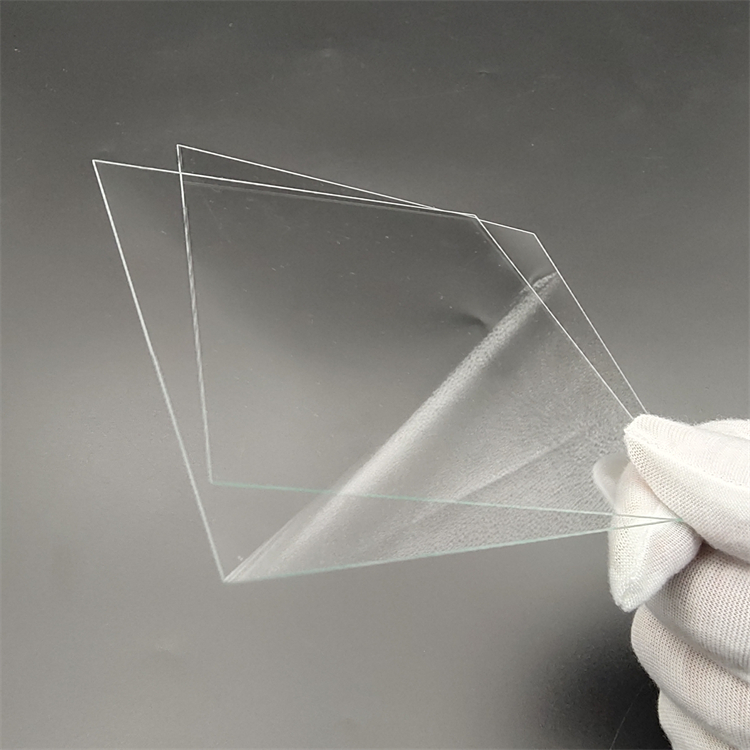
Customized Ultra Clear 0.5mm 0.7mm Thickness Ultra Thin Tempered Glass
Low-iron ultra-thin cover glass for high-clarity touch surfaces, compact display stacks and lightweight electronic assemblies.
Get Catalog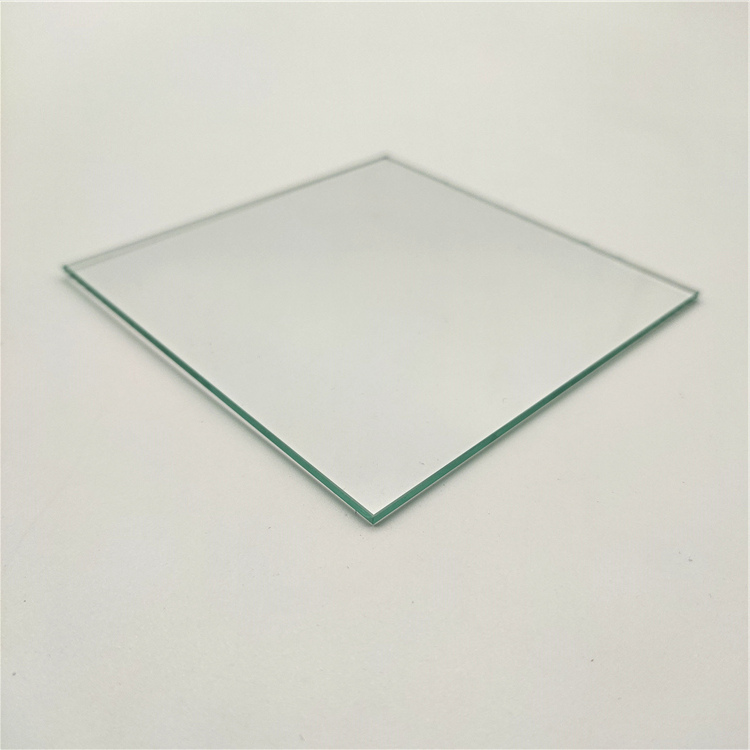
Fast Delivery Custom 1mm clear Glass Sheet
Clear 1 mm glass sheets for engineering builds, display windows and protective covers. Can be paired with edge polishing and printed borders.
Get Catalog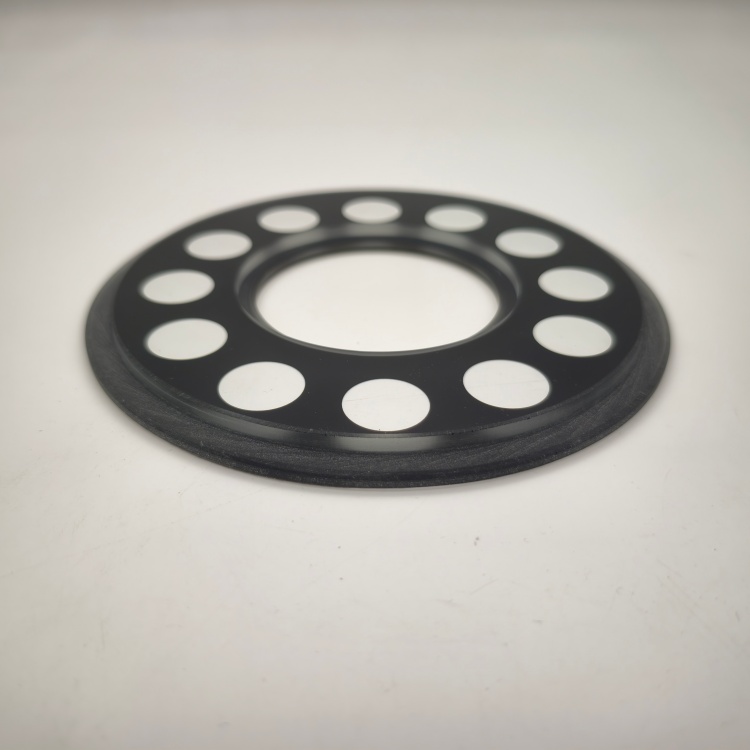
Factory Customized Round Hole Inner and Outer Double Step Edge Printed Tempered Glass for LED Lighting
Step-edge LED cover glass with a precise round aperture for architectural downlights, outdoor luminaires and fixture assemblies.
Get Catalog
Small Size Ultra Thin 0.5mm 0.7mm 1mm Tempered Glass Panel With Adhesive Tape for Screen Protection
Adhesive-backed tempered glass for smart switches, screen protection and small control windows where assembly speed matters.
Get Catalog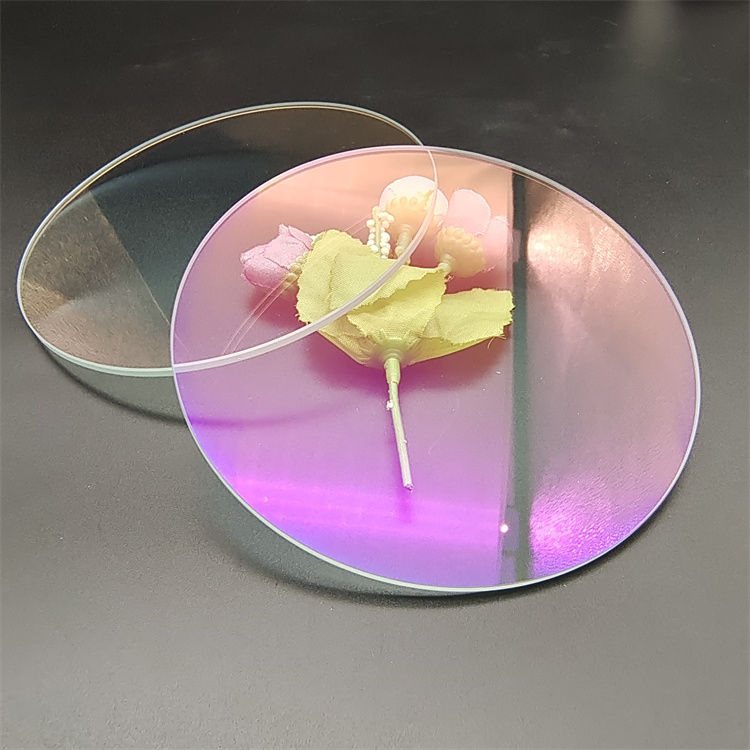
Premium Quality Ultra Clear Anti Reflective Solid High Strength 1mm 2mm 3mm 4mm 5mm 6mm Flat Tempered Glass Coating
AR-coated flat tempered glass for bright indoor HMIs and outdoor interfaces where reflection control and image contrast are critical.
Get Catalog
Custom Extra White 0.5mm 1mm 1.5mm 2mm Low Iron Tempered Glass Chemical Strengthened
Extra-white low-iron glass with chemical strengthening for true color, high transmission and premium appliance or medical interfaces.
Get CatalogWhat Fort Worth Buyers Should Look for in a Custom Ceramic Printed Glass Factory
The Fort Worth market is part of the wider Dallas–Fort Worth manufacturing and logistics corridor. Local OEMs often need a factory partner that can combine ceramic printing, tempering, CNC shaping, optical coating and export packing under one quality system.
Jaswe Glass’s production data and trade-platform performance are useful for Fort Worth buyers who are comparing factories rather than trading companies. The important question is not simply “who sells printed glass,” but who can control printing, tempering, edge work, holes, coatings and packing in one process route. That control becomes especially important when a Fort Worth product team is sourcing a printed cover for a kiosk, HVAC controller, medical display, LED fixture or industrial instrument.
What Is OEM Ceramic Printed Glass?
Ceramic printed glass is made by printing a ceramic frit onto glass, then fusing that print during a high-temperature process. The result is a durable graphic layer that can include brand color, icons, borders, display windows and light-blocking masks.
Ceramic Frit Printing
Printed ink can be fused for color durability and a premium surface finish. Pantone matching, multi-color graphics and transparent windows can be reviewed against the drawing.
Tempering & Strength
Tempering improves impact resistance and safer breakage behavior. For ultra-thin electronic glass, chemical strengthening may also be specified.
Edge & Hole Finishing
Beveled, pencil, flat, stepped and matte edges can be paired with drilled holes, countersinks and cut-outs for buttons, sensors and fasteners.
AR Anti-Reflective
AR coating reduces surface reflection and raises transmittance, helping Fort Worth display products remain readable in bright showrooms, clinics and industrial cells.
AG Anti-Glare
AG treatment diffuses reflected light. It is useful for outdoor kiosks, digital signage and vehicle or industrial HMIs exposed to strong sunlight.
AF Anti-Fingerprint
An oleophobic AF layer improves touch feel and reduces smudges on capacitive touch panels, smart switches, POS terminals and public interfaces.
Ceramic Printed Glass Applications in the Fort Worth Market
Fort Worth’s OEM landscape includes electronics, energy equipment, medical devices, building controls, restaurant systems, retail kiosks, lighting fixtures and industrial instruments. These local applications shape the glass specification more than a generic catalog sheet can.
Outdoor Kiosks & Digital Signage
For Fort Worth venues, walkways and service areas exposed to sun, AR or AG glass can reduce glare while ceramic printing hides wiring and frames.

Industrial HMI & Energy Equipment
Printed glass panels with holes and windows are used on control interfaces around AllianceTexas, manufacturing plants and energy equipment enclosures.
Medical, Lab & Diagnostic Displays
Low-iron, AR-coated and AF-treated glass supports cleanable, high-clarity interfaces for Fort Worth’s medical, laboratory and diagnostic equipment sector.
Smart Building & HVAC Controls
Adhesive-backed printed glass can simplify assembly for thermostats, wall switches and commercial HVAC controllers used across Fort Worth construction projects.
LED Lighting & Architectural Fixtures
Round holes, step edges and ceramic borders help LED fixture makers manage light diffusion, appearance and heat-resistant front covers.
Retail POS, Restaurant & Hospitality
Printed decorative covers, card-reader windows and AF touch surfaces fit Fort Worth’s restaurant, retail and hospitality technology installers.
Fort Worth Market Trends Affecting Ceramic Printed Glass Specifications
Glare Control Is Specified Earlier
North Texas sunlight and bright indoor lighting push design teams to consider AG or AR glass during the concept stage, not after the first display prototype fails readability tests.
Low-Volume, High-Mix OEM Runs
Fort Worth product teams often manage multiple SKUs and shorter production windows. A factory that can handle mixed sizes, colors, holes and coatings becomes more valuable than a single-product supplier.
Dual Sourcing & Supply Resilience
Buyers want clear process control, samples, export packing and predictable communication. Factory-direct technical review reduces the risk that a printed glass order becomes a black-box import.
Premium Touch Replacing Plastic
Ceramic printed glass is being used on appliance controls, smart switches and instrumentation because it offers a premium feel, scratch resistance and stable printed color.



Why Jaswe Glass Is a Practical Custom OEM Glass Factory for Fort Worth Projects
Dongguan Jaswe Glass Co., Ltd. is an export-focused glass processing manufacturer serving buyers in America, Europe and Asia. For the Fort Worth market, the working model is factory-direct production in Dongguan combined with export packing and freight coordination to DFW or the buyer’s chosen logistics hub.
The value is in the in-house process chain: cutting, special-shaped and CNC cutting, edge polishing, hole drilling, tempering, silk screen and ceramic printing, AG processing, and AR / AF coating. Keeping these steps under one roof helps reduce the quality gaps that can appear when printed glass moves between unrelated subcontractors.
Most of the 80+ operators have more than eight years of hands-on glass processing experience. That matters on tight-tolerance projects such as ultra-thin 0.2 mm cover glass, multi-color printing with transparent windows and step-edge LED glass with round apertures.
Ceramic Printed Glass Selection Matrix for Fort Worth OEMs
Use this matrix as an early engineering reference. Final optical values, tolerances and print performance should be confirmed against the drawing, substrate and sample approval.
| Glass Construction | Printed Function | Typical Fort Worth Use | Engineering Note |
|---|---|---|---|
| Ceramic printed tempered display cover | Logo, icons, borders, light-blocking mask | Industrial HMI, appliance controls, instrument windows | Specify ink side, transparent window size and color tolerance before sampling. |
| Ceramic print + AR coating | Printed graphics with low reflection | Bright showroom displays, medical monitors, outdoor kiosks | Double-sided AR can produce the largest contrast gain where budget allows. |
| Ceramic print + AG treatment | Diffused surface with printed masking | Sun-facing digital signage, vehicle HMIs, outdoor equipment | Select gloss or haze level according to viewing distance and screen resolution. |
| Ultra-thin low-iron glass with adhesive | Printed switch icons or display window | Smart switches, compact controllers, screen protection | Validate adhesive compatibility and assembly surface before mass production. |
| Step-edge LED cover glass | Ceramic border, aperture masking, decorative print | Downlights, linear fixtures, wall washers, architectural lighting | Define step dimensions, round-hole tolerance and edge finish on the drawing. |
For projects with combined AR, AG and AF requirements, request a sample stack so the Fort Worth design team can evaluate reflection, haze, fingerprint resistance and print color together.
From Drawing to Fort Worth Delivery: A Six-Step Custom Glass Process
Send RFQ Details
Share a DXF, DWG or PDF drawing, thickness, application, edge type, print colors, coating requirements and estimated annual volume.
Engineering Review
The factory reviews manufacturability, tolerance stack-up, glass size, hole placement and printing window before quoting.
Print & Color Proof
Pantone references, artwork files and transparent window dimensions are checked to reduce color and alignment surprises.
Sample Approval
Physical samples help the Fort Worth team confirm fit, appearance, touch feel, AR or AG performance and edge quality.
Mass Production
Batch production is inspected at cutting, edging, drilling, tempering, printing and coating stages before packing.
Export Packing & DFW Logistics
Interleaved, edge-protected export packing supports safe transit. The factory coordinates with the buyer’s freight forwarder for air or sea movement to DFW.
Quality Checkpoints Before a Fort Worth Delivery
For custom printed glass, quality is not a single final inspection. It is a sequence of checks from incoming glass to packing.
Incoming Glass Checks
Thickness, surface quality and substrate suitability are reviewed before cutting and printing.
CNC & Edge Inspection
Outline dimensions, hole positions, edge chips and bevel quality are checked against the drawing.
Tempering Control
Process parameters are monitored so the finished part meets the intended strength and breakage behavior.
Print Color & Alignment
Printed logos, icons, borders and display windows are compared with approved artwork and samples.
Coating Visual Review
AR, AG and AF surfaces are checked for appearance, handling marks and consistency before final packing.
Export Packing Verification
Interleaving, edge protection and carton labeling are reviewed to reduce transit damage to printed surfaces.
Shipping, Landed Cost and Purchasing Notes for Fort Worth Buyers
Shipping custom glass to Fort Worth is not only a freight question. It affects packing design, order quantity, damage risk and the total landed cost. Buyers should clarify Incoterms, port of departure, freight method and customs responsibilities before production begins. Air freight is often used for samples or urgent engineering builds; ocean freight is more economical for planned production volumes. A Fort Worth importer may route cargo through DFW Airport, or through a West Coast port followed by rail or truck into the Dallas–Fort Worth metroplex.
For ceramic printed glass, packaging must protect both the edges and the printed or coated surface. Interleaved layers, edge protection and stable cartons are essential. When a buyer is combining several SKUs, sharing a single production plan can reduce handling and improve consistency. Tariffs, duties and customs classification should be confirmed with the importer’s customs broker; the factory can provide export documents and packing details for that review.
Common Local Procurement Questions
Is there a Jaswe ceramic printed glass factory or warehouse in Fort Worth?
What is ceramic printed glass, and how is it different from ordinary silk-screen glass?
What thicknesses can be made for Fort Worth OEM projects?
What is the minimum order quantity for custom ceramic printed glass?
Can you print Pantone colors, icons and transparent display windows?
Which coating should be used for bright Fort Worth sunlight or glare?
What drawing information should a Fort Worth buyer send?
How do samples and production orders ship to Fort Worth?
Can the factory support holes, stepped edges, adhesive tape and custom shapes?
How quickly can my team receive an engineering response?
Have a Drawing Ready for the Fort Worth Market?
Send your glass size, thickness, ceramic print artwork, coating requirement and estimated annual volume. The engineering team will review manufacturability and recommend a practical process route for sampling and production.
info@jasweglass.com · Dongguan Jaswe Glass Co., Ltd.