What Makes a Coated Glass Factory Right for Seattle?
Seattle is not a price-only market. Product teams here evaluate coated glass as a functional component: optical clarity, glare control, fingerprint resistance, print durability, edge quality, packaging protection and repeat-order consistency all matter.
When buyers compare custom OEM coated glass factories, the usual quotation compares thickness and unit price. That is not enough for a Pacific Northwest hardware program. A display window used in a wet outdoor enclosure near Puget Sound has a different failure profile from a printed smart-switch panel in a Bellevue hotel or an AR-coated instrument display in a Redmond laboratory. The right factory must connect substrate choice, CNC tolerance, edge finishing, tempering, silk-screen printing, AR/AG/AF coating and export packing into one controlled process route.
This guide is written from the production and export perspective of Dongguan Jaswe Glass Co., Ltd., a glass processing factory in Dongguan, Guangdong, China, supplying tempered glass, electronic display glass, touch screen glass, silk-screen printed glass, switch glass, AR/AG/AF coated glass, electrical equipment glass and LED lighting glass to buyers in America, Europe and Asia. It is structured as a practical specification paper for Seattle-area OEMs that need factory-direct customization without losing control of quality, documentation and reorder consistency.
Information gain for Seattle buyers: most supplier pages list a thickness range. A production-ready RFQ must also define the optical stack, printed window tolerance, edge profile, hole concentricity, adhesive option, incoming-inspection checklist, packaging method and change-control process. A factory that can hold these variables across reorders is more valuable than a trading company that only brokers glass from multiple workshops.
Eight OEM Coated Glass Products for Seattle Product Teams
These product families cover the most common Seattle-area requests: industrial display windows, compact screen protection, printed appliance panels, smart switch glass, low-iron display covers and high-strength instrument covers.
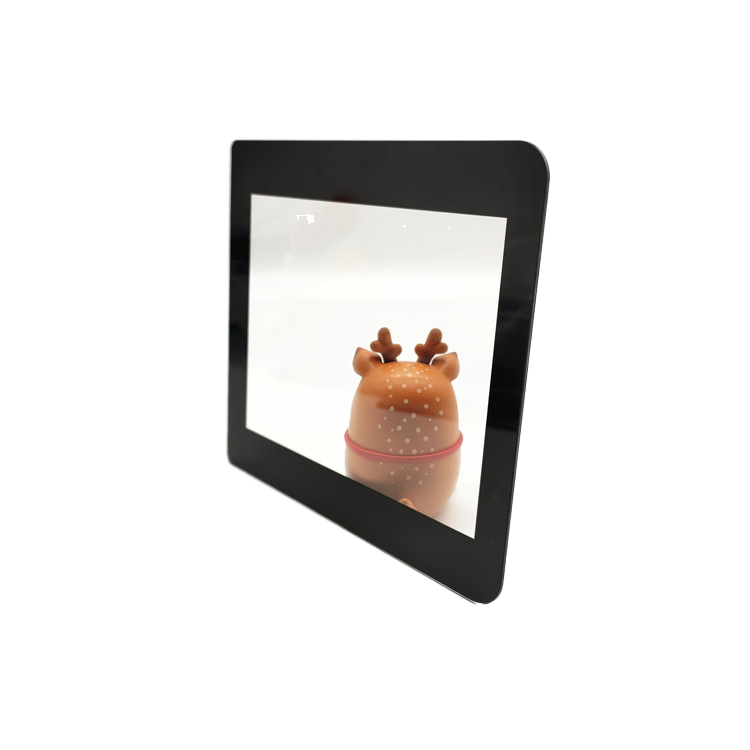
Industrial Use Electronic Glass 1mm/2mm/3mm/4mm Tempered Glass Display Screen Window Protection Cover
A practical tempered glass cover for industrial HMI enclosures, meter windows and display protection. Seattle instrument builders should specify edge polish, printed black masking and flatness requirements for gasket sealing.
- Seattle fit: factory, lab and outdoor cabinet displays
- OEM options: CNC cut, holes, edge polish, printing
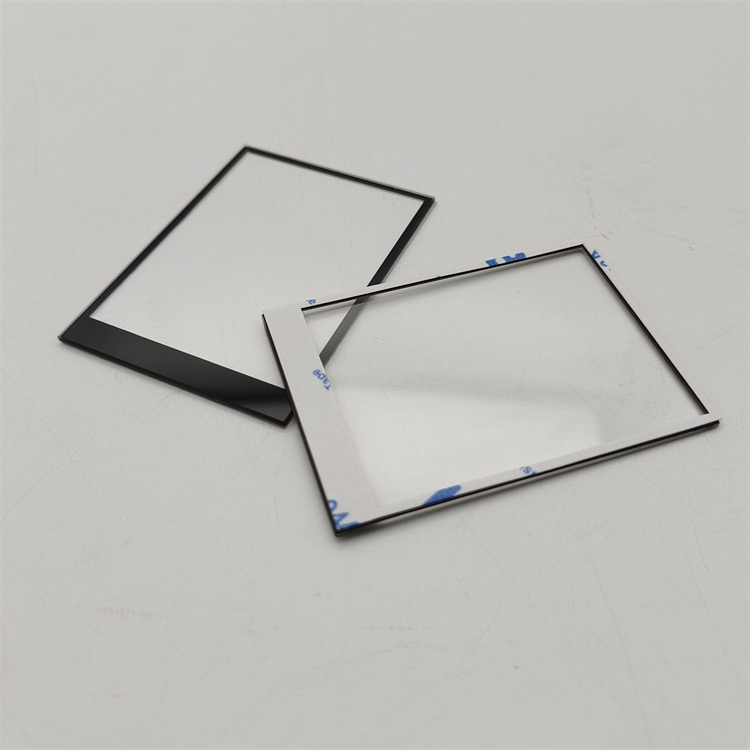
Small Size Ultra Thin 0.5mm 0.7mm 1mm Tempered Glass Panel With Adhesive Tape for Screen Protection
Compact glass with adhesive tape for small displays, control panels and space-constrained electronic devices. Adhesive choice should be validated against enclosure material, cleaning chemicals and humidity cycling.
- Seattle fit: compact controls, portable devices, sensors
- OEM options: adhesive, print, precise outline
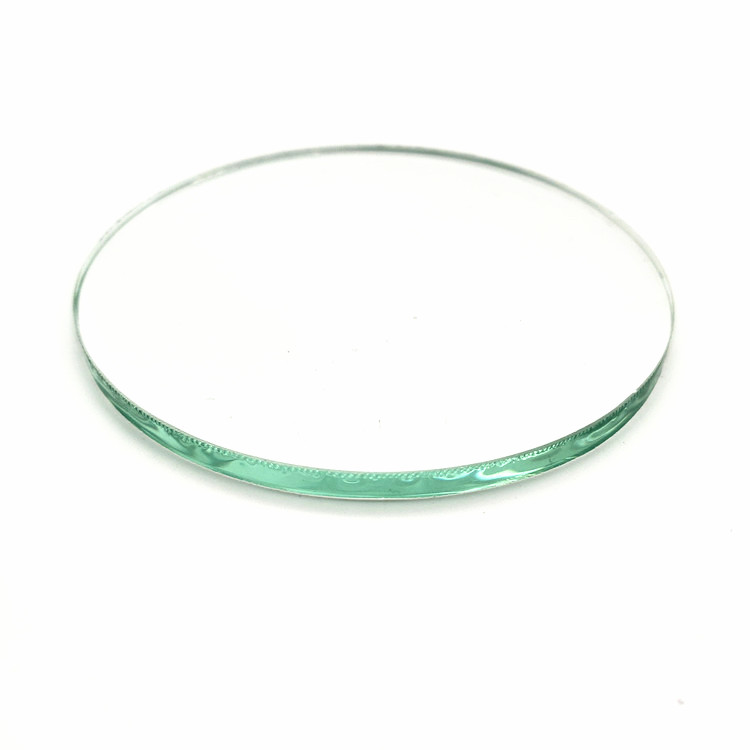
Customized Clear Flat Solid Tempered Glass Pieces 1mm-19mm for Industrial Lighting and Various Applications
Clear flat tempered glass for lighting fixtures, machine guards, sensor windows and general equipment covers. For color-critical LED fixtures, choose low-iron glass and define edge finish before sampling.
- Seattle fit: LED fixtures, equipment windows, guards
- OEM options: 1–19 mm, custom shape, holes
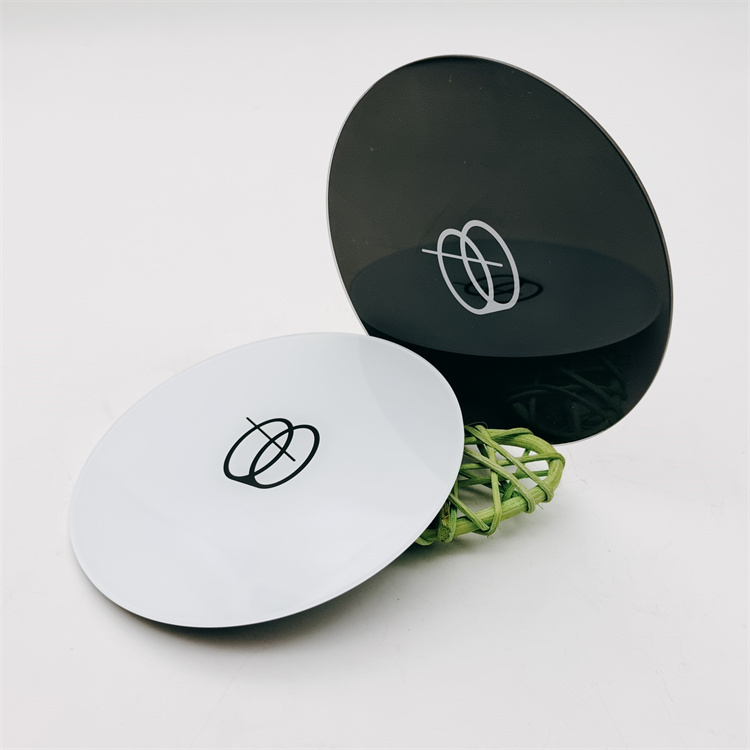
Black White Silk Screen Printing Toughened Glass Round Tempered Glass for Electric Appliance
Silk-screen printed round tempered glass for appliance control surfaces and equipment panels. Send Pantone references, transparent-window dimensions and ink durability requirements with the drawing.
- Seattle fit: coffee equipment, appliance panels, controls
- OEM options: multi-color print, window, round shape
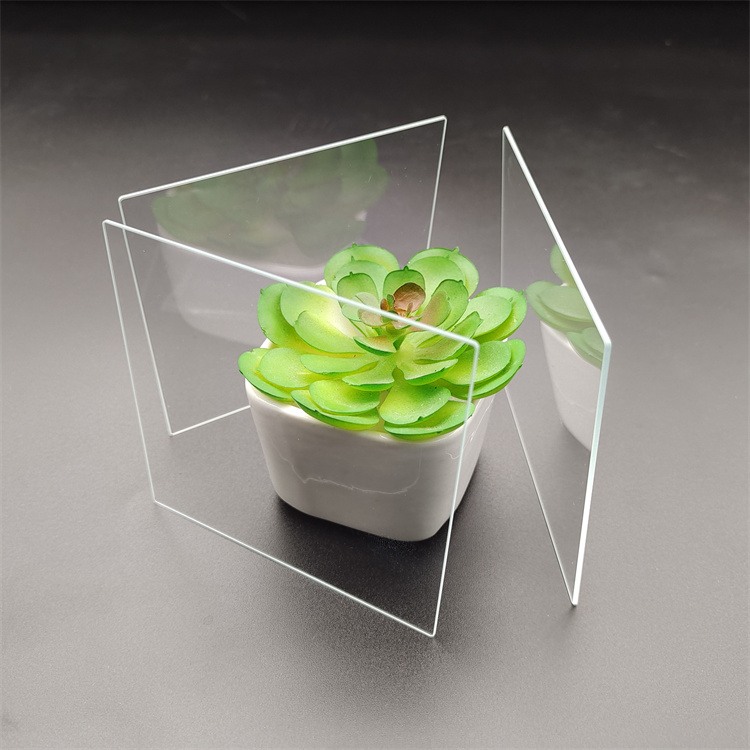
Custom 1mm 2mm 3mm 4mm 5mm Tempered Extra Clear Glass Panel for LCD Screen / LED Light / Electronic Appliance Cover
Low-iron extra-clear tempered glass for LCD covers, LED lighting and electronic appliance windows. Combine with AR, AG or AF treatment when reflection, glare or fingerprints affect user experience.
- Seattle fit: consumer devices, smart home, LED products
- OEM options: AR/AG/AF, print, holes, custom size
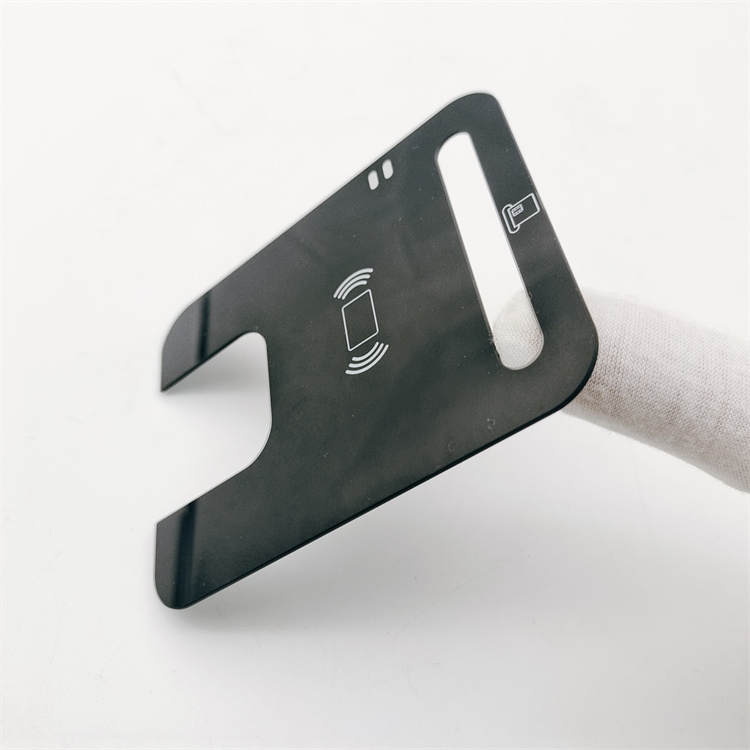
Custom Printed Tempered Glass Panel High Strength Decorative Cover with Hole for Card Reader Instrument
Printed tempered glass cover with drilled openings for card readers, access-control terminals and instrument interfaces. Specify hole position tolerance and ink coverage around the opening.
- Seattle fit: payment terminals, access control, instruments
- OEM options: holes, decorative print, high-strength glass
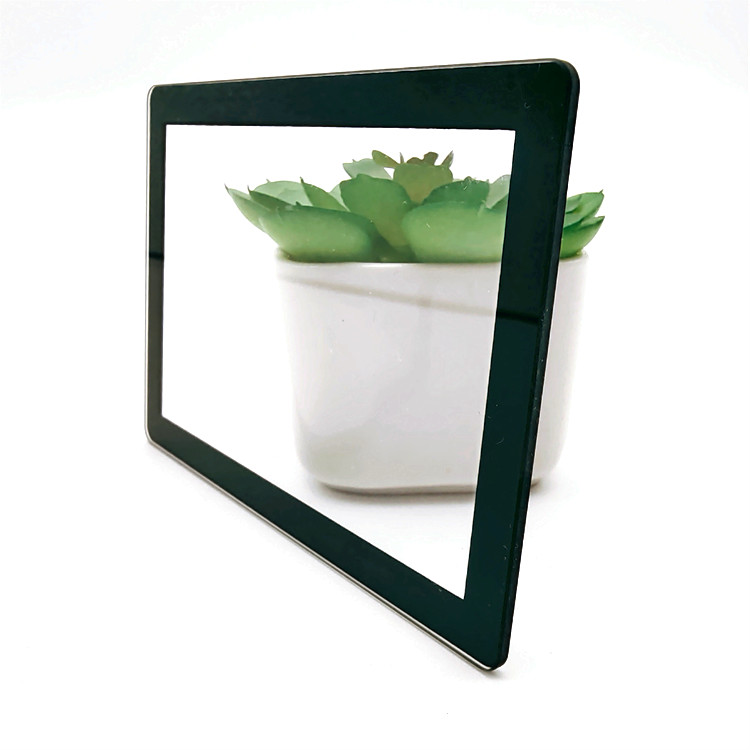
High Quality 0.5mm-6mm Solid Industrial Display Screen Tempered Glass with Printed Design High Strength & Bulletproof Protection
Industrial display glass with printed design options for rugged equipment faces, outdoor enclosures and control panels. For safety-rated applications, request documented test criteria before relying on high-strength or bulletproof wording.
- Seattle fit: outdoor HMI, equipment enclosures, industrial displays
- OEM options: print, thickness selection, strengthened glass
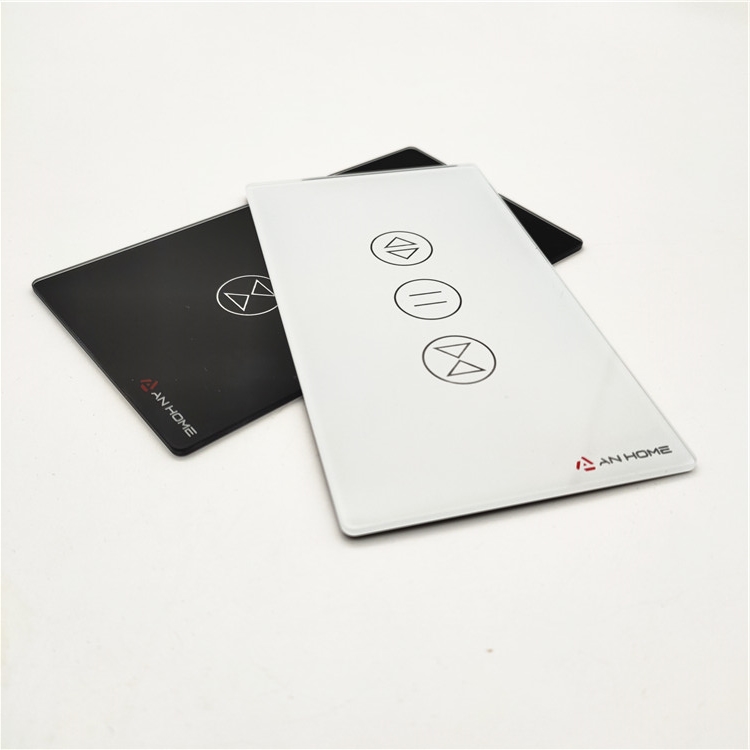
Home Smart WiFi Remote Control Touch Tempered Glass Screen-Printed Glass Switch Glass Panels Curtain Control Glass
Printed tempered glass switch panels for smart home, hospitality and curtain-control systems. AF coating improves fingerprint resistance; icon durability and touch-window alignment should be checked on the approved sample.
- Seattle fit: smart buildings, hotels, residential automation
- OEM options: printed icons, AF coating, custom shapes
Where Coated Glass Performs in Seattle and the Pacific Northwest
Seattle’s mix of technology, marine, aerospace, foodservice, medical and smart-building industries creates specific glass requirements that are not always captured by a generic catalog.
Outdoor EV Charging & Curbside Kiosks
Rain, low-angle winter sun and frequent touch make AG + AF combinations attractive. Anti-glare diffusion reduces harsh reflections; anti-fingerprint treatment improves cleaning. For high-brightness displays, AR coating can improve contrast and light transmission.
Marine, Waterfront & Dock Electronics
Puget Sound humidity and waterfront exposure demand careful material validation. Specify edge quality, print ink robustness and coating adhesion, then agree on environmental test criteria before production. Glass itself is durable, but printed inks and coatings need application-specific validation.
Coffee, Foodservice & Appliance Controls
Seattle’s coffee culture and hospitality equipment market favors printed glass panels that resist daily cleaning and repeated touch. Use silk-screen or ceramic printing for icons and windows, and consider AF coating on high-touch surfaces.
Medical, Lab & Life Science Instruments
Display readability and cleanability matter in laboratories and medical device enclosures. AR-coated or ultra-clear cover glass can improve visual clarity, while edge finish and particle-sensitive packaging should be reviewed for the assembly environment.
Smart Buildings, Hotels & Home Automation
Printed switch glass and touch-control covers are increasingly specified for hotels, multifamily projects and smart-home products. Buyers should lock icon print, touch-window size, surface treatment and box-build compatibility early.
Aerospace, Industrial Automation & HMI
Industrial displays and equipment windows often need tempered glass with printed masks, holes and tight outline tolerances. AR treatment improves monitor readability, while AG treatment helps where overhead lighting or windows create glare.
Four Trends Shaping Seattle Custom Glass Buying
Seattle-area buyers are moving away from simple catalog purchasing toward specification-led sourcing with clearer process data and reorder controls.
Specification-Led Sourcing
Buyers ask for process route, coating type, print tolerances, edge profile, inspection criteria and packaging details. A factory that can answer with engineering data is easier to qualify than a broker.
AR / AG / AF Bundled Together
Outdoor kiosks, industrial HMIs and premium displays increasingly combine anti-reflective, anti-glare and anti-fingerprint properties. The right stack depends on viewing distance, ambient light and touch frequency.
Smaller Launches, Stronger Reorders
Hardware teams prefer prototype or pilot quantities before volume commitments. Reliable factories support sample evaluation, then hold approved parameters stable when the program moves into repeat production.
Packaging and Logistics as Quality
Glass quality can be lost in transit. Seattle-bound shipments need edge protection, interleaved packing and carton strength appropriate for ocean freight via Seattle-Tacoma or air freight through Sea-Tac.
Which Coated Glass Fits Your Seattle Application?
Use this matrix as an early design-review tool. Treatments can be combined, but each added layer should be justified by the user environment and verified on a sample.
| Seattle Use Case | Recommended Glass / Coating | Why It Helps | Specification Note |
|---|---|---|---|
| Outdoor kiosk / EV charger | AG + AF; AR optional | Diffuses low-angle glare and reduces fingerprints on touch surfaces. | Define haze level, surface hardness expectation, cleaning chemicals and outdoor validation method. |
| High-end monitor / instrument display | Ultra-clear + double-sided AR | Improves light transmission and contrast while reducing surface reflection. | Specify transmittance target, reflection target, color neutrality and coating on one or both sides. |
| Smart switch / control panel | Printed tempered glass + AF | Hides circuitry, creates durable icons and resists smudges from daily touch. | Provide Pantone codes, transparent-window size, icon line width and touch-key alignment tolerance. |
| LED lighting / appliance window | Clear or ultra-clear tempered glass | Protects the light source or display while maintaining visual quality. | Choose low-iron glass for color fidelity; specify edge finish, holes and thermal considerations. |
| Industrial instrument cover | Printed tempered glass with holes | Integrates display windows, buttons and sensor openings into one durable cover. | Check hole concentricity, edge chip limits, print registration and flatness before tooling approval. |
| Marine / waterfront enclosure | Tempered glass with validated print and coating | Supports visibility and touch interaction in moisture-rich environments. | Agree on environmental test criteria. Do not assume standard indoor coating performance in waterfront conditions. |
Final optical and durability values depend on substrate, thickness, coating stack, print design and assembly method. Request samples and written acceptance criteria before mass production.



Dongguan Jaswe Glass Co., Ltd. — Factory Discipline for Pacific Northwest OEMs
Dongguan Jaswe Glass Co., Ltd. is a glass processing company based in Dongguan, Guangdong, China. The factory processes custom tempered glass, ultra-clear glass, silk-screen printed glass, touch screen cover glass, switch glass, AR/AG/AF coated glass, electrical equipment glass and LED lighting glass. Its location in the Dongguan electronics manufacturing cluster supports access to glass substrates, tooling, printing materials and export logistics through Shenzhen and Hong Kong.
Most operators have more than eight years of hands-on glass processing experience. That matters on projects where small handling errors become visible defects: ultra-thin 0.2 mm cover glass, multi-color printing with transparent windows, precision holes in instrument covers and optical coatings that must remain consistent across reorders.
“Scientific management, careful manufacture, high quality service, striving for excellence.”
For Seattle buyers, the practical advantage is process integration under one roof: cutting, special-shaped CNC, edge polishing, hole drilling, tempering, silk-screen and ceramic printing, AG processing and AR/AF coating. This reduces the quality gaps that appear when glass moves between unrelated subcontractors.
Six Factory Advantages That Reduce Sourcing Risk
In-House Process Control
Cutting, CNC shaping, edge polishing, drilling, tempering, printing, AG processing and AR/AF coating are handled inside one production system instead of being scattered across multiple vendors.
Engineering Review Before Sampling
Drawings are reviewed for manufacturability, tolerance stack-up, edge condition, print registration and coating compatibility before sample production begins.
Production Scale With Custom Flexibility
With 26 glass machines, 80+ workers and monthly output above 200,000 pieces, the factory can support pilot runs and repeat production without abandoning customization.
Data-Backed Responsiveness
Third-party profile data shows an average response time within approximately 3 hours, a 96.61% response rate and a 26% buyer reorder rate — useful signals when qualifying a long-distance supplier.
Print and Coating Alignment
Printed borders, icons and transparent windows interact with AR, AG and AF layers. Aligning print and coating through one factory reduces mismatch between appearance, optical performance and touch feel.
Export Packing Discipline
Glass for Seattle must survive ocean or air freight. Edge protection, interleaving, carton strength and clear packing marks are treated as part of the quality process, not an afterthought.
From Seattle Drawing to Factory Release: A Four-Step Process
A clear workflow keeps custom coated glass projects predictable for overseas buyers who cannot visit the factory every week.
Send Drawing & Requirements
Provide DXF, DWG or PDF drawings, thickness, outline size, edge type, holes, printing colors, coating requirement, application environment and estimated annual volume.
Engineering Review & Sample
The factory reviews manufacturability, proposes a process route and prepares samples for fit, color, print and optical approval. For Seattle projects, discuss moisture, cleaning and outdoor exposure early.
Production & In-Process Quality
Production checks cover cutting, edge quality, hole position, tempering, printing, coating and final appearance. Approved sample parameters become the reference for mass production.
Packing & Seattle-Bound Shipping
Interleaved, edge-protected export packing is prepared for ocean freight via Seattle-Tacoma or air freight through Sea-Tac, with commercial documents coordinated with the buyer’s freight forwarder.
Questions Local Buyers Ask Before Sourcing Coated Glass
These are the practical questions that come up most often during RFQ review, sampling and repeat-order planning.
What does a “factory serving Seattle” mean if the manufacturing is in China?
What MOQ and lead time should a Seattle buyer plan for?
Which coatings are recommended for Seattle weather and low-angle sun?
Can you support prototypes and small-batch production?
How do you keep reorders consistent for printed and coated glass?
What should a Seattle buyer include in an RFQ?
Have a Drawing Ready? Let the Factory Review It.
Share your glass specification with Dongguan Jaswe Glass Co., Ltd. and receive process guidance for tempering, CNC cutting, edge polishing, printing, AR/AG/AF coating, packaging and Seattle-bound shipping.