OEM Cooktop Glass • Vietnam Market Guide
Custom OEM Cooktop Glass Manufacturers & Factory for the Vietnam Market
Engineering-led tempered glass, ceramic printing, AR / AG / AF coating and CNC finishing for Vietnamese cooktop brands, kitchen appliance OEMs and importers.
Product Recommendations
Eight Custom Glass Products for Vietnam Cooktop and Control-Panel Programs
These product routes cover the practical needs of induction hobs, ceramic cooktops, gas-hob control fascias, smart kitchen switches and small appliance panels: black tempered glass, ceramic printing, ultra-thin glass, beveled edges, AR coating and precision cut holes.
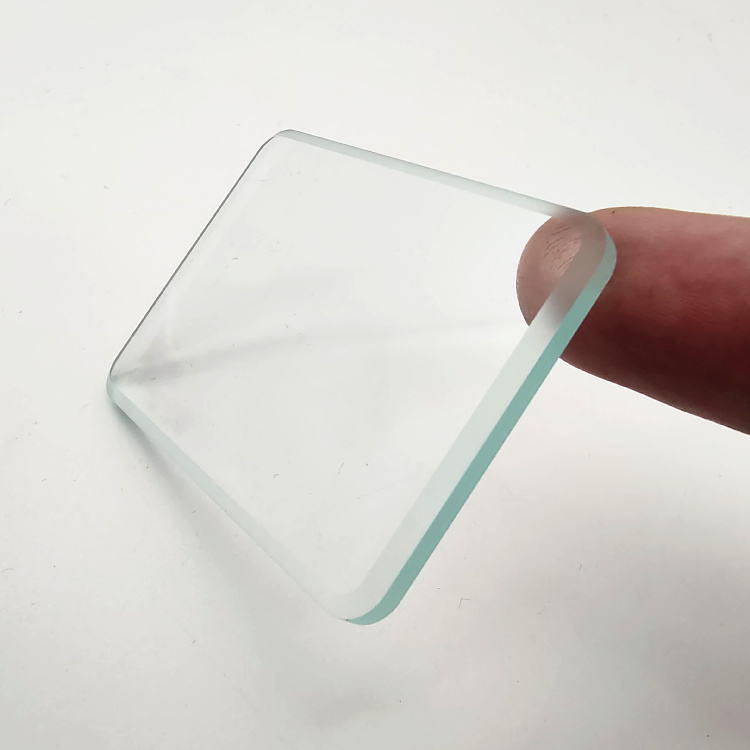
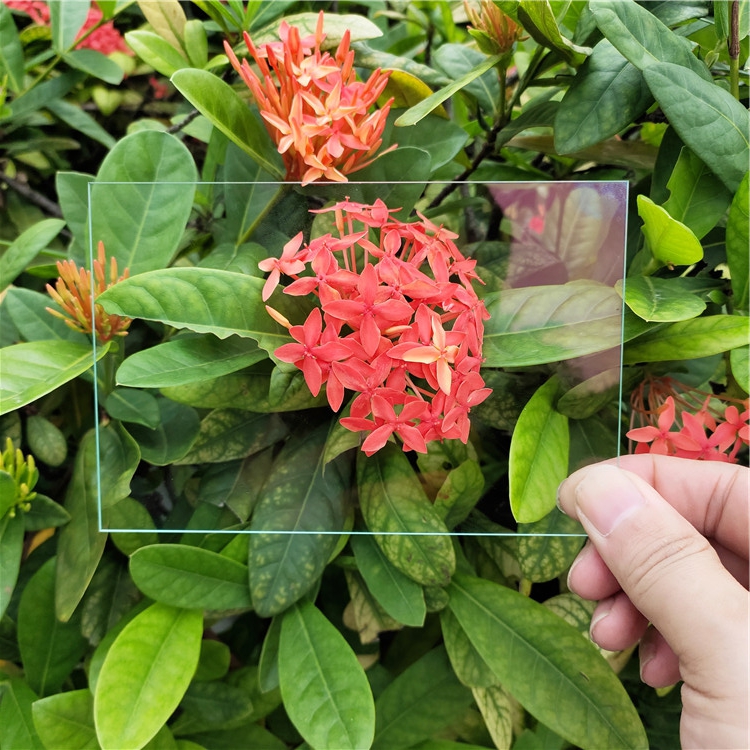
Factory Custom Optical Quality Nano Coating Tempered Anti Reflective AR Glass
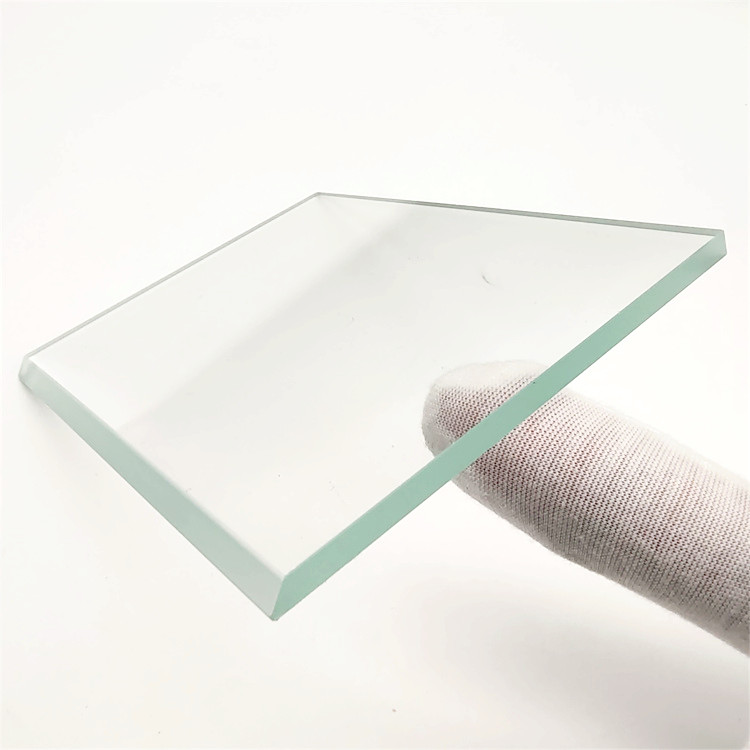

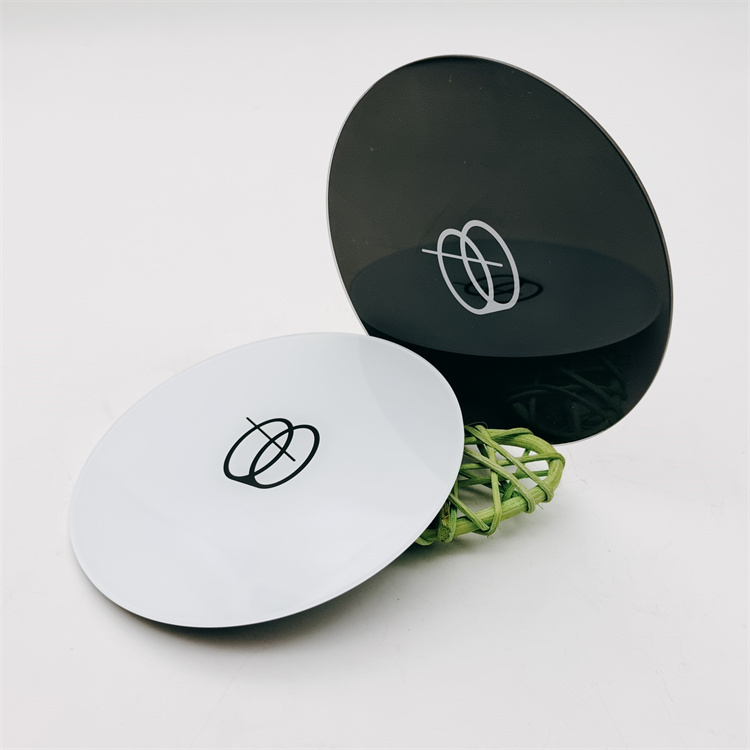
Black White Silk Screen Printing Toughened Glass Round Tempered Glass for Electric Appliance

Customized Ultra Clear 0.5mm 0.7mm Thickness Ultra Thin Tempered Glass
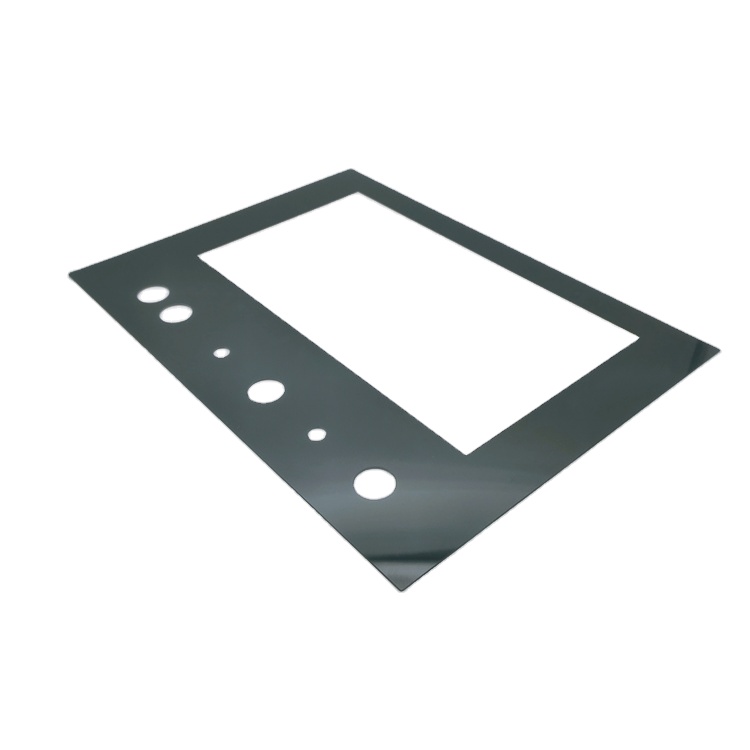
Customized Printed 0.5-6mm Thickness Flat Tempered Glass Screen Protector with Cut Holes
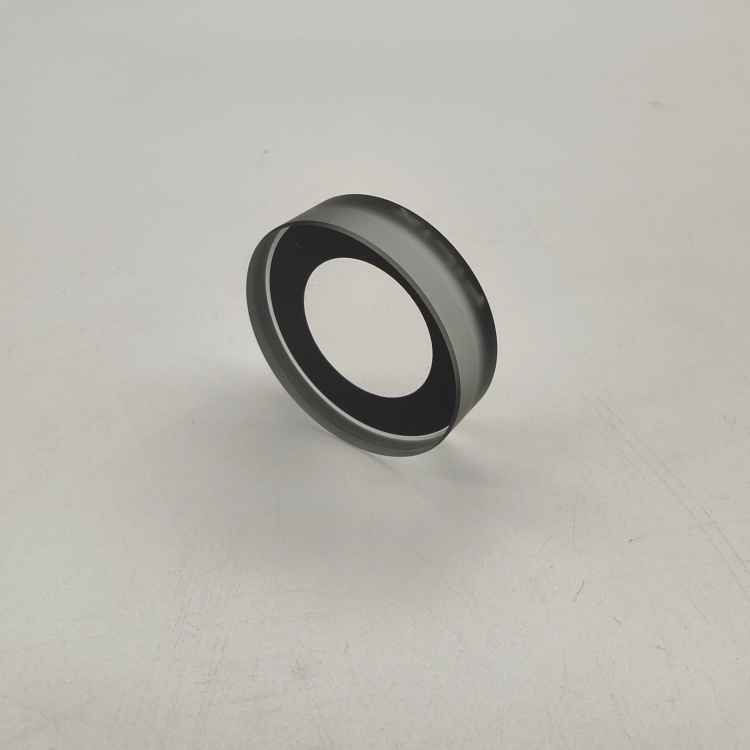
All eight products can be customized by thickness, outline, edge finish, hole pattern, print colour, coating and export packing. For Vietnam-bound orders, include the target port, annual volume and any local label or packaging requirement during the quotation stage.
Specification Depth
Why OEM Cooktop Glass Should Be Treated as a System Component
Cooktop glass is not a decorative accessory. It frames the cooking zone, carries printed icons, protects touch sensors, and defines how a hob looks after years of oil, steam, cleaning agents and kitchen humidity. For Vietnamese OEMs, the buying decision should be based on batch consistency and engineering support, not only on a price per piece.
Substrate and Colour Consistency
Black, white and ultra-clear glass can look different under warm kitchen lighting and cool showroom lighting. Define the substrate, tint and ink system, then approve a physical sample before mass production so print colour and opacity stay aligned with the UI design.
Thermal and Mechanical Validation
Tempered glass must be validated against the actual cooker structure. The approval plan should consider thermal cycling, impact, scratch resistance, cleaning agents and assembly stress. The correct specification is the one confirmed by the final product test, not by a generic catalogue claim.
Precision Edges, Holes and Slots
Micro-chips on an edge or an off-centre sensor hole can become a visible defect after assembly. CNC cutting, edge polishing, drilling and countersinking should be reviewed together with the touch module stack, gasket design and mounting method.
Printed Control Graphics
Icons, slider marks, warning text, brand logos and transparent display windows need reliable registration. Provide artwork with Pantone or NCS references, transparent window dimensions and the required viewing direction. Ceramic printing is suitable for demanding appliance surfaces when the print is properly cured and tempered.
AR, AG and AF Surface Engineering
AR reduces reflection for display windows, AG diffuses glare for bright kitchens and outdoor-influenced spaces, and AF makes touch surfaces easier to clean. These treatments can be combined, but the stack must be matched to the glass thickness, touch sensitivity and cleaning regime.
Export Packaging and Handling
Glass quality can be lost between the factory and the Vietnam assembly line. Interleaving, edge protection, humidity-barrier packing and carton drop-check discipline are part of the product specification for sea freight and regional distribution.
Vietnam Market Context
Vietnam Cooktop Glass Trends: Premiumisation, Localisation and Faster Product Cycles
Vietnam’s kitchen appliance supply chain is increasingly connected to Ho Chi Minh City, Binh Duong, Dong Nai, Long An, Hanoi, Bac Ninh and Hai Phong. Buyers are not only sourcing finished products; they are building local and regional OEM programs that need responsive glass partners.
Built-In Induction and Ceramic Hobs
Premium built-in hobs are moving from plain black panels to printed touch interfaces, slimmer borders and coordinated kitchen aesthetics. This raises demand for flat black tempered glass, precise cut-outs and stable print quality.
Touch Controls and Localised Graphics
Vietnamese-language icons, warning symbols and brand graphics must remain crisp after tempering. Buyers increasingly ask for first-article print approval and visual inspection under defined lighting conditions.
Local Supply Chain and Regional Sourcing
OEMs want shorter decision cycles, clear engineering feedback and predictable shipping. A factory that controls cutting, printing, tempering and coating in-house reduces the coordination risk of using multiple subcontractors.
Humidity, Cleaning and Daily Durability
Tropical humidity, cooking steam and frequent cleaning make coating adhesion and edge protection important. For touch panels, AF coating and sealed packaging can improve the user experience and reduce complaints.
Flexible Batch Sizes
New cooktop models may start with pilot batches before scaling. Vietnamese buyers often prefer suppliers that can support sample evaluation first, then ramp to volume production without changing the process route.
Export-Ready Quality Documentation
Factories supplying regional and international brands need traceable inspection records, packing photos and consistent first-article approval. This information is now part of supplier evaluation, not an afterthought.
Localised Applications
Where Custom Cooktop Glass Is Used in Vietnamese Kitchen and Appliance Manufacturing
The same glass factory can support multiple product families, but each application has a different risk profile. These scenarios help purchasers define the right drawing, thickness and surface treatment before sending an RFQ.
Induction Hob Glass Panels
Black tempered glass with printed slider marks, touch windows, brand logos and warning symbols. The panel should be reviewed together with the coil layout, sensor position and gasket so that printing does not interfere with touch response.
Ceramic Cooktop Control Fascias
Printed glass fascias for electric ceramic cooktops require crisp graphics, reliable colour and consistent flatness. Ceramic ink and tempering parameters should be confirmed with the final cleaning and heat-cycle expectations.
Gas Hob Control Panels
For gas hobs, glass is typically used for the front control fascia or decorative panel rather than in the direct flame path. Designers should separate heat sources from the glass, allow expansion clearance and validate the assembly under real-use conditions.
Smart Kitchen Switch and Control Panels
Villas, apartments and hospitality projects increasingly use glass wall switches and smart control panels. AF coating, beveled edges and accurate icon printing help the panel resist fingerprints and maintain a premium look.
Commercial Kitchen and Small Appliance HMI
Commercial kitchen equipment, rice cookers, air fryers, coffee machines and water heaters use smaller glass HMI panels. Cut holes, display windows and chemical-resistant printing are common requirements.
Export Models for ASEAN and Global Retail
Vietnam-based factories often build models for regional and global brands. Glass parts should therefore be packed for multimodal transport, labelled to the buyer’s instruction and supported by batch-level inspection records.
Selection Matrix
Material and Process Selection Matrix for Vietnam Cooktop Projects
Use this matrix to align design intent with a practical glass route. Final thickness, coating and print parameters should be confirmed through samples and application testing.
| Design Need | Recommended Glass Route | Vietnam-Specific Consideration | Engineering Note |
|---|---|---|---|
| Premium black cooktop fascia | 2–5 mm tempered black glass with ceramic printing | Showroom lighting and kitchen lighting can reveal colour differences | Approve substrate, ink and glass together; do not compare printed samples on different base glass |
| Capacitive touch control panel | 0.7–3 mm ultra-clear or tinted glass with AR / AF option | Touch modules may come from regional electronics suppliers | Test the complete sensor stack; keep printed layers away from active touch windows |
| Display window in a humid kitchen | Tempered glass with AR coating and printed mask | Steam and cleaning agents can affect exposed edges and coatings | Specify coating adhesion and cleaning tests; protect edges during assembly |
| Small appliance control cover | 0.5–2 mm ultra-thin tempered glass | Fast model changes and compact product designs are common | Review handling, flatness and hole spacing before pilot production |
| Decorative appliance panel | 2–6 mm flat tempered glass with silk-screen or ceramic print | White, black and metallic-looking graphics are popular | Confirm colour by Pantone / NCS and approve under agreed lighting |
| Round indicator or display cover | Small-diameter round tempered glass with high-temperature printing | Compact assemblies require tight edge and print alignment | Use a first-article inspection drawing with diameter, print and edge callouts |
For safety-critical or heat-exposed designs, the final decision must be based on the complete appliance validation plan. This matrix supports RFQ preparation; it does not replace product-specific testing.
Factory Advantages
Dongguan Jaswe Glass: An OEM Glass Processing Base Built for Repeat Programs
Dongguan Jaswe Glass Co., Ltd. processes custom tempered, ultra-clear, printed, AR, AG and AF coated glass for displays, touch panels, electrical equipment and LED lighting applications. For Vietnam cooktop projects, the value is in controlled processes, engineering feedback and repeatable quality.
What the Factory Controls In-House
Keeping critical operations under one roof shortens lead time and reduces the quality gaps that can appear when glass moves between subcontractors. The production route covers cutting, special-shaped and CNC cutting, edge polishing, hole drilling, tempering, silk-screen and ceramic printing, AG processing and AR / AF coating.
“Scientific management, careful manufacture, high quality service, striving for excellence.”
- Engineering review from DXF, DWG, PDF or physical sample
- Print colour matching for logos, icons and control windows
- Sample approval before pilot and mass production
- Inspection at cutting, edging, tempering, printing and coating stages
- Export packing designed for sea freight and Vietnam assembly lines
- Production capacity for both trial batches and repeat orders
Verification Snapshot for Buyers
Dongguan Jaswe Glass is located in Shipai Town, Dongguan, Guangdong, China. Company data currently covers 51–100 employees, annual revenue of US$2.5M–US$5M, main markets in America, Europe and Asia, and a verified supplier profile of 6 years. Many operators have more than 8 years of hands-on glass processing experience.
Performance data is referenced from company information and the third-party trade profile. Buyers should request current inspection records, sample reports and packing specifications during the RFQ process.
OEM Workflow
From Vietnam RFQ to Approved Cooktop Glass Batch: Four Practical Steps
A transparent process reduces the risk of rework and helps both engineering and purchasing teams compare quotations on the same technical basis.
RFQ and Drawing Review
Send the drawing, thickness, edge type, print colours, coating, application, estimated annual quantity and destination port in Vietnam.
DFM and Sampling
The engineering team reviews manufacturability, confirms the process route and prepares samples for fit, colour and optical approval.
Pilot and Mass Production
Approved samples become the reference for first-article inspection, in-process checks and batch traceability.
Packing and Delivery
Interleaved, edge-protected export packing is confirmed before shipment to Ho Chi Minh City, Hai Phong or the buyer’s nominated logistics hub.
Information Gain
12-Point RFQ Checklist for Vietnamese Cooktop Glass Buyers
Including these details in the first inquiry helps the factory return a more accurate quotation and reduces unnecessary sample iterations.
FAQ for Vietnam Buyers
Common Local Procurement Questions About Custom Cooktop Glass
These are the questions most frequently raised by Vietnamese appliance OEMs, importers and product development teams during early supplier discussions.
What is the minimum order quantity for custom cooktop glass?
Can you manufacture from a Vietnamese drawing or physical sample?
Which thickness should we choose for an induction or ceramic cooktop control panel?
How do you match black, white or Vietnamese-language printed icons?
Are AR, AG and AF coatings suitable for humid kitchen environments?
What shipping information should Vietnamese buyers include in the inquiry?
How is the glass packed to reduce breakage during sea freight?
Can you support a trial order and then scale to mass production?
Ready to Evaluate a Vietnam Cooktop Glass Program?
Send your drawing, target annual quantity, print colours, coating requirement and destination port in Vietnam. The engineering team will review manufacturability and recommend a practical glass route for sampling and production.