Impact-Resistant Display Glass for Louisville Product Teams
This guide is written for design engineers, sourcing managers and wholesale distributors comparing custom glass suppliers for Louisville, Kentucky manufacturing, assembly or distribution programs. It explains which glass constructions fit common applications, how to specify them, and what to verify before placing a production order.
Louisville buyers rarely purchase glass as a generic material. For industrial HMIs, appliance controls, LED fixtures, outdoor kiosks, warehouse terminals and equipment windows, the cover glass is part of the user interface and the durability promise. A well-specified custom OEM impact resistant glass part can improve perceived quality, reduce field failures and simplify final assembly. A poorly specified part can create fit problems, optical complaints and packaging damage.
“Impact resistant” should be defined in the drawing. Thermally tempered glass increases mechanical strength and breaks into smaller, safer fragments than ordinary annealed glass. Chemically strengthened glass is often used for ultra-thin covers where thermal tempering is not practical. For true security glazing, however, a single tempered cover is not automatically “bulletproof”; bullet-resistant performance depends on a laminated glass assembly, frame design and test standard. For most display windows and HMI covers, the practical solution is low-iron glass with controlled thickness, polished edges, CNC holes, ceramic or silk-screen printing and optional anti-reflective, anti-glare or anti-fingerprint coating.
Eight Custom Impact-Resistant Glass Products for Louisville Applications
Each product below can be specified with custom outline, thickness, edge treatment, holes, printing, coatings and adhesive. Product URLs are retained for direct technical review.
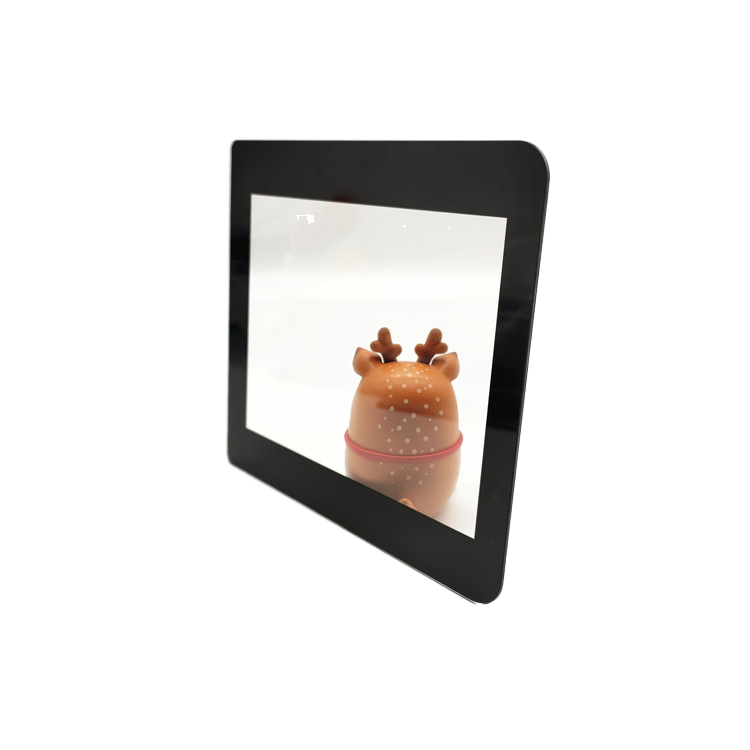
Industrial Use Electronic Glass 1mm/2mm/3mm/4mm Tempered Glass Display Screen Window Protection Cover
A production-ready cover for industrial displays where impact resistance, scratch resistance and print masking matter. It suits machine-mounted HMIs, inspection windows, control cabinets and warehouse automation terminals around Louisville’s manufacturing and logistics corridors.
- 1–4 mm tempered display window
- Custom CNC outline and holes
- Printing for gasket and electronics masking

Small Size Ultra Thin 0.5mm 0.7mm 1mm Tempered Glass Panel With Adhesive Tape for Screen Protection
Small-format glass with pre-applied adhesive for compact sensors, handheld controllers, medical device windows and miniaturized display covers. Louisville OEMs can reduce assembly steps by using die-cut adhesive with controlled thickness, release liner and clean-edge finishing.
- 0.5 / 0.7 / 1 mm options
- Adhesive-backed assembly
- Ideal for compact electronic devices
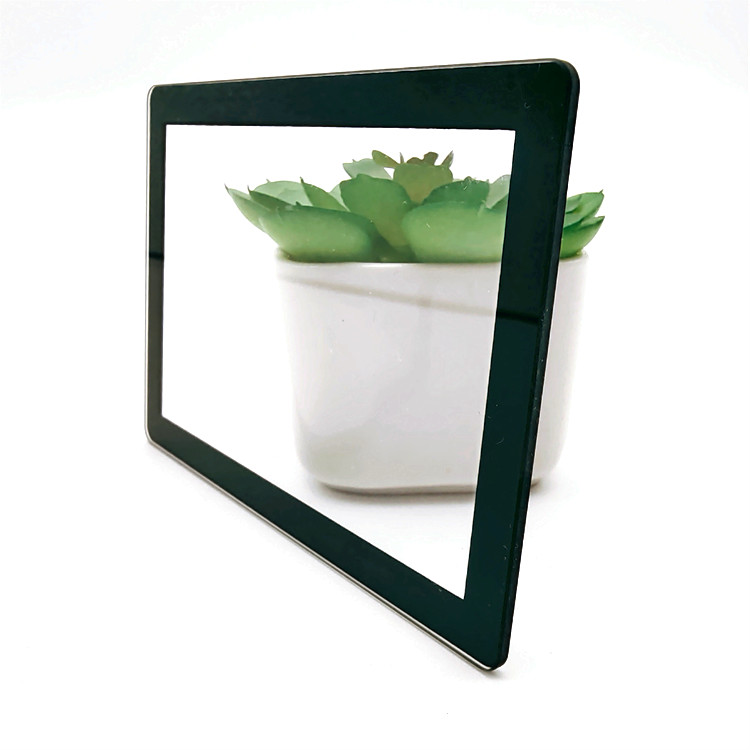
High Quality 0.5mm-6mm Solid Industrial Display Screen Tempered Glass with Printed Design High Strength & Bulletproof Protection
A ruggedized cover for factory-floor equipment, outdoor enclosures and public-facing terminals. The printed design can hide wiring and create transparent windows. Buyers requiring “bulletproof” performance should confirm the full laminated assembly and test standard with our engineers.
- 0.5–6 mm industrial display glass
- Printed borders, windows and icons
- High-strength tempered construction
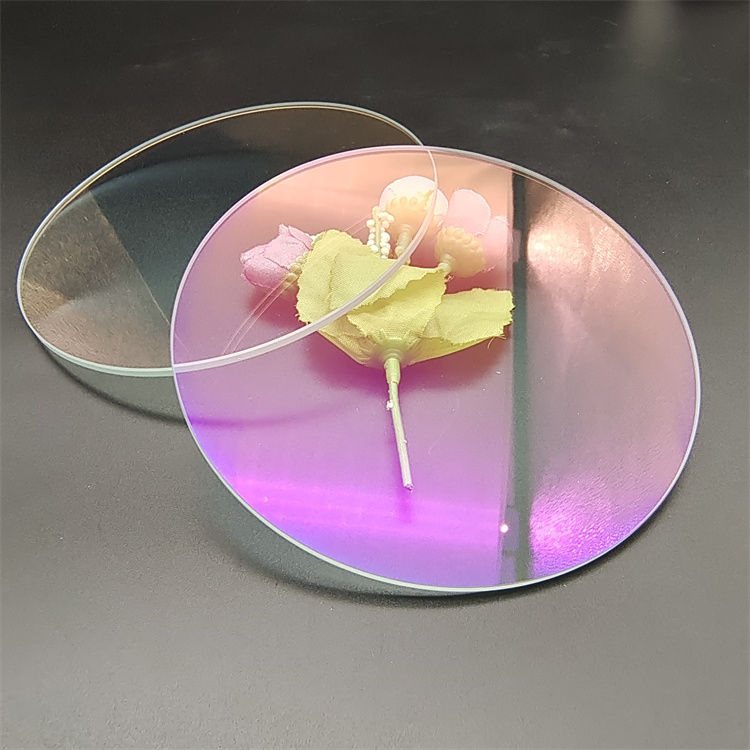
Premium Quality Ultra Clear Anti Reflective Solid High Strength 1mm 2mm 3mm 4mm 5mm 6mm Flat Tempered Glass Coating
Best for high-ambient-light applications where reflection reduces readability: outdoor kiosks, medical monitors, industrial viewing windows and bright display panels. AR coating increases light transmission and improves contrast without changing the touch interface.
- 1–6 mm flat tempered glass
- AR coating for low reflection
- Combines with AG or AF when needed
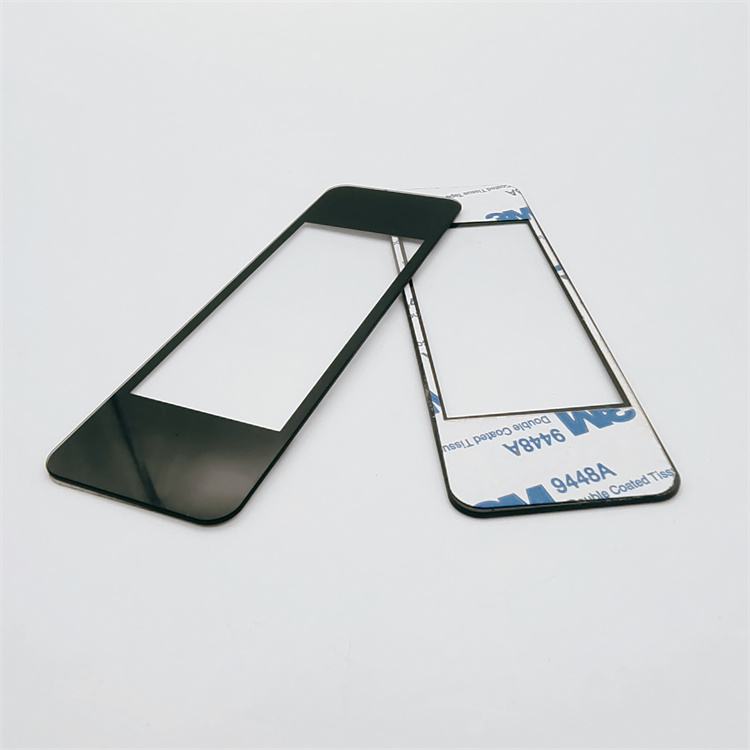
Ultra Thin 1mm Tempered Glass with 3M Tape for Screen Cover Glass
A 1 mm cover with 3M adhesive for faster assembly and tighter bezel designs. This format is useful for display windows where bonding thickness is limited, especially when the buyer needs consistent peel strength, clean release and production-line efficiency.
- 1 mm ultra-thin tempered glass
- 3M tape for reliable mounting
- Custom sizes and edge treatment

Custom Extra White 0.5mm 1mm 1.5mm 2mm Low Iron Tempered Glass Chemical Strengthened
Low-iron glass removes the green tint of standard float glass, making white products look cleaner and color displays more accurate. Chemical strengthening supports ultra-thin formats where design intent calls for a premium appearance and compact device integration.
- Extra white low-iron substrate
- 0.5–2 mm ultra-thin options
- Chemical strengthening available
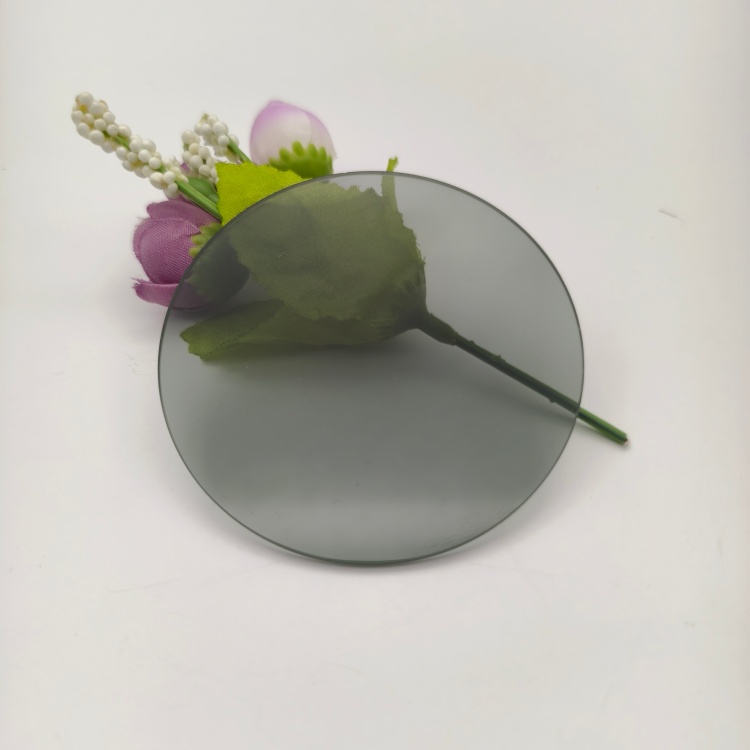
Factory Customized High Strength 2mm 3mm 4mm 5mm Tempered Black Glass Bulletproof & Decorative Flat Surface
Black decorative tempered glass for appliance fronts, equipment branding, switch plates and concealed electronics. The flat surface and high-strength construction create a premium look while printed or masked zones can hide internal components.
- 2–5 mm black tempered glass
- Decorative flat surface
- Custom printing and cut-outs
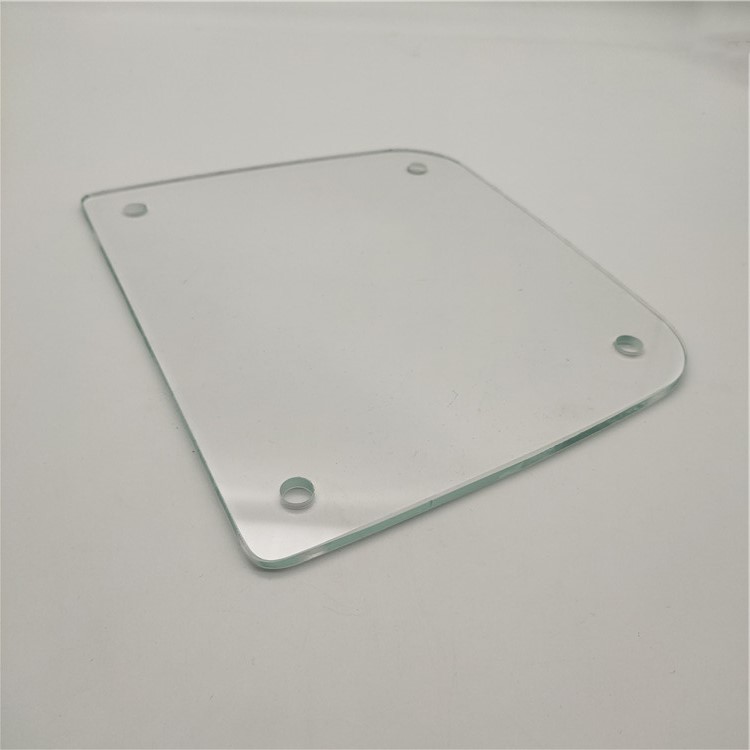
Ultra Clear Tempered Glass Customized Design with Cut Holes for Led Light Cover
For LED fixtures, downlights, linear lighting and wall washers that require drilled holes or cut-outs. Ultra-clear low-iron glass preserves light output, while ceramic printing can define light windows and hide fixture edges for a cleaner finished product.
- LED lighting cover glass
- Drilled holes and cut-outs
- Ultra-clear low-iron substrate
Where Impact-Resistant OEM Glass Earns Its Place in Louisville
Louisville’s manufacturing, logistics, food-and-beverage, automotive and healthcare supply chains each place different demands on display glass. The common requirement is predictable durability with a clean optical surface.
Industrial HMI & Control Panels
Machine-mounted touch panels and control cabinets around Louisville manufacturing plants benefit from tempered cover glass with printed masking, precise holes and a clean edge. Impact resistance protects against wrench drops, cleaning tools and accidental contact on the plant floor.
Food, Beverage & Bourbon Equipment
Louisville’s food-and-beverage sector needs display windows that can be wiped frequently and keep a premium appearance. Glass with smooth edges, chemically stable printing and optional anti-fingerprint coating can support washdown environments and front-of-house equipment.
Outdoor Kiosks & Digital Signage
Outdoor display windows face sun glare, rain and public contact. Combine AR anti-reflective coating with AG anti-glare treatment and a strengthened cover to maintain readability. Louisville buyers should specify haze level, transmission target and gasket clearance during design review.
Medical, Lab & Diagnostic Devices
Cleanable cover glass with low reflection and consistent print windows supports diagnostic equipment, lab instruments and medical device interfaces. Ultra-thin chemically strengthened glass is useful for compact handheld products where weight and bezel width matter.
Warehouse Automation & Logistics
Scanners, sorting terminals, dock equipment and material-handling interfaces are exposed to rough daily use. Tempered glass covers with scratch-resistant surfaces and adhesive-backed formats can improve uptime while simplifying maintenance and replacement.
EV, Automotive & Charging Infrastructure
Electric vehicle supply equipment, charging stations and automotive production lines increasingly use glass-reinforced user interfaces. The glass must resist impact, UV exposure and cleaning chemicals while supporting brand-specific printing and optical requirements.
Louisville OEM Glass Procurement Trends Shaping 2025–2026 Specifications
Procurement decisions in Louisville are moving toward engineered, documentation-rich supply partnerships rather than lowest-piece-price transactions. These trends should be reflected in RFQ packages.
Ruggedization with Better Optical Clarity
Equipment buyers now expect durable interfaces without sacrificing display readability. That pushes suppliers to combine tempered or chemically strengthened glass with low-iron substrates, AR coating and precise print windows instead of treating strength and optics as separate decisions.
Printed Glass Replacing Multiple Parts
Designers increasingly use silk-screen or ceramic-printed glass to hide gaskets, LEDs and wiring, create icons and consolidate several bezel components into one part. For Louisville assemblers, this can reduce SKU count and simplify final assembly.
AR, AG and AF Coatings Becoming Mainstream
Anti-reflective, anti-glare and anti-fingerprint treatments were once premium options. They are now common for touch interfaces, outdoor kiosks and bright industrial displays. Buyers should define the optical target, haze level, cleaning method and durability requirement before sampling.
Supply Diversification and Verifiable Data
Louisville sourcing teams are asking for more than a price list: factory verification, response-rate data, reorder history, in-process QC and export packing evidence. These signals reduce risk when a custom glass part moves from prototype to scheduled production.
How to Specify Impact-Resistant Glass for Louisville Projects
Use this matrix during the RFQ stage. Final construction should be confirmed by a drawing-specific DFM review, especially when the product requires security glazing, tight optical limits or adhesive bonding.
| Specification Question | Recommended Starting Point | Why It Matters | Louisville Sourcing Note |
|---|---|---|---|
| What thickness should I use? | 0.5–1 mm for compact covers; 2–4 mm for most HMI and appliance panels; 4–6 mm for larger industrial windows; 10–19 mm for special heavy-duty parts. | Thickness affects stiffness, drop performance, optical distance and the ability to drill or polish edges. | Do not choose thickness by price alone. Confirm gasket compression, frame depth and touch sensitivity. |
| Thermal tempering or chemical strengthening? | Thermal tempering for typical 2–6 mm display covers; chemical strengthening for ultra-thin 0.2–1 mm designs. | Tempering improves strength and safer breakage; chemical strengthening helps thin glass survive handling and flexing. | Provide the full drawing before process selection. Hole spacing and edge quality can determine which process is practical. |
| When should I add AR coating? | Use AR when reflection reduces readability or when display contrast must increase under bright light. | AR reduces surface reflection and can raise transmission, making the display appear clearer and more vivid. | Specify single-sided or double-sided coating. Double-sided AR is common for high-end display windows. |
| When is AG anti-glare better? | Use AG for outdoor kiosks, vehicle HMIs, factory windows and signage where diffuse glare is the main problem. | AG scatters reflected light instead of allowing a sharp reflection to cover the display. | Select haze level by viewing distance. Too much haze can soften fine text on high-resolution displays. |
| Do I need AF anti-fingerprint? | Use AF on touch panels, smart switches, POS terminals and public interfaces. | An oleophobic top layer improves finger glide and makes oils and sweat easier to clean. | AF can be applied over AR or AG. Confirm cleaning-agent compatibility for the Louisville end-use environment. |
| Can printing replace extra bezel parts? | Yes. Ceramic or silk-screen printing can create black borders, transparent windows, icons, logos and hidden wiring zones. | Printed glass can consolidate multiple components and improve visual alignment. | Send Pantone references, window dimensions and acceptable color tolerance before sampling. |
| What about adhesive-backed glass? | Choose adhesive tape when the assembly needs faster mounting, thinner bond lines or field-replaceable cover glass. | Tape choice affects peel strength, bubble formation and service temperature. | Confirm surface energy of the mating part and whether the application requires 3M tape or another adhesive system. |
| Is tempered glass bulletproof? | No, not as a single glass pane. Bullet-resistant performance requires a laminated assembly designed and tested to a specific standard. | This distinction prevents overstated safety claims and helps engineers choose the correct security glazing. | For Louisville security projects, define the threat level and test standard before requesting a quote. |
Information gain note: impact resistance is a system property. Frame design, mounting method, edge quality, glass thickness, coating choice and packaging all influence field performance.



Why Louisville Buyers Work with Jaswe Glass
Dongguan Jaswe Glass Co., Ltd. is a custom glass processing company located in Dongguan, Guangdong, China — a major electronics and manufacturing supply hub. The company processes tempered glass, ultra-clear glass, touch screen cover glass, silk-screen printed glass, switch glass, AR / AG / AF coated glass, electrical equipment glass and LED lighting glass for buyers in America, Europe and Asia.
For Louisville OEMs and distributors, the advantage is not simply low-cost manufacturing. It is the ability to keep cutting, CNC shaping, edge polishing, hole drilling, tempering, silk-screen and ceramic printing, AG processing and AR / AF coating under one roof. That reduces handoff risk between subcontractors and makes it easier to trace quality from raw sheet to finished cover glass.
“Scientific management, careful manufacture, high quality service, striving for excellence.”
In-House Processing
Cutting, CNC shaping, polishing, drilling, tempering, printing and coating remain inside one quality system.
Engineering Review
Drawings are checked for manufacturability, edge quality, hole spacing, printing tolerance and coating compatibility.
Tempering Capacity
Thermal tempering and chemical strengthening options support thicknesses from ultra-thin covers to heavy display windows.
AR / AG / AF Coating
Optical treatments can be matched to display brightness, outdoor glare, touch use and cleaning requirements.
Silk Screen & Ceramic Printing
Multi-color printing, black borders, logos, icons, transparent windows and appliance control graphics.
Documented QC
Inspection is applied at cutting, edging, tempering, printing and coating stages before export packing.
Fast Communication
Average response within 3 hours and a 96.61% response rate help Louisville buyers keep projects moving.
Repeat-Buyer Confidence
A 26% reorder rate shows that existing customers return for production runs after sample approval.
From RFQ to Louisville Delivery in Four Controlled Steps
A transparent path for buyers who need clear samples, production discipline and export-ready packing.
Send Drawings & Requirements
Provide DXF, DWG or PDF drawings, thickness, edge type, printing colors, coating, adhesive, application and estimated annual volume.
Engineering & DFM Review
Our team reviews manufacturability, tolerances, tempering feasibility and optical treatment options before quoting.
Sample Approval
Physical samples help Louisville buyers verify fit, color, print windows, coating performance and adhesive compatibility.
Production & Export Packing
Batch production follows approved samples. Interleaved, edge-protected packing helps protect glass during transit.
Custom Impact-Resistant Glass FAQ for Louisville Buyers
Are you a glass factory or a wholesaler for Louisville buyers?
Dongguan Jaswe Glass Co., Ltd. is a custom glass processing factory in Dongguan, China. We support OEM and wholesale programs for Louisville buyers who need custom tempered, printed, low-iron, AR / AG / AF coated or adhesive-backed glass. We are not a Louisville-based local stockist, so buyers should plan shipping and customs clearance as part of the project.
Can you ship custom glass to Louisville, Kentucky?
Yes. Export shipments to Louisville can be arranged by air, sea or express depending on size, value and urgency. The quotation should confirm Incoterms, packing method, destination airport or port, customs broker responsibilities and final LTL delivery requirements inside Kentucky.
What is the minimum order quantity for custom glass?
Most custom items start at 100 to 500 pieces depending on size, printing, coating and adhesive requirements. Standard clear tempered pieces may be supplied in smaller sample quantities for evaluation. For new Louisville projects, we recommend a sample approval step before scheduling mass production.
What thickness is best for impact resistance?
There is no single answer. Compact covers often use 0.5 mm to 1 mm chemically strengthened glass. Industrial displays commonly use 1 mm to 4 mm tempered glass. Larger windows or harsher environments may benefit from 4 mm to 6 mm glass, but frame support and edge quality matter. For security performance, specify a laminated assembly and test standard rather than relying on one glass pane.
What files do you need for a quotation?
Send a drawing in DXF, DWG or PDF format. Include thickness, overall dimensions, corner radii, hole positions, edge finish, printing colors, transparent window size, coating requirement, adhesive tape requirement, application, annual volume and any packing or labeling instructions.
What is the lead time for a Louisville order?
Lead time depends on drawing approval, material availability, tooling, printing, coating, quantity and shipping method. A reliable quotation should provide a sample schedule and production milestone plan rather than a generic number. Once the sample is approved, we confirm the production schedule before deposit or order release.
Can you combine AR, AG, AF and printed glass on one part?
Yes, in many constructions. For example, an outdoor touch panel may use AG anti-glare treatment with AF anti-fingerprint coating, while a high-end display window may use AR anti-reflective coating with a printed black border. The final coating stack depends on substrate, thickness, cleaning method and optical target.
How can I verify quality before shipping to Louisville?
Request physical samples, drawing-specific inspection criteria, in-process QC checkpoints and packing photos before shipment. Third-party supplier assessment data, response-rate records and reorder history can support supplier risk review. For critical projects, define a documented approval standard for dimensions, print color, optical appearance and edge condition.
Send a Drawing. Get a Louisville-Ready Glass Review.
Share your drawing, application, thickness, printing and coating needs. Our engineers will review manufacturability and recommend a practical glass construction for your OEM or wholesale program.