Eight OEM Polished Glass Products for Philadelphia Buyers
These product paths cover the most common custom glass requests from Philadelphia-area electronics, medical, lighting, appliance and industrial teams. Each item can be customized by drawing, thickness, edge finish, hole position, printing color and optical coating; product links are preserved below for specification review.
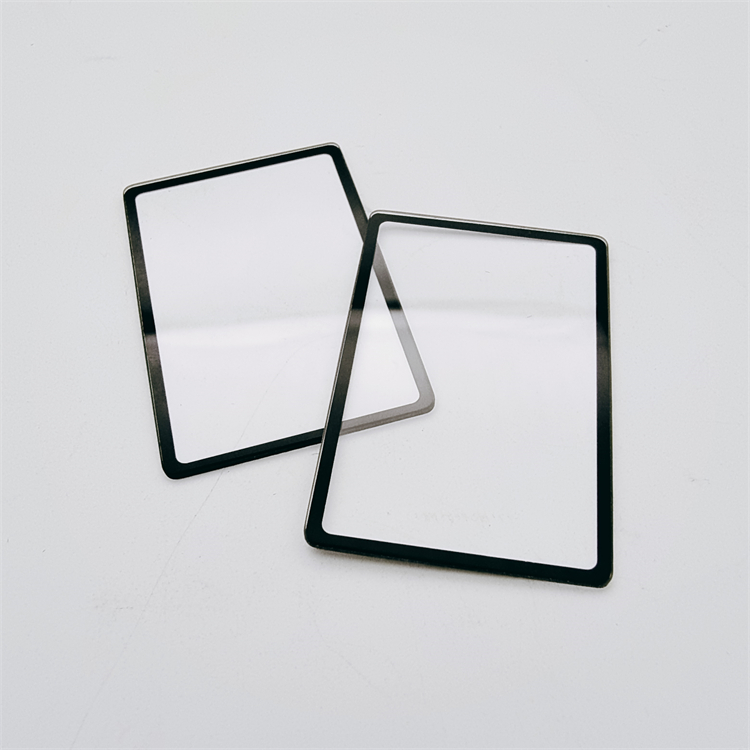
0.5mm 0.7mm 1mm 2mm 3mm OEM Silk Screen Printing Tempered Glass Display
A printed cover glass for control panels, appliance interfaces and laboratory instruments. We print logos, icons, borders and transparent display windows, then polish edges and drill holes to drawing. This route is useful when the glass must hide wiring, align with a keypad and match a brand color under indoor lighting.

Both Sides Anti Reflective AR Coating 1mm 2mm 3mm 4mm Ultra Clear Tempered Glass
Designed for high-transmittance display windows, medical monitors, camera covers and touch modules that need lower surface reflection. Double-sided AR coating can improve contrast and perceived brightness, but the final optical result depends on substrate, coating stack and viewing conditions; sample validation is recommended before mass production.
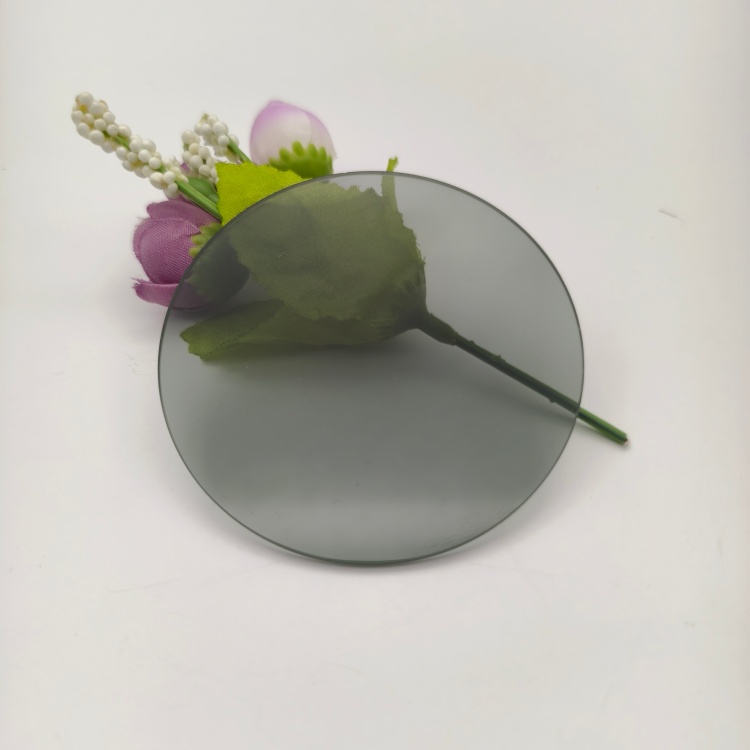
Factory Customized High Strength 2mm 3mm 4mm 5mm Black Tempered Glass Panels
A decorative and protective black glass family for flat control surfaces, appliance fronts and equipment panels. It can be cut, edged and printed to maintain a clean industrial appearance. Where ballistic or security performance is required, the complete glass assembly must be specified and validated against the relevant standard; a decorative black glass label alone is not sufficient.

Small Size Ultra Thin 0.5mm 0.7mm 1mm Tempered Glass Panel With Adhesive Tape
An assembly-ready cover glass for small displays, wearable devices, portable instruments and protective windows. Adhesive backing can reduce secondary assembly steps, while thin glass keeps the final stack compact. Buyers should confirm adhesive type, service temperature, surface energy and whether an optical-grade lamination process is required.
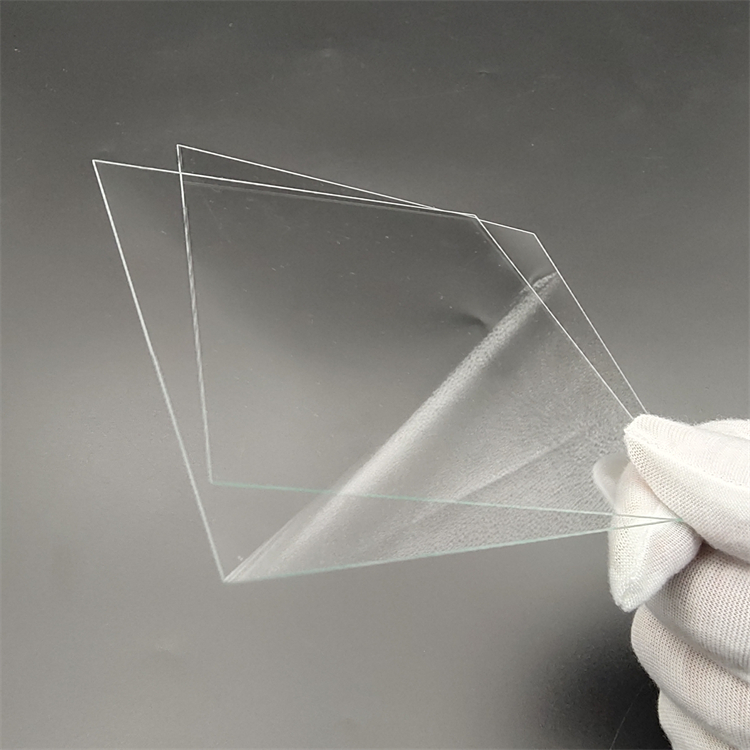
Customized Ultra Clear 0.5mm 0.7mm Thickness Ultra Thin Tempered Glass
Low-iron ultra clear glass for premium display covers, optical windows and lighting applications where standard float glass can introduce an unwanted green edge tone. Thickness control and edge quality are critical on ultra-thin parts; send the full stack drawing so our engineering team can review handling, coating and packing risks before sampling.
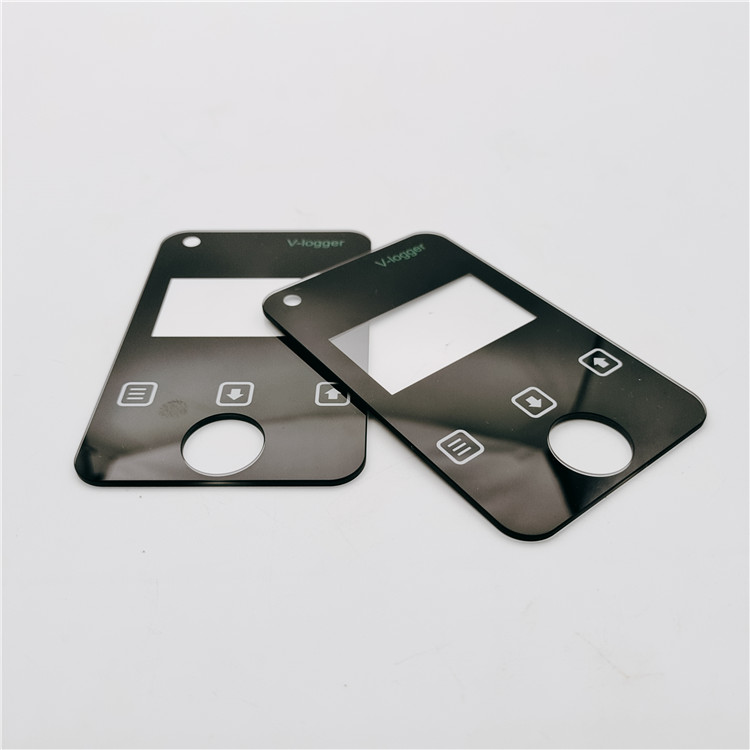
Customized Cut 1mm 2mm 3mm 4mm Instrument Printed Tempered Glass With Holes
Printed tempered glass with drilled holes for knobs, buttons, sensors, fasteners or optical access. This format is common for industrial instruments, utility equipment and custom control boxes. Hole position, edge spacing and print registration should be dimensioned on the drawing because these features drive both breakage risk and assembly fit.
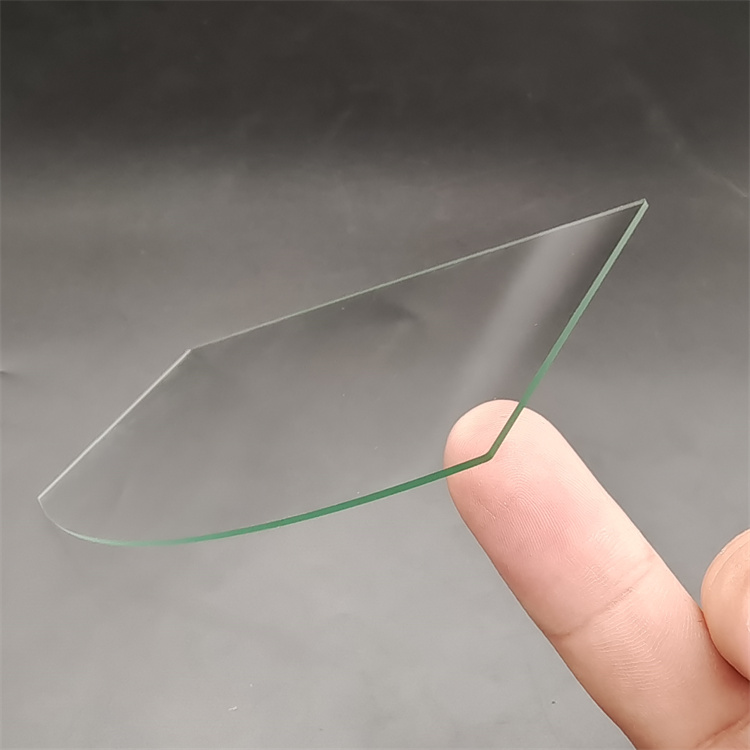
Any Size Custom 0.5/0.7/1/1.5/2/3mm Tempered Glass Screen Protector, Round Rectangle Triangle
A flexible OEM/ODM path for buyers who need round, rectangular, triangular or fully custom outlines. It is often used for pilot runs, new product variants, display protection and small-format industrial covers. The earlier you share the 2D drawing and annual volume, the faster the factory can confirm cutting, tempering and packing feasibility.
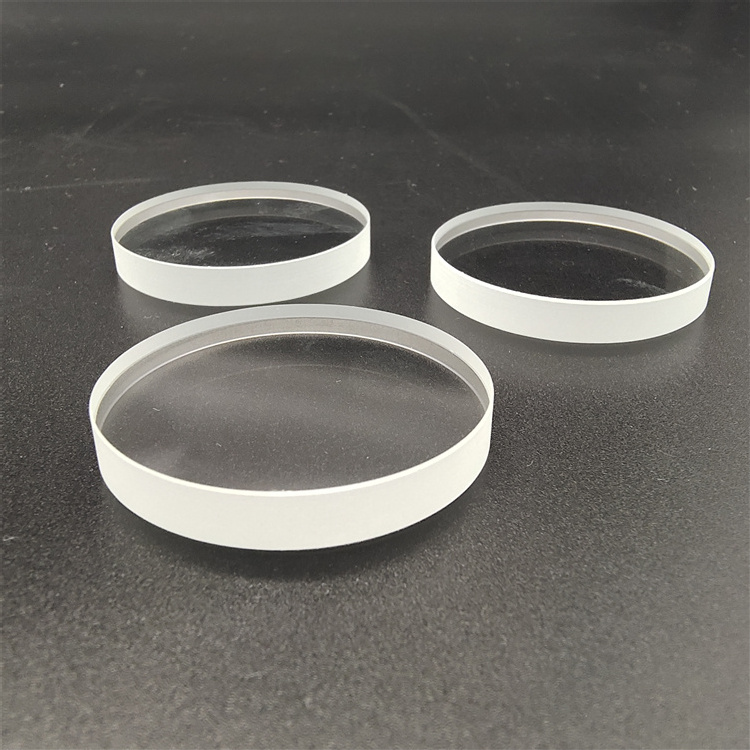
Full Tempered 30mm Diameter 3mm 4mm 5mm 6mm 8mm Thickness Ultra Clear Round Tempered Glass
Round ultra clear tempered glass for lighting lenses, sensor windows, decorative covers and compact industrial assemblies. Circular formats require stable edge polishing and diameter control so seals, housings or fixtures fit consistently. For Philadelphia lighting and architectural specifiers, this format is often paired with ceramic printing or a frosted finish.
A Glass Processing Profile That Supports Philadelphia OEM Programs
Philadelphia buyers need more than a low price per piece. They need predictable edge quality, stable printing, optical consistency, export packing and fast engineering answers. The figures below reflect the manufacturing and service profile of Dongguan Jaswe Glass Co., Ltd.
Why the Philadelphia Market Buys Custom OEM Polished Glass
The Philadelphia market is not a single homogeneous demand pool. It combines medical and life-science teams, advanced manufacturing, universities, cultural institutions, commercial property operators, transit infrastructure, hospitality and food-service equipment brands.
Many buyers begin with a search for custom OEM polished glass factories in Philadelphia, but the practical sourcing decision is rarely about postcode distance alone. It is about whether the supplier can control thickness, edge quality, printing registration, optical coating, breakage risk and export packing while responding quickly to US engineering changes. A factory that is geographically local but cannot maintain print color or optical performance may create more total cost than an export-ready OEM factory with disciplined process control.
Medical, Life Science and Laboratory Equipment
Philadelphia’s healthcare and research ecosystem uses instrument windows, touch interfaces and protective display covers. The glass must be clean, dimensionally stable and compatible with repeated cleaning. Optical clarity and non-yellowing print inks matter more than decorative appearance.
Industrial HMI and Control Panels
Manufacturers and equipment builders around Philadelphia need printed tempered glass for machine interfaces, access controls, utility panels and portable instruments. Thick borders, button windows and drilled holes must align with enclosures, gaskets and circuit boards.
Architectural, LED and Commercial Lighting
Lighting specifiers use ultra clear or printed glass for LED fixtures, wall washers, downlights and decorative covers. Heat resistance, edge polish and color consistency are critical when fixtures are visible in hotels, museums, campuses and renovated commercial interiors.
Smart Buildings and Access Control
Smart switches, elevator controls, intercoms and access readers increasingly use glass as a premium front surface. Silk-screen printing, anti-fingerprint coating and precise hole drilling help product teams create a clean, durable user interface.
Outdoor Kiosks, Signage and Transit Displays
Philadelphia’s outdoor signage and transit environments create strong ambient light and weather exposure. AG anti-glare treatment, AR coating and AF anti-fingerprint layers can be combined to improve readability and reduce cleaning time for touch kiosks.
Appliance and Commercial Kitchen Panels
Appliance makers and food-service equipment suppliers use glass for cooktops, touch panels and front fascias. The glass must survive heat, cleaning chemicals and handling, so tempering, ceramic printing and edge quality should be reviewed as one system.
Five Trends Shaping OEM Glass Demand in Philadelphia
These trends are useful for product teams preparing drawings, forecasts and supplier reviews in the Philadelphia and Mid-Atlantic market.
Daylight Readability and Glare Control
Displays near windows, in transit areas or outdoors need AG treatment to diffuse glare and AR coating to improve transmittance. AF coating is increasingly requested for touch surfaces that must stay clean in public or clinical environments.
High-Mix, Low-Volume Customization
Instrumentation, medical and smart-building teams often need several sizes and print layouts rather than one commodity panel. A supplier that can handle 100–500 piece runs and sample iterations is more useful than one that only accepts very large standard orders.
Supply-Chain Resilience and Documentation
Buyers are planning freight, duties, packaging and second-source risk earlier. Clear drawings, approved samples, packing standards and batch traceability help reduce rework when glass travels from Asia into Pennsylvania warehouses.
Integrated Finishing Under One Roof
Cutting, CNC shaping, edging, drilling, tempering, printing, AG processing and AR/AF coating performed under one quality system reduces handoff risk. This is especially valuable when tight print registration and optical coating must be combined on one part.
Another practical trend is the growing use of glass as a visible brand surface. In Philadelphia’s design-conscious commercial, hospitality and institutional projects, a control panel, display window or lighting cover is no longer a hidden component. It is part of the product experience. That makes edge polish, print color and coating uniformity visible quality issues, not just cosmetic details.
How to Specify Polished Glass for the Philadelphia Market
A clear RFQ reduces iterating, sampling delay and dimensional risk. Use these four checkpoints before requesting a quote.
Drawing and Tolerance
Send DXF, DWG or PDF drawings with the finished outline, critical dimensions, hole positions, edge treatment and inspection datum. Mark which dimensions affect assembly and which are cosmetic. For glass, small changes in hole spacing or edge distance can affect breakage risk.
Substrate and Thickness
Confirm clear vs. ultra clear low-iron glass, thickness, tempering route and surface treatment. The current range covers ultra-thin electronic glass from 0.2 mm up to 19 mm flat tempered glass, with 0.5, 0.7, 1, 2, 3 and 4 mm being common for display and touch covers.
Printing and Color
Provide Pantone references, transparent window dimensions, icon alignment rules and substrate color. Ceramic ink and silk-screen printing can produce durable borders and graphics, but the approved color should be checked on the actual glass and lighting condition.
Packing and Logistics
Discuss interleaving, edge protection, moisture barrier, carton labeling and pallet configuration before production. For Philadelphia deliveries, coordinate Incoterms, customs documents and the receiving warehouse early so the export pack is designed for the final route.
AR, AG, AF, Ultra Clear or Printed Tempered Glass?
Use this matrix to narrow the finish route. Treatments can be combined — for example AG + AF for outdoor touch kiosks or AR + AF for high-resolution display windows.
Ultra Clear Low-Iron
Problem solved: Reduces the green tint of standard float glass.
Philadelphia use: Premium display covers, LED lighting and appliance fascias.
Specification note: Pair with white or light print to avoid an unwanted edge tone.
AR Anti-Reflective
Problem solved: Cuts surface reflection and increases perceived contrast.
Philadelphia use: Medical monitors, instrument windows and camera covers.
Specification note: Confirm single- or double-sided coating; double-sided AR generally provides the larger optical gain.
AG Anti-Glare
Problem solved: Diffuses reflected light so displays remain readable under strong illumination.
Philadelphia use: Outdoor kiosks, transit signage and daylight-facing HMIs.
Specification note: Select gloss and haze level based on viewing distance and display resolution.
AF Anti-Fingerprint
Problem solved: Repels oil and sweat to keep touch surfaces cleaner.
Philadelphia use: Public kiosks, smart switches, POS terminals and clinical touch panels.
Specification note: Apply as a top layer over AR or AG when the product is touch-operated.
Printed Tempered
Problem solved: Hides wiring, adds icons, logos, borders and transparent windows.
Philadelphia use: Appliance controls, industrial instruments and building control panels.
Specification note: Send Pantone codes and window dimensions with the drawing for print registration review.
From Drawing to Export: Five Controlled Steps
A transparent workflow helps overseas buyers compare quotations and avoid hidden rework.
Send Requirements
Drawing, thickness, edge type, printing, coating, application and estimated annual volume.
Engineering Review
Manufacturability check covering breakage risk, print registration, tooling and packing.
Sampling
Physical samples for fit, color and optical approval before mass production.
Production & QC
Batch production with inspection at cutting, edging, tempering, printing and coating stages.
Packing & Shipping
Interleaved, edge-protected export packing with labels and documents prepared for the route.
Why Jaswe Glass Is a Practical OEM Partner for the Philadelphia Market
Dongguan Jaswe Glass Co., Ltd. is a glass processing company in Dongguan, China, serving buyers in America, Europe and Asia. The company’s advantage is not simply a product list; it is the combination of in-house processing, export packing discipline and fast engineering communication.
With more than 80 skilled workers and 26 glass processing machines, monthly output exceeds 200,000 pieces of processed glass. That scale supports repeat orders, but the more important capability for Philadelphia buyers is the ability to keep cutting, CNC shaping, edge polishing, hole drilling, tempering, silk-screen and ceramic printing, AG processing and AR/AF coating inside one quality system. Fewer handoffs mean tighter accountability when a part combines multiple features.
The company’s buyer-response rate is recorded at 96.61%, with an average response time of ≤3 hours and a 26% buyer reorder rate. For US product teams, these service indicators matter because an RFQ often changes after the first sample; fast engineering feedback is part of the manufacturing value.
Precision & CNC Cutting
Automatic cutting and CNC shaping for round, notched, slotted and irregular outlines.
Edge Polishing
Pencil, flat, beveled, stepped and matte edges for safe handling and clean appearance.
Hole Drilling
Holes and countersinks for buttons, sensors, cameras, knobs and mounting screws.
Thermal Tempering
Tempering furnace processing to improve impact resistance and safer breakage behavior.
Silk Screen & Ceramic Printing
Multi-color logos, icons, borders and display windows with color-matching support.
AG Anti-Glare Processing
Diffused surface treatment to keep screens readable under strong ambient or outdoor light.
AR Anti-Reflective Coating
Optical coating to reduce reflection and raise light transmission for brighter displays.
AF Anti-Fingerprint Coating
Oleophobic layer for touch screens: smoother glide, fewer smudges and easier cleaning.
The company’s third-party trade profile includes on-site verified supplier status of six years, supplier assessment, trade capacity, transaction level and trade history. For Philadelphia buyers, these are useful signals, but they should still be paired with drawing review, sample approval and a clear inspection plan. That is the balanced E-E-A-T approach: use evidence, ask for samples and define acceptance criteria before scaling.
Common Questions About Custom OEM Polished Glass
These are the questions overseas buyers most often ask when sourcing printed, tempered, coated or ultra clear glass for US programs.
Do you export custom polished glass directly to Philadelphia?
Dongguan Jaswe Glass Co., Ltd. is based in Dongguan, China, and exports to North America, Europe and Asia. We can coordinate export packing and shipping documents for delivery to Philadelphia and the wider Mid-Atlantic through the buyer’s forwarder or an agreed logistics route. Duties, taxes and final import arrangements should be confirmed with your broker before shipment.
Are you a factory or a trading company?
We are a glass processing factory. Cutting, CNC shaping, edge polishing, hole drilling, tempering, silk-screen and ceramic printing, AG processing and AR/AF coating are handled as in-house processes. That structure allows engineering review and production control to stay close to the actual manufacturing steps.
What is the minimum order quantity for a Philadelphia pilot run?
Most custom items start at 100 to 500 pieces depending on size, printing and coating. Standard clear tempered pieces may be supplied in smaller sample quantities for evaluation. For pilot runs, share the annual forecast as well as the first order so the factory can recommend a practical sampling and production plan.
Which drawing files and details should I send?
Send DXF, DWG or PDF drawings with the finished outline, thickness, edge type, hole positions, printing colors, transparent window dimensions, coating requirement, application and estimated annual quantity. If you have a physical sample or previous supplier’s part, mention it; a reference sample can reduce ambiguity in color and edge appearance.
How do I choose between AR, AG and AF glass?
AR anti-reflective coating reduces reflection to improve contrast and transmittance. AG anti-glare treatment diffuses reflected light so a screen remains readable under strong light. AF anti-fingerprint coating is an oleophobic top layer for touch surfaces. They can be combined; for example, an outdoor touch kiosk may use AG + AF, while a high-resolution indoor display window may use AR + AF.
Can you match Pantone colors and existing control-panel graphics?
Silk-screen and ceramic printing can be matched to Pantone references, but color should be approved on the actual glass substrate under agreed lighting. Send the Pantone code, existing panel photo, vector artwork and any transparent window dimensions. If color is critical, request a physical pre-production sample rather than approving from a screen image.
How is glass packed for export to Pennsylvania?
Export packing is planned around part size, thickness, edge type and quantity. Typical measures include interleaving, edge protection, moisture-barrier wrapping, labeled cartons and pallet configuration. For thin glass or large printed panels, discuss the receiving warehouse conditions and unloading method so the pack is appropriate for the final route.
What quality documents can be discussed?
Depending on the project, buyers can discuss dimensional inspection reports, first article reports, material declarations and batch identification. The exact documentation package should be agreed during RFQ. For regulated medical, security or transportation products, the buyer remains responsible for final product validation and any certification specific to the finished assembly.
How do I start a custom glass project?
Send your drawing, thickness, edge type, printing colors, coating requirement, application and estimated annual quantity to info@jasweglass.com. Our engineers review manufacturability before samples are made. If the application is for a Philadelphia medical, industrial, lighting or smart-building product, include the operating environment and cleaning method so the finish route can be evaluated correctly.
Send Your Drawing. Get an Engineering Review and Catalog.
Share your thickness, outline, edge, printing, coating and annual quantity. We will review the manufacturing route for your Philadelphia or Mid-Atlantic product program and prepare the next step for sampling.
Get Catalog Custom tempered · ultra clear · silk-screen printed · AR / AG / AF coated glass · OEM/ODM processing