Custom OEM Precision Glass Manufacturer & Supplier for the Dallas Market
Direct-from-factory custom cover glass, display windows, switch panels, LED lighting glass and instrument lenses for Dallas–Fort Worth OEMs — engineered from your drawing, sampled before production and packed for North Texas freight.
8 Custom Precision Glass Products for Dallas OEM Programs
Begin with the application, not the catalog. These eight product paths cover industrial displays, printed instrument windows, touch controls, AR-coated optics, ultra-thin glass and card-reader covers commonly specified by Dallas electronics, medical, building-control and retail technology teams.
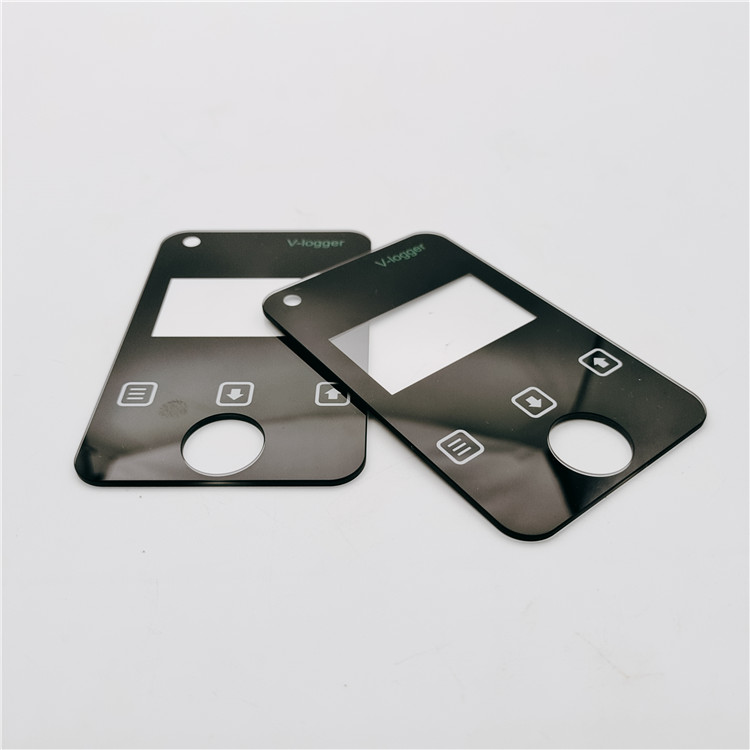
Instrument Printed Tempered Glass with Holes, 1–4 mm
CNC holes and printed windows for test equipment, control panels and laboratory instruments used across Dallas engineering teams.
Inspect product details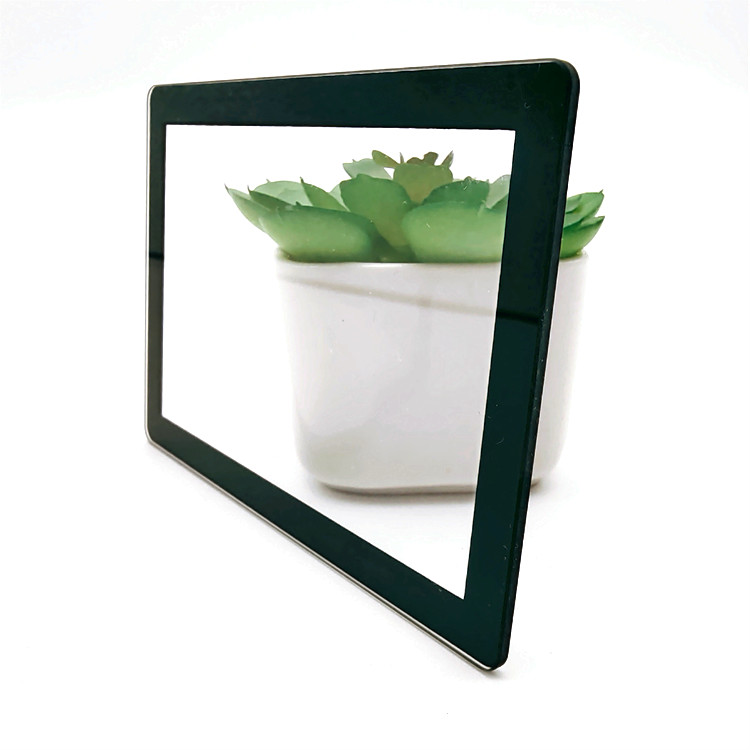
Industrial Display Screen Tempered Glass, 0.5–6 mm
High-strength printed cover glass for factory automation, electrical equipment and heavy-duty enclosures in the DFW Metroplex.
Inspect product details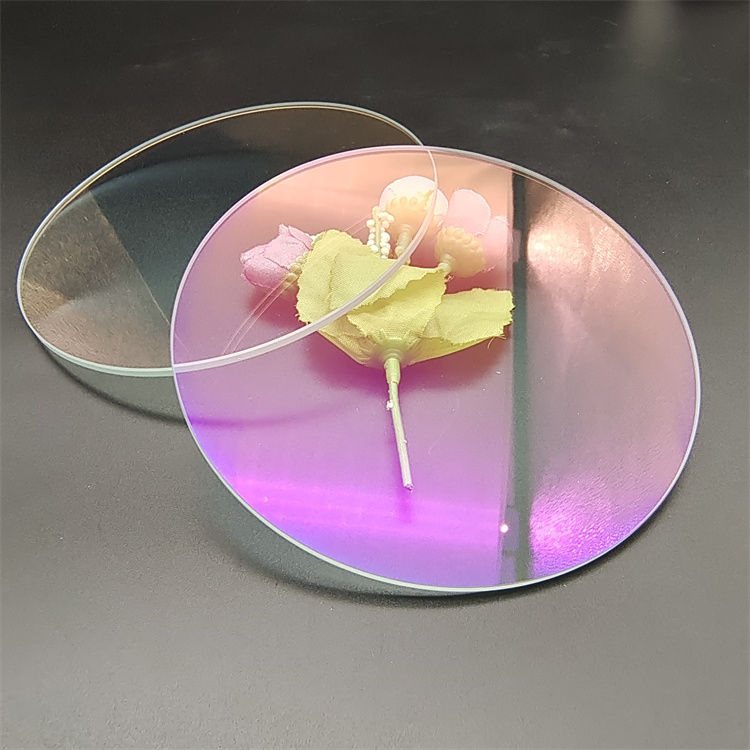
Ultra Clear Anti-Reflective Display Glass, 1–6 mm
AR-coated ultra-clear glass that improves readability in bright Dallas showrooms, medical monitors and high-contrast instrumentation.
Inspect product details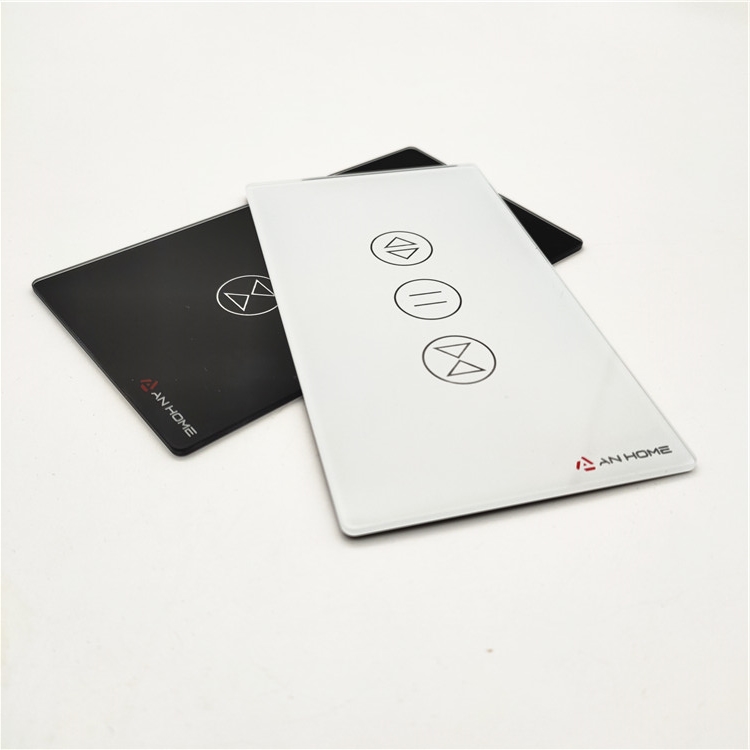
Smart WiFi Touch Curtain Switch Glass Panel
Printed touch-switch glass for home automation, hospitality projects and building-control panels common in North Texas developments.
Inspect product details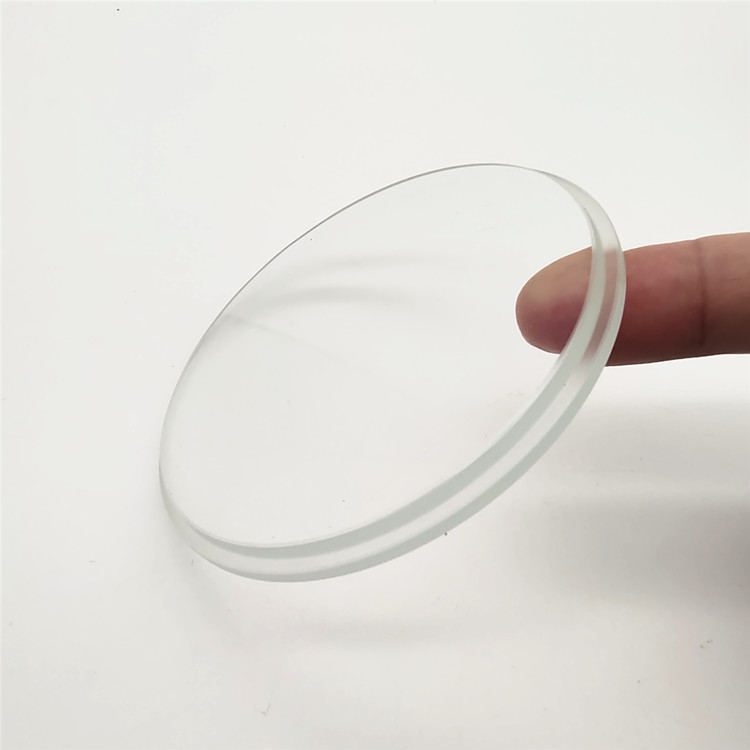
Tempered Step Edge Glass, 2–10 mm
Step-edge tempered glass for architectural electronics, LED fixtures and OEM assemblies that require a clean machined profile.
Inspect product details
Double-Sided AR Coated Ultra Clear Tempered Glass
For applications where reflection control and high transmission matter on both faces, including premium monitors and display windows.
Inspect product details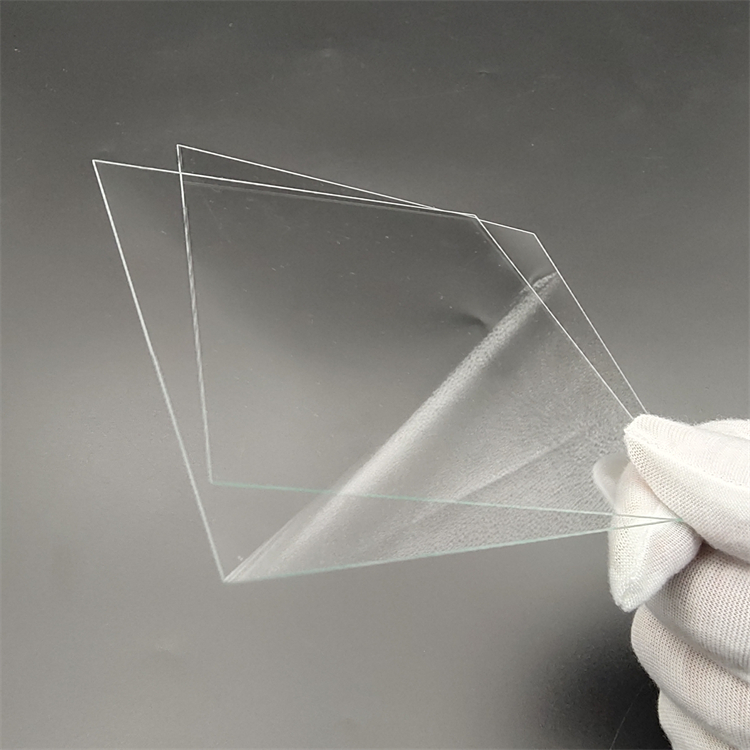
Ultra-Thin 0.5 mm / 0.7 mm Tempered Glass
Ultra-clear thin glass for compact instruments, wearables and space-constrained Dallas electronics designs.
Inspect product details
Printed Tempered Card Reader Cover with Hole
Decorative, high-strength covers for card readers, POS terminals, access-control devices and instrument interfaces.
Inspect product detailsDallas OEM Precision Glass Procurement at a Glance
The Dallas–Fort Worth Metroplex is one of North America’s most active OEM production and distribution environments. Electronics brands, medical device developers, HVAC and building-automation manufacturers, energy-equipment teams, security integrators and retail technology companies all source display glass, touch cover glass, switch glass and instrument windows within the same regional supply chain. A generic “tempered glass” quotation is rarely enough. Dallas buyers need a custom OEM precision glass manufacturer and supplier that can translate an enclosure drawing into a repeatable, inspection-ready glass component without creating friction between samples, tooling, packaging and inbound freight.
For a Dallas engineer, the most important question is not simply “What thickness is available?” It is “Will this glass fit the housing, survive cleaning, remain readable under sunlight, hide the internal electronics, pass drop or impact requirements if applicable, and arrive at our contract manufacturer without scratches?” That is why product selection should begin with the application environment, installation method and approval criteria. A control panel in a climate-controlled Plano office, a kiosk near DFW Airport, a medical monitor in Irving and a card reader in a high-traffic Dallas retail location can require different optical treatments, printing specifications and edge finishes.
This page connects the Dallas application context to eight available product paths and to the capabilities of Dongguan Jaswe Glass Co., Ltd., a glass processing company based in Dongguan, China, serving buyers in the Americas, Europe and Asia. The objective is to shorten the distance between a Dallas drawing and a manufacturable glass specification — with clear material choices, an engineering review before samples, and export packing designed for long-distance freight.
What Dallas buyers usually need to specify
For a useful quote, include the drawing format, glass size, thickness range, edge type, hole positions, printing colors, transparent window areas, surface treatment, annual usage and target approval date. If the glass will be used in a touch interface, state whether an AF anti-fingerprint coating is needed. If the display is near windows or outdoors, request an AG or AR review. If the product is a printed appliance or switch panel, provide Pantone codes and a sample of the housing texture so the glass can be matched correctly.
Dallas RFQ checklist
- DXF, DWG or PDF drawing with dimensions and tolerances
- Glass thickness, substrate and edge profile
- Holes, notches, step edges and countersinks
- Printing colors, icon detail and transparent windows
- AR, AG, AF or ultra-clear optical requirement
- Application exposure: indoor, outdoor, touch, cleaning
- Estimated annual quantity and first-order quantity
- Packaging, labeling and delivery destination in DFW
Where Precision Glass Goes to Work in the Dallas–Fort Worth Metroplex
The same factory capability can support very different Dallas industries. The right glass specification depends on the viewing environment, the cleaning routine and the integration method.
Industrial HMIs & Equipment Enclosures
Printed tempered glass with holes and scratch-resistant surfaces for factory automation, electrical cabinets and energy-equipment panels.
Medical, Diagnostic & Lab Displays
Ultra-clear and AR-coated cover glass supports contrast, color fidelity and low reflection in clinical monitors and laboratory instruments.
Smart Buildings, HVAC & Hospitality Controls
Decorative printed switch glass and touch panels for smart homes, hotels, commercial buildings and climate-control interfaces.
Retail POS, Card Readers & Access Panels
High-strength printed tempered glass covers with drilled holes for payment terminals, access-control devices and instrument interfaces.
LED Lighting & Architectural Fixtures
Tempered flat glass, step-edge glass and printed diffuser covers for downlights, panel lights, wall washers and architectural lighting.
Compact Electronics & Instrumentation
Ultra-thin 0.5 mm and 0.7 mm glass for space-constrained wearables, handheld instruments and compact display modules.
Dallas Market Trends Shaping Precision Glass Specifications in 2025
Dallas buyers are not only asking for lower prices. They are asking for display readability, touch cleanliness, assembly-ready printing and packaging that protects a finished component from factory floor to contract manufacturer.
Outdoor-Readable Interfaces
Texas sun exposure is pushing more projects toward AG and AF combinations, UV-stable printing and anti-glare surface treatment for kiosks and outdoor control cabinets.
Higher Optical Clarity
Medical, diagnostic and premium industrial monitors increasingly use ultra-clear substrate with single- or double-sided AR coating to improve contrast and color neutrality.
Smart Building Touch Panels
North Texas construction and retrofit activity continues to create demand for design-led glass switch plates, printed icons and easy-clean touch surfaces.
Thinner Device Integration
Portable instruments, compact HMIs and wearable-adjacent products are driving interest in 0.5 mm and 0.7 mm ultra-clear tempered glass.
Supply-Chain Resilience
Dallas OEMs are qualifying suppliers earlier, asking for DFM feedback before tooling release and keeping an approved sample as the production reference.
Assembly-Ready Packaging
Printed glass is no longer treated as a raw material. Interleaving, edge protection, moisture barriers and traceable labels reduce incoming inspection risk.
Dallas RFQ Priority Index
The bars below are a practical planning visualization, not a market forecast. They reflect the specification concerns that commonly rise to the top when a Dallas OEM sources printed or coated cover glass: sunlight, touch cleanliness, optical clarity, geometry accuracy and freight protection.
Use this index to structure a technical review. If glare is the highest priority, discuss AG treatment before finalizing the print design. If the product is a high-touch control, evaluate AF coating over the selected glass substrate. If the part includes multiple holes and a step edge, confirm the edge sequence with the factory before release.
For best results, send a drawing and a short description of the installed environment. The factory can then recommend a material stack instead of quoting a generic pane.
Application planning weights
Planning visualization for RFQ discussions. Project-specific values should be validated with samples and the final mechanical design.
Why Dallas Buyers Work with Dongguan Jaswe Glass
Dongguan Jaswe Glass Co., Ltd. is a custom glass processing company based in Dongguan, Guangdong, China — a manufacturing center for electronics, displays and precision components. The company processes custom tempered glass, ultra-clear glass, silk-screen printed glass, switch glass, electrical-equipment glass, LED lighting glass and AR / AG / AF coated cover glass. For Dallas OEMs, the value is not only factory pricing. It is the ability to keep cutting, CNC shaping, edge polishing, drilling, tempering, printing and coating inside one quality system.
Public trade-profile information shows a supplier with 51–100 employees, 26 glass processing machines, more than 200,000 pieces of monthly output, an average response time of three hours or less, a 96.61% response rate and a 26% buyer reorder rate. Annual revenue is listed at US$2.5M–US$5M, with main markets in America, Europe and Asia. The company describes many operators as having more than eight years of hands-on glass processing experience — a relevant detail for ultra-thin cover glass, multi-color printing and optical coating work where small handling errors become visible defects.
A Dallas project benefits most when the factory reviews manufacturability before sampling. That review can catch a hole that is too close to a tempered edge, a transparent window that conflicts with printed borders, or a glass thickness that is difficult to temper at the requested outline. These early conversations reduce the risk of a polished-looking sample that cannot be produced consistently at volume.
- Location
- Dongguan, Guangdong, China
- Team
- 80+ skilled workers
- Equipment
- 26 glass processing machines
- Capacity
- 200,000+ pcs/month
- Response rate
- 96.61%
- Reorder rate
- 26%



End-to-End In-House Processing
Cutting, CNC shaping, edge polishing, drilling, tempering, silk-screen printing and AR / AG / AF coating are coordinated under one roof.
Engineering Review Before Sampling
Drawings are checked for manufacturability, edge distance, coating compatibility and printing detail before a sample is produced.
Responsive Communication
A response rate of 96.61% and an average reply time of three hours or less help Dallas teams keep schedules moving across time zones.
Repeat-Production Mindset
A 26% reorder rate reflects the importance of consistent samples, stable printing and production checks that support repeat orders.
Multiple Product Paths, One Supplier
Printed switch glass, industrial windows, LED lighting glass and coated display glass can be developed with one manufacturing contact.
Export Packing for Dallas Freight
Interleaving, edge protection, unit labeling and moisture-conscious packing help protect finished glass during air or sea freight and local DFW distribution.
AR, AG, AF, Ultra Clear or Printed Tempered Glass: A Dallas Selection Matrix
Optical treatments are often combined. A touch kiosk may need AG for sunlight and AF for fingerprints; a medical display may need ultra-clear substrate with AR on both sides.
| Glass Option | Primary Value | Dallas Application Scenario | RFQ Detail to Confirm |
|---|---|---|---|
| Ultra Clear Low-Iron Glass | Removes the green tint of standard float glass for neutral color | Premium display windows, LED lighting covers, appliance control panels and color-critical instrument lenses | Substrate grade, thickness, edge profile and whether the printed colors are intended to match a white or light housing |
| AR Anti-Reflective Coating | Lowers surface reflection and improves contrast and light transmission | Medical monitors, industrial HMI windows, showroom displays and camera or sensor covers | Single- or double-sided AR; target transmission; viewing angle; coating durability and cleaning method |
| AG Anti-Glare Treatment | Diffuses reflected light so screens remain readable under strong ambient light | Outdoor kiosks, building-automation panels, vehicle displays and sun-exposed control cabinets | Haze or gloss level; viewing distance; print clarity; compatibility with AF top coating |
| AF Anti-Fingerprint Coating | Oleophobic surface that resists smudges and improves touch feel | Capacitive touch panels, smart switches, POS terminals, medical touch interfaces and public kiosks | Touch frequency, cleaning chemicals, abrasion requirement and whether AF is applied over AR or AG |
| Printed Tempered Glass | Hides wiring, adds logos, icons, borders and transparent display windows | Switch plates, appliance controls, card-reader covers, instrument windows and LED fixture borders | Pantone colors, window size, ink opacity, print side, tolerance and sample approval standard |
| Step Edge & Ultra-Thin Glass | Supports flush integration, compact assemblies and defined edge appearance | Architectural lighting, compact instruments, wearables and space-constrained control modules | Step dimensions, edge polish, hole-to-edge distance, thickness availability and handling method |
Final optical and mechanical values depend on substrate, thickness, coating stack and the installed environment. Validate with physical samples before mass production.
From Drawing to Dallas: A Four-Stage OEM Glass Workflow
A transparent process keeps Dallas buyers and their assembly partners aligned on geometry, appearance, packaging and approval criteria.
Drawing & DFM Review
Submit DXF, DWG or PDF files with thickness, edge, holes, printing and coating requirements. The factory reviews manufacturability and process route.
Sample & Approval
Physical samples are used to verify fit, edge appearance, print color, transparent windows and optical treatment before production release.
Production & Inspection
Batch production with checks at cutting, CNC, edging, tempering, printing and coating stages reduces the risk of visible defects.
Packing & Export
Edge-protected, interleaved and labeled packing supports air or sea freight, customs handling and local delivery to Dallas–Fort Worth assembly partners.
Information Gain for Dallas OEMs: Design the RFQ Around the Installed Environment
A glass quotation becomes more valuable when it includes the conditions around the part. For Dallas projects, describe whether the product will sit near a window, face direct sun, be cleaned with commercial disinfectants, be touched by the public, be mounted into a metal enclosure, or be handled during installation. These details influence coating selection, print durability, edge quality and packaging.
For example, a smart-building switch panel in a hotel may prioritize print aesthetics and anti-fingerprint performance. An industrial display in an electrical enclosure may prioritize dimensional accuracy, hole placement and high-strength tempered glass. A retail card reader cover may prioritize scratch resistance and clean edges. A medical or diagnostic display may prioritize optical clarity, low reflection and consistent coating on both faces.
Recommended inputs for a fast review
- 2D drawing with critical dimensions and tolerance notes
- 3D model or housing reference where available
- Glass thickness and edge profile preference
- Printing artwork, Pantone colors and window details
- AR, AG, AF or ultra-clear requirement
- Estimated annual volume and first shipment target
- Packaging, labeling and destination requirements
Common Questions from Dallas OEM Buyers
These are the questions that most often arise when North Texas teams evaluate a custom precision glass supplier for displays, touch panels, switch glass and instrument windows.
Can Jaswe Glass supply custom OEM precision glass to Dallas and the DFW area?
Yes. Dongguan Jaswe Glass Co., Ltd. serves buyers in America, Europe and Asia and produces custom tempered, ultra-clear, printed, AR / AG / AF coated glass for displays, touch panels, LED lighting, switches and electrical equipment. Dallas buyers can request a quotation with the required delivery terms, packaging method and destination information for the DFW area.
What glass should we choose for outdoor displays exposed to Texas heat and sunlight?
Start with an AG anti-glare review to diffuse reflected sunlight, then consider AF anti-fingerprint coating if the surface is touched by users or the public. Specify UV-stable printing and suitable tempered glass for the enclosure. For high-resolution displays where reflection control and contrast are the main goals, AR coating may also be evaluated. Sample testing under representative lighting is recommended before mass production.
What is the minimum order quantity for a Dallas OEM project?
Most custom items start at 100 to 500 pieces, depending on size, printing, coating and processing complexity. Standard clear tempered pieces may be available in smaller sample quantities for evaluation. The best approach is to send the drawing, annual quantity and first-order target so the factory can confirm the practical MOQ.
Can you combine AR, AG and AF treatments on one cover glass?
In many projects, treatments can be combined. A common stack may use AG treatment for glare control, followed by an AF top layer for touch cleanliness. AR coating can be applied to one or both sides when reflection control and transmission are the priority. The final stack depends on the substrate, coating compatibility, viewing environment and cleaning requirement.
What drawings and specifications should a Dallas engineer submit?
Send a DXF, DWG or PDF drawing with dimensions, tolerances, hole positions, edge type, thickness, printing colors, transparent window details and any coating requirement. Include the application, annual quantity, first-order quantity, packaging preference and target delivery date. A photograph or 3D model of the housing can also help the engineering review.
Which glass processes are completed in-house?
Jaswe Glass works with cutting, special-shaped and CNC cutting, edge polishing, hole drilling, tempering, silk-screen and ceramic printing, AG processing, and AR / AF coating. Keeping these steps coordinated in one production system helps control quality, lead time and communication.
How are printed glass colors and transparent windows controlled?
Provide artwork, Pantone references and a clear description of transparent windows and opaque areas. A physical sample is the best approval standard, especially for appliance panels, switch glass and instrument covers. The production reference should include ink color, print side, window size and edge appearance so repeat orders remain consistent.
How should custom glass be packed for freight to Dallas?
Finished glass should be interleaved, edge-protected and labeled to reduce handling risk. For printed or coated parts, specify the protection level required, including moisture-conscious packing and suitable outer cartons. If the glass is going directly to a Dallas contract manufacturer, discuss labeling, pallet configuration and incoming-inspection requirements during quotation.
Ready to Move Your Dallas OEM Glass Project Forward?
Send your drawing, thickness target, edge details, printing requirements, optical treatment and estimated annual quantity. The factory can review manufacturability, recommend a material stack and prepare a quotation for your Dallas–Fort Worth project.
Email: info@jasweglass.com · Custom tempered, ultra-clear, printed and AR / AG / AF coated glass