
8 Custom Tempered Glass Products for Los Angeles OEMs, Integrators and Fabricators
These eight platforms cover the most common Southern California RFQ patterns: thin display protection, custom-shaped screen glass, industrial lighting windows, step-edge assemblies, electronic display covers, anti-reflective optical glass, anti-glare touch panels and printed appliance panels. Each product link is preserved from the existing range; thickness, edge type, printing, coating and packing are confirmed against your drawing.
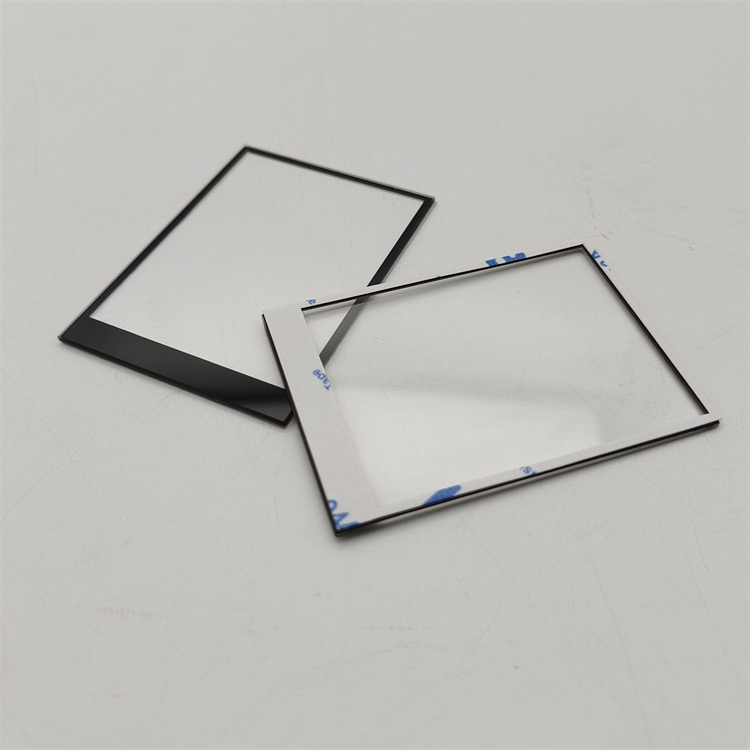
Small Size Ultra Thin 0.5mm 0.7mm 1mm Tempered Glass Panel With Adhesive Tape for Screen Protection
A lightweight cover option for compact displays, wearables, instruments and control windows. The adhesive, print window and edge finish should be reviewed before sampling.
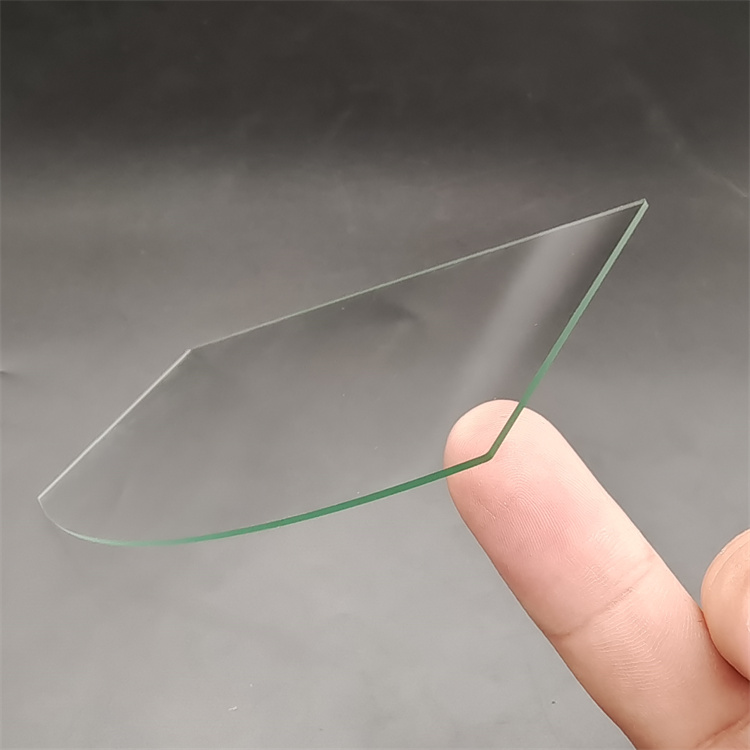
Any Size Custom 0.5/0.7/1/1.5/2/3mm Tempered Glass Screen Protector, Round Rectangle Triangle Customized OEM ODM
Round, rectangular, triangular and non-standard outlines for product teams that need a supplier to review a drawing before tooling and sample release.
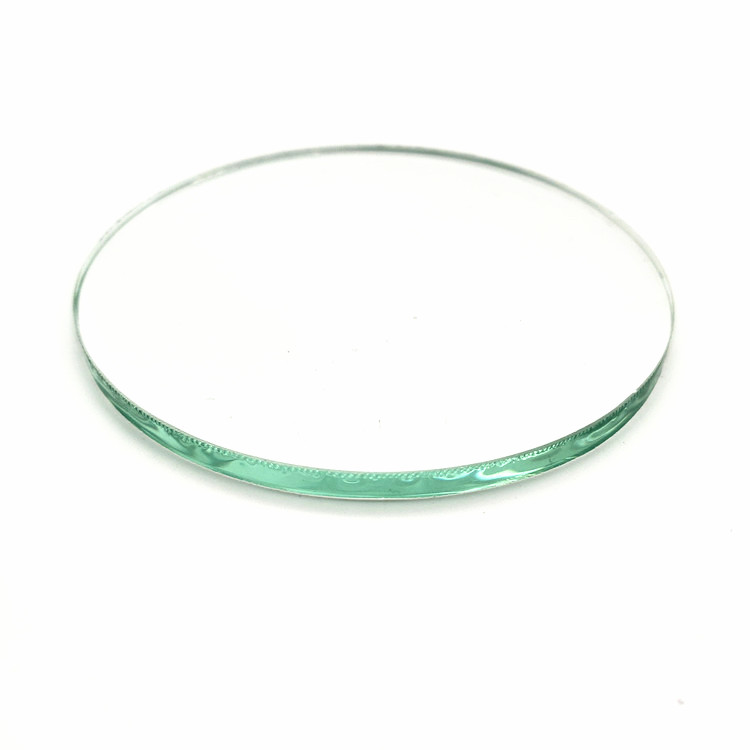
Customized Clear Flat Solid Tempered Glass Pieces 1mm–19mm for Industrial Lighting and Various Applications
Clear flat glass for lighting fixtures and equipment windows. Specify edge quality, holes, transmission targets and packing separation for long-distance transit.
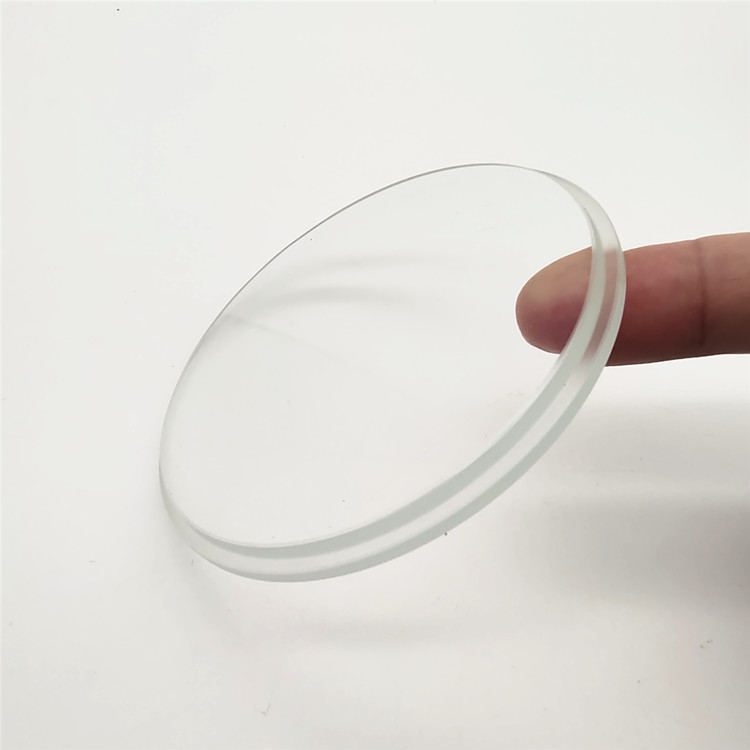
Factory Price 2mm 3mm 4mm 5mm 6mm 8mm 10mm Tempered Step Edge Glass
Step-edge geometry for assemblies that need flush seating, exposed-edge cosmetics or a controlled transition between glass and housing.
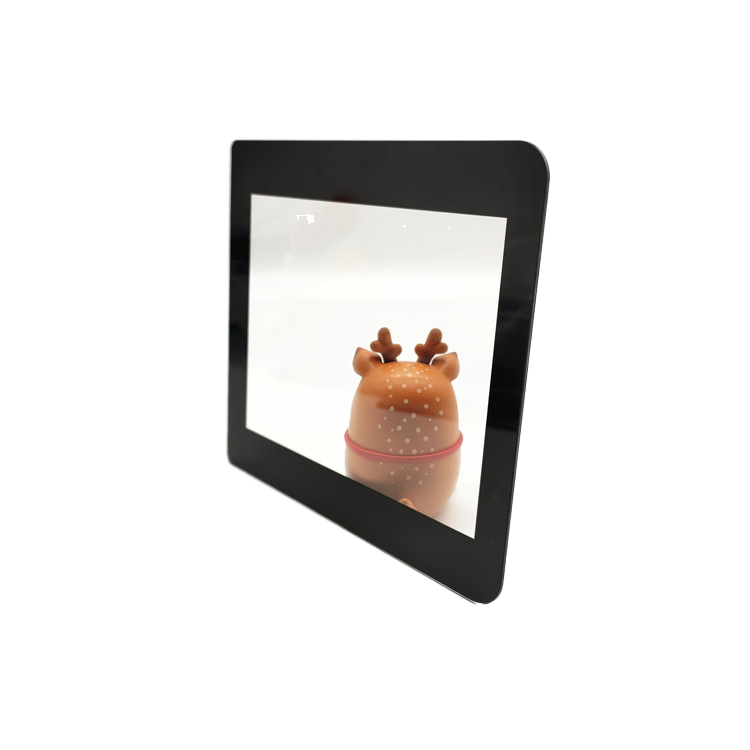
Industrial Use Electronic Glass 1mm/2mm/3mm/4mm Tempered Glass Display Screen Window Protection Cover
Protective display windows for HMIs, instruments and electronic equipment. Printed borders, drilled holes and thin-glass handling can be combined.
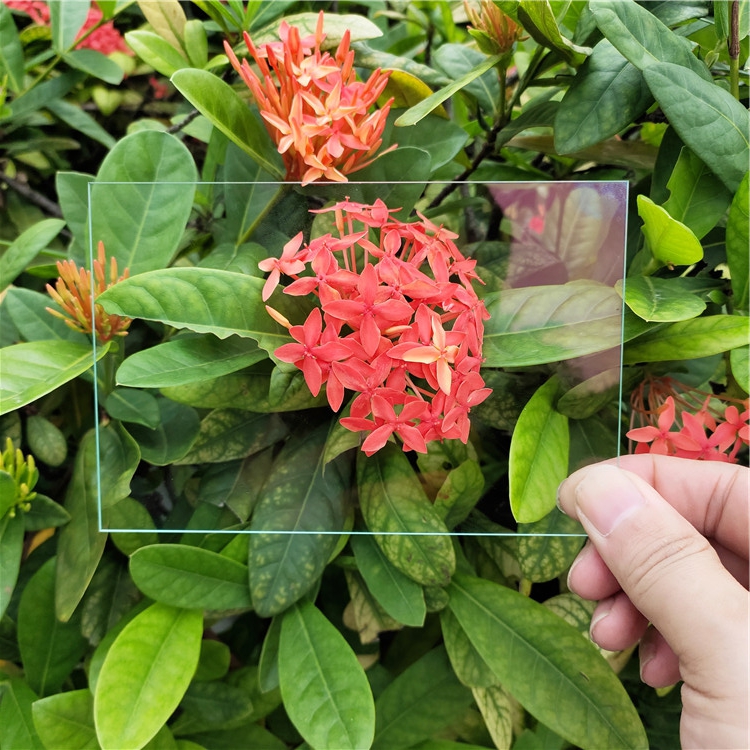
Factory Custom Optical Quality Nano Coating Tempered Anti Reflective AR Glass
AR-coated tempered glass for windows where reflection reduces contrast. Confirm single- or double-sided coating, wavelength range and measurement method.
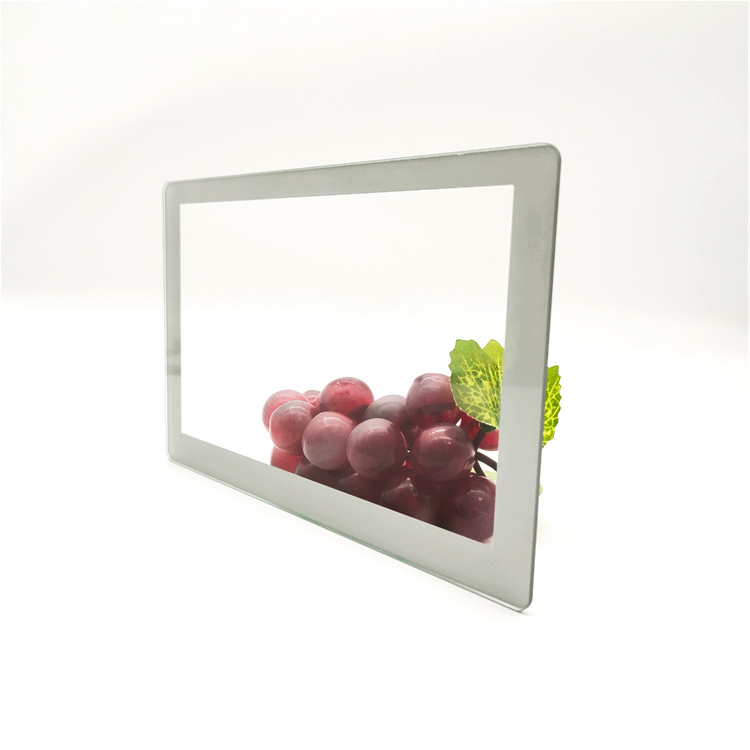
Customized High Strength Anti Glare Frosted Finish Tempered Glass LED/LCD Display Touch Panel for Monitor Screen Protector
Frosted anti-glare surfaces for touch panels and monitors exposed to daylight, store lighting or outdoor use. Haze level should match viewing distance.
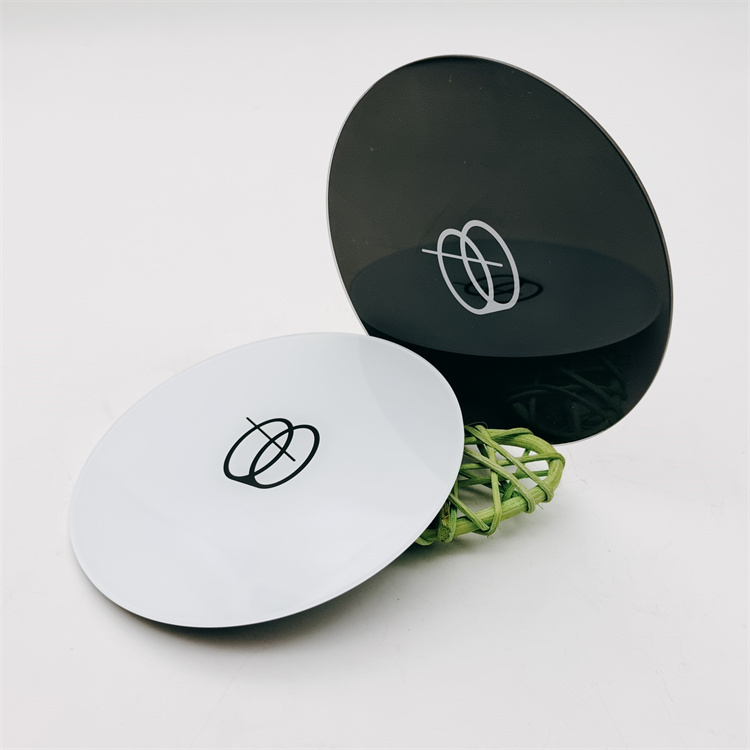
Black White Silk Screen Printing Toughened Glass Round Tempered Glass for Electric Appliance
Printed glass for switches, control panels and appliance fronts. Use Pantone references, window dimensions and icon artwork to reduce approval cycles.
Los Angeles Custom Tempered Glass Demand Is Not One Market — It Is Four Buying Situations
Los Angeles buyers use the phrase “custom tempered glass manufacturers and suppliers” with different commercial intent. A product engineer near LAX may need a 0.7 mm display cover with a printed black border. A lighting brand in the San Fernando Valley may need 3 mm clear panels with polished edges. An importer near the Port of Los Angeles may compare landed cost, packaging and documentation. A fabricator in Orange County may need a quick sample before releasing a production order. A supplier page becomes useful only when it answers those different jobs with specific process evidence.
Intent 1: Design-file compatibility
OEM teams from El Segundo, Irvine, Pasadena and the San Fernando Valley usually need a supplier who can read a DXF or PDF drawing and flag manufacturability issues before quoting. They care about thickness, edge cosmetics, printed windows, hole positions, coating stacks and tolerance stack-ups. A generic “tempered glass factory” page does not answer those questions.
Intent 2: Landed cost and supply risk
Importers comparing suppliers near the Port of Los Angeles and Long Beach should separate the quote into four cost centers: glass substrate, CNC and edge work, printing or coating, and export packing. A low unit price with weak edge protection can become an expensive claim after LTL or air freight. Ask for breakage allowances, packing drawings and batch traceability.
Intent 3: Optical and printed performance
Los Angeles has strong sun, bright retail interiors and outdoor signage. AR coating, AG treatment and AF anti-fingerprint layers are not decorative upgrades; they change readability, cleaning cycles and user experience. Printed tempered glass must also survive color matching, transparent window alignment and repeated handling. These details belong in the RFQ, not in a post-order email.
Where Custom Tempered Glass Is Specified in Los Angeles Projects
Los Angeles County combines entertainment production, logistics, retail, medical technology, EV infrastructure and industrial equipment. The same tempered glass product can fail in one environment and perform well in another, so the application should define the coating, edge and packing specification.
Outdoor digital signage and drive-thru menus
Direct sun and nighttime LED brightness can wash out a display window. For LA retail signage and quick-service menus, evaluate AG haze, AR transmission and AF cleanability together. A slightly finer AG texture may suit close viewing, while a stronger diffusion may be better for large roadside panels.
Entertainment production and studio control gear
Production equipment near Burbank, Culver City and Hollywood often needs low-reflection monitor covers, printed switch panels and robust control windows. Optical coating can improve on-set readability, while polished edges and consistent print density protect the visible finish of rack-mounted hardware.
EV charging, fleet and parking systems
Public charging interfaces around Los Angeles face fingerprints, dust, cleaning chemicals and accidental impact. A tempered cover with AF coating and an easy-clean printed border can reduce maintenance calls. The edge profile and mounting tolerance should be reviewed with the enclosure supplier.
Retail POS, kiosks and self-service terminals
Touch surfaces in high-traffic retail environments need fingerprint resistance, scratch-resistant surfaces and clear viewing windows for scanners or cameras. Ask for print-window tolerance, hole diameter control and recommended mounting compression so the glass does not sit under uneven stress.
Medical, dental and laboratory instrument displays
Clinical displays benefit from AR treatment when contrast matters and from bright, cleanable surfaces in shared equipment. Buyers should request a sample for legibility, edge safety and cleaning compatibility instead of relying only on a transmittance number on a datasheet.
Industrial HMI and warehouse control panels
Warehouse automation and industrial equipment in the Inland Empire often uses 2–6 mm display windows with printed borders, drilled holes and step edges. A clear process route for CNC, drilling, tempering and printing is more valuable than a broad “custom glass” claim.
Los Angeles Market Trends That Change the Custom Tempered Glass Supplier Shortlist
Procurement priorities in Southern California are shifting from simple piece price toward documentation, optical performance and supply reliability. These trends are especially visible in display, lighting, appliance and industrial equipment categories.
Port-centric landed-cost planning
Buyers near LAX, Long Beach, Vernon and the Inland Empire increasingly model drayage, warehousing and breakage risk alongside FOB price. A supplier that understands export packing and LTL handoff can reduce total cost even when the unit price is not the lowest.
High-mix, low-volume custom work
LA product teams frequently run multiple small SKUs rather than one large standard part. Fast drawing review, sample iteration and consistent documentation matter more than a catalog of generic sizes. This favors suppliers with in-house CNC, printing and coating control.
Sunlight, glare and optical quality
Outdoor kiosks, drive-thru displays, EV chargers and studio equipment all expose screens to demanding light. AR, AG and AF combinations are now specified earlier in design reviews, with sample testing used to balance haze, clarity and cleanability.
Documentation and sustainable packaging
More buyers request material declarations, coating information, inspection records and recyclable or reduced-plastic packing where applicable. Suppliers should be ready to discuss documentation scope honestly instead of promising certificates they cannot support.
AR vs AG vs AF vs Ultra Clear: A Buyer’s Selection Matrix for Southern California
Use this matrix during design review, then validate with physical samples. Coatings can be combined; for example, an outdoor touch kiosk may use AG for glare diffusion plus AF for fingerprint resistance, while a high-contrast instrument window may prioritize AR.
| Glass option | What it solves | Typical Los Angeles use | Engineering tip |
|---|---|---|---|
| Ultra-clear low-iron glass | Reduces the green tint of standard float glass and supports accurate color appearance. | Premium display covers, LED lighting windows, white appliance panels and retail fixtures. | Pair with light-color printing and verify edge color under the final lighting condition. |
| AR anti-reflective coating | Lowers surface reflection and can increase transmitted light so screens appear brighter and more contrasted. | Medical monitors, studio control displays, camera windows and high-end industrial HMIs. | Specify single- or double-sided coating and request measurement conditions, not just a target percentage. |
| AG anti-glare treatment | Diffuses reflected light so the display remains readable under strong ambient or outdoor light. | Outdoor signage, drive-thru menus, EV charger interfaces and daylight-facing touch panels. | Match haze level to viewing distance and resolution; too much diffusion can soften fine UI details. |
| AF anti-fingerprint coating | Creates an oleophobic top layer that resists smudges and makes touch surfaces easier to clean. | Public kiosks, POS terminals, smart switches and shared industrial control panels. | Apply as a final surface layer when possible; confirm abrasion and cleaning-test expectations with samples. |
| Printed tempered glass | Hides wiring, defines display windows, adds logos, icons and visual borders. | Appliance panels, switch glass, instrument windows, LED fixture borders and equipment fronts. | Send Pantone codes, transparent window size, print side and tolerance requirements before sampling. |
Final optical and print values depend on substrate, thickness, coating stack, ink and lighting. Sample approval is recommended before mass production.
Verify the Process Route Before You Compare the Price
A Los Angeles buyer should know which steps are performed by the supplier and which are subcontracted. The answer affects lead time, defect ownership and how quickly an engineer can respond when a drawing changes.
For custom tempered glass, the visible product is only the end of a chain: cutting, CNC shaping, edge polishing, hole drilling, tempering, silk-screen or ceramic printing, AG processing and AR or AF coating. If a supplier cannot explain that route, the buyer cannot reliably audit quality before a claim appears. Ask for the process chart, inspection points and packaging method in the quotation stage.
- Request a drawing review before the quotation is finalized, especially for thin glass, holes near edges and printed windows.
- Confirm whether tempering, printing, AG treatment and AR/AF coating are performed in-house or subcontracted.
- Ask for the inspection plan at cutting, edging, printing, coating and final packing, not only a final visual check.
- Separate tooling, sample, production, packing and freight charges so the landed cost can be compared fairly.
- Verify export packing for LTL, air freight or ocean consolidation into Los Angeles and the Inland Empire.
Why Dongguan Jaswe Glass Fits the Los Angeles Custom Glass Supply Chain
Jaswe is based in Dongguan, China, the electronics and glass processing hub of the Pearl River Delta. For LA buyers, location matters only when it improves process control, communication and repeatability. The company profile and trade data cited here provide a verifiable starting point for a supplier review.
In-house processing chain
Cutting, special-shaped CNC cutting, edge polishing, hole drilling, tempering, silk-screen and ceramic printing, AG processing and AR/AF coating are positioned under one quality system.
Production capacity for repeat orders
With 26 glass processing machines and more than 80 workers, monthly output exceeds 200,000 pieces. That capacity helps when a Los Angeles program scales from sample to production.
Fast engineering communication
The published trade profile shows a 96.61% response rate and an average response time within about three hours. For custom drawings, fast technical feedback reduces sample cycles.
Quality checks at each stage
Inspection is built around cutting, edging, tempering, printing and coating stages before packing. This staged approach is more useful than a single final inspection for printed or coated cover glass.
Export packing for long-distance transit
Custom glass projects for Los Angeles require edge protection, interleaving and carton strength that match LTL, air or ocean consolidation. Packing should be quoted with the product, not added at the last minute.
Repeat-buyer validation
The published reorder rate is 26%, with main markets in America, Europe and Asia. Repeat business in lighting, electronics and appliance programs is a practical signal during supplier due diligence.



From Los Angeles Drawing to Production Release: A Four-Stage Custom Glass Workflow
A clear workflow protects both schedule and quality. The most important step is not the quotation email; it is the engineering review that confirms the drawing can be manufactured consistently.
Send drawing and application
Provide DXF, DWG or PDF, thickness, edge type, printing colors, coating requirement, annual volume and destination in Los Angeles or the Inland Empire.
Review manufacturability
Check holes near edges, print windows, step-edge geometry, thin-glass handling, coating stack and packing constraints before final pricing.
Sample and production release
Approve fit, color, optical performance and appearance on a physical sample. Then lock the process route, inspection plan and batch quantity.
Pack and ship to LA
Use interleaved, edge-protected export packing and documentation that matches the agreed inspection points, packing list and freight method.
Questions Los Angeles Buyers Ask Before Ordering Custom Tempered Glass
These are the practical questions that arise when an LA-based product team, importer or fabricator evaluates a custom tempered glass supplier in China.
Can a China-based custom tempered glass manufacturer support Los Angeles delivery timelines?
Yes, but the timeline must be separated into sample, production, packing and transit. Air freight can shorten transit for urgent samples, while ocean or consolidated LTL shipments usually suit production volumes. If a supplier claims local Los Angeles stock, ask for the warehouse address and SKU list; otherwise, plan around realistic export lead times and customs clearance.
What information should I include in the RFQ for an accurate quotation?
Send a DXF, DWG or PDF drawing, glass thickness, outline dimensions, edge type, hole and cut-out positions, printing side and Pantone colors, transparent window size, coating requirement, surface finish, estimated annual quantity, sample quantity and destination. For Los Angeles buyers, include whether the shipment will move by air, ocean, LTL or a consolidation warehouse.
How do I specify glass for strong Los Angeles sunlight and outdoor signage?
Start with the viewing condition and display brightness. AR coating can reduce reflection and increase transmitted light. AG treatment can diffuse glare, but the haze level should match resolution and viewing distance. AF coating helps with fingerprints on touch surfaces. Ask for physical samples because the best optical stack depends on the screen, lighting and enclosure.
What is a realistic minimum order quantity for custom glass?
Most custom items start around 100 to 500 pieces depending on size, printing and coating complexity. Standard clear tempered pieces may be available in smaller sample quantities for evaluation. Confirm the MOQ together with tooling, sample fees and the inspection plan rather than treating MOQ as a standalone number.
How should custom glass be packed for LTL or air freight into Los Angeles?
Packing should protect edges, separate surfaces and prevent movement inside the carton. For printed or coated glass, interleaving and clean handling are critical. Ask for a packing drawing, carton strength, pallet configuration and any desiccant or moisture protection needed for the chosen freight method. Breakage risk often comes from handling after arrival as much as ocean transit.
Which documents should a Los Angeles buyer request from a custom glass supplier?
Request the agreed drawing revision, material and thickness confirmation, inspection records for the critical stages, packing list, and any available coating or material declarations relevant to your compliance review. Do not accept vague certificate claims. The documents should match the exact process route and product being purchased.
Request a Los Angeles-Ready Custom Glass Catalog and Engineering Review
Share your drawing, application, thickness, edge, printing and coating requirements. The Jaswe Glass team can respond with a process route, sample path and export packing recommendation for display, touch, lighting, appliance and industrial projects.
info@jasweglass.com