8 Dashboard Glass Products for Phoenix Distributors and OEMs
These eight product families are the most practical starting points for Phoenix buyers sourcing dashboard cover glass, printed control panels, instrument windows and touch-display lenses. Every item is custom-made from a drawing; thickness, outline, holes, edgework, printing, coating and packing are confirmed during engineering review.

Both Sides Anti Reflective AR Coating 1mm 2mm 3mm 4mm Ultra Clear Tempered Glass
Double-sided AR coating reduces surface reflection that washes out cluster graphics and raises useful light transmission for LCD, TFT and touch modules. A strong option for sunlit Phoenix interiors.
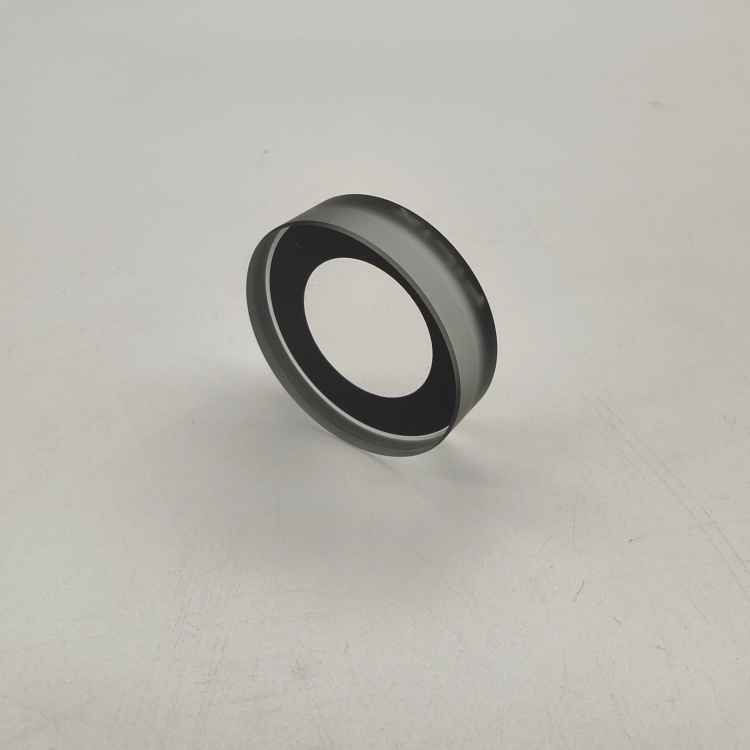
High Quality Small Diameter 10mm Thickness Round Tempered Glass with High Temperature Ceramic Printing
Small-diameter round glass with high-temperature ceramic printing suits gauge rings, rotary-control windows and decorative dashboard details. Send Pantone targets and window dimensions for color matching.
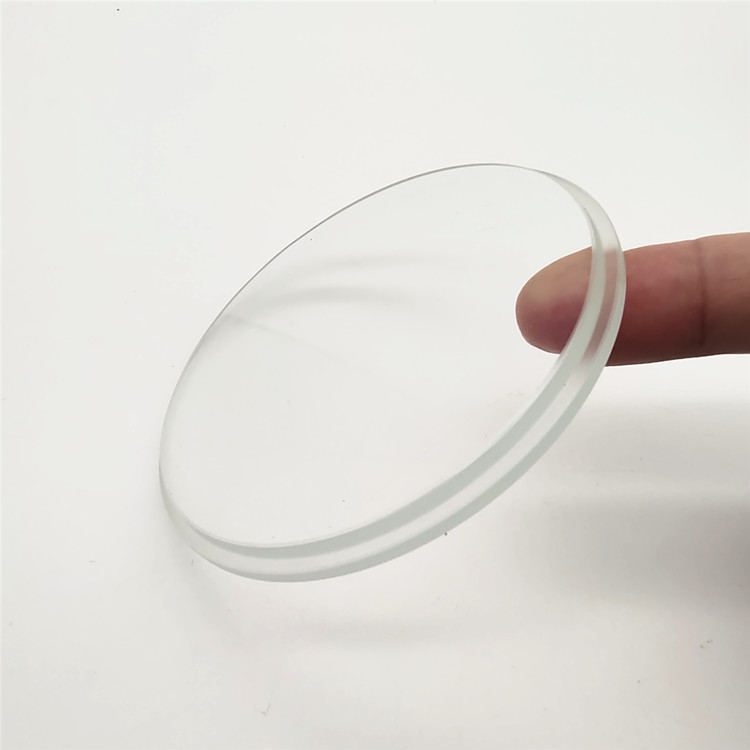
Factory Price 2mm 3mm 4mm 5mm 6mm 8mm 10mm Tempered Step Edge Glass
Step-edge glass creates a locating shoulder for flush mounting, recessed lens seating or clean transitions from glass to bezel. Useful when Phoenix assembly partners need repeatable location and edge protection.
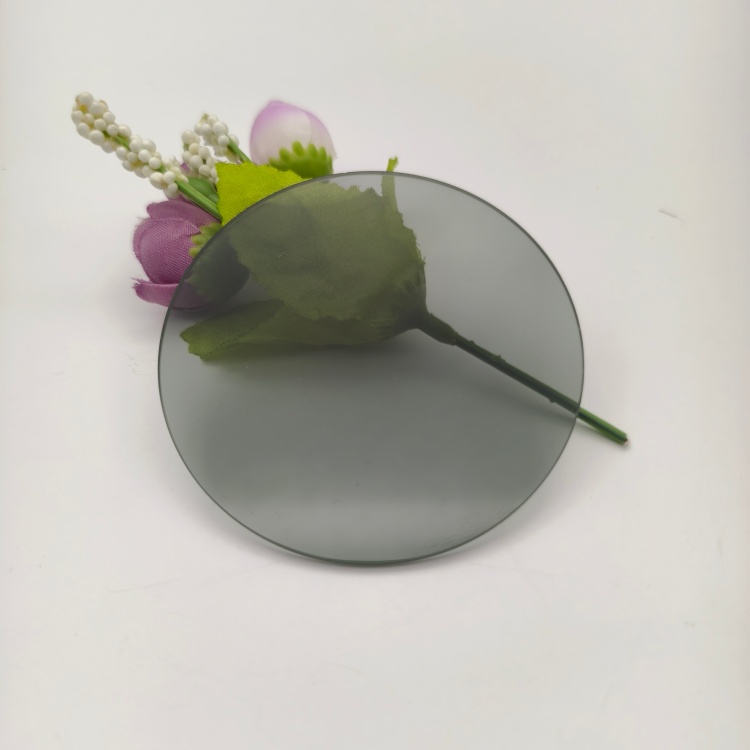
Factory Customized High Strength 2mm 3mm 4mm 5mm Tempered Black Glass Bulletproof & Decorative Flat Surface
Black tempered glass with a flat decorative surface can hide internal structures and create premium dashboard trim. For impact-rated programs, confirm project-specific test standards before approval.
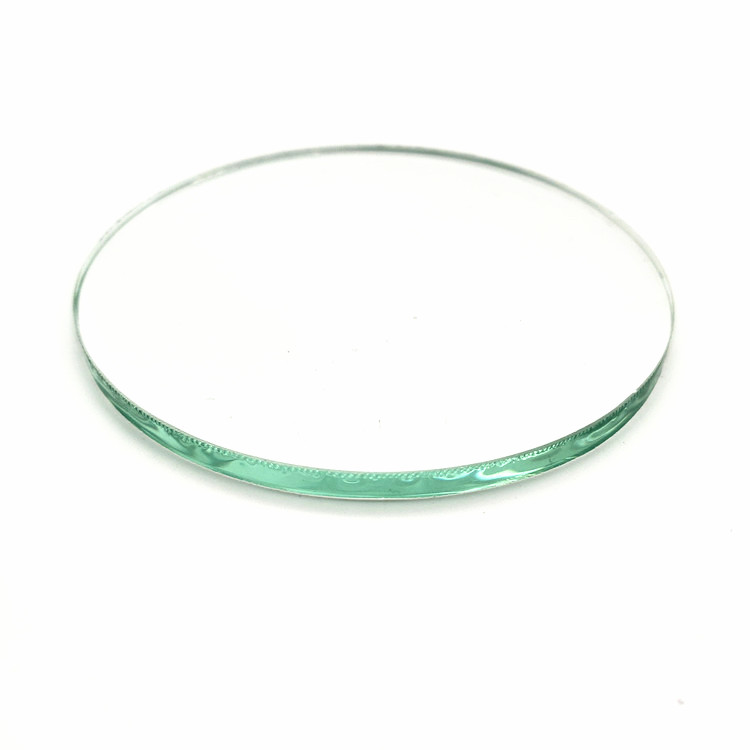
Customized Clear Flat Solid Tempered Glass Pieces 1mm-19mm for Industrial Lighting and Various Applications
Clear flat tempered pieces from 1 mm to 19 mm cover industrial lighting, instrument windows, machine interfaces and custom enclosures. Choose this family for larger formats or thicker glass.
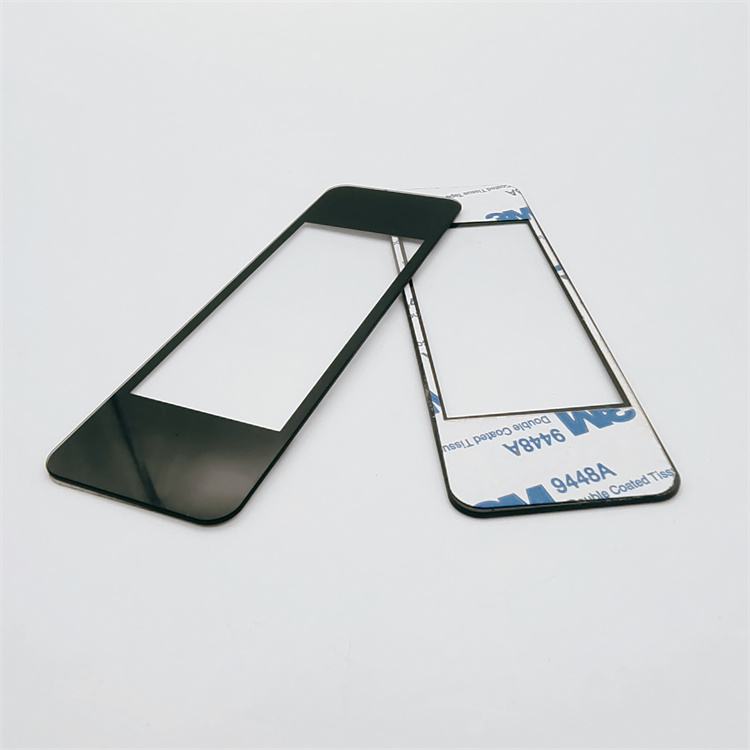
Ultra Thin 1mm Tempered Glass with 3M Tape for Screen Cover Glass
Ultra-thin glass with 3M adhesive is a practical starting point for screen-cover retrofits and compact touch displays. Phoenix heat makes tape grade, surface energy, venting and bond-line design important during sampling.
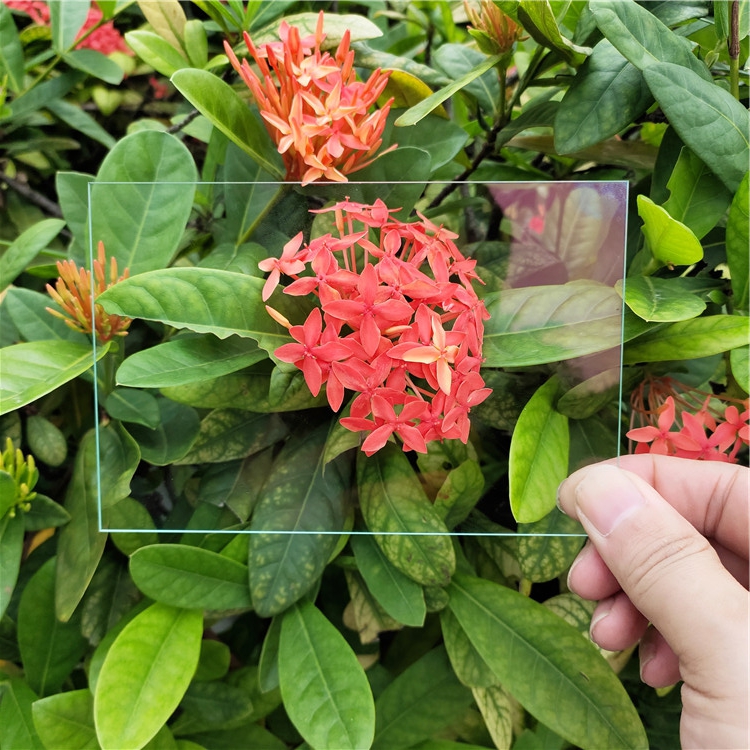
Factory Custom Optical Quality Nano Coating Tempered Anti Reflective AR Glass
Optical nano AR coating lowers reflection while maintaining tempered strength. It suits high-ambient-light HMI, medical or industrial displays and premium clusters where color neutrality matters.

Custom Printed Tempered Glass Panel High Strength Decorative Cover with Hole for Card Reader Instrument
Printed tempered glass with a hole for card-reader instruments shows how decorative, mechanical and optical functions can be combined in one cover. Similar construction works for payment terminals, access controls and equipment dashboards.
All products above are custom-manufactured to drawing. Product links are preserved exactly as supplied; where specifications are not listed, request engineering confirmation before quoting to Phoenix end users.
A Phoenix-Ready Supply Chain in Numbers
When buyers compare dashboard glass exporters and wholesalers for the Phoenix market, capacity matters only when it is backed by process control, fast engineering replies and repeat-order behavior. These figures come from the Dongguan Jaswe Glass Co., Ltd. company profile and trade records.
Additional company facts: 51–100 employees, annual revenue of US$2.5M–US$5M, main markets in America, Europe and Asia, and six years of on-site verified supplier status. The production base is in Dongguan, Guangdong, China, close to the electronics supply chain that supports display, touch, appliance and lighting programs.
For Phoenix buyers, these facts are most useful when they are tied to a clear quality plan: incoming glass inspection, in-process checks at cutting, edging, tempering, printing and coating, plus export packing designed for long-haul freight. Jaswe keeps cutting, CNC shaping, edge polishing, hole drilling, tempering, silk-screen and ceramic printing, AG processing and AR / AF coating under one roof.
What Phoenix Buyers Mean by “Dashboard Glass”
In this guide, dashboard glass means flat or shaped display cover glass used in instrument clusters, center-stack infotainment, HVAC control panels, EV charging interfaces, commercial equipment HMIs and other dashboard-like control surfaces. It does not refer to windshield glass, and it should not be confused with ordinary architectural glass.
Informational Intent
Queries such as “what is dashboard glass,” “AR vs AG vs AF glass,” and “which thickness for an instrument cluster” need clear definitions, optical tradeoffs and thickness guidance. Phoenix buyers also want to know how heat, UV and glare affect adhesive and coating choices.
Commercial Intent
Queries such as “dashboard glass exporter for Phoenix,” “tempered glass wholesaler Arizona,” “anti-glare display cover supplier,” or “custom printed glass panel Phoenix distributor” are comparison-stage searches. Buyers need MOQ, process depth, coating options, sample paths and shipping logic in one view.
Transactional Intent
Queries such as “send dashboard glass drawing for quote,” “request AR glass sample,” or “custom control panel glass price” should lead directly to an engineering review. The fastest path is a drawing, target thickness, edge type, printing colors, coating stack and estimated annual volume.
A page that blends all three intent layers is stronger than a thin product listing because it answers the buyer’s design question before asking for the inquiry.
Why Phoenix Is Not a Generic Glass Market
Phoenix combines intense sun, dry heat, dust, long drive cycles and a fast-growing base of EV, data center, aerospace, medical and smart-building equipment. Those conditions change the specification conversation for dashboard glass.
Heat and Thermal Cycling
Vehicle interiors, outdoor kiosks and roof-mounted equipment can experience severe heat loads. Glass thickness, coating stack, printed ink and adhesive must be reviewed together rather than as separate line items.
Bright Sun and Glare
AR coating increases contrast by reducing reflection, while AG treatment diffuses harsh light. For dashboards that face direct sun, AR plus AG or a carefully selected haze level can be more useful than low-cost clear glass.
Dust and Cleaning
Phoenix dust and interior cleaning routines put pressure on printed edges, anti-fingerprint layers and touch surfaces. Specify cleanable coatings and avoid designs where ink or adhesive sits in vulnerable exposed areas.
Touch-First Interiors
Center stacks, smart switches and commercial control panels are increasingly touch based. AF anti-fingerprint coating helps maintain clarity and reduces visible smudges in high-use vehicles and public equipment.
EV and Infotainment Growth
EV, fleet telematics and aftermarket infotainment programs require small batches, fast design changes and repeatable optics. Exporters that support drawing-based customization can be more useful than catalog-only wholesalers.
Industrial and Commercial HMI
Phoenix-area data centers, HVAC controls, medical instruments, aerospace support equipment and retail systems need robust display windows and printed panels where glass is part of the user interface.
Localized Trends Reshaping Dashboard Glass Procurement
The Phoenix market is moving toward higher optical performance, more integrated printing and smaller custom runs. For exporters and wholesalers, the winning offer is not simply “glass in stock”; it is engineering support that shortens the path from drawing to approved sample.
AR + AG Combinations
Buyers increasingly ask for anti-reflective plus anti-glare stacks for displays that face sun or bright warehouse lighting. Each layer must be validated against the final display brightness and viewing distance.
AF Touch Surfaces
Anti-fingerprint layers are becoming standard for touch clusters, smart switches and POS terminals. Phoenix customers expect easy cleaning without losing clarity or color accuracy.
Printed Glass as a Component
Silk-screen and ceramic printing now combine branding, hidden wiring, icon windows and sensor openings. The glass is no longer a simple cover; it is a functional part of the dashboard assembly.
High-Mix, Lower-Volume Orders
Aftermarket infotainment, specialty vehicles and commercial controls often need multiple sizes and finishes in modest quantities. Flexible MOQs from roughly 100–500 pieces help Phoenix distributors test demand.
Documented Quality and Dual Sourcing
Buyers want inspection records, clear change control and reliable export packing. A supplier that can explain its process route is easier to approve than one that only advertises low pricing.
Heat-Aware Adhesive Selection
For taped glass and bonded displays, Phoenix heat makes adhesive grade critical. Buyers should discuss tape type, surface preparation, venting and thermal expansion during sample approval.
AR vs AG vs AF vs Ultra Clear vs Printed Glass
Use this matrix to align a Phoenix product requirement with the right glass finish. Treatments can be combined; for example, an outdoor HMI may use tempered ultra-clear glass with AG plus AF, while a premium cluster may use double-sided AR.
| Glass / Finish | What It Solves | Phoenix Applications | Engineering Note |
|---|---|---|---|
| Ultra Clear Low-Iron | Removes the green tint of standard glass for cleaner color reproduction. | Instrument clusters, EV displays, LED indicators, premium appliance panels. | Pair with white or light printing to avoid a visible edge tone. |
| AR Anti-Reflective | Cuts surface reflection and increases useful light transmission. | Sunlit vehicle interiors, medical monitors, outdoor HMI, camera windows. | Single- or double-sided coating should be matched to the display stack. |
| AG Anti-Glare | Diffuses reflected light so screens remain readable under bright ambient light. | Outdoor kiosks, fleet dashboards, industrial HMI, digital signage. | Select haze level by viewing distance and display resolution. |
| AF Anti-Fingerprint | Repels oil and sweat and makes touch surfaces easier to clean. | Touch clusters, smart switches, POS terminals, access controls. | Apply as a top layer over AR or AG for touch products. |
| Printed / Ceramic Glass | Hides wiring, adds logos, icons, borders and transparent display windows. | HVAC controls, card readers, instrument windows, switch glass. | Send Pantone codes, window dimensions and hole positions with the drawing. |
| Step-Edge / Black Tempered | Creates locating shoulders, improves flush mounting and supports decorative trim. | Instrument bezels, control panels, decorative dashboard surfaces. | Confirm impact requirements before approving any “high-strength” decorative design. |
Final optical and mechanical values depend on substrate, thickness, coating stack, print pattern and adhesive. Sample testing is recommended before mass production.
Product-in-Application Scenarios for Phoenix
Phoenix buyers are rarely purchasing “glass” in the abstract. They are solving a display-readability, touch-durability, mounting, branding or assembly problem. Match the application to the glass family before comparing quotes.
Automotive Aftermarket and Fleet
Use AR/AG ultra-clear glass for cluster overlays, center-stack displays and telematics screens. Printed glass can carry icons, warning windows and brand graphics. Adhesive selection is critical for dash-mounted retrofits.
EV Charging and Energy Systems
Outdoor charging screens and energy cabinets need glare control, cleanable touch surfaces and strong weather-facing display windows. AG plus AF and printed masking glass are common selections.
HVAC and Smart Building
Thermostats, building controls and smart switches need printed glass panels with transparent windows, touch-key areas and scratch-resistant surfaces. Standard thicknesses are often 0.5, 0.7, 1, 2 and 3 mm.
Industrial HMI and Data Centers
Equipment dashboards, instrumentation windows and server-room control panels use clear or AR tempered glass. Larger formats and step edges help create robust assemblies for high-use environments.
Medical and Laboratory Instruments
Optical nano AR glass supports high-transmission display windows and color-neutral viewing. For regulated medical products, print, coating and cleaning compatibility should be validated with the device design file.
Retail POS and Access Control
Card-reader covers, payment terminals and access-control keypads need printed holes, windows and durable tempered surfaces. Custom shapes make it easier to integrate scanners, buttons and indicators.
What Phoenix Buyers Should Verify in an Exporter or Wholesaler
Not every overseas glass supplier is structured for dashboard work. The highest-risk gaps usually appear at drawing review, optical approval, print color matching, adhesive selection and export packing.
Drawing-Based DFM Review
Ask whether the supplier reviews DXF, DWG or PDF files for edge stress, hole spacing, coating windows and print tolerances before quoting.
In-House Process Control
Cutting, CNC, edging, drilling, tempering, printing and coating should be traceable. Moving glass between subcontractors creates quality gaps that are difficult to isolate.
Optical and Print Approval
For AR, AG or AF, approve samples under the actual display brightness and ambient light. For printed glass, approve Pantone color, ink density and transparent-window edges.
Export Packing and Reorders
Check interleaving, edge protection and carton strength for long-haul freight to Phoenix. A 26% reorder rate is a stronger signal than a catalog claim alone.
Dongguan Jaswe Glass: Export Manufacturer Behind Phoenix Wholesale Programs
Jaswe Glass supports importers, distributors, OEMs and aftermarket brands that need custom glass from one accountable factory. The company is based in Dongguan, Guangdong, China, and works with buyers across America, Europe and Asia.

Dongguan Jaswe Glass Co., Ltd. processes custom tempered glass, ultra-clear glass, silk-screen printed glass, AR / AG / AF coated glass, switch glass, electrical equipment glass, LED lighting glass and display cover glass. The product range spans ultra-thin electronic glass from 0.2 mm up to 19 mm flat tempered glass.
Most of the 80+ operators have more than eight years of hands-on glass processing experience. That matters on tight-tolerance jobs such as 0.2 mm ultra-thin cover glass or multi-color printing with transparent display windows, where small handling errors become visible defects.
Scientific management, careful manufacture, high quality service and striving for excellence guide the production approach. For Phoenix projects, the practical value is a single quality system across cutting, CNC shaping, edge polishing, hole drilling, tempering, printing, AG processing and AR / AF coating.
Why Phoenix Buyers Reorder
One-Roof Manufacturing
Cutting, CNC, edging, drilling, tempering, printing, AG and AR / AF coating stay under one quality system.
26 Machines and 80+ Workers
Capacity for repeat dashboard programs plus custom runs with mixed sizes, print colors and coating stacks.
200,000+ Pieces / Month
Monthly output supports wholesale and OEM buyers who need predictable replenishment after sample approval.
≤3h Average Response
A 96.61% response rate and fast engineering replies help Phoenix buyers keep quoting schedules moving.
Optical Coating Know-How
Single- or double-sided AR, AG processing and AF top layers can be combined for sunlit touch displays.
Custom Print and Holes
Ceramic and silk-screen printing, transparent windows, icons, borders, countersinks and mounting holes are handled in process.
Export Packing
Interleaved, edge-protected packing is planned for long-haul transit and distributor handling.
26% Reorder Rate
Repeat business from lighting, electronics and appliance buyers is a practical reliability signal.
MOQ guidance: Most custom items start at 100–500 pieces depending on size, printing and coating. Standard clear tempered pieces may be supplied in smaller sample quantities for evaluation. For dashboard programs, start with an engineering review and a physical sample rather than approving from a drawing alone.
Compliance note: This page is a sourcing and specification guide. For automotive, medical or other regulated applications, final glass, coating, printing and adhesive requirements must be reviewed against the purchaser’s validation plan and applicable standards before production.
Dashboard Glass Exporters and Wholesalers: Common Phoenix Questions
These are the questions that most often appear when Phoenix distributors, OEMs and aftermarket teams evaluate custom glass supply from an export factory.
What does “dashboard glass” mean on this page?
It refers to custom display cover glass used in instrument clusters, center-stack displays, HVAC controls, EV interfaces, card readers and industrial HMI panels. It is not windshield glass. Most projects use tempered ultra-clear glass with printing and an optical coating.
Which glass suits Phoenix sun and heat?
Begin with the display brightness and viewing angle. AR coating improves contrast in sunlit interiors, AG treatment diffuses glare, and AF coating improves touch cleanliness. For taped glass, confirm the adhesive grade and bonding process against expected heat exposure.
Can Jaswe supply Phoenix wholesalers and OEMs?
Yes. Jaswe is a China-based export manufacturer serving America, Europe and Asia. Phoenix-area importers, distributors and OEMs can source direct or through their wholesale partners; the same drawing-based engineering review applies.
What is the minimum order quantity?
Most custom items start at 100–500 pieces depending on size, printing and coating. Standard clear tempered pieces may be available in smaller sample quantities. Final MOQ is confirmed after drawing review and process route selection.
What information is needed for an accurate quote?
Send a DXF, DWG or PDF drawing, target thickness, glass type, edge type, hole and cut-out positions, printing colors or Pantone references, coating requirement, application, annual volume and any sample-target date. This lets engineering review manufacturability before quoting.
How do samples and production approval work?
The usual path is drawing review, process recommendation, physical sample for fit and color, optical approval under the intended lighting, then mass production with in-process inspection. Average response time is within three hours, and buyer response rate is 96.61%.
Have a Phoenix Dashboard Glass Drawing? Get an Engineering Review.
Share your drawing, thickness, coating stack, printing colors and estimated annual volume. Jaswe Glass will review manufacturability, MOQ and the most practical production route for your Phoenix market application.
info@jasweglass.com