Decorative Glass Manufacturer & Exporters in the Osaka Market
Custom tempered, ultra-clear, silk-screen printed and AR / AG / AF coated glass for Osaka retail, hospitality, smart-building, lighting and industrial HMI projects — engineered in Dongguan and exported to Osaka and the wider Kansai region.
Eight Custom Glass Products for Osaka Specifiers and Importers
Osaka projects rarely buy glass as a generic commodity. A display window in Shinsaibashi, a printed switch panel for a smart apartment in Suita, and an anti-reflective HMI window for an equipment builder in Higashiosaka each demand a different balance of optics, safety, print durability, assembly tolerance and export packing. The eight products below are practical starting points for Osaka importers, interior contractors, lighting brands and OEM engineering teams. Every product URL from the original range has been preserved.
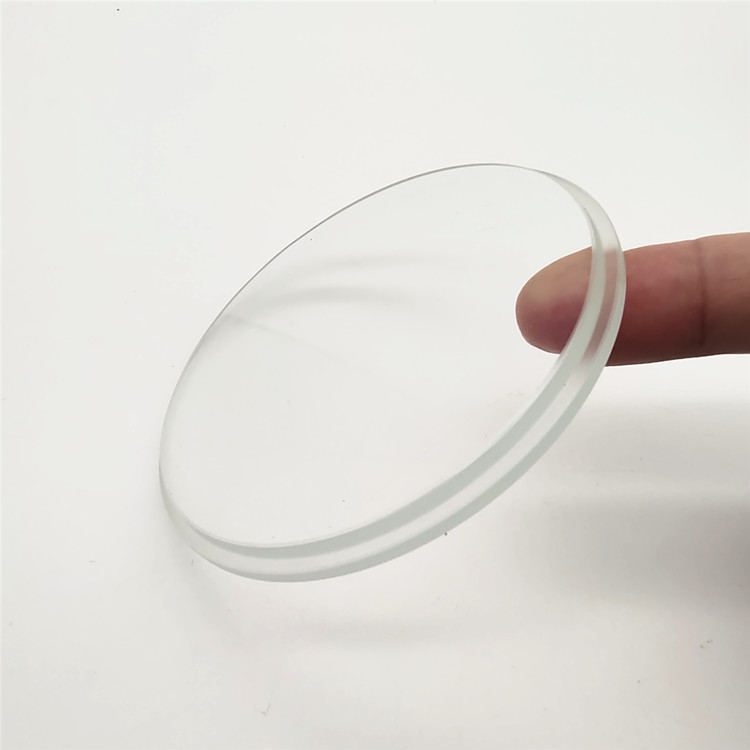
Factory Price 2mm 3mm 4mm 5mm 6mm 8mm 10mm Tempered Step Edge Glass
A step-edge tempered glass format for display windows, control plates and layered assemblies that seat into a bezel. Useful where the glass must look flush from the front while locating cleanly from the rear.
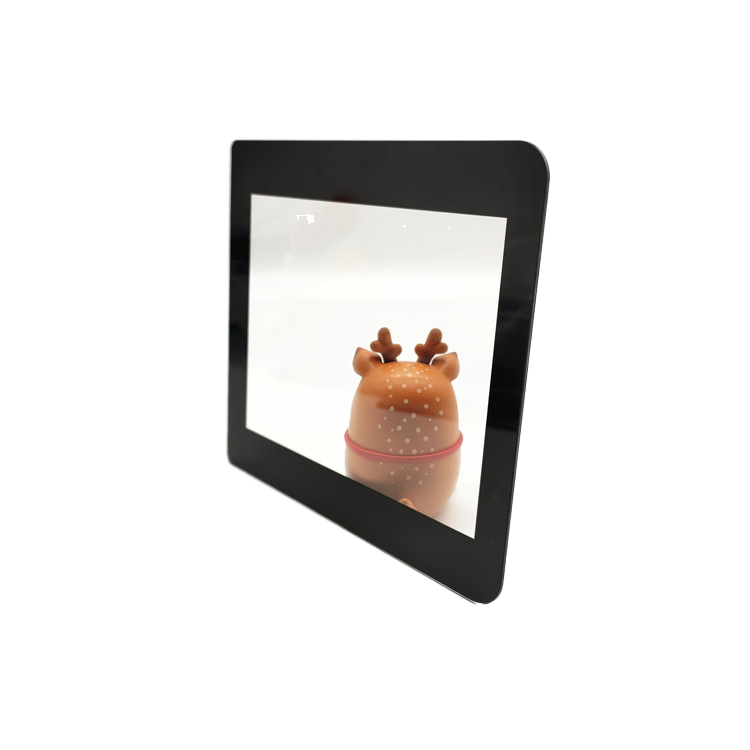
Industrial Use Electronic Glass 1mm/2mm/3mm/4mm Tempered Glass Display Screen Window Protection Cover
A protective display window for industrial equipment, kiosks and control interfaces. The format supports cut-to-drawing outlines, holes and edge treatment for Osaka machinery, medical support equipment and instrumentation supply chains.
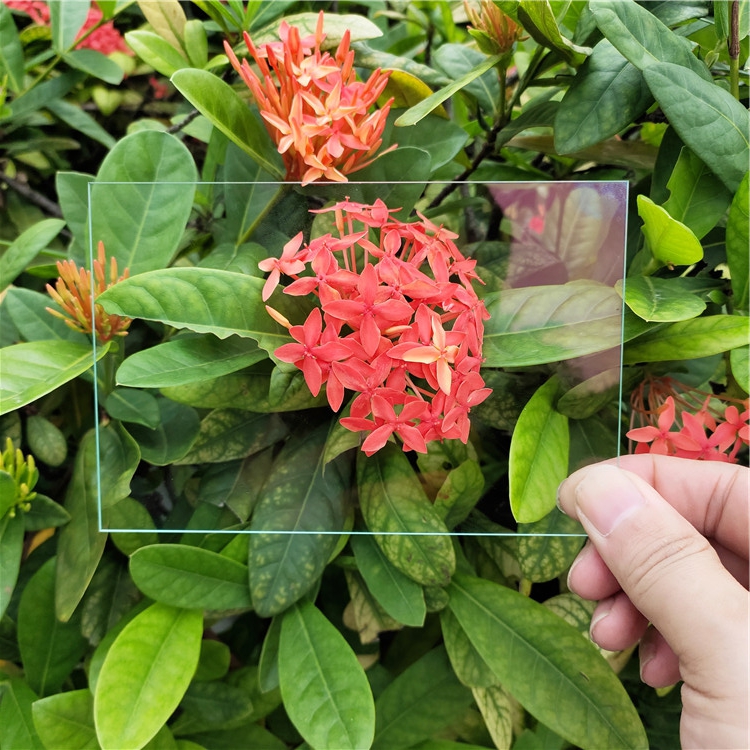
Factory Custom Optical Quality Nano Coating Tempered Anti Reflective AR Glass
AR-coated tempered glass for showrooms, camera windows, medical monitors and high-contrast display panels. Anti-reflective treatment helps Osaka retail and equipment environments where ambient lighting can wash out screen detail.
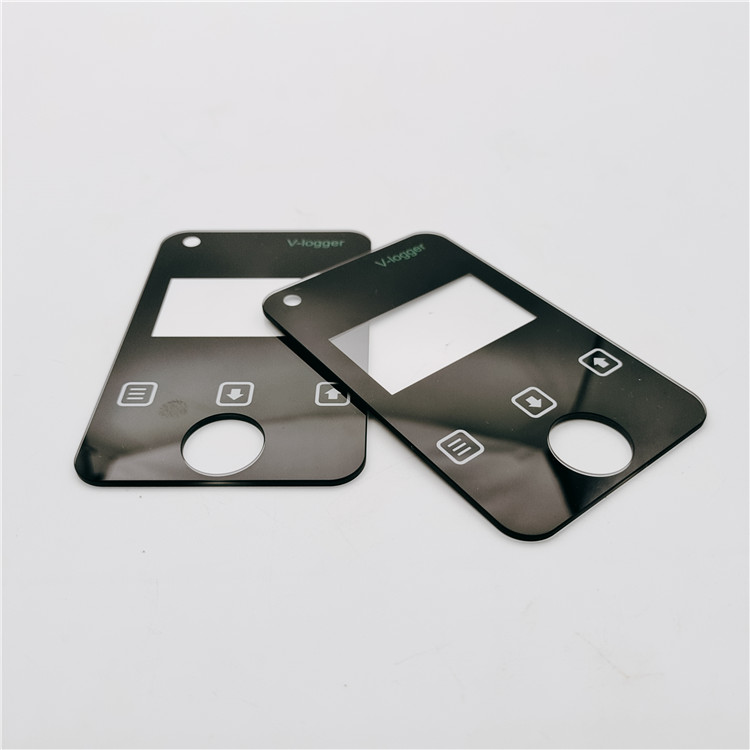
Customized Cut 1mm 2mm 3mm 4mm Instrument Printed Tempered Glass With Holes
Printed tempered glass for instrument faces, button apertures and indicator windows. Holes, transparent windows and print layers can be coordinated so that sensors, LEDs and mechanical controls align during Osaka assembly.
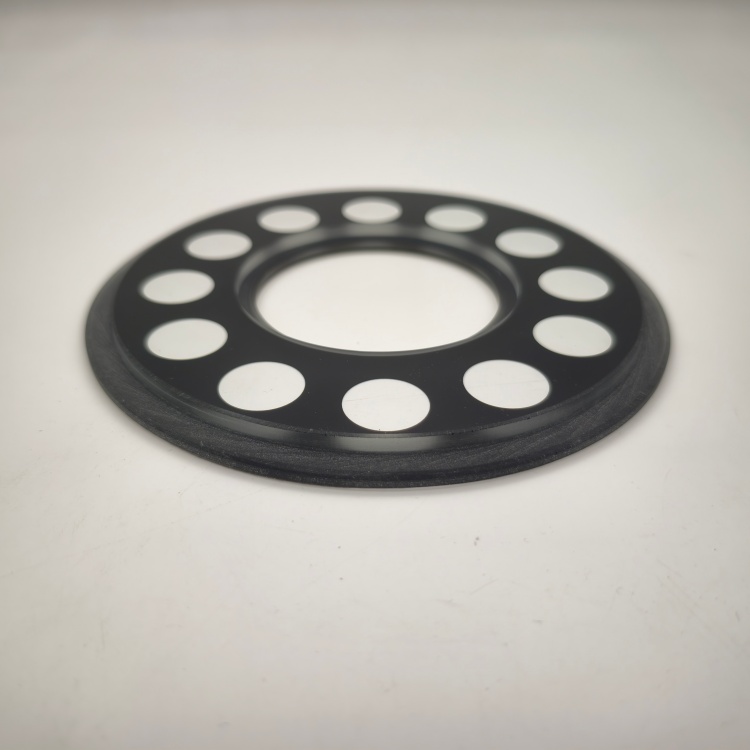
Factory Customized Round Hole Inner and Outer Double Step Edge Printed Tempered Glass for LED Lighting
A double-step round glass component for LED lighting fixtures and lens covers. It is suited to Osaka lighting studios and fixture makers that need printed borders, controlled light emission and repeatable seating geometry.

Small Size Ultra Thin 0.5mm 0.7mm 1mm Tempered Glass Panel With Adhesive Tape for Screen Protection
Ultra-thin glass with adhesive backing for compact displays, wearables and small control windows. This format supports lightweight product design and cleaner assembly for Osaka electronics brands and prototype teams.
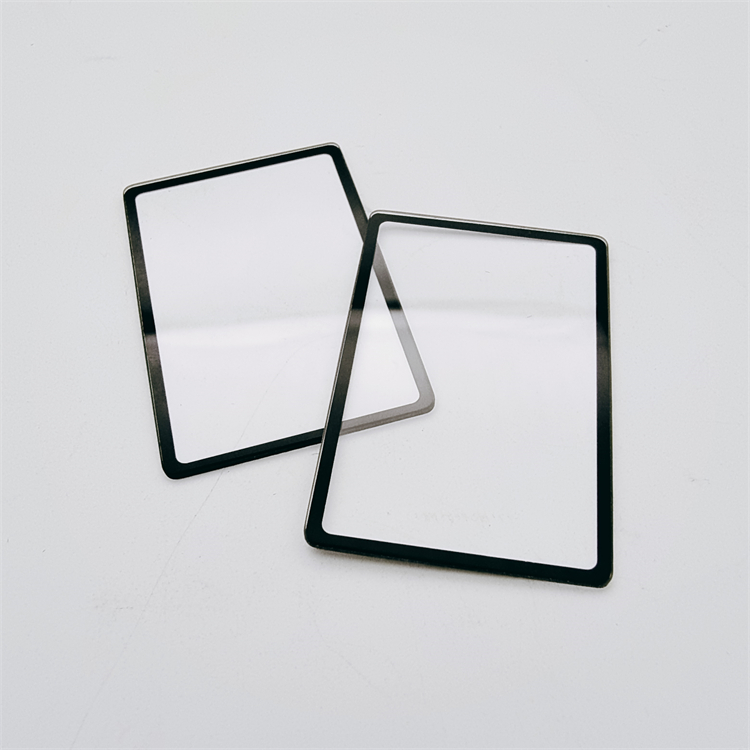
0.5mm 0.7mm 1mm 2mm 3mm Good Price OEM Wholesale Custom Premium Silk Screen Printing Tempered Glass Display Screen Industrial
Silk-screen printed tempered glass for appliance displays, industrial screens and switch plates. Multi-color logos, icon windows, black masks and color matching help maintain a consistent visual finish across Osaka retail and appliance projects.
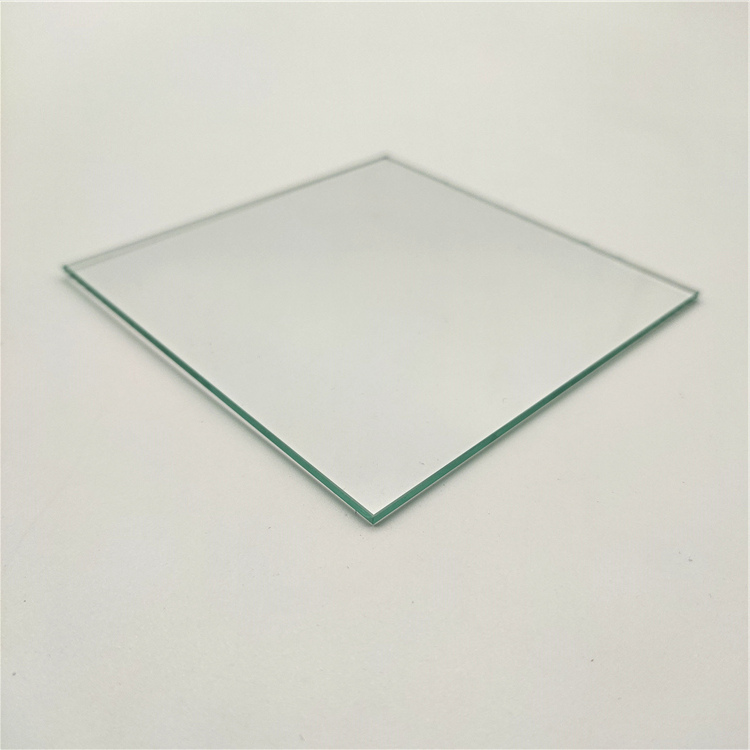
Fast Delivery Custom 1mm clear Glass Sheet
A clear 1 mm glass sheet option for prototypes, evaluation builds and thin protective panels. It can be supplied as a practical baseline before tempering, printing or coating are added for an Osaka production program.
Production Capacity That Supports Osaka Project Cycles
Osaka buyers often need a supplier that can move from drawing review to sample, then from sample approval to a repeatable export batch without losing process control. These operating figures are taken from the company information behind this product range and are relevant to that requirement.
What Decorative and Technical Glass Demand Looks Like in Osaka
Osaka is not one uniform market. It is a dense network of commercial districts, residential retrofit projects, lighting manufacturers and industrial equipment builders. That mix rewards suppliers who can handle high-mix, low-to-medium volume custom glass with clear documentation and predictable packing.
Umeda office and hospitality interiors tend to specify display windows with controlled reflection. Namba and Shinsaibashi retail projects treat glass as a visible brand surface, so print color, edge finish and anti-fingerprint behavior matter. Suita, Sakai and other residential supply chains increasingly request compact glass control plates for heaters, bathrooms, intercoms and kitchen equipment. Higashiosaka and the broader Kansai equipment base asks for HMI windows with printed masks, holes, anti-glare treatment and stable tolerances.
The practical consequence is that a single commodity sheet rarely satisfies an Osaka brief. The stronger route is to define thickness, outline, edge type, printing, coating, adhesive and packing together, then validate the result through samples. Jaswe’s export workflow is structured around this reality: drawing review first, process route second, sample approval third, and export packing before sea freight to Osaka or Kobe.
Sample Review Priorities for Osaka Inquiries
Indicative engineering weighting used during project review — not a market statistic.
Premium Retail and Hospitality
Osaka retail and hotel projects use glass as a finish layer: printed borders, black tempered back panels, low-reflection display windows and touch surfaces that resist fingerprints during daily customer contact.
Smart Home and Touch Controls
Kansai appliance and housing suppliers are moving toward glass faceplates for bathroom controls, kitchen appliances, intercoms and heating systems. AF coating and consistent print alignment are central to assembly quality.
Energy-Efficient LED Lighting
Lighting fixture makers in Osaka and Sakai require clear, ultra-clear or printed glass covers. Step edges, round holes and ceramic-print borders help control light output while simplifying fixture assembly.
Industrial HMI and Instrumentation
Equipment manufacturers and specialist suppliers need display windows with AR or AG treatment, printed masks, cut-outs and drilled holes. Tolerance consistency matters as much as the glass itself.
Safety and Durability Awareness
Japan’s seismic context encourages tempered glass, polished edges and robust corner protection. For decorative glass in public spaces, safer breakage behavior and packaging integrity are part of the specification, not an afterthought.
Compact Design and Retrofit Work
Small apartments and renovation projects favor thin, lightweight glass, adhesive-backed panels and replaceable decorative faceplates. These formats reduce assembly steps and support faster retrofit cycles.
How Custom Glass Fits Osaka Projects
Decorative appearance and technical function should be specified together. The scenarios below translate common Osaka project briefs into practical glass requirements.
Umeda Office and Lobby Displays
Use ultra-clear tempered glass with AR treatment for wayfinding screens, lobby displays and reception control interfaces where reflection control and a clean edge finish influence the first impression.
Shinsaibashi and Namba Retail
Printed tempered glass with black borders, brand logos and anti-glare surfaces supports shop fixtures, display covers and information panels in high-traffic retail and hospitality interiors.
Smart Apartments in Suita and Sakai
AF-coated switch glass and compact printed faceplates for heating, lighting and intercom controls. Thin 0.5–3 mm formats help designers integrate control surfaces without bulky frames.
LED Fixtures in Higashiosaka
Round or rectangular ultra-clear covers with printed borders, step edges and drilled holes for downlights, panel lights, wall washers and custom luminaires. High transmittance supports efficient light output.
Equipment and Instrument Windows
Printed tempered windows with holes and transparent openings for Osaka equipment builders, measurement devices, control boxes and industrial HMI enclosures. AR or AG selection depends on lighting and viewing distance.
Hospitality and Appliance Faceplates
Black tempered glass, ceramic-print graphics and clean-edge decorative panels for appliance controls, hotel room interfaces, coffee stations and service counters. Custom print files help keep brand consistency.
AR, AG, AF, Ultra-Clear or Printed Tempered Glass?
Choosing the right glass starts with the problem that must be solved: reflection, glare, fingerprints, print depth, breakage resistance or assembly fit. This matrix is a practical starting point for Osaka project reviews.
| Glass Option | What It Solves | Typical Osaka Use | Engineering Tip |
|---|---|---|---|
| Ultra-Clear Low-Iron Glass | Reduces the green edge tint of standard float glass and supports truer color rendering. | Premium display covers, LED fixtures, white appliance panels and high-end retail details. | Pair with neutral white printing and verify edge color under the project lighting. |
| AR Anti-Reflective Coating | Lowers surface reflection so displays appear clearer and higher in contrast. | Showroom monitors, medical support equipment, camera windows and instrument displays. | Single-sided or double-sided coating can be specified; sample testing confirms the gain. |
| AG Anti-Glare Treatment | Diffuses reflected light from strong ambient sources, sunlight or overhead lighting. | Outdoor signage, industrial HMIs, retail windows and equipment used in bright areas. | Match haze level to viewing distance; fine haze suits high-resolution displays. |
| AF Anti-Fingerprint Coating | Repels oil and sweat and makes touch surfaces easier to clean. | Touch panels, smart switches, POS terminals, appliance controls and public interfaces. | Use as the final top layer over AR or AG where the surface will be touched frequently. |
| Silk-Screen Printed Tempered Glass | Adds logos, masks, icons, borders and transparent windows while hiding internal parts. | Switch plates, appliance faces, instrument windows and branded decorative panels. | Provide Pantone or approved color references, window dimensions and viewing direction. |
| Step-Edge Glass | Creates a locating geometry for flush mounting and layered assemblies. | Display windows, control covers, lighting lenses and equipment front panels. | Confirm step depth, step width and edge polish so the glass seats without stress points. |
Final optical and mechanical values depend on thickness, substrate, coating stack, print coverage and assembly design. Sample approval is recommended before mass production.
Why Osaka Buyers Work With Dongguan Jaswe Glass
Jaswe’s advantage is not a claim of an Osaka factory. It is a transparent factory-direct route: custom processing in Dongguan, export packing, English documentation and shipment to Osaka or Kobe through established freight channels.



Dongguan Jaswe Glass Co., Ltd. processes custom tempered glass, ultra-clear glass, silk-screen printed glass, AR / AG / AF coated glass, touch screen cover glass, switch glass and LED lighting glass. The company is located in Dongguan, Guangdong, China, and serves buyers in America, Europe and Asia. For Osaka projects, this means one engineering contact can review a drawing, recommend a process route, arrange samples, control printing and coating, and prepare export packing for Japan-bound freight.
Most of the 80+ operators have hands-on glass processing experience, which matters when a job involves 0.2 mm ultra-thin glass, multi-color print with transparent windows, or double-sided optical coating. The company’s stated operating principle is “scientific management, careful manufacture, high quality service, striving for excellence.” In practical terms, that translates into process discipline at cutting, edging, drilling, tempering, printing and coating stages.
Engineering transparency is part of E-E-A-T. Before a project moves forward, buyers can request manufacturability feedback, sample reports, printing references, packing proposals and documentation requirements for their Osaka import process. Where certification or material declarations are needed, the applicable scope is confirmed per order rather than assumed.
In-House Process Control
Cutting, CNC shaping, edge polishing, hole drilling, tempering, silk-screen printing, AG processing and AR / AF coating are coordinated under one production route.
Drawing-Based Engineering Review
DXF, DWG, PDF, 2D drawings and sample references are reviewed for thickness, tolerance, edge, print, coating and assembly fit before quoting the final process.
Quality Checks at Multiple Stages
Inspection is placed at cutting, edging, tempering, printing and coating points, helping catch dimensional or visual defects before packing.
Print and Optical Approval
For branded display glass, switch panels and instrument windows, color, window size and coating performance are checked against approved samples.
Export Packing for Sea Freight
Interleaved paper, edge protection, corner guards, moisture barriers and labeled cartons or crates are planned around the route to Osaka or Kobe.
Responsive Export Communication
An average response time of ≤3 hours and a 96.61% response rate help overseas buyers move from drawing review to sample approval with fewer delays.
From Drawing to Osaka Delivery
A clear process reduces the risk of a visually attractive glass sample that cannot be packed, assembled or repeated at production scale.
Send the Osaka Brief
Share drawing, application, thickness, edge type, printing, coating, annual volume and destination. Photos of the installation context help.
Engineering Review
The team checks manufacturability, tolerances, process route, likely loss points, sample plan and export packing requirements.
Sample and Approval
Physical samples are prepared for fit, color, optical and surface review. Printing and coating are approved before mass production.
Production and Export
Batch production, in-process inspection, counting, protective packing and documentation are prepared for onward freight to Osaka or Kobe.
Questions Osaka Buyers Ask Before Ordering
These answers are written for importers, contractors, product designers and OEM buyers evaluating a custom glass supply route from China into the Osaka market.
Are you an Osaka-based manufacturer or an exporter serving Osaka?
What is the typical MOQ for custom decorative or display glass?
How is custom glass shipped to Osaka?
Can you match Japanese brand colors and printed logos?
Can AR, AG and AF treatments be combined on one glass product?
What should I send to receive a useful engineering reply?
How do you reduce breakage and scratches during export packing?
What documentation can be prepared for Osaka importers?
Send Your Osaka Project Drawing for Engineering Review
Share the application, drawing, thickness, edge and step geometry, printing colors, coating requirement, estimated annual volume and destination in Osaka. The team will review manufacturability and recommend a practical sample route before mass production.