Electrical Appliance Glass Manufacturer & Wholesaler in the Frankfurt Market
Custom tempered, ceramically printed, ultra-clear and AR/AG/AF-coated glass for appliance fascia, smart switch plates, HMI windows, commercial kitchen displays and LED lighting — engineered in Dongguan for Frankfurt-area OEMs, distributors and maintenance buyers.
Eight Custom Glass Platforms for Frankfurt Appliance Programmes
Each item below is a production-ready platform, not a fixed catalogue SKU. Thickness, outline, holes, edge profile, printing colours, adhesive and coating stack can be reviewed against your drawing. Product URLs are preserved for direct specification.
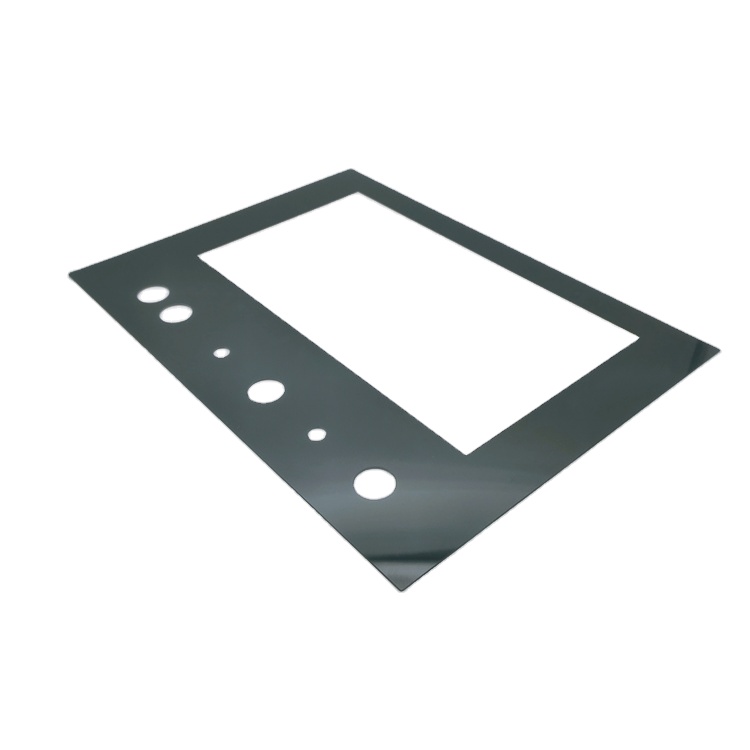
Customized Printed 0.5–6 mm Flat Tempered Glass Screen Protector with Cut Holes
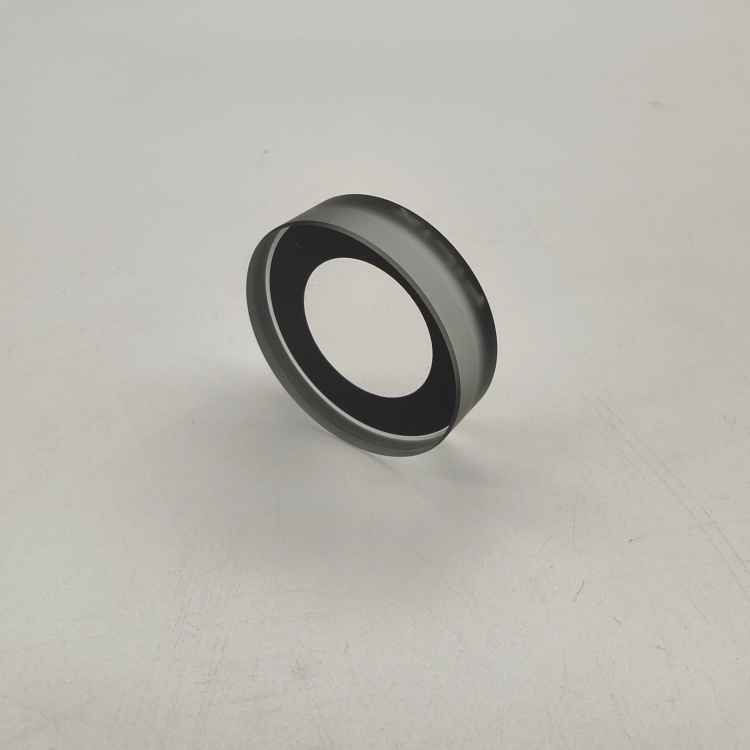
High Quality Small Diameter 10 mm Round Tempered Glass with High Temperature Ceramic Printing
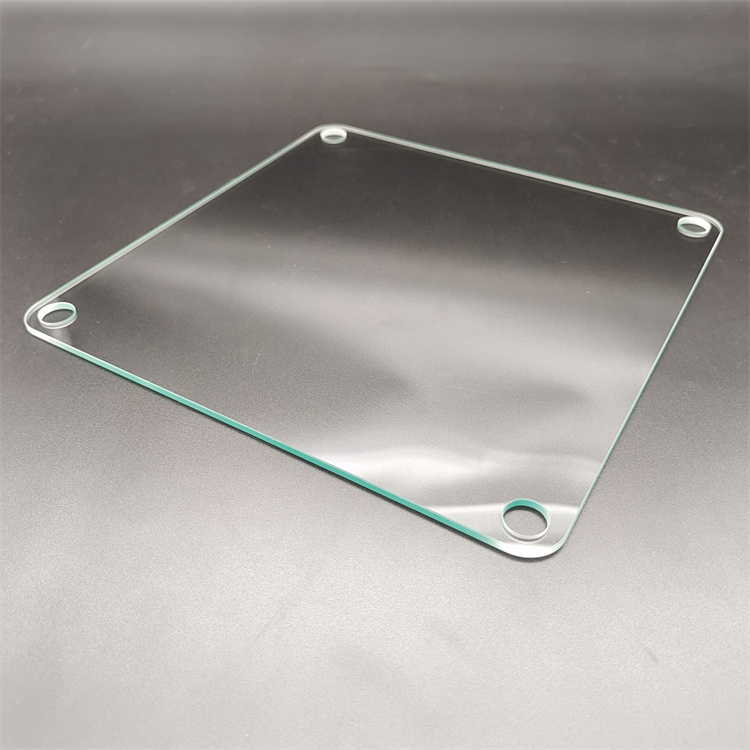
Factory Sale Customized Shape Decorative Glass Cover Hole Drilling Glass Panel Soda-lime Tempered Glass Sheet With Holes
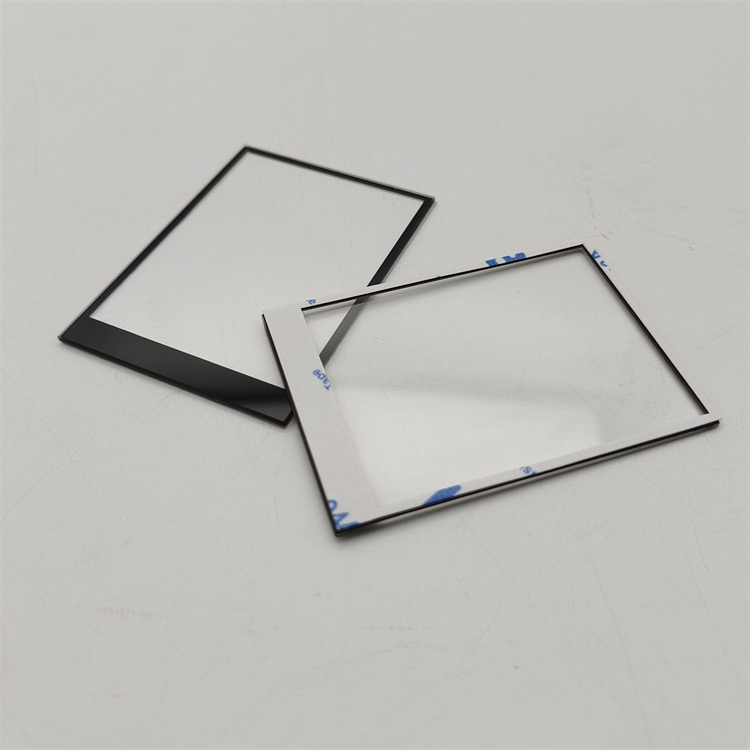
Small Size Ultra Thin 0.5 mm 0.7 mm 1 mm Tempered Glass Panel With Adhesive Tape for Screen Protection
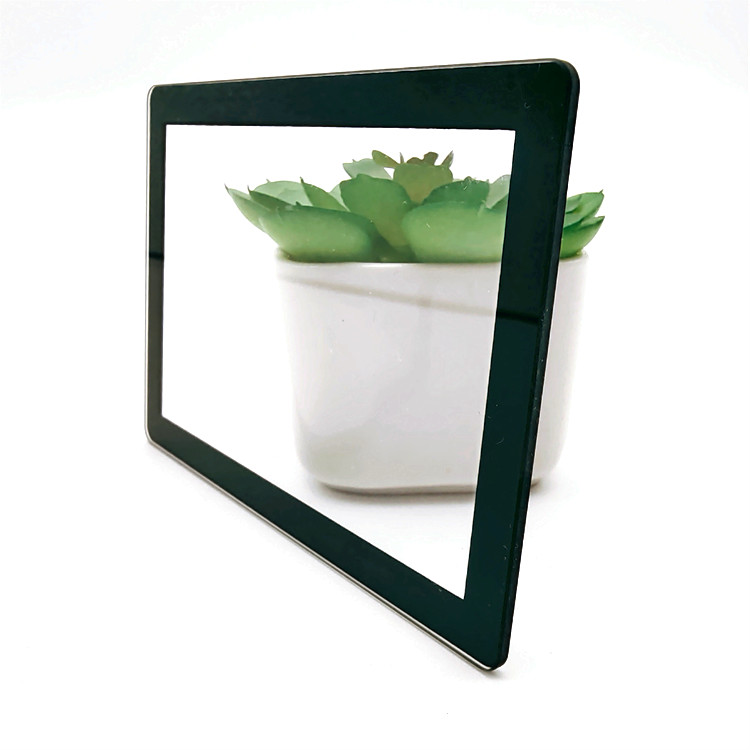
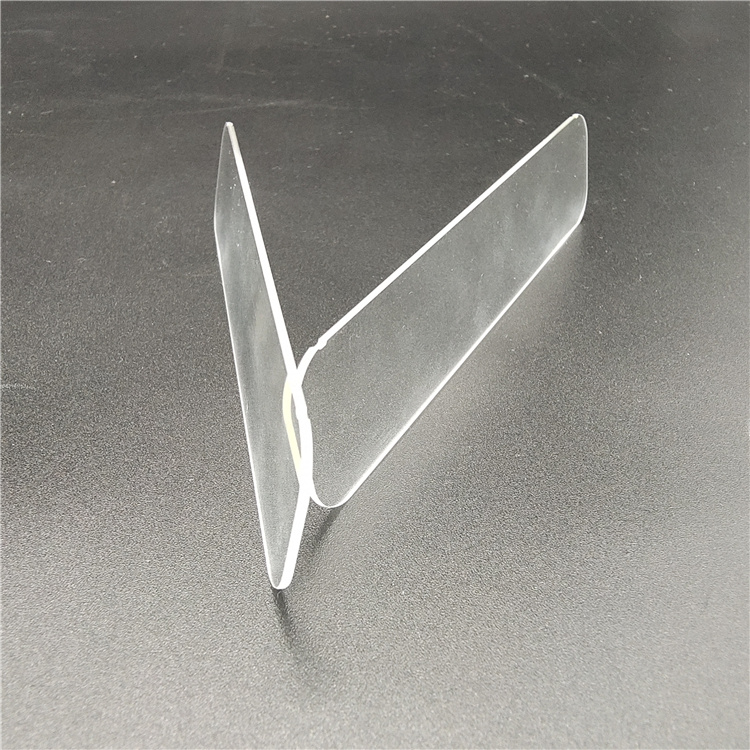
Custom Extra White 0.5 mm 1 mm 1.5 mm 2 mm Low Iron Tempered Glass Chemical Strengthened
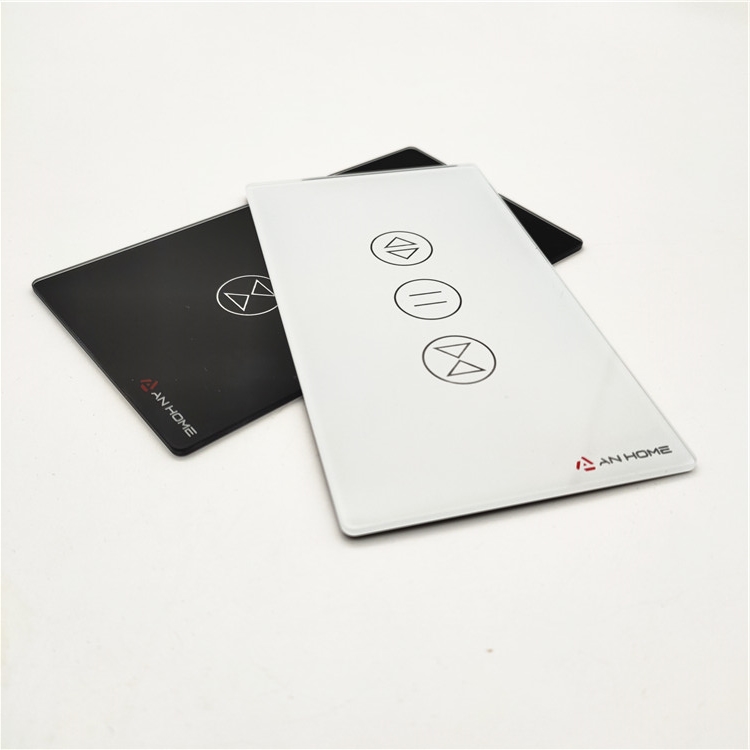
Home Smart WiFi Remote Control Touch Tempered Glass Screen-Printed Glass Switch Glass Panels Curtain Control Glass
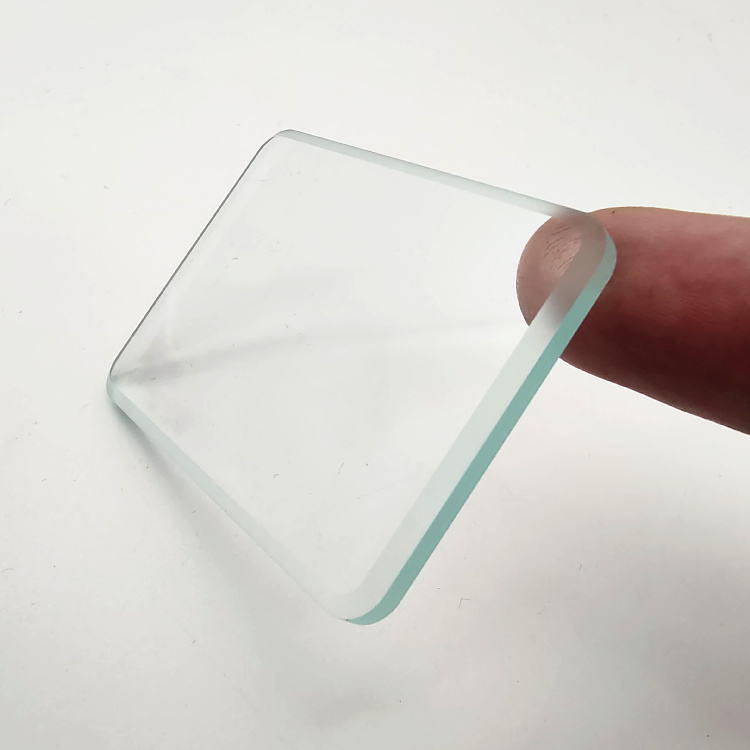
Custom Small Dimensions Tempered Beveled Edge Glass for Sale
Frankfurt Is a Specification Market, Not a Low-Price Catalogue Market
An electrical appliance glass cover is one of the few components a customer touches every day. In Frankfurt and the wider Rhine-Main area, procurement teams sit between premium kitchen studios, built-in appliance importers, smart-home integrators, commercial foodservice operators, electrical wholesalers and facility maintenance teams. The glass must survive cleaning agents, repeated touch, glare and visual comparison under showroom lighting. That is why colour consistency, print registration, edge quality, flatness and coating durability matter as much as piece price.
For a wholesaler or OEM buyer, the best supplier is not the one with the longest online catalogue. It is the one that can show a controlled process, explain trade-offs, produce a sample that matches the drawing, and repeat the same result across shipments to Frankfurt. This guide therefore treats glass as an engineered interface: substrate, tempering, printing, coating, adhesive, packing and documentation are reviewed together.
Premium Built-in Kitchens
Frankfurt kitchen studios and appliance importers often specify glass that must look correct beside matte lacquer, brushed steel and stone surfaces. Low-iron ultra-clear glass, controlled black printing and anti-fingerprint coatings reduce the visual mismatch that appears after installation.
Smart Switches & Electrical Wholesale
WiFi touch switches, room controllers and multi-gang plates are moving from plastic to glass. Buyers look for stable print registration around touch keys, clean transparent windows for icons and sensors, comfortable edges and packaging that protects every plate.
Commercial Foodservice
In restaurant, hotel and canteen kitchens across the Rhine-Main area, glass must survive frequent cleaning and heavy touch. Tempered 3–6 mm construction, durable ceramic inks and anti-glare surfaces are often more useful than a decorative low-cost finish.
MRO & Replacement Parts
Facility teams and electrical wholesalers need replacement cover plates that fit the installed base, not new retail designs. Drawings, batch labels, colour references and repeatable small-batch runs are key for maintenance, repair and operations supply.
Where Appliance Glass Performs in Frankfurt-Area Projects
Frankfurt buyers rarely purchase glass as a generic material. They specify it into a product, a showroom display, a commercial kitchen, a connected building or a maintenance programme. The application decides the glass.
Built-in Kitchen Appliance Fascia
Printed tempered glass for ovens, dishwashers, coffee machines and refrigeration units. The glass hides wiring, frames digital windows and coordinates with premium kitchen surfaces. Low-iron substrate, precise window printing and AF coating are common requirements for Frankfurt kitchen programmes.
Smart Switch & Room Control
Glass switch plates with printed icons, capacitive touch windows and cleanable surfaces. For smart-home distributors, the buying decision is driven by print alignment, light diffusion, adhesive strength and packaging quality as much as by the glass itself.
Commercial Kitchen & Laundry HMI
Heavy-use equipment needs 3–6 mm tempered glass that resists impact, heat and cleaning chemicals. AG treatment can keep displays readable under bright stainless-steel kitchen lighting, while printed borders can cover mounting areas and hide fasteners.
HVAC & Building Automation Displays
Controllers and thermostat panels in lobbies, plant rooms and smart buildings need clear display windows with optional AR or AG treatment. Holes and countersinks can be added for sensors, buttons and mounting hardware without compromising the visible front.
Electrical Wholesale & MRO Kits
For distributors, repeatability and protection matter. Interleaved packing, edge-protected cartons, part labels and consistent print batches help reduce damage and returns. Replacement cover plates can be produced to the same drawing as the original appliance programme.
Retail Refrigeration & LED Lighting
Low-iron covers, printed borders and high-transmission glass for LED lighting and display fixtures. The glass must manage heat, cleaning and optical clarity so that the light output remains consistent across a retail or hospitality installation.
Six Frankfurt-Market Trends Shaping Appliance Glass Specifications
These are practical procurement signals rather than general consumer trends. They influence drawings, samples, packaging and supplier selection for electrical appliance glass in Germany’s Rhine-Main region.
Matte Black, Low-Gloss and Anti-Fingerprint
Premium kitchens and appliance brands continue to favour dark, low-reflection front panels. Buyers ask for low-gloss appearance, clean fingerprints resistance and consistent black density. The requirement is not only ink colour; it is also glass substrate, surface treatment and lighting-test comparison.
Touch-First Smart Home Interfaces
Smart-home and electrical wholesale buyers want glass panels that combine printed icons, transparent touch windows and sensor openings. WiFi switches, room controls and curtain panels must look clean while remaining easy to clean. Print registration and adhesive selection become part of the user experience.
Documentation Readiness for EU Procurement
Frankfurt buyers increasingly ask about material declarations, drawing control, batch labelling and inspection records before a purchase order is placed. A supplier should be able to discuss the documentation package required for the application rather than treating compliance as an afterthought.
High-Transmission LED and Display Optics
LED lighting fixtures and appliance displays benefit from low-iron glass, AR coating or controlled diffusion. The trend is away from “just clear glass” toward optical specifications: light transmission, reflection, haze and colour neutrality, tested against the buyer’s lighting condition.
Hygiene and Chemical Cleaning
Commercial kitchens, hotels and food retail environments demand glass that can be cleaned frequently without print fading or edge damage. Ceramic printing, proper edge polishing and tempered strength are more important than a thin decorative finish that may fail under daily cleaning.
Wholesale-Ready Packaging and Reorder Control
Distributors serving Frankfurt and the Rhine-Main corridor need packaging that survives multi-stop delivery. Interleaved glass, corner protection, part labels and stable batch colours reduce replacement costs. A 26% reorder rate shows why repeatability, not one-off sampling, is the real test.
A Buyer’s Matrix for Electrical Appliance Glass
Use this framework during RFQ review. It helps separate appearance requirements from functional requirements, and it shows where sample verification should focus before a Frankfurt appliance programme moves to mass production.
| Glass decision | Primary design intent | Frankfurt buyer concern | Recommended evaluation |
|---|---|---|---|
| 0.5–1.0 mm ultra-thin tempered / strengthened | Compact appliance windows, lightweight touch covers and membrane-switch overlays | Flatness, safe handling, edge quality and breakage risk during assembly | Review substrate, strengthening route, edge finish, packing method and impact sample |
| 1.5–3.0 mm printed tempered glass | Appliance fascia, smart switch plates and control-panel windows | Print registration, black density, window clarity and colour consistency | Pantone or approved colour target, glass sample under showroom lighting, touch-window check |
| 3.0–6.0 mm heavy-duty display glass | Commercial kitchen HMI, industrial controllers and equipment windows | Impact resistance, heat exposure, cleaning chemicals and edge safety | Tempering check, ceramic-print adhesion, edge polish, cleaning and thermal-cycle assessment |
| Low-iron ultra-clear glass | True-colour display covers, LED lighting and premium appliance fronts | Green edge tint, light transmission and colour neutrality | Compare against standard float glass; review transmission sample and printed edge appearance |
| AR / AG / AF coating combinations | Reflection control, glare diffusion and fingerprint resistance | Coating durability, cleaning wear and optical side effects | Define single- or double-sided coating, haze or gloss target, abrasion and chemical-clean samples |
| Ceramic or silk-screen printing | Icons, borders, hidden wiring, display windows and brand graphics | Fade resistance, ink adhesion, fine-line accuracy and colour matching | Tape test, solvent rub, humidity/heat check, first-article print registration over the full panel |
Thickness Logic at a Glance
- 0.5–1.0 mm: space-saving covers, compact appliances, adhesive-backed windows and thin touch surfaces. Handling and flatness control are critical.
- 1.5–3.0 mm: the most common zone for appliance control panels, smart switch plates, decorative fascia and display windows.
- 4.0–6.0 mm: commercial kitchen equipment, industrial controllers, heavy-touch interfaces and larger decorative covers.
- 10 mm and special formats: round technical parts and ceramic-printed components where diameter, print durability and edge finish define the part.
Surface Treatment Logic
- Ultra clear / low iron: reduces the green tint of standard float glass for true colour and cleaner LED appearance.
- AR anti-reflective: lowers surface reflection and improves display contrast, particularly for high-end windows and instrument covers.
- AG anti-glare: diffuses reflected light so displays remain readable under bright kitchens, lobbies or outdoor light.
- AF anti-fingerprint: adds an oleophobic touch surface that is easier to clean and feels smoother during daily use.
- Printed tempered glass: combines strength, masking, icons and display windows in one component while reducing assembly parts.
RFQ Checklist for Frankfurt Buyers
- Drawing: DXF, DWG or PDF with critical dimensions, radii, hole positions and tolerance notes.
- Substrate: thickness, low-iron or standard clear, tempered or chemically strengthened, flatness expectation.
- Edge and holes: polished, beveled, matte, pencil edge, countersink, slot and sensor openings.
- Printing: colour references, transparent windows, icon position, border width and first-article approval method.
- Coating: AR, AG, AF or combination, single- or double-sided, gloss/haze expectation and cleaning-test requirement.
- Supply programme: annual volume, batch size, packaging, labels, forwarder and Frankfurt delivery arrangement.
Manufacturing and Trading Signals
Figures reflect the supplier profile and trading performance shared by the manufacturer; current capacity, lead time and documentation should be confirmed during RFQ review.



Why Jaswe Glass Fits Frankfurt Wholesale Programmes
Dongguan Jaswe Glass Co., Ltd. processes custom tempered, ultra-clear, silk-screen printed, AR, AG and AF coated glass for displays, touch panels, LED lighting, switches and electrical equipment. The company is based in Dongguan, Guangdong, China — at the centre of the electronics supply chain — and serves buyers in America, Europe and Asia.
The operating profile is concrete: 51–100 employees, 80+ skilled workers, 26 glass processing machines, monthly output above 200,000 pieces, annual revenue of US$2.5M–US$5M and six years of on-site verified supplier status. In-house steps include cutting, CNC shaping, edge polishing, hole drilling, tempering, silk-screen and ceramic printing, AG processing and AR/AF coating.
For a Frankfurt distributor or OEM, the value is not simply a lower piece price. It is fewer hand-offs between subcontractors, clearer engineering communication and a repeatable quality system for printed and coated appliance glass.
“Scientific management, careful manufacture, high quality service, striving for excellence.”
In-House Process Ownership
Cutting, CNC, edging, drilling, tempering, printing and coating are kept under one quality system, reducing the gaps that appear when glass moves between subcontractors.
Engineering Communication
Average response within 3 hours and a 96.61% buyer response rate support faster drawing review, sample iteration and problem solving during the RFQ stage.
Print and Colour Control
Multi-colour logos, icons, borders and transparent display windows can be matched against approved samples. Stable print registration is essential for appliance fascia and smart switch glass.
Custom Size and Edge Flexibility
Rounds, notches, slots, drilled holes, beveled edges and small-format parts can be produced to drawing, including low-iron and ultra-thin glass options.
Export Packing for Wholesale
Interleaved and edge-protected export packing is designed for overseas transit. Packaging, labels and carton marks can be discussed for distributor and replacement-part programmes.
Verified Trading Performance
A 26% reorder rate, 200K+ monthly piece capacity and long-running export experience to Europe help Frankfurt buyers evaluate continuity, not only sample quality.
Six Controlled Steps from RFQ to Frankfurt Delivery
A transparent workflow for overseas buyers who need predictable quality, clear communication and a documented hand-off from drawing to packing.
Drawing Intake
Send DXF, DWG or PDF drawings with thickness, edge type, holes, printing colours, coating requirement, application and estimated annual volume.
Engineering Review
The manufacturing route is reviewed for glass substrate, tempering, print registration, coating stack, hole positions and packing risk before quoting.
Sample and Approval
Physical samples are produced for fit, colour and optical approval. This is the right stage to compare AR, AG, AF, low-iron and print options.
In-House Production
Cutting, CNC shaping, edging, drilling, tempering, printing and coating are scheduled through the in-house process route.
Quality Check
Inspection covers dimensions, edge quality, print appearance, coating condition and packing protection before the batch is released.
Export Packing & Dispatch
Glass is interleaved and edge-protected for export. Cartons, pallets, labels and forwarder requirements can be agreed for Frankfurt-bound shipments.
Common Purchasing Questions from the Frankfurt Market
These answers reflect the questions most often raised by appliance OEMs, electrical wholesalers and maintenance buyers evaluating custom glass supply.
Can you supply appliance glass as a Frankfurt wholesaler rather than a single retail piece?
Yes. The business is B2B custom and wholesale supply. Most custom items start at 100–500 pieces depending on size, printing and coating, and repeat programmes can be reviewed with packaging and labelling requirements.
What thicknesses can be processed?
The range covers ultra-thin electronic-grade glass from 0.2 mm up to 19 mm flat tempered glass. The most requested thicknesses for appliance and display covers are 0.5, 0.7, 1, 2, 3 and 4 mm.
How do we choose between AR, AG and AF glass?
AR reduces reflection to improve display contrast. AG diffuses glare for bright environments. AF resists fingerprints and makes touch surfaces easier to clean. They can be combined on one cover glass, so the application and lighting condition should drive the selection.
Can printing, holes and coating be combined on one panel?
Yes. A single appliance fascia may include ceramic printing, a transparent display window, drilled holes, countersinks and an AF coating. The drawing should show critical tolerances and which surface receives the coating.
Which documents can support EU procurement review?
Depending on the project, the discussion can include drawing control, material composition information, RoHS/REACH declarations where applicable, inspection records, batch labels and packaging specifications. Documentation requirements should be confirmed at RFQ.
What is the minimum order quantity for custom glass?
Most custom items begin at 100–500 pieces, depending on size, printing and coating complexity. Standard clear tempered pieces can be supplied in smaller sample quantities for evaluation before a production order.
How is glass protected for shipment to Frankfurt?
Export packing uses interleaving, edge protection and cartons or pallets designed for glass transit. The correct packing method depends on panel size, printed windows, quantity and whether the buyer uses air, sea or rail freight.
How do we start a new appliance glass project?
Use the Contact Us button and send your drawing or sample requirement, thickness, edge type, printing colours, coating requirement, application, annual quantity and delivery expectation. The engineering team can review manufacturability before sampling.
Send Your Appliance Glass Drawing for an Engineering Review
Share your DXF, DWG or PDF drawing, thickness, edge profile, printing colours, AR/AG/AF requirement, estimated annual volume and Frankfurt delivery expectation. The review focuses on manufacturability, sample verification and a repeatable wholesale programme.