8 Display Glass Products Recommended for Nha Trang Projects
Electronic display glass is not a commodity sheet cut to size. In Nha Trang, a cover glass may face salt-laden air at a marina, intense UV beside a beachfront LED sign, daily cleaning on a hotel touch panel, or thermal cycling inside an industrial control cabinet. The eight products below are the most relevant starting points for local projects because they cover thickness, coating, printing and edge-finish decisions that affect optical performance, safety and assembly yield. Every item is custom-made to drawing; the original product URLs are retained for direct specification review.
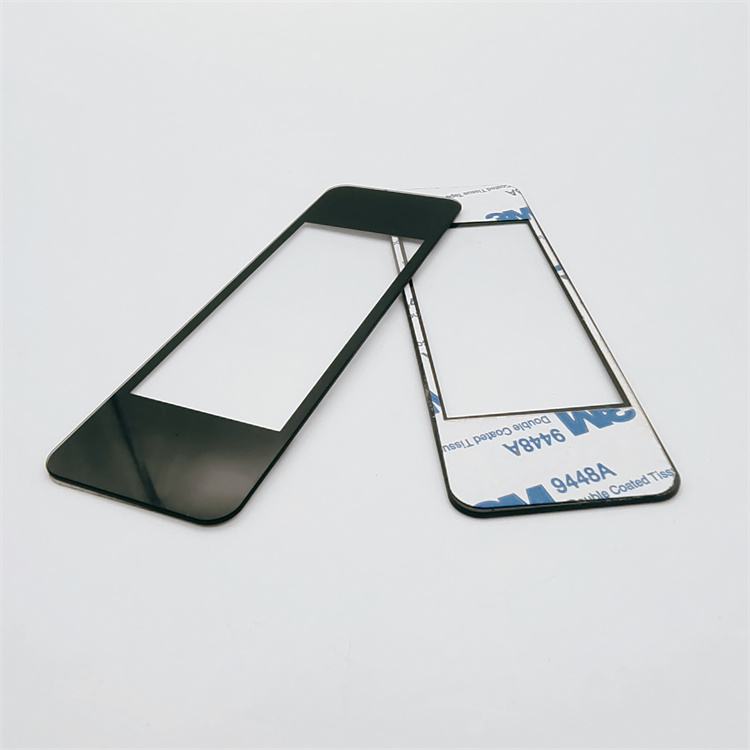
Ultra Thin 1mm Tempered Glass with 3M Tape for Screen Cover Glass
Thin cover glass with adhesive backing for flush display assembly, touch windows and compact electronic enclosures where weight and profile matter.
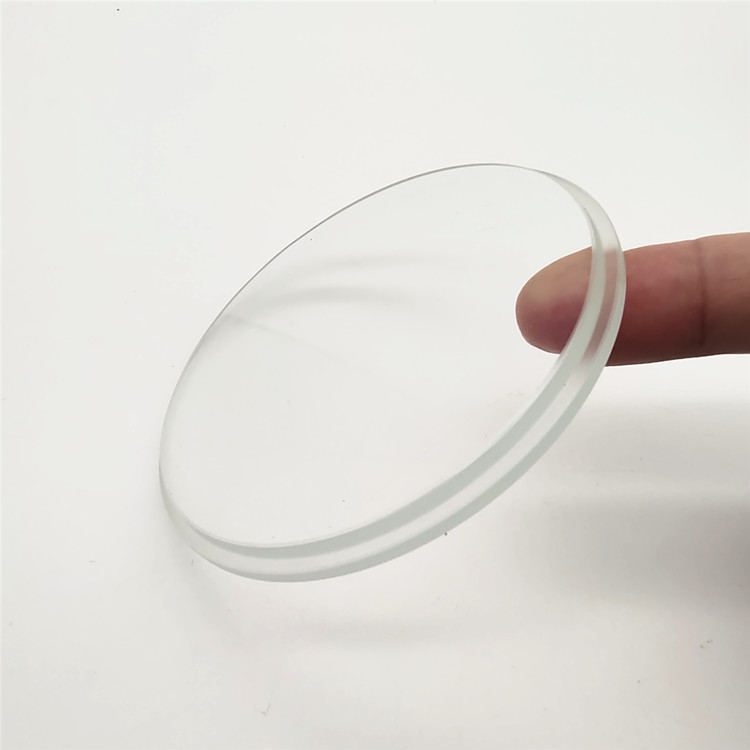
Factory Price 2mm 3mm 4mm 5mm 6mm 8mm 10mm Tempered Step Edge Glass
Step-edge tempered glass for control panels and display windows requiring a recessed fit, clean edge appearance and dependable strength.
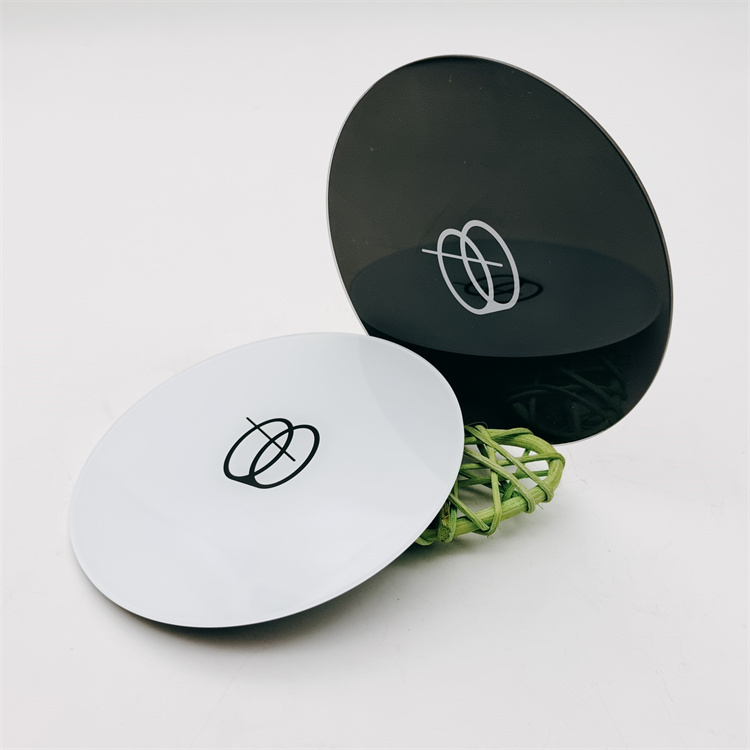
Black White Silk Screen Printing Toughened Glass Round Tempered Glass for Electric Appliance
Printed round tempered glass for appliance interfaces, switch plates and instrument dials needing durable graphics and masked wiring areas.
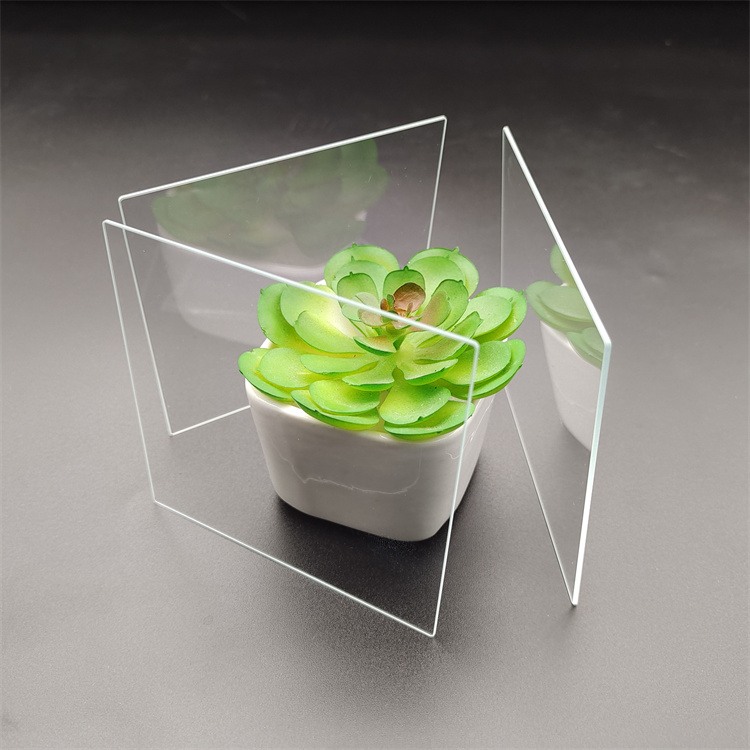
Custom 1mm 2mm 3mm 4mm 5mm Tempered Extra Clear Glass Panel for LCD Screen / LED Light / Electronic Appliance Cover
Extra-clear tempered panel for LCD, LED and appliance covers where neutral color, high transparency and a premium display finish are required.
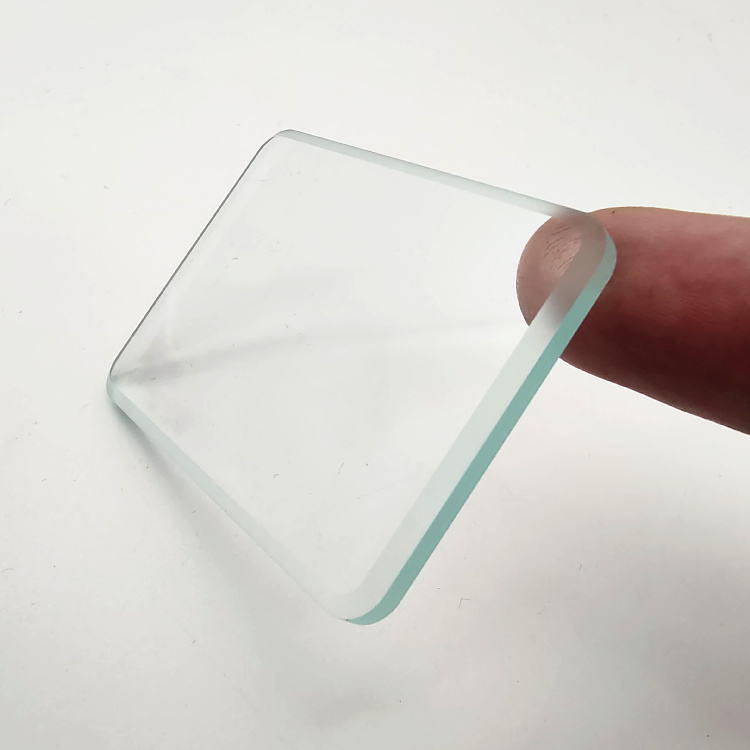
Custom Small Dimensions Tempered Beveled Edge Glass for Sale
Small-format beveled-edge tempered glass for retail, medical, instrument and compact touch devices that require a refined edge finish.
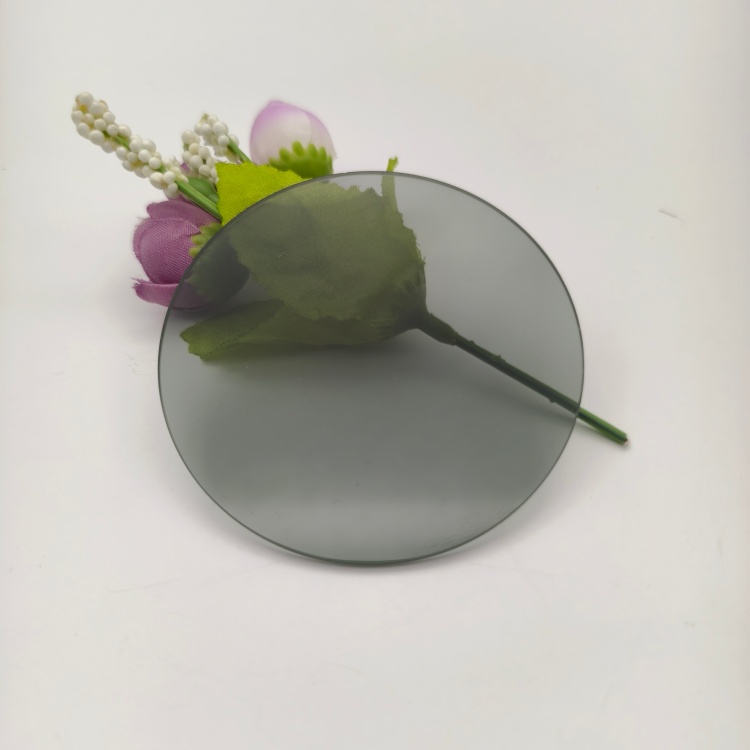
Factory Customized High Strength 2mm 3mm 4mm 5mm Tempered Black Glass Bulletproof & Decorative Flat Surface
High-strength black tempered glass for decorative and protective panels in appliances, kiosks, equipment fronts and architectural interfaces.
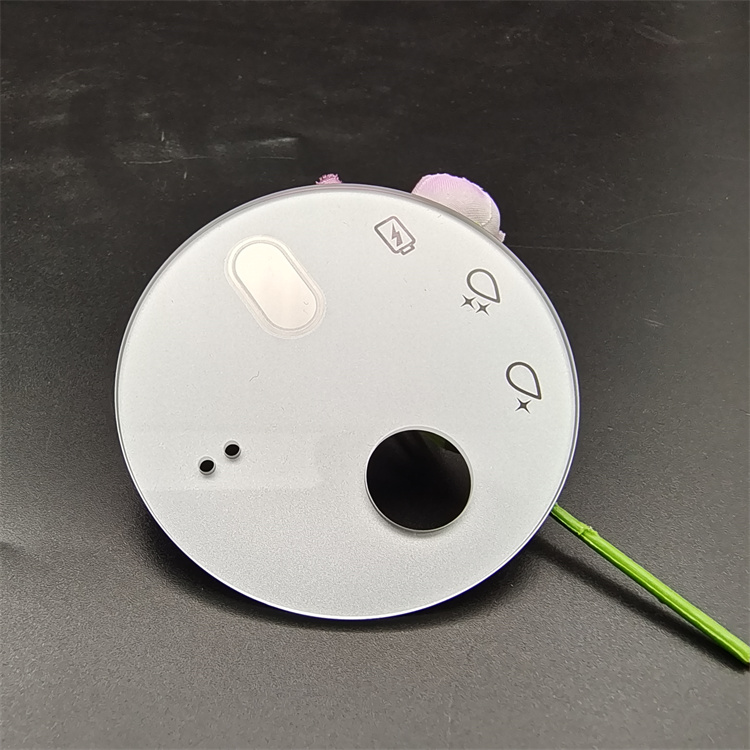
Customized 0.5mm 0.7mm 1mm 2mm 3mm 4mm 5mm 6mm Cut Holes Printed Round Tempered Glass Panels for Home Appliance
Thin printed round panels with cut holes for home appliance control interfaces, sensors, knobs and illuminated indicator windows.
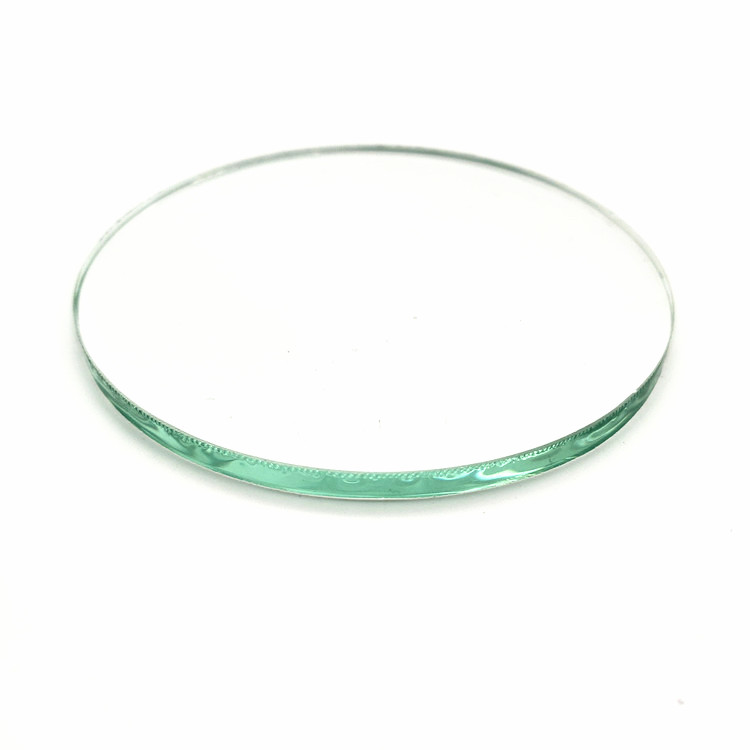
Customized Clear Flat Solid Tempered Glass Pieces 1mm-19mm for Industrial Lighting and Various Applications
Clear flat tempered glass from 1 mm to 19 mm for industrial lighting covers, equipment windows, machine guards and heavy-duty display protection.
All products are customizable by drawing, thickness, edge type, hole layout, printing, coating and packing. For Nha Trang projects, request a sample review before finalizing the bill of materials.
Why Nha Trang’s Coastal Environment Changes Display Glass Specification
Nha Trang is a tourism, marine and service economy with a growing base of hotels, clinics, retail spaces, marinas, smart residential buildings and light industrial facilities. That mix creates a wider range of display environments than a standard office procurement specification usually anticipates. A touch panel in an air-conditioned lobby is not the same as a control window on a boat, an outdoor wayfinding kiosk or a bathroom smart switch. Coastal air carries moisture and salt; sunlight carries UV; cleaning teams use different chemicals; and equipment may cycle between heat and air conditioning.
For display glass, these conditions do not only affect cleaning. They affect edge quality, print adhesion, coating durability and the choice between clear, anti-glare or anti-reflective surfaces. Tempered glass improves mechanical strength and changes breakage behavior, but it does not make a finished assembly corrosion-proof. The enclosure, gasket, adhesive, printed border and edge finish still matter. In a Nha Trang project, ask the glass supplier to review how the glass will be mounted, how the edges will be protected and whether the coating stack is compatible with the cleaning routine.
A factory-direct wholesaler that also processes the glass can flag these issues before production, while a generic trader may only pass along a quotation. Nha Trang buyers should separate product requirements into four layers: geometry, strength, optics and interface. Geometry covers the drawing, holes, cut-outs and edge type. Strength covers thickness, tempering and support. Optics covers ultra-clear low-iron substrate, AR and AG. Interface covers printing, AF coating and adhesive. Most project mistakes happen at the interfaces between these layers, not in the glass sheet itself.
What Nha Trang Buyers Should Clarify First
- Indoor or outdoor? Sunlight exposure determines whether AG, AR, AF or a combination is justified.
- Touch or passive window? Touch surfaces benefit from AF, edge polish and scratch-resistant design.
- Cleaning routine? Chemical compatibility and coating durability should be checked before a hotel or clinic rollout.
- Assembly method? Tape, gasket, frame and adhesive choices affect flatness, edge stress and rework risk.
Geometry Before Coating
Send DXF, DWG or PDF drawings with hole positions, window sizes and edge details. A coating cannot correct a fragile hole layout or an under-supported glass panel.
Optics Match the Viewing Condition
AR improves contrast by reducing reflection. AG diffuses glare in bright spaces. Ultra-clear glass protects color neutrality. Use each treatment for a defined problem.
Print Durability Is Part of the Interface
For coastal public spaces, specify UV-resistant ink or ceramic printing and approve color under the final lighting condition, not only on a screen.
Where Display Glass Is Used in Nha Trang’s Local Economy
Nha Trang’s demand is not limited to consumer electronics. Because the city combines hospitality, marine services, healthcare, education, retail and coastal infrastructure, the same base glass product can be specified in very different ways.
Marina & Marine Electronics
Chartplotters, engine monitors, battery displays and dock control panels need readable screens in bright daylight and humid air. AR reduces reflection; AF improves touch feel; the housing and gasket must handle salt exposure.
Hospitality & Smart Hotel Controls
Beachfront hotels and serviced apartments use glass touch panels for lighting, climate, curtains and room status. Ultra-clear glass with printed icons and an AF layer preserves the premium look and reduces cleaning marks.
Outdoor Signage & Wayfinding
Sunlight and rain make AG treatment valuable where reflection cannot be controlled by the housing. Ceramic or UV-resistant printing should be evaluated for long-term color stability, and public areas require protected edges.
Medical, Dental & Wellness Devices
Clinics and wellness facilities need screens that are easy to clean and visually neutral. AR coated glass improves contrast, and an AF top layer helps staff maintain touch surfaces. Printing can create privacy windows or hide internal components.
Retail, Banking & Payment Terminals
Card readers, self-service kiosks and POS terminals benefit from printed tempered glass with a smooth AF surface. Holes and windows must be designed with enough distance from the edge to protect strength during tempering.
Industrial, Energy & Building Automation
Control cabinets, sensors and meters may face heat, dust and vibration. A 2–5 mm tempered panel with AR or AG treatment provides a robust window, while clear glass is used for LED lighting covers and machine guards.
Nha Trang Market Trends Shaping Display Glass Demand
Localized search intent around Nha Trang often starts with price, but successful procurement quickly moves to total project risk. Based on the requirements that commonly appear in export inquiries for Vietnam’s coastal markets, several trends are shaping demand.
From Decorative Panels to Maintainable Interfaces
Hotels and retail spaces are replacing simple decorative glass with touch panels that must be cleaned, serviced and replaced without damaging the surrounding finish.
Coastal Durability Is Becoming a Specification Line
Buyers increasingly ask about gasket compatibility, edge protection, UV-stable printing and coating durability instead of only thickness and price.
Higher Optical Expectations in Hospitality
Ultra-clear and AR-coated glass are used to protect the perceived quality of lobby displays, room controls, spa equipment and premium retail fixtures.
Smaller Custom Batches and Faster Iterations
Renovation projects and pilot installations need mixed sizes, printed logos and quick sample approval before a larger seasonal or project rollout.
Illustrative Specification Weighting for Nha Trang Display Projects
Engineering weighting for coastal, hospitality and public-interface applications. This is an illustrative planning aid, not a market statistic.
AR, AG, AF, Ultra-Clear or Printed Tempered Glass: Which Should You Specify?
Selecting the right glass is an exercise in matching failure modes to treatments. AR reduces reflection but does not solve sunlight glare; AG diffuses reflection but can reduce image sharpness if the haze level is too high; AF improves touch feel but should be evaluated for chemical compatibility. Use the matrix below as a first filter, then confirm with samples.
| Glass Option | What It Solves | Best-Fit Nha Trang Use | Engineering Note |
|---|---|---|---|
| Ultra-Clear Low-Iron Glass | Removes the green tint of standard float glass for neutral color | Hotel displays, LED fixtures, medical screens, premium appliance panels | Pair with white or light-color printing to avoid a greenish edge tone |
| AR Anti-Reflective Glass | Reduces surface reflection and increases contrast | Indoor touch panels, clinic monitors, lobby displays, instrument windows | Specify single- or double-sided coating; double-sided gives the largest optical gain |
| AG Anti-Glare Glass | Diffuses reflected light from sunlight and overhead lighting | Outdoor kiosks, marina instruments, façade signage, bright retail arcades | Choose haze level by viewing distance; fine haze for high-resolution screens |
| AF Anti-Fingerprint Glass | Repels oil and sweat for easier cleaning and smoother touch | Smart hotel controls, POS terminals, medical touch panels, elevator interfaces | Apply as the final touch layer over AR or AG; confirm cleaning-agent compatibility |
| Silk-Screen Printed Tempered Glass | Hides wiring, adds logos, icons, borders and transparent windows | Appliance controls, switch plates, instrument panels, payment terminals | Send Pantone codes and window dimensions; allow for print registration tolerance |
| Black Tempered Decorative Glass | Provides a premium dark surface with strength and design flexibility | Kiosk fascias, appliance fronts, lobby equipment, architectural interfaces | Confirm color consistency and edge appearance under final lighting |
| Clear Flat Tempered Glass 1–19 mm | Provides durable flat protection for lighting and equipment windows | Industrial lighting, machine guards, outdoor equipment, heavy display windows | Hole spacing and edge quality become critical as thickness and load increase |
For outdoor coastal displays, a common premium stack is ultra-clear glass + AG + AF on the touch side. For indoor premium touch panels, ultra-clear + AR + AF gives better contrast. Do not add coatings by habit; add them to solve a defined optical or user-interface problem.
1. Salt and Humidity
Specify a sealed enclosure, gasket compatibility and protected edges. Ask whether the coating is on exposed surfaces only and how the printed border is sealed.
2. UV and Print Stability
Use UV-stable ink or ceramic print for beachfront signage and outdoor panels. Approve color under representative daylight, not only office lighting.
3. Thermal Cycling
Avoid rigid mounting that stresses glass. Use compliant adhesive or gaskets and leave appropriate clearance around holes and edges.
4. Cleaning Compatibility
Confirm AF coating durability and cleaning-agent compatibility. Hotel and clinic teams may use stronger chemicals than the glass sample was tested with.
5. Touch Ergonomics
Combine AF coating with polished edges and a smooth surface. Sharp or rough edges feel lower quality and can damage wipes or gloves.
6. Export Packing
Specify interleaving, corner protection and moisture barrier packing for sea freight. Packing quality protects yield after a long route to Vietnam.
Factory-Direct Manufacturing Strength Behind Nha Trang Wholesale Programs
Dongguan Jaswe Glass Co., Ltd. is a specialized glass processing manufacturer in Dongguan, Guangdong, China. We serve overseas OEMs, distributors, contractors and brand owners as a factory-direct wholesale partner. For Nha Trang customers, our role is to convert a drawing into a manufacturable glass part, produce it under one quality system and pack it for export — not simply to resell stock sheets.
Display glass quality is built at the process level. Cutting accuracy affects fit. Edge polishing affects strength and appearance. Hole drilling affects stress concentration. Tempering affects safety. Printing registration affects brand appearance. Coating uniformity affects contrast. Packing affects yield after a long sea route. Because these steps are managed under one roof, engineering feedback can be tied directly to the production route.
With 26 glass processing machines and more than 80 workers, monthly output exceeds 200,000 pieces. Our in-house capabilities include automatic cutting, CNC shaping, edge polishing, hole drilling, thermal tempering, silk screen and ceramic printing, AG processing and AR/AF coating. We process ultra-clear, clear, black and printed glass from 0.2 mm to 19 mm for display, lighting, appliance and electrical applications.
Public supplier information shows an average response time within 3 hours, a 96.61% response rate and a 26% buyer reorder rate. Those numbers are useful, but they do not replace sample approval. For Nha Trang buyers, we recommend a three-stage validation: drawing review, physical sample and pilot batch. This reduces risk before a hotel rollout, marina refit or retail installation.
- Location
- Dongguan, Guangdong, China
- Employees
- 51–100 People
- Annual Revenue
- US$2.5M – US$5M
- Main Markets
- America · Europe · Asia
- Equipment
- 26 Machines Including Tempering Furnace
- Supplier Status
- On-site Verified · 6 Years



Engineering Review Before Quotation
Drawings are checked for thickness, hole spacing, edge stress and coating suitability before a price is finalized.
In-House Process Chain
Cutting, CNC, polishing, drilling, tempering, printing and coating are coordinated under one quality system.
Optical Coating Control
AR, AG and AF options can be combined according to the display condition, touch use and cleaning routine.
Printing Color and Window Control
Silk screen and ceramic printing support logos, icons, borders and transparent windows with approval samples.
Export-Ready Packing
Interleaved glass, edge protection and moisture barrier packing are planned for long-distance sea freight.
Clear Communication
Fast engineering replies, sample tracking and pre-shipment updates help Nha Trang buyers plan installation teams.
From Drawing to Delivery: Five Steps for Nha Trang Buyers
A transparent workflow reduces the risk of fit issues, color mismatch, coating damage and packing losses after a long export route.
Send Requirements
Share DXF/DWG/PDF drawing, thickness, edge type, printing colors, coating, application and annual quantity.
Engineering Review
Manufacturability, hole spacing, glass thickness, coating stack and packing risks are checked before quotation.
Sample Approval
Physical samples are used for fit, print color, transparency, coating feel and edge appearance before mass production.
Mass Production
Batch production follows the approved route with in-process inspection at cutting, edging, tempering, printing and coating.
Packing & Delivery
Export packing, pre-shipment photos and logistics coordination support delivery to Nha Trang or your preferred Vietnamese gateway.
For faster review, include the delivery city, preferred Incoterms, target installation date and whether the glass is for a hotel, retail, marine, medical, industrial or residential project.
FAQ for Nha Trang Display Glass Buyers
These are the questions that appear most often when Nha Trang-based buyers compare display glass manufacturers and wholesalers. Clear answers early in the process prevent delays later.
Are you a display glass manufacturer in Nha Trang or a wholesaler?
Our manufacturing base is in Dongguan, China. We are a factory-direct wholesale supplier serving Nha Trang and Vietnam. That means the product is made in our own process chain and shipped to your project, rather than sourced from an unrelated local reseller. Buyers who need local installation can combine our glass with a Vietnam-based fabricator or contractor.
Which thickness should I choose for Nha Trang displays?
Use 0.5–1.1 mm for thin cover glass bonded to LCD or touch modules, 2–4 mm for control panels and appliance interfaces, and 5–19 mm for heavier industrial windows or lighting covers. The final choice depends on enclosure support, impact requirement, hole layout and tempering feasibility.
What is the best coating for coastal humidity and salt air?
Coatings solve optical and touch problems; they are not a replacement for a sealed enclosure. For readability, AR reduces reflection; AG diffuses glare; AF improves cleanability. A coastal project may use AR + AF indoors or AG + AF outdoors. Ask for sample testing with your cleaning agents and gasket materials.
Can you print logos, icons and display windows?
Yes. Silk screen and ceramic printing can add borders, icons, legends, privacy masks and transparent windows. Send Pantone codes or approved color samples and specify the window dimensions. For hotel and appliance projects, design the print layout with the assembly adhesive and light path in mind.
What is the minimum order quantity for custom display glass?
Most custom items start around 100–500 pieces depending on size, printing, coating and material. Standard clear tempered pieces may be available in smaller evaluation quantities. For a first Nha Trang project, a pilot batch is often more practical than a large speculative order.
How do you ship glass to Nha Trang?
We pack for export and coordinate with your forwarder or preferred logistics provider. Depending on the final address and Incoterms, cargo can move through Vietnamese gateways such as Ho Chi Minh City or the Cam Ranh / Nha Trang area. Share your delivery city, preferred port or door address and annual volume so the quotation includes realistic packing and freight assumptions.
How long do samples and production take?
Timing depends on drawing complexity, tooling, printing colors, coating and quantity. A simple clear tempered sample moves faster than a multi-color printed, AR-coated cover glass. Your quotation should state sample lead time, production lead time and approval steps. Do not treat a sample photo as equivalent to a physical sample for color and touch feel.
What quality checks should I request?
Ask for dimensional inspection, edge chip inspection, hole crack inspection, printing color check, coating appearance and transmittance / reflectance data where available, tempering records and pre-shipment packing photos. For critical projects, define an AQL plan and approve a golden sample before mass production.
Send Your Drawing for an Engineering Review
Share your drawing, thickness, edge type, printing colors, coating requirement, application, estimated annual quantity and delivery city. Our engineers will review manufacturability and reply with the next practical step. If you are comparing suppliers, include the problem you are trying to solve — glare, fingerprint marks, breakage, color tint, salt-air exposure or assembly fit — so the recommendation is based on the application, not only price.