Glass Sheet Manufacturer & Supplier for the Udon Thani Market
Custom tempered glass sheets, ultra-clear display covers, silk-screen printed panels, AR/AG/AF coated glass and LED lighting glass — engineered in Dongguan for Udon Thani buyers who need repeatable quality, clear specifications and export-ready packing.
Eight Recommended Glass Sheet Products for Udon Thani Buyers
These product families match common Udon Thani procurement briefs: LED lighting covers, touch-screen cover glass, industrial display windows, fast-turn clear glass sheet, anti-glare monitor protection, double-sided AR glass, ultra-thin ultra-clear glass and OEM silk-screen printed control panels. Every item is made to drawing, so thickness, edge profile, hole positions, printing colors, coating side, adhesive tape and export packing are confirmed by engineering review before quotation.
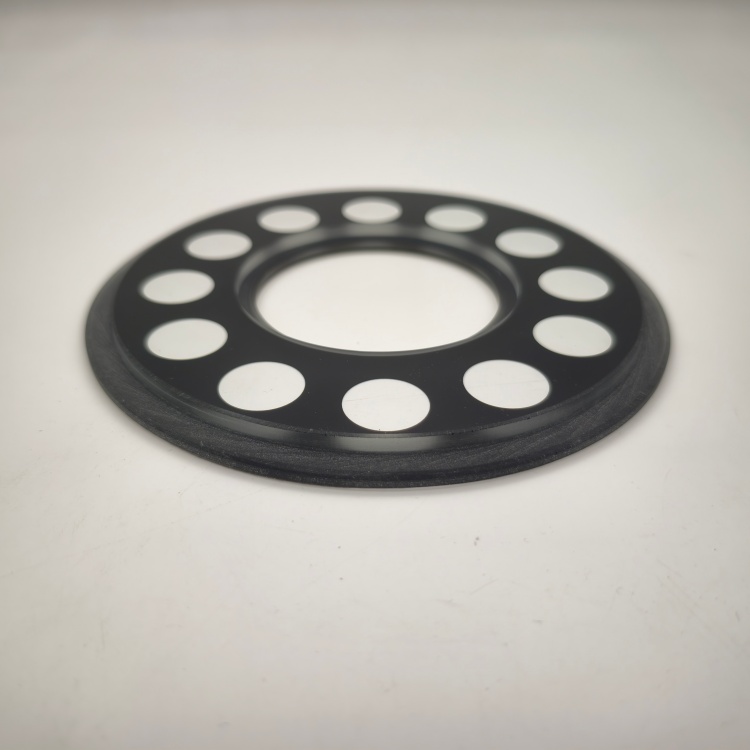
Factory Customized Round Hole Inner and Outer Double Step Edge Printed Tempered Glass for LED Lighting
Step edge · inner and outer holes · printed design · tempered glass for LED fixtures.
View product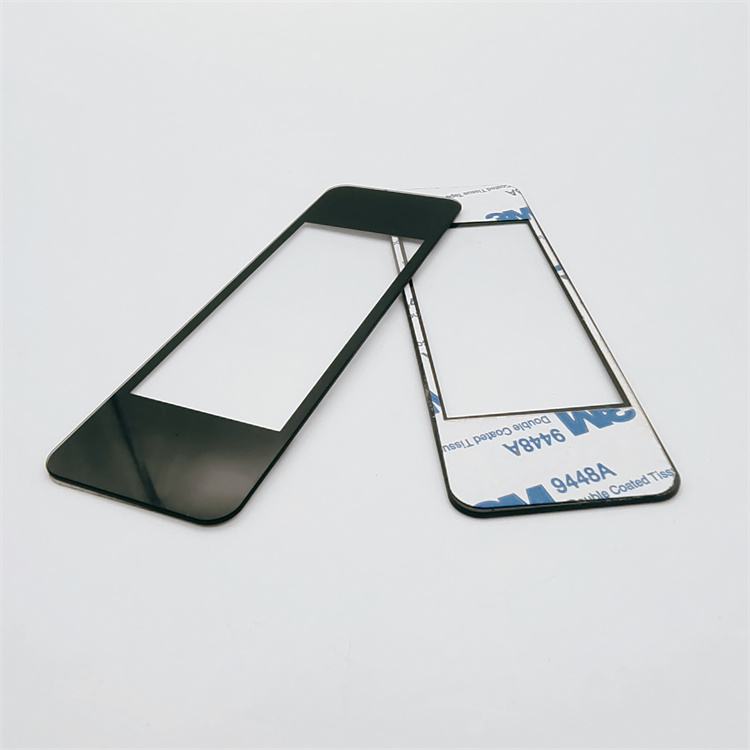
Ultra Thin 1mm Tempered Glass with 3M Tape for Screen Cover Glass
1 mm screen cover · 3M adhesive option · ultra-thin handling · custom outline.
View product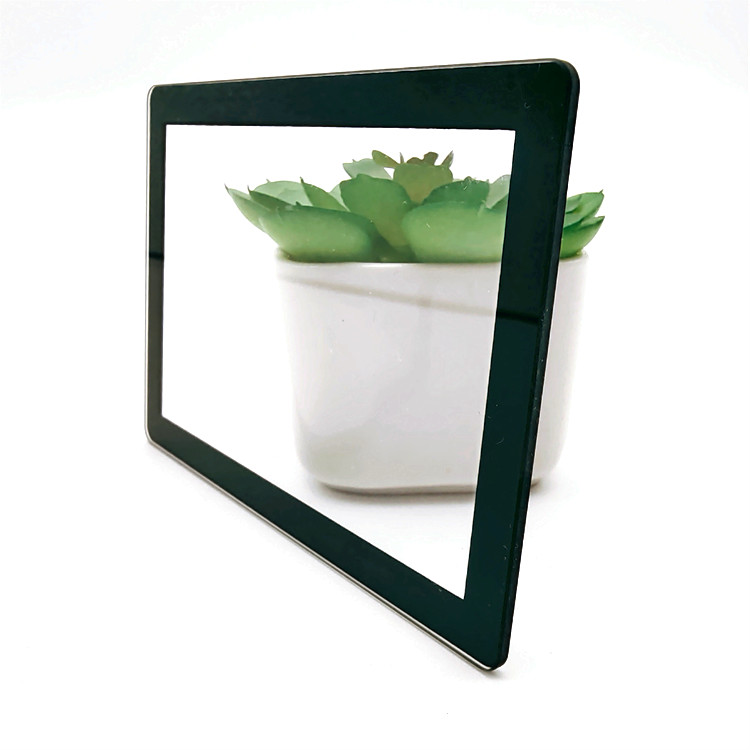
High Quality 0.5mm-6mm Solid Industrial Display Screen Tempered Glass with Printed Design High Strength & Bulletproof Protection
0.5–6 mm industrial display glass · printed design · high-strength protection.
View product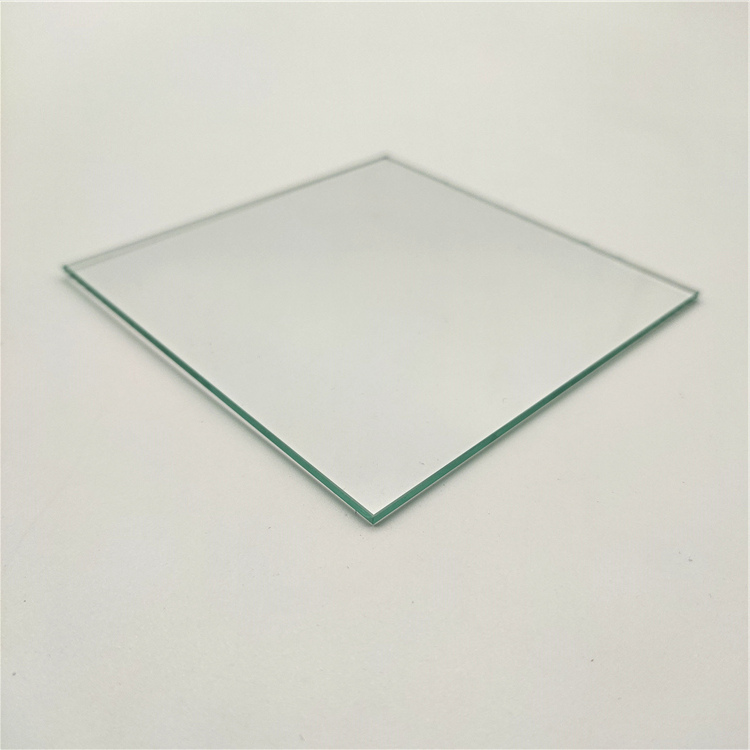
Fast Delivery Custom 1mm clear Glass Sheet
1 mm clear glass sheet · fast sampling · size-to-drawing · export packing.
View product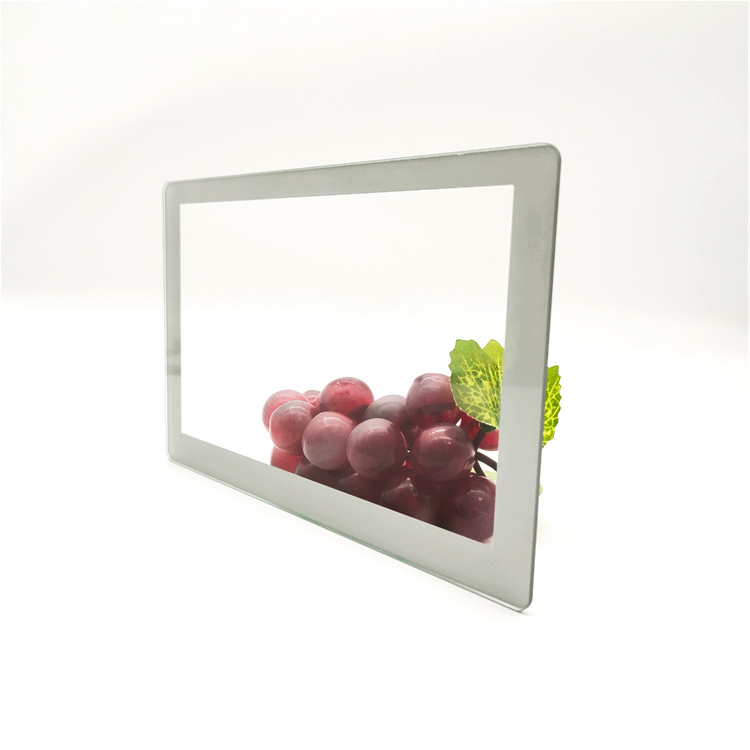
Customized High Strength Anti Glare Frosted Finish Tempered Glass LED/LCD Display Touch Panel for Monitor Screen Protector
AG frosted finish · LED/LCD touch panel · monitor protection · glare diffusion.
View product
Both Sides Anti Reflective AR Coating 1mm 2mm 3mm 4mm Ultra Clear Tempered Glass
Double-sided AR · 1–4 mm · ultra-clear tempered glass · high transmittance.
View product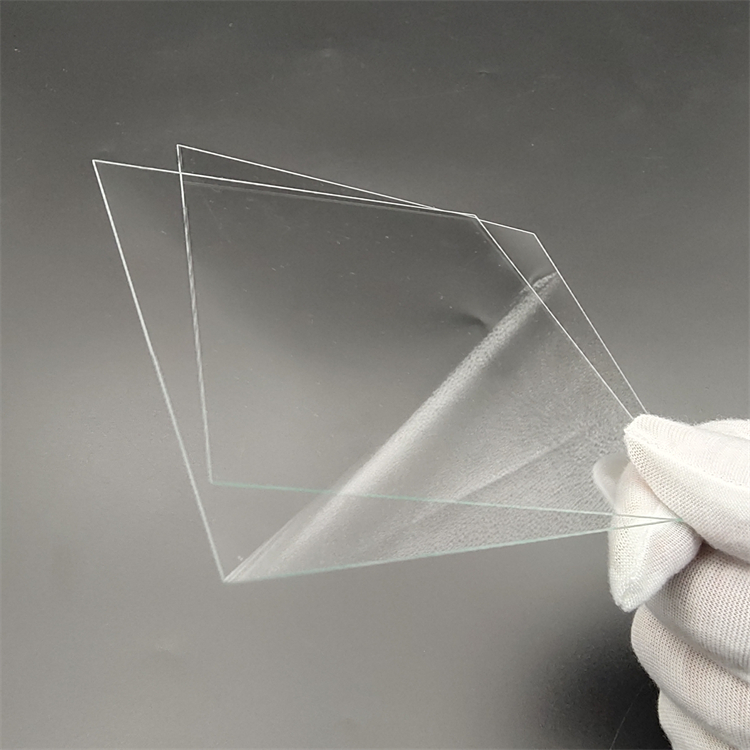
Customized Ultra Clear 0.5mm 0.7mm Thickness Ultra Thin Tempered Glass
0.5/0.7 mm ultra-clear glass · thin-glass handling · custom size and edge.
View product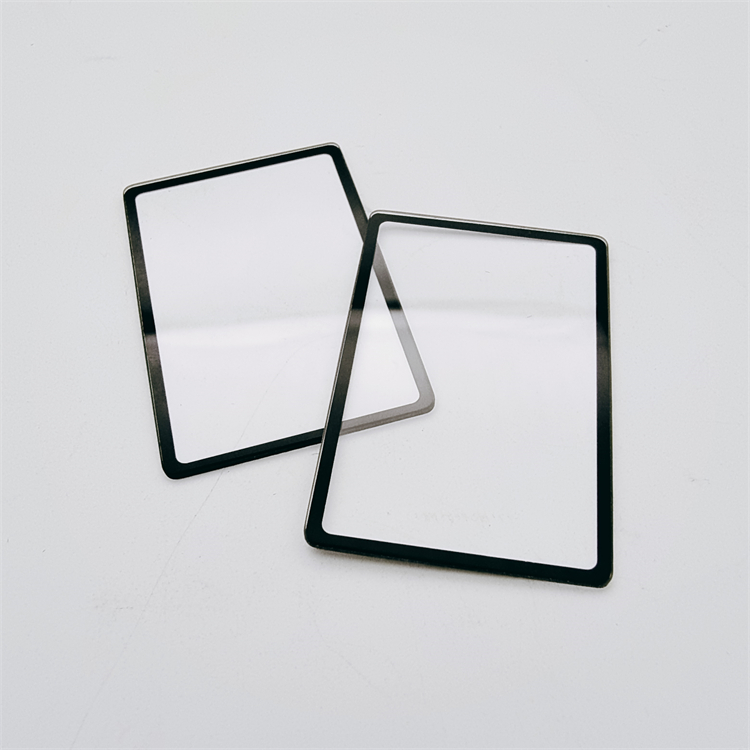
0.5mm 0.7mm 1mm 2mm 3mm Good Price OEM Wholesale Custom Premium Silk Screen Printing Tempered Glass Display Screen Industrial
Silk-screen printing · 0.5–3 mm · OEM/wholesale · industrial display panels.
View productA Glass Sheet Manufacturer and Supplier Built Around Repeatable Processing
The search intent behind “glass sheet manufacturer and supplier for the Udon Thani market” is rarely only a price request. Serious buyers compare process depth, optical performance, packing survival, response speed and reorder history. The figures below reflect the production profile and third-party trade data used by Dongguan Jaswe Glass Co., Ltd.
For Udon Thani buyers, the practical value of this profile is not a slogan. It means a drawing can be reviewed against real cutting, CNC, edging, drilling, tempering, printing, AG processing and AR/AF coating constraints. It also means packing, labeling and batch consistency can be discussed before mass production rather than after a container reaches Isan. The company operates from Dongguan, Guangdong, China, with 51–100 employees, annual revenue in the US$2.5M–US$5M range and main markets across America, Europe and Asia.
That export orientation matters because Udon Thani procurement teams often combine several requirements in one order: a weather-ready display cover glass, a printed smart-switch panel, an LED lighting lens and a replacement sheet for an industrial instrument. A supplier that can keep those processes under one roof reduces the risk of inconsistent color, mismatched edge quality or incompatible packing methods between subcontractors.
Why Udon Thani Buyers Treat Glass as a System Component, Not a Commodity
Udon Thani is a commercial gateway for northeastern Thailand and the wider Isan region. Its buyer base is not limited to one industry: retail chains, hospitality operators, hospitals, schools, logistics providers, light manufacturing, appliance assembly, LED lighting suppliers, electrical control panel builders and digital signage integrators all source glass in different ways. What they share is a need for specifications that survive heat, humidity, glare, dust and cross-border transport.
Cross-border logistics gateway
Udon Thani’s links toward Nong Khai, Lao PDR and the R12 corridor make it a natural consolidation point for buyers who serve Thailand, Laos and Vietnam. Glass packed for one destination may need carton marks, moisture protection and pallet layouts that work across truck, rail and sea legs.
Heat, humidity and glare
Long dry seasons, monsoon humidity and strong ambient light make anti-glare and anti-fingerprint treatments more than cosmetic options. For touch panels and outdoor-facing displays, AG diffusion and AF surface performance can determine whether a screen remains readable and cleanable in daily use.
Display and control interfaces
Retail self-service screens, hospitality menu boards, hospital queue displays, school information panels and smart-building controls all use cover glass. Buyers increasingly ask for 1–4 mm ultra-clear tempered glass with printed borders, AR coating for contrast or AG treatment for glare control.
Lighting, appliances and panels
LED downlights, panel lights, wall washers and decorative fixtures require printed glass covers that tolerate heat and maintain ink adhesion. Appliance and electrical panel makers need printed switch glass, instrument windows and cover sheets that match local assembly practice.
Six Trends Shaping Glass Sheet Demand in Udon Thani and Isan
These trends are visible across the region rather than exclusive to one city. They are useful because they translate local market behavior into glass specifications that a manufacturer can quote, sample and control.
Digital signage and self-service touchpoints
Retail, hospitality, transport and public-service environments continue to add interactive screens. Buyers want anti-glare glass so reflections do not wash out the display, plus anti-fingerprint coating for high-touch surfaces. A 2–4 mm AG + AF tempered cover glass is often a stronger fit than standard clear glass.
Smart-switch and appliance panel upgrades
Smart-home switches, appliance touch panels and electrical control interfaces are moving toward flat glass faces with printed icons and transparent windows. Thin tempered glass, ceramic or silk-screen printing, precise hole positions and adhesive backing are common requirements.
LED lighting and architectural fixtures
LED panel lights, downlights, linear fixtures and wall washers need glass covers that resist heat, preserve light output and hold printed borders cleanly. Round glass with stepped edges, inner and outer holes and black ceramic printing is frequently requested.
Industrial HMI and instrumentation
Food processing, logistics equipment, utilities and light manufacturing use HMI panels and instrument windows. AR coating can improve contrast, while tempered 0.5–6 mm glass with printed windows and drilled holes protects the display without hiding indicators.
Cross-border supply chain planning
Buyers serving Laos and Vietnam increasingly plan packaging and documentation for multiple destinations. Clear carton marks, moisture-barrier packing, interleaved sheets and consistent pallet dimensions help reduce handling risk when goods move through Udon Thani and onward.
Smaller batches and faster replenishment
Custom glass is no longer only a large-volume purchase. Many buyers want 100–500 piece batches for new product models, replacement parts or pilot retail installations. A supplier with flexible sampling and clear MOQ logic can shorten the path from design approval to repeat order.
Localized Glass Applications in Udon Thani and the Wider Isan Region
Application-led specification is the fastest way to avoid over-buying or under-specifying. The scenarios below show how the same glass sheet product family can be adapted for Udon Thani market requirements.
Retail, hospitality and queue displays
Menu boards, wayfinding screens, self-order kiosks and reception displays benefit from AG anti-glare glass and AF coating. Edge polishing and printed black borders help the glass sit cleanly in a metal or plastic enclosure.
Healthcare, education and public service
Screens in clinics, schools and service counters need cleanable touch surfaces and controlled reflection. AR-coated ultra-clear glass improves readability, while rounded edges and correct hole placement support safe installation.
Smart buildings and switch panels
Tempered wall-switch glass panels use printed icons, transparent touch windows and scratch-resistant surfaces. Buyers can specify black, white or custom Pantone colors, adhesive backing and packing that matches local assembly lines.
LED lighting and signage
Round, square, rectangular and stepped-edge glass covers for LED lighting require high-temperature printing and stable light transmittance. For outdoor signage, AG treatment can reduce harsh reflections during intense daylight.
Home appliances and small electronics
Control panels for kitchen appliances, small electronics and household equipment often use 0.5–2 mm printed tempered glass with adhesive. The key is color consistency, window alignment and reliable packing for mixed-model orders.
Industrial instruments and logistics equipment
Instrument windows, HMI covers and equipment display panels may need high-strength glass, precision holes and AR or AG treatment. Buyers should share the viewing environment so the coating can be matched to light conditions.
AR, AG, AF, Ultra-Clear or Printed Glass: A Buyer’s Matrix for Udon Thani Projects
This matrix is written for procurement teams that need to compare glass types before requesting samples. Final optical values depend on thickness, substrate, printing and coating stack, so sample testing is recommended before mass production.
| Glass type | What it solves | Best-fit Udon Thani scenario | Specification note |
|---|---|---|---|
| Ultra-clear low-iron glass | Removes the green tint of standard float glass and supports true color reproduction. | Premium display covers, LED lamp covers and appliance panels where color matters. | Pair with white or light-color printing; confirm edge color against the final enclosure. |
| AR anti-reflective glass | Reduces surface reflection and raises contrast and light transmission. | Medical monitors, industrial HMIs, camera covers and high-contrast display windows. | Specify single- or double-sided coating; double-sided AR usually gives the largest visual gain. |
| AG anti-glare glass | Diffuses reflected light so screens remain readable under strong ambient light. | Outdoor signage, retail kiosks, vehicle interfaces and industrial touch panels. | Choose haze level by viewing distance; finer haze suits high-resolution screens. |
| AF anti-fingerprint glass | Repels oil and sweat and keeps touch surfaces easier to clean. | Capacitive touch panels, smart switches, POS terminals and public kiosks. | Apply as the final surface layer over AR or AG for touch-first products. |
| Silk-screen printed tempered glass | Hides wiring, adds logos, icons and display windows while strengthening the panel. | Switch plates, appliance controls, instrument panels and LED lighting borders. | Send Pantone codes, transparent window dimensions and ink durability requirements. |
For Udon Thani’s climate, buyers should also discuss moisture exposure, cleaning chemicals, UV exposure and installation method. These factors can influence coating choice, ink adhesion, edge quality and packing.
- Drawing: Provide DXF, DWG or PDF with dimensions in millimeters and critical tolerances.
- Edge and holes: Define polished, matte, stepped or beveled edges, plus hole positions and countersink details.
- Printing: Confirm Pantone colors, transparent windows, icon alignment, overprint and scratch requirements.
- Coating: State AR, AG or AF, which side is coated and whether the coating must pass a specific test.
- Assembly: Specify 3M tape, adhesive type, release liner, protective film and any Thai-language labels.
- Packing: Plan interleaving, foam separation, moisture barrier, carton marks and pallet format.
Application-Matched Glass Recommendations for Common Udon Thani Buying Briefs
These three configurations are starting points for engineering review, not fixed catalog items. A drawing review can adjust thickness, edge type, printing and coating to match the final enclosure and operating environment.
Retail kiosk and hospitality display
Recommended: 2–4 mm ultra-clear tempered glass, AG anti-glare finish, AF top coating, polished edges and a printed black border. Fit for self-service screens, menu boards and reception displays where reflection control and fingerprint management are important.
Smart switch and appliance panel
Recommended: 0.5–2 mm tempered glass, silk-screen or ceramic printing, transparent touch windows, 3M adhesive option and precise CNC holes. Fit for wall switches, kitchen appliance controls and electrical equipment panels that require a flat, clean front face.
LED lighting and industrial display
Recommended: 1–6 mm tempered glass with round or rectangular outline, step edge, inner/outer holes and high-temperature printing. Combine with AR or AG coating when the glass is used as a display window rather than a lighting cover.



Glass Processing Strengths That Matter to Udon Thani Procurement Teams
Dongguan Jaswe Glass Co., Ltd. is a processing-focused glass manufacturer based in Dongguan, Guangdong, China. We cut, shape, polish, drill, temper, print and coat glass for displays, touch panels, LED lighting, switches, electrical equipment and industrial instruments. For Udon Thani buyers, this means one supplier can review the full stack of requirements instead of splitting cutting, printing and coating across disconnected vendors.
Our production profile includes 26 glass processing machines, more than 80 workers and monthly output exceeding 200,000 pieces. Cutting, special-shaped CNC cutting, edge polishing, hole drilling, tempering, silk-screen and ceramic printing, AG processing and AR/AF coating are handled in-house. Most of our operators have over eight years of hands-on glass processing experience, which matters on thin-glass jobs, multi-color printing and coated parts where small handling errors become visible defects.
“Scientific management, careful manufacture, high quality service, striving for excellence.”
- Location
- Dongguan, Guangdong, China
- Employees
- 51–100 people
- Annual revenue
- US$2.5M – US$5M
- Main markets
- America · Europe · Asia
- Equipment
- 26 machines incl. tempering furnace
- Supplier status
- On-site verified · 6 years
Buyers who need verifiable supplier behavior can also review third-party trade data: average response within 3 hours, 96.61% response rate and a 26% buyer reorder rate. These signals do not replace sample approval, but they help Udon Thani procurement teams judge whether a supplier is set up for responsive communication and repeat production.
Contact UsSix Controlled Steps from Drawing to Udon Thani Delivery
A transparent workflow is especially important for overseas buyers who cannot visit the line every day. Each step creates a decision point where the buyer can confirm fit, appearance, durability or packing before the next stage.
Drawing and spec intake
Share DXF, DWG or PDF drawings, thickness, dimensions, edge type, holes, printing colors, coating, application and estimated annual volume.
Engineering review
Our team checks manufacturability, glass grade, tempering feasibility, printing alignment, coating side and packing requirements.
Sample and approval
Physical samples help confirm fit, color, window clarity, edge appearance, coating performance and adhesive position before mass production.
Cutting, CNC and printing
Glass is cut, shaped, drilled and printed according to the approved drawing, with in-process checks at critical dimensions.
Tempering and coating
Tempering, AG treatment and AR/AF coating are scheduled according to the approved process route and final application.
Final QC and export packing
Finished glass is inspected, interleaved, edge-protected and packed for the agreed transport route to Udon Thani or the buyer’s forwarder.
What Udon Thani Buyers Should Confirm Before Ordering Custom Glass
The most avoidable delays in custom glass projects usually come from missing specifications, unclear transport assumptions or unapproved printing colors. The checklist below helps procurement and engineering teams align before quotation.
Climate and cleaning validation
Discuss heat, humidity, UV exposure and daily cleaning chemicals. For touch surfaces, confirm AF durability expectations; for outdoor displays, confirm AG haze level and whether AR is also needed. Request samples for cleaning and handling trials.
Logistics-ready packing
Confirm whether goods will move by air, sea to Laem Chabang or Bangkok, or by land through the Nong Khai corridor toward Laos. Discuss carton strength, desiccant, moisture barrier, foam separation, pallet size and bilingual packing marks with your freight forwarder.
Documentation and communication
Provide drawings with millimeter dimensions, Pantone colors, coating side and inspection criteria. English is the working language; Thai text for printing or labels can be supported when supplied as artwork. Import duties and clearance requirements depend on HS code and Thai customs rules, so confirm them with your broker.
Udon Thani Procurement FAQ for Custom Glass Sheets
These are the questions overseas buyers ask most often when comparing a glass sheet manufacturer and supplier for Udon Thani, Isan and cross-border projects.
Can you supply custom glass sheets to Udon Thani and the Isan region?
Yes. We supply Udon Thani buyers from our Dongguan, China factory and work with the buyer’s freight forwarder or preferred logistics route. Typical options include air freight for samples or urgent parts, sea freight to a Thai port such as Laem Chabang or Bangkok followed by truck or rail to Udon Thani, and land transport through the Nong Khai corridor for suitable cross-border shipments. We do not claim a local warehouse in Udon Thani, so packing and delivery terms should be confirmed with your forwarder before production.
What is the minimum order quantity for custom glass in Udon Thani projects?
Most custom items start at 100 to 500 pieces, depending on size, printing, coating and handling complexity. Standard clear tempered pieces may be supplied in smaller sample quantities for evaluation. Ultra-thin glass, double-sided AR coating, multi-color printing and special edge profiles can affect the practical MOQ, so share your drawing and annual volume for a specific review.
How are glass sheets shipped to Udon Thani, and how do you reduce breakage risk?
Glass is normally interleaved, edge-protected, separated with foam or paper, and packed into export cartons or pallets with moisture protection suitable for tropical transport. For Udon Thani and Isan, the packing plan should match the actual route: air freight, sea freight plus inland trucking, or land transport. Share your forwarder’s pallet limits and handling requirements early so carton size, stack height and labels can be confirmed.
Which glass type works best for Udon Thani’s heat, humidity and glare?
There is no single answer for every project. For outdoor or high-glare displays, AG anti-glare glass is often specified; for high-contrast monitors and instrument windows, AR anti-reflective glass may be more useful; for touch surfaces, AF anti-fingerprint coating improves cleaning and feel. Ultra-clear low-iron glass supports color accuracy, while tempered glass improves strength and breakage behavior. A combined stack such as AG + AF or AR + AF is common on touch products.
Can you support Thai printing, barcodes and bilingual packing labels?
Yes, when the artwork and text are supplied correctly. We can print logos, icons, borders and display windows, and we can support barcodes, carton marks and bilingual packing labels as agreed. For Thai text, provide vector artwork or a high-resolution file with font outlines so the printing team can check alignment and clarity before sampling.
How quickly can we get an engineering response and sample plan?
Our average response time is within 3 hours, with a 96.61% response rate on the third-party trade platform. To speed up the review, send a DXF, DWG or PDF drawing, thickness, dimensions, edge profile, hole positions, printing colors, coating requirement, application, annual quantity and destination. Our engineers will review manufacturability and recommend a sample plan before mass production.
Have a Drawing Ready for the Udon Thani Market?
Send your glass sheet requirements for an engineering review. Share the drawing, thickness, printing, coating, estimated annual volume and destination so our team can recommend a practical process route and packing plan.
Contact Us Email: info@jasweglass.com