Eight Custom Glass Products for Toronto Buyers
Toronto sourcing teams rarely buy “just a sheet of glass.” They buy a fit-critical component that must survive installation, cleaning chemicals, seasonal humidity, touch use and return-free delivery to a GTA address. These eight products are practical starting points for 2025–2026 OEM and wholesale programs.
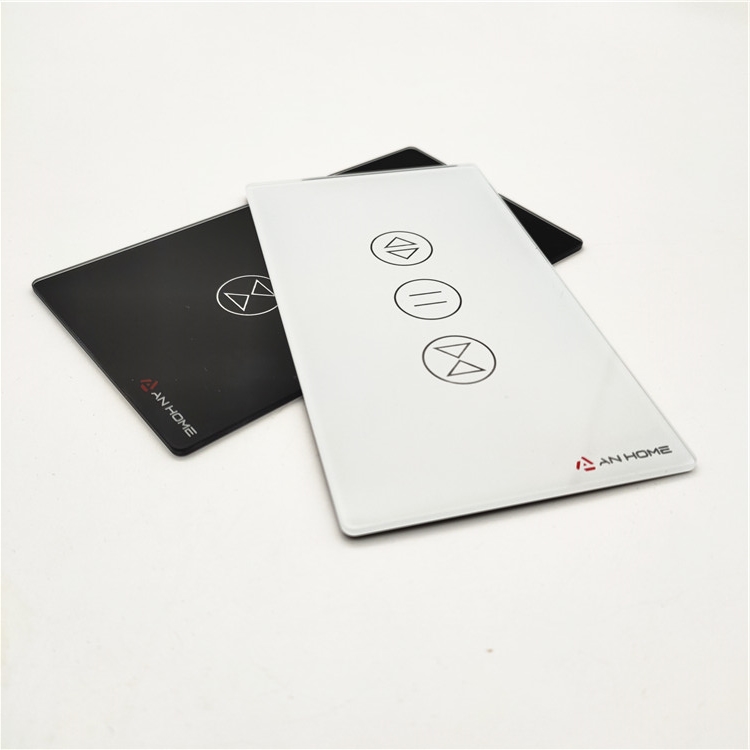
Home Smart WiFi Remote Control Touch Tempered Glass Screen-Printed Glass Switch Glass Panels Curtain Control Glass
For Toronto condominium integrators and smart-home brands that need printed touch windows, clean icon alignment and repeatable switch-panel quality.
View product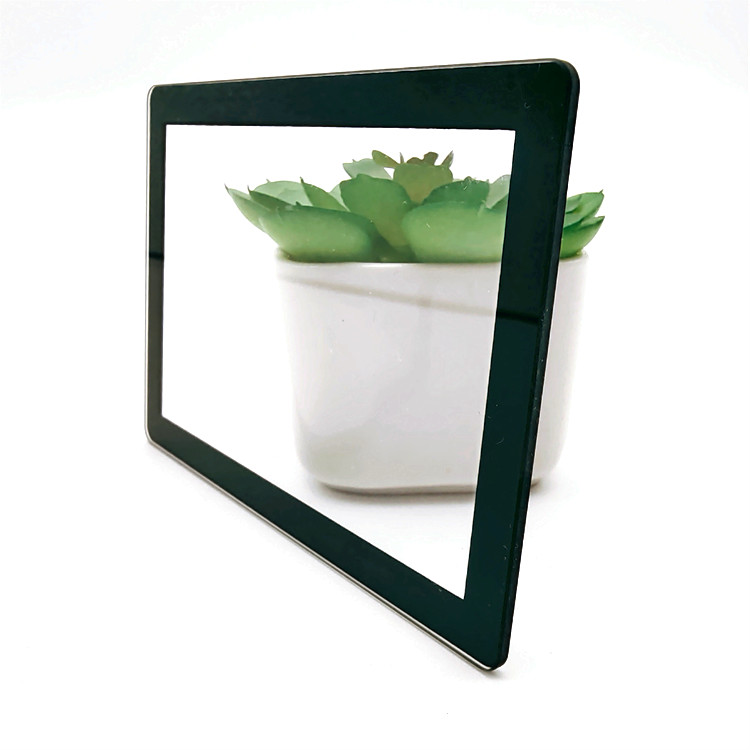
High Quality 0.5mm-6mm Solid Industrial Display Screen Tempered Glass with Printed Design High Strength & Bulletproof Protection
For factory automation, transit HMI, laboratory instruments and electrical equipment where a printed, high-strength display window must tolerate daily use.
View product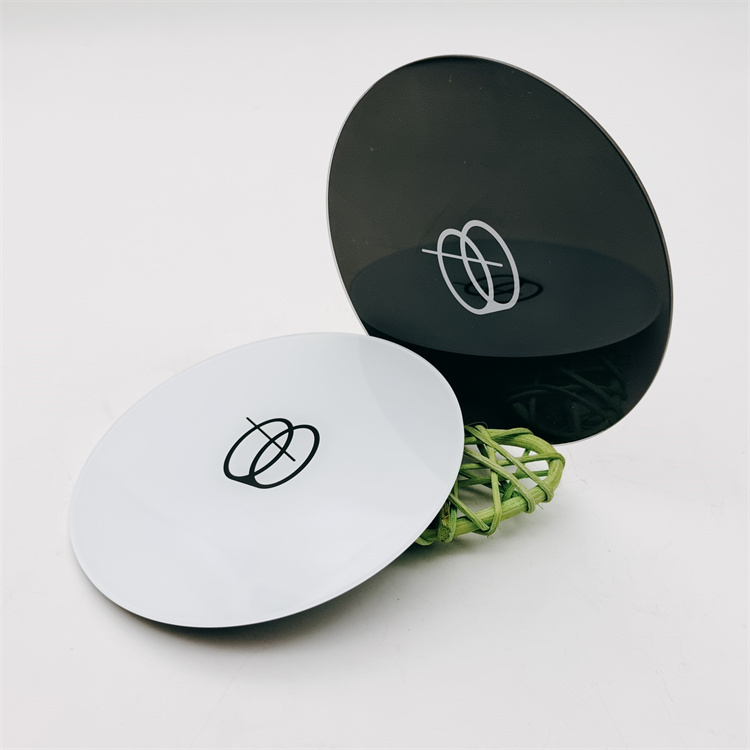
Black White Silk Screen Printing Toughened Glass Round Tempered Glass for Electric Appliance
For appliance brands, property-maintenance suppliers and replacement-panel programs that need crisp black-and-white printing and a durable round profile.
View product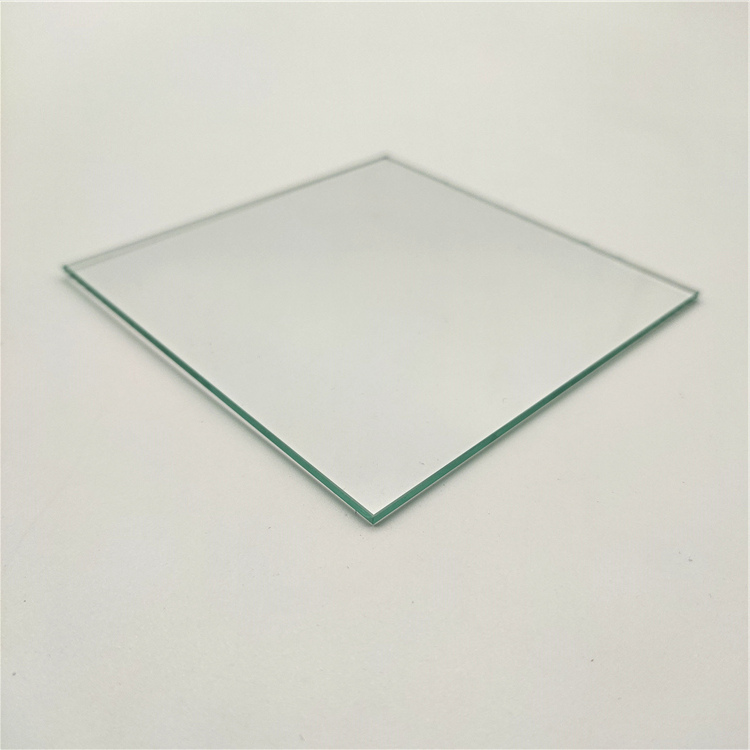
Fast Delivery Custom 1mm clear Glass Sheet
For Toronto prototype shops, display fabricators and glazing partners that need a clear 1 mm sheet for fit checks before committing to a production tool.
View product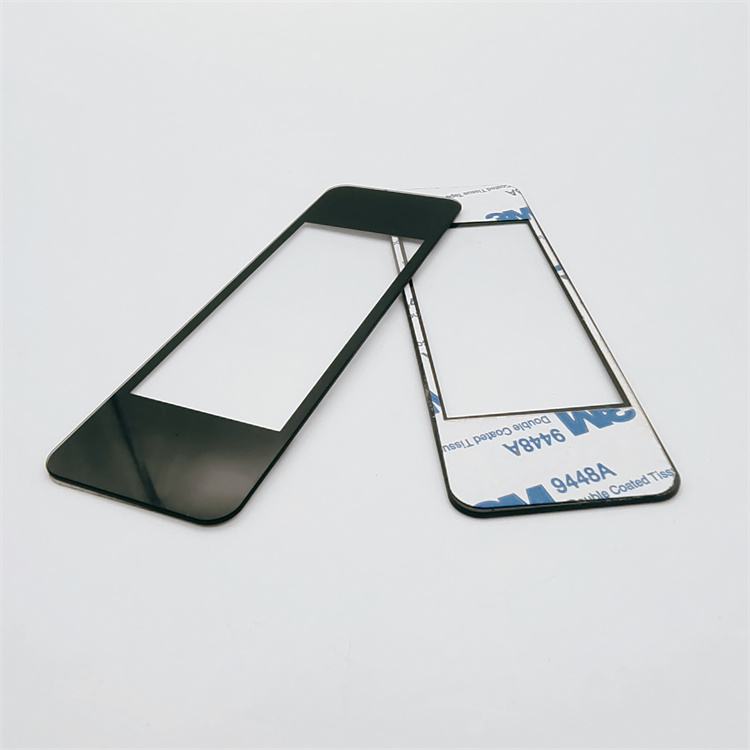
Ultra Thin 1mm Tempered Glass with 3M Tape for Screen Cover Glass
For touch panels, elevator controls and intercom interfaces where adhesive backing simplifies assembly and reduces secondary mounting steps.
View product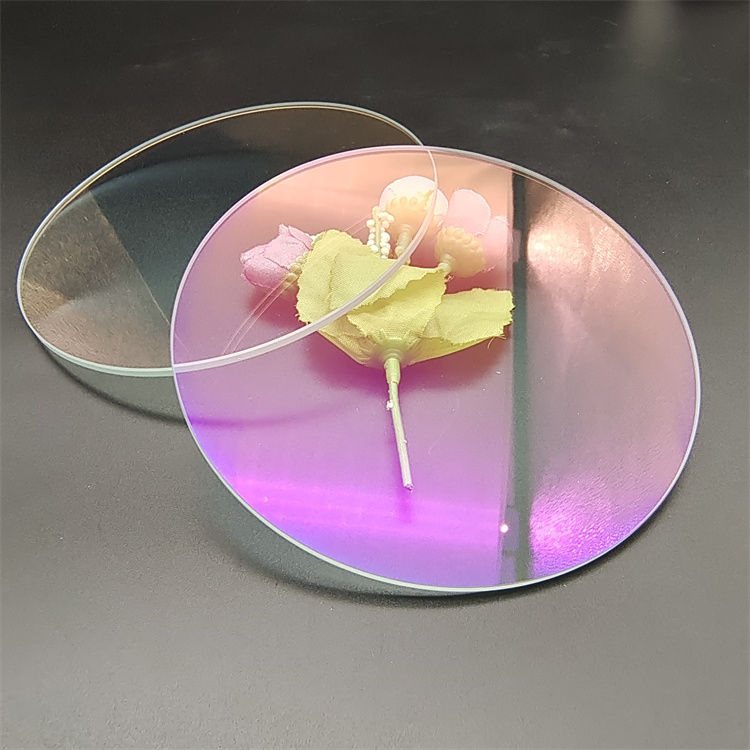
Premium Quality Ultra Clear Anti Reflective Solid High Strength 1mm 2mm 3mm 4mm 5mm 6mm Flat Tempered Glass Coating
For high-transmission display windows, POS terminals and medical monitors where reflection control and clean colour reproduction matter.
View product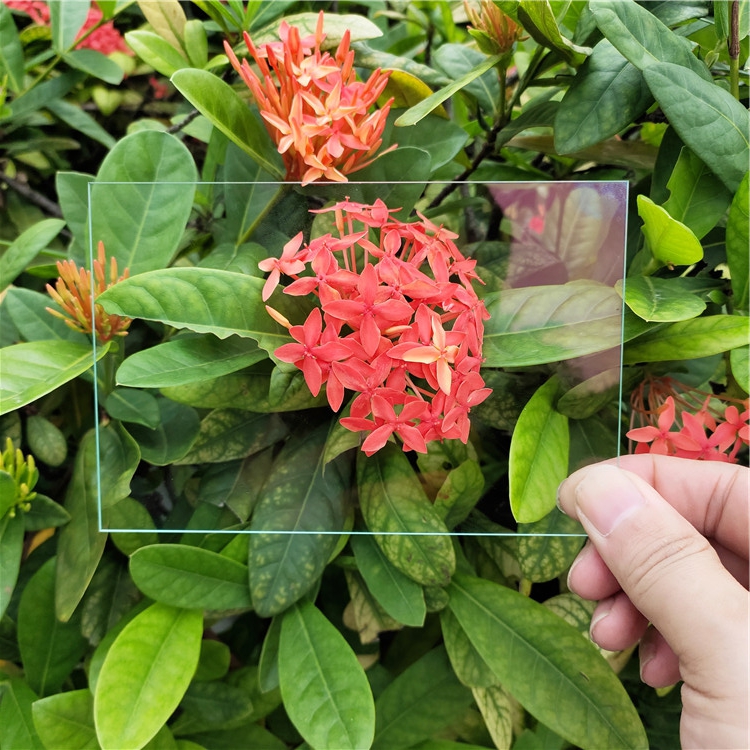
Factory Custom Optical Quality Nano Coating Tempered Anti Reflective AR Glass
For camera windows, optical sensing covers and premium signage where low reflection, scratch resistance and custom outlines are essential.
View product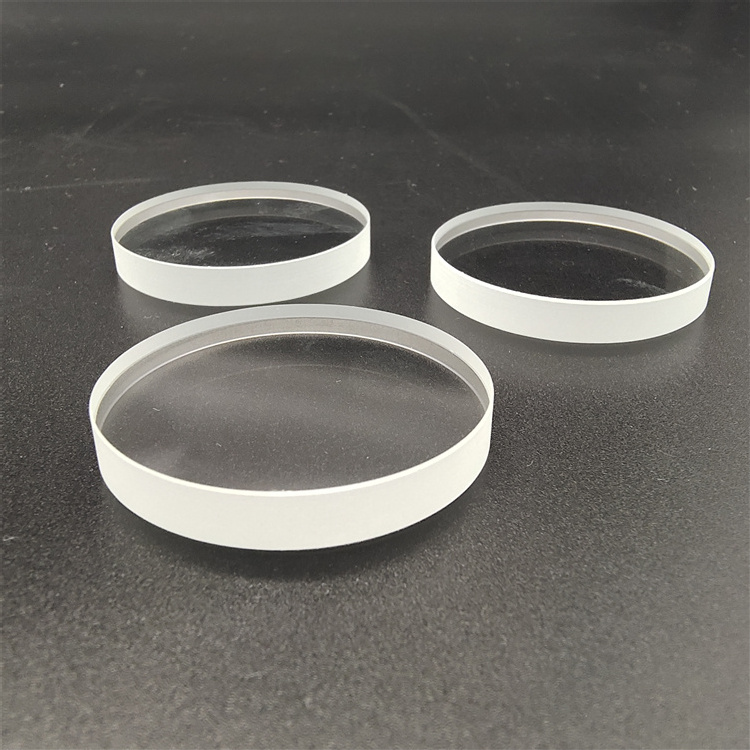
Full Tempered 30mm Diameter 3mm 4mm 5mm 6mm 8mm Thickness Ultra Clear Round Tempered Glass
For sensors, LED optics, wearable displays and compact instruments that need small-diameter round glass with controlled edge quality.
View productNeed a Toronto-specific print colour, coating stack, thickness or packaging plan? Send the drawing and annual quantity so our engineers can review manufacturability before sampling.
Inquire NowA Supply Base Built for Repeatable Production
For Toronto wholesale and OEM buyers, capacity only matters when it is paired with communication and process control. These figures come from the company profile and trade-platform performance records. They are operational indicators, not contractual guarantees; project lead time and inspection plans are confirmed in the quotation.
Where Toronto and GTA Projects Use Strengthened Glass
Toronto is not a single market. It combines high-rise condominium living, transit-oriented development, healthcare and education campuses, food-service operators, industrial corridors in Mississauga and Brampton, and a dense network of appliance, signage and building-control suppliers. Each environment places different demands on glass thickness, printing, edge quality and surface coating.

Touch and Display Electronics
Cover glass for kiosks, POS terminals, intercoms and control interfaces. Toronto buyers often request anti-fingerprint treatment for high-touch public surfaces and AR coating for bright retail environments.
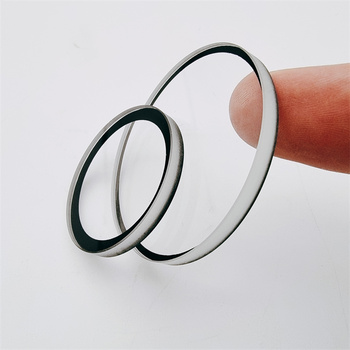
LED Lighting and Architectural Fixtures
Round, square and linear covers for downlights, wall washers and commercial lighting. Condensation control, edge polishing and stable print colour are critical in Toronto’s winter-to-summer humidity swings.
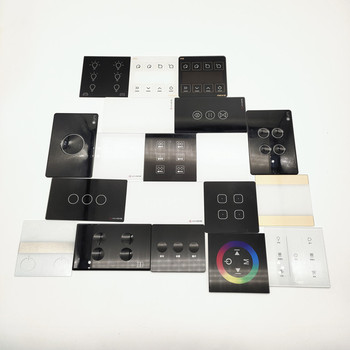
Smart Home and Condominium Controls
Printed switch plates for smart-home integrations, lighting control and curtain automation. High-rise buildings need consistent panel colour, icon registration and clean adhesive assembly across large unit counts.
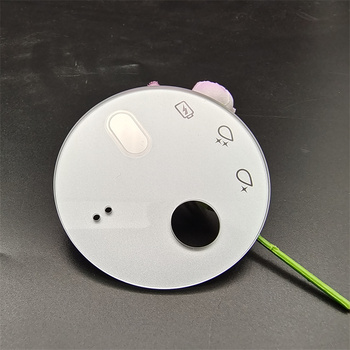
Home Appliances and Property Maintenance
Control-panel glass for kitchen and laundry equipment, plus replacement panels for property-management supply chains. Clear windows, hidden wiring and scratch-resistant surfaces reduce service calls.

Industrial Instruments and Electrical Equipment
HMI windows, meter covers and electrical enclosure glass for factories across the GTA. Buyers may require printed dead-front graphics, drilled holes and edge profiles that fit existing gaskets.
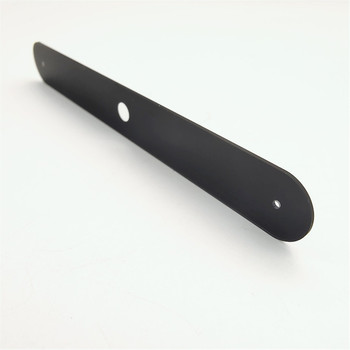
Security, Camera and Sensor Devices
Printed lens covers with precision cut-outs for cameras, access control and occupancy sensors. Optical clarity, ink opacity and hole positioning all affect installation yield.
Localized Development Trends Shaping Glass Demand
Toronto-area procurement is becoming more technical. Buyers are not only comparing piece price; they are evaluating lead-time certainty, traceability, cold-climate durability and mixed-SKU consolidation. These four trends are visible across GTA construction, electronics and industrial supply chains.
Cold-Climate Durability
Freeze-thaw cycles, road salt, indoor heating and high-rise wind loads make edge quality and coating adhesion more important. Buyers increasingly ask for sample testing and moisture-protective packing.
Smart Building and Electrification
Heat pumps, EV charging, building automation and smart lighting all create more control panels, displays and sensor windows. Printed glass helps integrate functions behind a clean architectural surface.
Transit-Oriented Development
Transit corridors and mixed-use communities need wayfinding, ticket interfaces, digital signage and durable outdoor displays. AG anti-glare treatment is often specified to maintain readability under sun and street lighting.
Supply-Chain Consolidation
Toronto importers are reducing the number of small suppliers they manage. They prefer a factory partner that can combine clear glass, printed panels, AR/AG/AF coating and export documentation in one shipment.
AR, AG, AF, Ultra-Clear or Printed Glass: What Toronto Buyers Should Specify
Optical coatings are not interchangeable. A glass panel that looks correct on a desk may fail under Toronto storefront lighting, winter glare or constant touch use. This matrix gives project teams a practical starting point before sampling.
| Glass / Treatment | Best for Toronto Use Cases | What to Specify | Common Mistake |
|---|---|---|---|
| Ultra Clear / Low-Iron | Display windows, LED lighting covers, appliance panels and premium signage where true colour matters. | Thickness, light-transmission target, edge finish and print colour approval under neutral lighting. | Using standard float glass and then trying to correct a green edge tint through printing. |
| AR Anti-Reflective | POS displays, medical monitors, camera windows and high-contrast industrial HMI in bright rooms. | Single- or double-sided coating, transmission target, reflection target and coating durability requirement. | Specifying AR only on one side when the viewer sees reflections from both sides of the glass. |
| AG Anti-Glare | Outdoor kiosks, transit displays, storefront signage and industrial windows exposed to strong light. | Haze level, gloss target, surface hardness and cleaning method. Match haze to viewing distance and resolution. | Choosing too much haze for a high-resolution screen, which softens fine interface text. |
| AF Anti-Fingerprint | Touch panels, smart switches, public kiosks, intercoms and control surfaces with frequent skin contact. | Oleophobic top layer, wear-cycle expectation, cleaning-chemical exposure and touch-glide feel. | Treating AF as a replacement for frequent cleaning or assuming it prevents all visible smudges. |
| Silk-Screen / Ceramic Printed | Switch plates, appliance controls, instrument panels, LED borders and printed display windows. | Pantone references, transparent window dimensions, ink opacity, registration tolerance and cure method. | Sending only a photo instead of a vector drawing with layer and colour specifications. |
| 3M Tape / Adhesive Backing | Touch covers, elevator controls, intercom windows and assemblies where mechanical fasteners are undesirable. | Tape grade, adhesive width, surface energy of the mating part, temperature exposure and assembly method. | Approving the glass without testing adhesive performance on the actual housing material. |
Final optical and mechanical values depend on glass thickness, substrate, coating stack and end-use conditions. Sample testing is recommended before mass production. We do not claim certification or performance for a finished device unless it is confirmed in the project quotation and test plan.


A Glass Strengthening Exporter Built for Toronto Wholesale Accountability
Toronto buyers often ask two questions: can the factory control every critical process, and can the supplier communicate clearly when a drawing changes? Dongguan Jaswe Glass Co., Ltd. is a glass processing company in Dongguan, Guangdong, China. The company operates 26 glass processing machines with more than 80 workers and reports monthly output above 200,000 pieces.
Processing includes cutting, special-shaped and CNC cutting, edge polishing, hole drilling, tempering, silk screen and ceramic printing, AG processing and AR / AF coating. Main markets listed in the company profile are America, Europe and Asia. For Toronto projects, this means one supplier can review the drawing, control the process route and prepare export packing instead of passing the job between unrelated subcontractors.
This is not a claim of a Toronto warehouse. It is an export model: engineering review in Dongguan, samples shipped to the GTA, production after approval, and consolidated export packing for Toronto-area importers, fabricators and brand owners. The company’s stated approach is: scientific management, careful manufacture, high quality service and continuous improvement.
- Location
- Dongguan, Guangdong, China
- Employees
- 51–100 people
- Annual Revenue
- US$2.5M–US$5M
- Main Markets
- America · Europe · Asia
- Equipment
- 26 machines incl. tempering furnace
- Supplier Status
- On-site verified · 6 years
One-Roof Process Control
Cutting, CNC shaping, edge polishing, drilling, tempering, printing, AG and AR/AF coating stay under one quality system, reducing hand-off defects.
Engineering Review Before Sampling
Our team reviews DXF, DWG or PDF drawings for thickness, hole spacing, edge profile, print windows and coating compatibility before making samples.
Export Communication Discipline
A recorded average response time of ≤3 hours and a 96.61% response rate help Toronto buyers keep decisions moving across time zones.
Repeat-Order Evidence
A 26% buyer reorder rate indicates that a meaningful share of customers return for additional production rather than treating the first order as a test.
Mixed-SKU Capacity
With 26 machines and 200K+ pieces monthly, the factory can support pilot runs, replacement panels and volume programs within the same supplier relationship.
Export Packing for Long Transit
Interleaved surfaces, edge protection, moisture barriers, labeled cartons and pallet planning help protect glass arriving in Toronto after ocean or air freight.
Six Steps from Toronto Drawing to Delivered Glass
A clear workflow reduces the risk of costly rework. The exact schedule depends on glass thickness, printing complexity, coating type, sample approval and shipping method, but the sequence below is used for most custom projects.
Send the Brief and Drawing
Share DXF, DWG or PDF files with thickness, dimensions, holes, edge type, printing colours, coating requirement and annual quantity.
DFM Review and Quote
Our engineers check manufacturability, flag tolerance risks and propose a process route, MOQ, lead time and Incoterms for the Toronto destination.
Sample Approval
Physical samples allow the buyer to check fit, print colour, window clarity, surface feel and coating appearance before committing to mass production.
Production and In-Process QC
Inspection is applied at cutting, edging, drilling, tempering, printing and coating stages so defects are caught before packing.
Export Packing and Documentation
Glass is interleaved and edge-protected, then packed with labels and packing lists suitable for consolidated shipment to Canada.
Shipping and After-Sales Support
We coordinate with the buyer’s freight forwarder or discuss shipping options to Toronto, then support assembly feedback and future repeat orders.
Questions Local Buyers Ask Before Ordering Custom Glass
These are the practical questions that come up when a Toronto or GTA buyer evaluates an overseas glass strengthening exporter for wholesale or OEM supply.
Are you a Toronto wholesaler with local stock, or an overseas exporter?
What lead times should Toronto buyers plan for?
What is the minimum order quantity for custom glass?
Can you support Canadian or North American certification requirements?
Which glass is best for Toronto winter conditions and outdoor use?
What is the difference between AR, AG and AF coating?
Can you print custom logos, icons and transparent display windows?
How should a Toronto buyer start a custom glass project?
Have a Toronto Project Drawing Ready?
Share your glass specification, target quantity and delivery expectation. Our team will review the drawing, flag manufacturability risks and recommend a practical process route for tempered, printed, ultra-clear or AR / AG / AF coated glass.
Inquire Now