Heat Resistant Glass Exporter & Wholesalers for the Bandung Market
Custom tempered, ultra-clear, printed, AR / AG / AF coated glass for LED lighting, displays, appliances and control panels — engineered for Bandung importers, distributors and OEM buyers.
Heat-Resistant Custom Glass Products for Bandung Importers, Distributors and OEMs
Bandung’s electronics assemblers, lighting brands, appliance-panel makers, signage specialists and industrial-control builders rarely need a generic glass sheet. They need repeatable outlines, clean edges, durable printing, controlled optics and packaging that survives sea freight plus tropical humidity. The eight products below are customisable wholesale starting points from Dongguan Jaswe Glass. Send your drawing in DXF, DWG or PDF with thickness, edge type, printing colours, coating requirement and estimated annual volume.
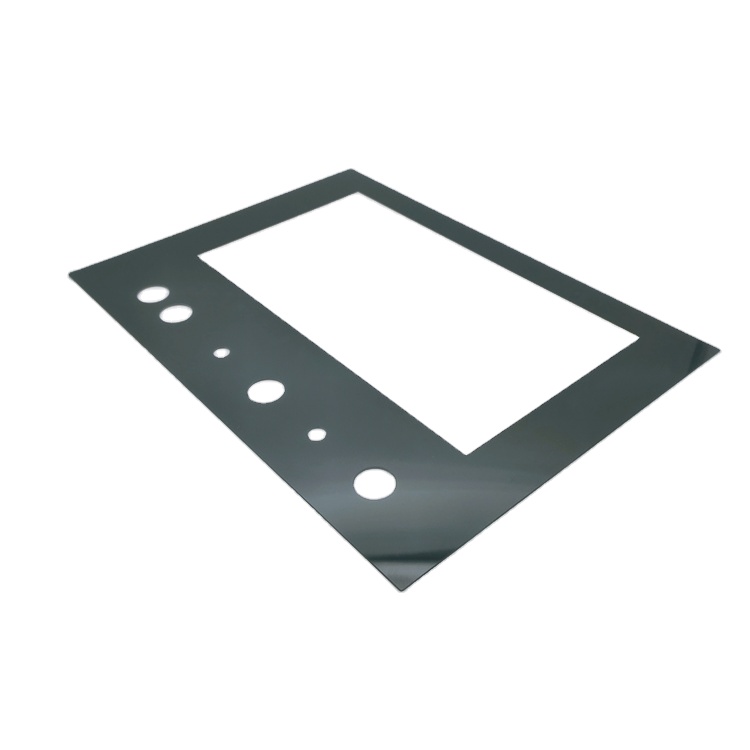
Customized Printed 0.5-6mm Thickness Flat Tempered Glass Screen Protector with Cut Holes
For appliance windows, control fascias and display covers that require heat-tolerant tempered glass, cut-outs and custom graphics.
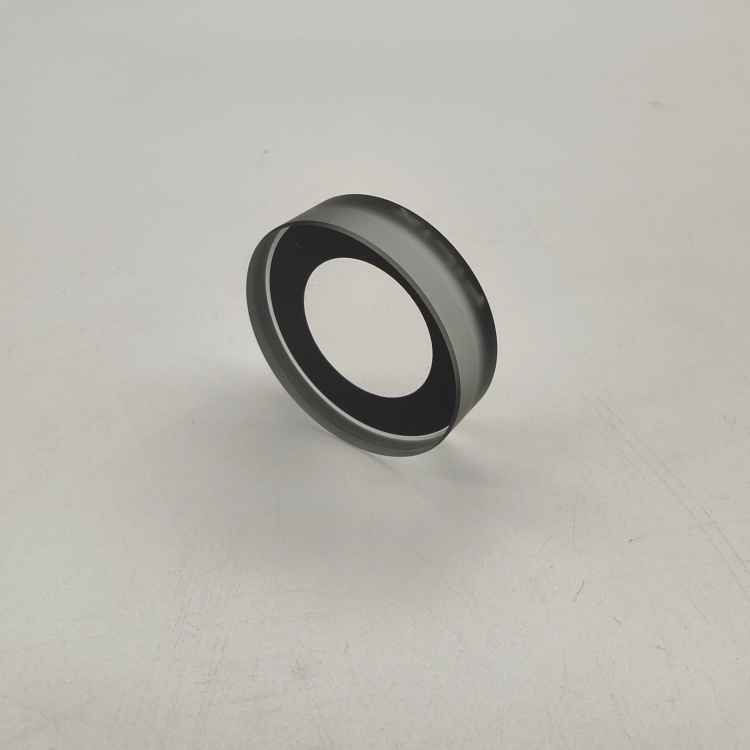
High Quality Small Diameter 10mm Thickness Round Tempered Glass with High Temperature Ceramic Printing
Compact round format with high-temperature ceramic printing for lamp covers, switch indicators and heat-adjacent instrument windows.

Custom Extra White 0.5mm 1mm 1.5mm 2mm Low Iron Tempered Glass Chemical Strengthened
Extra-white tempered or chemically strengthened glass for colour-critical displays, LED fixtures and thin lightweight assemblies.
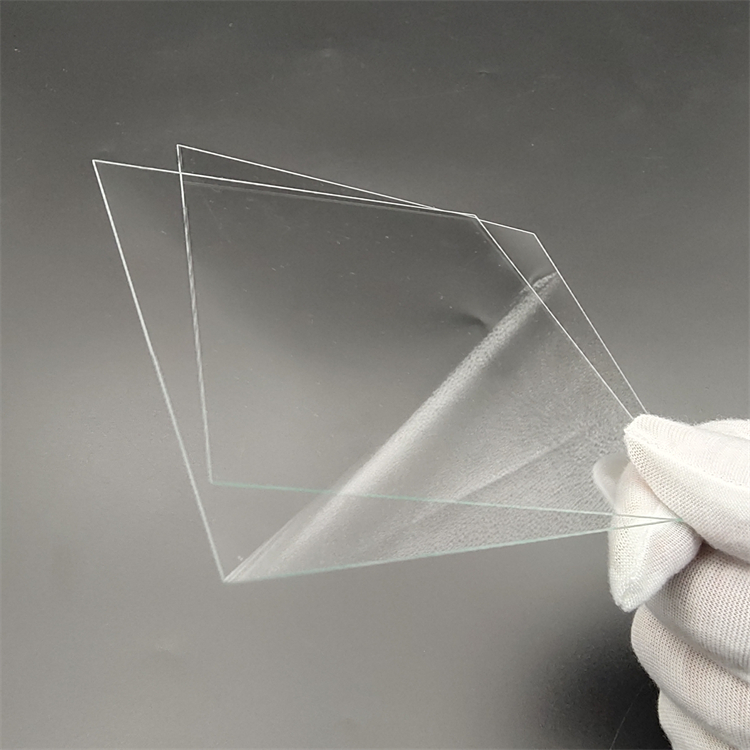
Customized Ultra Clear 0.5mm 0.7mm Thickness Ultra Thin Tempered Glass
Thin tempered glass for compact electronics, touch overlays and lightweight windows where space and weight are constrained.

Both Sides Anti Reflective AR Coating 1mm 2mm 3mm 4mm Ultra Clear Tempered Glass
Double-sided AR coating for brighter displays, stronger contrast and reduced reflection in showrooms, control rooms and retail environments.
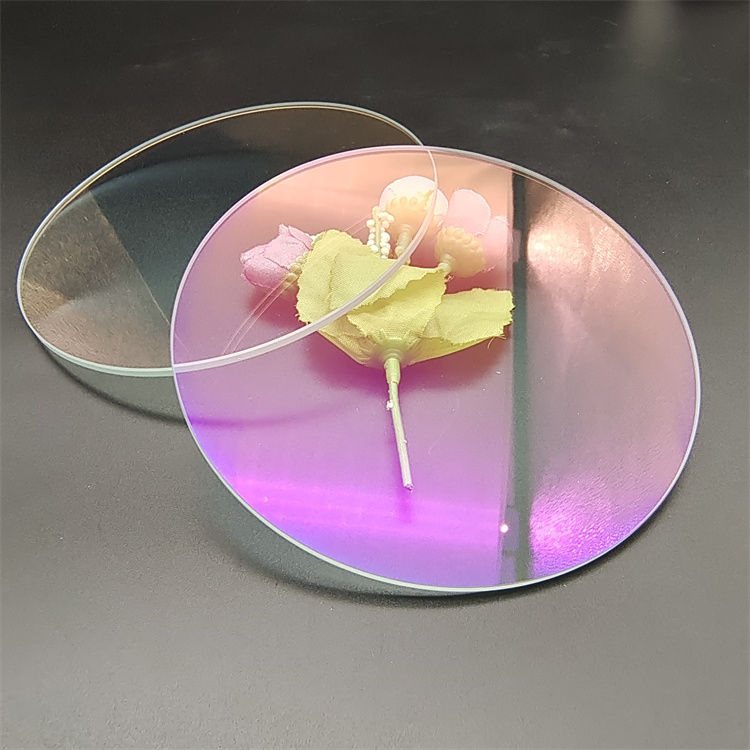
Premium Quality Ultra Clear Anti Reflective Solid High Strength 1mm 2mm 3mm 4mm 5mm 6mm Flat Tempered Glass Coating
High-strength AR-coated flat glass for industrial HMIs, large display windows and premium appliance panels where reflection control matters.
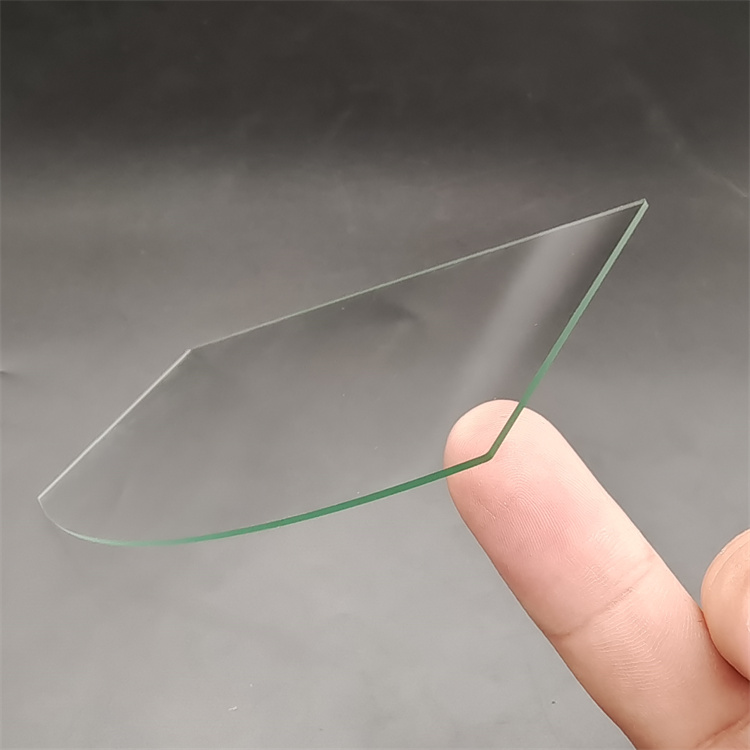
Any Size Custom 0.5/0.7/1/1.5/2/3mm Tempered Glass Screen Protector, Round Rectangle Triangle Customized Tempered Glass Oem Odm
OEM/ODM screen protectors in round, rectangular, triangular and irregular outlines for electronics and control interfaces.
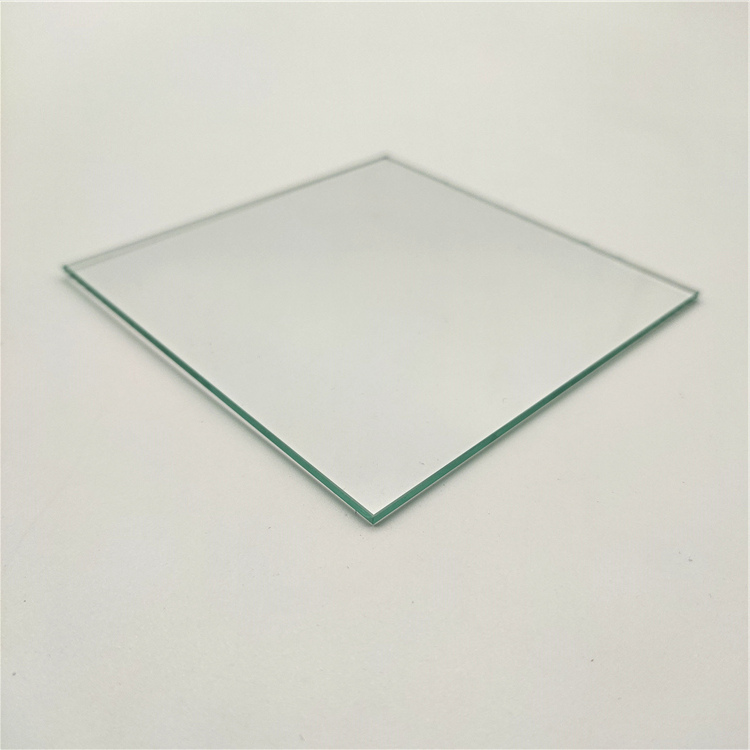
Fast Delivery Custom 1mm clear Glass Sheet
A practical clear-glass option for prototypes, product validation and repeat wholesale orders where schedule certainty is important.
Need a Bandung-specific wholesale recommendation? Share your application, target annual quantity and delivery port. Our engineering team will indicate the most suitable construction and whether ceramic printing, AR/AG/AF coating or ultra-clear low-iron glass is justified.
Contact UsWhy Bandung Buyers Treat Glass as a Performance Component, Not a Commodity
Bandung’s manufacturing base spans electronics assembly, lighting, appliance controls, industrial equipment, hospitality renovation and creative retail. In these products, the glass cover is not just a flat surface. It influences optical clarity, perceived product quality, touch feel, cleaning durability, printing life and safety behaviour when exposed to heat or thermal cycling.
Heat resistance in a glass component cannot be judged from a single label. For LED lighting, power-supply enclosures, appliance fascias and control-panel windows, the relevant questions are: what is the continuous service temperature, how often does the assembly cycle through heating and cooling, what cleaning chemicals are used, and how is the edge finished? Tempered glass improves mechanical strength and thermal-shock resistance compared with ordinary annealed glass, but it is not automatically a fire-rated glass or a borosilicate replacement for open-flame applications.
Bandung’s tropical humidity adds another layer. Moisture absorbed into packing, condensation during sea transport and repeated cleaning can expose weak packaging, poor edge protection or incompatible printing. Buyers who move from loose samples to volume orders quickly discover that edge quality, print adhesion, protective film and carton design are part of the product specification, not afterthoughts.
Dongguan Jaswe Glass reviews drawings before quoting. That engineering step can prevent expensive mismatches: a 0.5 mm ultra-thin cover may be perfect for a compact display but too flexible for a large appliance window; an AR coating may greatly improve perceived contrast but add cost where the customer views the product only at a shallow angle; ceramic printing may be essential near heat but unnecessary on a low-temperature decorative panel. The goal is a fit-for-purpose wholesale specification, not the most expensive stack.
Recommended Supplier Review Scorecard
A practical weighting template for Bandung procurement teams evaluating custom glass suppliers. Adjust according to your product risk.
This scorecard is an advisory framework, not a market statistic. It helps compare suppliers on the factors that most often determine line yield and after-sales cost.
Where Heat-Resistant Glass Creates Value in Bandung
Bandung buyers are not only purchasing glass; they are protecting brand perception, reducing field failures and keeping assembly lines predictable. These application scenarios reflect common product categories served by West Java manufacturers, design-led brands and project suppliers.
LED Lighting and High-Bay Fixtures
Downlights, panel lights, linear lights and wall washers expose glass covers to heat from LED modules and power supplies. Tempered flat glass, ceramic-printed borders and controlled transmission help maintain appearance and safety.
Display and Touch Interfaces
Capacitive touch panels, POS terminals, information kiosks and instrument displays benefit from ultra-clear glass, AR coating and anti-fingerprint top layers that preserve readability and touch feel.
Appliance and Kitchen Control Panels
Decorative tempered panels with printed icons, display windows and drilled holes are used in kitchen and household appliances where heat, moisture and daily cleaning are normal.
Industrial HMI and Electrical Control
Instrument windows, meter covers and electrical-equipment glass require flatness, clean printing and scratch resistance. AG or AR treatment can improve visibility in bright workshops.
Smart Switches and Hospitality Projects
Hotels, offices, apartments and smart-home brands in Bandung use printed glass switch plates that combine premium appearance with easy cleaning and anti-fingerprint performance.
Outdoor Signage and Urban Infrastructure
Outdoor kiosks, digital signage and public-information panels need glare diffusion, UV-stable printing and packaging that protects edges during freight to West Java.
Market Trends Reshaping Wholesale Glass Demand in Bandung
Bandung is a design, education and manufacturing city with a strong creative economy and a growing industrial base. These trends are practical signals for distributors and OEM buyers planning the next 12–24 months.
Higher documentation expectations
As local assembly and local-content discussions continue, buyers want clearer drawings, inspection records, packing lists and material declarations. A responsive exporter should make documentation part of the RFQ process.
Smaller batches, faster design cycles
Brands are testing more designs, colours and display formats. MOQ from 100–500 pieces and engineer-reviewed sampling help buyers validate a product before committing to a full container.
Optics become a brand differentiator
Ultra-clear low-iron glass, AR coating, AG diffusion and AF anti-fingerprint layers are moving from premium products into mainstream retail, appliance and control-panel designs.
Humidity and thermal cycling matter
West Java’s humid climate makes edge protection, ceramic printing, moisture-barrier packaging and desiccant use more important. Buyers are asking suppliers to prove packing discipline, not just product photos.
Choose Glass by Heat, Clarity, Print and Touch Requirements
Use this quick matrix during design review. Treatments can be combined — for example ultra-clear glass with AG + AF coating for an outdoor touch kiosk, or ceramic-printed tempered glass for a heat-adjacent appliance fascia.
Heat resistance is a system property. Confirm continuous service temperature, peak temperature, thermal cycling, cleaning chemicals and mounting method before mass production. For open-flame or fire-rated applications, specify borosilicate, ceramic or other specialised glass rather than standard tempered soda-lime glass.
How to Specify Heat-Resistant Glass for Bandung Conditions
A strong RFQ prevents two common failures: over-specifying a glass stack that adds cost without improving the customer experience, and under-specifying edge, print or packing details that create defects after the shipment reaches West Java.
1. Define the thermal profile, not just the word “heat-resistant”
State the continuous operating temperature, peak temperature, duration and number of cycles. A LED fixture may warm gradually for hours; an appliance panel may experience short, repeated heat cycles; an industrial enclosure may be washed with cleaning agents. These are different requirements. Tempered glass can provide useful thermal-shock resistance, but the right construction also depends on thickness, edge finish, hole quality, mounting stress and the coating or printing stack.
2. Treat edge quality as a strength feature
Chipped edges, rough holes and sharp transitions concentrate stress. For glass used near heat or vibration, specify edge polishing and hole quality in the drawing review. A clean edge improves handling safety and helps reduce the risk of breakage during assembly and transport. This is especially important for thin 0.5–2 mm glass and for large panels that flex during installation.
3. Use ceramic printing where heat and UV are part of the use case
For control panels, lighting borders and appliance fascias, high-temperature ceramic printing can offer better durability than ordinary decorative inks. Provide Pantone references, window dimensions and icon artwork. If the printed area must resist cleaning agents, tell the supplier during RFQ so the print and protective surface can be reviewed together.
4. Match the optical coating to the viewing environment
AR coating is valuable when the viewer needs higher contrast and lower reflection. AG treatment is valuable when sunlight, ceiling lights or workshop lighting causes glare. AF is a touch-surface benefit. Combining layers can be effective, but every added process should be justified by a user-visible benefit. Over-specification increases cost and can complicate cleaning or compatibility testing.
5. Design the packing for humidity and long-distance handling
Sea freight from China to Tanjung Priok or Patimban, followed by trucking to Bandung, introduces vibration, humidity and multiple handling points. Specify edge protectors, interleaving material, moisture-barrier packing, desiccant where appropriate and clear carton labelling. If your team uses barcode tracking or assembly-line kitting, include that requirement in the quotation stage rather than after production.
RFQ Checklist for Bandung Buyers
Use this checklist to shorten engineering review and reduce quotation cycles.
The bars are a communication aid for the RFQ process, not a performance claim. Actual quotation depends on drawing, process route and order quantity.
Dongguan Jaswe Glass: A Wholesale-Ready Export Partner for Bandung
Dongguan Jaswe Glass Co., Ltd. is a glass processing exporter based in Dongguan, Guangdong, China, serving display, touch-panel, LED lighting, switch, appliance and electrical-equipment customers. The company’s verified trade profile lists 51–100 employees, annual revenue of US$2.5M–US$5M and main markets in America, Europe and Asia. For Bandung importers, distributors and OEMs, the value is not simply a product list — it is the ability to keep cutting, CNC shaping, edge polishing, drilling, tempering, ceramic/silk-screen printing and AR / AG / AF coating under one quality system.



In-house process control
Cutting, special-shaped CNC cutting, edge polishing, hole drilling, tempering, silk-screen and ceramic printing, AG processing and AR / AF coating are handled in one workflow.
Engineering-led RFQ review
Drawings in DXF, DWG or PDF are reviewed for manufacturability before sampling, so potential tolerance, printing and edge issues are surfaced early.
Ceramic printing for heat exposure
High-temperature ceramic printing supports crisp icons, borders and display windows where ordinary decorative inks may fade or degrade.
Optical coating options
AR anti-reflective, AG anti-glare and AF anti-fingerprint processes can be matched to the display, lighting or touch-panel environment.
Stable monthly capacity
26 glass processing machines and more than 80 workers support output exceeding 200,000 pieces per month for repeat wholesale programmes.
Export packing discipline
Edge protection, interleaving, carton labelling and moisture-conscious packing can be discussed for humid sea freight to Indonesia.
Verified trade performance
The company’s trade profile shows on-site verified supplier status covering six years, a 96.61% response rate and a 26% buyer reorder rate.
Wholesale-friendly MOQ
Many custom items start from 100–500 pieces, with sample quantities available for evaluation before a larger Bandung order is released.
Quality statement: “Scientific management, careful manufacture, high quality service, striving for excellence.” Most operators have more than eight years of hands-on glass-processing experience, which matters on tight-tolerance jobs such as ultra-thin 0.2 mm cover glass or multi-colour printing with transparent display windows.
Review the supplier assessment · See trade capacity · Read ratings and reviews
From Drawing to Bandung: A Four-Stage Custom Glass Workflow
A transparent process helps Bandung buyers plan sampling, tooling, production slots and freight without unnecessary surprises.
Send requirements
Provide drawing, thickness, edge type, holes, printing colours, coating requirement, application, estimated annual volume and preferred port or Incoterm.
Engineering review and quote
The team checks manufacturability, suggests a glass construction and confirms commercial details for samples or mass production.
Sample and approval
Physical samples help verify fit, colour, transparency, coating appearance and packaging expectations before a wholesale order is placed.
Production and export packing
Batch production, in-process inspection, protective packing and shipping coordination support delivery to Bandung through the buyer’s forwarder or agreed export route.
Common Questions About Heat-Resistant Glass Procurement in Bandung
These answers address the practical questions that importers, distributors and OEM buyers usually raise before starting a custom glass order.
Can you ship custom glass to Bandung?
What does “heat-resistant” mean for tempered glass?
Which thicknesses and shapes can you process?
What is the MOQ and can I get samples?
What is the difference between AR, AG and AF glass?
Can printed glass resist heat and cleaning?
Do you provide certificates or compliance documents?
What should I send to receive a useful quotation?
Request a Wholesale Heat-Resistant Glass Quote for Bandung
Send your drawing and application details for an engineering review. We will help you choose a practical glass construction, confirm printing and coating options, and prepare a wholesale quotation for your Bandung project. For faster feedback, include thickness, edge finish, holes, annual volume, delivery port and whether ceramic printing or AR/AG/AF coating is required.