High Transparency Glass Exporters & Wholesalers for the Taguig Market
Custom tempered, ultra-clear, silk-screen printed, AR / AG / AF coated glass for Taguig distributors, fabricators, display integrators and smart-building suppliers across Metro Manila.
Eight High-Transparency Glass Products for Taguig Wholesale Buyers
The eight product lines below are practical starting points for Taguig distributors, fabricators and project suppliers. They cover ultra-thin display covers, 3M-taped assembly glass, beveled-edge custom pieces, low-iron high-clarity panels, round LED covers, extra-clear tempered panels, double-sided AR glass and printed screen covers with cut holes. Each product can be matched to a drawing, thickness, edge finish, printing colour and coating requirement before quotation.
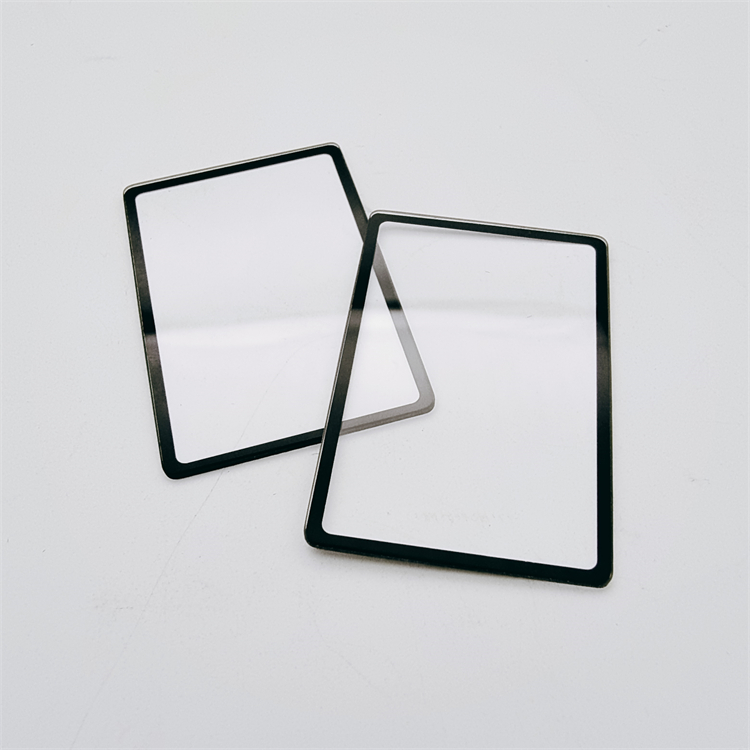
0.5mm 0.7mm 1mm 2mm 3mm Good Price OEM Wholesale Custom Premium Silk Screen Printing Tempered Glass Display Screen Industrial
View product details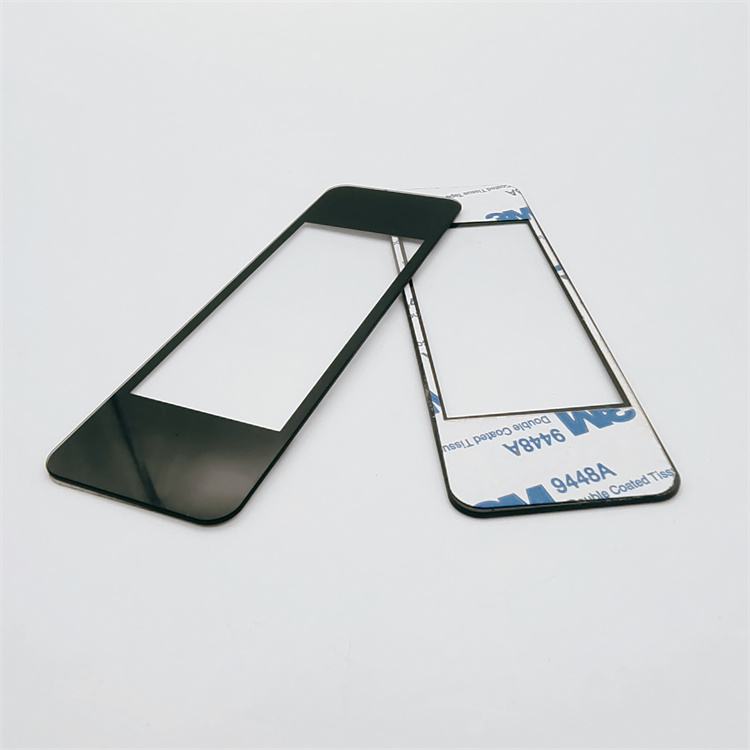
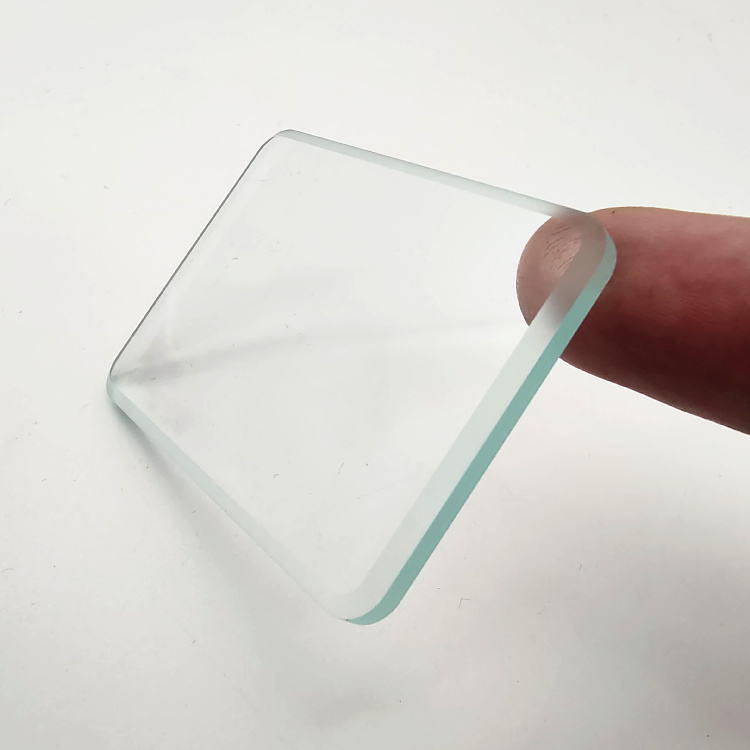
Custom Extra White 0.5mm 1mm 1.5mm 2mm Low Iron Tempered Glass Chemical Strengthened
View product details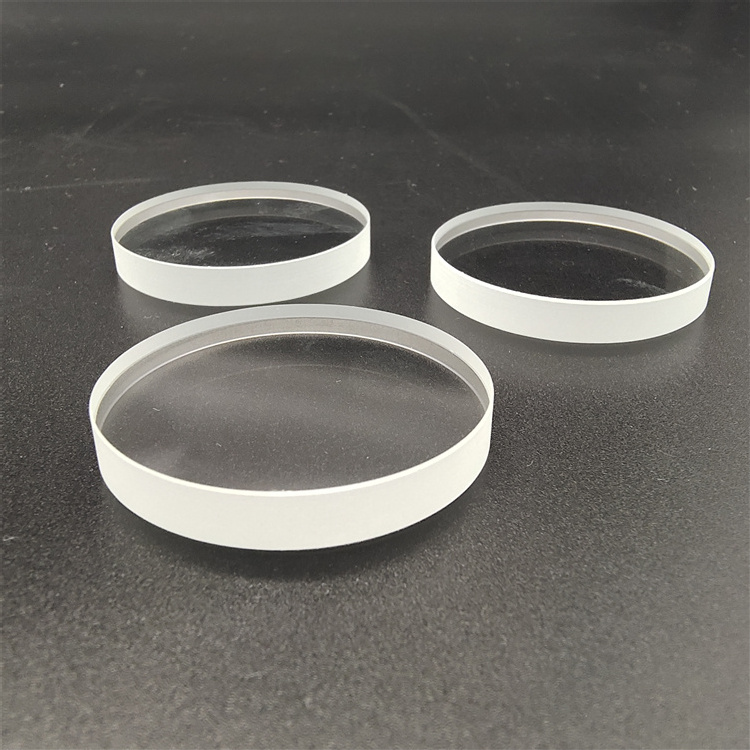
Full Tempered 30mm Diameter 3mm 4mm 5mm 6mm 8mm Thickness Ultra Clear Round Tempered Glass
View product details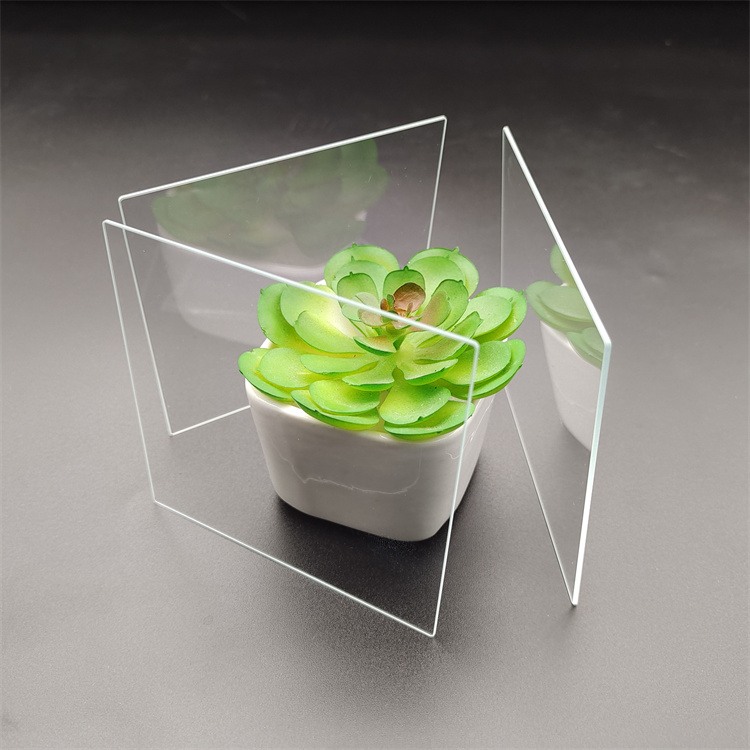
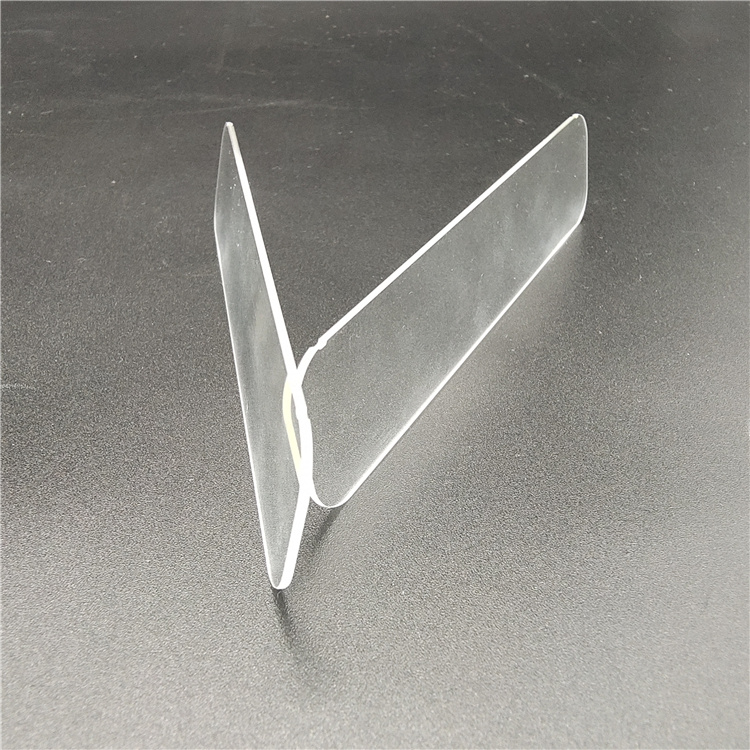
Custom 1mm 2mm 3mm 4mm 5mm Tempered Extra Clear Glass Panel for LCD Screen / LED Light / Electronic Appliance Cover
View product details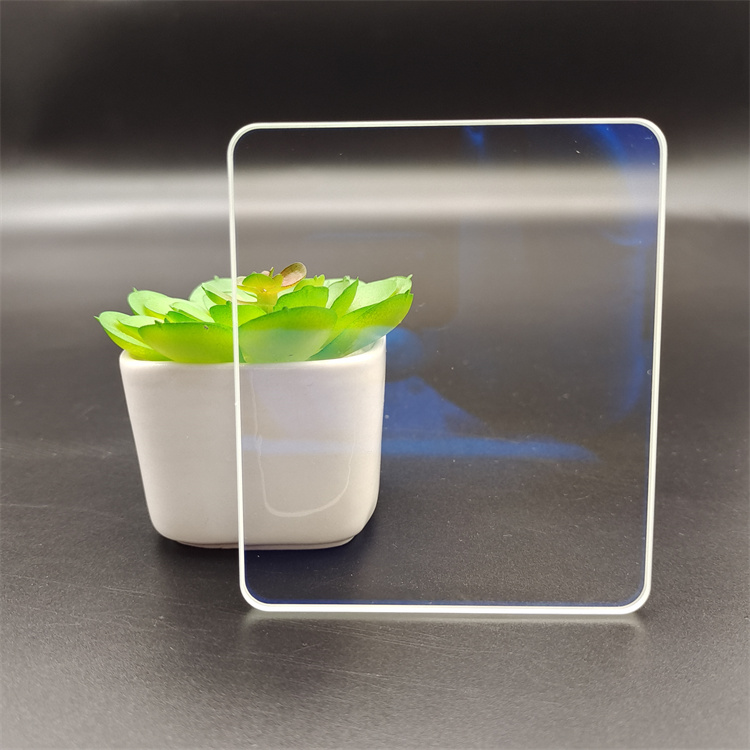
Production and Service Signals That Matter to Taguig Importers
For wholesale buyers, transparency is not only an optical property. It is also the clarity of lead-time communication, specification review, batch consistency and packing standards. The figures below come from the company profile and production data used by Dongguan Jaswe Glass Co., Ltd.
Why High-Transparency Glass for Taguig Is a Localisation Question, Not Just a Product Question
Taguig is not a generic “Metro Manila” destination on a quotation sheet. It includes Bonifacio Global City, McKinley Hill, ARCA South and established commercial and residential corridors where architects, fit-out contractors, display integrators and facilities teams specify glass for very different reasons. A BGC corporate lobby may need an anti-reflective display window that keeps directory information readable under bright ceiling lights. A smart-building supplier may need a printed switch glass panel with crisp icons and an anti-fingerprint surface. A retail fabricator may need low-iron glass for a lightbox or LED menu board where colour fidelity matters. A repair and distribution wholesaler may need 1 mm glass with 3M tape for screen-cover replacement.
This mixed demand is why Taguig buyers rarely benefit from a single generic sheet. One week’s wholesale requirement can include 0.5 mm printed cover glass for a local control-panel assembler, 1 mm ultra-thin tempered glass with adhesive for a screen repair distributor, 2 mm extra-clear panels for a signage fabricator, and double-sided AR glass for a corporate lobby display. The common thread is high transparency without sacrificing safety, print accuracy, coating durability or delivery consistency.
Taguig’s tropical climate and building environment also shape the specification. Heat, humidity, monsoon rain, strong UV exposure and heavily air-conditioned interiors can combine with frequent cleaning, high foot traffic and bright architectural lighting. In this context, high transparency is not only about looking clear. It is about maintaining legibility under reflections, reducing fingerprints on touch surfaces, protecting edges during handling, and using tempered glass where safety and impact resistance are part of the product requirement.


Localised Application Scenarios in Taguig
The same high-transparency glass can perform very differently depending on the installation. These are common application paths for Taguig distributors and project suppliers.

BGC Corporate Lobbies & Wayfinding Displays
AR-coated ultra-clear tempered glass helps digital directories, lift-lobby screens and reception displays remain readable under bright downlights. Double-sided AR is useful where reflections appear on both the viewing and interior side.
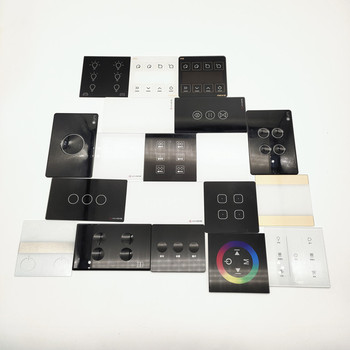
Smart Building & Office Control Panels
Silk-screen printed tempered glass is used for wall switches, access panels, room controls and appliance interfaces. Crisp icon printing, transparent touch windows and AF coating support frequent use in offices, serviced apartments and residential towers.
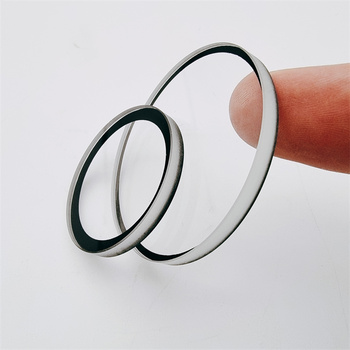
Retail, F&B and LED Signage
Low-iron ultra-clear glass supports lightboxes, menu boards, decorative LED fixtures and premium retail displays. Round and small-format tempered glass is often specified for downlights, wall washers and architectural lighting where edge quality is visible.

Clinics, Laboratories & Diagnostic Equipment
Display windows for diagnostic devices, clinic monitors and laboratory instruments benefit from low-reflection AR glass and easy-clean surfaces. Printed borders can hide internal framing while maintaining a precise viewing window.

Security, Access Control & Intercom Devices
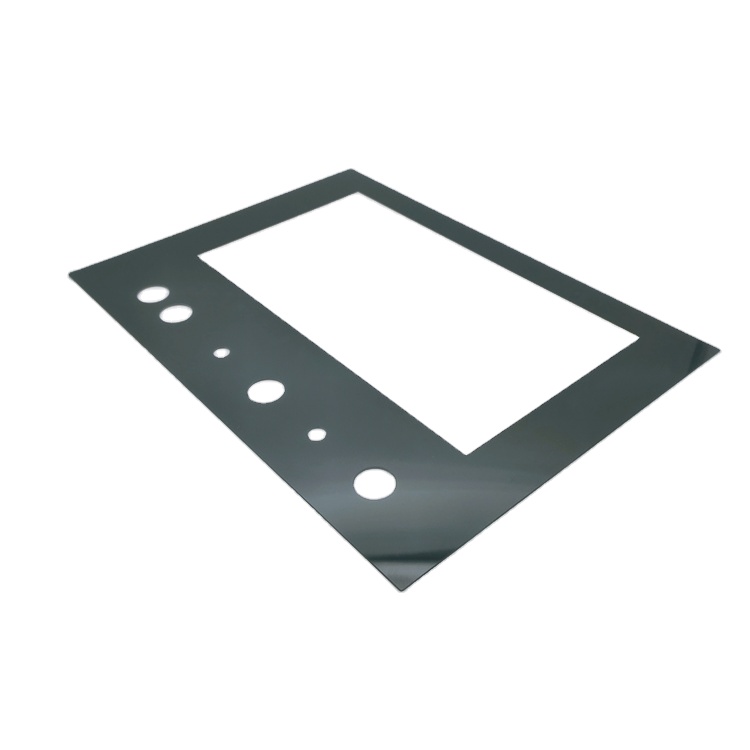
Printed lens covers, camera windows and intercom panels often require drilled holes, small outlines and accurate print alignment. Tempered glass and AF coating can improve durability and touch cleanliness in high-traffic entrances.
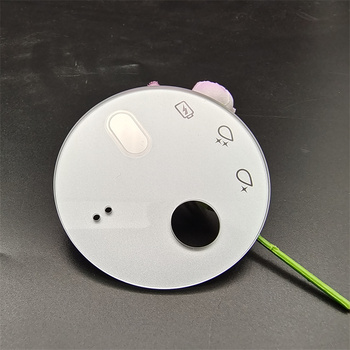
Condominium, Elevator & Industrial HMI
Instrument screen covers, elevator panels, appliance control panels and industrial HMI windows can be made in 0.5–6 mm thicknesses with printed borders, cut holes and beveled or polished edges for safe handling.
Taguig Market Trends Shaping High-Transparency Glass Buying
More Touchpoints per Building
Smart offices, serviced apartments and mixed-use developments in Taguig continue to replace simple mechanical controls with glass touch panels. This increases demand for printed tempered glass, AF coating and consistent touch-window registration.
Premium Lighting and Lobby Aesthetics
LED fixtures, architectural lighting and premium lobby displays favour low-iron, high-transparency glass. Round LED covers, ceramic-printed black borders and polished edges are often valued as visible design details, not hidden components.
Resilience in a Humid Tropical Climate
Buyers increasingly ask about edge finishing, coating compatibility and export packing because chips, moisture marks and packing failures create costly rework. Tempered glass and protected edges are practical requirements for Taguig projects.
Wholesale Customisation, Not Inventory-Only Buying
Distributors need product mixes: multiple thicknesses, Pantone-matched printing, AR or AG options and small-to-medium custom batches. A supplier that can review drawings and keep repeat batches consistent is more useful than a catalogue-only seller.
AR, AG, AF, or Ultra Clear: Choosing the Right High-Transparency Glass
High transparency is a system of substrate, coating and printing choices. The right answer depends on the viewing environment, touch frequency, lighting condition and the visual language of the finished device.
Ultra-Clear Low-Iron Glass
Low-iron glass removes much of the green tint seen in standard float glass. It is suitable for display covers, LED lighting, premium appliance panels and printed glass where colour fidelity and edge appearance matter.
AR Anti-Reflective Coating
AR coating reduces surface reflection and can increase light transmission and contrast. Double-sided AR is often preferred for display windows, corporate directories and equipment monitors where reflections appear from more than one direction.
AG Anti-Glare Treatment
AG processing diffuses reflected light so screens remain readable under strong ambient or outdoor light. It is useful for bright retail environments, outdoor kiosks, vehicle interfaces and industrial HMI windows.
AF Anti-Fingerprint Coating
AF is an oleophobic top layer for touch surfaces. It helps resist fingerprints and makes cleaning easier. For Taguig smart-building panels, POS terminals and public touchpoints, AF can be combined with AR or AG.
- For display integrators and signage fabricators: consider the Custom 1mm 2mm 3mm 4mm 5mm Tempered Extra Clear Glass Panel for LCD Screen / LED Light / Electronic Appliance Cover and the Both Sides Anti Reflective AR Coating 1mm 2mm 3mm 4mm Ultra Clear Tempered Glass.
- For switch and control-panel makers: review the silk-screen printed 0.5–3 mm tempered glass display and the Customized Printed 0.5-6mm Thickness Flat Tempered Glass Screen Protector with Cut Holes for icon windows, holes and printed borders.
- For LED lighting and architectural fixtures: the Full Tempered 30mm Diameter 3mm 4mm 5mm 6mm 8mm Thickness Ultra Clear Round Tempered Glass supports round lighting covers, while extra-clear panels suit linear and panel fixtures.
- For appliance, intercom and compact assemblies: the Ultra Thin 1mm Tempered Glass with 3M Tape supports bonding-based assembly, while small-dimension beveled-edge glass and low-iron chemically strengthened glass serve premium compact covers.
Why Taguig Buyers Can Evaluate Jaswe Glass with Confidence

Dongguan Jaswe Glass Co., Ltd. operates from Dongguan, Guangdong, China, within one of the world’s densest electronics, display and lighting supply chains. We are not a trading-only intermediary. Cutting, special-shaped and CNC cutting, edge polishing, hole drilling, thermal tempering, silk-screen and ceramic printing, AG processing, AR coating and AF coating are handled under one quality system. For Taguig wholesalers, this means a single distributor order can involve multiple process steps while still using one technical contact, one sampling route and one export packing standard.
The company’s production profile is relevant to buyers who need repeat supply: more than 80 workers, 26 glass processing machines, and monthly output exceeding 200,000 pieces. Most of the 80+ operators have over eight years of hands-on glass processing experience. That depth matters on tight-tolerance work such as ultra-thin 0.2 mm cover glass, multi-colour printing with transparent display windows, or coated glass where surface cleanliness and coating uniformity are visible in the final product.
From an E-E-A-T perspective, experience and expertise are demonstrated through process control, not only through claims. Our original supplier profile includes third-party trade records such as supplier assessment, trade capacity, transaction level, trade history and credit index. The same profile shows a 51–100 employee scale, annual revenue in the US$2.5M–US$5M range, and main markets across America, Europe and Asia. Buyer response is supported by an average reply time within three hours and a 96.61% response rate. A 26% reorder rate indicates that repeat buyers continue to place production orders after sampling and delivery.
“Scientific management, careful manufacture, high quality service, striving for excellence.” This quality statement reflects the working standard behind every custom glass review, sample and production batch.
Five Steps from Drawing to Delivery for a Taguig Order
A predictable workflow is especially important for Taguig buyers who may be coordinating between a local end customer, a fabricator and an overseas glass supplier.
Send Requirements
Provide DXF, DWG or PDF drawings, thickness, edge type, printing colours, coating requirement, application and estimated annual volume.
Engineering Review
Our team checks manufacturability, tolerance risk, coating compatibility and the most suitable process route before quotation.
Sampling
Physical samples support fit, colour, print alignment and optical evaluation before a wholesale production order is released.
Mass Production
Batch production follows the approved specification with inspection at cutting, edging, tempering, printing and coating stages.
Packing & Shipping
Interleaved, edge-protected export packing is prepared for the chosen shipping route to the Philippines and final Taguig delivery point.
Reliability Signals That Matter to Importers and Distributors
One-Roof Process Control
Cutting, CNC, polishing, drilling, tempering, printing and coating are kept under one quality system to reduce handling gaps.
In-Process Inspection
Checks are performed at critical stages before packing, which is important for printed and coated glass with visible cosmetic requirements.
Fast Engineering Replies
The profile records an average reply time within three hours and a 96.61% response rate for buyer messages.
Repeat Order Pattern
A 26% reorder rate reflects buyers returning for production after sampling, first delivery and product-fit evaluation.
Printing and Coating Expertise
Silk-screen printing, ceramic printing, AG treatment, AR coating and AF coating can be combined on one custom glass part.
Export-Ready Packing
Edge protection, interleaving and stable carton arrangements help reduce transit damage for wholesale orders moving to Metro Manila.
Common Local Procurement Questions About High-Transparency Glass
These are the questions Taguig distributors, fabricators and project buyers most often ask when evaluating a custom glass exporter.
Can Dongguan Jaswe Glass supply high-transparency glass to Taguig and Metro Manila wholesalers?
What is the minimum order quantity for a Taguig distributor or fabricator?
Which glass is best for Taguig’s bright, humid and air-conditioned environments?
Can you match brand colours, icons and transparent windows for local control panels?
What should a Taguig buyer include in an RFQ for custom glass?
How are samples handled before a wholesale order?
What thicknesses can be processed for display, touch and lighting glass?
How do we start a custom glass project from Taguig?
Send Your Drawing for a Taguig Wholesale Review
Share your thickness, edge finish, printing, coating, application and annual quantity. Our engineers will review manufacturability, recommend the process route and prepare the next step for sampling or wholesale production. If you are supplying Taguig fabricators, integrators or distributors, tell us the product mix so the specification can be organised for repeat supply.