8 Hydrophobic Glass Products with Proven Custom-Glass Use Cases
Each product below can be supplied as tempered, ultra-clear, printed, step-edge, 3M-adhesive or AR / AG / AF coated glass with an optional hydrophobic surface treatment. Product links are preserved for engineering review.
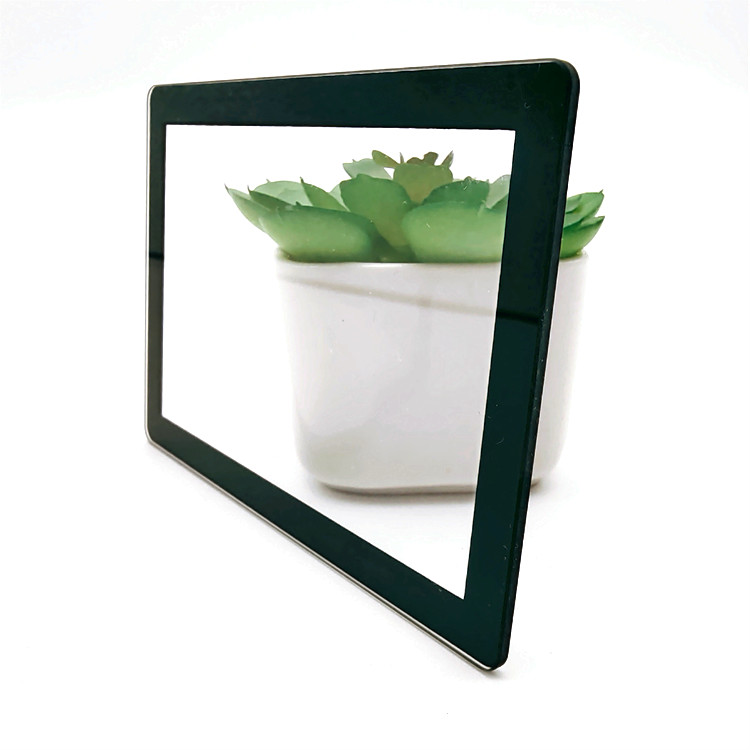
High Strength Industrial Display Tempered Glass with Printed Design
0.5–6 mm solid industrial display glass for HMI, POS and instrument windows. A hydrophobic plus anti-fingerprint stack is useful in Cebu retail and workshop environments where glass is cleaned often.
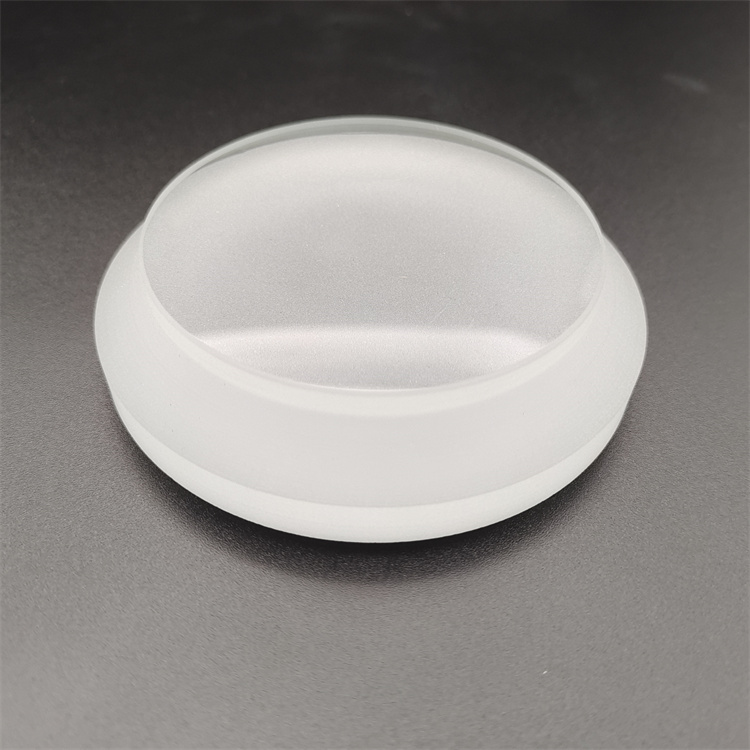
Customized Ultra Clear Frosted Tempered Glass with Beveled Step Edge
A lighting-grade cover that balances clarity and diffusion. For Cebu hotel, façade and commercial lighting projects, hydrophobic treatment helps rain spots and dust wash away more easily.
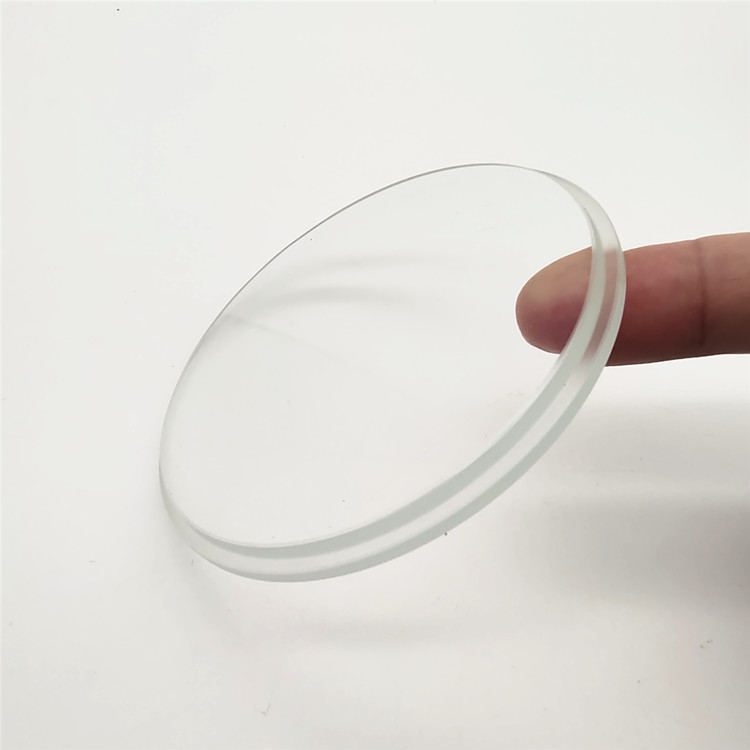
Factory Price 2–10 mm Tempered Step Edge Glass
A practical specification for appliance panels, control covers and equipment windows. The step edge supports clean assembly, while hydrophobic coating reduces visible water marks after cleaning.
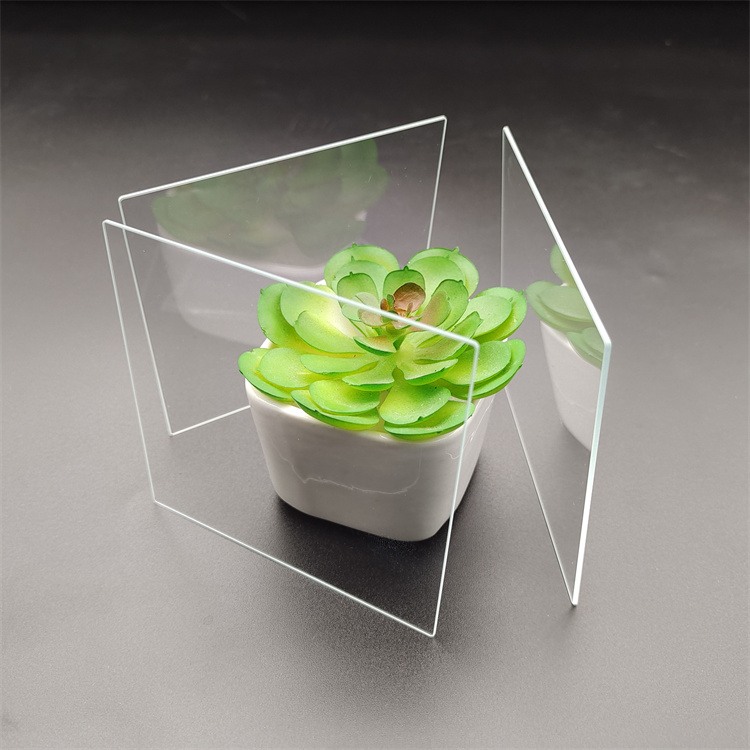
Extra Clear Tempered Glass Panel for LCD, LED & Appliance Covers
Low-iron extra-clear glass for display windows, LED covers and electronic appliance fronts. It is a strong base for hydrophobic, anti-fingerprint or anti-glare treatment in humid Cebu interiors.
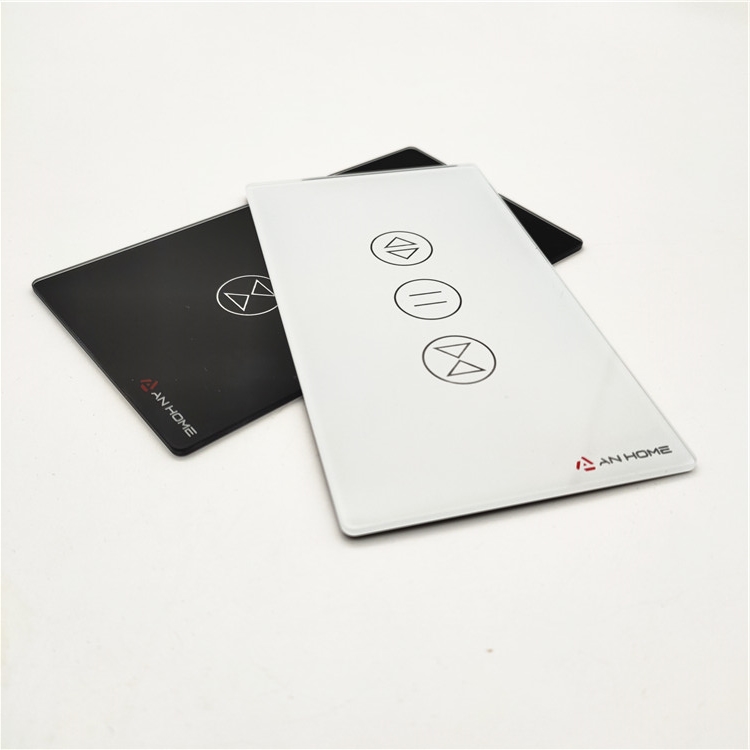
Smart WiFi Touch Curtain Control Glass Switch Panel
Printed touch-switch glass for smart homes, hotels and serviced apartments. Hydrophobic treatment improves finger glide and makes cleaning easier on high-touch switch surfaces.
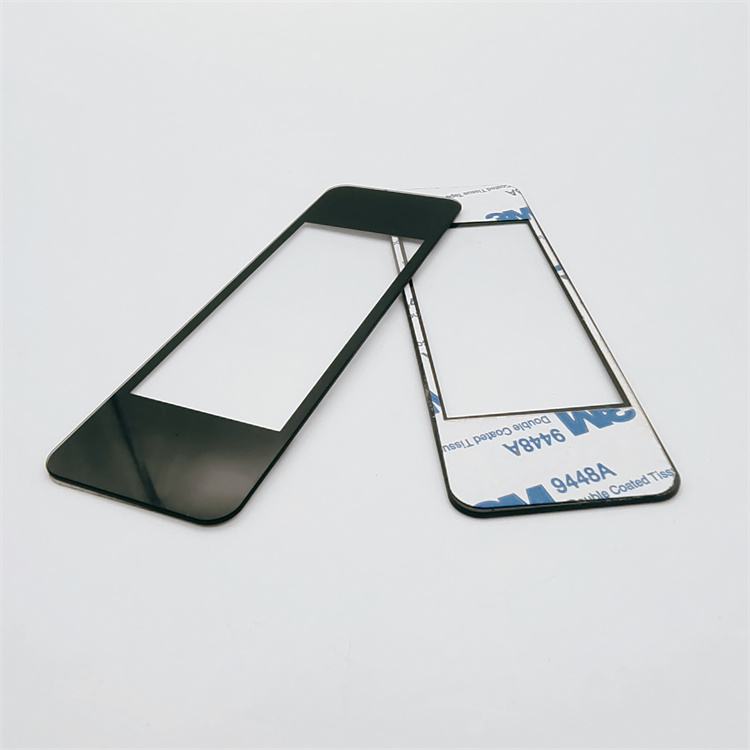
Ultra-Thin 1 mm Tempered Glass with 3M Tape
A ready-to-bond cover glass for compact displays and control interfaces. The 3M adhesive option supports fast assembly in Cebu electronics workshops and service-panel upgrades.
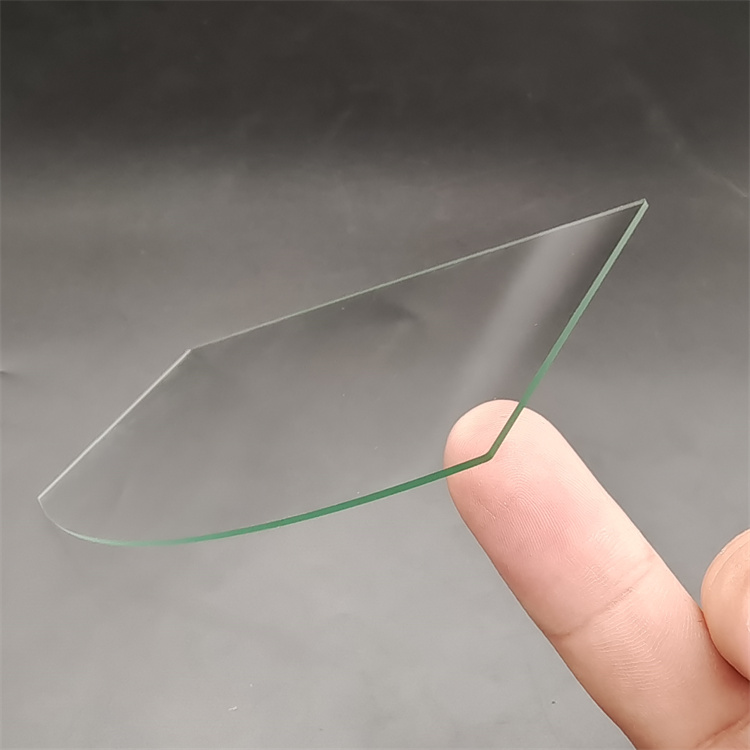
Any-Size Custom 0.5–3 mm Tempered Glass Screen Protector
Round, rectangular, triangular and irregular outlines are supported. For Cebu product teams, hydrophobic and anti-fingerprint finishes can be specified for retail devices and public touch screens.
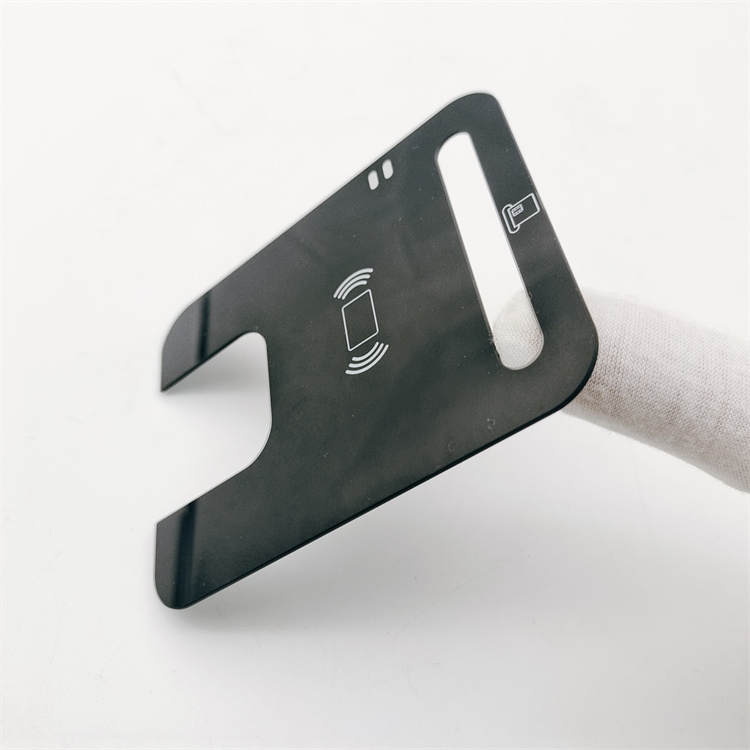
Custom Printed Tempered Glass Cover with Hole for Card Reader Instruments
Printed glass with a precision hole for card readers, payment terminals and instrument housings. Hydrophobic treatment is a sensible upgrade for public POS surfaces in malls and transport hubs.
Capacity That Supports Cebu City Custom Glass Programs
This is not a directory-style listing. The figures below reflect the manufacturing and response profile of Dongguan Jaswe Glass Co., Ltd., the factory behind this hydrophobic glass supply program.
Data points are based on the company trade profile and production records. Final capacity, price and lead time depend on size, thickness, printing, coating stack, packaging and order quantity.
What Hydrophobic Glass Really Means in Cebu City's Climate
Cebu City combines high humidity, coastal salt exposure, strong UV, frequent rain and an expanding base of high-touch commercial interfaces. Hydrophobic glass is not a cosmetic upgrade; it is a surface-engineering decision that should be specified with a clear test protocol.
Water repellency is only one part of the specification
A hydrophobic coating lowers the surface energy of glass so water tends to bead and roll away. In practical terms, this can reduce visible water spotting, make cleaning faster and help keep printed windows and touch panels look presentable. When the same surface also has oleophobic properties, it resists fingerprint oil and daily cleaning residue. For Cebu City buyers, the most useful specification is often a combined hydrophobic + anti-fingerprint (AF) surface, not a single-function coating.
The underlying glass still matters. A 0.5 mm ultra-thin cover for a compact control panel, a 1 mm 3M-adhesive screen cover and a 6 mm tempered display window should not use the same process route. Tempering, edge polishing, printing, hole drilling and coating all interact. If the coating is applied before a high-temperature step, its chemistry and durability may change. This is why an engineering review before quotation is more valuable than a generic price comparison.
What hydrophobic glass can and cannot do
Hydrophobic coating can improve water shedding, ease cleaning and reduce liquid residue. It is not a replacement for an IP-rated sealed enclosure and should not be presented as a guaranteed waterproofing method. For outdoor kiosks, marine instrumentation and bathroom switches, the housing design, gasket, adhesive and pressure equalization still determine water ingress. The coating works at the exposed surface, where it can help control droplets, fingerprints, dust adhesion and cleaning marks.
For Cebu City projects, ask for coating-durability evidence rather than a hydrophobic claim alone. A well-written RFQ can request water contact angle targets, abrasion cycles, humidity resistance, salt-fog exposure, chemical cleaning compatibility and UV aging. These tests do not have to be identical for every product, but they make quotes comparable.
Use this five-line RFQ structure
- Drawing: DXF, DWG or PDF with outline, holes, step edge, tolerance and critical dimensions.
- Base glass: thickness, clear / ultra-clear / frosted, tempering requirement and edge finish.
- Surface stack: hydrophobic, AF, AR, AG or printed window; specify which side is treated.
- Use environment: indoor, outdoor, coastal, high-touch, wash-down, UV exposure or marine air.
- Commercial basics: annual demand, first order quantity, sample approval plan and target arrival window in Cebu.
Engineering review points for Cebu City projects
A reliable quote should explain the process route, not only the unit price. That is the difference between a commodity glass sheet and a production-ready hydrophobic cover.
Cebu City Application Scenarios Where Hydrophobic Glass Earns Its Place
Cebu City is a working commercial center and a gateway to the Visayas. The applications below show where water repellency, anti-fingerprint performance and optical clarity create a practical return.
Retail, POS and Mall Touchpoints
In Cebu City malls, payment terminals, self-service kiosks and smart displays are touched by many people every day. A hydrophobic + AF cover reduces visible smudging and makes staff cleaning faster, while printed glass can integrate logos, windows and sensor areas.
BPO and Office Access Panels
Cebu IT Park and Cebu Business Park facilities run long hours with high traffic. Hydrophobic switch glass and display covers help maintain a clean appearance in lobbies, meeting rooms, access-control points and elevator panels.
Marine, Port and Coastal Equipment
Equipment near the Mactan Channel and Cebu port areas faces salt-laden air, humidity and rain. Specify tempered glass with a hydrophobic finish and validate the coating against salt-fog and cleaning cycles before use on exposed controls.
Hotels, Resorts and Serviced Apartments
Bathroom smart switches, spa controls, room signage and printed glass panels need to look clean after repeated guest use. Hydrophobic glass is easier to wipe and less likely to show hard-water marks when paired with appropriate cleaning procedures.
Hospitals and Diagnostic Devices
AR-coated glass can improve display contrast, while AF and hydrophobic layers support frequent cleaning of touch surfaces. For medical and diagnostic equipment, final approval should be based on the device maker's cleaning-agent compatibility and regulatory requirements.
Appliance and Electronics Manufacturing
Cebu and nearby Mactan are part of an electronics and appliance supply chain. Thin 0.5–3 mm covers, 3M-adhesive glass, printed control panels and hydrophobic screen protectors can be consolidated into one custom-glass order.
Cebu City Hydrophobic Glass Trends Buyers Should Watch
Local procurement is becoming more specification-driven. The winners are not necessarily the lowest quotation; they are the suppliers who can document the surface stack, control printing and deliver repeatable samples.
1. High-touch hygiene is moving from marketing language to test language
Hotel groups, hospitals, banks, retailers and transport operators are asking for surfaces that are easier to clean, not surfaces that make unverified health claims. A hydrophobic and anti-fingerprint coating can reduce visible contamination and support cleaning routines, but it should be specified with cleaning-agent compatibility and abrasion resistance. In Cebu City, where air-conditioning and outdoor humidity alternate, surface performance is judged by how the glass looks after weeks of daily handling.
2. Hybrid coatings are replacing single-purpose glass
AR, AG, AF and hydrophobic functions can be combined, but each layer adds process complexity and requires a clear order of operations. A retail display may need anti-glare for mall lighting and AF for fingerprints. A marine HMI may need AR for readability, AG for sun glare and a hydrophobic top layer for rain. The correct approach is to define the primary failure mode first, then add only the coatings that solve it.
3. Thin, printed and adhesive-ready parts are growing
Electronics teams in Cebu often prefer 0.5–2 mm glass with 3M adhesive, printed icons, transparent windows and stepped edges. This reduces assembly time and avoids secondary brackets. The trend favors suppliers who can cut, print, coat, temper and pack under one roof, because thin glass is sensitive to handling and edge defects.
4. Import planning is part of the buying decision
For Cebu City orders, the lowest ex-works price can still create a higher landed cost if packaging fails in humid transit. Buyers increasingly ask for moisture-barrier bags, desiccant, edge protectors, seaworthy crates and clear packing lists. A practical plan is sample by air, approve the coating and printing, then move production by ocean to Cebu port or a consolidated Visayas route. Urgent replacement parts can be sent by air courier when the drawing and quantity are ready.
Which Hydrophobic Glass Stack Should You Specify?
Use this matrix as a starting point for RFQ discussions. Final selection depends on the device enclosure, cleaning chemicals, target lifetime and test standard.
| Application | Recommended Base Glass | Surface Stack | Cebu City Reason |
|---|---|---|---|
| Outdoor wayfinding and EV charging | 3–6 mm tempered ultra-clear or clear glass | AG + AF + hydrophobic | Glare, rain spotting and fingerprints are visible outdoors. |
| Retail POS and payment terminals | 1–3 mm tempered printed glass | AF + hydrophobic | High-touch surfaces need easy cleaning and clear printed windows. |
| Hotel and serviced-apartment switches | 2–4 mm printed tempered glass | AF + hydrophobic | Bathroom humidity, hand contact and cleaning residue. |
| Marine and port control displays | 3–6 mm tempered glass | AR + AF + hydrophobic | Salt air, strong light and frequent cleaning should be discussed at RFQ. |
| LED lighting covers | 1–5 mm clear, ultra-clear or frosted glass | Hydrophobic | Rain and dust removal for exterior fixtures and façade lighting. |
| Appliance and instrument panels | 0.5–4 mm printed or extra-clear glass | Hydrophobic + optional AF | Cleaning marks and finger contact reduce perceived product quality. |
Test targets such as contact angle, haze, transmittance, adhesion, salt fog and abrasion should be agreed in writing before mass production. A sample that looks clear on a desk can behave differently after printing, tempering and real-world cleaning.
Why Dongguan Jaswe Glass Is a Practical Supply Partner for Cebu City
Dongguan Jaswe Glass Co., Ltd. is a glass processing company in Dongguan, Guangdong, China. Cebu City buyers are served through export production, not through a local factory building in Cebu. That distinction matters: you get direct factory engineering and a documented process route, while logistics and import steps are planned openly.



The company processes tempered glass, ultra-clear display glass, silk-screen printed glass, switch glass, AR / AG / AF coated glass, electrical equipment glass and LED lighting glass. For Cebu City projects, the advantage is not a generic catalog; it is the ability to discuss the interaction between glass thickness, printing, tempering, edge finish, adhesive and hydrophobic coating in one engineering conversation.
According to the company profile, the factory operates with 26 glass processing machines and more than 80 workers, with monthly output exceeding 200,000 processed glass pieces. Buyer response data includes a 96.61% response rate and an average reply time of about 3 hours. A 26% reorder rate is a useful signal for buyers who care about consistency after the first sample approval.
- In-house cutting and CNC shaping: rounds, notches, slots and irregular outlines are reviewed before sampling.
- Edge polishing and hole drilling: pencil, flat, beveled, stepped and matte edges can be paired with sensor or mounting holes.
- Tempering: thermal strengthening improves impact behavior and supports safer breakage patterns.
- Silk screen and ceramic printing: logos, icons, borders, display windows and color matching can be controlled with your drawing and Pantone reference.
- AG, AR and AF processing: anti-glare diffusion, anti-reflective coating and oleophobic top layers can be combined where the application justifies it.
- Hydrophobic finish: a surface treatment that helps water bead and cleaning marks release; final durability should be tested on the agreed stack.
For Cebu City procurement teams, we recommend a sample-first workflow. Approve the glass thickness, edge, print position and surface appearance before moving to mass production. If the final product will be cleaned with a specific chemical, share the cleaning-agent data sheet so compatibility can be evaluated. This is how a hydrophobic glass order becomes predictable rather than dependent on a generic claim.
Five Steps from Drawing to Cebu City Delivery
A transparent process keeps sample approvals, production timing and export packing under control.
Send Requirements
Share drawing, thickness, edge, printing, coating stack, application and annual quantity.
Engineering Review
Manufacturability, tolerance, coating compatibility and packing are reviewed before quotation.
Sample Approval
Approve fit, color, transparency, haze and surface feel. Keep a signed golden sample.
Mass Production
Batch production with in-process checks at cutting, edging, printing, coating and packing.
Export to Cebu
Moisture-protected export packing, shipping documents and air or sea forwarding support.
Cebu City Hydrophobic Glass Procurement FAQ
Answers to questions commonly asked by Cebu City buyers, product designers and facility engineers before a first order.
Are you a hydrophobic glass factory located in Cebu City?
Is hydrophobic glass the same as waterproof glass?
Can hydrophobic coating be combined with AR, AG or AF glass?
How durable is the hydrophobic coating in Cebu humidity?
What is the minimum order quantity for custom hydrophobic glass?
How long does sampling and production take?
What shipping options are available to Cebu City?
Which documents are usually needed for import?
Can you support small renovation projects or startup product batches?
How do I start an RFQ for Cebu City delivery?
Request a Cebu City Hydrophobic Glass Quote
Share your drawing, thickness, printing or coating requirement, annual quantity and delivery expectation. We will review the glass stack and recommend a practical production route for your Cebu City project.
Inquire NowRFQ email: info@jasweglass.com · Factory: Dongguan, Guangdong, China · Serving Cebu City and Visayas buyers through export production