8 LED Cover Glass Products Recommended for Austin Projects
These eight custom glass families cover the most common LED lighting, display, appliance, instrument and industrial control requirements we quote for Austin buyers. Each product link is preserved so engineers can review the exact specification before sampling.

Both Sides Anti Reflective AR Coating 1mm 2mm 3mm 4mm Ultra Clear Tempered Glass
Best for: high-contrast LED display windows and optical HMI
Double-sided AR treatment reduces surface reflection while preserving ultra-clear transmission. A strong fit for Austin venue signage, outdoor hospitality displays and industrial monitors where sunlight competes with screen content.
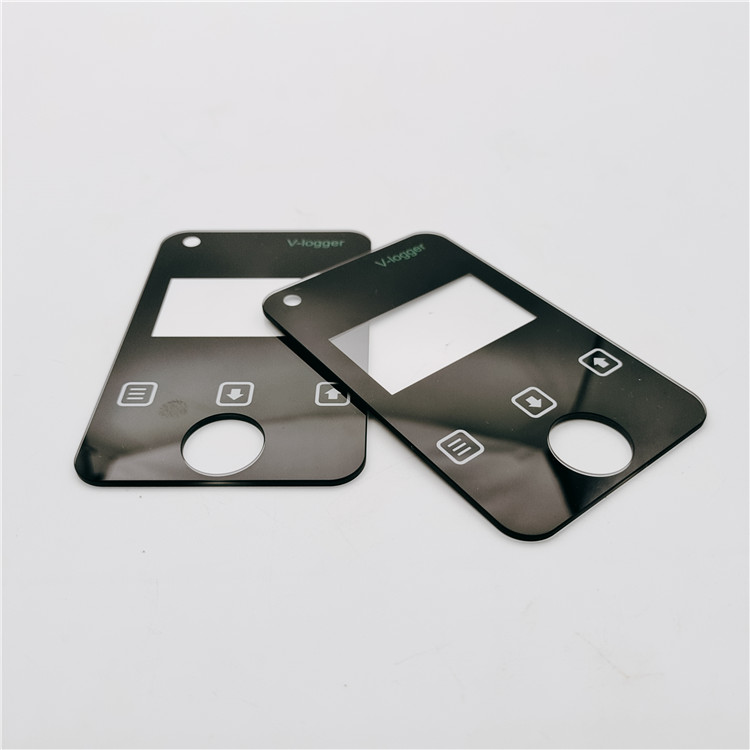
Customized Cut 1mm 2mm 3mm 4mm Instrument Printed Tempered Glass With Holes
Best for: instrument windows, LED drivers and control panels
CNC-cut holes, printed graphics and tempered strength support clean integration into control boxes, LED power modules and smart-building interfaces used across Central Texas projects.

Custom Extra White 0.5mm 1mm 1.5mm 2mm Low Iron Tempered Glass Chemical Strengthened
Best for: color-critical LED fixtures and premium architectural lighting
Low-iron glass minimizes the green edge tone common in standard float glass, protecting the color temperature and visual purity of architectural, retail and hospitality LED fixtures.
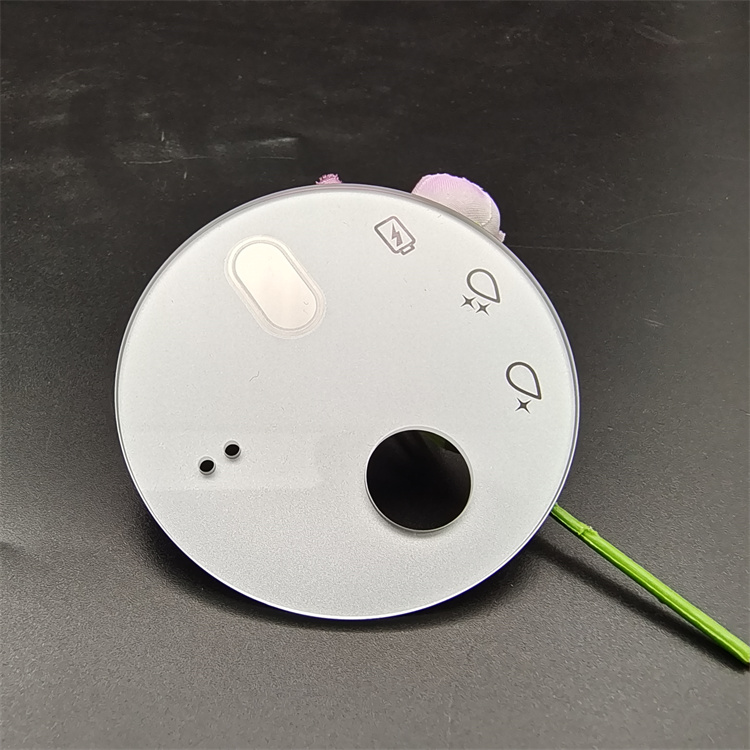
Customized 0.5mm 0.7mm 1mm 2mm 3mm 4mm 5mm 6mm Cut Holes Printed Round Tempered Glass Panels for Home Appliance
Best for: round LED modules, appliance controls and smart home panels
Circular outlines, cut holes and durable printing allow direct replacement of plastic lenses in kitchen equipment, smart switches and compact lighting products.
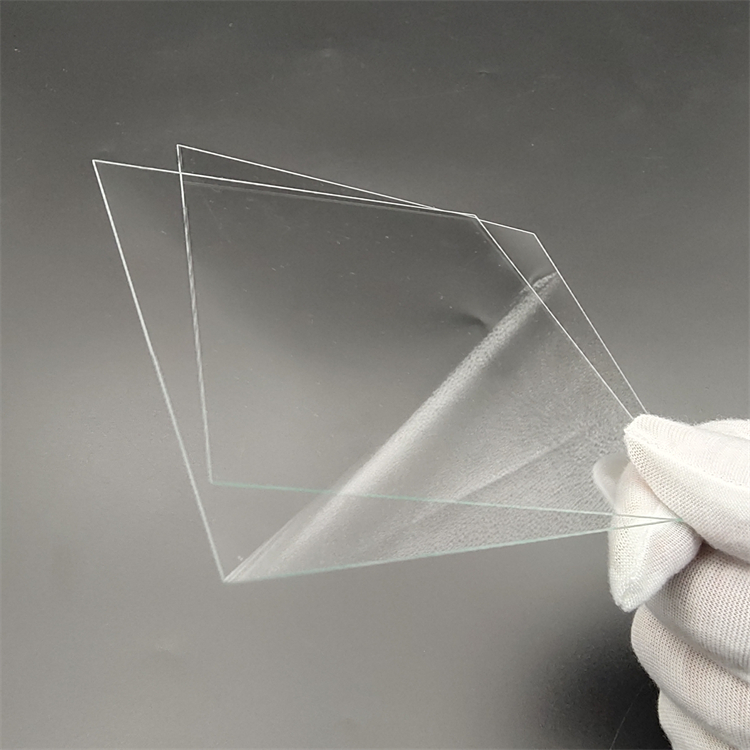
Customized Ultra Clear 0.5mm 0.7mm Thickness Ultra Thin Tempered Glass
Best for: compact LED modules and lightweight diffuser windows
Ultra-thin profiles reduce fixture weight and support tight optical stacks. Chemical strengthening helps maintain handling durability in small LED display and sensor windows.
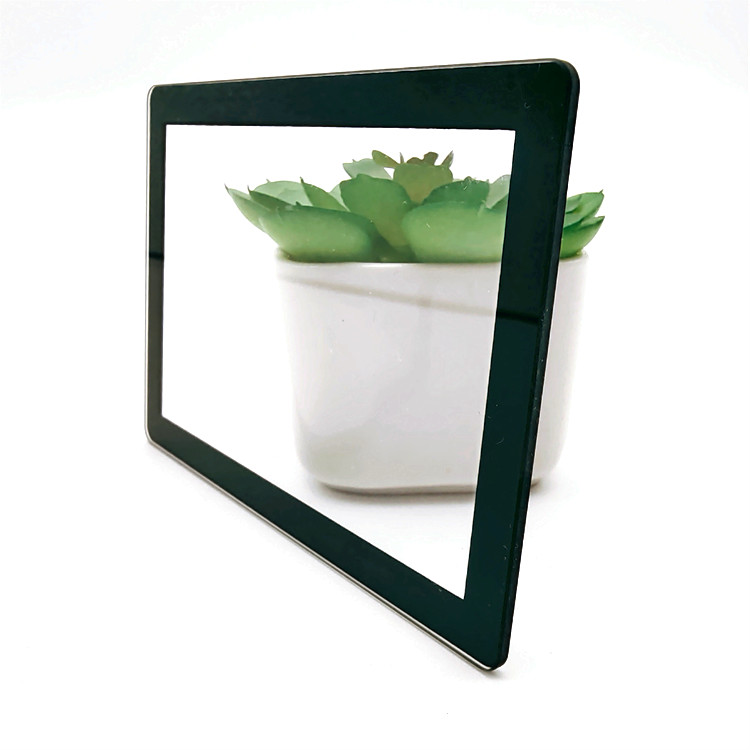
High Quality 0.5mm-6mm Solid Industrial Display Screen Tempered Glass with Printed Design High Strength & Bulletproof Protection
Best for: industrial HMI, outdoor kiosks and harsh-duty LED displays
A robust option for demanding environments. Final impact performance depends on glass thickness, mounting method, frame design and assembly; our engineers review these variables before sampling.
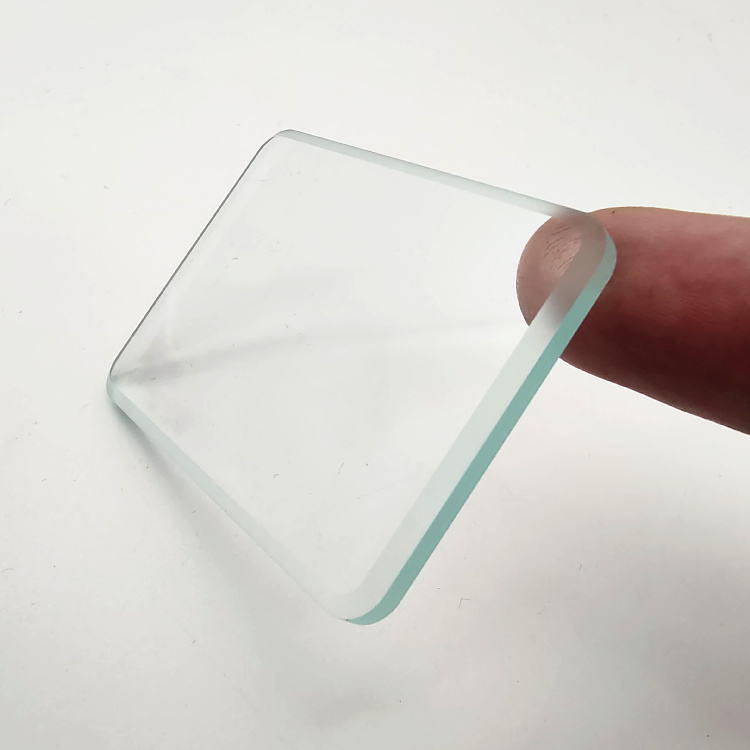
Custom Small Dimensions Tempered Beveled Edge Glass for Sale
Best for: precision LED modules, sensors and small lighting windows
Beveled edges improve handling safety and visual finish on exposed small-format glass. Ideal for premium fixture details, indicator windows and compact electronic assemblies.
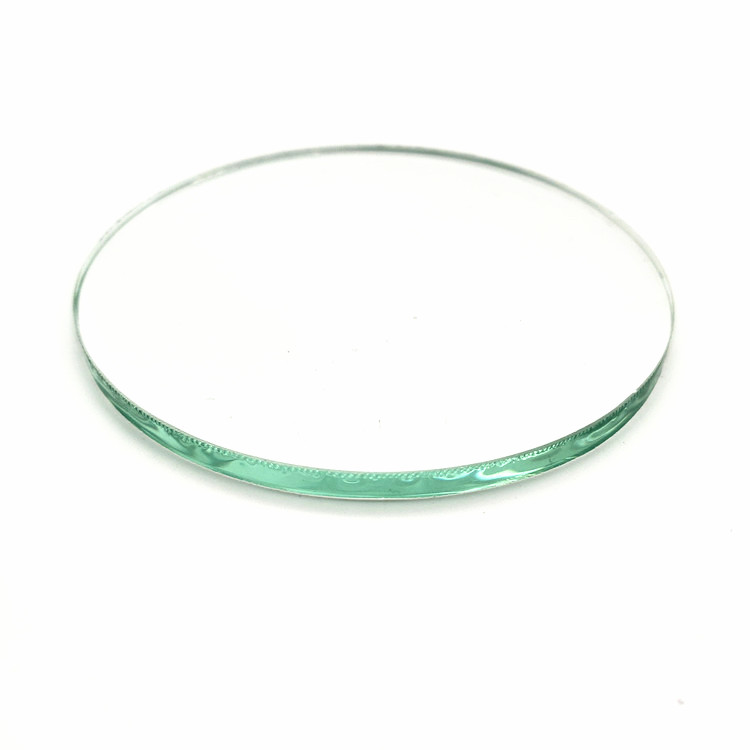
Customized Clear Flat Solid Tempered Glass Pieces 1mm-19mm for Industrial Lighting and Various Applications
Best for: high-bay LED lighting, warehouse fixtures and broad industrial glass needs
The widest thickness range in this selection supports LED high-bay covers, garage lighting, equipment windows and general industrial applications where durability and clarity both matter.
Why Austin’s LED Ecosystem Needs a Glass Supplier That Understands Heat, Glare and Customization
Austin’s lighting and display market is shaped by rapid commercial growth, a long outdoor season, intense Central Texas sun, and a dense cluster of technology, hospitality, live-music and smart-building projects. In this environment, LED cover glass is not a commodity accessory. It is a thermal, optical and brand-facing component that influences fixture efficiency, visual comfort, cleaning labor and product longevity.
For buyers in Austin, Round Rock, Cedar Park, Pflugerville, Georgetown and San Marcos, the practical question is not simply “Who sells glass?” It is “Who can translate a fixture or display design into a tempered, printed, coated and export-packed glass part that arrives consistently?” That requires engineering review, optical discipline and production control—not just a catalog.
Transparency matters for E-E-A-T: Dongguan Jaswe Glass Co., Ltd. is a manufacturer based in Dongguan, China, not a local Austin factory. This page is written for Austin buyers who want factory-direct engineering, low-volume customization and clear communication from an experienced glass processor. We openly explain the sourcing model so specifiers can compare total landed cost, lead time and technical support with realistic expectations.
Our production platform includes 26 glass processing machines, more than 80 skilled workers, monthly output above 200,000 pieces, and in-house cutting, CNC shaping, edge polishing, drilling, tempering, silk screen and ceramic printing, AG treatment, and AR / AF coating. For Austin projects, these capabilities support fast customization without sacrificing traceability—from a single prototype set for a lighting designer to repeat production for a smart-building rollout.
Verifiable Capabilities That Matter to Austin Buyers
Performance indicators are presented as buyer-facing data, not vague claims. They help Austin sourcing teams compare response speed, customization depth and repeat-order confidence.
LED Cover Glass in Austin-Area Application Scenarios
Austin’s mix of technology, hospitality, music, outdoor recreation and industrial growth creates distinct glass requirements. The same LED cover glass specification may fail in one environment and excel in another.
Outdoor Hospitality & Live Music Venues
Patio lighting, facade fixtures, menu displays and stage equipment need glare control, UV-stable printing and easy-clean surfaces. AG and AF treatments help maintain legibility in Austin’s bright outdoor season.
Smart Buildings & Touch Controls
Wall switches, room panels, access-control interfaces and elevator controls benefit from AF anti-fingerprint coating, tempered strength and printed icon windows that remain crisp after repeated cleaning.
EV Charging & Outdoor Kiosks
Austin’s electrification projects require display covers that resist sun, heat cycling and public use. AR improves contrast, AG diffuses glare, and tempered glass supports durable outdoor HMI design.
Industrial LED & High-Bay Lighting
Warehouses, fabrication facilities and logistics hubs around Austin need flat tempered glass with consistent thickness, edge quality and thermal resistance for high-output LED engines.
Architectural & Decorative Lighting
Low-iron ultra clear glass, beveled edges and printed borders support premium fixture design in hotels, offices, restaurants and residential projects where visible glass quality shapes perceived value.
Appliance, Kitchen & Display Panels
Oven controls, kitchen equipment, smart appliances and compact LED indicators use printed tempered glass for scratch resistance, color consistency and a premium front-panel finish.
Austin-Area Trends Shaping LED Cover Glass Purchasing
Local market conditions influence specification decisions. These four trends are especially relevant for Austin OEMs, lighting brands, architects and integrators planning 2025–2026 projects.
Heat, UV and Thermal Cycling
Long, intense Texas summers accelerate material aging. Buyers increasingly specify UV-stable inks, low-iron substrates and tempered glass for outdoor LED fixtures, facade lighting and exposed display windows.
Glare Control for Outdoor Living
Austin’s patio, poolside and live-event culture makes glare a usability issue. AG diffusion and AR coating are moving from “premium options” to practical requirements for readable outdoor LED displays and signage.
Smart Surfaces & Easy-Clean Touch
Smart homes, hotels and commercial buildings are adopting glass control panels. AF anti-fingerprint layers help preserve clarity and reduce cleaning frequency on high-touch LED switch interfaces.
Supply-Chain Resilience
Austin buyers still value global factory-direct pricing, but they want fewer surprises: clear drawings, sample approval, export packing and documented quality gates. Process transparency is now part of the purchase decision.
Ultra Clear vs AR vs AG vs AF: Which LED Cover Glass Fits Your Product?
Coating choices should follow the viewing environment and user behavior, not a generic “upgrade” list. Our engineers use this quick matrix during design review.
Ultra Clear Low-Iron
Solves: green tint and color shift from standard float glass.
Austin fit: architectural LED, hospitality lighting and premium appliance panels.
Tip: pair with white or light-color printing to avoid edge color distortion.
AR Anti-Reflective
Solves: surface reflection that washes out displays and reduces apparent contrast.
Austin fit: venue displays, medical/industrial monitors and high-end LED signage.
Tip: double-sided AR gives the largest optical gain for display windows.
AG Anti-Glare
Solves: harsh reflections from sun, sky or overhead lighting.
Austin fit: outdoor kiosks, patio displays, EV chargers and industrial HMIs.
Tip: choose haze level by viewing distance; finer haze suits high-resolution screens.
AF Anti-Fingerprint
Solves: oil, sweat and smudges on high-touch glass surfaces.
Austin fit: smart switches, POS terminals, elevator panels and control rooms.
Tip: AF is often applied over AR or AG for combined optical and cleaning benefits.

Factory-Direct Engineering for Custom LED Cover Glass
Dongguan Jaswe Glass Co., Ltd. processes custom tempered glass, ultra clear glass, silk screen printed glass, AR / AG / AF coated glass, touch screen cover glass, switch glass, electrical equipment glass and LED lighting glass. Our team supports overseas buyers who need a reliable manufacturing partner rather than a catalog reseller.
Most of our 80+ operators have more than eight years of hands-on glass processing experience. That depth matters on jobs such as 0.5 mm ultra-thin cover glass, multi-color printed control panels, and optical coatings where small handling errors become visible defects.
Four Steps from Drawing to Austin Delivery
A clear process reduces sampling risk for custom LED cover glass and keeps Austin buyers informed from engineering review to export packing.
Drawing & Intent Review
Share DXF, DWG or PDF drawings with thickness, edge, holes, printing colors, coating and annual volume. We review manufacturability before quoting.
Engineering & Sampling
Our team recommends glass type, tempering route, print sequence and coating stack. Physical samples support fit, color and optical approval.
Production & Quality Gates
In-process inspection covers cutting, edging, drilling, tempering, printing and coating. Final visual and dimensional checks occur before packing.
Export Packing & Dispatch
Interleaved, edge-protected packing is designed for international transit. We support export documentation and coordinate with the buyer’s freight forwarder.
Common FAQ from Austin LED and Display Buyers
These answers address the practical questions local buyers ask before opening a custom glass project with an overseas factory.
Are you a local Austin factory?
No. Our manufacturing is in Dongguan, China. We serve Austin buyers factory-direct and do not claim a local Austin plant. This model can reduce middleman costs and give you direct engineering access, but buyers should plan international freight and customs responsibility clearly.
Do you ship LED cover glass to Austin and Central Texas?
Yes. We support export packing and shipment to Austin, Round Rock, Cedar Park, Pflugerville, Georgetown, San Marcos and surrounding areas. Shipping method depends on size, value and urgency; our team coordinates with your forwarder or provides export documents for customs clearance.
What is the minimum order quantity for an Austin startup or custom fixture project?
Most custom items start at 100–500 pieces, depending on size, printing and coating. Standard clear tempered pieces may be supplied in smaller sample quantities for evaluation. Discuss prototype and production quantities together so the process route remains stable.
Which coating is best for the Texas sun: AR, AG or AF?
AR reduces reflection and improves contrast; AG diffuses glare from strong sunlight; AF resists fingerprints on touch surfaces. Outdoor LED displays often benefit from AG + AF, while high-end display windows may use AR or double-sided AR. Combinations are possible.
What files and details do you need for a quote?
Send a DXF, DWG or PDF drawing plus thickness, outline tolerance, edge type, hole positions, printing colors or Pantone codes, coating requirement, application environment and estimated annual quantity. Photos of the current part also help.
How is quality controlled before the glass leaves the factory?
Inspection is built into cutting, edging, drilling, tempering, printing and coating. Final checks cover dimensions, visual defects, print alignment, coating appearance and packing protection. For sensitive optical parts, sample approval before mass production is strongly recommended.
Ready to Specify LED Cover Glass for Your Austin Project?
Send your drawing, thickness, edge requirement, coating target and estimated annual volume. Our glass engineers will review manufacturability and recommend a practical production route for your Austin lighting, display or control-panel application.
Factory-direct engineering • 80+ skilled workers • 200,000+ pieces per month • Average response ≤3 hours