LED Lighting Glass Cover for Lighting Fixtures: Manufacturers & Manufacturer in Cologne
Custom tempered, ultra-clear, printed, anti-glare, anti-reflective and anti-fingerprint glass covers for Cologne lighting brands that need repeatable optics, safe edges and export-ready documentation.
8 Custom Glass Products for LED Fixtures, Displays & Control Panels
The eight formats below are proven starting points for LED fixture covers, lighting control panels and display windows. Every outline, thickness, hole position, print color, edge profile and coating remains customizable to your drawing.
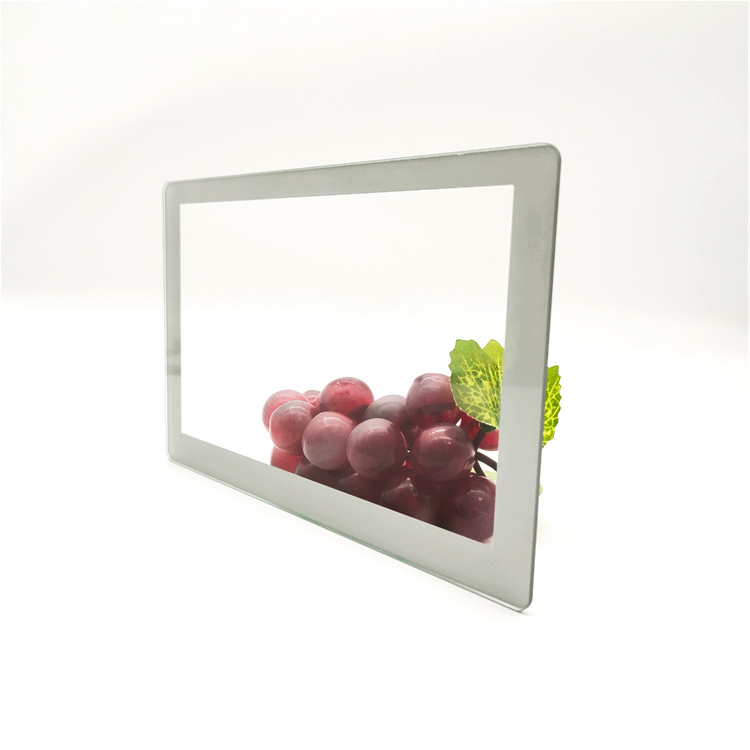
Customized High Strength Anti Glare Frosted Finish Tempered Glass LED/LCD Display Touch Panel for Monitor Screen Protector
Anti-glare frosted finish · touch display cover · tempered glass
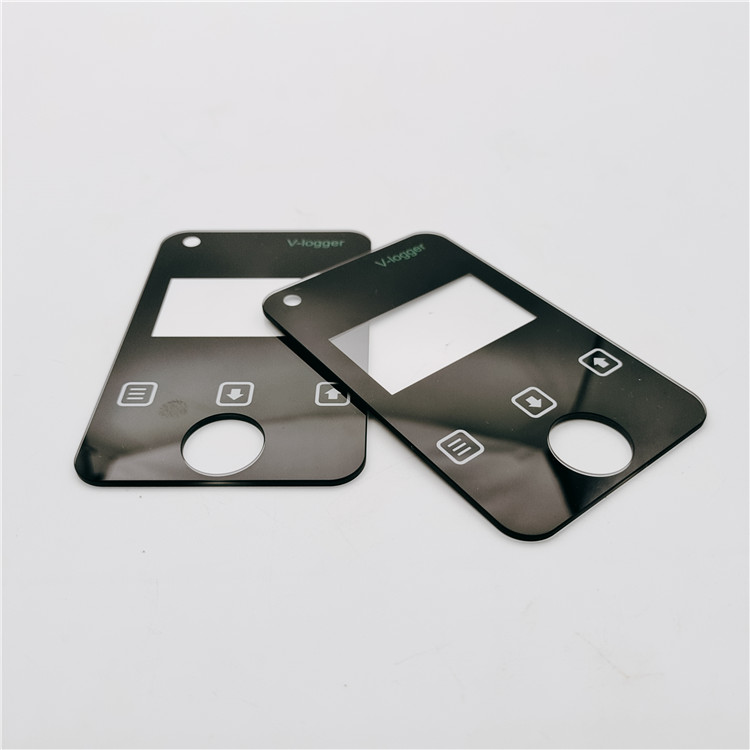
Customized Cut 1mm 2mm 3mm 4mm Instrument Printed Tempered Glass With Holes
CNC holes · instrument printing · 1–4 mm options
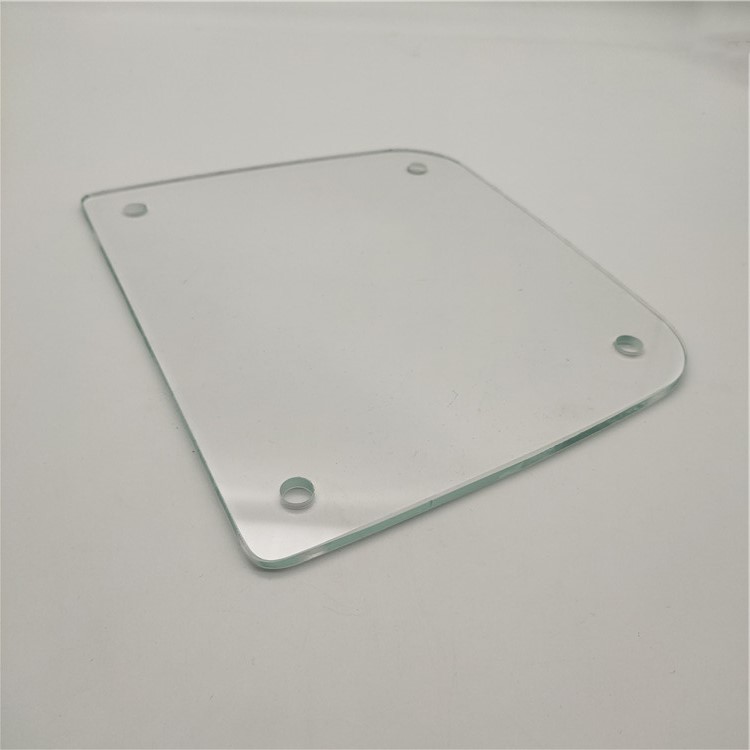
Ultra Clear Tempered Glass Customized Design with Cut Holes for Led Light Cover
Low-iron ultra clear · cut holes · LED cover glass
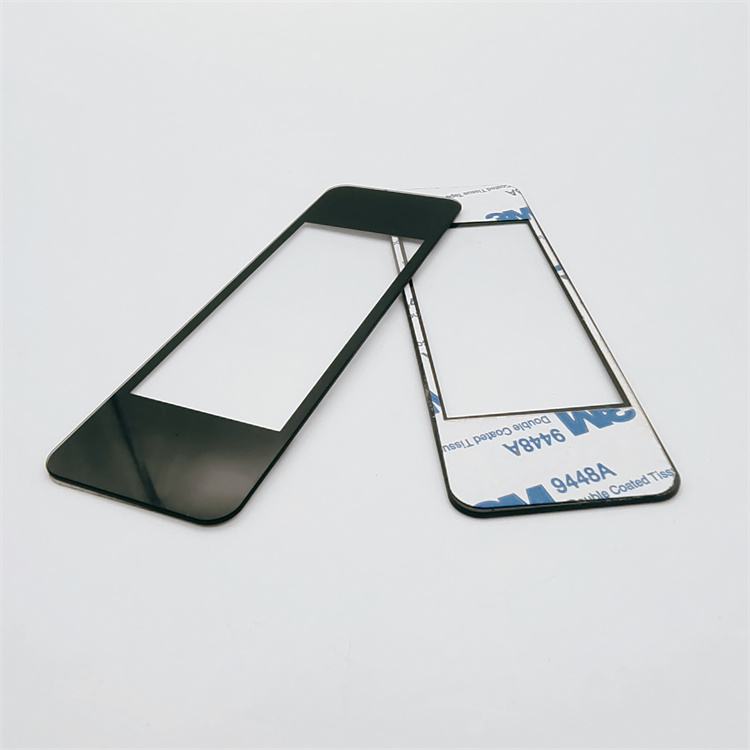
Ultra Thin 1mm Tempered Glass with 3M Tape for Screen Cover Glass
1 mm · 3M adhesive option · screen cover
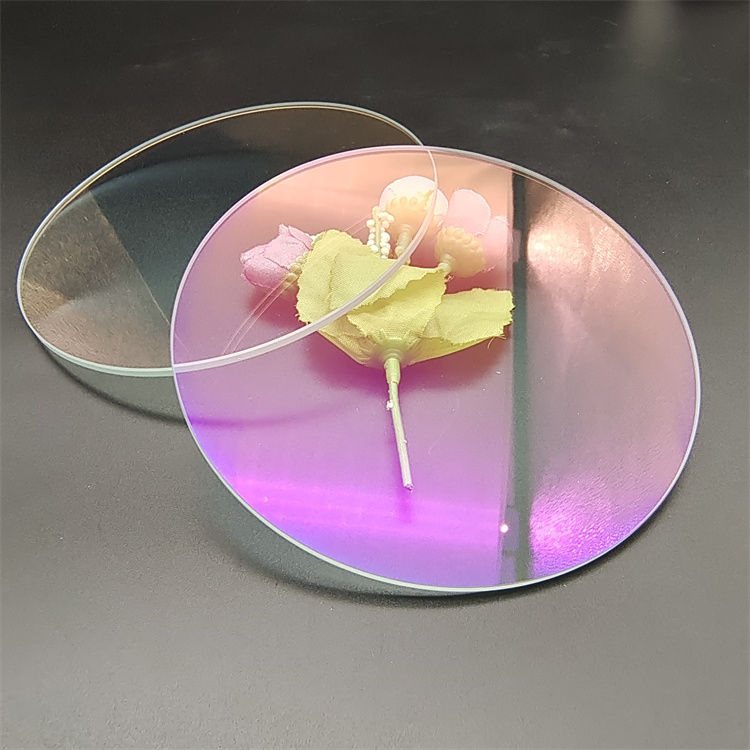
Premium Quality Ultra Clear Anti Reflective Solid High Strength 1mm 2mm 3mm 4mm 5mm 6mm Flat Tempered Glass Coating
AR coating · 1–6 mm · flat tempered glass

Customized Small Size 3mm 4mm 5mm 6mm Beveled Edge Tempered Glass
Beveled edge · small format · 3–6 mm
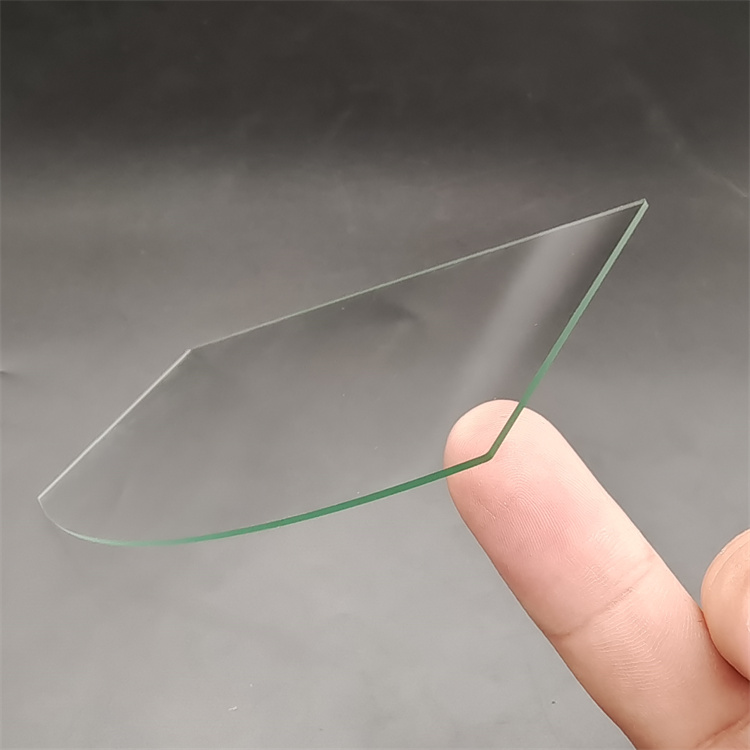
Any Size Custom 0.5/0.7/1/1.5/2/3mm Tempered Glass Screen Protector,Round Rectangle Triangle Customized Tempered Glass Oem Odm
OEM/ODM shapes · 0.5–3 mm · round / rectangle / triangle
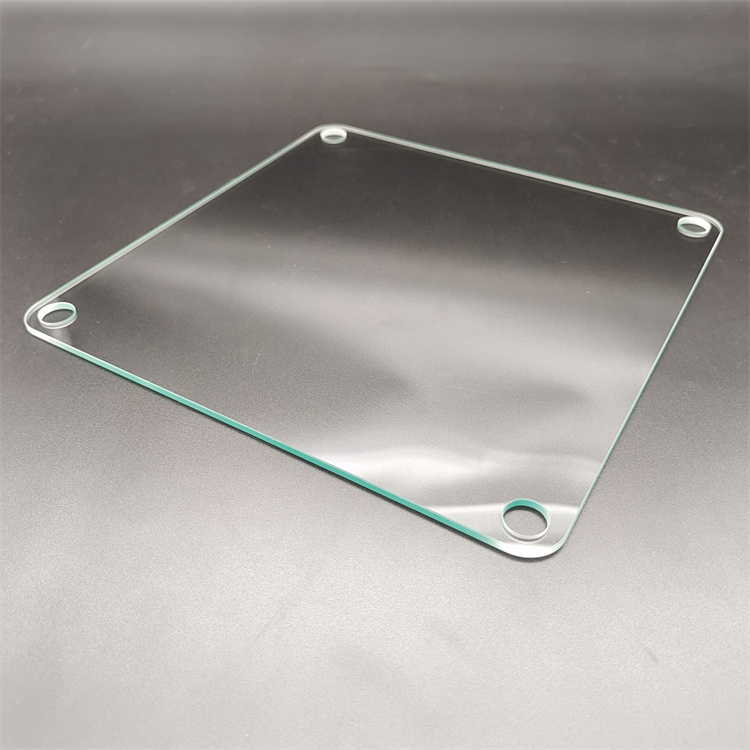
Factory Sale Customized Shape Decorative Glass Cover Hole Drilling Glass Panel Soda-lime Tempered Glass Sheet With Holes
Drilled holes · decorative cover · soda-lime tempered glass
Manufacturer Capacity, Response and Reorder Signals
For Cologne buyers comparing LED lighting glass cover manufacturers, production depth and communication reliability matter as much as unit price. These figures reflect the company profile and trade performance shown in the original supplier information.
Why LED Lighting Glass Covers Are a Performance Component in Cologne
Cologne is not only a tourism and media city; it is a regional specification hub for architecture, retail, hospitality, museums, electrical engineering and trade fairs such as Koelnmesse. Lighting fixture buyers here rarely ask for a “piece of glass” in isolation. They ask for a cover that preserves lumen output, controls glare, survives cleaning, supports sensor windows and matches the visual language of the fixture. That changes the purchasing question from price per square metre to total cost of ownership: rework, breakage, field failure, cleaning and brand perception.
An LED cover glass is an optical, mechanical, thermal and environmental part. Low-iron substrate improves colour neutrality; tempering raises impact safety; ceramic printing hides LEDs and creates light windows; AG etching diffuses high-angle glare; AR coating increases transmission; AF coating improves touch and cleaning. On a Cologne retail or gallery project, a small transmission loss can visibly shift the specified lighting effect. A poorly deburred edge can create handling rejects in final assembly. A batch-to-batch print colour deviation can be obvious under 2700K to 4000K warm-white light.
Information gain: treat the glass cover as an engineered sub-assembly, not a commodity sheet. Define optical targets, cleaning chemistry, thermal cycling, tolerance stack-up, packaging and approval samples before mass production. This is the discipline behind reliable LED lighting glass cover supply for lighting fixtures in Cologne and across North Rhine-Westphalia.

Cover glass design checklist
- Substrate: low-iron ultra clear versus standard float glass
- Optics: AR transmission, AG haze, reflection target
- Geometry: radius, step, countersink and hole-to-edge distance
- Printing: ceramic ink, transparent window and colour under warm white light
- Safety: tempered glass, edge polishing and breakage behaviour
- Handling: protective film, interleaved packing and export cartons
Where LED Lighting Glass Covers Are Specified in Cologne
Local fixture designs often combine architectural appearance, visual comfort and maintenance access. The same glass cover may need to hide LEDs, resist cleaning, pass touch signals or survive outdoor temperature cycles.
Architectural & heritage lighting
Cologne’s cathedral, Romanesque churches and adaptive-reuse projects demand custom outlines, matte edges and low-reflection glass that respects historic interiors while improving light quality.
Retail & showrooms
Hohe Strasse, Schildergasse and premium showrooms use high-CRI light to sell colour and texture. Printed borders, anti-glare diffusion and anti-fingerprint touch surfaces protect the visual experience.
Hospitality & restaurants
Warm 2700K–3000K schemes need easy-clean covers that preserve ambience. Frosted diffusion, ceramic black borders and AF-coated touch panels reduce smudges in high-traffic spaces.
Museums & galleries
Galleries and exhibition spaces often specify anti-reflective glass and stable print colour to keep artworks readable. Low-iron substrates and tight optical consistency support curatorial standards.
Outdoor & public lighting
Façade, pathway and public-space fixtures need tempered glass, sealed edges and AG diffusion for weather, glare and vandal-resistance requirements in a variable Rhine climate.
Smart controls & electrical panels
Smart switches, sensor windows and lighting control panels use printed glass with touch-key windows, IR-transparent zones, precise holes and anti-fingerprint surfaces.
Procurement Trends Reshaping Lighting Glass Cover Specifications
Local building culture, EU market expectations and the Cologne trade-fair cycle all influence how fixture makers brief their glass supplier.
Circular design & EU documentation
Repairable fixtures and recyclable materials are moving from marketing language into procurement criteria. Single-material glass covers, low-iron substrates and coating compatibility should be discussed early, alongside material declarations requested for EU projects.
Human-centric lighting & glare quality
Offices, schools, hotels and retail spaces are specifying visual comfort more carefully. Anti-glare cover glass with the right haze level prevents reflected light from overpowering the fixture’s beam pattern, especially under Cologne’s mixed daylight and artificial light.
Smart lighting & sensor integration
Touch switches, presence sensors and wireless controls require glass windows that do not block the intended signal or touch response. Printed icons, transparent apertures and tight hole tolerances turn the cover into a functional interface.
High-mix, low-volume design work
Cologne’s design studios and specialist fixture brands often need several variants with short development cycles. Flexible cutting, CNC shaping, sampling and colour matching help avoid tooling-heavy approaches that slow down custom lighting launches.
Climate resilience & maintenance
Outdoor and public lighting must tolerate cleaning agents, UV exposure, rain and temperature cycling. Tempered glass, polished edges, AG treatment and protective packaging are practical ways to reduce field failures and maintenance call-outs.
Supply-chain transparency
European buyers increasingly compare factories on communication quality, inspection records and packing discipline. Clear drawings, approval samples, batch labels and export documentation reduce risk when coordinating production between Dongguan and Cologne.
Matching Glass Cover Performance to the Lighting Fixture
Use this matrix as an early design review tool. Final optical values depend on glass thickness, substrate, print area and coating stack, so sample approval is recommended before mass production.
| Fixture / application | Recommended glass cover | Key specification | Why it matters in Cologne projects |
|---|---|---|---|
| Downlight / spotlight | Ultra clear low-iron, 2–4 mm, tempered | AR coating optional; printed border; polished edge | Preserves colour rendering and reduces visible reflection in retail and hospitality ceilings. |
| Linear wall washer | Float or low-iron, 3–5 mm | Black ceramic print; AG matte surface; edge quality | Hides LED hotspots and reduces glare on walls and façades. |
| Premium retail track | Ultra clear 1–3 mm, AR + AF | High transmission; low reflection; easy-clean surface | Supports accurate product colour and frequent cleaning in showroom environments. |
| Outdoor / façade | Tempered 4–6 mm, AG | Thermal shock resistance; sealed edges; robust packing | Withstands weather cycling, cleaning and impact risk in public spaces. |
| Museum / gallery | Low-iron 2–3 mm, AR | Low reflection; stable print colour; precise flatness | Keeps exhibits readable and avoids distracting reflections from display lighting. |
| Smart switch / control panel | Ultra clear 0.7–3 mm, tempered | Silk print; AF coating; touch window; drilled holes | Combines tactile response, icon durability and clean appearance in electrical controls. |
Available thickness range: 0.2–19 mm flat tempered glass. Common lighting and display requests include 0.5, 0.7, 1, 2, 3 and 4 mm. Consult Jaswe Glass engineers for compliance documentation and sample evaluation.
Manufacturer Advantages: Dongguan Jaswe Glass Co., Ltd.

Dongguan Jaswe Glass Co., Ltd. is a glass processing manufacturer based in Dongguan, Guangdong, China — not a local Cologne workshop. For Cologne buyers searching for LED lighting glass cover for lighting fixtures manufacturers & manufacturer in Cologne, our role is to provide factory-direct engineering, sampling and production with clear European project communication. The company operates with 51–100 employees, including more than 80 skilled workers, and 26 glass processing machines. Monthly output exceeds 200,000 pieces.
The trade profile shows an average response time of 3 hours or less, a 96.61% response rate and a 26% buyer reorder rate. Main markets are America, Europe and Asia. Annual revenue is US$2.5M–US$5M, and the supplier profile is on-site verified for 6 years. Most operators have more than 8 years of hands-on glass processing experience, which matters on tight-tolerance jobs such as ultra-thin 0.2 mm cover glass or multi-colour printing with transparent display windows.
- LocationDongguan, Guangdong, China
- Employees51–100 people
- Capacity200,000+ pieces/month
- Equipment26 glass processing machines
- Main marketsAmerica · Europe · Asia
- Supplier statusOn-site verified · 6 years
- Annual revenueUS$2.5M–US$5M
- Service signal≤3h average response
“Scientific management, careful manufacture, high quality service, striving for excellence.”
In-house processes include automatic cutting, special-shaped and CNC cutting, edge polishing, hole drilling, thermal tempering, silk-screen and ceramic printing, AG processing and AR / AF coating. This integrated workflow shortens lead time and removes quality gaps that appear when glass moves between subcontractors.
Precision & CNC cutting
Automatic cutting plus CNC shaping for rounds, notches, slots and irregular outlines.
Edge polishing & holes
Pencil, flat, beveled, stepped and matte edges, plus drilled holes and countersinks.
Thermal tempering
Tempering furnace strengthens glass for impact resistance and safer breakage behaviour.
Silk screen & ceramic printing
Multi-colour logos, icons, black borders and transparent display windows with colour matching.
AR / AG / AF coating
Anti-reflective transmission, anti-glare diffusion and anti-fingerprint touch performance.
QC & export packing
Inspection at cutting, edging, tempering, printing and coating stages before protected packing.
Five Steps from Drawing to Delivery
A transparent workflow for Cologne lighting brands that need predictable quality, clear sampling and export-ready production.
Send requirements
Drawing, thickness, edge, printing, coating, application and annual volume.
Engineering review
Manufacturability check and process route, usually within hours.
Sampling
Physical samples for fit, colour, haze, transmission and touch approval.
Mass production
Batch production with in-process inspection at each critical station.
Packing & shipping
Interleaved, edge-protected export packing for air, sea or rail routes.
Questions Local Buyers Ask Before Ordering LED Lighting Glass Covers
These are common sourcing questions from lighting fixture makers, electrical panel suppliers, design studios and importers comparing manufacturers for Cologne projects.
Are you a manufacturer in Cologne or in China?
Dongguan Jaswe Glass Co., Ltd. is a glass processing manufacturer based in Dongguan, China. We are not a local Cologne workshop. For Cologne buyers, we act as a factory-direct supplier for custom tempered, printed and coated glass, with sampling and production in Dongguan and export coordination for European destinations.
What is the best glass cover for LED lighting fixtures in Cologne?
It depends on the fixture. Ultra clear low-iron glass is best for colour fidelity. AG anti-glare glass is preferred where reflected light causes discomfort. AR coating is useful when maximum transmission and contrast are needed. Printed tempered glass hides LEDs and creates functional windows. Many projects combine two or more treatments.
Can you customize to my drawing and support smaller quantities?
Yes. We process to DXF, DWG or PDF drawings and can customize outline, thickness, holes, edge profile, printing, coatings and packaging. Most custom items start at 100 to 500 pieces depending on size, printing and coating. Standard clear tempered pieces can be supplied in smaller sample quantities for evaluation.
How do you control optical quality and print colour?
We review substrate lot, glass thickness, print area and coating stack before production. Inspection covers dimensional accuracy, edge quality, print appearance and coating condition. Final transmission, haze and reflection values depend on the complete stack, so approval samples are recommended before mass production, especially for gallery, retail and hospitality lighting.
What documentation can support EU procurement?
We can prepare drawings, dimensional inspection reports, packing lists and material information requested for a project. RoHS, REACH or other declarations should be confirmed against the final glass, print and coating construction. Please send your compliance checklist during inquiry so our team can confirm what can be provided for the specific order.
What is the typical shipping route to Cologne?
Shipments can move by air or sea, or by rail to a European hub and then by road to Cologne. The best route depends on sample versus mass-production volume, glass size, packing method and required delivery date. Freight quotations can be coordinated with your forwarder or ours.
How is glass packed for export?
Glass is interleaved, edge-protected and packed with moisture protection in export cartons or crates. Labels can identify part number, batch, thickness, print colour and quantity. For custom lighting covers, packing design is part of the project review because breakage risk often comes from edge impact and inadequate separation.
Can you print logos, icons, black borders and transparent windows?
Yes. Silk-screen and ceramic printing can produce logos, icons, borders and light windows. Please provide artwork, Pantone references, window dimensions and the lighting colour temperature used in the application, because print appearance changes under 2700K, 3000K, 4000K and other LED spectra.
Which thickness should I specify for an LED lighting cover?
Small decorative covers often use 0.7–1 mm glass; 2–3 mm is common for downlights, panels and control panels; 4–6 mm is often considered for outdoor or larger fixtures. The available range is 0.2–19 mm flat tempered glass. Final thickness should be confirmed against span, fixing method, impact risk and tempering requirements.
How do I start a Cologne project with Jaswe Glass?
Send a drawing, thickness, edge type, printing colors, coating requirement, application, target quantity and delivery expectations. Our engineers review manufacturability before samples are made. Include your EU documentation checklist and preferred shipping terms so the quotation can reflect the real project scope.
Have a Cologne Lighting Project Ready for Review?
Share your drawing and application details. Our glass engineers will review thickness, edge, printing, coating and packing requirements, then recommend a practical production route for your LED lighting glass covers.
info@jasweglass.com