8 Factory-Direct Glass Products Recommended for Manila Buyers
Each product below is linked to its existing catalogue page. Use these items as starting points for appliance panels, touch covers, smart switches, LED fixtures, display windows and industrial lighting projects. Final thickness, edge profile, printing, coating stack and packing should be confirmed against your drawing and installation environment.
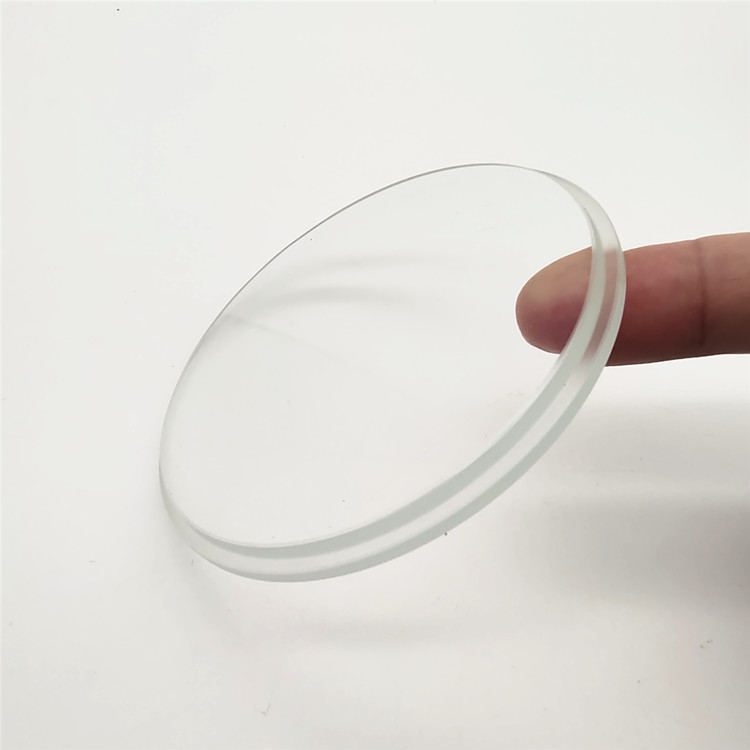
Factory Price 2mm 3mm 4mm 5mm 6mm 8mm 10mm Tempered Step Edge Glass
A practical choice for appliance fascia, control windows and decorative display covers where a safe edge profile and tempered strength are required. The stepped edge can simplify fitment into bezels and support cleaner assembly.
View product →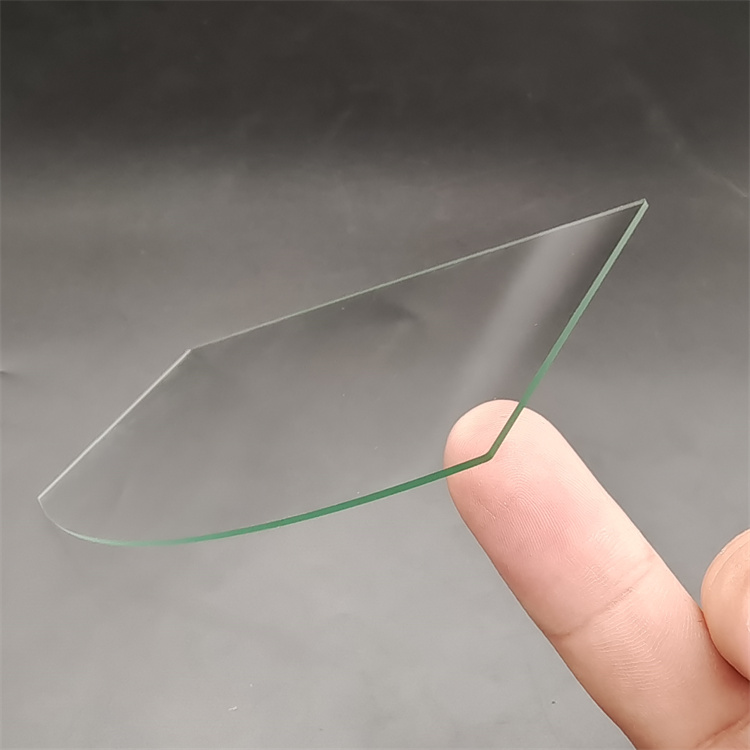
Any Size Custom 0.5/0.7/1/1.5/2/3mm Tempered Glass Screen Protector, Round Rectangle Triangle Customized Tempered Glass OEM ODM
Custom screen-protector glass for small touch devices, wearables and electronics. Round, rectangle and triangle outlines can be produced to drawing, with thickness from 0.5 mm to 3 mm and optional print or surface treatment.
View product →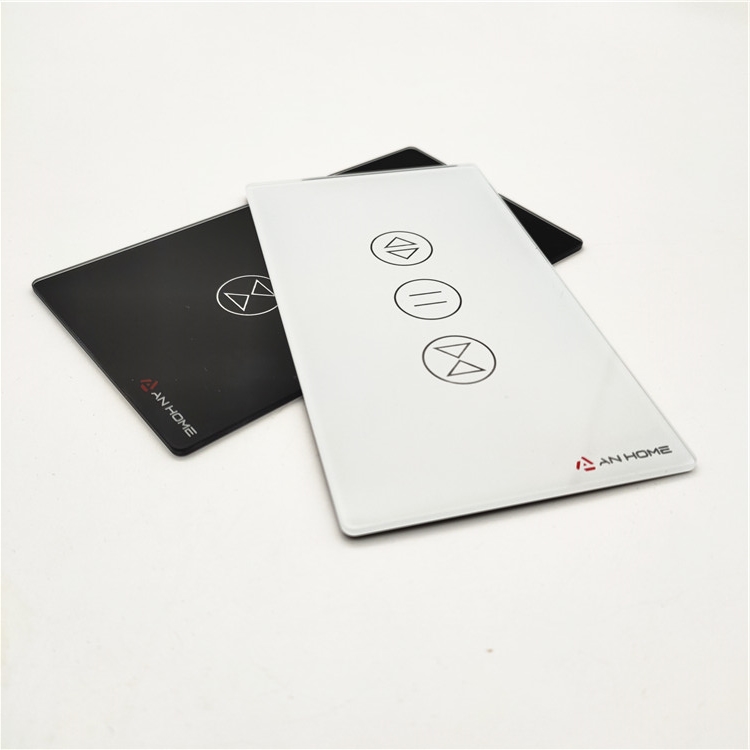
Home Smart WiFi Remote Control Touch Tempered Glass Screen-Printed Glass Switch Glass Panels Curtain Control Glass
Printed tempered glass panels for WiFi curtain, lighting and scene-control switches. Suitable for residential and hotel projects that need a clean touch surface, stable icon color and optional anti-fingerprint treatment.
View product →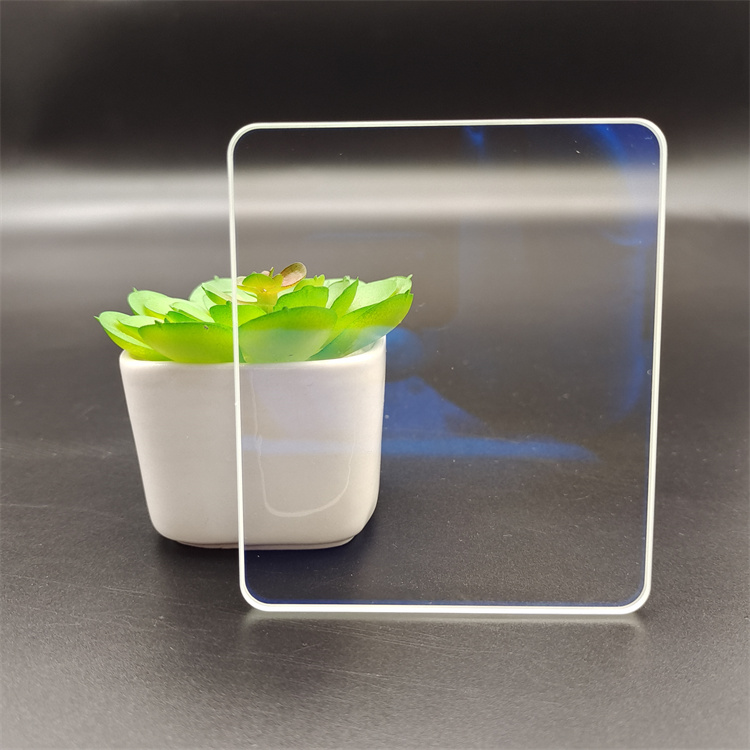
Both Sides Anti Reflective AR Coating 1mm 2mm 3mm 4mm Ultra Clear Tempered Glass
Double-sided AR coating targets reflection from both the display and the room. This is useful for bright BPO offices, showrooms and industrial displays where a dark, mirror-like surface reduces readability.
View product →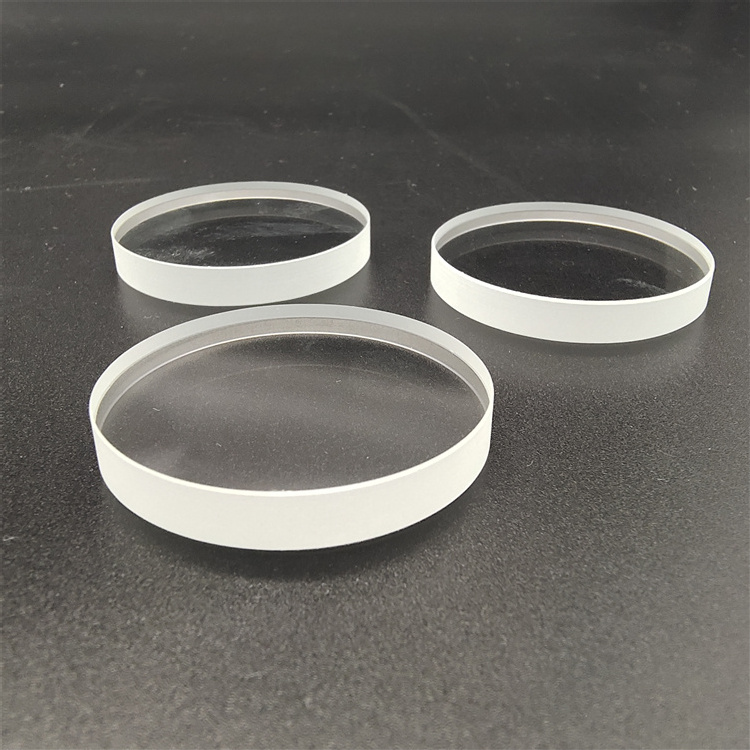
Full Tempered 30mm Diameter 3mm 4mm 5mm 6mm 8mm Thickness Ultra Clear Round Tempered Glass
Round ultra-clear glass for compact LED fixtures, indicator windows and design details. Full tempering improves impact resistance while the circular profile supports clean bezel integration.
View product →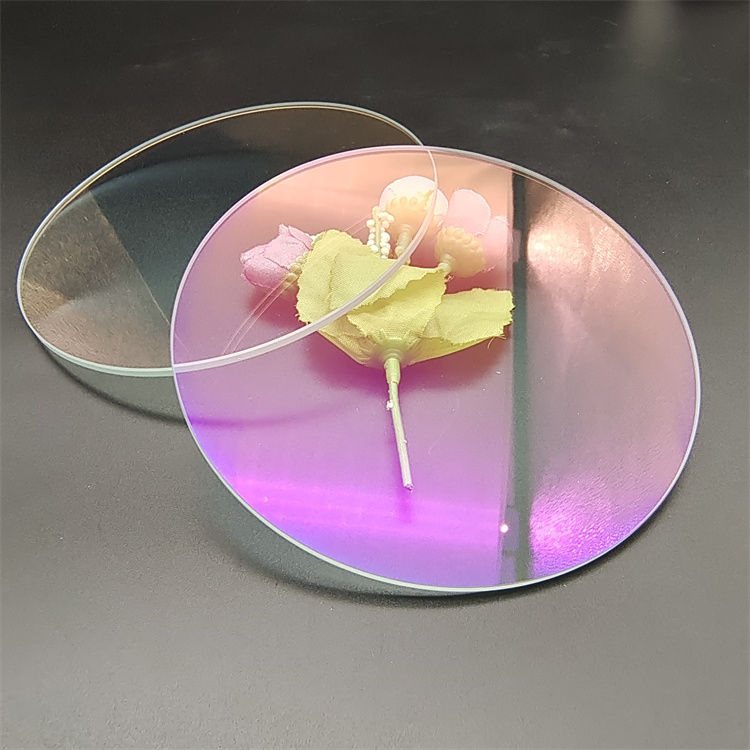
Premium Quality Ultra Clear Anti Reflective Solid High Strength 1mm 2mm 3mm 4mm 5mm 6mm Flat Tempered Glass Coating
A flat, AR-coated tempered glass option for premium display windows and instrument covers. Offers a neutral appearance and good optical clarity; final reflection values should be confirmed on samples under your lighting.
View product →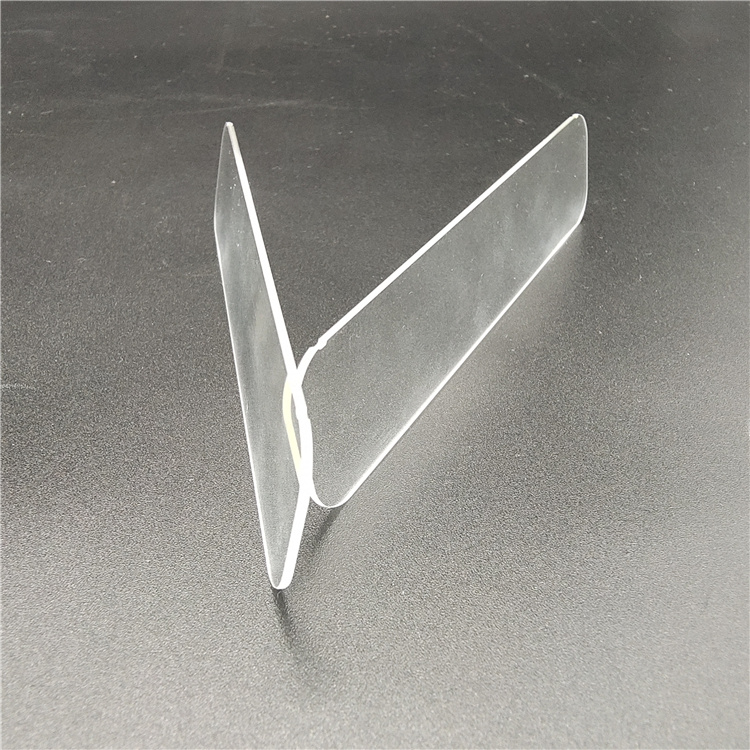
Custom Extra White 0.5mm 1mm 1.5mm 2mm Low Iron Tempered Glass Chemical Strengthened
Extra-white low-iron glass for applications where the green edge of standard float glass is visible. Chemical strengthening supports thin formats; suitable for white appliance panels, touch covers and high-transparency windows.
View product →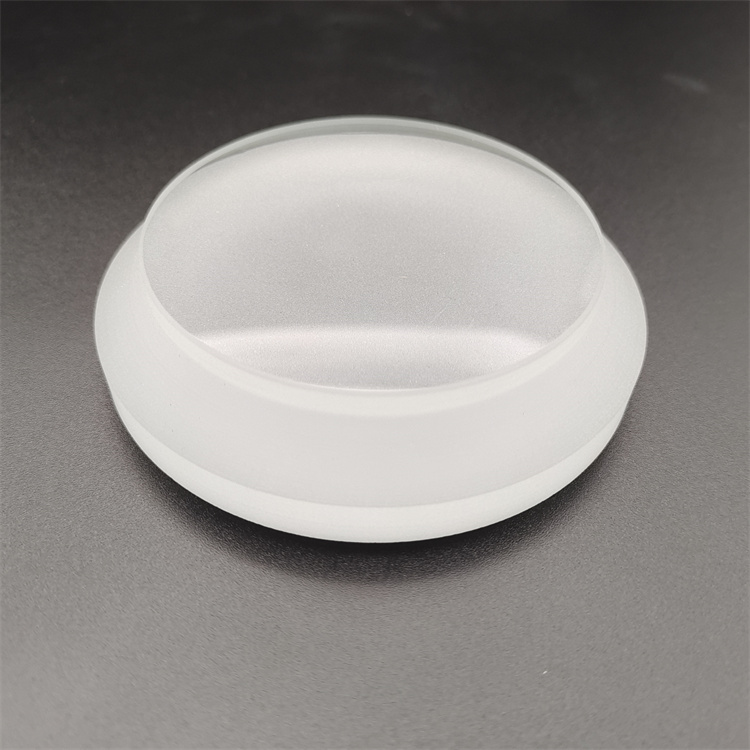
Customized Industrial Lighting Solid Flat Ultra Clear Frosted Tempered Glass with Beveled Step Edge
Frosted ultra-clear tempered glass with a beveled step edge for LED lighting and architectural fixtures. The diffusion level, edge profile and print should be matched to the fixture and light source.
View product →Factory Data Manila Buyers Can Review Before Ordering
Dongguan Jaswe Glass Co., Ltd. combines glass processing capacity with export experience. These figures help procurement teams judge whether a supplier can support repeat production, sampling and multi-process glass panels.
Why Low Reflection Glass Needs a Manila-Specific Specification
Manila is not a generic export destination. Tropical daylight, dense high-rise districts, 24/7 BPO operations, humid sea freight and mixed retail environments all influence how a low-reflection glass should be specified. Reflection control is a product decision, not a cosmetic upgrade.
High ambient light changes the result
Floor-to-ceiling glazing, bright lobbies and open-plan offices can make an untreated display cover behave like a mirror. AR coating reduces surface reflection and raises useful transmission, while AG treatment diffuses glare. For displays near windows or strong ceiling lights, sample comparison under local lighting is more reliable than selecting from a catalogue alone.
Compact interiors demand clean touch surfaces
Condominiums, serviced apartments, hotel rooms and mall kiosks use glass on switch plates, appliance controls and display windows that are touched daily. Anti-fingerprint treatment, edge polish quality, print adhesion and cleaning-method guidance matter as much as the initial optical appearance.
Sea freight and humidity require packing discipline
For Manila shipments, glass should be interleaved, edge-protected and packed to prevent movement. Buyers should also discuss moisture-barrier options for sea freight, print durability, adhesive compatibility and installation handling. These practical details protect the appearance and function of low reflection glass after arrival.
Where Low Reflection Glass Is Specified Across Metro Manila
The same coated glass specification can perform differently from one project to another. These six application scenarios reflect common sourcing briefs from Manila importers, integrators, designers and OEMs.
Condominiums and smart-home switch plates
Printed tempered glass switch panels for curtain control, lighting scenes and air-conditioning interfaces. In compact units, low reflection keeps the switch visually quiet, while AF treatment reduces fingerprints on frequently used touch keys.
BPO offices and conference displays
Makati, BGC, Pasig and Quezon City office fit-outs often need display cover glass that remains readable under overhead lighting. AR-coated glass supports contrast, while AG glass can be considered where window glare is the dominant problem.
Retail, mall directories and POS kiosks
Mall directories, self-service kiosks and point-of-sale terminals benefit from anti-glare surfaces and easy-clean touch faces. Buyers should balance haze level against text sharpness and specify edge treatment for exposed installations.
Hotels, restaurants and residential interiors
LED lamp covers, frosted lighting glass and printed decorative panels help create a premium interior finish. Low-iron glass reduces green tint in white fixtures, while consistent print color supports brand standards across multiple properties.
Outdoor signage and transportation displays
Tropical daylight makes anti-glare glass important for outdoor wayfinding, roadside signage and transport information panels. Tempered glass, safe edge profiles and correct mounting design should be reviewed together with optical treatment.
Industrial HMIs and appliance controls
Equipment makers in Cavite, Laguna and Metro Manila often need printed glass with holes, transparent windows and durable edges. AR, AG and AF can be combined to suit the viewing distance, light exposure and operator touch frequency.
Manila Market Trends Shaping Low-Reflection Glass Demand
Demand is moving beyond basic clear tempered glass. Buyers now compare optical performance, touch feel, print quality, packaging and supplier responsiveness before placing repeat orders.
Vertical living and premium lobby experiences
More high-rise residences and mixed-use developments mean more elevator lobbies, amenity spaces, display windows and smart-home interfaces. These environments reward glass covers that reduce distracting reflections and maintain a clean appearance.
BPO fit-outs and 24/7 screen readability
Office occupiers continue to invest in monitors, conference displays and control interfaces used across extended shifts. Low-reflection cover glass supports visual comfort and readability where lighting cannot always be controlled.
Smart-home switch glass replacing plastic
Developers and device brands are adopting tempered glass switch plates for a more premium look. The key buying criteria are print alignment, touch sensitivity, scratch resistance and compatibility with AF treatment.
Anti-glare expectations in retail and outdoor media
Mall operators, advertisers and transport operators need content to remain legible under strong ambient light. AG glass, combined with appropriate brightness and mounting, helps reduce glare without changing the underlying display system.
Supplier consolidation and factory verification
Manila buyers are consolidating orders with suppliers that can handle cutting, CNC shaping, tempering, printing and coating under one roof. Fewer handoffs usually mean clearer accountability during sample approval and mass production.
Long-life, cleanable materials in hospitality and healthcare
Hotels, clinics and commercial kitchens look for surfaces that tolerate frequent cleaning. Glass is easy to wipe, but coatings and printed graphics should be tested against the actual cleaning chemicals used on site.
AR, AG, AF or Ultra-Clear: Which Glass Fits Your Manila Product?
“Low reflection glass” can mean anti-reflective coating, anti-glare treatment, or a combination of treatments. The right choice depends on where the reflection comes from, how the product is viewed and whether users touch the surface.
Ultra-clear low-iron glass
Best for: white appliance panels, LED fixtures, display windows and premium covers where the green edge of standard glass is visible. Pair with neutral printing inks and request a physical sample when color matching matters.
AR anti-reflective coating
Best for: BPO monitors, medical and industrial displays, showroom screens and camera windows. AR reduces surface reflection and increases useful light transmission. Single-sided and double-sided options should be compared under actual lighting.
AG anti-glare treatment
Best for: outdoor kiosks, mall directories, transportation displays and equipment facing windows. AG diffuses reflected light; the haze level must be balanced against resolution and viewing distance. Validate with text and images, not only a white screen.
AF anti-fingerprint coating
Best for: touch panels, smart switches, POS terminals and public kiosks. AF creates a smoother, oleophobic top layer that helps reduce smudges. It is often applied over AR or AG glass as the final surface treatment.
An Export-Focused Glass Wholesaler with In-House Processing Depth
Dongguan Jaswe Glass Co., Ltd. supports overseas buyers who need custom tempered, ultra-clear, printed and coated glass. For Manila projects, the advantage is not only the factory price — it is the ability to keep engineering, sampling, production and export packing under one quality system.
Dongguan manufacturing base
Located in Dongguan, Guangdong, close to China’s electronics and lighting supply chain. Factory address: Room 202, Building 1, No. 14 Weige Road, Shipai Town, Dongguan.
In-house process chain
Cutting, CNC shaping, edge polishing, hole drilling, tempering, silk-screen and ceramic printing, AG processing and AR / AF coating are handled under one roof.
Capacity for repeat orders
With 26 glass processing machines and more than 80 workers, monthly output exceeds 200,000 pieces. This supports both pilot runs and repeat production for distributors and OEMs.
Fast engineering replies
Average response time is within 3 hours, with a 96.61% buyer response rate. Clear communication helps Manila buyers close drawing questions before tooling and samples move forward.
Visible trade performance
A 26% repeat purchase rate reflects ongoing business with lighting, electronics and appliance buyers across America, Europe and Asia. Procurement teams can review public company, trade capacity and transaction information.
Experienced glass operators
Many operators have years of hands-on experience with thin electronic glass, multi-color printing and custom outlines. That experience matters on visible parts where small handling marks become rejects.
Quality control at each stage
Inspection is built into cutting, edging, tempering, printing and coating stages before packing. For coated glass, sample approval should include optical appearance, print alignment and touch feel.
Export packing for Manila routes
Interleaved, edge-protected export packing supports safe transit by sea or air. Buyers can discuss pallet configuration, moisture barriers, labeling and documents with the sales team before shipment.
From Manila Brief to Factory Shipment: Four Practical Steps
A clear workflow reduces sample cycles and avoids surprises in printing, coating or packing. The same process applies to first orders and repeat production.
Share the drawing and use case
Send DXF, DWG or PDF files, target thickness, edge type, hole positions, printing colors, coating request, application, annual quantity and preferred Manila delivery arrangement.
Engineering review and sampling
The factory checks manufacturability, tempering limits, coating suitability and print layout. Physical samples can be made for fit, color, haze, reflection and touch-feel approval.
Mass production and inspection
Production is inspected at key stages: cutting, CNC, edging, drilling, tempering, printing and coating. Buyers should confirm the approved sample and inspection criteria before volume release.
Export packing and Manila delivery
Glass is interleaved and edge-protected for export. Coordinate shipping terms, port or airport destination, consignee details, labeling and documents with your freight forwarder or broker.
Questions Manila Buyers Ask Before Ordering Low Reflection Glass
These answers address the practical issues that appear during supplier comparison, sample approval and first shipments to the Philippines.
What does low reflection mean for a Manila project: AR, AG or both?
AR anti-reflective coating reduces mirror-like surface reflection and increases useful light transmission. AG anti-glare treatment diffuses reflected light so text and images remain readable. For a display near windows or strong ceiling lights, compare AR and AG samples under the actual viewing conditions; for touch products, add AF as the final surface layer when smudging is a concern.
Can you ship to Manila and support import documentation?
Yes. Shipments can be arranged to Manila by sea or air through the buyer’s forwarder or a coordinated logistics route. We can prepare commercial invoices, packing lists and shipping documents. Import duties, VAT and local clearance are normally handled by the Manila importer or customs broker; confirm Incoterms and responsibilities before booking.
What is the MOQ for custom low-reflection glass?
Most custom items start at 100 to 500 pieces depending on size, printing, coating and packing method. Standard clear tempered pieces may be supplied in smaller sample quantities for evaluation. For coated or printed glass, sample approval is strongly recommended before a volume order because optical and color results depend on the substrate and process stack.
Which thickness is best for touch panels, switch plates and LED covers?
Thin 0.5, 0.7 and 1 mm glass is common for capacitive touch covers and compact electronics. Switch plates and appliance panels often use 2–4 mm, while LED and industrial covers may use 3–6 mm or thicker depending on span and mounting. Tempering, hole placement and edge design should be reviewed together rather than selecting thickness alone.
Can you print English or Tagalog icons and match brand colors?
Yes. Silk-screen and ceramic printing can reproduce icons, logos, borders and transparent display windows. Send artwork, Pantone or color references, window dimensions and surface-finish requirements. For multi-color panels, request a physical sample to check color density, alignment and light transmission through the printed area.
How can Manila buyers verify quality before mass production?
Start with a drawing review and physical sample. Confirm glass thickness, outline, edge profile, coating appearance, print color and packing method. Buyers can also review the supplier profile, trade capacity, transaction history, ratings and supplier assessment records, then define inspection criteria for mass production and shipment release.
Request a Factory-Direct Quote for Low Reflection Glass in Manila
Share your application, target thickness, edge type, printing colors, AR / AG / AF requirement and estimated annual volume. Our engineering team can review manufacturability and recommend a glass build suitable for Manila’s light conditions, installation method and shipping route.
For wholesale, OEM/ODM and project supply, include your target port, sample deadline, estimated order quantity and required coating performance.