OEM/ODM Custom Tempered Glass Factories & Wholesalers for Chiang Mai
Factory-direct tempered, ultra-clear, printed, AR/AG/AF-coated and touch-panel glass for Chiang Mai wholesalers, smart-home brands, hotel projects, appliance assemblers and display integrators.
Get a QuoteEight Custom Tempered Glass Products for Chiang Mai OEM/ODM Buyers
These product families match common Chiang Mai sourcing requests: round ceramic-printed lenses, 1–4 mm display windows, 0.5–6 mm printed appliance panels, anti-reflective glass, smart switch glass, ultra-thin 0.5/0.7 mm covers, 1–19 mm clear tempered pieces, and drilled decorative covers. Every item is quoted from your drawing.
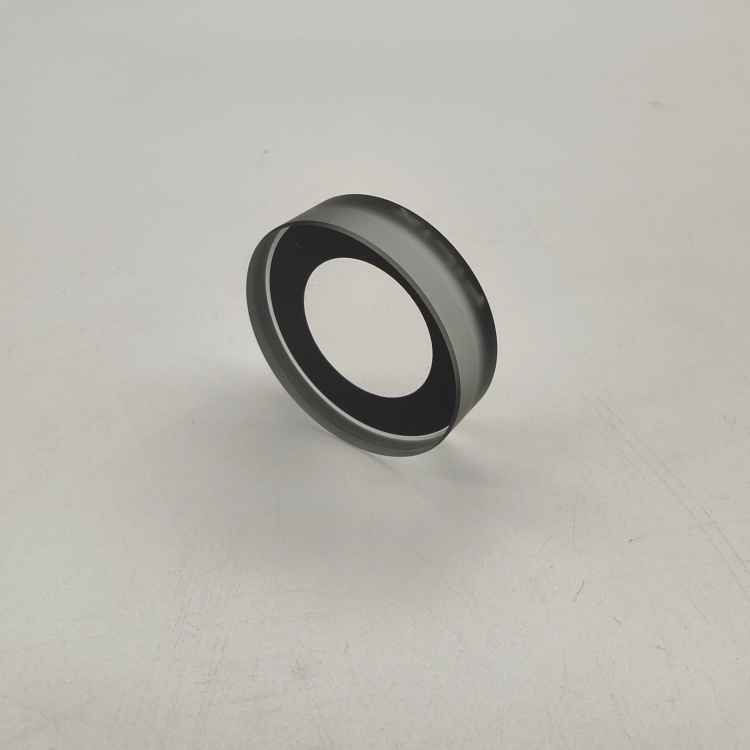
High Quality Small Diameter 10mm Thickness Round Tempered Glass with High Temperature Ceramic Printing
Heavy-duty round glass for lighting, hospitality fixtures and decorative covers; ceramic printing resists fading and cleaning.
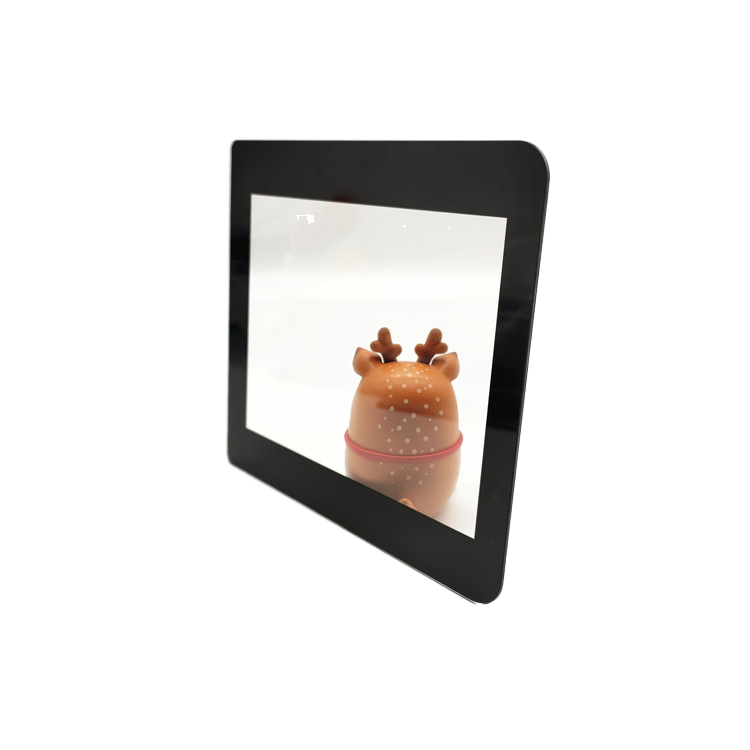
Industrial Use Electronic Glass 1mm/2mm/3mm/4mm Tempered Glass Display Screen Window Protection Cover
Protective cover glass for HMI, instruments and control displays; custom outlines, holes and edge polishing available.
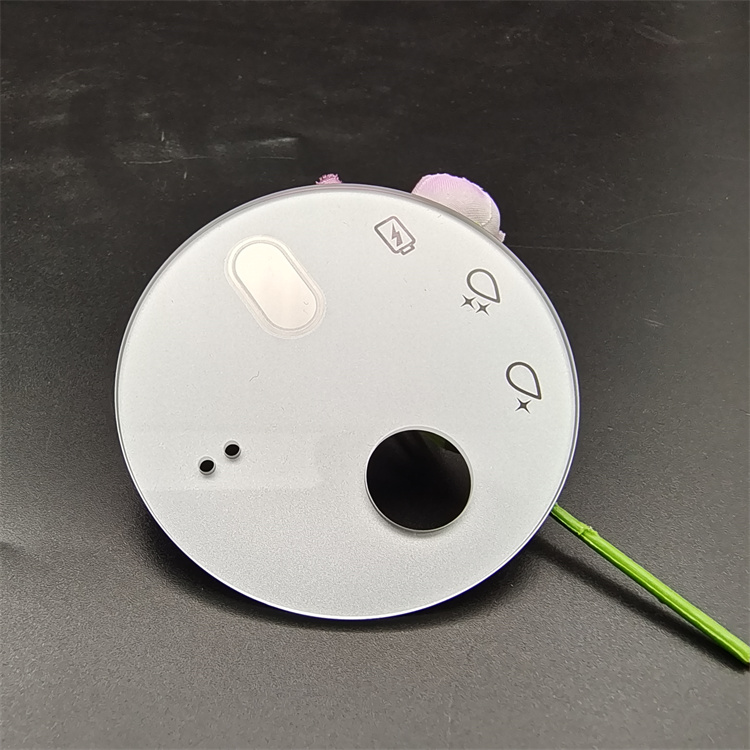
Customized 0.5mm 0.7mm 1mm 2mm 3mm 4mm 5mm 6mm Cut Holes Printed Round Tempered Glass Panels for Home Appliance
Printed panels with transparent windows and drilled holes for kitchen, laundry and small-appliance controls.
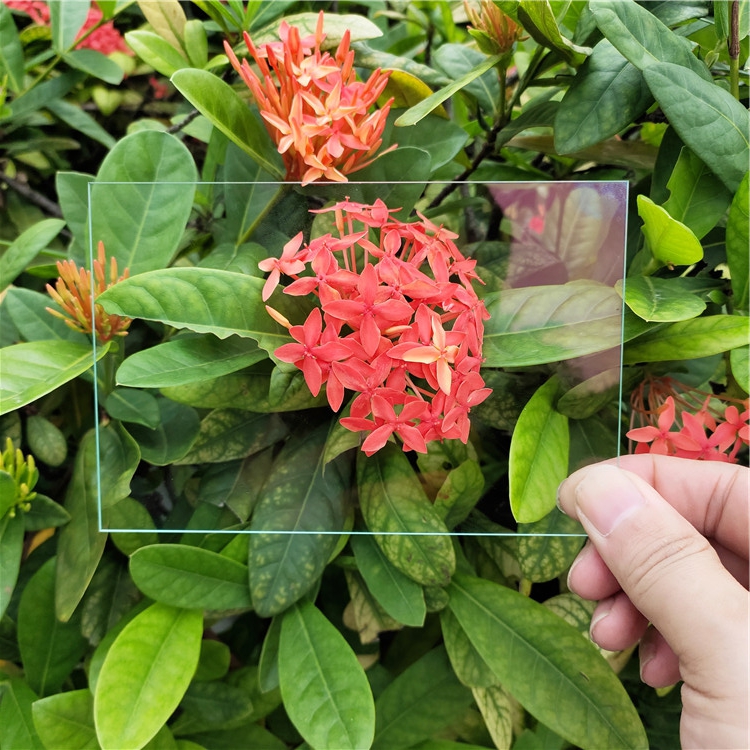
Factory Custom Optical Quality Nano Coating Tempered Anti Reflective AR Glass
Anti-reflective cover glass for bright showrooms, medical displays and high-contrast touch panels.
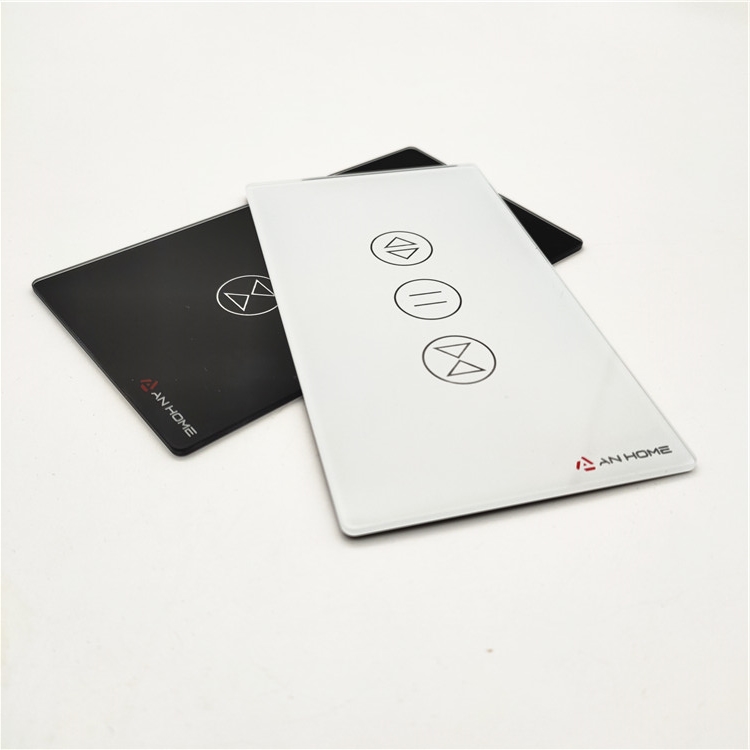
Home Smart WiFi Remote Control Touch Tempered Glass Screen-Printed Glass Switch Glass Panels Curtain Control Glass
Screen-printed touch glass for smart homes, condos and hotel rooms; icons, borders and transparent key windows.

Customized Ultra Clear 0.5mm 0.7mm Thickness Ultra Thin Tempered Glass
Low-iron ultra-thin glass for slim appliances, touch overlays and compact electronic display covers.
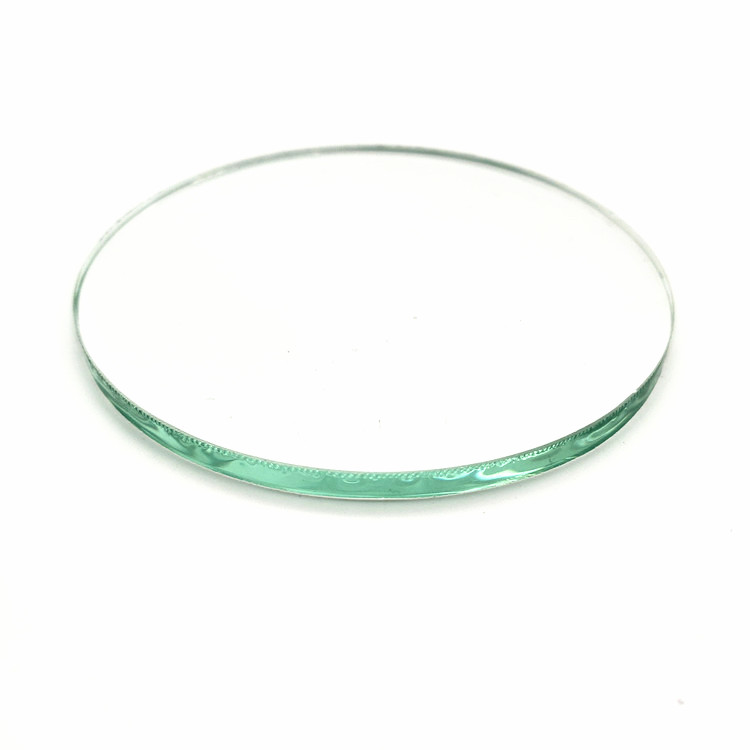
Customized Clear Flat Solid Tempered Glass Pieces 1mm-19mm for Industrial Lighting and Various Applications
General-purpose clear tempered pieces for lighting, machinery guards, display windows and equipment covers.
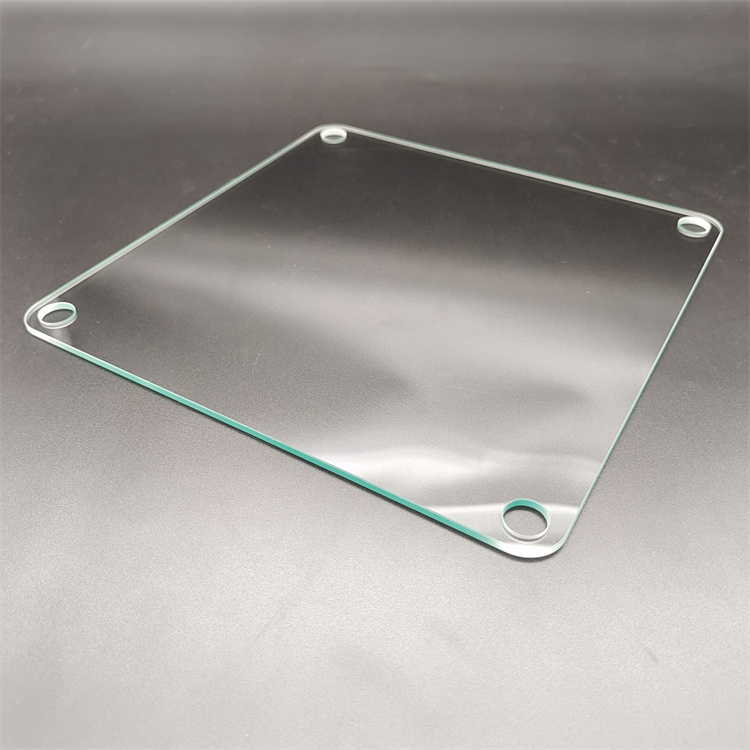
Factory Sale Customized Shape Decorative Glass Cover Hole Drilling Glass Panel Soda-lime Tempered Glass Sheet With Holes
Decorative tempered glass with precision holes for sensors, screws, buttons and mounting hardware.
Why Chiang Mai Buyers Need a Different Kind of Tempered Glass Supplier
A custom glass order for Chiang Mai is rarely just “a sheet of glass.” It is a specification, a packing method, a repeat-production plan and a local application problem solved together.
OEM fit for private drawings
Chiang Mai brands and assemblers often start from a DXF, DWG or PDF drawing with specific holes, print windows and edge types. The supplier must review manufacturability before the first sample, not after the first container is packed.
ODM fit for faster launches
For smart switches, LED covers, display windows and appliance panels, proven factory platforms shorten development time. ODM programs still need controlled artwork, coating stacks and repeatable QC across mixed SKUs.
Wholesale fit for mixed models
Chiang Mai distributors and project suppliers may need several sizes, colors and coatings in one production plan. MOQ is usually planned per item, with 100–500 pieces common depending on size, printing and coating.
Chiang Mai combines tourism, hospitality renovation, residential condos, cafés, retail and a growing electronics and appliance supply chain. Buyers in Nimmanhaemin, the Old City, Hang Dong, San Kamphaeng and the Lamphun–Chiang Mai industrial corridor often need smaller custom batches than a Bangkok distributor, but with the same expectations for optical clarity, print accuracy and export-safe packing. That is why the right supplier must combine engineering review, in-house processing and tropical-ready logistics — not just a low unit price.
Where Custom Tempered Glass Is Used in Chiang Mai
These are practical application scenarios for wholesalers, contractors, brand owners and project buyers comparing OEM/ODM glass factories for Chiang Mai.
Hotels, resorts and hospitality lighting
LED downlight covers, bathroom control glass and decorative printed panels for renovation projects in the Old City and Mae Rim. Ceramic printing, tempered strength and edge polishing matter for long cleaning cycles.
Smart condos and home automation
Printed touch switch glass for condos along the Ring Road and residential projects in Hang Dong. Ultra-clear 0.5–2 mm glass with anti-fingerprint coating improves daily touch feel and keeps panels cleaner.
Cafés and outdoor digital menus
Outdoor menu boards and café display windows need AG anti-glare and AF anti-fingerprint treatment, not AR alone. Chiang Mai’s sun and reflective storefronts make glare control a customer-experience issue.
Home appliance and kitchen equipment
Printed control panels, transparent windows and drilled holes for appliance assemblers, kitchen equipment brands and service counters. Pantone color control prevents visible mismatch between production batches.
Industrial, agriculture and food-processing HMI
Instrument windows and HMI covers in the Lamphun–Chiang Mai industrial corridor often use 3–6 mm tempered glass with AR or AG treatment. Thicker glass is selected where impact and cleaning resistance are priorities.
Retail POS, kiosks and clinic devices
Touch covers for POS terminals, night-market kiosks and clinic equipment benefit from tempered glass plus AF coating. Printed borders can hide wiring, sensors and adhesive areas while keeping the display window clear.
Chiang Mai Glass Sourcing Trends for 2025–2026
The strongest buying signals are not only price. They are faster sampling, mixed-SKU flexibility, outdoor readability and packaging that survives tropical transit.
Hospitality soft renovation
Hotels and resorts are upgrading lighting, room controls and bathroom panels without full reconstruction. Suppliers that accept smaller custom batches and deliver consistent repeats have an advantage.
Smart-home switch glass
Chiang Mai condo and villa buyers increasingly specify printed switch glass with sensor-friendly windows. Ultra-clear glass, precise printing and AF coating are now part of the perceived product quality.
AG + AF for outdoor readability
Cafés, retail storefronts and outdoor kiosks need display covers that diffuse sunlight and resist fingerprints. In many Chiang Mai applications, AG + AF is more practical than a high-transmission AR-only stack.
Climate-aware export packing
Monsoon humidity and long freight routes make interleaving, edge protection and moisture planning important. Buyers should discuss desiccant and moisture-barrier options with the factory and forwarder.
Choosing the Right Factory Model for Chiang Mai Projects
OEM and ODM are both viable, but they change who controls the drawing, tooling, sampling and intellectual property. Use this matrix before requesting a quote.
| Model | Best for | Engineering input | Chiang Mai sourcing note |
|---|---|---|---|
| OEM | Brands with their own product design and a complete drawing | Factory reviews manufacturability, tolerances, printing colors, edge type and coating stack | Send artwork as vector files, confirm Pantone references and state annual volume so MOQ and repeat planning are realistic |
| ODM | Buyers adapting a proven smart switch, LED cover, display window or appliance panel platform | Factory platform plus buyer branding, print artwork and selected surface treatment | Faster route to sample, but confirm tooling ownership, artwork approval and change-control rules before production |
| Hybrid OEM/ODM | First-time buyers who have a drawing but need practical glass engineering advice | Buyer design plus factory recommendations on thickness, tempering, edge, holes and AR/AG/AF | Often the best fit for Chiang Mai importers balancing launch speed, risk and long-term repeat production |
For any model, a physical sample approval before mass production is the most reliable way to align fit, print color, transparency and surface feel with the final installation.
AR vs AG vs AF vs Ultra Clear vs Printed Tempered Glass
Chiang Mai’s combination of bright sun, rain, humidity and high-touch public use makes coating selection important. The right answer depends on viewing distance, installation angle, cleaning frequency and touch interaction.
| Glass build | Problem it solves | Chiang Mai scenario | Specification tip |
|---|---|---|---|
| Ultra clear 0.5–2 mm | Reduces green tint and improves color fidelity | Smart switch glass, compact appliance panels, slim display covers | Pair with ceramic printing and AF coating for touch surfaces |
| Tempered 3–6 mm | Improves impact resistance and handling safety | Industrial HMI windows, hotel lighting covers, kiosk covers | Use thicker glass where cleaning chemicals, public touch or knocks are expected |
| AR anti-reflective | Lowers surface reflection and increases contrast | High-end showroom displays, clinic equipment, camera windows | Specify single- or double-sided coating; double-sided gives the largest optical gain |
| AG anti-glare | Diffuses reflected light from sun, skylights and storefronts | Outdoor menu boards, digital signage, outdoor kiosks | Select haze level by viewing distance; finer haze suits high-resolution screens |
| AF anti-fingerprint | Repels oil, sweat and smudges on touch glass | Smart switches, POS terminals, hotel room controls, kiosks | Apply as the top layer over AR or AG when the surface is touched frequently |
| Ceramic / silk printed tempered | Adds logos, icons, borders and transparent display windows | Appliance controls, hotel lighting, instrument panels, switches | Send Pantone codes, window dimensions and artwork outlines; confirm minimum text stroke width |
Final optical and durability performance depends on glass thickness, substrate, coating sequence and the installation environment. Sample testing is recommended before mass production.
Inside Dongguan Jaswe Glass: Why Chiang Mai Wholesalers Reorder
Dongguan Jaswe Glass Co., Ltd. is a custom glass processing supplier based in Dongguan, Guangdong, China. The company serves display, touch-panel, appliance, lighting and electrical-equipment customers with in-house cutting, CNC shaping, edge polishing, drilling, tempering, printing and AR/AG/AF coating.

Factory depth that matters on custom glass
With more than 80 skilled workers and 26 glass processing machines, the factory is structured for repeat custom production rather than single-item trading. Monthly output exceeds 200,000 pieces of processed glass, which supports wholesalers, project suppliers and OEM/ODM programs that need a stable source.
The company is located in Dongguan — the center of China’s electronics supply chain — with 51–100 employees, annual revenue of US$2.5M–US$5M and main markets in America, Europe and Asia. On-site verified supplier status and trade-platform records are part of the credibility buyers can review before placing a Chiang Mai order.
For Chiang Mai buyers, the practical advantage is one process route under one roof: cutting, CNC, edging, drilling, tempering, printing and coating. That reduces the quality gaps and delay risks that appear when glass moves between multiple subcontractors.
Third-party trade performance signals
In-house process control
Cutting, special-shaped CNC cutting, edge polishing, hole drilling, tempering, silk-screen and ceramic printing, AG processing, and AR/AF coating are handled as one coordinated production flow.
QC at each critical stage
Inspection is planned at cutting, edging, tempering, printing and coating stages before packing. This suits display covers, switch glass and appliance panels where small defects become visible.
Engineering review before sampling
Drawings are checked for manufacturability before samples are made. Thickness, hole spacing, edge type, print color and coating stack can be adjusted early to avoid costly revisions.
Export packing for tropical transit
Glass is interleaved and edge-protected for export. For Chiang Mai’s rainy season, buyers can discuss desiccant and moisture-barrier requirements with the factory and freight forwarder.
From Drawing to Chiang Mai Delivery: Five Steps
A transparent custom glass workflow helps overseas buyers compare suppliers on something more useful than a unit price.
Send requirements
Share DXF, DWG or PDF drawings plus thickness, outline, edge type, holes, printing colors, coating requirement, application, estimated annual volume and preferred shipping route to Chiang Mai.
Engineering review
The factory checks manufacturability, tolerances and glass build, then recommends whether ultra-clear, AR, AG, AF or a combined coating stack best suits the installation. Average response time is within 3 hours.
Sampling
Physical samples are used to approve fit, print color, transparency, surface feel and edge quality. For touch products, AF coating should be evaluated by feel as well as appearance.
Mass production
Batch production runs across cutting, CNC, edging, drilling, tempering, printing and coating, with in-process inspection before final packing. Monthly capacity exceeds 200,000 pieces.
Packing and shipping
Export packing is interleaved and edge-protected. Confirm forwarder routing via Thai ports, land/rail connections or your preferred logistics provider, and plan moisture protection for the rainy season.
Before You Request a Quote for Chiang Mai
Local Buyer Questions About Custom Tempered Glass
Practical answers for wholesalers, contractors, brand owners and procurement teams sourcing from a Chinese OEM/ODM glass factory.
Can I order both OEM and ODM custom tempered glass for Chiang Mai?
Yes. OEM is suitable when you provide a full drawing and control the design. ODM is suitable when you adapt an existing switch-glass, LED-cover, appliance-panel or display-window platform. A hybrid approach is often best for first orders: you supply the drawing, and the factory advises on thickness, printing, holes, edge and coating.
What is the typical MOQ for a Chiang Mai wholesale or first sample order?
Most custom items start at 100–500 pieces depending on size, printing and coating. Standard clear tempered pieces may be available in smaller sample quantities for evaluation. For mixed SKUs, MOQ is generally planned per item, so confirm the total production plan before approving artwork.
Which glass is best for Chiang Mai’s strong sun and outdoor café menu boards?
For many outdoor menu boards, AG anti-glare plus AF anti-fingerprint is more practical than AR alone. AR improves transmission and contrast, but AG diffuses direct sunlight and storefront reflections. If the display is high-end and viewed indoors under controlled lighting, AR can be the better optical choice.
How do I specify Thai logos, small icons and transparent windows in printed glass?
Send vector artwork, Pantone references and exact window dimensions. Small Thai text and fine icons require a minimum stroke width that the printing process can reproduce reliably. The factory should confirm artwork feasibility before sampling, especially for multicolor ceramic or silk-screen printing.
What thickness should I choose for smart switch glass versus industrial HMI?
Smart switch glass commonly uses 0.5–2 mm ultra-clear tempered glass with ceramic printing and AF coating. Industrial HMI windows often use 3–6 mm tempered glass where impact resistance and cleaning durability matter. For heavy public use, choose thicker glass and discuss edge polishing and mounting support.
How should custom glass be packed for Chiang Mai’s rainy season and freight?
Use interleaved, edge-protected export packing as the baseline. For monsoon humidity and long transit, discuss desiccant, moisture-barrier bags and reinforced outer cartons with the factory and forwarder. Clearly label cartons for mixed SKUs so installation teams can receive items by model or project phase.
Can the factory support mixed models and repeat production for Chiang Mai distributors?
Yes. Wholesale programs usually combine several sizes, print designs or coating options in one production plan. Repeat production depends on keeping the approved drawing, Pantone colors, coating specification and packing method unchanged. The 26% buyer reorder rate shown by the trade platform reflects repeat business across lighting, electronics and appliance buyers.
What information should I send with my quote request?
Send a DXF, DWG or PDF drawing, thickness, edge type, hole positions, printing colors, coating requirement, application, estimated first order and annual quantity, and delivery destination in Chiang Mai. If you have photos of the installation or a competitor sample, include them so the engineering review can match the expected finish.
Send Your Drawing for a Chiang Mai-Ready Custom Glass Quote
Share your specifications and get process recommendations for tempered glass, printed panels, display covers or AR/AG/AF coating. The factory reviews manufacturability before samples are made.