OEM/ODM Glass Cover Factories & Factory for the Ho Chi Minh City Market
Custom tempered, ultra-clear, silk-printed, AR / AG / AF coated glass for displays, touch panels, smart switches, LED lighting and appliance control panels — engineered in Dongguan and shipped to Ho Chi Minh City.
Eight Custom Glass Cover Products for Ho Chi Minh City OEM/ODM Buyers
At first glance, buyers in Ho Chi Minh City search for a glass cover factory. In practice, the real buying intent is lower project risk: a supplier who can read a drawing, recommend the right coating stack, match printed colors, protect edges for sea freight, and repeat the same result on the next purchase order. These eight product platforms answer the most common sourcing briefs from Vietnam’s display, smart-home, LED lighting and appliance supply chains.
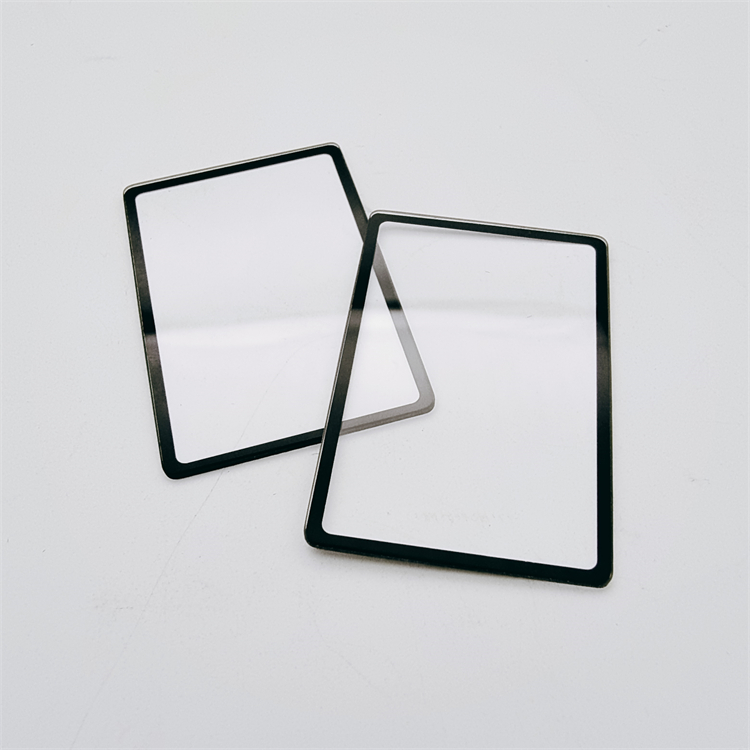
0.5–3 mm Silk Screen Printed Tempered Glass Display Cover
A practical cover glass for appliance HMI, instrument windows and control panels where the printed black mask, icons and transparent display window must align cleanly after tempering.
- OEM logo, icon and border printing
- Good fit for smart switches and home appliances
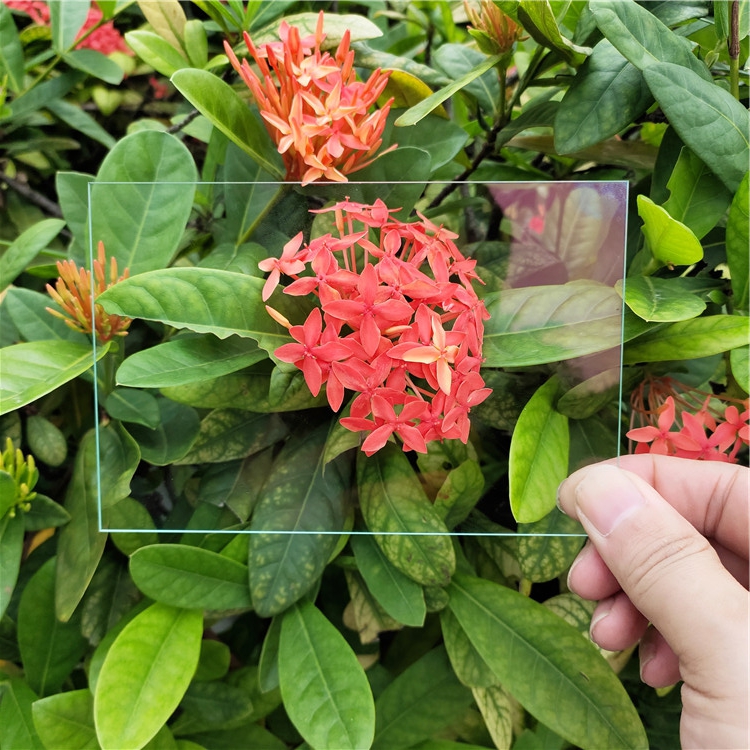
Optical-Grade Nano-Coated AR Tempered Glass
For bright showrooms, medical monitors and industrial displays in Ho Chi Minh City, AR coating raises light transmission and reduces the “mirror effect” on the display window.
- Single- or double-sided AR options
- Useful for high-contrast display covers
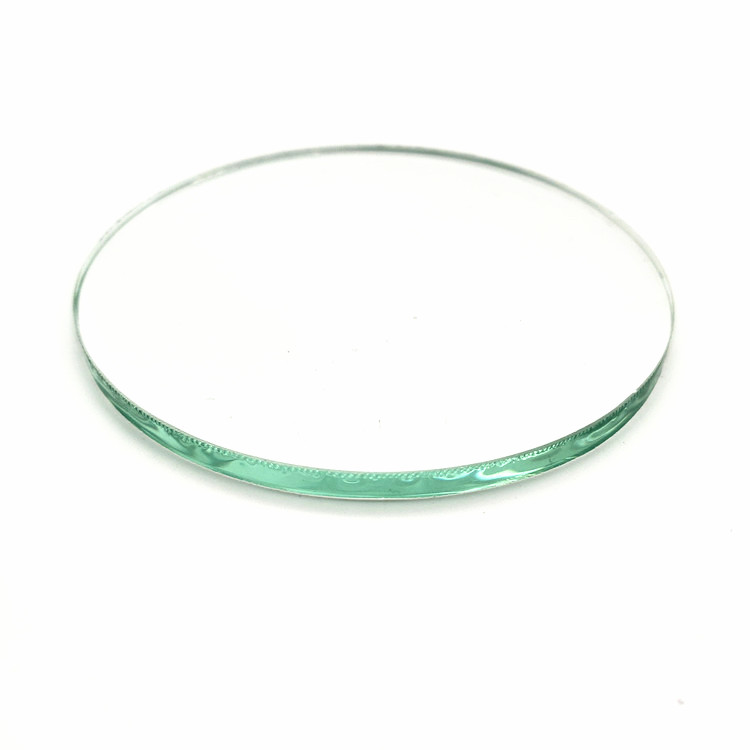
Clear Flat Solid Tempered Glass Pieces, 1–19 mm
Best suited to LED fixtures, industrial lamp covers and equipment windows that need stable flatness, safe edge treatment and repeatable dimensions across production batches.
- Thickness range from 1 mm to 19 mm
- Custom outline, holes and edge finish
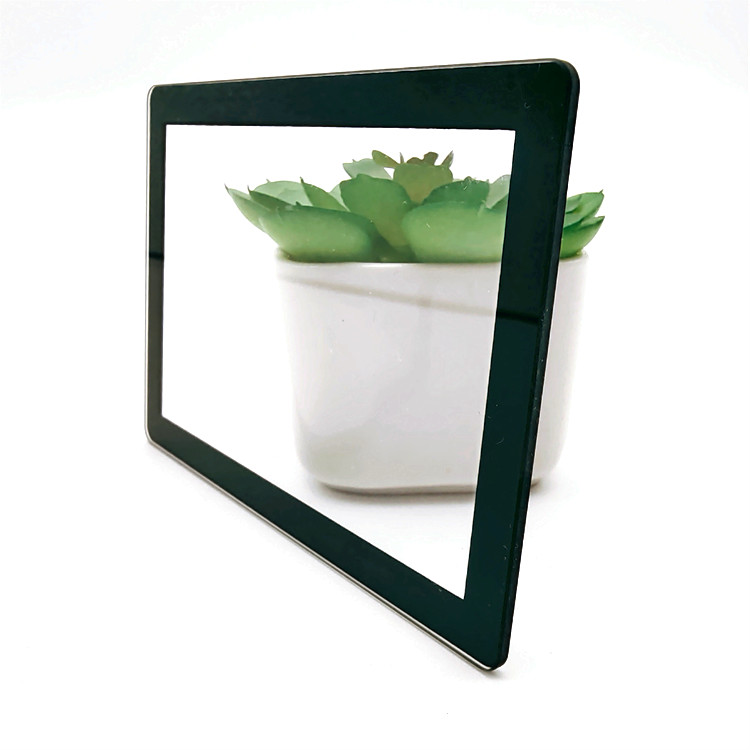
0.5–6 mm High-Strength Industrial Display Tempered Glass
Built for equipment panels, HMI windows and industrial instruments used in factories around Thu Duc, Binh Duong and the wider Ho Chi Minh City industrial corridor.
- Printed design and high-strength protection
- Thin cover options from 0.5 mm
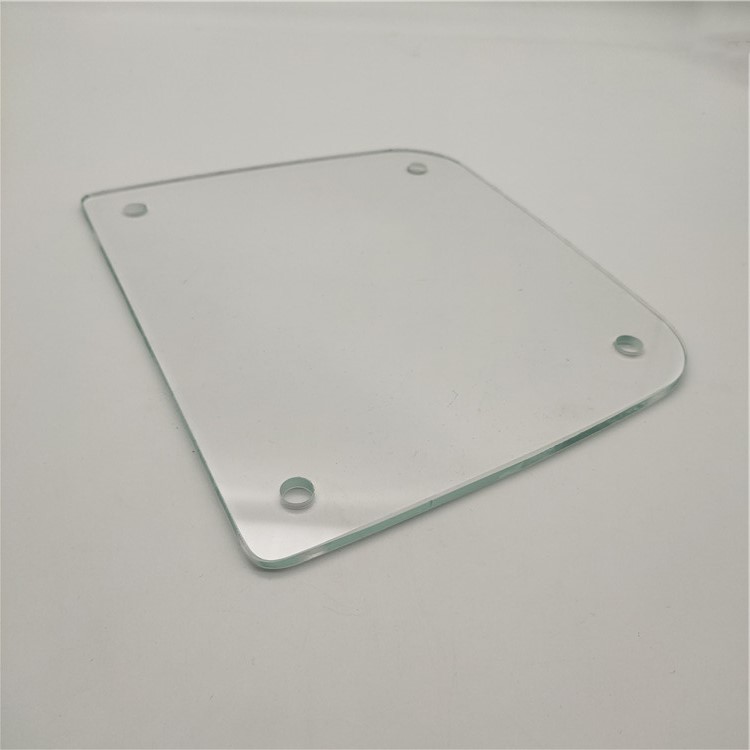
Ultra Clear LED Cover Glass with Custom Cut Holes
Low-iron glass reduces the green tint that is often visible on white LED panels, making it a better match for premium lighting fixtures sold through Vietnamese design and architectural channels.
- CNC-cut holes and custom shapes
- Clear edge and high light transmission

Small-Size 3–6 mm Beveled Edge Tempered Glass
Small precision panels are common in smart home devices, sensor windows, switch modules and compact lighting products assembled in Vietnam’s fast-growing electronics sector.
- Beveled edge for a finished premium look
- Suitable for compact covers and lens windows
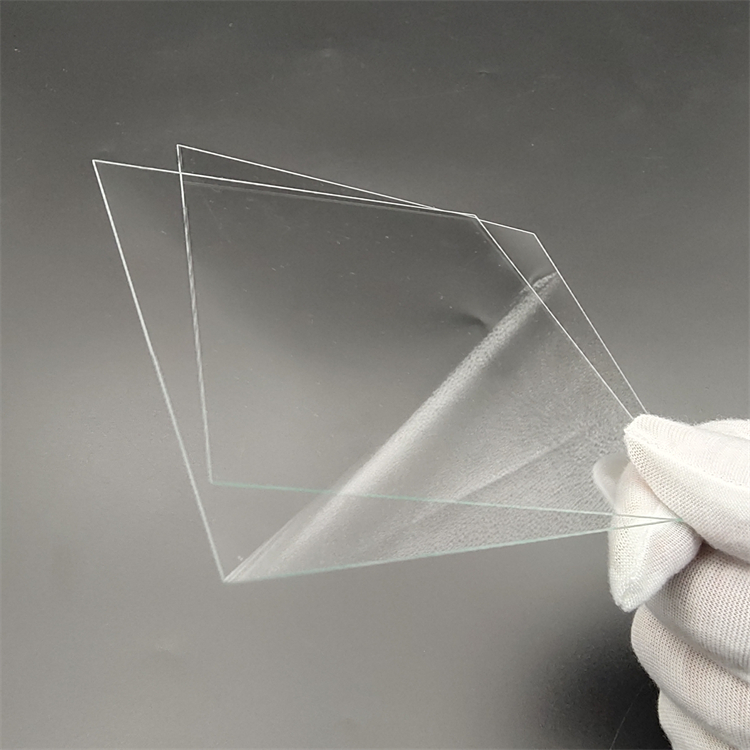
Ultra Clear 0.5 mm / 0.7 mm Ultra-Thin Tempered Glass
For touch panels, thin display covers and compact electronic interfaces where every gram of weight and every millimetre of assembly depth matters.
- Lightweight electronic-grade cover option
- Can be combined with AF or AR treatment
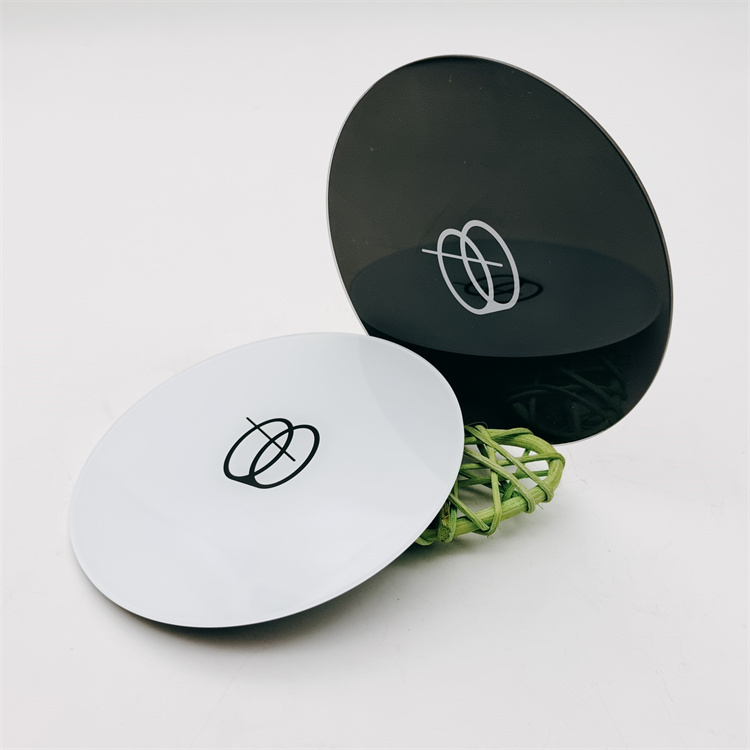
Black & White Silk Screen Printed Round Tempered Glass
Round printed glass panels for electric appliances, control dials, indicator windows and decorative covers where ink adhesion and color consistency are critical.
- High-temperature ceramic or silk printing
- Custom diameter, window and icon layout
What “OEM/ODM Glass Cover Factory for Ho Chi Minh City” Really Means
A buyer who types this phrase is usually not looking for an off-the-shelf sheet of glass. They are trying to solve a custom manufacturing problem that sits between product design, tooling, quality control and import logistics. Serving that intent requires more than a product list.
Ho Chi Minh City is Vietnam’s commercial and electronics assembly hub, and many procurement teams there work with a mix of local product brands, foreign-invested factories and export-oriented assembly partners. They often need OEM glass covers made to a drawing, but they also need ODM-style engineering feedback before the drawing is frozen. A smart switch brand may want a printed glass faceplate with a transparent icon window. An LED lighting exporter may need an ultra-clear cover with drilled holes and a black border. An industrial equipment maker may need an AR-coated display window that remains readable under strong factory lighting.
The practical difference between a search result and a reliable supplier is information gain: can the factory tell the buyer what will fail in production, which coating is unnecessary, how the edge should be protected for sea freight, and what drawing tolerance must be agreed before sampling? That is the standard Jaswe Glass applies to OEM/ODM glass cover projects for the Ho Chi Minh City market.
| Search phrase used by HCMC buyers | Likely buying intent | What to prepare before asking for a quote |
|---|---|---|
| OEM glass cover factory Ho Chi Minh City | Need a custom cover glass manufacturer that follows an existing drawing and brand specification. | 2D drawing (DXF, DWG or PDF), thickness, edge type, printing colors, coating requirement and annual volume. |
| ODM glass cover supplier Vietnam | Need design and process suggestions before finalizing a smart switch, LED fixture or appliance panel. | Application, target selling price, surface finish, touch requirement and reference product photos. |
| tempered glass factory for display HCMC | Need stable optical quality, safe breakage behavior and repeatable supply for display modules. | Glass thickness, display window size, black mask artwork, transmittance target and sample quantity. |
| anti-glare glass for outdoor kiosk Vietnam | Need readability under sunlight, street lighting or high-brightness indoor lighting. | Viewing environment, screen resolution, expected viewing distance, haze preference and cover thickness. |
| custom printed glass panel for appliance | Need silk screen or ceramic printing with clean icon windows and reliable ink adhesion. | Pantone codes, icon dimensions, window transparency, adhesion test requirement and packing method. |
| ultra clear glass cover for LED light | Need low-iron glass that avoids a green edge and gives a premium lighting appearance. | Panel size, hole positions, edge polish, whether the cover is visible when the fixture is switched off. |
OEM: Your Drawing Defines the Product
OEM projects usually start with a finished mechanical design. The buyer needs the factory to cut, print, coat, temper and pack a glass cover that fits an existing housing. In this case, the most valuable engineering support is a manufacturability review: checking whether a hole is too close to the edge, whether a print window can survive bending, whether a 0.5 mm cover is suitable for the intended drop test, and whether the coating stack can pass the buyer’s environmental test plan.
ODM: The Factory Helps Shape the Specification
ODM projects begin earlier. A Ho Chi Minh City brand may have a product concept, a housing design and a target price, but no final glass specification. The factory can recommend whether ultra-clear glass should replace standard float glass, whether AF should be added to a touch surface, whether AG should be tuned for an outdoor kiosk, or whether silk-printed tempered glass is more cost-effective than a coated plastic lens. This reduces turnaround time and avoids over-specifying features the market will not pay for.
Where Custom Glass Covers Fit in Ho Chi Minh City Products
Vietnam’s product ecosystem is diverse. The same glass factory may serve a smart home brand in Ho Chi Minh City, an LED lighting exporter in Binh Duong, and an industrial equipment assembler supplying factories in Long An. The application determines the right glass thickness, printing method and surface treatment.
Smart Home & Touch Switch Panels
Printed tempered glass faceplates for smart switches, hotel room controls and apartment automation. Thin 0.5–2 mm glass with AF treatment offers a smooth touch feel and easier cleaning in humid weather.
Outdoor Kiosks & Digital Signage
AG or AR + AG coated glass reduces glare when a kiosk is placed near glass entrances, on sidewalks or in brightly lit shopping malls. Tempering and edge polishing improve durability during public use.
LED Lighting Fixtures
Ultra-clear glass covers for downlights, panel lights, linear lights and wall washers. Drilled holes, black borders and ceramic printing help hide internal wiring while maintaining light output.
Home Appliance Control Panels
Printed glass panels for cookers, washing machines, air purifiers and kitchen appliances. The key requirement is ink adhesion, heat resistance and clean transparent windows for LEDs or displays.
Industrial HMI & Instrument Windows
AR-coated and tempered cover glass for meters, machine controls and electrical equipment. These covers must resist cleaning chemicals, fingerprints and repeated touching on factory floors.
POS, Card Readers & Retail Devices
Anti-fingerprint glass for payment terminals, self-service screens and card readers. A clean touch surface is important in retail environments where devices are used continuously.
Ho Chi Minh City Market Trends Shaping Glass Cover Specifications
Procurement teams in Ho Chi Minh City are not only comparing unit price. They are comparing sampling speed, engineering communication, packaging reliability and the cost of a failed production run. Four trends are especially visible in custom glass cover projects.
High-Mix, Low-Volume OEM Programs
More buyers want 100–500 pieces per specification instead of one large commodity order. A factory needs fast changeover, clear drawing control and sample-first approval to support multiple SKUs without mixing parts.
Humidity, Heat & UV Awareness
Ho Chi Minh City’s hot and humid climate makes coating adhesion and print durability important. Buyers increasingly ask about AF, AR and AG performance after cleaning, handling and long storage.
Touch Interfaces in Everyday Devices
Smart switches, appliances, kiosks and industrial controls are moving toward touch surfaces. This increases demand for thin tempered glass, anti-fingerprint treatment and printed transparent icon windows.
Design for Logistics & Sustainability
Glass must arrive intact at Cat Lai or Cai Mep and survive inland delivery. Edge protection, interleaving and export packing are part of the specification, not an afterthought. Durable glass also reduces replacement waste.
AR, AG, AF, Ultra Clear or Printed Glass? A Practical Selection Matrix
There is no universal “best” glass. The right choice depends on the light source, the user’s finger or hand contact, the printed graphics, the viewing distance and the product’s cleaning routine. This matrix is the same practical starting point our engineers use during a Ho Chi Minh City OEM/ODM project review.
| Glass finish | Best for HCMC scenarios | What it solves | What to specify |
|---|---|---|---|
| Ultra Clear (Low-Iron) | Premium LED lighting, white appliance panels, high-end display covers. | Removes the green tint of standard float glass and gives a cleaner, brighter appearance. | Thickness, light transmittance target, edge polish and printing color reference. |
| AR Anti-Reflective | Medical monitors, industrial HMIs, display windows and camera covers. | Reduces surface reflection and improves contrast, especially under strong indoor lighting. | Single- or double-sided coating, transmission target, coating durability test. |
| AG Anti-Glare | Outdoor kiosks, signage, vehicle displays, factory equipment and bright retail spaces. | Diffuses reflected light so the screen remains readable instead of mirroring the room. | Haze or gloss level, viewing distance, resolution and acceptance sample. |
| AF Anti-Fingerprint | Touch panels, smart switches, POS terminals, card readers and public devices. | Repels oil and sweat, improves finger glide and makes cleaning easier. | Touch surface only or both sides, abrasion test requirement and cleaning chemical list. |
| Silk Screen / Ceramic Printed | Appliance controls, switch plates, instrument windows and LED borders. | Hides wiring, adds logos and icons, defines transparent windows and creates brand appearance. | Pantone codes, window size, print side, ink type and overlay tolerance. |
| AR + AG + AF Combined | High-use outdoor touch displays and public information kiosks in Ho Chi Minh City. | Balances readability, touch feel and smudge resistance on one cover glass. | Coating stack, optical values, sample approval and environmental test plan. |
Final optical values depend on glass thickness, substrate, coating stack and viewing environment. Sample testing is recommended before mass production.
Why Ho Chi Minh City Buyers Work With Dongguan Jaswe Glass
Jaswe Glass is not a trading company that forwards a drawing to an unknown workshop. Key processes are kept under one roof in Dongguan, so engineering review, sampling, printing, coating, tempering and packing stay connected. For an OEM/ODM buyer in Ho Chi Minh City, that reduces the communication gaps that cause color drift, edge chips and late shipments.

Dongguan Jaswe Glass Co., Ltd. — custom tempered, printed and coated glass from Dongguan, China, serving buyers in America, Europe and Asia.
Manufacturing Depth Built for Custom Projects
Dongguan Jaswe Glass Co., Ltd. processes tempered glass, ultra-clear glass, silk screen printed glass, AR / AG / AF coated glass, display cover glass, switch glass, electrical equipment glass and LED lighting glass. The company is based in Dongguan, Guangdong, China, with 51–100 employees and annual revenue in the US$2.5M–US$5M range. Main markets include America, Europe and Asia.
For Ho Chi Minh City buyers, the most useful advantage is in-house process control. Cutting, CNC shaping, edge polishing, hole drilling, tempering, silk screen and ceramic printing, AG processing and AR / AF coating can be coordinated inside one production system. That is especially valuable when a cover glass combines thin glass, multi-color printing, a transparent display window and an anti-fingerprint surface.
- Thickness capability from ultra-thin 0.2 mm electronic glass to 19 mm flat tempered glass.
- 26 glass processing machines, including a tempering furnace, edge polishing equipment, printing lines and automatic cutting.
- Company profile lists on-site verified supplier status for 6 years and third-party trade performance data.
- Export-focused communication for drawings, samples, production approval and shipping documents.
From Raw Glass Sheet to Finished OEM/ODM Cover Glass
Every additional subcontractor adds another handling step and another opportunity for edge chips, print misalignment or coating contamination. Jaswe Glass keeps the critical glass processing stages connected so the sample approved in Ho Chi Minh City matches the mass-production order.
Precision Cutting & CNC Shaping
Automatic cutting plus CNC contouring for rounds, notches, slots, rounded corners and irregular outlines used in smart switches, displays and lighting covers.
Edge Polishing & Beveling
Pencil, flat, beveled, stepped and matte edges improve handling safety, appearance and fit inside a molded housing. Small-size beveled covers are available.
Hole Drilling & Cut-Outs
Holes, countersinks and cut-outs for buttons, sensors, cameras, knobs, screws and light passages are reviewed for breakage risk before production.
Thermal Tempering
Tempering strengthens the glass for impact resistance and safer breakage behavior. Process parameters are adjusted for thickness, size and printed area.
Silk Screen & Ceramic Printing
Multi-color logos, icons, borders, black masks and transparent display windows. Buyers can send Pantone references and window dimensions with the drawing.
AG / AR / AF Coating
Anti-glare diffusion, anti-reflective optical coating and anti-fingerprint oleophobic treatment can be combined on one cover glass for touch and display use.
From Ho Chi Minh City RFQ to Export Packing: A Transparent Workflow
Custom glass projects move faster when the buyer and factory agree on the approval path before sampling. The six steps below are designed for overseas buyers who need predictable quality and clear communication.
Send Requirements
Share drawing, thickness, edge type, printing colors, coating requirement, application, sample quantity and estimated annual volume.
Engineering Review
Jaswe reviews manufacturability, suggests process routes and flags details that could cause edge chips, print misalignment or excessive cost.
Sampling & Approval
Physical samples are made for fit, color, transparency and touch feel. The approved sample becomes the reference for mass production.
Production Control
Cutting, CNC, polishing, drilling, tempering, printing and coating are inspected at key stages before packing.
Quality Check
Appearance, dimensions, print alignment, coating condition and packing protection are checked against the agreed specification.
Export Packing
Interleaved, edge-protected export packing is prepared for the route from Dongguan to Ho Chi Minh City by sea or air, as agreed.
Common Questions Local Buyers Ask Before Sourcing Custom Glass Covers
These are the practical questions procurement teams and product engineers usually ask when comparing OEM/ODM glass cover factories for the Ho Chi Minh City market.
1. Is Jaswe an OEM or ODM glass cover factory for Ho Chi Minh City buyers?
Both models are supported. In an OEM project, the buyer provides the drawing and final specification, and Jaswe manufactures to that requirement. In an ODM-style project, Jaswe helps review the application and recommends glass thickness, printing method, edge type and AR / AG / AF coating before the buyer freezes the design. The factory is located in Dongguan, China, and ships to the Ho Chi Minh City market.
2. What should I send with my RFQ to get an accurate quotation?
Send a 2D drawing in DXF, DWG or PDF, along with glass thickness, outline size, corner radius, hole positions, edge type, printing colors, transparent window dimensions, coating requirement, application and estimated annual quantity. If you have a reference sample or a photo of the target product, include it. Clear input reduces back-and-forth and helps the engineering team identify manufacturability risks early.
3. What is the minimum order quantity for custom glass covers?
Most custom items start at 100 to 500 pieces, depending on size, printing complexity and coating. Standard clear tempered pieces may be supplied in smaller sample quantities for evaluation. Because the MOQ can change with the process route, the best approach is to state the expected annual volume and ask for a sample-plus-production plan.
4. Which thickness is suitable for touch panels, switches, LED lights and industrial displays?
Touch panels and smart switches commonly use 0.5 mm, 0.7 mm, 1 mm, 2 mm or 3 mm glass. LED lighting covers may use 2–5 mm or thicker depending on size and installation. Industrial display windows often use 2–6 mm tempered glass for strength and flatness. Jaswe processes a range from ultra-thin 0.2 mm electronic glass up to 19 mm flat tempered glass, so the final recommendation should be based on the housing, drop test and assembly method.
5. How should I choose AR, AG or AF for Vietnam’s humid climate?
Choose AR when the problem is reflection and you need higher light transmission. Choose AG when the screen must remain readable under strong sunlight or bright indoor lighting. Choose AF when the surface is touched and fingerprints are a cleaning issue. In humid climates, coating adhesion and cleaning chemical compatibility matter, so request a sample and define the cleaning method before mass production. AR + AF or AG + AF combinations are common for touch devices.
6. How is glass packed for sea freight to Ho Chi Minh City?
Export packing is designed around edge protection, interleaving and shock absorption. Each project is packed according to size, thickness, printing and coating sensitivity. For sea freight to Cat Lai, Cai Mep or another Vietnam port, the packing plan should consider humidity, handling frequency and inland transport. Please share the shipping method and destination so the packing proposal can match the route.
7. How do you control quality consistency across repeat orders?
The approved sample and drawing become the production reference. Inspection is carried out at cutting, edging, drilling, tempering, printing, coating and packing stages. For repeat orders, the factory keeps the agreed specification and process route so the buyer receives the same thickness, print layout, coating stack and packing method. If a buyer changes the housing or artwork, a new sample approval is recommended.
8. Can you help a first-time importer in Vietnam?
Jaswe can provide commercial documents, packing information and product or process details as agreed for the shipment. Customs clearance, import duties and local delivery are usually handled with the buyer’s freight forwarder or import agent. For first-time buyers, it is wise to confirm the Incoterm, port of discharge, forwarding agent and document requirements before production begins.
9. What is the typical lead time for a custom glass cover project?
Lead time depends on the drawing, sample approval, printing colors, coating requirement and order quantity. Projects with multi-color silk screen printing or AR / AG / AF coating usually require a sample approval stage before mass production. After the sample is approved and the purchase order is confirmed, the production schedule is confirmed according to the final specification. The fastest route is to send a complete RFQ with drawing and annual volume.
10. Which product link should I check if my application is not listed?
Start with the eight product platforms above. For display and touch applications, review the printed tempered display glass and AR-coated glass options. For lighting, review the ultra-clear LED cover glass and 1–19 mm tempered glass pieces. For appliance and switch panels, review the black-and-white printed round glass and small beveled-edge glass. If the application still does not fit, send the drawing through the inquiry button so engineering can recommend the closest process route.
Have a Glass Cover Drawing for the Ho Chi Minh City Market?
Send your drawing, thickness, printing colors, coating requirement and estimated volume. Our team will review manufacturability and recommend a practical OEM/ODM glass cover process route for your application.
info@jasweglass.com