8 Custom Glass Lens Products for Davao City OEM/ODM Projects
These glass lens and cover glass products are suitable for local appliance, lighting, switch, display and LED fixture programs. Every item can be customized by drawing, thickness, edge, hole, printing and coating.
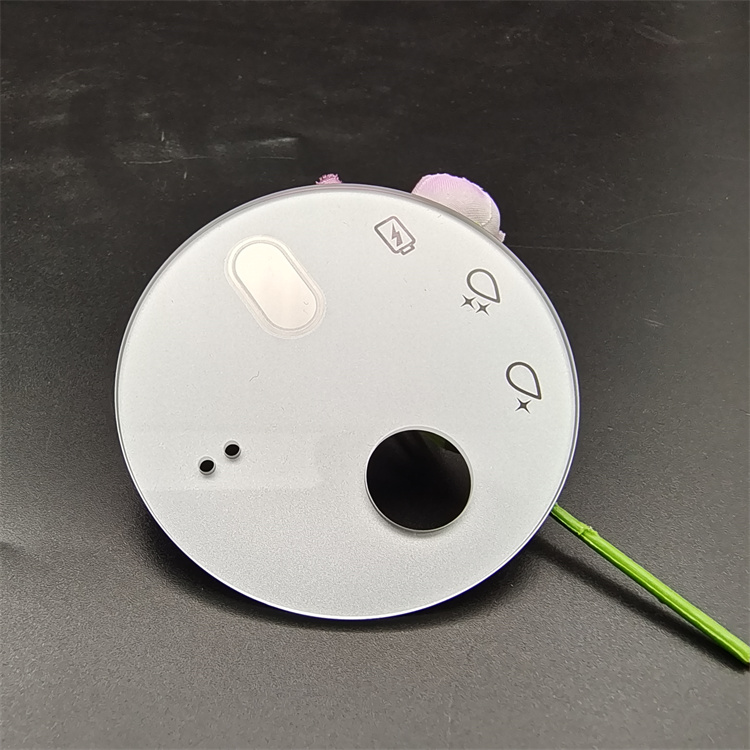
Customized 0.5mm 0.7mm 1mm 2mm 3mm 4mm 5mm 6mm Cut Holes Printed Round Tempered Glass Panels for Home Appliance
Round tempered glass for appliance control windows, with cut holes and printed graphics. The 0.5–6 mm range helps balance touch sensitivity, impact strength and product weight.
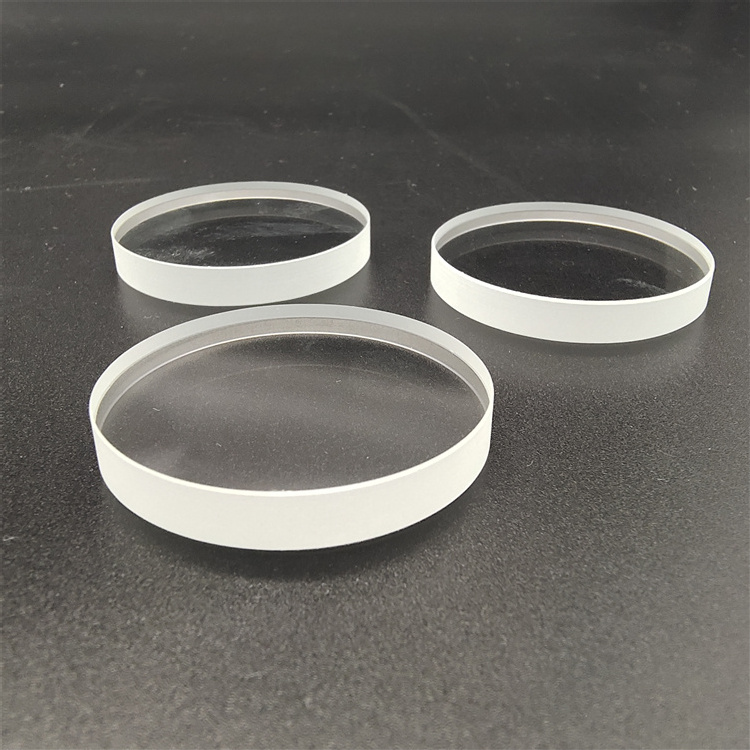
Full Tempered 30mm Diameter 3mm 4mm 5mm 6mm 8mm Thickness Ultra Clear Round Tempered Glass
A small-diameter ultra-clear glass lens for compact lighting, sensors and protective windows. Thickness options from 3 mm to 8 mm support different strength and light-transmission needs.
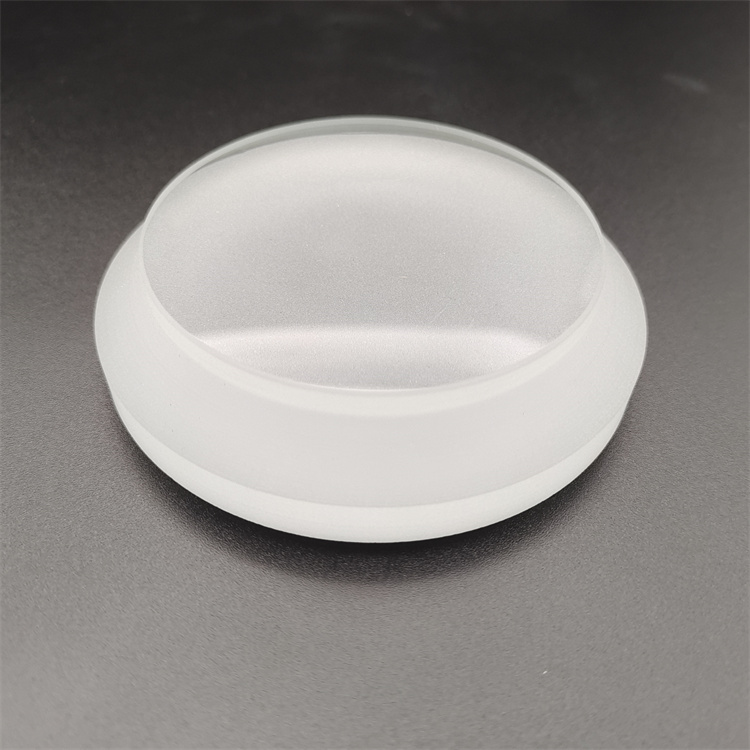
Customized Industrial Lighting Solid Flat Ultra Clear Frosted Tempered Glass with Beveled Step Edge
Frosted industrial lighting glass with a beveled step edge. The surface helps diffuse light and reduce glare while the stepped edge supports clean fixture assembly.
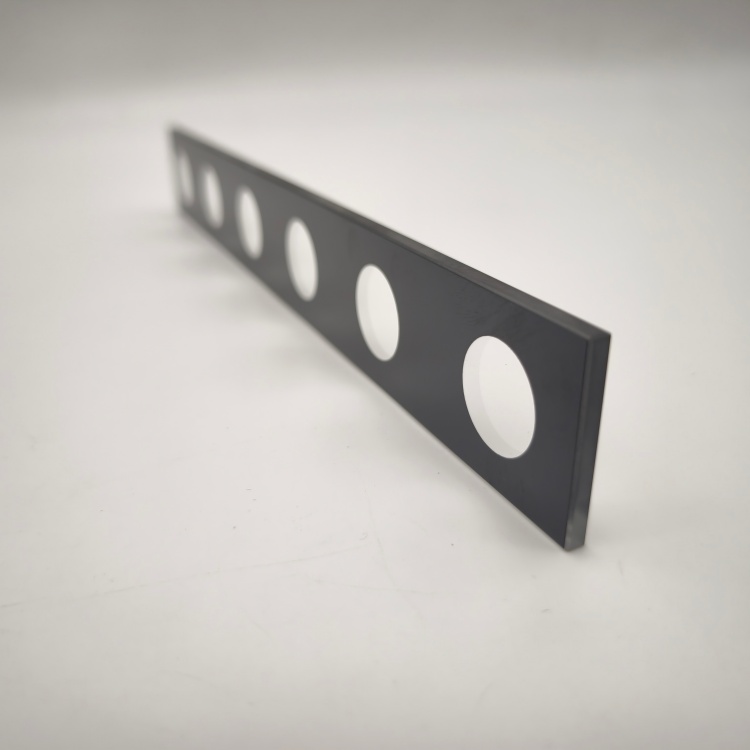
Black Printed Polished Smooth Matte Edge Linear Tempered Glass for LED Wall Washer Light
Linear glass for LED wall washers with black printing and a smooth matte edge. It helps hide internal components while producing a controlled architectural light line.
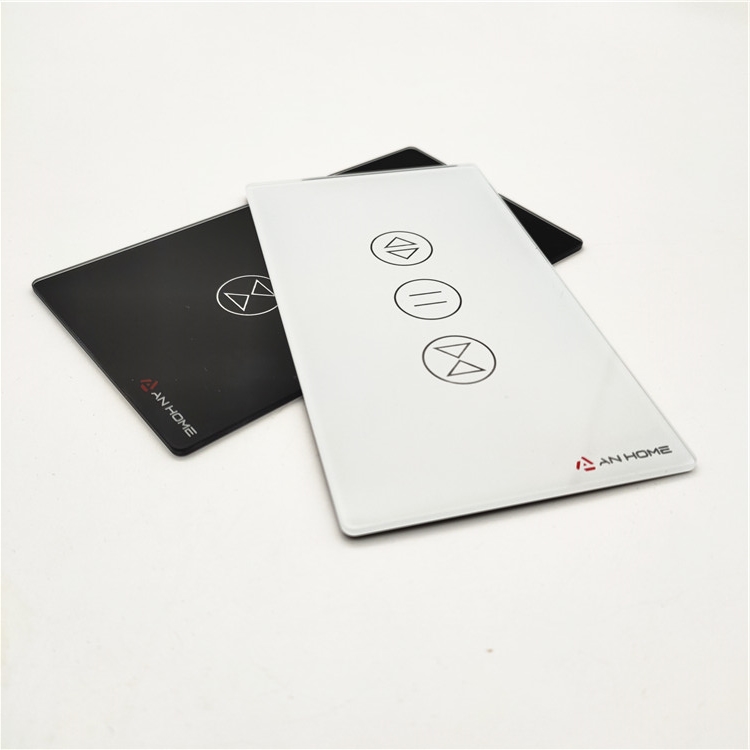
Home Smart WiFi Remote Control Touch Tempered Glass Screen-Printed Glass Switch Glass Panels Curtain Control Glass
Printed touch switch glass for smart home and curtain-control panels. Optional AF coating helps reduce fingerprints in high-touch residential and hotel installations.
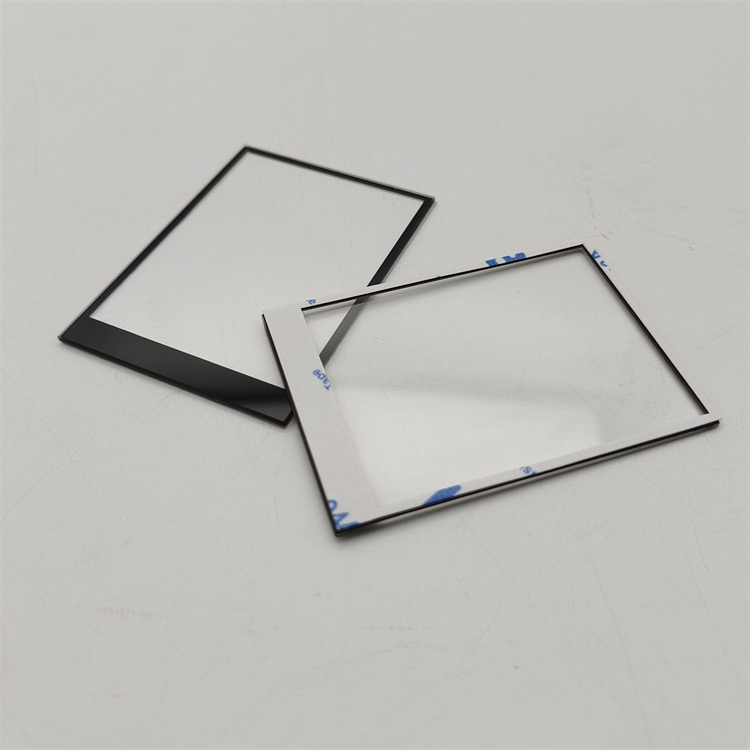
Small Size Ultra Thin 0.5mm 0.7mm 1mm Tempered Glass Panel With Adhesive Tape for Screen Protection
Ultra-thin tempered glass with adhesive tape for compact devices and screen protection. A practical choice for small lenses, protective windows and lightweight electronic assemblies.
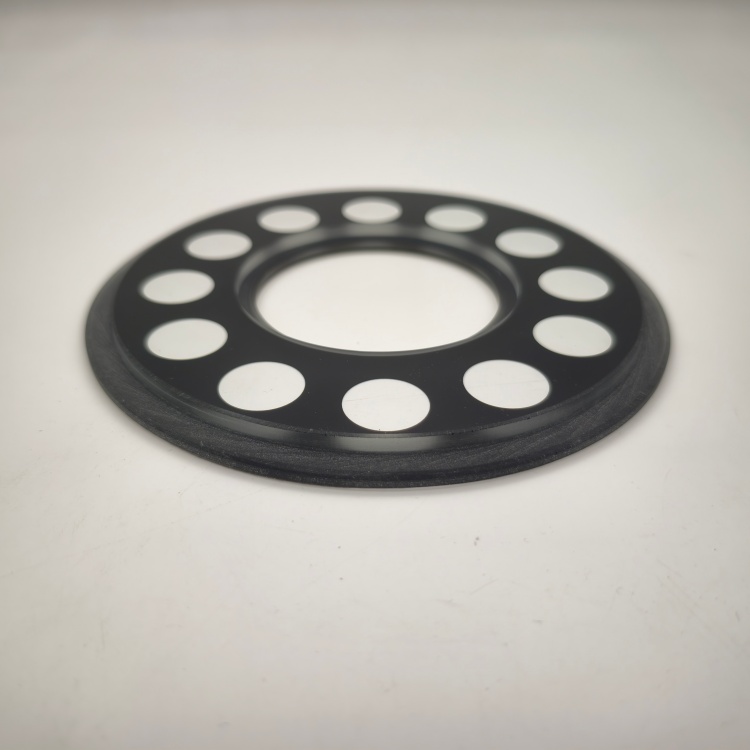
Factory Customized Round Hole Inner and Outer Double Step Edge Printed Tempered Glass for LED Lighting
Double-step-edge printed glass for LED lighting with a round hole. The stepped edge supports clean fixture assembly while ceramic printing delivers durable masking.
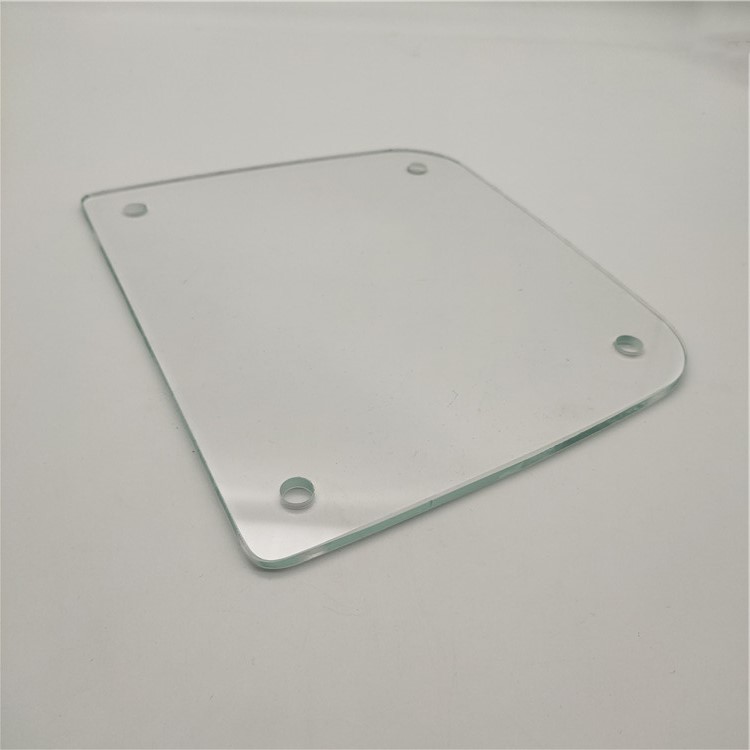
Ultra Clear Tempered Glass Customized Design with Cut Holes for Led Light Cover
Ultra-clear LED cover glass with CNC-cut holes for lighting fixtures. Designed for high transmission, accurate cut-outs and a premium visible surface.
OEM/ODM Glass Lens Manufacturing Built Around Davao City Product Realities
Davao City is a growing gateway for smart homes, LED retrofits, food-processing equipment, public digital kiosks and industrial monitoring in Mindanao. Each application creates a different glass specification problem.
Davao City is no longer only an agricultural and trade hub; it is becoming a practical testing ground for smart-home installation, commercial LED lighting, appliance assembly, public digital displays and industrial control equipment. Every one of those products needs a glass lens or cover that looks right, survives daily cleaning and supports the electrical and optical design behind it. The challenge is not finding a glass cutter. The challenge is finding an OEM/ODM glass lens manufacturer that can turn a drawing into a repeatable part with the correct thickness, edge finish, printed graphics and surface coating.
Jaswe Glass supports Davao City buyers from its Dongguan production base in China. That gives local product teams access to a full process chain — cutting, CNC shaping, edge polishing, drilling, tempering, silk screen printing, AG processing and AR/AF coating — under one quality system. For a Davao City OEM project, this means one supplier can own the glass from engineering review to export packing instead of coordinating several subcontractors.
A common specification mistake is treating AR, AG or AF as a generic “coating.” In Davao City’s humid and bright climate, an outdoor kiosk may need AG anti-glare treatment to control reflected light, while an indoor touch panel may benefit more from AF anti-fingerprint coating. A high-contrast industrial display may need AR anti-reflective coating. The selection should be based on viewer distance, ambient light, cleaning method and whether the surface is touched.
Where Custom Glass Lenses Are Used in Davao City
From smart-home wall panels to LED wall washers and industrial instrument windows, the glass is part of the user experience and the product’s long-term reliability.
Smart Home & Curtain Control Panels
Davao City residential and hotel projects increasingly use Wi-Fi, Zigbee and dry-contact smart switches. A 0.7 mm, 1 mm, 2 mm or 3 mm tempered glass panel with printed icons and an AF top layer can reduce visible fingerprints while keeping touch response reliable. For curtain-control glass, define icon opacity, window size and adhesive compatibility before sampling.
LED Lighting & Wall Washer Lenses
High humidity, heat build-up and cleaning chemicals make the glass cover part of the fixture’s reliability. Tempered 3–6 mm glass with black or ceramic printing, a matte edge and optional frosted face can mask LEDs, reduce glare and keep a clean architectural line in retail, hospitality and outdoor lighting.
Appliance Control Windows
For rice cookers, water dispensers, kitchen appliances and small commercial equipment, printed round or rectangular tempered glass can replace plastic fascias with a more scratch-resistant surface. Holes for knobs, sensors and indicator lights are cut before tempering; print colors should be agreed with a Pantone reference and a physical sample.
Touch & Display Cover Lenses
For POS terminals, digital kiosks, industrial HMIs and public information screens, the cover glass should balance transmittance, reflection and touch feel. AR reduces reflection, AG diffuses glare, and AF improves cleaning. Davao City projects exposed to daylight should test AG haze and display brightness together, not as separate decisions.
Industrial Instrument Windows
Agriculture, water treatment, energy monitoring and processing equipment need glass windows that remain readable and safe. Ultra-clear or AR-coated tempered glass with a beveled step edge can be gasketed into an enclosure, while printed borders hide sealing lines and mounting screws.
Security & Camera Lens Covers
Outdoor camera and sensor products face humidity, dust and strong sunlight. A tempered ultra-clear lens with AR or AG treatment and precise cut-outs can protect the optical path without adding unnecessary distortion. For heated enclosures, thermal shock resistance should be discussed during engineering review.
Davao City Glass Lens Trends Shaping OEM/ODM Demand
Local product teams are moving from generic plastic fascias and imported standard glass to application-specific glass lenses with printed graphics, optical coatings and clean edges.
Smart Home & IoT Adoption
Davao City developers and integrators are expanding smart lighting, curtain control, access control and air-conditioning control. This increases demand for printed touch glass that fits standard wall boxes and looks consistent across a project.
LED Retrofits in Retail & Hospitality
Hotels, restaurants, malls and offices are replacing conventional fixtures with LED wall washers, downlights and linear lights. Glass lenses help achieve a premium look and protect LEDs from dust and cleaning.
Self-Service & Digital Displays
Concerns about hygiene and queue time are pushing kiosks and touch displays into public areas. AR/AG/AF combinations are becoming a specification choice, not a premium extra, especially for payment and information terminals.
Agri-Tech & Industrial Automation
Davao’s agricultural economy is adopting sensors, water controls and processing automation. Instrument windows and protective glass lenses need to tolerate moisture, cleaning and outdoor heat while staying readable.
Specifying the Right Glass Lens for Davao City’s Climate and Use Case
Use this engineering matrix during design review. Coatings can be combined, for example AG + AF for outdoor touch kiosks or AR + AF for indoor touch displays.
| Glass Specification | What It Solves in Davao City | Typical Use | Engineering Note |
|---|---|---|---|
| Ultra-clear low-iron glass | Reduces the green tint of standard float glass so colors and white printing stay true. | LED lighting covers, display windows, premium appliance panels. | Specify low-iron substrate when white or pastel printing is used; edge color should be checked on a physical sample. |
| Tempered clear glass | Improves impact resistance and safer breakage behavior for daily-use products. | Control panels, lighting covers, switch glass, instrument windows. | All holes, slots and edge work must be completed before tempering; post-temper drilling is not recommended. |
| AR anti-reflective coating | Lowers surface reflection and increases contrast and light transmission. | Industrial monitors, display windows, camera covers, medical equipment. | Double-sided AR gives the largest optical gain; confirm the transmission target and whether the back side is visible. |
| AG anti-glare treatment | Diffuses reflected light so screens remain readable under strong daylight or overhead lighting. | Outdoor kiosks, industrial HMIs, digital signage, vehicle displays. | Match haze level to viewing distance and display resolution; not every AG surface suits fine-detail screens. |
| AF anti-fingerprint coating | Repels oil and sweat and makes touch surfaces easier to clean. | Smart switches, capacitive touch panels, POS terminals, public kiosks. | Apply as a top layer over AR or AG for touch products; confirm cleaning chemical compatibility. |
| Silk screen / ceramic printed glass | Hides wiring, adds logos, icons and transparent windows, and improves product appearance. | Switch plates, appliance controls, LED fixtures, instrument panels. | Provide Pantone codes, transparent window size, print side and ink durability requirements before sampling. |
Final optical values depend on glass thickness, substrate and coating stack. Sample testing is recommended before mass production, especially for Davao City products exposed to strong daylight, humidity or frequent cleaning.



Why Davao City Buyers Work With Jaswe Glass
Jaswe Glass is a glass processing manufacturer in Dongguan, China, not a trading company. The factory runs 26 glass processing machines and employs more than 80 skilled workers, with monthly output exceeding 200,000 pieces. Our range covers ultra-thin electronic-grade glass from 0.2 mm up to 19 mm flat tempered glass, with 0.5, 0.7, 1, 2, 3 and 4 mm being common for display and touch covers.
For Davao City customers, the practical advantage is a single engineering and production route. Cutting, special-shaped and CNC cutting, edge polishing, hole drilling, tempering, silk-screen and ceramic printing, AG processing and AR/AF coating are done in-house. That reduces the risk of damage or specification drift when glass moves between outside suppliers.
We support OEM and ODM programs: OEM when your drawing and branding are fixed; ODM when you need a manufacturable glass construction based on an application concept. Our engineers review the drawing before sampling and flag issues such as hole-to-edge distance, print registration, coating stack and packing method.
“Scientific management, careful manufacture, high quality service, striving for excellence.”
- Average response within 3 hours and a 96.61% response rate to buyer messages.
- 26% buyer reorder rate from lighting, electronics and appliance brands.
- Inspection at cutting, edging, tempering, printing and coating stages before packing.
From Raw Sheet to Finished Glass Lens
Keeping critical steps under one roof shortens lead time and removes the quality gaps that appear when glass moves between subcontractors.
Full Process Control
Cutting, CNC shaping, polishing, drilling, tempering, printing and coating are coordinated under one production plan.
Engineering Review
Manufacturability checks cover hole spacing, print windows, edge type, coating side and packing method before sampling.
Quality Inspection
In-process checks help catch edge chips, print defects, coating marks and dimensional drift before export packing.
Export Packing
Interleaved, edge-protected packing is designed for long-distance sea or air freight to Davao City and wider Mindanao.
OEM & ODM Support
We work from customer drawings or help define a manufacturable construction for new glass lens concepts.
Fast Communication
Average response within 3 hours supports Davao City buyers working across different time zones and production schedules.
Glass Lens Processes Available Under One Roof
Each process can be combined into a complete OEM glass lens program for Davao City appliance, lighting and electronics products.
Precision & CNC Cutting
Rounds, notches, slots and irregular outlines cut to drawing.
Edge Polishing
Pencil, flat, beveled, stepped and matte edges for safe handling.
Hole Drilling
Holes and countersinks for buttons, sensors, cameras and screws.
Thermal Tempering
Tempering furnace strengthens glass for impact resistance.
Silk Screen & Ceramic Printing
Multi-color logos, icons, borders and transparent display windows.
AG Anti-Glare Processing
Diffused matte surface that keeps screens readable under strong light.
AR Anti-Reflective Coating
Optical coating that lowers reflection and raises light transmission.
AF Anti-Fingerprint Coating
Oleophobic layer for touch screens with fewer smudges and easier cleaning.
Five Steps from Drawing to Delivery
A clear workflow designed for overseas buyers who need predictable quality and direct engineering communication.
Send Requirements
Drawing, thickness, edge, printing, coating and annual volume.
Engineering Review
Manufacturability check and process route within hours.
Sampling
Physical samples for fit, color and optical approval.
Mass Production
Batch production with in-process inspection at each station.
Packing & Shipping
Interleaved, edge-protected export packing for safe transit.
Questions Local Buyers Ask Before Ordering Custom Glass Lenses
These answers cover common sourcing, specification, shipping and sampling questions for Davao City OEM/ODM projects.
Can Jaswe Glass supply OEM/ODM glass lenses to Davao City?
Yes. We support Davao City customers from our Dongguan, China factory. Send your drawing or application description, and our engineers will review thickness, edge, printing, coating, packing and quotation requirements for your project.
What glass thickness is recommended for smart switch and curtain-control panels?
Common choices are 0.7 mm, 1 mm, 2 mm and 3 mm tempered glass, depending on panel size, touch module design and installation method. Thinner glass can suit compact electronics, while thicker glass may be preferred where impact resistance and rigidity are more important.
How should I choose AR, AG and AF coatings for Davao City’s humid climate?
Use AR to reduce reflection and improve display contrast, AG to diffuse glare from sunlight or strong indoor lighting, and AF to reduce fingerprints on touch surfaces. For outdoor touch kiosks, AG + AF is often more useful than AR alone. For indoor high-contrast displays, AR + AF may be the better combination.
What is the minimum order quantity for custom glass lenses?
Most custom items start at 100 to 500 pieces depending on size, printing and coating. Standard clear tempered pieces may be available in smaller sample quantities for evaluation. Final MOQ is confirmed after drawing review.
How do you protect printed and coated glass during export to Davao City?
Printed and coated surfaces are protected with interleaving and edge protection before packing. Export cartons are designed for long-distance sea or air freight. For high-value coated glass, we can discuss additional protective layers and packing orientation during quotation.
Should I choose ultra-clear or standard clear glass?
Choose ultra-clear low-iron glass when true color, white printing or high light transmission matters, such as LED lighting covers, premium appliance panels and display windows. Standard clear glass may be acceptable for applications where slight green tint and lower transmission are not critical.
Can you support drawing review and samples before mass production?
Yes. Engineering review is part of the OEM/ODM workflow. We check manufacturability before sampling so that hole spacing, print windows, edge type, coating side and packing requirements are clear before mass production begins.
How do I start a quote for my Davao City project?
Prepare a drawing in DXF, DWG or PDF, plus thickness, edge type, printing colors, coating requirement, application and estimated annual quantity. Use the quote button on this page or email info@jasweglass.com to begin the engineering review.
Ready to Source OEM/ODM Glass Lenses for Davao City?
Share your drawing, application and estimated volume. Our engineers will recommend the glass construction, coating stack and packing method for your project.
info@jasweglass.com