Printed, Tempered and Coated Glass Products Recommended for Tokyo Applications
Each item below preserves its original product URL. These formats are used in display windows, instruments, card readers, LED fixtures, smart switches and compact electronic appliances—then customized to your drawing, print artwork, coating stack and packaging requirements.
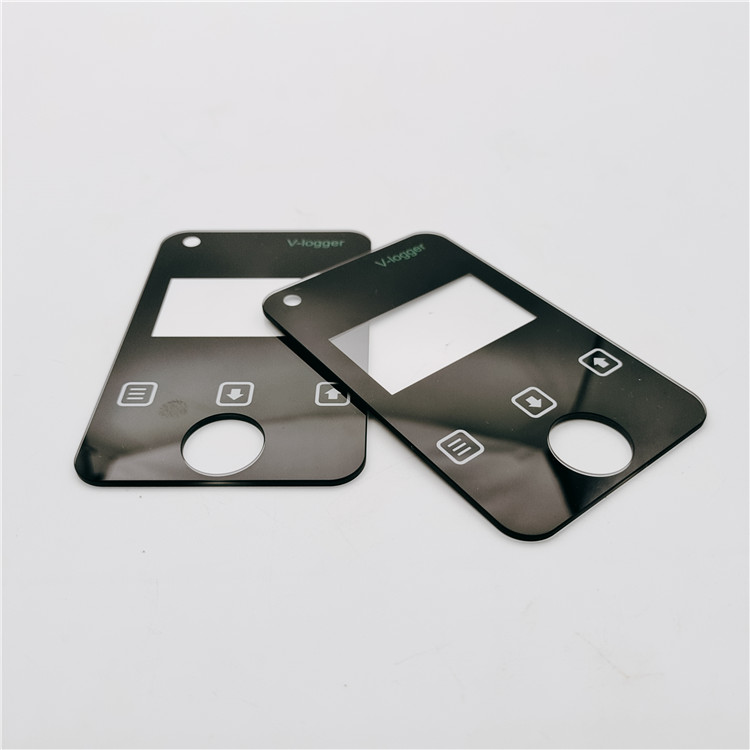
Customized Cut 1mm 2mm 3mm 4mm Instrument Printed Tempered Glass With Holes
A made-to-drawing instrument window for Tokyo measurement, vending, POS and control equipment. CNC holes, printed graphics and tempered glass are planned in one process route to protect hole-to-print alignment.

Custom Extra White 0.5mm 1mm 1.5mm 2mm Low Iron Tempered Glass Chemical Strengthened
Low-iron 0.5–2 mm glass chemically strengthened for slim display windows and sensor covers where neutral color and high transmission matter. Well suited to compact Tokyo electronics and premium appliance interfaces.
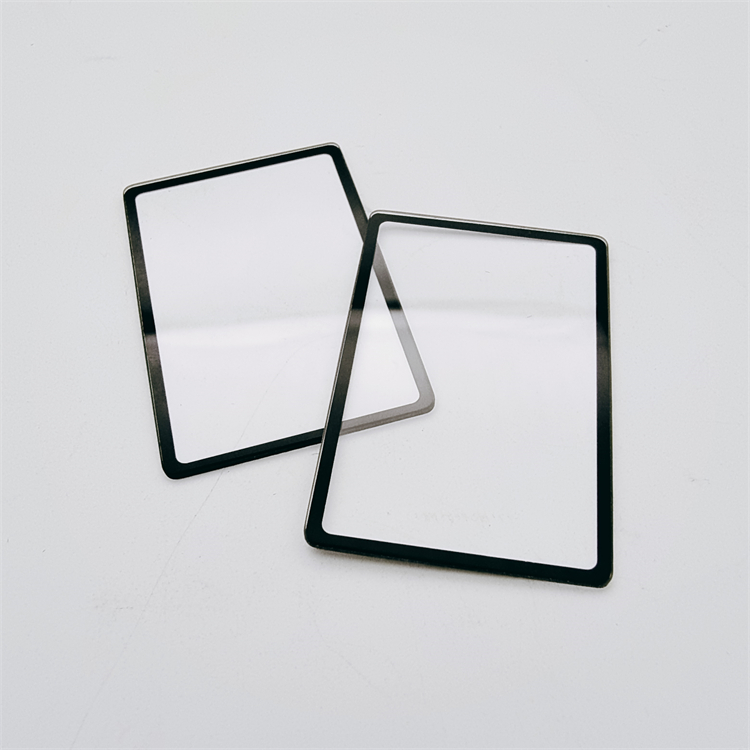
0.5mm 0.7mm 1mm 2mm 3mm Good Price OEM Wholesale Custom Premium Silk Screen Printing Tempered Glass Display Screen Industrial
Industrial display screen cover with premium silk-screen printing. Multi-color borders, transparent windows and logos are controlled for print registration, ink opacity and window-edge definition.
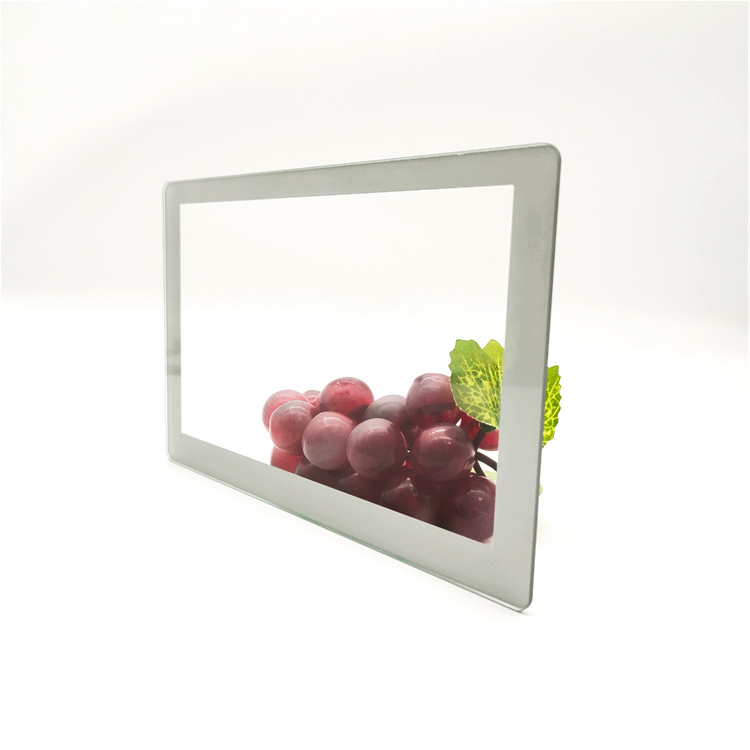
Customized High Strength Anti Glare Frosted Finish Tempered Glass LED/LCD Display Touch Panel for Monitor Screen Protector
Anti-glare frosted surface diffuses reflected light for monitors, touch panels and counter-facing displays in bright Tokyo retail, station and office environments. Combine with AF coating for high-touch interfaces.

Customized Small Size 3mm 4mm 5mm 6mm Beveled Edge Tempered Glass
Small-size 3–6 mm tempered glass with beveled edges for instrument windows, decorative inserts, sensor covers and compact control panels that require clean edges and repeatable fit.
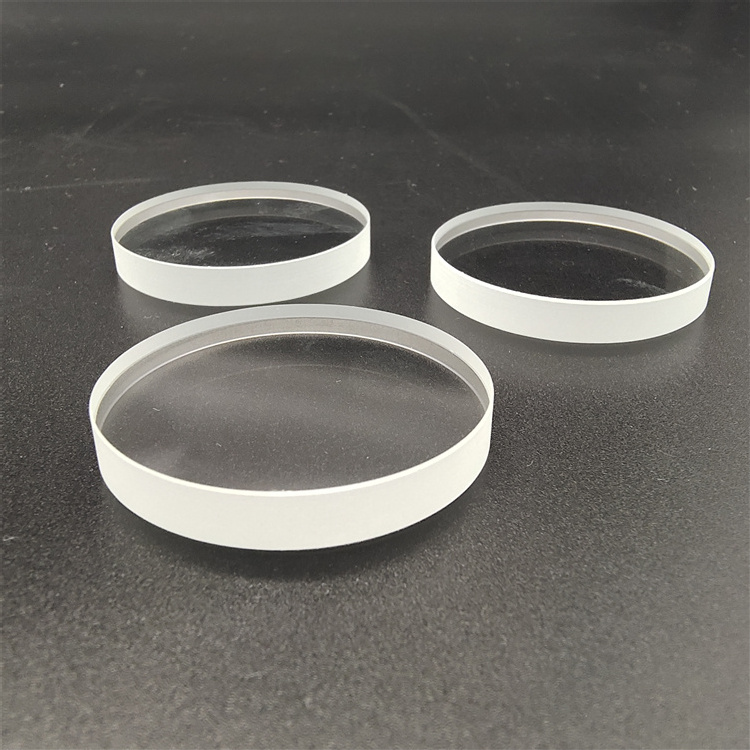
Full Tempered 30mm Diameter 3mm 4mm 5mm 6mm 8mm Thickness Ultra Clear Round Tempered Glass
Ultra-clear round glass from 3–8 mm, fully tempered. Used for sensors, lenses, light fixtures and circular control elements where diameter, edge quality and optical clarity are critical.
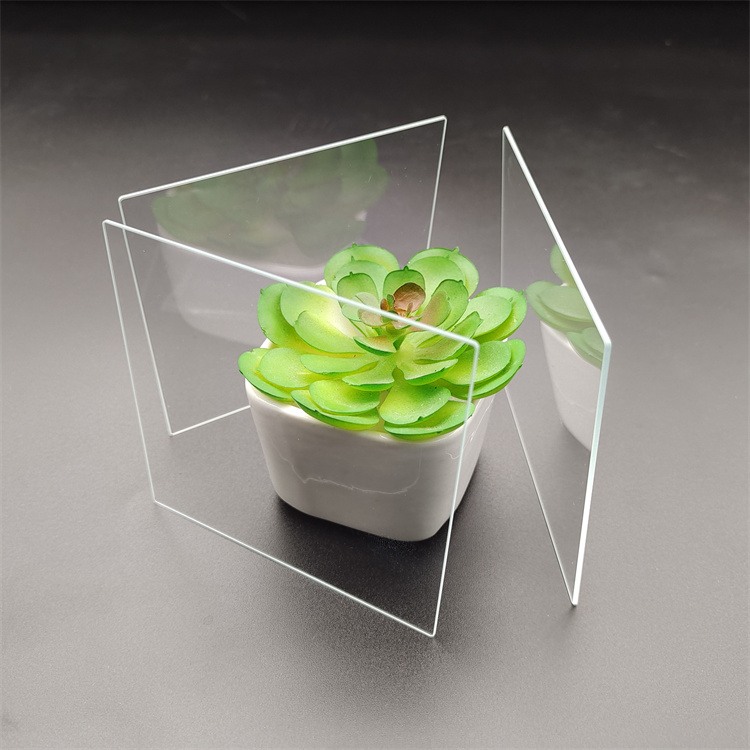
Custom 1mm 2mm 3mm 4mm 5mm Tempered Extra Clear Glass Panel for LCD Screen / LED Light / Electronic Appliance Cover
Extra clear 1–5 mm panel for LCD screens, LED lighting and electronic appliance covers. Provides a neutral base for printing, AR/AG/AF coatings and touch-window integration.

Custom Printed Tempered Glass Panel High Strength Decorative Cover with Hole for Card Reader Instrument
Decorative printed glass cover with a precision hole for card-reader and instrument assemblies. A practical choice for Tokyo POS, payment terminal, kiosk and access-control designs that need a premium front surface.
A Screen-Printed Glass Cover Is a Tolerance Stack, Not a Commodity
Tokyo product teams rarely buy “a piece of glass.” They buy a predictable interface: a printed window that aligns with an LCD, a touch surface that repels fingerprints, a tempered cover that survives handling, or an instrument window that stays legible under office lighting.
Drawing review before price
A DXF, DWG or PDF is checked for hole edges, print windows, tolerance stack-up and handling risk. Our process route then connects cutting, CNC shaping, edge polishing, drilling, tempering, printing and coating so the sample is built from the same logic as mass production.
Thickness selection is an optical decision
Thin 0.5, 0.7, 1, 1.5 and 2 mm glass is common for compact Tokyo electronics and touch covers. Thicker 3–6 mm tempered glass is selected for impact resistance, flatness and instrument windows, while our process range covers ultra-thin electronic-grade glass up to 19 mm flat tempered glass.
Print is part of function
Silk screen and ceramic printing can hide wiring, define transparent windows, add icons and carry brand marks. Pantone references, ink opacity, backlight bleed and front/back print direction should be agreed during sampling—not discovered during incoming inspection.
Coating stack must match use
AR improves transmission and contrast; AG diffuses glare; AF adds an oleophobic touch layer. They can be combined—AG + AF for public kiosks, AR + AF for high-clarity touch displays, and plain ultra-clear glass for LED fixtures where the light path matters more than reflections.
Quality control at each station
Inspection at cutting, edging, drilling, tempering, printing and coating helps isolate defects before packing. For Tokyo buyers, the valuable information is not only “we check quality,” but which station owns which characteristic and how sample approval maps to production inspection.
Repeat-purchase economics
Our public trade profile records a 26% buyer reorder rate, a 96.61% response rate and an average response time within about 3 hours. Those signals matter when a Tokyo engineering team needs fast answers, clear sample versions and a supplier that can support model changes without restarting the project.
Local Demand Signals Shaping Glass Screen-Printing Projects in Tokyo
Tokyo is a dense, design-sensitive and operationally demanding market. Glass components succeed when they support compact industrial design, long service life, low maintenance and rapid model updates across building, retail, mobility and appliance ecosystems.
Smart buildings and contactless control
Hotels, offices, stations and commercial buildings continue to adopt touchless access, room controls, smart switches and public kiosks. Printed glass faceplates combine durable decoration with capacitive touch windows, making them attractive for premium building interfaces where cleaning, fingerprint resistance and visual consistency matter.
Compact electronics and high-transparency covers
Tokyo’s device brands often need thin, low-iron glass that keeps displays neutral and bright. Chemical strengthening, edge quality and print-window accuracy are more important than bulk appearance because the cover becomes part of a compact appliance, sensor or portable instrument.
Glare-controlled surfaces for public spaces
Station signage, retail POS, vending machines and outdoor-facing displays must remain readable under strong ambient light. AG frosted finishes diffuse reflections, while AF coating supports heavy daily use. For medical, industrial and high-end monitors, AR coating can improve clarity and contrast.
Small-lot, high-mix sourcing
Tokyo trading companies and OEMs often manage frequent model revisions, multiple color versions and limited initial volumes. A practical supplier should support 100–500 piece MOQs for many custom items, provide physical samples and keep print, coating and packing specifications stable between qualification and repeat orders.
Where Printed Tempered Glass Fits Tokyo Products and Daily Operations
The same glass platform can serve many product categories. What changes is the tolerance priority: optical clarity for displays, print registration for switches, edge safety for instruments, or coating durability for public touch interfaces.
Measurement and instrument windows
Tokyo laboratories, factory equipment and service instruments use printed glass windows with holes, transparent readout zones and durable graphics. Tempered 1–4 mm glass helps resist handling and cleaning while keeping the front face flat and easy to wipe.
Payment terminals and card readers
POS terminals, kiosks and access-control readers benefit from a premium printed cover with a precision hole for the card slot. AF treatment helps maintain a clean touch surface, while tempered glass protects the decorative layer in busy retail and transport environments.
Smart building and hotel controls
Printed switch glass can carry icons, room numbers and backlit windows while masking internal electronics. For Tokyo hotels and offices, a low-glare or anti-fingerprint surface improves the experience in lobbies, corridors and meeting rooms.
LED lighting and architectural fixtures
Ultra-clear round and rectangular glass covers support downlights, wall washers, linear fixtures and decorative lamps. Ceramic-printed borders and high-transparency low-iron glass help maintain light output and consistent color temperature.
Industrial HMI and equipment covers
Industrial displays need readable windows under factory lighting. AR coating can improve contrast; AG coating can reduce glare; printed borders can conceal gaskets and fasteners. For equipment exposed to repeated cleaning, edge quality and coating durability should be reviewed early.
Compact appliances and beauty devices
Thin low-iron glass with printing, holes and anti-fingerprint treatment gives household appliances and personal-care devices a premium interface. Consistent color, smooth edges and reliable packing are especially important for multi-model product lines sold through Tokyo retail channels.
Why Dongguan Jaswe Glass Is a Practical OEM/ODM Partner for Tokyo Buyers
Dongguan Jaswe Glass Co., Ltd. processes custom tempered, ultra-clear, silk-screen printed, switch, LED lighting, electrical-equipment and AR/AG/AF coated glass in Dongguan, Guangdong, China.

Our location inside the Pearl River Delta electronics chain supports the pace, documentation and communication style expected by Tokyo OEMs, trading companies and product developers. Our main markets include America, Europe and Asia, and our team is organized around export communication from inquiry through sample approval and repeat production.
Most of our 80+ operators have more than eight years of hands-on glass processing experience. That depth matters on tight-tolerance work such as thin low-iron cover glass, multi-color ceramic or silk-screen printing with transparent display windows, and small instrument windows where handling marks or edge chips become visible defects.
With 26 glass processing machines, monthly output exceeds 200,000 pieces of processed glass. Company facts include 51–100 employees, annual revenue of US$2.5M–US$5M, an on-site verified trade profile for 6 years, a recorded response rate of 96.61%, an average response time of about 3 hours and a 26% buyer reorder rate. Our quality principle is practical: scientific management, careful manufacture, high-quality service and continuous improvement.
From Raw Glass Sheet to Finished Printed Cover Glass
Keeping the critical operations under one roof shortens communication loops and reduces the quality gaps that appear when glass moves between subcontractors.
Precision and CNC cutting
Automatic cutting plus CNC shaping for rounds, notches, slots and irregular outlines.
Edge polishing
Pencil, flat, beveled, stepped and matte edges for safe handling and clean appearance.
Hole drilling
Holes and countersinks for buttons, sensors, cameras, knobs and mounting screws.
Thermal tempering
Tempering furnace strengthens glass for impact resistance and safer breakage behavior.
Silk screen and ceramic printing
Multi-color logos, icons, borders and display windows with color matching support.
AG anti-glare processing
Diffused matte surface that keeps screens readable under strong ambient light.
AR anti-reflective coating
Optical coating that lowers reflection and raises light transmission for brighter displays.
AF anti-fingerprint coating
Oleophobic layer for touch screens—smoother glide, fewer smudges and easier cleaning.
AR vs AG vs AF vs Ultra Clear vs Printed Glass: What Should Tokyo Buyers Specify?
Our engineers use a simple question during drawing review: what problem must the front glass solve in the finished product? The answer determines thickness, printing, tempering and coating—often in combination.
Ultra clear low-iron glass
Removes the green tint of standard float glass for neutral color and higher transparency. Useful for LED fixtures, display covers and premium appliance panels where the glass should almost disappear.
Tokyo fit: compact electronics, lighting, high-end appliancesAR anti-reflective coating
Reduces surface reflection and improves transmission and contrast. Double-sided AR gives the largest optical gain, but the right coating depends on the display, lighting environment and viewing angle.
Tokyo fit: medical monitors, industrial displays, camera windowsAG anti-glare finish
Diffuses reflected light so displays remain readable in bright retail, station, office and outdoor conditions. Haze level should be matched to viewing distance and screen resolution.
Tokyo fit: signage, kiosks, POS, public information displaysAF anti-fingerprint coating
Adds an oleophobic top layer that resists oil and sweat, improves touch feel and makes cleaning easier. Best applied as the final layer over AR or AG for touch-intensive products.
Tokyo fit: smart switches, touch panels, payment terminalsSilk-screen or ceramic printed glass
Hides wiring, defines transparent display windows and adds icons, borders and brand graphics. Print direction, ink opacity and window edge definition should be approved on a physical sample.
Tokyo fit: instrument panels, appliance controls, switch coversCombined coating stacks
AG + AF suits high-touch public terminals; AR + AF supports high-clarity touch displays; printed glass with AR windows improves contrast while masking internal components. Final performance should be validated under the intended light.
Tokyo fit: public kiosks, premium HMI, smart-building interfacesFive Steps from Drawing to Export Delivery
A transparent workflow for overseas buyers who need predictable quality, clear sample approval and reliable communication.
Send requirements
Share drawing, thickness, edge profile, printing colors, coating needs and estimated volume.
Engineering review
We review manufacturability, identify risk points and confirm a practical process route.
Sampling
Physical samples support fit, print, edge, coating and handling approval before production.
Production and QC
Batch production follows the approved route with inspection at critical process stations.
Packing and shipping
Interleaved, edge-protected export packing supports safe transit to Tokyo and onward distribution.
Common Questions from Tokyo Buyers Sourcing OEM/ODM Glass Screen Printing
These are the questions our engineering and export team most often answers during drawing review, sampling and repeat-order planning.
Can you support the small-lot, high-mix purchasing common in Tokyo?
Yes. Most custom items start at 100 to 500 pieces depending on size, printing and coating. Standard clear tempered pieces can be discussed in smaller sample quantities. Send your annual forecast and model variants so we can propose a sensible sample and production plan.
What thickness should a Tokyo display or control-panel project use?
The most requested display and touch-cover thicknesses are 0.5, 0.7, 1, 2, 3 and 4 mm. Our process range covers ultra-thin electronic-grade glass from 0.2 mm up to 19 mm flat tempered glass. Thin glass is often low-iron and chemically strengthened; thicker covers are selected for impact and flatness.
Can you match print colors and transparent windows?
Yes. Share Pantone or color references, window dimensions, icon artwork and whether the print is front or back. We confirm print sequence, ink opacity and window-edge definition with samples. For backlit products, light bleed should be reviewed before mass production.
What is the difference between AR, AG and AF, and can they be combined?
AR reduces reflection and increases transmission; AG diffuses glare for bright or outdoor spaces; AF adds an oleophobic anti-fingerprint layer. They can be combined—AG + AF for public touch kiosks, AR + AF for high-clarity touch displays. Final performance should be tested under the intended lighting.
What files and technical details do you need for a quote?
Send a DXF, DWG or PDF drawing; thickness; outline tolerance; hole positions; edge profile; printing colors; coating requirement; application; annual or monthly quantity; packing requirements and any compliance documents needed for Tokyo. If the drawing is not final, a sketch and use case can still start the review.
How do you protect glass during export to Tokyo?
Pieces are interleaved and edge-protected, then packed for export with cartons and labels as agreed. For high-value printed or coated glass, packing should be reviewed together with sample approval so the packaging is part of the specification, not an afterthought.
Can you work with our Japanese trading company or forwarder?
We can coordinate with a nominated forwarder or trading company on export documents and packing details. Please confirm the consignee, Incoterm, labeling and document requirements at inquiry so the commercial and logistics scope is clear before shipment.
How do we start a custom glass project?
Email info@jasweglass.com or use the Inquire Now button with your drawing, target quantity, application and sample deadline. Our team aims to respond in about 3 hours on average, with a manufacturability review before sampling.
Send a Drawing, Get a Process Route and Sample Plan
Share your application, glass thickness, printing colors, coating requirement and target quantity. Our engineering team will review manufacturability before samples are made and help you choose the right glass, edge, print and coating stack for the Tokyo market.
Email: info@jasweglass.com Dongguan Jaswe Glass Co., Ltd. · Room 202, Building 1, No. 14 Weige Road, Shipai Town, Dongguan, Guangdong, ChinaCustom tempered · ultra-clear · silk-screen printed · AR / AG / AF coated glass