OEM/ODM Medical Display Glass Manufacturers & Exporter for Mexico
Custom tempered, ultra-clear, printed and AR/AG/AF-coated display glass for Mexican medical device brands, contract manufacturers and distributors — engineered in Dongguan, China, with drawing-based review by experienced glass processors.
Medical Display Glass Products for OEM/ODM Sourcing in Mexico
Start with a proven process route, then customize thickness, outline, edge, printing, holes and coating. Every product below can be reviewed against your drawing before sampling.
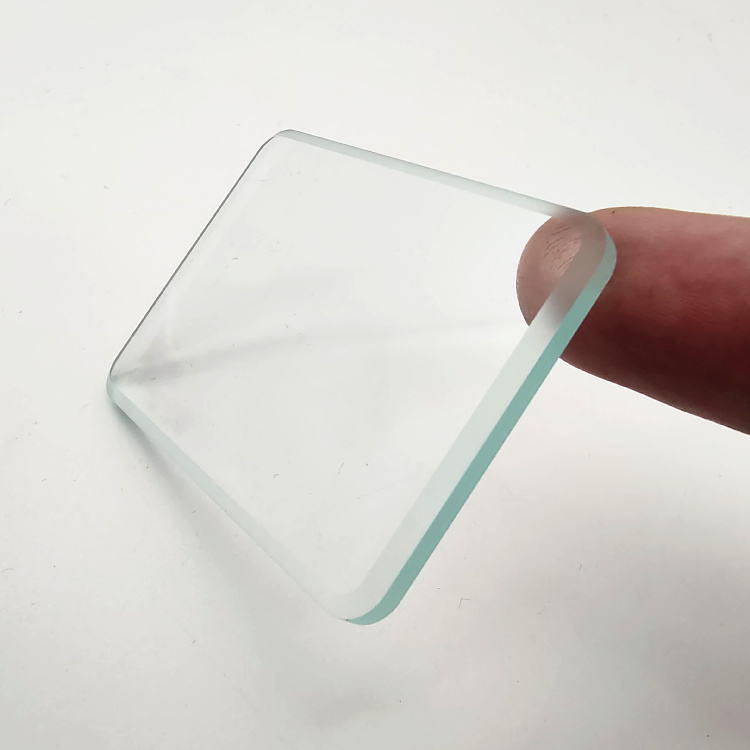
Custom Small Dimensions Tempered Beveled Edge Glass for Sale
A practical route for compact diagnostic windows, sensor apertures and instrument covers where a safe beveled edge and repeatable outline matter.
Review specification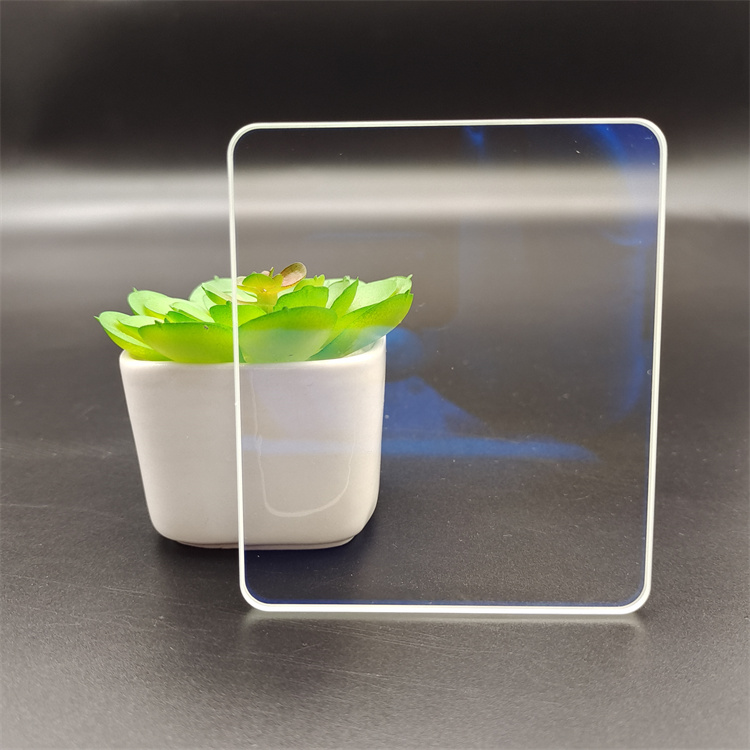
Both Sides Anti Reflective AR Coating 1mm 2mm 3mm 4mm Ultra Clear Tempered Glass
Double-sided AR coating is suited to high-contrast monitor covers and display windows where reflection control and optical clarity are central.
Review specification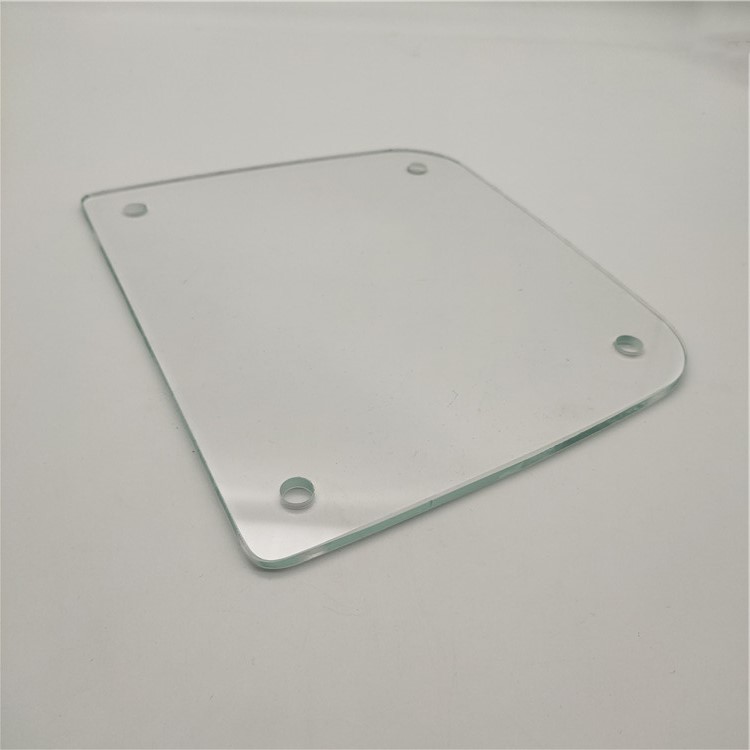
Ultra Clear Tempered Glass Customized Design with Cut Holes for Led Light Cover
Ultra-clear glass with CNC cut holes for sensor apertures, camera windows, light guides and customized equipment cover assemblies.
Review specification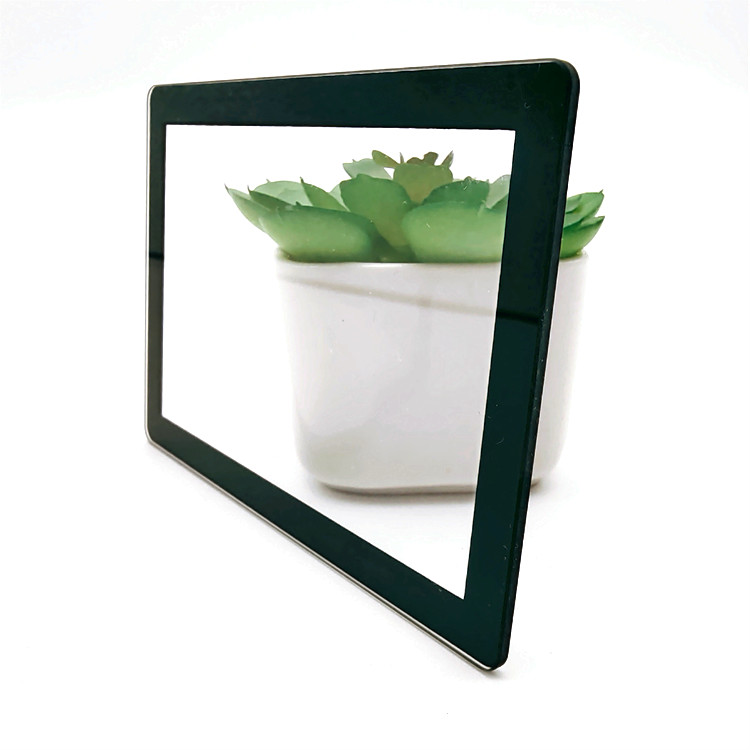
High Quality 0.5mm-6mm Solid Industrial Display Screen Tempered Glass with Printed Design High Strength & Bulletproof Protection
A robust 0.5–6 mm range for HMI windows, display covers and equipment fronts that need printed design and durable surface protection.
Review specification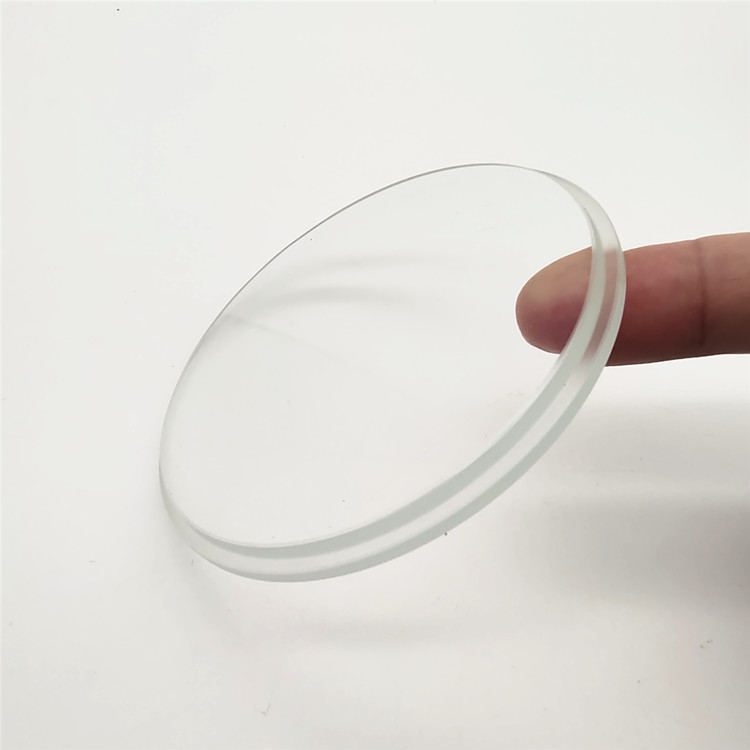
Factory Price 2mm 3mm 4mm 5mm 6mm 8mm 10mm Tempered Step Edge Glass
Step-edge glass can support flush seating and controlled fit inside equipment frames, from 2 mm up to 10 mm depending on the design.
Review specification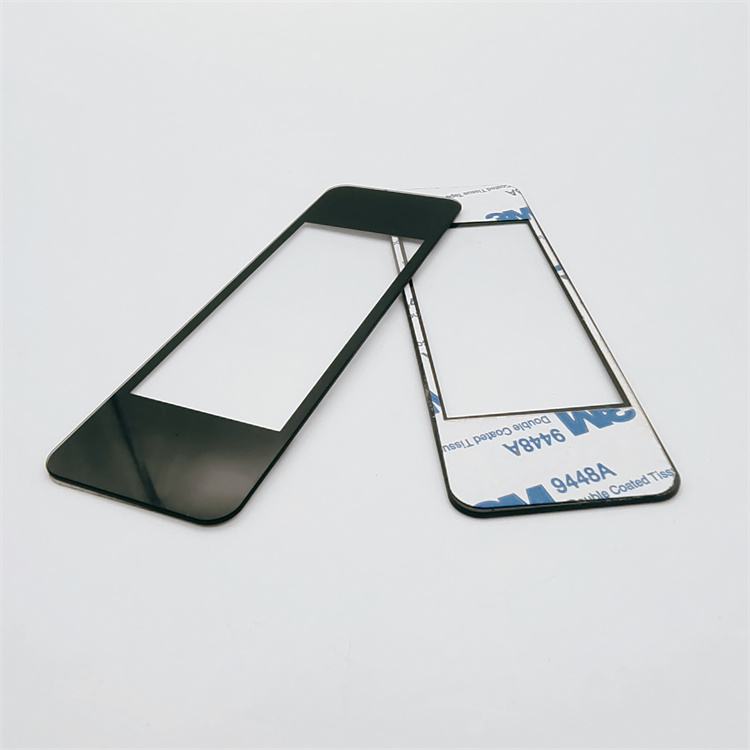
Ultra Thin 1mm Tempered Glass with 3M Tape for Screen Cover Glass
A low-profile option for touch and display assemblies where 1 mm cover glass and adhesive integration help simplify assembly.
Review specification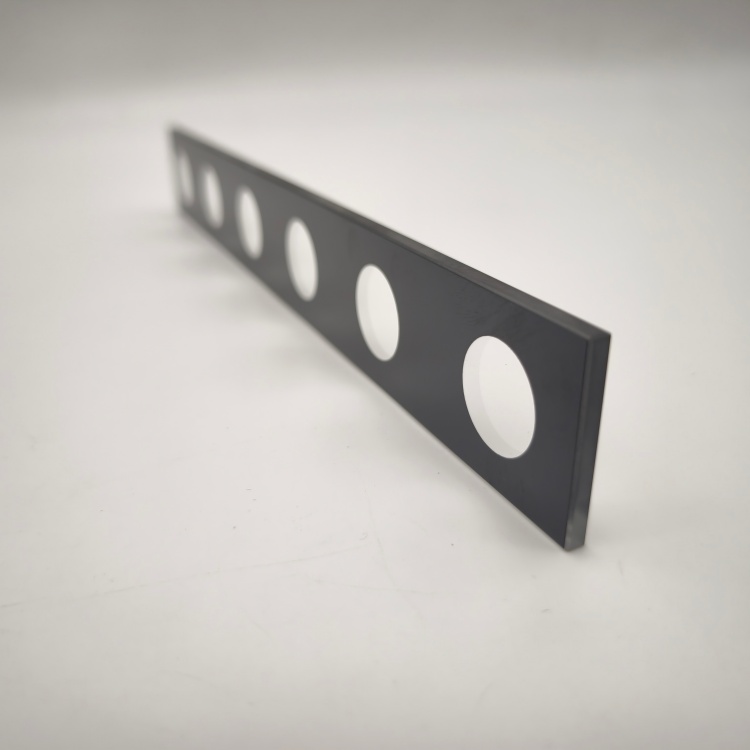
Black Printed Polished Smooth Matte Edge Linear Tempered Glass for LED Wall Washer Light
Black printed linear glass for light-control windows, indicator strips and equipment lighting covers with a smooth matte-edge finish.
Review specification
Customized Ultra Clear 0.5mm 0.7mm Thickness Ultra Thin Tempered Glass
Very thin, low-color glass for compact displays, sensor covers and space-constrained medical device windows.
Review specificationWhat Mexican Buyers Should Expect from an OEM/ODM Medical Display Glass Manufacturer
In a medical display, cover glass is not a generic cut sheet. It is part of the optical stack, the user interface and the equipment enclosure. Reflection, haze, transmission, color neutrality, print alignment, edge quality and dimensional repeatability can influence display readability, assembly yield and the end user’s experience. For Mexican OEMs and contract manufacturers supporting hospitals, laboratories, clinics and home-care devices, those details need to be controlled before production ramps.
A reliable OEM/ODM partner should convert your drawing into a repeatable process route: substrate selection, CNC outline, edge geometry, hole and step machining, thermal tempering, silk-screen or ceramic printing, and AR / AG / AF coating. Each step can alter flatness, coating appearance and breakage risk. That is why the lowest piece price is rarely the lowest total cost when a production line is waiting for a qualified cover glass.
Information gain for procurement teams: ask for the process route, the inspection point at each stage and the assumptions behind the quote. A supplier who can explain how thickness, edge type, printing and coating interact will usually reduce sample iterations and avoid late drawing changes.
- Define whether the glass is a protective window, a printed overlay, a touch cover or part of an optical filter stack.
- Confirm the cleaning agent and disinfection routine early — coating durability should be tested against the actual cleaning process.
- Request a first-article inspection plan before mass production, not after the first shipment reaches Mexico.
Mexico sourcing snapshot
Typical questions from Mexican medical device teams evaluating an overseas glass partner.
AR, AG, AF and Ultra-Clear Glass: A Practical Matrix for Medical Displays
Do not specify a coating by name alone. Specify the problem it must solve, the target optical result and the cleaning or touch environment it must survive.
AR Anti-Reflective
Use when reflections compete with image contrast. Double-sided AR can improve light transmission and reduce the “mirror” effect on monitor covers. Confirm single- versus double-sided coating and the target test method.
AG Anti-Glare
Use when overhead lights, windows or outdoor installations create broad glare. AG diffuses reflected light; haze level should be matched to viewing distance, display resolution and the acceptable loss of image sharpness.
AF Anti-Fingerprint
Use on touch-facing glass where fingerprints, cleaning frequency and glide feel matter. AF is normally a top layer; compatibility with disinfectants and repeated wiping should be confirmed with the actual cleaning protocol.
Ultra-Clear Low-Iron
Use when color neutrality and brightness matter. Low-iron glass reduces the green tint of ordinary float glass, which is especially useful for white or light-colored medical device enclosures and printed windows.
Where Medical Display Glass Is Used Across Mexico
Mexico’s medical device and electronics supply chains often require custom cover glass for equipment assembled for domestic healthcare and North American export programs.
Diagnostic Imaging Displays
Radiology and diagnostic review monitors in Baja California and Mexico City benefit from ultra-clear substrates and controlled AR coating when reflection management is a priority.
Patient Monitoring & Bedside Devices
Patient monitors, vital-sign displays and bedside terminals assembled in Juárez and other border regions often need low-profile cover glass with clean edges and stable print alignment.
Surgical, Dental & Procedure Displays
Procedure-room displays and dental equipment controls may require stronger glass, printed windows and easy-clean surfaces for frequent handling.
Laboratory & Analytical Instruments
Analyzers, sample preparation equipment and bench instruments in Guadalajara and Mexico City often need printed display windows that hide internal light leakage and wiring.
Telemedicine & Digital Signage
Telemedicine kiosks and healthcare signage in Monterrey may combine AR or AG treatment with privacy filters, camera cut-outs and customized mounting holes.
Home-Care & Portable Devices
Portable monitors, sleep therapy devices and home diagnostic tools produced in Querétaro and other manufacturing hubs need thin, durable cover glass with reliable dimensional fit.
Three Local Trends Reshaping Medical Display Glass Procurement
Nearshoring Demands Better Supplier Coordination
As North American medical device production expands in Mexico, purchasing teams are not only comparing unit price. They are asking for earlier engineering input, predictable sample schedules, clear change control and packing that protects glass through multi-leg freight.
Optical Coatings Become a System Choice
Single-function glass is giving way to combined treatments. A diagnostic display may need AR plus an easy-clean surface; an outdoor kiosk may need AG plus AF. The right answer depends on lighting, touch frequency, cleaning agents and the display’s resolution.
Traceability and Revision Control Matter More
Medical device OEMs and contract manufacturers need drawing revisions, lot identification and inspection records to be agreed before purchase orders are released. A glass supplier that treats every drawing revision as a new process review reduces costly mix-ups.



OEM/ODM Engineering Strength from Dongguan Jaswe Glass Co., Ltd.
Dongguan Jaswe Glass Co., Ltd. is a glass processing company based in Dongguan, Guangdong, China, serving buyers in America, Europe and Asia. The company processes custom tempered glass, ultra-clear glass, silk-screen printed glass, switch glass, AR / AG / AF coated glass, electrical equipment glass and LED lighting glass.
For medical display projects, the practical advantage is process depth under one roof: cutting, special-shaped and CNC cutting, edge polishing, hole drilling, tempering, silk-screen and ceramic printing, AG processing and AR / AF coating. That integrated route helps keep quality discussions in one place and reduces the hand-off risk that appears when glass moves between multiple subcontractors.
“Scientific management, careful manufacture, high quality service, striving for excellence” is the operating principle used to support repeat OEM/ODM business.
These figures matter to Mexican buyers evaluating supply risk: a team of more than 80 workers, a monthly output above 200,000 pieces, a 96.61% response rate, an average response time of three hours or less and a 26% buyer reorder rate provide measurable context beyond a brochure claim.
View company profileOptical and Mechanical Process Depth
Tempering, printing, edge finishing and AR / AG / AF coating can be evaluated as one manufacturing system rather than disconnected operations.
Print and Coating Repeatability
Multi-color logos, borders, icons and transparent windows can be matched against approved artwork, with process review before production.
Capacity for Ramp-Ups
With 26 processing machines and 200,000+ pieces per month, the factory can support pilot builds and volume orders from Mexican assembly programs.
Fast Engineering Response
A 96.61% response rate and average reply time within three hours help Mexico-based teams keep RFQs moving across time zones.
Inspection at Critical Stages
Checks at cutting, edging, tempering, printing and coating stages help catch visual and dimensional issues before export packing.
Export-Ready Packing
Interleaved, edge-protected packing is discussed around glass size, coating, handling method and the importer’s unloading process.
Verified operating signals for supplier review
What to Send When Requesting a Medical Display Glass Quote for Mexico
A complete RFQ shortens sample cycles. Use the checklist below to give the factory enough context to recommend a manufacturable process route instead of a generic price.
- Application and display size: monitor, handheld device, instrument window, touch panel or equipment cover.
- Drawing file: DXF, DWG or PDF with outline dimensions, corner radii and tolerances.
- Substrate and thickness: 0.5 mm, 0.7 mm, 1 mm, 2 mm, 3 mm, 4 mm, 6 mm or another agreed range.
- Edge and hole requirements: beveled, flat, step edge, polished, drilled or countersunk.
- Printing detail: Pantone colors, transparent window size, icon artwork and print side.
- Optical treatment: AR, AG, AF or a combination, plus the test method or target sample.
- Cleaning and disinfection routine: chemical contact, wipe frequency and acceptable appearance after testing.
- Annual demand, first sample date, destination in Mexico and preferred packing method.
For regulated programs, align the specification with your quality team before sampling. The supplier can support the manufacturing review, but NOM classification, customs documentation and ISO 13485 obligations should be confirmed by the importer and its regulatory specialists.
Six Checks That Protect a Mexican Assembly Line
Dimensions
Compare outline, corner radius, hole position and step depth against the approved drawing.
Edge Condition
Inspect for chips, cracks, sharp areas and polishing consistency before assembly.
Print Registration
Check window position, ink pinholes, color match and print side under controlled lighting.
Optical Appearance
Compare transmission, haze and reflection against the approved golden sample.
Coating Cleanability
Test with the agreed cleaning agent and wiping method, not a casual fingerprint wipe.
Packing Traceability
Verify lot labels, interleaving, edge protection and carton condition at receiving.
Medical Display Glass Purchasing Questions from Mexican OEMs
Practical answers for procurement, engineering and quality teams comparing an overseas OEM/ODM glass manufacturer.
Are you a manufacturer or a trading company?
Dongguan Jaswe Glass Co., Ltd. is a glass processing company based in Dongguan, China. The factory handles cutting, CNC shaping, edge polishing, drilling, tempering, silk-screen and ceramic printing, AG processing and AR / AF coating. It operates 26 glass processing machines and reports monthly output above 200,000 pieces.
Can you support OEM/ODM medical display glass drawings and private labels?
Yes. Typical customization includes thickness, outline, corner radius, holes, step edges, printed logos and windows, AR / AG / AF coating and packaging. Send a DXF, DWG or PDF drawing with tolerances and expected annual volume so the engineering team can review manufacturability before sampling.
What is the minimum order quantity and how do samples work?
Most custom items start at 100 to 500 pieces depending on size, printing and coating. Standard clear tempered pieces may be available in smaller sample quantities for evaluation. The sample schedule is confirmed after the drawing, materials and optical treatment are reviewed.
How do I choose between AR, AG and AF for a medical display?
Start with the viewing environment. AR reduces surface reflection and can improve contrast. AG diffuses glare from strong ambient light. AF improves the touch surface by resisting fingerprints and making cleaning easier. Combinations such as AG plus AF are common for touch kiosks, while double-sided AR is often evaluated for high-contrast monitor windows.
How is quality controlled before shipment to Mexico?
Inspection can be placed at cutting, edging, tempering, printing and coating stages before packing. The approved drawing, golden sample, inspection method and packing standard should be agreed during the RFQ. For regulated products, the importer should confirm its own regulatory, customs and quality-system requirements.
What should the Mexican importer prepare for shipping and customs?
Confirm the HS code, NOM requirements, customs broker and any product-specific regulatory obligations with the importer’s compliance team. The supplier can provide commercial invoices, packing lists and agreed inspection documents. Shipping method — air, sea or courier — should match order volume, coating sensitivity and the production schedule.
Get an Engineering Review for Your Mexico Medical Display Glass Project
Send your drawing, thickness, edge, printing, coating requirement and estimated annual quantity. The review will focus on manufacturability, optical fit and a practical sample path before mass production.
Inquire Now