8 Custom Square Glass Products for Quezon City Buyers
Quezon City buyers rarely purchase a square glass panel as an isolated object. They buy fit, appearance, cleanability, and installation confidence. The eight products below are a practical shortlist for local product teams—each links to a specific product page, and every specification can be adapted to a drawing, edge finish, printed window, hole pattern, or coating stack. If you are comparing suppliers, use these cards to identify the closest process route, then request a sample and a manufacturability review.
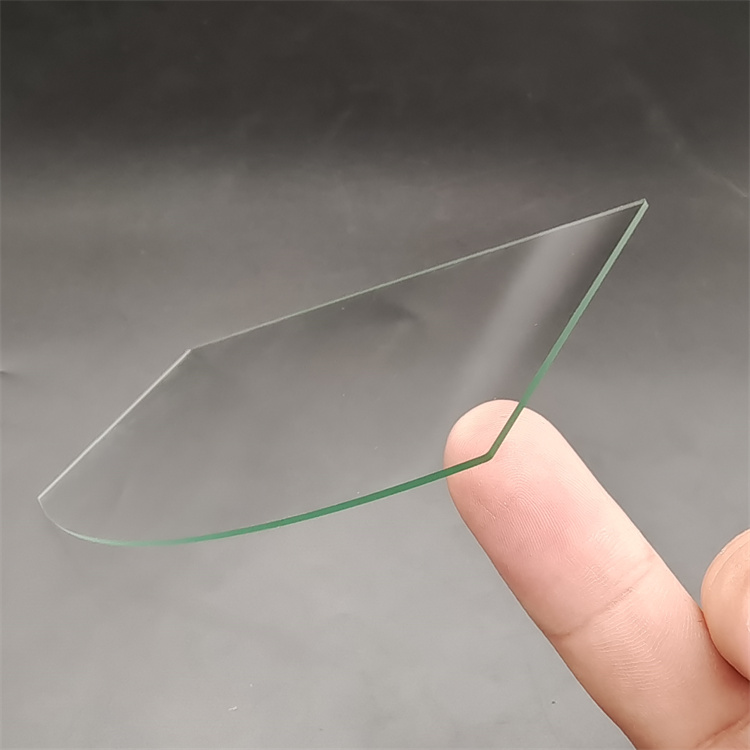
Any Size Custom 0.5/0.7/1/1.5/2/3mm Tempered Glass Screen Protector, Round Rectangle Triangle Customized Tempered Glass OEM ODM
Square, round, or triangular screen windows for small appliances, display modules, and prototype builds where exact size control matters.
View product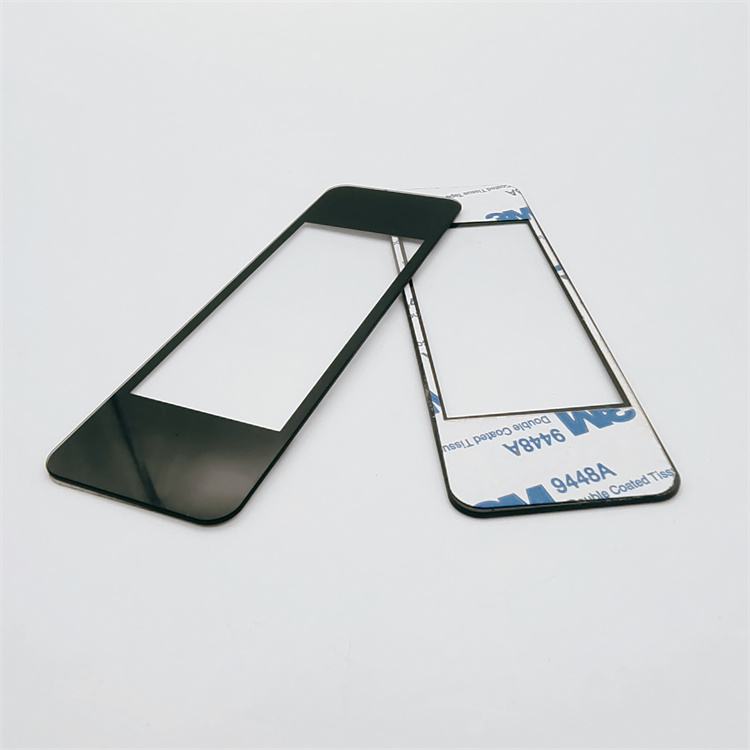
Ultra Thin 1mm Tempered Glass with 3M Tape for Screen Cover Glass
1 mm cover glass with 3M adhesive for sealed display windows, service replacement parts, and compact electronic assemblies.
View product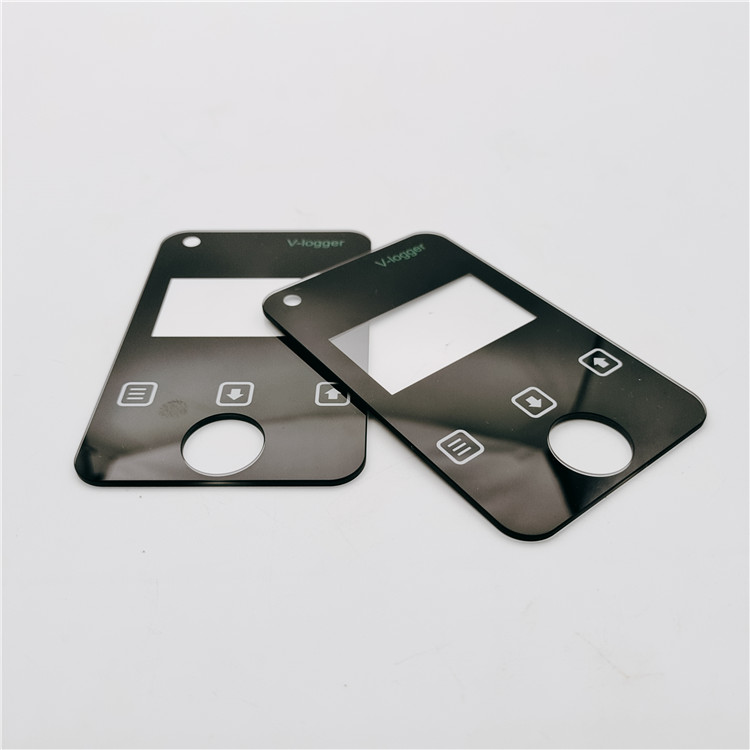
Customized Cut 1mm 2mm 3mm 4mm Instrument Printed Tempered Glass With Holes
Printed instrument glass with CNC holes for control meters, panel meters, equipment windows, and service-access cutouts.
View product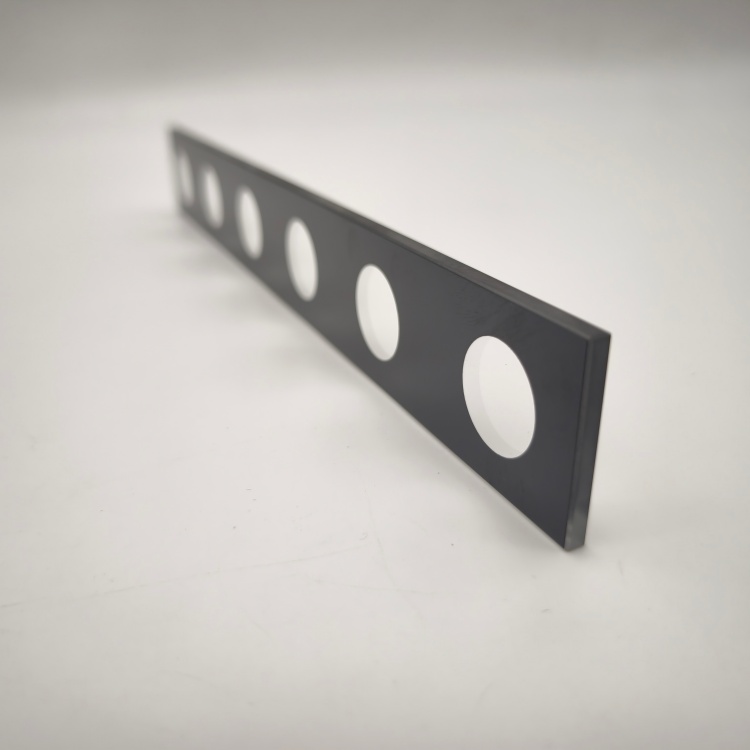
Black Printed Polished Smooth Matte Edge Linear Tempered Glass for LED Wall Washer Light
Linear LED wall washer cover with black print and matte edge detailing to support clean light control and safe handling.
View product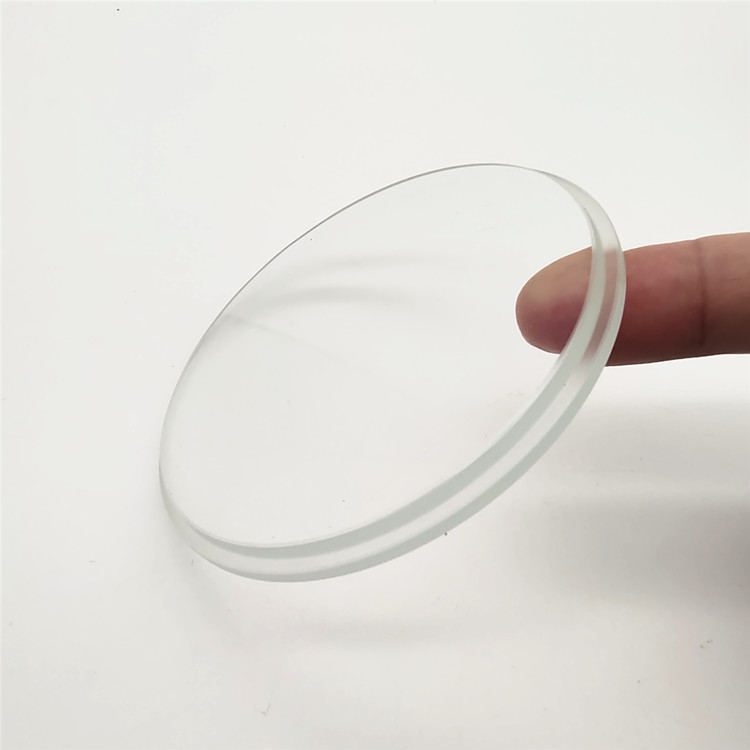
Factory Price 2mm 3mm 4mm 5mm 6mm 8mm 10mm Tempered Step Edge Glass
Step-edge tempered glass in 2–10 mm for fixtures and covers that require a flush, safe edge finish and repeatable dimensions.
View product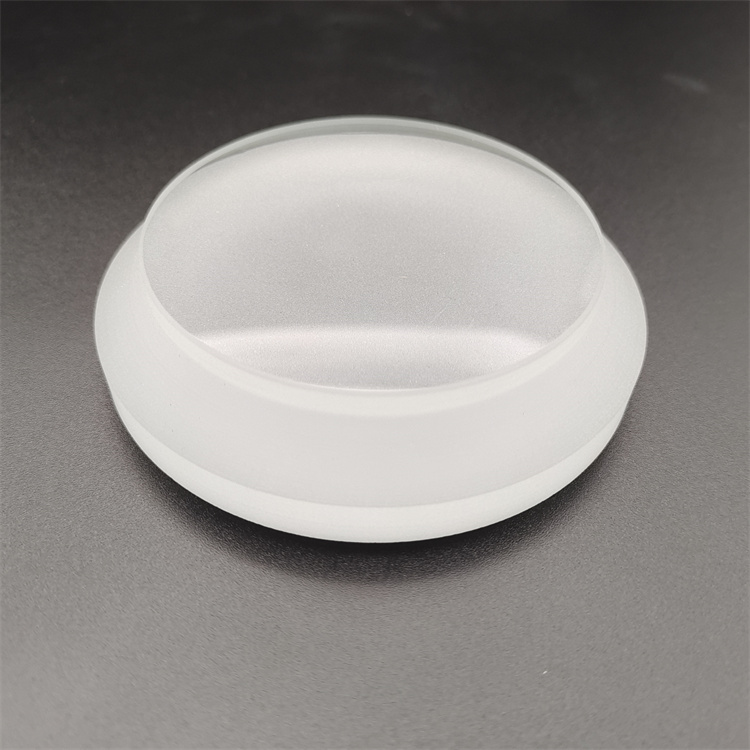
Customized Industrial Lighting Solid Flat Ultra Clear Frosted Tempered Glass with Beveled Step Edge
Ultra-clear frosted industrial lighting glass with a beveled step edge for clean fixture integration and controlled light diffusion.
View product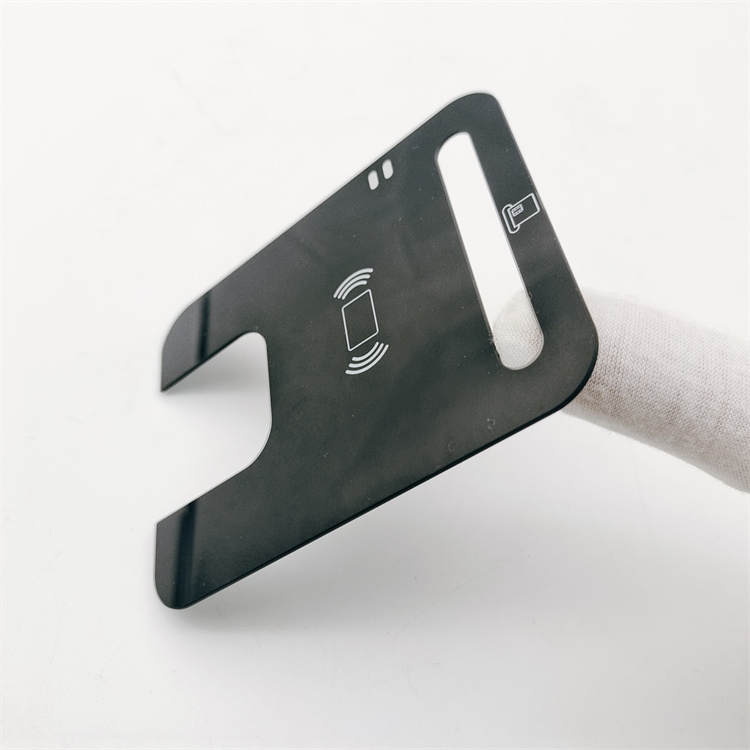
Custom Printed Tempered Glass Panel High Strength Decorative Cover with Hole for Card Reader Instrument
High-strength printed cover with a drilled hole for card readers, kiosks, access-control terminals, and instrument housings.
View product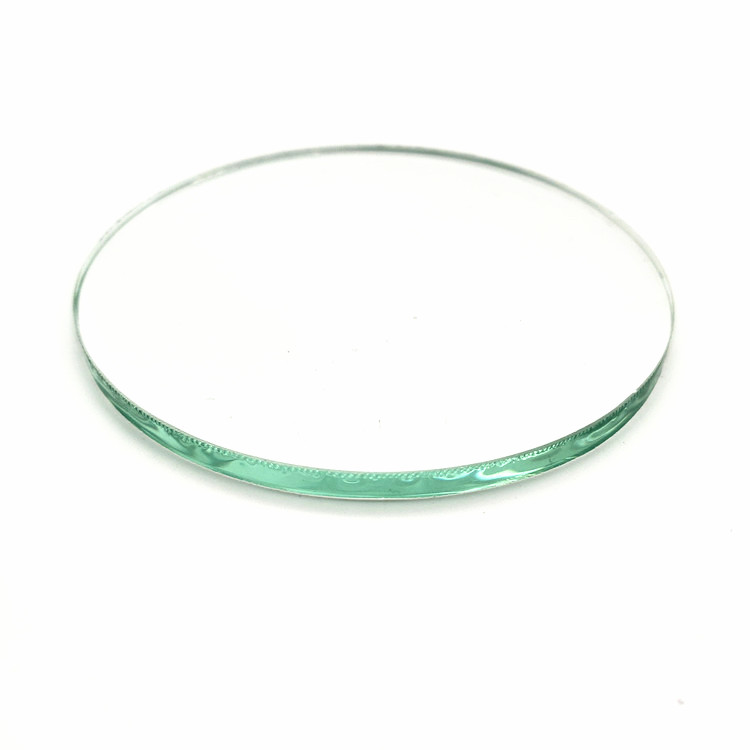
Customized Clear Flat Solid Tempered Glass Pieces 1mm-19mm for Industrial Lighting and Various Applications
A practical clear flat tempered glass base for industrial lighting, general covers, and wholesale programs that need multiple sizes.
View productWhy Square Glass Specification Needs a Local Use Case Before a Price
Quezon City is the Philippines’ largest city by population and a dense mix of retail, education, healthcare, BPO, logistics, and residential renovation. That density creates a wide range of square glass requirements: a mall kiosk in Cubao may prioritize print detail and clean edges; an Eastwood office fit-out may prioritize touch feel and fingerprint resistance; a lighting integrator may prioritize light control and edge quality; a laboratory or industrial buyer may prioritize hole accuracy and dimensional repeatability. A factory quote that ignores the installation context is difficult to compare.
Start with installation reality
Confirm how the panel is mounted, how it is cleaned, how far the viewer stands, and whether the edge is exposed. A square glass panel that is safe inside a framed display window may need a different edge, corner radius, and packing method when it is handled daily in a service counter or kiosk.
Separate visual glass from functional glass
Ultra-clear glass, AR, AG, AF, and printed masks solve different problems. AR improves contrast by reducing reflection; AG diffuses glare; AF improves touch cleanability; printed ceramic or silk-screen layers hide wiring and create display windows. Combining them without a sample approval process can create a visually acceptable but functionally poor result.
Compare total landed cost, not only unit price
For Quezon City buyers, the real cost includes sample cycles, communication delays, breakage risk, packing labor, replacement policy, and specification drift between production lots. Ask for a stable specification sheet, approval samples, and export packing details before comparing quotations from different factories or wholesalers.
Where Square Glass Is Used in Quezon City and Metro Manila
The applications below are common starting points for local OEMs, fabricators, lighting integrators, and wholesale buyers. They are not claims of specific installed projects; they are practical use cases that help define thickness, edge, printing, and coating requirements before an RFQ is sent.
Retail, Mall, and Showroom Displays
Display case covers, signage windows, self-service screens, and card reader covers in Cubao, North EDSA, and surrounding commercial areas. Visual consistency, clean edges, and scratch-resistant packing matter more than raw glass thickness.
LED Lighting and Architectural Signage
Linear wall washers, downlights, illuminated signage, and fixture covers. Black printed borders, frosted surfaces, and matte edge treatments help control light leakage and improve the finished appearance of the fixture.
Smart Home, Condo, and Hotel Renovation
Touch switch plates and control panels for residential towers and hospitality upgrades in Katipunan, Timog, Commonwealth, and nearby districts. AF-coated surfaces and stable print colors support daily touch use and repeated cleaning.
BPO, Office, and Access-Control Fit-Outs
Card readers, kiosks, HMI covers, and security terminals. AR or AG glass can improve readability under mixed indoor lighting, while CNC holes and printed windows keep the interface aligned with the housing.
Industrial, Laboratory, and Instrumentation
Instrument windows, meter covers, equipment display openings, and printed glass with holes. Hole position, corner radius, step-edge profile, and dimensional tolerance should be reviewed together before tempering.
Appliance and Food-Service Controls
Control panels for kitchen and service equipment, appliance display covers, and equipment interfaces. Confirm the cleaning chemicals and wiping method—tempered glass is strong, but printed inks and coatings still need compatible maintenance.
Procurement Signals Shaping OEM/ODM Square Glass Demand
Quezon City’s commercial and residential renewal cycles reward suppliers who can support both appearance-driven and performance-driven glass specifications. These four signals are useful when planning a 2025–2026 product line or wholesale program.
LED retrofit and facade lighting upgrades
As commercial buildings and signage owners refresh lighting, more projects ask for printed glass covers with consistent light transmission, controlled borders, and clean matte edges. Fixture makers benefit from a factory that can keep the same print and edge specification across repeat orders.
Touch-first interfaces and smart switches
Smart switches, kiosks, access-control terminals, and appliance interfaces are moving toward glass surfaces. AF coating for fingerprints, AR coating for contrast, and AG treatment for glare are increasingly requested together—so sample testing and cleaning instructions become part of the product design.
Smaller mixed runs and faster model changes
Wholesalers and OEMs need fewer dead-stock risks and faster transitions between models. A practical supplier should support version-controlled drawings, mixed-size packing, and consolidated shipments to Manila without forcing every model into a large single run.
Climate and maintenance discipline
Humid tropical conditions, frequent cleaning, dust, and strong ambient light make edge quality, coating durability, and packing important. Specify the cleaning method, avoid abrasive pads on printed or coated surfaces, and use moisture-aware export packing for sea freight.
Square Glass Selection Guide: Thickness, Edge, Printing, and Coating
Use this matrix before requesting a price. It is written for buyers comparing OEM/ODM quotations, not as a replacement for engineering review. Final choices depend on the housing design, installation method, cleaning regime, and target service life.
| Specification decision | Confirm in the RFQ | Why it matters for Quezon City buyers |
|---|---|---|
| Thickness and panel size | 0.5–1 mm for small display windows; 2–4 mm for touch and LED covers; 5–19 mm for heavier industrial applications. Confirm unsupported span and mounting method. | Thinner glass lowers weight but increases handling sensitivity. Larger square panels need more attention to flatness, packing, and installation support. |
| Corner radius and edge finish | Pencil, flat, beveled, step, polished, or matte edge; corner radius; edge-chip acceptance level. | Exposed edges are handled during installation and cleaning. A polished or step edge can reduce chip risk and improve the perceived quality of the finished product. |
| Holes and cutouts | Hole diameter, position tolerance, hole-to-edge distance, countersink requirement, and whether drilling happens before tempering. | Card readers, instruments, and control panels depend on hole alignment. Poor hole placement can cause assembly failure or breakage during tightening. |
| Tempering | Thermal tempering after cutting, drilling, and edge work; fragmentation and flatness expectations. | Tempered glass is specified for strength and safer breakage behavior. Post-tempering drilling is not a normal production route and should be avoided at the design stage. |
| Printing and display windows | Pantone colors, black mask opacity, transparent window size, icon registration, and whether ceramic or silk-screen printing is required. | Print quality affects branding, light blocking, and sensor or display visibility. Provide artwork and limit samples so the approved appearance is measurable. |
| AR, AG, and AF coating | Single- or double-sided coating, gloss or haze level, fingerprint resistance, cleaning chemical compatibility, and test method. | AR reduces reflection, AG diffuses glare, and AF improves touch cleanability. Tropical humidity and frequent wiping make coating durability and cleaning instructions especially important. |
| Packing and approval samples | Interleaved paper, edge protectors, moisture barrier, carton strength, pallet pattern, approval sample, and inspection record. | Sea freight to Manila and local handling in Quezon City can expose glass to vibration and humidity. Packing is part of the specification, not an afterthought. |
Tell the factory which requirement is fixed and which can be optimized. A good engineering review may suggest a different corner radius, edge profile, or coating combination to reduce cost without harming the user experience.
What to put in a Quezon City square glass RFQ
Drawing file
DXF, DWG, PDF, or a dimensioned sketch with square/rectangular outline, corner radius, holes, and cutouts.
Application and environment
Display window, touch panel, LED fixture, switch plate, or instrument cover; indoor/outdoor exposure and cleaning method.
Dimensions and tolerances
Length, width, thickness, flatness expectation, hole position tolerance, and critical assembly dimensions.
Edge, hole, and printing
Edge profile, hole diameter, countersink, Pantone colors, transparent window size, and icon or logo artwork.
Coating and performance
AR, AG, AF, single- or double-sided coating, target haze or reflection, and the test method you will use for approval.
Volume and delivery
Sample quantity, annual demand, batch size, target port or forwarder, Incoterms, and required delivery window.
Glass Processing Capability Behind the Quotation
Dongguan Jaswe Glass Co., Ltd. is a glass processing factory in Dongguan, Guangdong, China. The company supplies custom tempered, ultra-clear, silk-screen printed, AR / AG / AF-coated glass for displays, touch panels, LED lighting, switches, and electrical equipment. For Quezon City buyers, the practical advantage is not a slogan; it is the ability to keep cutting, CNC shaping, edge polishing, hole drilling, tempering, printing, and coating under one quality system.



The factory reports more than 80 skilled workers, 26 glass processing machines, monthly output above 200,000 pieces, an average response time within 3 hours, a 96.61% response rate, and a 26% buyer reorder rate. Available company profile data also lists 51–100 employees, annual revenue of US$2.5M–US$5M, main markets in America, Europe, and Asia, and on-site verified supplier status of six years. These figures should be confirmed against the current supplier profile before a production order is placed.
The quality argument is process control: a square glass panel that is cut, edged, drilled, printed, tempered, and coated under one roof has fewer hand-off risks than a panel that moves between subcontractors. That matters when a Quezon City buyer needs the same panel across repeat lighting, appliance, or kiosk programs.
Ask for current certificates, sample approval records, and inspection reports for your purchase order. A responsible supplier should welcome verification rather than hide behind a generic catalogue page.
Precision & CNC Cutting
Automatic cutting plus CNC shaping for square, rectangular, round, notched, and irregular outlines.
Edge Polishing
Pencil, flat, beveled, stepped, and matte edges for safe handling and clean appearance.
Hole Drilling
Holes and countersinks for buttons, sensors, cameras, knobs, and mounting screws.
Thermal Tempering
Tempering furnace strengthening for impact resistance and safer breakage behavior.
Silk Screen & Ceramic Printing
Multi-color logos, icons, borders, and display windows with color matching.
AG Anti-Glare Processing
Diffused matte surface that keeps displays readable under strong ambient light.
AR Anti-Reflective Coating
Optical coating that lowers reflection and raises light transmission for brighter displays.
AF Anti-Fingerprint Coating
Oleophobic top layer for touch surfaces—smoother glide, fewer smudges, easier cleaning.
Five steps from drawing to delivery
Send Requirements
Drawing, thickness, edge, printing, coating, and annual volume.
Engineering Review
Manufacturability check and process route before sampling.
Sampling
Physical samples for fit, color, and optical approval.
Mass Production
Batch production with in-process inspection at each station.
Packing & Shipping
Interleaved, edge-protected export packing for safe transit.
Common Questions from Quezon City Glass Buyers
These are the questions that most often appear in first-round RFQs from Philippine OEMs, lighting suppliers, appliance brands, and wholesale buyers. Clear answers reduce sample cycles and avoid mismatched expectations.
Do you supply OEM/ODM square glass to Quezon City, or only standard sizes?
What is the minimum order for a custom square glass panel?
Which thickness and edge should I choose for a humid local environment?
Can you print logos, icons, borders, and transparent windows on square glass?
How do you reduce breakage when shipping square glass to Manila and Quezon City?
What is the fastest way to start a Quezon City OEM/ODM square glass RFQ?
Ready to Compare Square Glass Specifications for Quezon City?
Share your drawing, application, annual quantity, and target installation date. Our engineering team will review thickness, edge, hole, printing, coating, and packing requirements before a sample is made—so the first quotation is useful, not just fast.
Inquire NowOEM / ODM square glass · Tempered · Printed · AR / AG / AF coated · Export packing for Metro Manila deliveries