Eight Optical Glass & Coated Glass Products for Surabaya Sourcing
These eight product families cover the custom glass requests most commonly reviewed for East Java assembly, lighting and control-panel programs. Every item links to its original product page; coating stack, printing, edge profile and packaging are confirmed against your drawing before quotation.
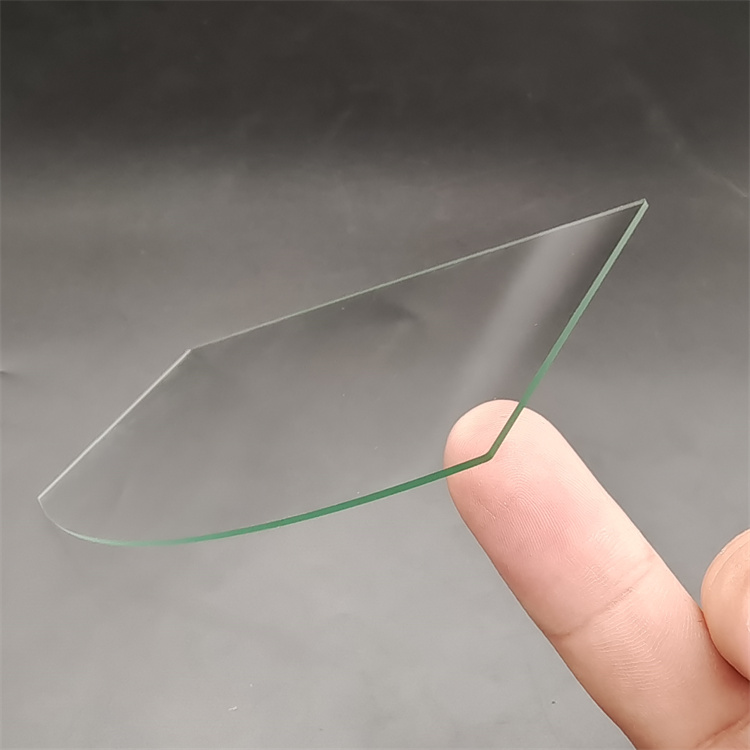
Any Size Custom 0.5/0.7/1/1.5/2/3mm Tempered Glass Screen Protector, Round Rectangle Triangle Customized Tempered Glass OEM ODM
Round, rectangle and triangle shapes in 0.5–3 mm for electronics, instruments and display protection projects.
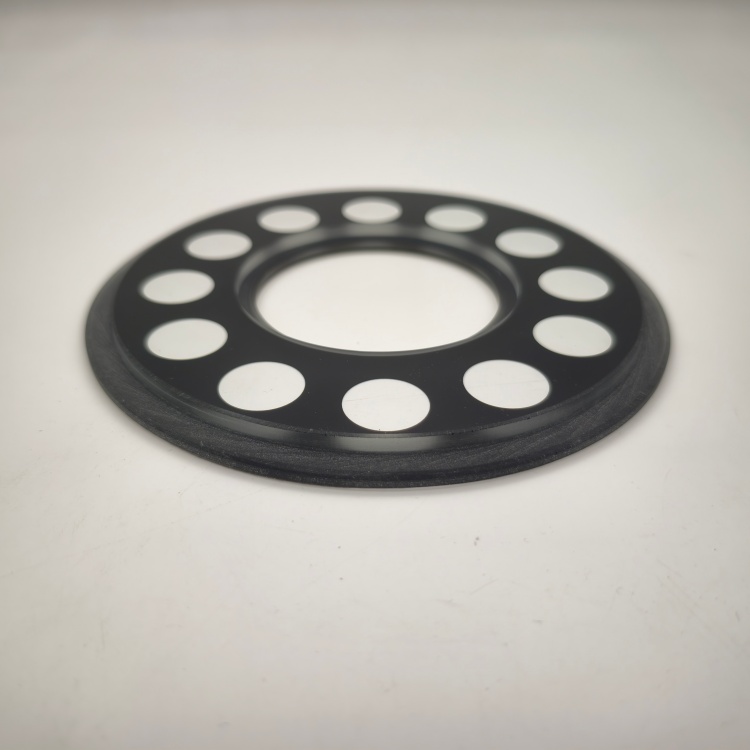
Factory Customized Round Hole Inner and Outer Double Step Edge Printed Tempered Glass for LED Lighting
Double-step edge and printed tempered glass for LED fixtures that need clean light windows and reliable assembly.
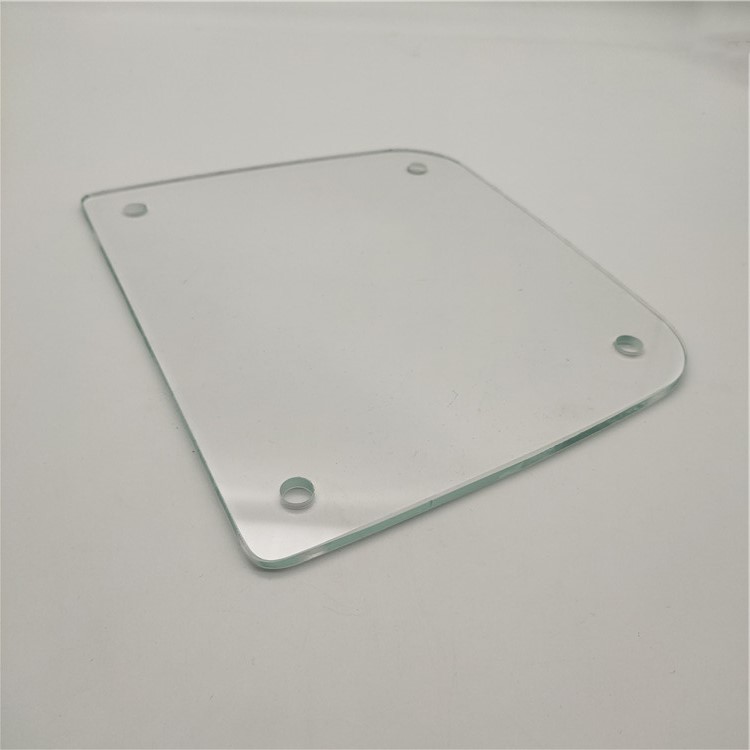
Ultra Clear Tempered Glass Customized Design with Cut Holes for Led Light Cover
Low-iron cover glass with CNC cut holes for LED light covers, indicator windows and high-clarity lighting fixtures.
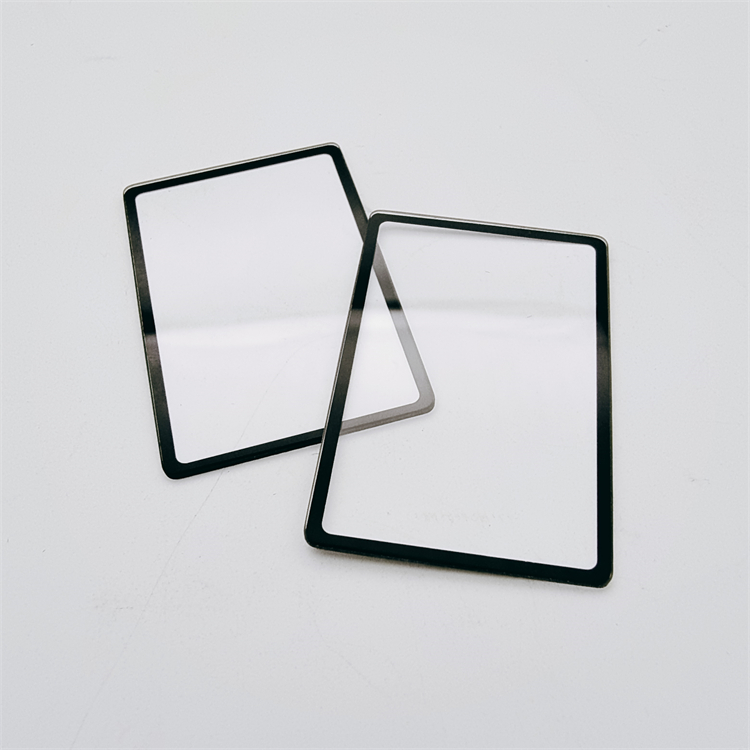
0.5mm 0.7mm 1mm 2mm 3mm Good Price OEM Wholesale Custom Premium Silk Screen Printing Tempered Glass Display Screen Industrial
Industrial display screen glass with multi-color silk printing, display windows and scratch-resistant tempered surfaces.

Custom Extra White 0.5mm 1mm 1.5mm 2mm Low Iron Tempered Glass Chemical Strengthened
Extra-white glass in 0.5–2 mm for display and lighting covers where green tint and visual clarity matter.
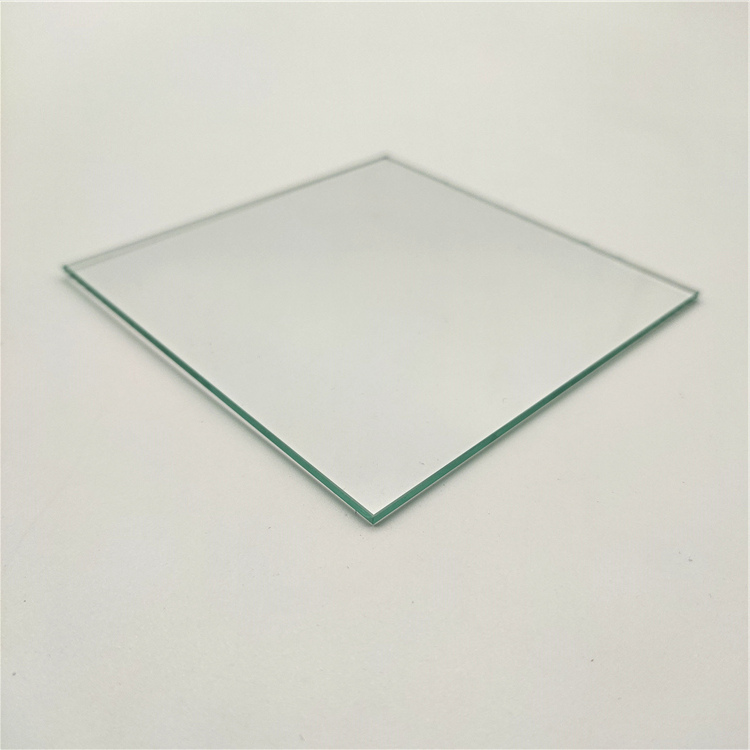
Fast Delivery Custom 1mm clear Glass Sheet
A practical 1 mm clear glass option for sampling, urgent replacement and compact cover-glass programs.
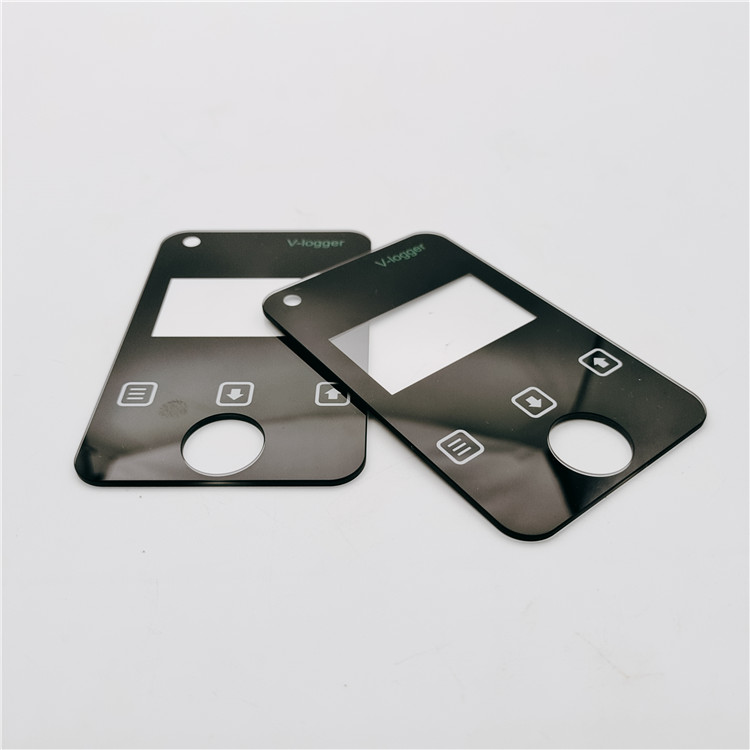
Customized Cut 1mm 2mm 3mm 4mm Instrument Printed Tempered Glass With Holes
Printed tempered cover glass with drilled holes for meters, control panels and electrical equipment windows.

Customized Small Size 3mm 4mm 5mm 6mm Beveled Edge Tempered Glass
Small-format 3–6 mm tempered glass with beveled edges for switches, appliances and decorative control surfaces.
Production Depth Behind the Surabaya Service Promise
Optical coating quality is easier to trust when the manufacturing base is visible. These figures reflect the operating profile published for Dongguan Jaswe Glass Co., Ltd.
Optical Glass Coating Manufacturer Selection for Surabaya: What Matters Beyond the Coating Name
Searching for optical glass coating manufacturers & a manufacturer serving the Surabaya market usually returns a long list of suppliers. The harder question is whether the selected glass will still perform after it leaves Dongguan, crosses the Java Sea through Tanjung Perak, and enters a humid, sun-exposed assembly or installation environment in East Java.
Surabaya is not only a destination city; it is the gateway to East Java’s manufacturing corridor. Buyers in Surabaya often coordinate requirements for Sidoarjo, Gresik, Pasuruan, Mojokerto and the SIER industrial estate. A coating specification that looks acceptable in a catalog may need adjustment when the end product is an outdoor kiosk, a smart wall switch in a humid interior, an LED fixture, or an industrial HMI on a factory floor.
Dongguan Jaswe Glass Co., Ltd. approaches the Surabaya market as a custom glass processing partner, not a catalog seller. That means the quotation should start with the end use, the optical target, the touch condition, the printing layout and the shipping route. The useful information gain is not another list of coating definitions. It is the discipline of matching the optical stack to three variables: viewing distance, ambient luminance and touch frequency — plus one practical variable, cleaning protocol.
Viewing Distance
Fine haze can improve outdoor legibility at several metres, but may soften small UI text at close range. Specify distance before choosing AG.
Ambient Luminance
Equatorial daylight and bright factory lighting change the AR/AG balance. The coating should be selected against the real installation light.
Touch Frequency
AF is most useful on surfaces touched daily — POS terminals, smart switches, HMI screens and interactive kiosks.
Cleaning & Exposure
Humidity, salt air and cleaning chemicals influence edge protection, packaging and whether additional durability testing is needed.
| Optical Glass Type | Problem It Solves | Best-Fit Surabaya Scenario | Engineering Note |
|---|---|---|---|
| AR Anti-Reflective | Reduces surface reflection and increases light transmission for clearer contrast. | Display windows, industrial monitors, medical or testing equipment, premium appliance panels. | Discuss single- versus double-sided coating; double-sided usually gives the larger optical gain. |
| AG Anti-Glare | Diffuses reflected light so the display remains readable under strong ambient light. | Outdoor kiosks, digital signage, vehicle interfaces and bright factory-floor HMIs in East Java. | Choose haze level by viewing distance and screen resolution; sample approval is recommended. |
| AF Anti-Fingerprint | Oleophobic top layer reduces smudge adhesion and makes touch surfaces easier to clean. | Capacitive touch panels, smart wall switches, POS terminals and hospitality control screens. | Apply as a final layer over AR or AG for touch products; pair with a clear cleaning instruction. |
| Ultra Clear Low-Iron | Removes the green tint of standard float glass so colors look truer. | LED lighting covers, premium appliance panels, high-clarity display windows. | Approve printing color against low-iron substrate to avoid edge-tone differences. |
| Silk-Screen Printed Tempered | Hides wiring, adds logos, icons, borders and transparent display windows. | Switch plates, appliance controls, instrument panels and electrical equipment windows. | Send Pantone references, window dimensions and hole positions with the drawing. |
| Ceramic Printed LED Glass | Provides durable printed borders and light control on lighting covers. | Downlights, panel lights, linear fixtures and architectural lighting in Surabaya projects. | Confirm ink system, thermal exposure and edge treatment during engineering review. |
Final optical values depend on glass thickness, substrate and coating stack; sample testing is recommended before mass production.
Application Scenarios in Surabaya and East Java
The same coated glass specification can behave differently in a showroom, a coastal building, a factory floor and a retail counter. These are the most practical starting points for Surabaya buyers.
Outdoor Kiosks & Digital Signage
AG + AF coated cover glass can improve readability in Surabaya’s bright outdoor light while reducing fingerprints on interactive panels. Specify printed black borders, edge sealing and the AR/AG trade-off against the real viewing distance.
Smart Switches & Control Panels
AF-treated glass, silk-printed icons and tempered strength suit smart wall switches for apartments, hotels and offices. In humid interiors, edge quality, printing adhesion and packaging protection matter as much as the surface coating.
LED Lighting & Architectural Fixtures
Ultra clear low-iron glass, ceramic printing and CNC holes support downlights, panel lights, wall washers and linear fixtures. Lighting brands in East Java often require clean light windows, consistent print coverage and safe edge finishing.
POS, Retail & Restaurant Touch Screens
High-touch environments benefit from a 0.5–2 mm chemically strengthened or tempered cover with AR + AF. The goal is clear readability, fewer smudges and a surface that can be cleaned repeatedly without visual haze.
Industrial HMI in Gresik, Sidoarjo & Pasuruan
Factory floors are bright, dusty and often wash-down sensitive. Tempered 3–6 mm glass with printed windows, drilled holes, AR/AG treatment and protected edges can support meters, control panels and machine interfaces.
Appliance Control Panels
For East Java appliance assembly, 1–4 mm silk-screen printed tempered glass can combine logos, icons and transparent windows in one part. Color matching, print registration and flatness are usually more important than marketing-sheet thickness claims.
Surabaya Market Trends in Optical Coated Glass
Procurement signals from East Java point to a shift from generic cut glass toward engineered optical surfaces, with more attention to sample approval and shipment protection.
Port-Led Sourcing & Landed Cost
With Tanjung Perak as the main gateway, Surabaya buyers increasingly compare landed cost — including export packing, documentation and forwarder coordination — rather than FOB price alone.
From Clear Glass to Optical Surfaces
Display, smart switch and LED projects are moving from simple clear panels to AR, AG and AF treated cover glass, because the end customer notices reflection, glare and fingerprints.
Humidity, UV & Coastal Exposure
The tropical climate makes durability discussions practical: edge protection, interleaving, desiccant and sample validation for coatings are now normal parts of technical review.
Local Assembly & Replacement Demand
LED lighting, home appliances, smart home controls and industrial panels create repeat orders and replacement needs, making consistent batch-to-batch appearance a sourcing priority.
Why Jaswe Glass Is a Practical Optical Glass Coating Manufacturer for Surabaya Buyers
Dongguan Jaswe Glass Co., Ltd. keeps the critical glass processes under one roof so that coating, printing, tempering and edge quality are reviewed together rather than in isolated subcontractor steps.
One-Roof Custom Processing
Cutting, special-shaped and CNC cutting, edge polishing, hole drilling, tempering, silk screen and ceramic printing, AG processing and AR/AF coating are handled in-house.
AR / AG / AF Coating Know-How
For Surabaya display and touch projects, the engineering team can review single- or double-sided AR, AG haze levels and AF top layers as a combined optical stack.
Production Capacity
With 26 glass processing machines and more than 80 workers, monthly output exceeds 200,000 pieces of processed glass — a useful base for both sampling and volume orders.
Fast Engineering Replies
The trade profile shows an average response time within 3 hours, a 96.61% response rate and a 26% buyer reorder rate — practical indicators for overseas buyers comparing suppliers.
Export Experience
Main markets include America, Europe and Asia. The company is listed at 51–100 employees with annual revenue of US$2.5M–US$5M and on-site verified supplier status for six years.
Quality & Export Packing
Inspection is applied across cutting, edging, tempering, printing and coating stages. Edge-protected export packing can be prepared for sea freight to Tanjung Perak or a buyer-nominated forwarder.

Manufacturer Snapshot: Dongguan Jaswe Glass Co., Ltd.
Dongguan Jaswe Glass Co., Ltd. is located at Room 202, Building 1, No. 14 Weige Road, Shipai Town, Dongguan, Guangdong, China. The company processes custom tempered, ultra clear, silk screen printed, AR, AG and AF coated glass for displays, touch panels, LED lighting, switches and electrical equipment.
The working principle stated by the company is: “Scientific management, careful manufacture, high quality service, striving for excellence.” For Surabaya buyers, that principle is most useful when it appears in the details: drawing review, sample approval, printing registration, edge quality, coating consistency and packing protection for the sea route.
- LocationDongguan, Guangdong, China
- Employees51–100 people
- Annual RevenueUS$2.5M–US$5M
- Main MarketsAmerica, Europe, Asia
- Equipment26 machines incl. tempering furnace
- Supplier StatusOn-site Verified · 6 Years
From Drawing to Tanjung Perak: Four Steps for a Surabaya Custom Glass Order
A predictable process reduces the risk that coating performance, print appearance or dimensional fit is discovered too late.
Send Requirements
Provide drawing (DXF, DWG or PDF), thickness, edge type, hole positions, printing colors, coating requirement, end application and estimated annual volume.
Engineering Review & Sampling
Jaswe engineers review manufacturability and process route. Physical samples can be made for fit, color and optical approval before mass production.
Production & Inspection
Cutting, edge polishing, drilling, tempering, printing and coating are controlled in sequence, with inspection at key stages before packing.
Export Packing & Shipment
Interleaved, edge-protected packing is prepared for sea freight. Shipping documents, Incoterms and forwarder details are confirmed at quotation.
Surabaya Buyer FAQ: Optical Glass Coating Procurement
These are the questions most often raised by overseas buyers comparing optical glass coating manufacturers for Indonesian supply programs.
Are you a manufacturer or a trading company?
Can you supply buyers in Surabaya and East Java?
Which coating should I choose for outdoor signage in Surabaya?
What glass thickness can be processed?
What is the minimum order quantity for custom coated glass?
Can AR, AG and AF be combined on one cover glass?
How are humidity and sea-freight risks considered?
What files do I need to send for quotation?
Request an Optical Coating Recommendation for Your Surabaya Project
Send your drawing or describe your application. The engineering team reviews manufacturability and coating fit before samples are made.
Helpful details: end product, use environment, target thickness, printing colors, touch condition and whether you need AR, AG, AF or a combined stack.