Eight Custom Optical Glass Products for San Antonio Wholesale Programs
These are not catalog-only stock panels. Each item is processed to a buyer drawing and can be specified by thickness, outline, edge profile, drilled holes, printing color, tempering condition, and optical coating. For San Antonio distributors and OEMs, the practical advantage is a single factory source for tempered cover glass, low-iron display glass, screen protectors, LED lighting glass, and printed control panels.
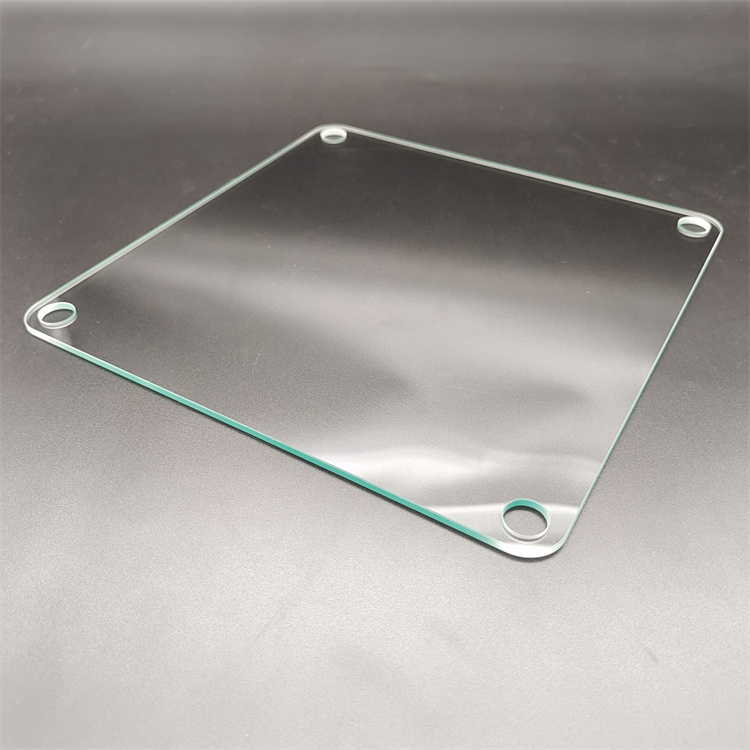
Factory Sale Customized Shape Decorative Glass Cover Hole Drilling Glass Panel Soda-lime Tempered Glass Sheet With Holes
Decorative cover glass · soda-lime tempered sheet · CNC holes and custom outline.

Custom Extra White 0.5mm 1mm 1.5mm 2mm Low Iron Tempered Glass Chemical Strengthened
Extra-white low-iron glass · thin cover glass · chemical strengthening options.
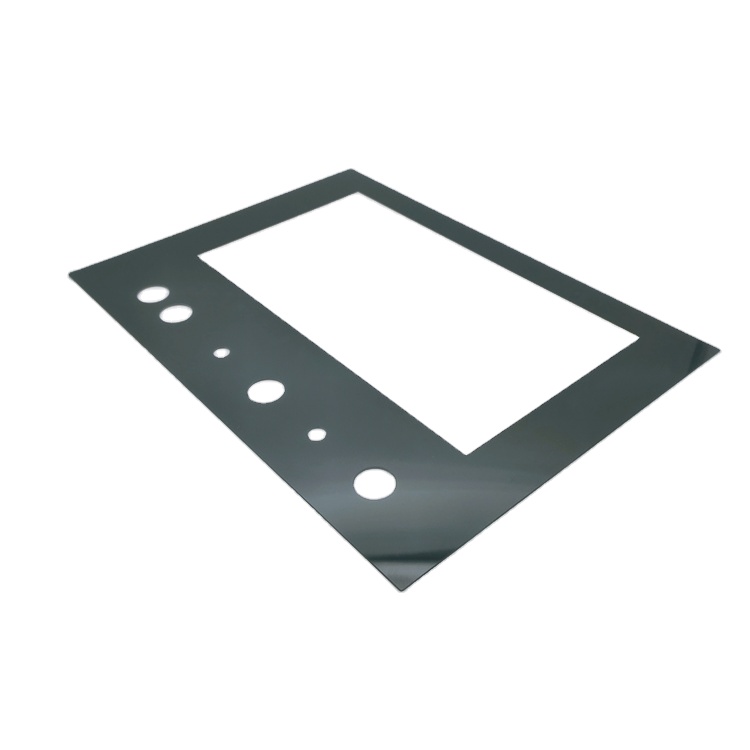
Customized Printed 0.5-6mm Thickness Flat Tempered Glass Screen Protector with Cut Holes
Printed flat glass · 0.5–6 mm · cut holes, display windows, and icon masking.
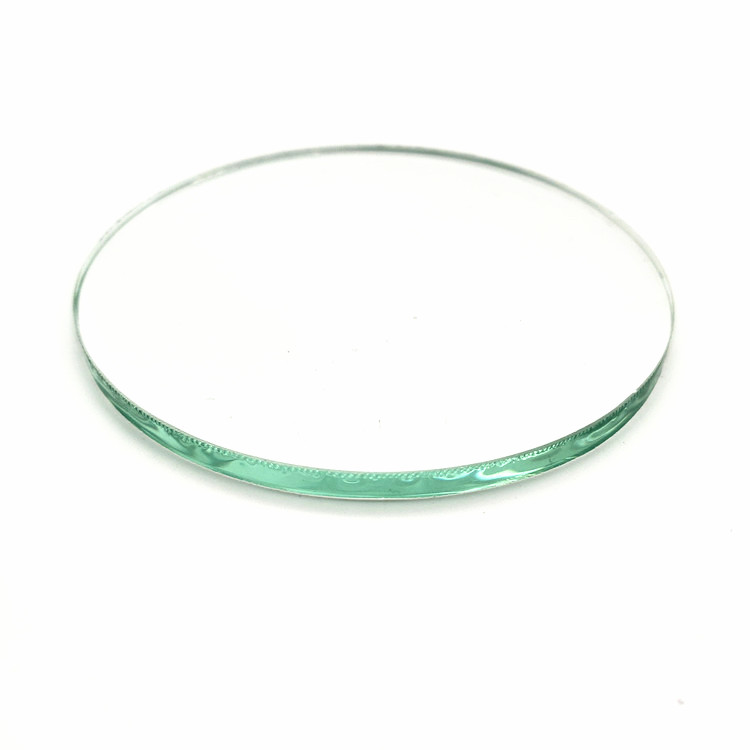
Customized Clear Flat Solid Tempered Glass Pieces 1mm-19mm for Industrial Lighting and Various Applications
Clear flat tempered glass · 1–19 mm · industrial lighting and equipment windows.
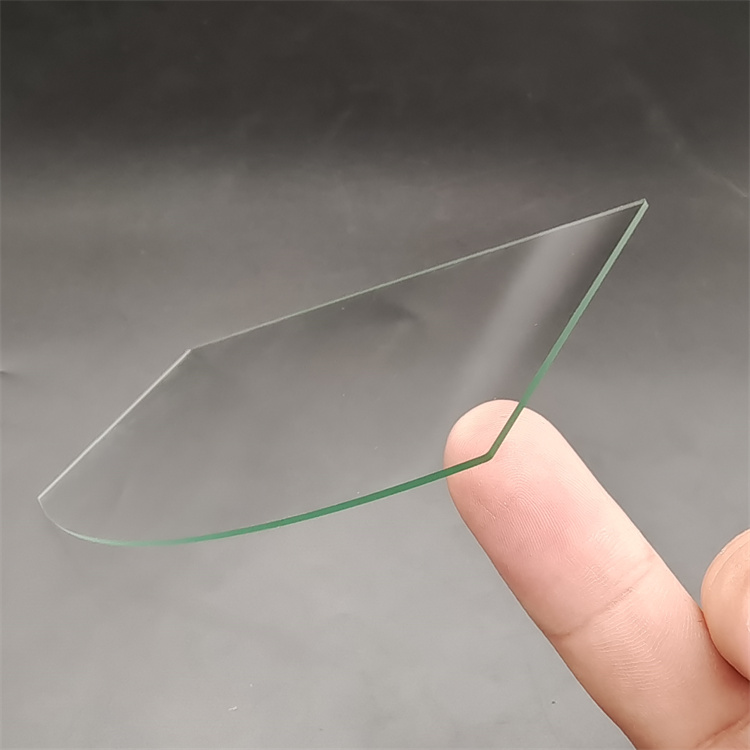
Any Size Custom 0.5/0.7/1/1.5/2/3mm Tempered Glass Screen Protector,Round Rectangle Triangle Customized Tempered Glass Oem Odm
Any-size screen protector · round, rectangle, triangle · OEM/ODM shapes.

Customized Industrial Lighting Solid Flat Ultra Clear Frosted Tempered Glass with Beveled Step Edge
Ultra-clear frosted glass · beveled step edge · lighting and industrial covers.
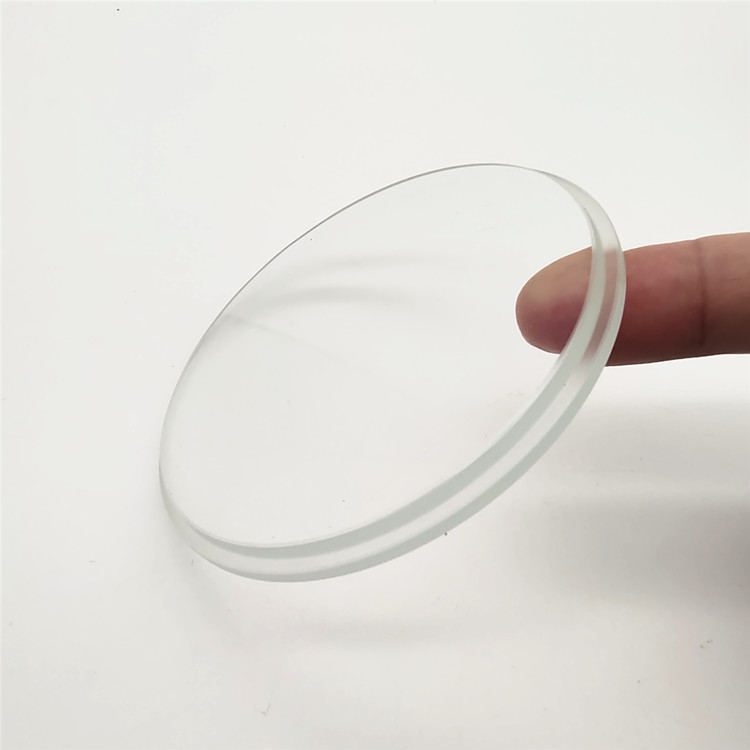
Factory Price 2mm 3mm 4mm 5mm 6mm 8mm 10mm Tempered Step Edge Glass
2–10 mm tempered glass · step-edge processing · factory wholesale pricing.
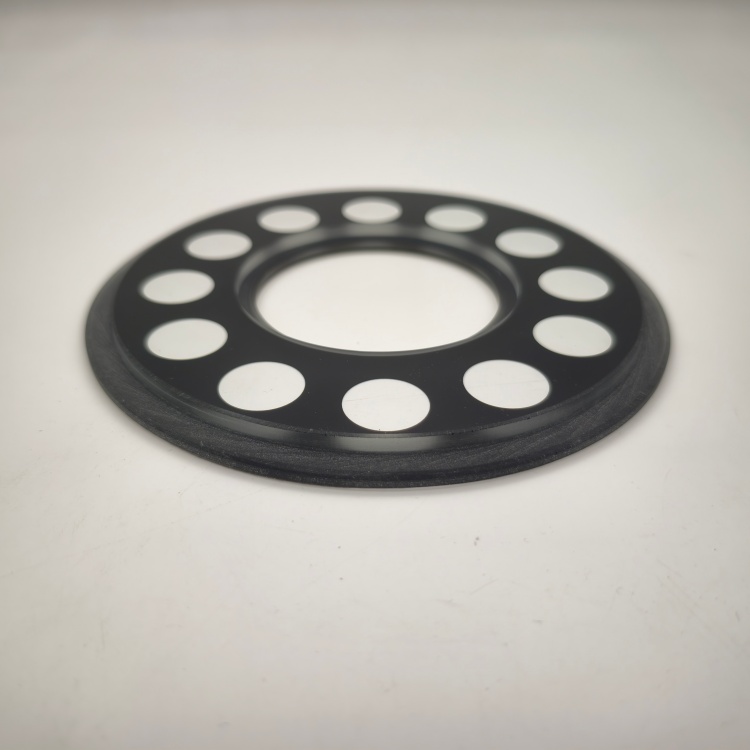
Factory Customized Round Hole Inner and Outer Double Step Edge Printed Tempered Glass for LED Lighting
Printed LED lighting glass · inner and outer round holes · double step edge.
What San Antonio Buyers Should Know Before Specifying Optical Glass
San Antonio is not a single-market city. It combines healthcare systems, military and cybersecurity operations, tourism and hospitality facilities, energy-related suppliers, advanced manufacturing, food processing, logistics, and a growing technology corridor. Optical glass purchased for San Antonio projects therefore often serves two very different environments at once: controlled indoor instrumentation and bright, hot, high-touch public or industrial spaces. A glass cover that looks acceptable on a catalog page can still fail in the field if glare, fingerprints, edge quality, thermal exposure, or printing durability were not considered during design review.
For display covers and touch panels, low-iron ultra-clear glass is usually preferred when color accuracy and edge clarity matter. For outdoor kiosks, digital signage, pool-area displays, and shaded patio interfaces, anti-glare treatment helps diffuse reflected light while an anti-fingerprint coating improves daily cleaning. For industrial HMI windows and equipment inspection panels, anti-reflective coating can increase display contrast without changing the housing design. For LED lighting and architectural fixtures, frosted, step-edge, and printed glass can combine light diffusion, fixture fit, and brand detail in one component.
San Antonio’s climate and building patterns also make it practical to consider heat, UV exposure, and cleaning chemicals early. Tempered glass improves mechanical durability, but tempering alone does not solve optical glare or touch smudging. Silk-screen printing and ceramic printing need to be matched to the expected cleaning method, indoor/outdoor position, and backlight color. Drill holes, countersinks, and step edges should be defined on the drawing before sampling, because later changes can affect tooling, lead time, and breakage risk.
Buyers should also decide whether the project needs a single sample for fit, a small pilot run for field testing, or a wholesale production schedule. For San Antonio distributors, the best source is usually a factory that can keep the same process route from sample to mass production: cutting, CNC shaping, edge polishing, hole drilling, tempering, printing, coating, inspection, and export packing under one quality system.
Illustrative San Antonio Buyer Priority Profile
These bars illustrate common review priorities seen in custom optical glass projects. They are not market statistics; they are a practical design checklist for OEM and wholesale buyers.
Optical Glass Applications in San Antonio and South-Central Texas
Custom glass is most valuable when it solves a real installation issue: readability under Texas sunlight, reliable touch in public areas, clean integration into equipment, or durable printing on a control surface.
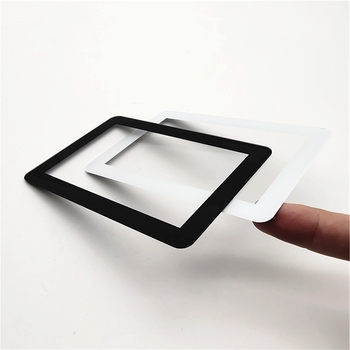
Outdoor Kiosks & Digital Signage
AG anti-glare glass and AF anti-fingerprint coatings help public-facing displays stay readable and clean in hospitality, parking, campus, and tourism environments.
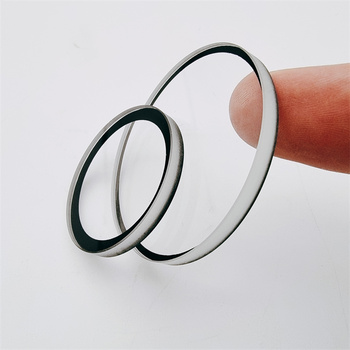
LED Lighting & Architectural Fixtures
Ultra-clear, frosted, printed, and step-edge glass covers support downlights, linear fixtures, wall washers, and custom luminaires used in commercial interiors.
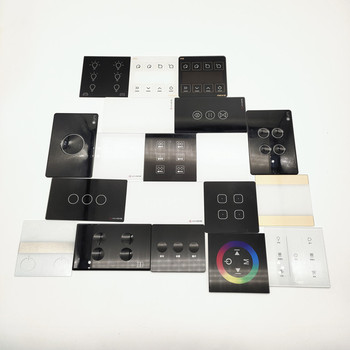
Smart Switches & Building Controls
Printed tempered glass panels give smart switches and control plates a durable surface with icon windows, brand marks, and touch-friendly anti-fingerprint finishing.
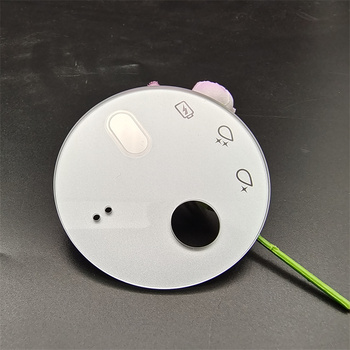
Appliance & Equipment Panels
Silk-screen printed glass and ceramic-printed glass are suited to ovens, lab equipment, commercial appliances, and control panels that need wipe-clean surfaces.
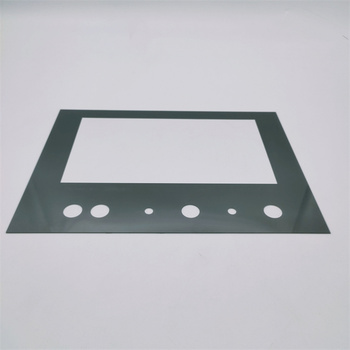
Industrial HMI & Instrument Windows
AR-coated glass and printed cover glass improve contrast for metering, electrical equipment, medical devices, and factory automation interfaces.
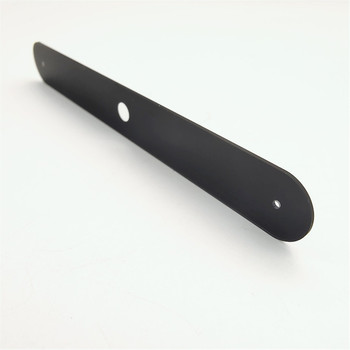
Security, Camera & Sensor Covers
Precision cut-outs, printed black windows, and clear optical apertures support camera housings, sensors, security devices, and specialty electronic enclosures.
Current Optical Glass Procurement Trends for San Antonio OEMs
Buyers in South-Central Texas are increasingly combining design customization with supply-chain practicality. The glass component must meet the drawing, but it also has to support repeat production, installation efficiency, and end-user experience.
Multi-Region Supply Planning
OEMs want documentation, repeatable drawings, and a factory partner that can support US assembly schedules without changing the glass specification between pilot and production.
Glare & Touch Performance
Public and outdoor interfaces are pushing demand for AG + AF combinations, while high-contrast indoor displays often benefit from AR coating on one or both sides.
Thin Strengthened Cover Glass
Compact electronics and flush-mount controls are driving interest in 0.5–2 mm low-iron glass with chemical strengthening, clean edges, and tight outline control.
Printed Glass as a Component
Silk-screen and ceramic printing are no longer just decorative. Printed glass can hide wiring, create windows, support icons, and reduce the number of separate parts in assembly.
How to Choose the Right Optical Glass Finish for San Antonio Projects
Use this matrix during early design review. Final performance depends on glass thickness, substrate, printing, coating stack, lighting, and installation geometry, so sample evaluation is recommended before mass production.
| Glass / Finish | What It Solves | Typical San Antonio Scenario | Engineering Note |
|---|---|---|---|
| Low-Iron Ultra Clear | Reduces green tint and improves color accuracy | Display covers, LED fixtures, premium appliance panels | Use with white or light-color printing to avoid greenish edge tone |
| AR Anti-Reflective | Reduces surface reflection and increases display contrast | Medical monitors, industrial HMIs, camera windows, equipment displays | Specify single- or double-sided coating; double-sided coating usually gives the largest visual gain |
| AG Anti-Glare | Diffuses reflected light from sunlight or overhead lighting | Outdoor kiosks, digital signage, vehicle interfaces, bright commercial spaces | Choose gloss or haze level by viewing distance and screen resolution |
| AF Anti-Fingerprint | Repels oil, sweat, and smudges on touch surfaces | Touch panels, smart switches, POS terminals, public interactive displays | Apply as a final surface treatment over AR or AG for touch products |
| Silk Screen Printed / Ceramic Printed | Adds logos, icons, borders, black masks, and transparent windows | Appliance controls, switch plates, instrument panels, LED lighting | Send Pantone colors, window dimensions, and backlight color for accurate review |
| Thermal Tempered / Chemical Strengthened | Improves mechanical durability and handling confidence | Public touch panels, industrial equipment, lighting fixtures, transport interfaces | Drill holes and edge geometry should be reviewed before tempering because they affect stress distribution |
For best results, provide a DXF, DWG, or PDF drawing plus thickness, tolerance, edge profile, coating requirement, printing colors, application environment, and estimated annual quantity.
Why Dongguan Jaswe Glass Is a Practical Optical Glass Partner for San Antonio Buyers
Dongguan Jaswe Glass Co., Ltd. is a custom glass processing factory in Dongguan, Guangdong, China, supplying tempered glass, ultra-clear glass, display glass, touch screen glass, silk-screen printed glass, switch glass, AR / AG / AF coated glass, electrical equipment glass, and LED lighting glass. For San Antonio buyers, the value is direct access to a manufacturing team that understands both optical appearance and assembly requirements.
CNC Cutting & Shaping
Custom outlines, rounds, notches, slots, and irregular shapes for display, lighting, and control-panel projects.
Edge Polishing
Pencil, flat, beveled, stepped, and matte edge options for safe handling and clean equipment integration.
Precision Hole Drilling
Holes and cut-outs for buttons, sensors, cameras, knobs, wiring, mounting screws, and display apertures.
Tempering & Strengthening
Thermal tempering and chemical strengthening options for durable covers and enhanced breakage behavior.
Silk Screen & Ceramic Printing
Multi-color logos, icons, borders, black masks, and transparent display windows with color matching support.
AG Anti-Glare Processing
Diffused surface treatment for screens and windows exposed to strong ambient or outdoor light.
AR Anti-Reflective Coating
Optical coating to lower reflection and support higher contrast for monitors, cameras, and industrial displays.
AF Anti-Fingerprint Coating
Oleophobic top layer for touch surfaces with smoother glide, fewer smudges, and easier cleaning.
Factory experience that supports repeat wholesale orders
Most of the company’s 80+ operators have more than eight years of hands-on glass processing experience. That experience matters on projects such as ultra-thin 0.2 mm cover glass, multi-color printed panels with transparent windows, and LED lighting glass with double step edges. Small handling errors that are invisible on a simple rectangle can become visible defects when the part includes holes, printing, bevels, and optical coating.
With 26 glass processing machines and monthly output exceeding 200,000 pieces, the factory is structured for both pilot runs and repeat production. Average response time is within three hours, the buyer message response rate is 96.61%, and the reorder rate is 26%. These figures matter to San Antonio buyers who need clear communication across time zones and a supplier that can respond before a project schedule slips.
- Location
- Dongguan, Guangdong, China
- Employees
- 51–100 people
- Annual Revenue
- US$2.5M–US$5M
- Main Markets
- America · Europe · Asia
- Equipment
- 26 machines incl. tempering
- Supplier Status
- On-site Verified · 6 years
A Clear Four-Step Custom Glass Workflow for San Antonio Buyers
The process is designed for overseas buyers who need engineering feedback before committing to tooling, samples, or mass production.
Send Drawing & Application
Share DXF, DWG, or PDF files with thickness, outline, edge, holes, printing, coating, application, and estimated annual quantity.
Engineering Review
The factory reviews manufacturability, process route, tolerance risk, and whether a sample should be made before production.
Sample & Approval
Physical samples help confirm fit, color, transparency, edge appearance, coating effect, and printing placement before mass production.
Production & Export Packing
Batch production follows the approved sample, with in-process inspection and edge-protected, interleaved export packing for transit.
Procurement Details That Reduce Risk for San Antonio Deliveries
Optical glass is a high-breakage, appearance-sensitive component. A strong quotation should clarify more than price per piece; it should define the inspection standard, packing method, replacement policy, and shipping route.
For San Antonio projects, the drawing should state the glass type, thickness with tolerance, overall dimensions, corner radii, hole positions, edge profile, printing colors, transparent window size, coating type, coating side, and any special marking requirements. If the part will be exposed to direct sun, cleaning chemicals, outdoor humidity, or frequent touch, say so in the inquiry. That information allows the factory to recommend low-iron glass, AG haze level, AF coating, ceramic printing, or a different edge profile rather than simply quoting the lowest-cost construction.
Sampling is especially important for coated and printed glass. AR and AG performance can look different under office lighting, Texas daylight, LED backlight, or polarized inspection. Printed black masks can appear different depending on glass thickness and ink opacity. A sample review helps align the buyer, installer, and factory before production starts. For wholesale programs, keep one approved sample and one signed drawing as the reference for repeat orders.
Packing should be agreed before shipment. Typical safe practice includes interleaved protection, edge protection, moisture-barrier packing, and cartons or crates designed for export handling. Shipping from China to San Antonio may move through major US gateways such as Houston or Dallas–Fort Worth before trucking to San Antonio, or by air to San Antonio International Airport for urgent samples. The exact route, Incoterms, and delivery responsibilities should be confirmed in the quotation.
- Provide a drawing file and an approved sample reference.
- Specify indoor, outdoor, or high-touch use conditions.
- Define whether AR, AG, AF, or combined coating is required.
- Confirm printing colors, windows, and backlight color.
- Agree inspection criteria and packing method before production.
- Plan sample approval before wholesale volume release.
Reliability That San Antonio Buyers Can Review
Public supplier information, transaction links, and response metrics help buyers evaluate communication reliability before starting a custom glass project.
In-Process Quality Checks
Inspection is built around cutting, edging, drilling, tempering, printing, coating, and final packing so defects are caught before shipment.
Fast Engineering Communication
Average response time within three hours and a 96.61% buyer message response rate support overseas project coordination.
Repeat Buyer Confidence
A 26% reorder rate reflects repeat business from lighting, electronics, appliance, and equipment buyers across multiple markets.
Frequently Asked Questions About Optical Glass Purchasing
These questions reflect common purchasing concerns from San Antonio OEMs, distributors, integrators, and equipment builders evaluating a custom glass factory and wholesaler.
Are you a local San Antonio glass factory or an overseas manufacturer?
Dongguan Jaswe Glass Co., Ltd. is a custom glass processing factory based in Dongguan, Guangdong, China, serving San Antonio and other North American buyers through direct factory wholesale supply. The company is not a local San Antonio storefront; it is a manufacturing and export partner for custom tempered, printed, coated, and optical glass components.
What glass thicknesses can be processed for display, touch, and lighting applications?
Custom processing covers ultra-thin electronic glass from 0.2 mm up to 19 mm flat tempered glass. The most common thicknesses for display covers, touch panels, and screen protectors are 0.5, 0.7, 1, 1.5, 2, 3, and 4 mm. Lighting and equipment windows often use thicker glass depending on the fixture design and installation method.
What is the minimum order quantity for a custom optical glass program?
Many custom items start at 100 to 500 pieces, depending on size, printing, coating, and tooling requirements. Standard clear tempered pieces may be available in smaller sample quantities for evaluation. For a wholesale program, the MOQ should be confirmed after the drawing and annual usage are reviewed.
Can you combine AR, AG, and AF coatings on one glass cover?
Yes. AR anti-reflective, AG anti-glare, and AF anti-fingerprint treatments can be combined when the application requires multiple benefits. For example, a public outdoor touch kiosk may use AG for glare diffusion and AF for fingerprint resistance, while an industrial monitor may prioritize AR for contrast. Coating stack and side should be defined on the drawing.
Can you print logos, icons, borders, and transparent windows?
Yes. Silk-screen printing and ceramic printing can add logos, icons, borders, black masks, indicator windows, and transparent display areas. Buyers should provide Pantone color references, artwork files, window dimensions, and backlight color so the factory can review ink opacity and alignment before sampling.
How do San Antonio buyers start a custom glass project?
Send a DXF, DWG, or PDF drawing with thickness, dimensions, edge type, hole positions, printing colors, coating requirements, application environment, and estimated annual quantity. The engineering team can then review manufacturability and recommend a process route before samples are made. You can also email info@jasweglass.com and use the Contact Us button on this page.
How is glass packed for shipment to Texas?
Export packing is agreed according to part size, fragility, printing, and coating. Typical protection includes interleaved separators, edge protection, moisture-barrier materials, and export cartons or crates. For high-value coated or printed glass, buyers should confirm packing details and inspection criteria before production.
What should be included in a specification for an outdoor San Antonio project?
Include expected sun exposure, cleaning chemicals, touch frequency, operating temperature, mounting method, and whether the glass will be directly exposed to rain or humidity. These details influence the recommendation for anti-glare treatment, anti-fingerprint coating, ceramic printing, edge finishing, and packing protection.
Can you support repeat wholesale orders after sample approval?
Yes. The best practice is to keep a signed drawing and an approved physical sample as the reference for repeat production. With 26 processing machines and monthly output exceeding 200,000 pieces, the factory can support both sampling and volume production for qualified custom glass programs.
Request an Optical Glass Engineering Review for Your San Antonio Project
Send your drawing, application details, coating preference, printing colors, and estimated quantity. The team can review manufacturability and recommend a practical glass construction for display, touch, lighting, switch, or industrial equipment use.
info@jasweglass.com