Optical Glass Panel Factory & Wholesalers for the Dortmund Market
Custom tempered, ultra-clear, printed and AR/AG/AF-coated optical glass panels for Dortmund’s industrial displays, touch interfaces, LED lighting and smart building supply chains — engineered in Dongguan and shipped with export-grade documentation.
Optical Glass Panel Products for Dortmund Wholesalers and OEMs
These eight lines cover the requests we see most often from Dortmund buyers: custom display windows, touch cover glass, low-iron lighting glass, AR/AG/AF coated panels, printed switch glass and LED covers. Every item is made to a drawing, and each product link leads to the original specification page for engineering review.
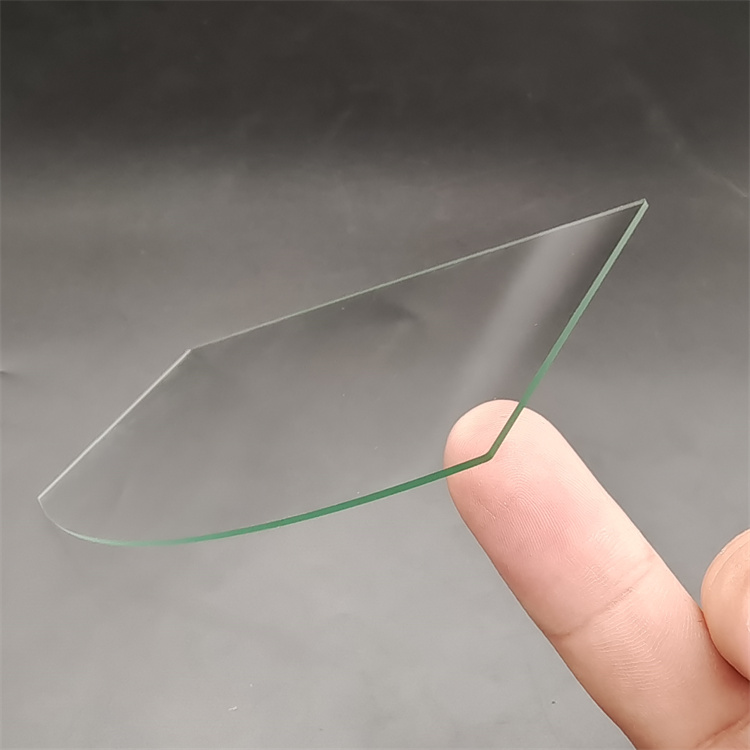
Any-Size Custom 0.5–3 mm Tempered Glass Screen Protector
Dortmund fit: HMI windows, sensor covers and compact control displays in automation cabinets.
View product specification
Custom Extra White 0.5–2 mm Low-Iron Strengthened Glass
Dortmund fit: colour-critical display windows and LED fixtures where green tint is unacceptable.
View product specification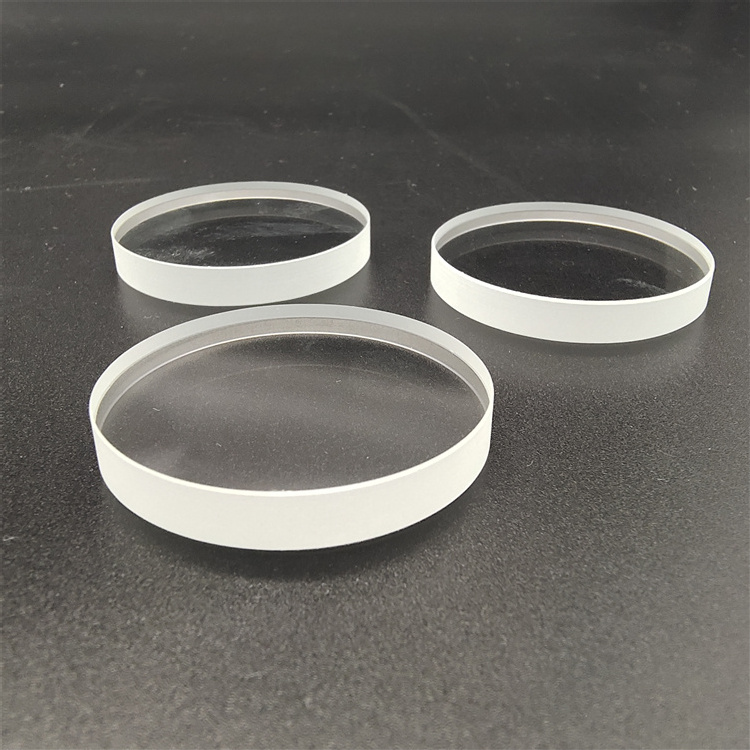
Full Tempered 30 mm Diameter 3–8 mm Ultra Clear Round Glass
Dortmund fit: indicator lenses, machine-vision windows and round sensor covers.
View product specification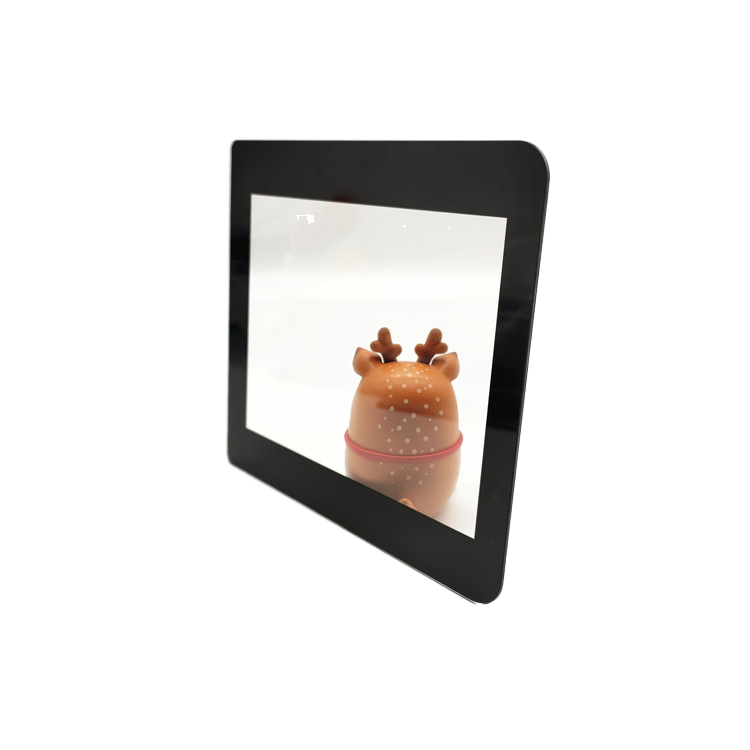
Industrial Electronic Glass 1–4 mm Display Window Cover
Dortmund fit: industrial HMIs, metering windows and outdoor kiosk fronts in the Ruhr.
View product specification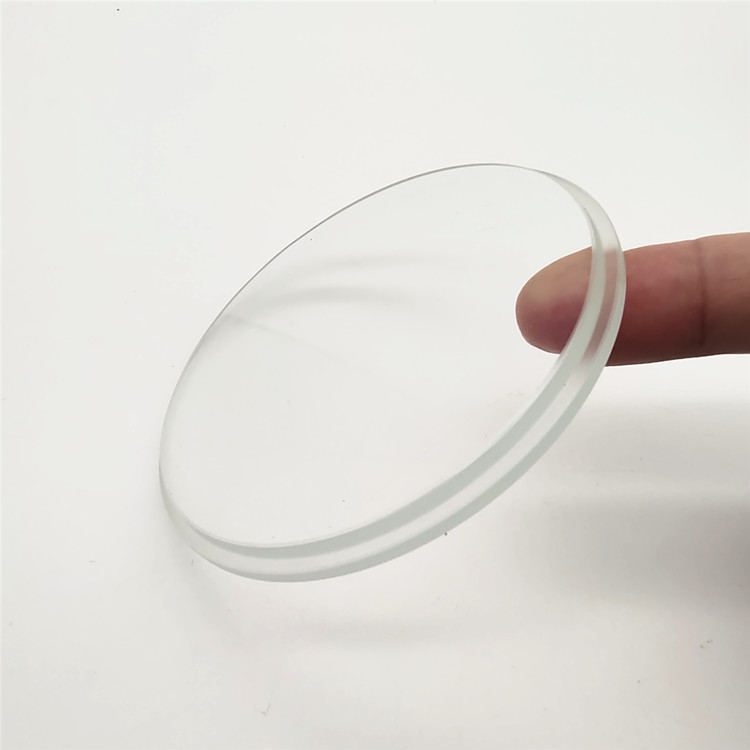
Factory Price 2–10 mm Tempered Step Edge Glass
Dortmund fit: control panels, appliance fronts and architectural switch plates.
View product specification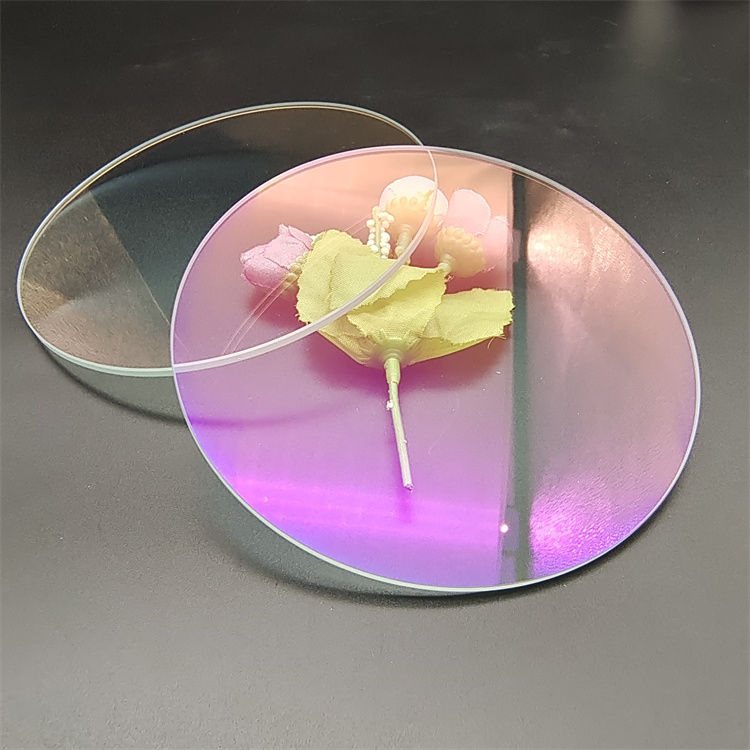
Premium Ultra Clear Anti-Reflective Flat Tempered Glass
Dortmund fit: high-contrast medical, measurement and signage displays.
View product specification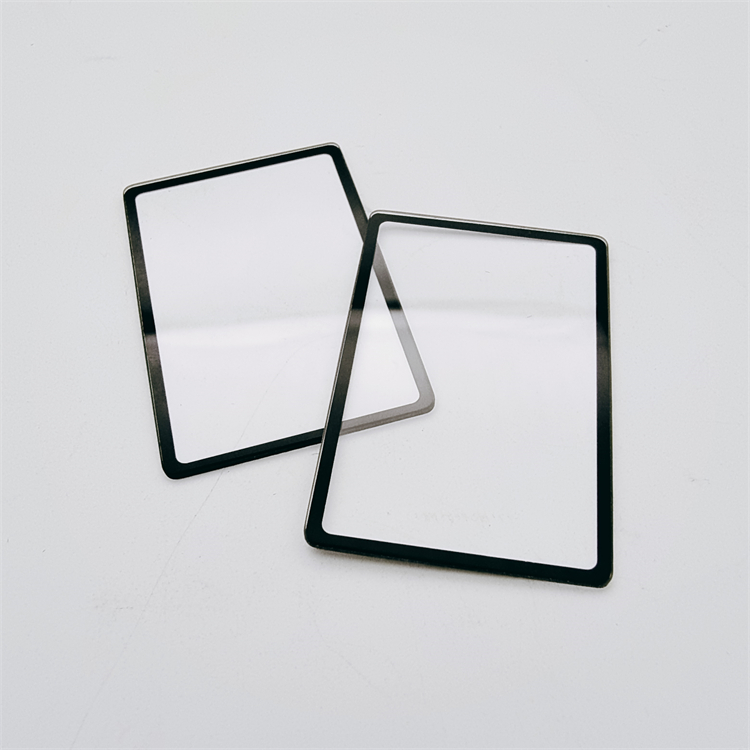
0.5–3 mm OEM Silk Screen Printed Tempered Display Glass
Dortmund fit: smart-building switches and appliance control panels.
View product specification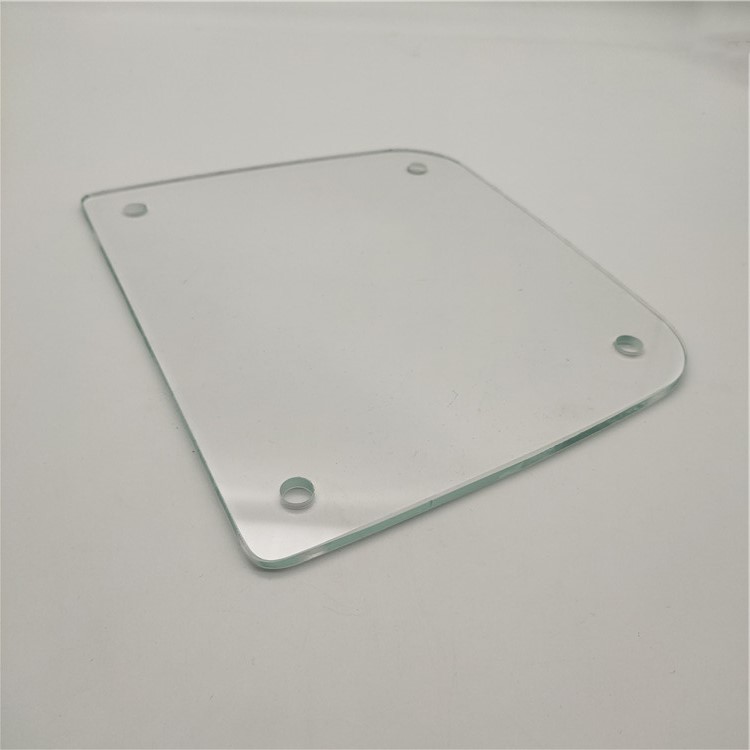
Ultra Clear Customized Tempered Glass with Cut Holes for LED Covers
Dortmund fit: LED downlights, wall washers and architectural lighting.
View product specificationAR, AG, AF or Low-Iron? A Dortmund Buyer’s Selection Matrix
Optical glass is specified by the problem it solves, not by a generic “clear glass” description. The matrix below is the same logic our engineers use during drawing review for display, lighting, switch and instrument projects.
| Requirement | Recommended route | Why it matters in Dortmund | Typical local use |
|---|---|---|---|
| Reduce reflections indoors | AR anti-reflective coating, single or double sided | Improves contrast under factory lighting and control-room illumination | Machine HMI, medical monitors, measurement equipment |
| Readability outdoors | AG anti-glare treatment, often with AF top coat | Diffuses daylight and resists fingerprints on public touch surfaces | Outdoor kiosks, ticket machines, logistics terminals |
| True colour for lighting | Low-iron ultra clear glass | Removes the green edge tint of standard float glass | LED fixtures, architectural lighting, premium appliance panels |
| Hide wiring or borders | Silk screen or ceramic printing | Integrates display windows, logos and opaque masking into one panel | Switch plates, appliance controls, instrument windows |
| Touch durability | AF anti-fingerprint top layer | Oleophobic surface reduces smudges and improves cleaning | Smart-building controls, POS terminals, public interfaces |
Final optical values depend on glass thickness, substrate, ink and coating stack. For Dortmund projects we recommend sample approval before mass production, especially where AR, AG and printed windows appear on the same panel.
Where Optical Glass Panels Are Used in Dortmund and the Ruhr
Dortmund is a working industrial city, not a generic distribution point. Local demand is shaped by factory automation, logistics, public infrastructure, lighting and the wider Ruhr manufacturing belt. Buyers usually need a panel that matches a drawing, a surface treatment that solves a viewing problem, and packing that survives the journey from Asia to North Rhine-Westphalia.
Industrial Automation and Machine HMI
Machine builders and automation integrators around Dortmund use glass windows to protect PLC displays, drive panels and robotic cell interfaces. Scratch resistance, flatness and AR coating matter because operators read these panels under strong factory lighting. Custom holes and printed borders simplify assembly.
Outdoor Kiosks and Digital Signage
Public terminals, ticket machines, wayfinding screens and outdoor signage need readability in daylight and rain. AG treatment diffuses glare, while AF coating reduces fingerprints. A low-iron substrate keeps white and brand colours neutral for Dortmund’s public-facing digital infrastructure.
Smart Buildings and Switch Glass
Hotels, offices and public buildings increasingly use printed glass switch plates and room control panels. Dortmund buyers ask for consistent logo colour, transparent touch windows and edge polishing that feels safe to the hand. Silk screen printing can combine icons, borders and display windows on one tempered panel.
LED Lighting and Architectural Fixtures
Dortmund’s lighting and electrical sector uses tempered glass covers for downlights, linear fixtures and wall washers. Low-iron glass avoids green edges, and ceramic printing can add black borders that resist fading. Heat resistance, edge quality and repeat colour consistency are central buying criteria.
Medical, Laboratory and Sensor Windows
Instrument makers and sensor companies need cleanable windows with controlled transmission, accurate holes and stable flatness. AR-coated glass improves signal readability and visual inspection. For Dortmund-area research and medical suppliers, documentation and sample traceability are as important as the glass itself.
Logistics and Intralogistics Terminals
Dortmund’s logistics hubs use handheld scanners, forklift terminals and warehouse control screens. Chemically strengthened or tempered cover glass with AF coating reduces wear from gloves, dust and repeated cleaning. Custom cut-outs allow sensors, cameras and buttons to remain accessible.
Dortmund Market Trends Reshaping Optical Glass Panel Procurement
The Dortmund market is changing in four practical ways. Buyers still compare price, but they also ask for documented quality, faster engineering feedback and a supply model that does not create excessive stock in North Rhine-Westphalia warehouses.
HMI Upgrades Need Drawing-Based Customisation
Automation retrofits and new machine designs pull demand toward AR-coated, anti-scratch panels with drawing-specific holes and printed windows. Engineering teams want a supplier who can review DXF or DWG files before sampling.
Glare and Fingerprints Become Specification Topics
Digital signage, charging stations and public kiosks are moving into daylight. AG + AF glass is increasingly specified because glare and fingerprints directly affect usability and maintenance intervals.
LED and Smart Buildings Demand Low-Iron Consistency
LED and smart-building projects need low-iron glass, ceramic-printed borders and switch panels that match brand colours. Design changes happen often, so repeat-order consistency matters as much as first-sample appearance.
Documentation and Delivery Terms Matter
German buyers balance Asian custom manufacturing with local assembly. They ask for RoHS and REACH declarations, batch labels, export packing and flexible EXW, FOB, CIF or DDP terms for Dortmund.
Illustrative qualification weighting from custom optical glass inquiries; it is not a statistically representative market survey. Final requirements must be confirmed in the drawing, approved sample and purchase order.
Why Dortmund Buyers Work With Dongguan Jaswe Glass
Jaswe Glass is a glass processing factory in Dongguan, Guangdong, China — inside the Pearl River Delta electronics and display supply chain. For Dortmund buyers, that matters because optical glass panels are rarely a catalogue item. They are drawing-based components that must fit a housing, match a printed graphic, survive cleaning and meet an optical target.
Our team processes custom tempered glass, ultra clear glass, silk screen printed glass, switch glass, LED lighting glass, display cover glass and AR/AG/AF coated glass under one roof. With more than 80 skilled workers and 26 glass processing machines, monthly output exceeds 200,000 pieces. Most operators have years of hands-on experience with thin glass handling, edge quality and print alignment.
That experience matters on projects such as 0.2 mm ultra-thin cover glass, multi-colour printing with transparent windows, or AR-coated panels where coating uniformity affects final display contrast. In-house steps include cutting, special-shaped and CNC cutting, edge polishing, hole drilling, tempering, silk screen and ceramic printing, AG processing and AR/AF coating. Keeping these steps together shortens the loop between engineering review and sample approval, and it reduces the quality risk that appears when glass moves between several subcontractors.
Buyers can verify our trade activity through third-party supplier assessment, ratings, trade capacity and transaction history. Our response rate is 96.61%, average response time is within 3 hours, and the buyer reorder rate is 26%. Those numbers are not a substitute for sample approval, but they show how we work with repeat wholesale and OEM customers across America, Europe and Asia.
“Scientific management, careful manufacture, high quality service, striving for excellence.”


Eight in-house processes that shorten the Dortmund supply chain
Precision & CNC Cutting
Rounds, notches, slots and irregular outlines from your drawing.
Edge Polishing
Pencil, flat, beveled, stepped and matte edges.
Hole Drilling
Holes and countersinks for buttons, sensors and screws.
Thermal Tempering
Impact resistance and safer breakage behaviour.
Silk Screen & Ceramic Printing
Logos, icons, borders and transparent display windows.
AG Anti-Glare Processing
Diffused surface for bright factory and outdoor light.
AR Anti-Reflective Coating
Lower reflection and higher transmission for displays.
AF Anti-Fingerprint Coating
Oleophobic top layer for touch screens and public terminals.
Dortmund Buyer FAQ: Optical Glass Panels, Wholesale and Custom Supply
Do you have a warehouse or showroom in Dortmund?
Not currently. We are a factory in Dongguan, China, and ship direct to Dortmund and the wider Ruhr region. For wholesale buyers we can support consolidated shipments, scheduled releases and pre-shipment inspection. If you need a local stock-holder, we can work with your freight forwarder or a third-party warehouse in North Rhine-Westphalia.
Can you quote EXW, FOB, CIF or DDP for Dortmund?
Yes. The right term depends on your import setup and urgency. We confirm the HS code, packed dimensions, weight and delivery address before final pricing. Samples usually move by express air; repeat wholesale orders often use sea or rail to North Rhine-Westphalia. We keep the logistics assumptions visible in the quotation so you can compare factory cost and landed cost clearly.
What is the MOQ for custom optical glass panels?
Most custom items start at 100–500 pieces, depending on size, printing, coating and packing. Standard clear tempered pieces can be supplied in smaller sample quantities for evaluation. Send your annual forecast and prototype quantity; we will recommend a practical MOQ and a sampling route rather than quoting a volume that does not fit your Dortmund launch plan.
Which thicknesses and sizes can you process?
Flat glass from 0.2 mm to 19 mm. The most requested display and touch thicknesses are 0.5, 0.7, 1, 2, 3 and 4 mm; control panels and LED covers often use 5, 6, 8 or 10 mm. Outlines, holes, notches, edge profiles and print artwork are made to your drawing. Very large panels and very small windows are reviewed case by case before quotation.
How do you control optical quality before shipment?
Inspection follows the process route: incoming glass, cutting, CNC, edging, drilling, tempering, printing and coating. We check dimensions, hole positions, edge quality, print colour, coating appearance and the agreed optical values. The approved sample is the reference. For Dortmund orders we can prepare an inspection record and packing check before the goods leave the factory.
What is the difference between AR, AG and AF for Dortmund displays?
AR anti-reflective coating lowers surface reflection and increases transmission, which improves contrast in indoor HMI and medical displays. AG anti-glare treatment diffuses reflected light for outdoor kiosks and bright public spaces. AF anti-fingerprint coating is an oleophobic top layer for touch surfaces. They can be combined, for example AG + AF for an outdoor touch terminal or AR + AF for an indoor touch panel.
Are your optical glass panels RoHS and REACH compliant?
We can provide material and process documentation to support EU compliance. Final compliance depends on the complete bill of materials, including inks, adhesives, coatings and the customer’s assembly. Tell us the exact requirement before quotation and request the declaration with your order so the documentation matches the shipment.
How are glass panels packed for safe delivery to Dortmund?
Panels are interleaved, edge-protected and separated with foam or paper; corners receive guards and the export carton or plywood case is designed for the chosen transport mode. We can label cartons and pallets to your warehouse requirements and provide packing dimensions for freight booking. Fragile, thin or large-format glass receives a project-specific packing review.
Can you support repeat orders and design changes?
We keep repeat-order specifications, artwork, colour standards and inspection records so replenishment can follow the approved sample. If a Dortmund product changes, we review the new drawing before printing or tooling. That approach reduces the risk of mixing old and new revisions in the same warehouse and helps wholesale buyers maintain consistent stock.
Request a Dortmund-Specific Optical Glass Panel Quotation
Send your drawing (DXF, DWG or PDF), thickness, edge type, printing colours, coating requirement, application and estimated annual quantity. Our engineers will review manufacturability and recommend a sample plan for the Dortmund market. Email: info@jasweglass.com.