Outdoor Lighting Glass Factories & Supplier Serving Kyoto
Custom tempered, low-iron, ceramic-printed, anti-glare and AR-coated glass for Kyoto’s heritage lanterns, machiya façades, temple approaches, ryokan gardens and modern LED exterior lighting.
8 Glass Products for Kyoto Outdoor Lighting Fixtures
These are not generic building-glass items. Each product below is relevant to a specific outdoor lighting, display, control-panel or architectural-lighting requirement, with the original product URL preserved for direct technical review.
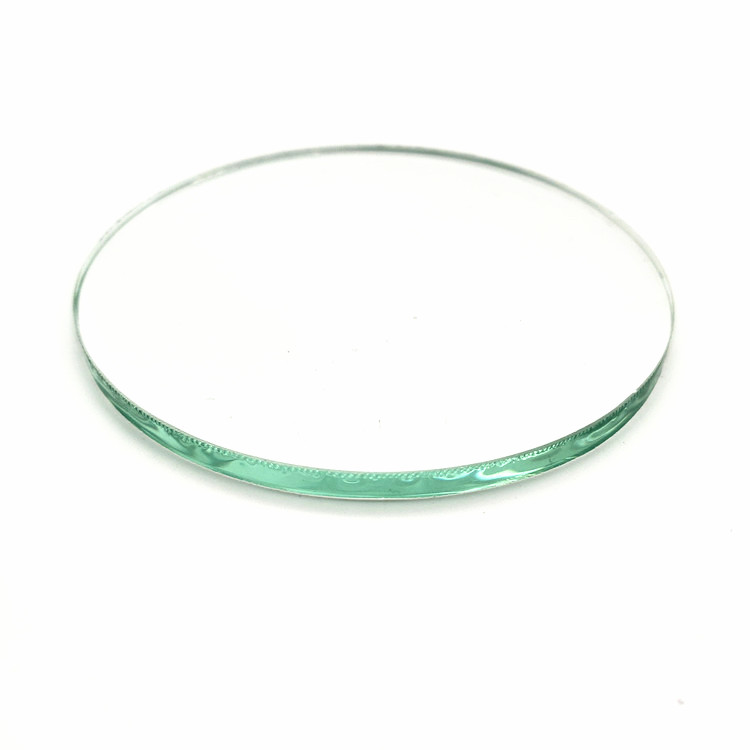
Customized Clear Flat Solid Tempered Glass Pieces 1–19 mm
For outdoor luminaire covers, industrial light windows and protective panes where impact resistance, flatness and repeatable dimensions matter.

Custom Extra White Low Iron Tempered & Chemically Strengthened Glass
Ultra-clear slim glass for refined light diffusion, lens windows and compact fixture covers where green tint and color shift are unacceptable.
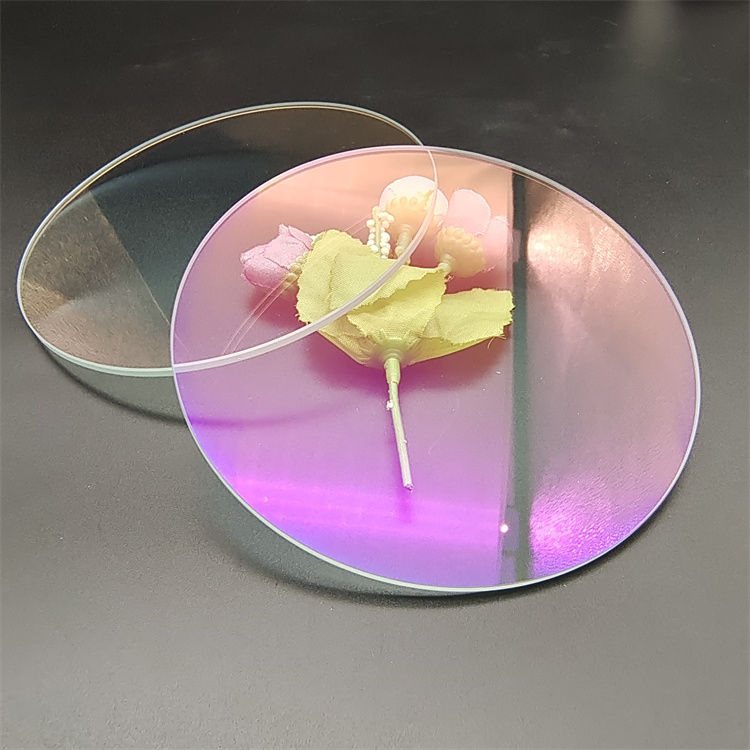
Premium Ultra Clear Anti-Reflective Tempered Glass Coating
AR-coated tempered glass that raises light transmission and reduces veiling reflection for signage, display windows and accent-lighting covers.
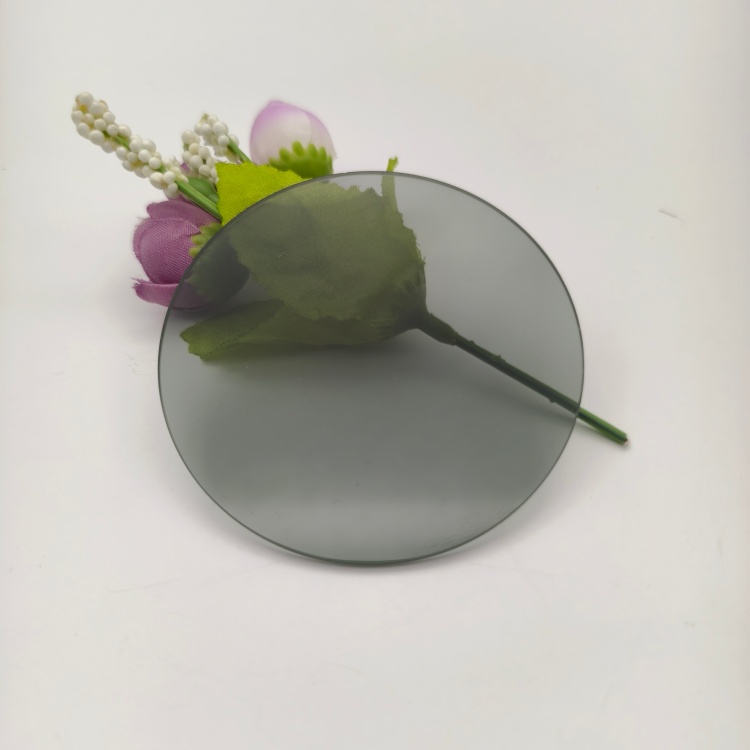
Factory Customized High-Strength Black Tempered Glass Panels
Black printed or decorative flat glass for façade lighting, concealed-light windows and modern architectural fixtures requiring a crisp dark border.
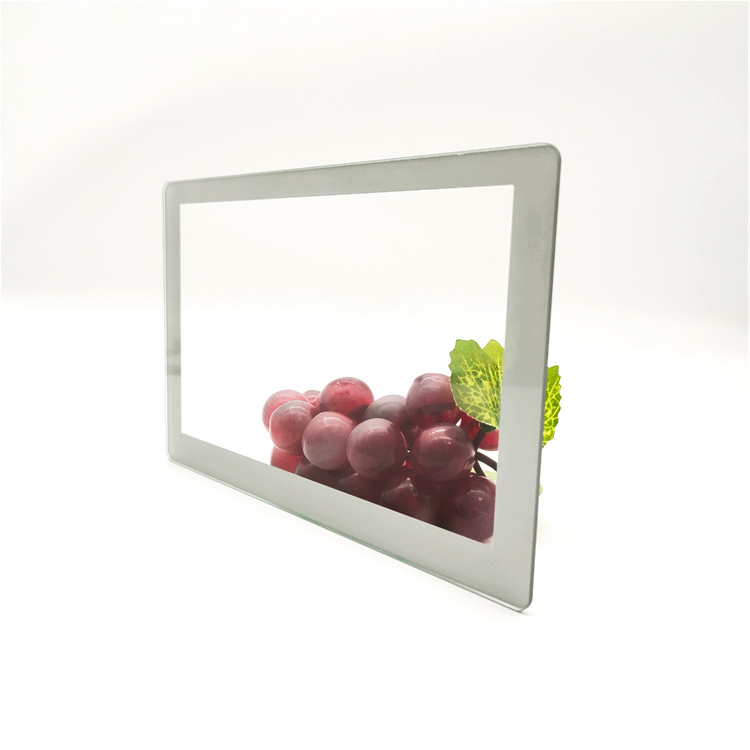
Customized High-Strength Anti-Glare Frosted Tempered Glass
Diffuses reflected light so LED/LCD displays and outdoor control interfaces remain readable under strong daylight, street lighting or wet-night glare.
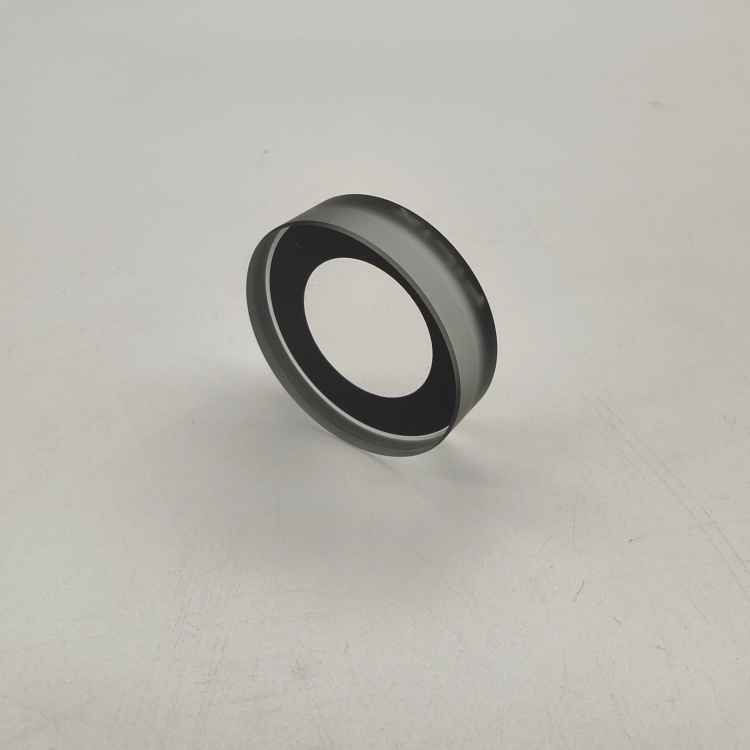
10 mm Round Tempered Glass with High-Temperature Ceramic Printing
Small-diameter round glass with fired ceramic ink for decorative lighting caps, lantern details and heat-exposed outdoor fixtures.
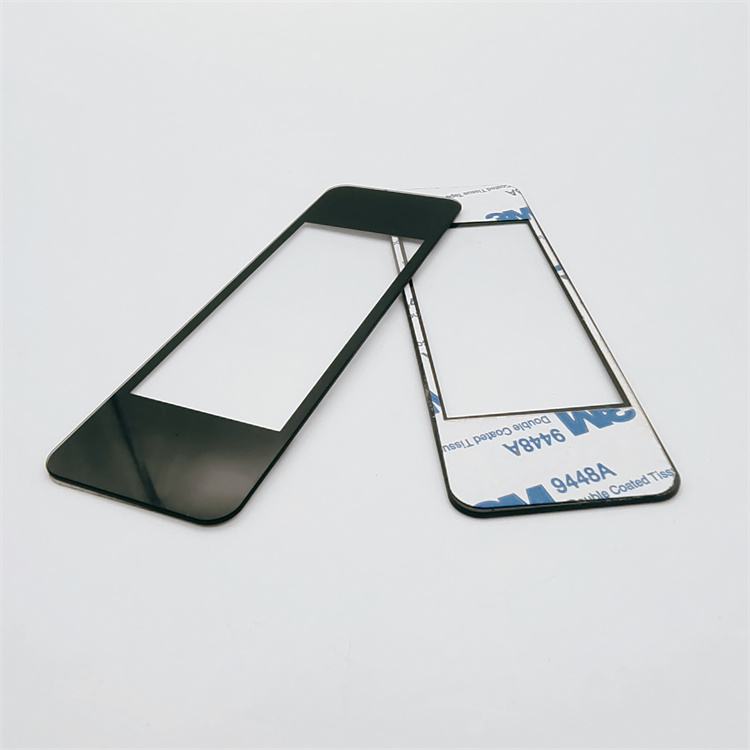
Ultra-Thin 1 mm Tempered Glass with 3M Tape for Screen Cover Glass
Thin cover glass for compact screens, control windows and lighting-control interfaces where simplified assembly and clean bonding are important.
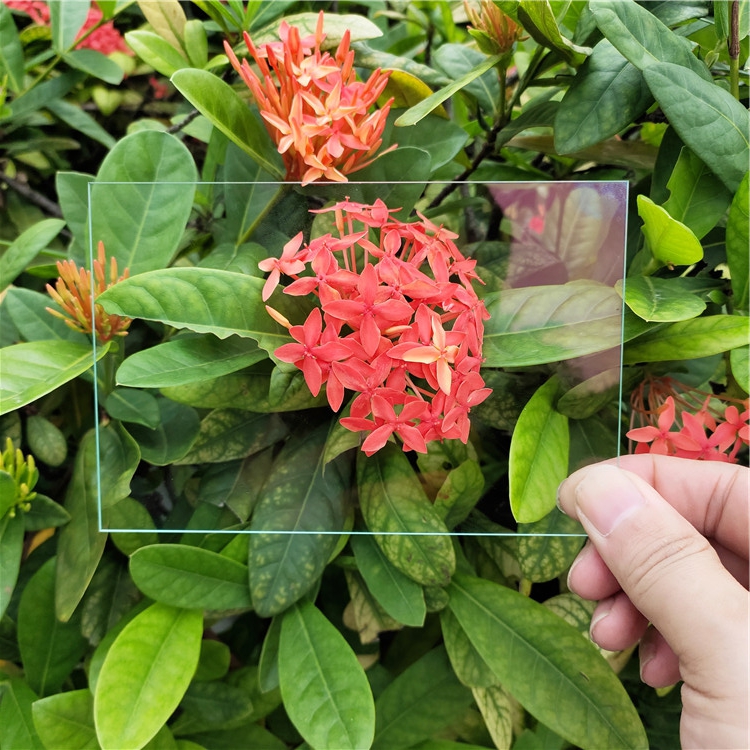
Factory Custom Optical-Quality Nano Coating Tempered AR Glass
Optical-grade nano AR tempered glass for high-transmission display windows, illuminated signage and fixtures where reflection control is critical.
What Kyoto’s Outdoor Lighting Environment Demands from Glass
Kyoto is not a single lighting environment. A Gion lantern, a Higashiyama temple approach, a machiya façade, a ryokan garden path and a modern station-area display each place different demands on glass specification.
Heritage Streetscapes: Gion, Higashiyama & Machiya Façades
Lighting glass must support a quiet night-time appearance. Low-glare surfaces, controlled light diffusion and ceramic-printed borders can hide LED hotspots while preserving the visual rhythm of traditional wooden façades, eaves and signage. Glass alone cannot guarantee compliance with local scenic rules; the complete luminaire, shielding, color temperature and installation must be reviewed with the project team.
Temple Grounds, Gardens & Stone-Path Lighting
Rain, humidity, condensation, leaf litter and cleaning cycles are practical realities. Tempered glass with properly polished or chamfered edges, non-corroding fixings and a sealed, drainage-safe housing reduces stress at the interface. For warm garden illumination, low-iron glass preserves color fidelity; a frosted or AG finish can soften glare along stone paths and planted edges.
Ryokan, Hospitality & Modern Exterior Controls
Hospitality projects often combine traditional atmosphere with discreet modern controls. AR-coated glass improves transmission for display windows, while AG and AF surfaces help exterior touch interfaces stay readable and easier to clean. For exposed controls, specify the coating stack with the housing and cleaning method, not as an isolated glass decision.
Engineering Note for Kyoto’s Humid, Rainy and Seasonal Climate
Outdoor lighting glass should be specified as part of a complete assembly. Use tempered glass where impact and thermal shock resistance are required; protect printed edges from abrasion; allow drainage and ventilation so moisture does not remain trapped behind the glass; and validate AR/AG/AF coatings against the cleaning chemicals and environmental exposure expected in service. Final optical values depend on thickness, substrate and coating stack, so sample testing is recommended before mass production.
Recommended Outdoor Lighting Glass by Kyoto Use Case
Use this as a starting point for engineering discussion. The right construction depends on luminaire design, light source, mounting height, span, cleaning access and whether the glass is decorative, protective or optical.
| Kyoto Use Case | Glass Construction to Discuss | Why It Matters | Related Product |
|---|---|---|---|
| Gion / Higashiyama lantern covers | 3–5 mm tempered glass with ceramic-printed border and AG or frosted finish | Softens glare, conceals LED hotspots and protects printed graphics from UV and handling wear | Anti-glare tempered glass |
| Temple garden path bollards | 4–6 mm clear low-iron tempered glass, AR optional, polished or chamfered edges | Maintains warm light color and gives a clean edge for humid, rain-exposed installations | Clear tempered glass |
| Machiya façade & sign lighting | 2–4 mm black printed or decorative tempered glass with durable ceramic ink | Creates a crisp dark border, hides internal components and supports a restrained façade appearance | Black tempered glass panels |
| Ryokan & hospitality lighting | 3–5 mm low-iron tempered glass, AR or AG, optional ceramic print | Preserves warm-light color and reduces distracting reflections in close-view hospitality settings | Anti-reflective tempered glass |
| Outdoor touch-control panels | 1.1–3 mm chemically strengthened or tempered glass with AG + AF treatment | Resists fingerprints and glare while maintaining a smooth touch surface; housing sealing remains essential | 1 mm tempered cover glass |
| Exterior digital signage & display windows | 2–6 mm AR-coated tempered glass, low-iron substrate, sealed housing | Higher transmission and lower reflection improve readability under daylight and night-time viewing | Nano AR tempered glass |
Notes for Kyoto project teams: confirm local scenic, safety and electrical requirements with the responsible authority and luminaire engineer. This table is an engineering starting point, not a compliance declaration.
How to Specify Outdoor Lighting Glass for Kyoto
Six specification gates help procurement teams avoid the most common mismatch between a beautiful sample and a durable production fixture.
Define the Optical Goal First
Decide whether the glass must maximize transmission, diffuse light, reduce reflection or hide the light source. AR, AG, low-iron and ceramic printing solve different problems; combining them without a target photometric result often adds cost without benefit.
Match Thickness to Span and Exposure
Thin 0.5–1 mm glass is suitable for compact covers and protected assemblies. Larger outdoor panes, long spans and exposed locations usually require a thicker tempered construction. The glass should be engineered with the frame, gasket and wind or impact loading in mind.
Control Glare Before Adding Power
In heritage-sensitive areas, glare is often an installation issue rather than only a glass issue. Shielding, recessed light sources, warmer color temperatures and AG/frosted surfaces can work together. Test the visible brightness at night, not only in a lit showroom.
Specify Printed Graphics for Weather
Screen printing and high-temperature ceramic printing can create borders, masks, icons and light-diffusing zones. For outdoor use, define the ink system, color target, transparent window area and whether the print faces inward or outward. Share Pantone or approved physical color samples.
Design Edges, Holes and Fixings Together
Edge condition and hole placement affect strength and breakage risk. Chamfers, polished edges, countersinks and gasket clearances should be shown on the drawing. Avoid placing holes too close to the edge or clamping glass directly against hard, uneven surfaces.
Plan Cleaning and Sample Validation
Outdoor glass in Kyoto may be exposed to rain, dust, pollen, leaf litter and cleaning agents. Confirm that the coating stack can be cleaned without abrasion, and approve a physical sample for fit, color, haze, transmission and print adhesion before volume production.
What Kyoto Buyers Are Asking for in Outdoor Lighting Glass
The purchase conversation is moving from “Can you make this shape?” to “Can you document the optical, environmental and assembly performance of this glass in our fixture?”
Low-Glare Heritage Lighting
Projects continue to request softer light and reduced visible glare around historic streets, temple approaches and hospitality gardens. AG-finished or frosted glass is often discussed alongside shielded LED modules and warmer color temperatures.
LED Retrofit with Thermal Awareness
Old fixtures are being upgraded with LEDs, but higher light output can create new glare and heat-management challenges. Glass thickness, ventilation, printed masking and the distance between the LED and glass should be reviewed as a system.
Small-Batch Customization for Machiya and Ryokan
Renovation projects often need modest quantities with many size or print variations. Buyers increasingly ask for a structured sample process, clear color approval and production planning before committing to a full order.
Anti-Fingerprint Outdoor Control Surfaces
As exterior controls and interactive signage become more common, AF treatment is being specified with AG to improve touch feel and cleaning. For true durability, the coating must be matched to the housing seal and maintenance practice.
Durable Ceramic Printing over Decorative Inks
Outdoor borders, logos and light-masking layers need fade and abrasion resistance. High-temperature ceramic printing is often preferred for demanding exterior fixtures, especially where the printed side may be exposed to UV or cleaning.
Documentation and Supply Chain Transparency
Procurement teams want drawings, inspection points, packing methods and sample records. A supplier that can explain why a thickness, coating or edge is recommended is more useful than a quotation that only lists a price per piece.
Why Dongguan Jaswe Glass Supports Kyoto Outdoor Lighting Projects
Dongguan Jaswe Glass Co., Ltd. is a factory-based glass processor in Dongguan, Guangdong, China. We are not presenting ourselves as a Kyoto storefront or a local installation contractor; our role is to manufacture custom glass components for lighting, display and control-panel assemblies, then support overseas buyers with engineering review, sampling and export packing.
For Kyoto projects, that distinction matters. The optical and environmental requirements should be owned by the luminaire designer and installer, while the glass supplier controls thickness, outline, edge quality, holes, tempering, printing and coating consistency. Jaswe combines these processes under one roof, including CNC cutting, edge polishing, hole drilling, thermal tempering, silk-screen and ceramic printing, AG processing and AR / AF coating.
Our published company profile lists more than 80 workers, 26 glass processing machines and monthly output above 200,000 pieces. Many operators have years of hands-on experience with thin glass, printed glass and coated cover glass. That experience is useful when a Kyoto buyer needs a small run of machiya-style decorative panels, a repeat order of LED covers, or a custom AR window for an exterior display.
Quality control is planned around the process route rather than left to final inspection alone. Cutting, edging, drilling, tempering, printing and coating each introduce different defects; checking at each stage helps keep dimensions, print alignment and optical appearance consistent before export packing.
Factory Facts Buyers Can Review
Precision Cutting & CNC Shaping
Rounds, notches, slots, irregular outlines and matched pairs for decorative luminaires.
Edge Polishing & Hole Drilling
Pencil, flat, beveled and matte edges plus holes and countersinks for fixings and controls.
Thermal Tempering
Strengthened glass for outdoor impact exposure and safer breakage behaviour in engineered housings.
Silk-Screen & Ceramic Printing
Logos, borders, light-masking layers and display windows with color approval before production.
AR / AG / AF Coating
Optical reflection control, glare diffusion and fingerprint resistance for lighting and interface glass.
Export Packing & Documentation
Interleaved, edge-protected and moisture-aware packing to reduce transit damage to Kyoto-bound orders.
From Drawing to Kyoto-Bound Delivery
A clear five-step process keeps custom glass decisions visible to designers, buyers and installers.
Send the Brief
Drawing, thickness, edge, holes, printing, coating, application and estimated annual volume.
Engineering Review
Manufacturability check and process route recommendation before a quotation is finalised.
Sample Approval
Physical samples for fit, print color, haze, transmission and edge appearance.
Production & Inspection
Batch processing with checks at cutting, edging, tempering, printing and coating stages.
Export Packing
Edge protection, interleaving and carton planning for overseas transit to Japan.
Kyoto Buyer FAQ for Outdoor Lighting Glass
Direct answers to the questions most often raised by overseas lighting, hospitality and architectural-product buyers.
Are you a factory in Kyoto or a China-based supplier serving Kyoto?
We are a factory-based glass processor in Dongguan, Guangdong, China, serving overseas buyers including projects in Kyoto. We do not claim to be a local Kyoto installation company. Our work is custom glass manufacturing: cutting, edging, drilling, tempering, printing and AR / AG / AF coating, followed by export packing.
What glass is suitable for Kyoto’s rainy and humid outdoor environment?
Tempered glass with good edge quality is usually the starting point for exposed lighting covers. For printed glass, high-temperature ceramic printing can be relevant where fade and abrasion resistance matter. AR, AG and AF coatings should be reviewed together with the housing, drainage, ventilation and cleaning method. The glass is only one part of the weather-exposed assembly.
How do I reduce glare for heritage streets, temples or ryokan gardens?
Start with the luminaire: shielding, recessing, beam control and warmer color temperatures often do more than glass alone. Then choose an AG or frosted glass surface if diffusion is needed, or a ceramic-printed border to hide the LED source. For close-view displays, AR glass may be more appropriate because it reduces reflection rather than diffusing the surface. Night-time mock-ups are strongly recommended.
What is the difference between AR, AG and AF glass for outdoor lighting?
AR anti-reflective coating reduces surface reflection and increases light transmission. AG anti-glare treatment diffuses reflected light so the surface is less mirror-like. AF anti-fingerprint coating is an oleophobic top layer for touch surfaces. They can be combined, for example AG + AF on an exterior control panel or AR on a display window.
Can you support small-batch custom shapes for machiya or ryokan renovation projects?
Most custom items start at 100–500 pieces depending on size, printing and coating. Standard clear tempered pieces may be available in smaller sample quantities for evaluation. For renovation work, send the dimensions, photos of the existing fixture, mounting details and target appearance so the engineering team can recommend a practical construction.
What drawings and details should I send for a quotation?
Send a DXF, DWG or PDF drawing with outline dimensions, thickness, edge type, hole positions, printing colors, transparent window areas, coating requirement, application, light source and estimated annual quantity. If the drawing is incomplete, include photos and a short description of where the glass sits in the luminaire. Our engineers can review manufacturability before samples are made.
How do you pack glass for shipment to Kyoto or the Kansai region?
Export packing is planned around glass size, thickness, printing and coating. Typical protection includes interleaving, edge protection, moisture-aware wrapping and sturdy cartons or cases. For Japan-bound shipments, share the delivery port or address, handling requirements and any special labeling needs so packing and documentation can be aligned with the freight plan.
What is the lead time for custom outdoor lighting glass?
Lead time depends on the drawing, thickness, fabrication steps, printing or coating, approval of samples and order quantity. A project generally begins with drawing review and sampling, followed by production scheduling after approval. Send your required-on-site date early so the engineering team can advise which process choices affect the schedule.
Send Your Kyoto Outdoor Lighting Glass Drawing
Share your drawing, thickness, edge requirement, printing colors, coating target and estimated quantity. Our engineering team will review manufacturability and recommend the next practical step for sampling or production.
Email: info@jasweglass.com · Dongguan Jaswe Glass Co., Ltd.