Factory-direct supply for Central Indiana

Oven Door Glass Factories & Wholesaler in Indianapolis

Tempered, low-iron, printed, AR and AG coated glass for Indianapolis appliance repair teams, property managers, distributors, commercial kitchens and OEM buyers.

Engineering review · 0.2–19 mm processing · 200,000+ pieces monthly

Products for oven door glass and nearby appliance glass assemblies

Eight Factory-Direct Glass Products for Indianapolis Buyers

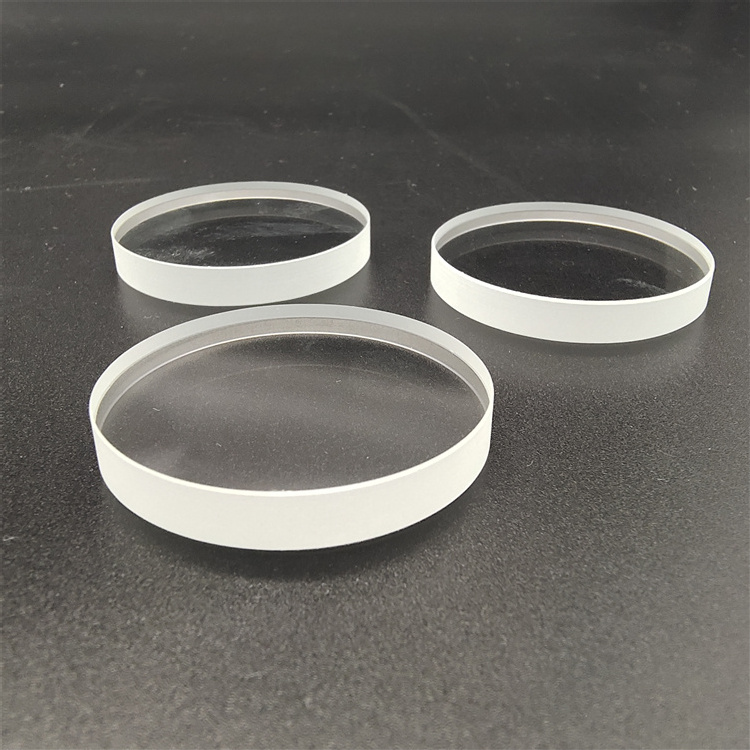
Oven door glass is usually an assembly of different formats: outer viewing panes, inner heat shields, control-window covers, lamp covers and printed trims. The eight products below map directly to the custom glass series from our factory and can be specified for Indianapolis replacement, wholesale and OEM projects. Product links are retained exactly for engineering follow-up.

A practical sourcing and engineering guide

What Indianapolis Buyers Need to Know About Oven Door Glass

Indianapolis appliance repair teams, property managers, distributors and OEM buyers rarely need generic glass. They need a precisely cut pane that fits a specific oven door, tolerates thermal cycling, preserves the original appearance and arrives without edge chips. This guide is written around that purchasing reality. It explains which glass types are appropriate for outer door windows, inner heat shields, printed control windows, lamp covers and adjacent appliance panels, and how a factory-direct wholesale program can support Central Indiana buyers.

Jaswe Glass is a custom glass processor based in Dongguan, China. We are not claiming a local manufacturing facility in Indianapolis. The value for Indianapolis customers is direct access to in-house cutting, CNC shaping, edge polishing, drilling, tempering, silk screen and ceramic printing, AG processing, and AR/AF coating. Drawings are reviewed by engineers, samples are approved before volume production, and export packing is prepared for shipment to Marion, Hamilton, Hendricks, Johnson and surrounding counties.

For search users comparing “oven door glass factories” and “wholesaler in Indianapolis,” local wording matters, but retrofit success depends on specifications. A replacement oven door glass must match thickness, visible area, corner radius, edge treatment, hole pattern, print color and coating position. The sections below combine product recommendations with local application notes and common procurement questions so that a buyer can move from a worn or broken panel to a production-ready drawing.

80+Skilled glass workers
26Glass processing machines
200K+Pieces produced monthly
96.61%Buyer response rate
Specification matrix

How to Match Glass to Each Oven Door Layer

An oven door can contain several glass components with different risk profiles. The same replacement strategy should not be copied from one layer to another. Use this matrix as a starting point, then confirm the final drawing with our engineers.

Outer Decorative Pane

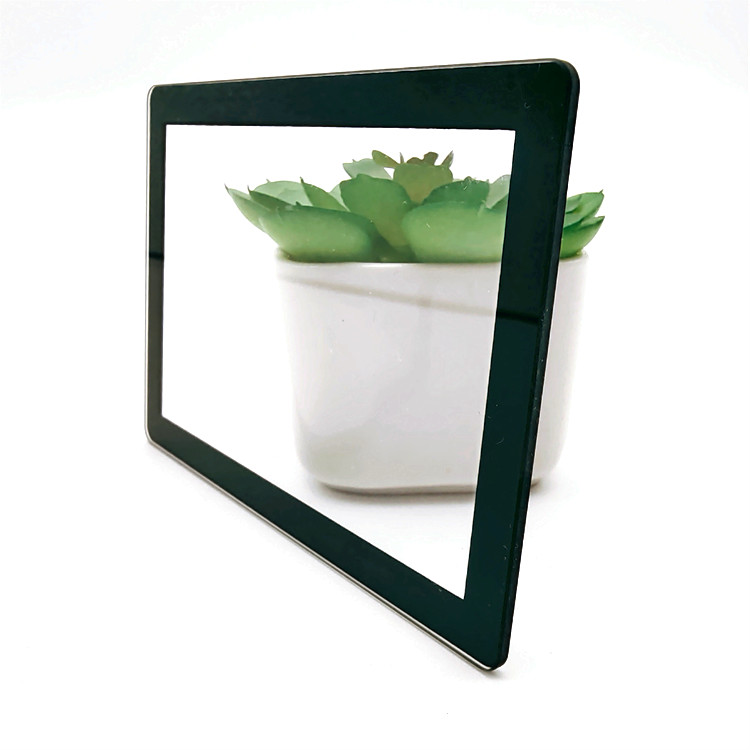
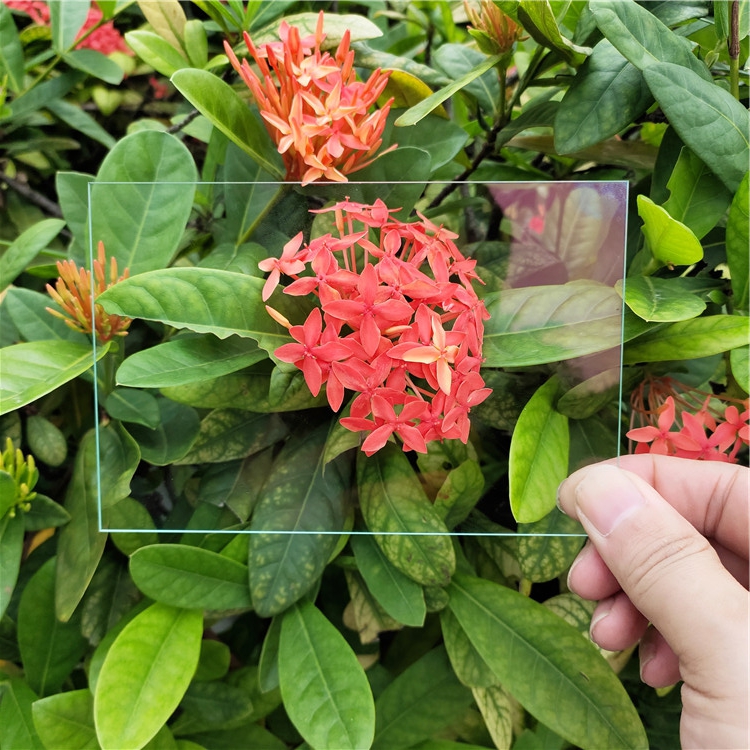
This is the most visible glass on many ranges. Low-iron tempered glass improves color neutrality, while ceramic-printed black borders and logos restore the factory look. AR coating may help control reflections, but heat exposure and coating position must be confirmed.

Inner Heat Shield

Inner panes sit closer to heat and should be specified by thickness, tempering condition and edge quality. Clear or low-iron tempered glass is common, but film coatings and printed inks need documented temperature limits before use.

Control-Window Cover

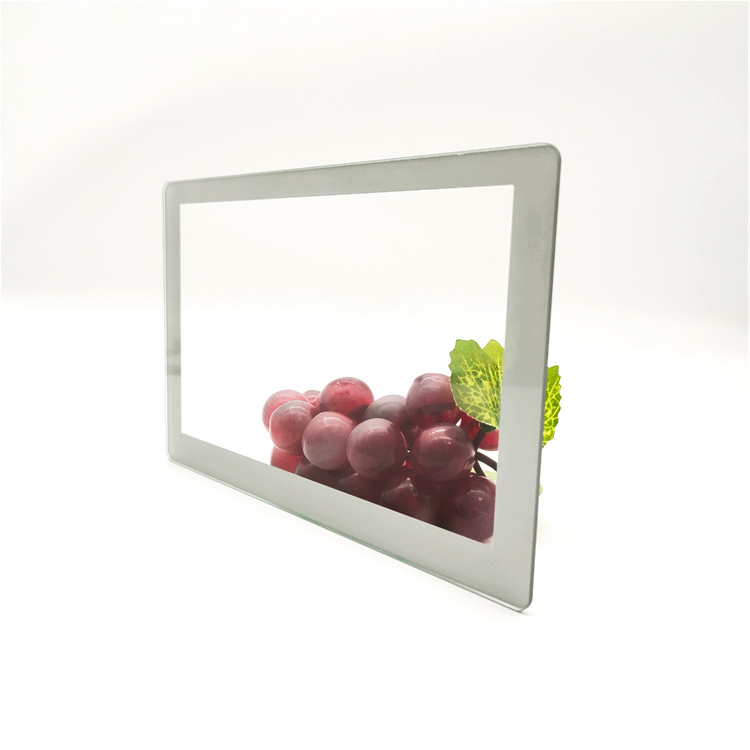
Digital ovens and smart ranges often use thin chemically strengthened glass with printed icons, transparent windows and touch-sensitive surfaces. AG can reduce glare, AF can improve fingerprint resistance, and AR can increase display contrast.

Oven Lamp Cover

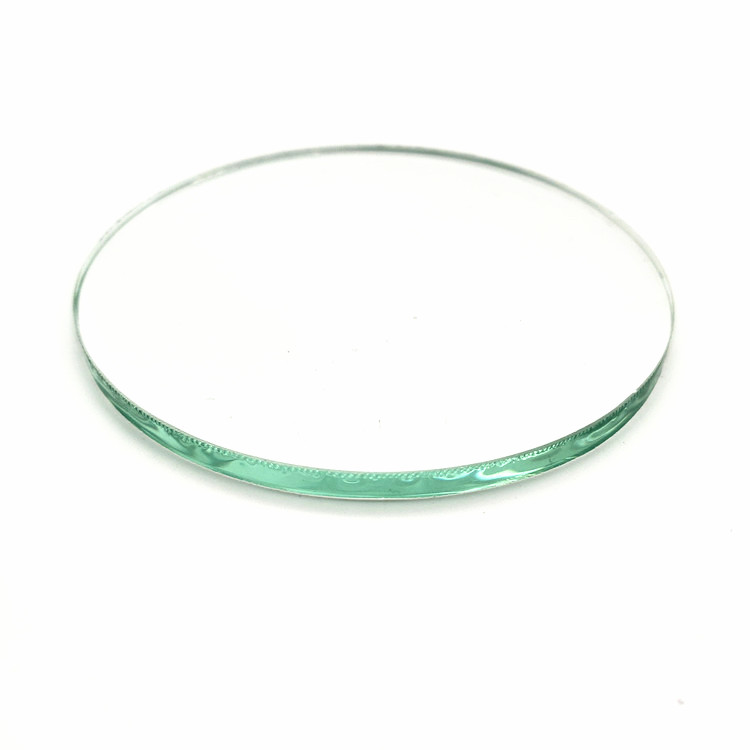
Round or small covers require clean edges, high light transmission and stable shape. Ultra clear round tempered glass is useful for lamp lenses, indicator ports and observation windows. Confirm diameter, edge finish and whether holes are required.

Printed Border and Logo

Printing hides adhesives, defines the viewing window and carries branding. Supply Pantone codes, vector artwork, window dimensions and tolerance expectations. Ceramic ink is fired for durability, but color registration can vary with glass tint and thickness.

Edge and Hole Details

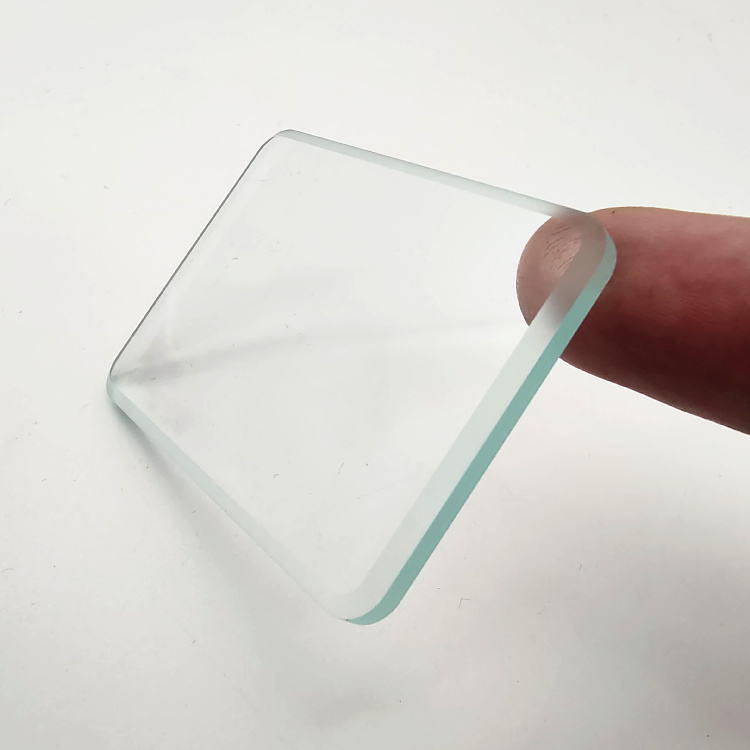
Beveled, polished, pencil, flat or matte edges affect handling safety and appearance. Holes and notches create stress points, so their location relative to the glass edge should be reviewed before tempering. Provide a DXF, DWG or dimensioned PDF whenever possible.

Localized applications

Where Oven Door Glass Demand Comes From in Indianapolis

Central Indiana has a mix of appliance service networks, multifamily housing, commercial kitchens, parts distributors and contract manufacturers. Each buyer profile needs a different balance of speed, traceability, print matching and wholesale quantity.

Appliance Repair & Service Companies

Technicians serving Marion, Hamilton and nearby counties need replacement panes for ranges, wall ovens and compact ovens. A clear drawing, measured thickness and photo of the door frame reduce back-and-forth and help the repair team restore the appliance instead of replacing it.

Multifamily Property Maintenance

Apartment portfolios and student housing operators often standardize a few common glass sizes. Batch ordering can reduce downtime and keep maintenance teams from holding many nonstandard panes. Packaging should be easy to inventory and protect edges during local handling.

Commercial Kitchens & Hospitality

Restaurants, hotels and institutional kitchens around downtown Indianapolis, Broad Ripple, Mass Ave and the airport corridor care about uptime. Heat exposure, cleaning chemicals and daily use make tempered glass quality and edge condition especially important.

Appliance Parts Distributors

Wholesale counters need consistent labels, batch traceability and predictable lead times. A factory-direct program can combine low-iron glass, printed borders, control-window glass and small lamp covers in one production plan for Central Indiana inventory.

OEM & Contract Assembly

Product developers in Indiana may need custom viewing windows, printed control panels and optical coatings for new appliance or equipment designs. Early engineering review helps avoid choosing a coating or print stack that cannot survive the intended heat profile.

Electrical & Equipment Fabricators

Oven-door glass capability overlaps with control-panel glass, display windows and instrument covers. Printed tempered glass with holes, AR/AG treatment and selective transparency can support equipment builders that need custom glass but are not ordering in appliance-scale volumes.

Localized development trends

Indianapolis Oven Door Glass Trends Shaping Procurement

Local demand is not only about price per piece. Buyers are increasingly comparing replacement accuracy, coating durability, packaging quality and communication speed. These four trends appear repeatedly in wholesaler and factory discussions.

01

Repair-First Decisions

Homeowners and maintenance teams are more willing to repair a costly range or wall oven than replace the full appliance. That increases demand for exact replacement glass, especially for visible outer panes where color, printed borders and edge finish affect customer satisfaction.

02

Small-Batch Replenishment

Distributors want flexible batch sizes instead of long inventory commitments. Indianapolis buyers often ask for mixed projects: a batch of printed control windows, a batch of clear tempered panes and a batch of lamp covers. One factory process can consolidate these needs.

03

Premium Optical Features

Smart ranges and digital ovens use more display glass. AR coating improves contrast, AG treatment reduces glare and AF coating helps keep touch surfaces clean. Low-iron glass removes the green tint that becomes obvious beside white or light-gray appliance panels.

04

Documented Lead Time

Wholesale buyers want written lead times, packing photos and quality records before goods leave the factory. For shipments to Indianapolis, the difference between a vague quote and a documented export plan can matter more than a small unit-price gap.

Dongguan Jaswe Glass factory supporting Indianapolis oven door glass and appliance glass projects
Custom glass processing in Dongguan, China, with export support for Indianapolis appliance, lighting, display and equipment buyers.
Glass cutting and processing workshop at Jaswe Glass Tempering and printing equipment for custom appliance glass
Enterprise advantage

A Factory Process, Not Just a Catalog Listing

Dongguan Jaswe Glass Co., Ltd. is a glass processing company with a 51–100 person team, more than 80 skilled operators and 26 glass processing machines. Monthly output exceeds 200,000 pieces of processed glass. We supply tempered glass, ultra clear glass, display glass, touch screen glass, silk screen printed glass, switch glass, AR / AG / AF coated glass, electrical equipment glass and LED lighting glass to buyers in America, Europe and Asia.

For oven door glass buyers, the key advantage is that critical steps stay under one roof: cutting, special-shaped and CNC cutting, edge polishing, hole drilling, tempering, silk screen and ceramic printing, AG processing, and AR / AF coating. That reduces the quality gaps that can appear when a drawing moves between several subcontractors.

“Scientific management, careful manufacture, high quality service, striving for excellence.”

LocationDongguan, Guangdong, China
Employees51–100 people
Machines26 glass processing units
Output200,000+ pcs / month
Response≤3 h average
Reorder rate26%

We do not replace the need for a local Indianapolis service partner when same-day installation is required. Instead, we support buyers who need factory-direct custom glass, wholesale quantities and an engineering path from drawing to shipment. For urgent projects, ask whether sample quantities or current production slots are available before committing to a delivery promise.

CNC & Cutting

Rounds, notches, slots and irregular outlines for exact appliance fit.

Edge & Holes

Beveled, polished, pencil, flat and matte edges plus drilled holes.

Thermal Tempering

Strength and breakage behavior for appliance and equipment glass.

Silk & Ceramic Print

Borders, icons, logos and transparent viewing windows with color matching.

AR / AG / AF Coating

Optical, anti-glare and anti-fingerprint treatments for display windows.

QC & Export Packing

Stage inspections, interleaving, edge protection and packing photos.

Performance Signals Buyers Can Verify

Buyer response rate96.61%
Repeat order rate26%
In-house process coverage8 / 8 key steps
How a custom order works

From Drawing to Indianapolis Delivery

A predictable process is especially important when the buyer is comparing overseas factory-direct supply with local repair options. Each step below should be documented before mass production.

01

Send the Requirements

Share a drawing, thickness, edge type, printing colors, coating requirement, application, annual volume and Indianapolis delivery details. Photos of the old glass and door frame help.

02

Engineering Review

Our team checks manufacturability, tempering stress points, print registration, coating position and packing. Average response is within about three hours during normal working periods.

03

Sample Approval

Samples are used to confirm fit, color, transparency, edge quality and coating appearance. Do not approve a new oven door glass project from a pencil sketch alone when the fit is critical.

04

Production & Shipping

Mass production follows the approved sample. Export packing uses interleaving and edge protection, and shipment can be quoted to Indianapolis addresses with freight and duties clarified.

Local procurement FAQ

Oven Door Glass FAQ for Indianapolis Buyers

These are the questions most often raised by Central Indiana repair companies, distributors, property maintenance teams and product developers when evaluating a factory-direct glass source.

What thickness is typical for oven door glass in Indianapolis replacement projects?
Many main oven-door viewing panes fall in the 3–5 mm tempered range, but thickness must match the OEM door frame, hinge load and retaining system. Thin control windows may use 0.5–3 mm chemically strengthened glass, while lamp covers and small indicator windows may use other formats. Measure the old glass with a caliper when it is available and confirm the drawing before production.
Can you make a replacement if I only have the broken glass pieces?
Often yes, but more information is needed than a single width and height. Send the old pieces, a dimensioned drawing, photos of the corners, edge type, hole positions, printed window size and thickness measurement. If the original part is too fragmented, provide the appliance model and door-frame photos so our engineers can identify the critical dimensions.
Is oven door glass heat-resistant enough for daily cooking?
Tempered or chemically strengthened glass is selected for thermal and mechanical durability, but it is not the same as fire-rated glass and should not contact direct flame or hot elements. Coated glass, printed ink and laminated assemblies may have lower temperature limits than uncoated tempered glass. Always state the application and expected heat exposure during the inquiry.
Do you have a warehouse in Indianapolis?
We do not claim a local Indianapolis warehouse unless it is confirmed in a written quotation. Our manufacturing base is in Dongguan, China, and we support factory-direct wholesale shipments to Indianapolis and surrounding counties. Ask for the current lead time, shipping method, freight estimate and any sample stock available for evaluation.
What is the minimum order quantity for custom oven door glass?
Most custom items start at 100–500 pieces, depending on size, tempering, printing, coating and packing. Standard clear tempered formats may be available in smaller sample quantities for evaluation. Reorders and mixed batches can be discussed once the drawing and annual volume are clear.
Can you match printed borders, logos and transparent display windows?
Yes. Send Pantone references, vector artwork, window dimensions and tolerance expectations. Ceramic printing is commonly used for durable appliance glass, and the print is fired after application. Final color may shift slightly with glass tint, thickness and coating, so a sample approval step is recommended.
How is glass protected during shipping to Indiana?
Export packing typically uses interleaved sheets, edge protectors, foam, cartons and wooden crates where required. For small control windows and printed glass, separators and moisture protection are especially important. Buyers can request packing photos and carton labels before shipment to reduce handling risk at the Indianapolis receiving dock.
How do I start an oven door glass project?
Use the inquiry button and provide your drawing, application, glass thickness, edge type, printing colors, coating requirement, estimated annual quantity and delivery destination in or near Indianapolis. Our engineers review manufacturability before samples are made, then help confirm packing and shipping requirements.

Get an Engineering Review for Your Indianapolis Oven Door Glass Project

Send your drawing, old-glass photos, thickness, print details and estimated wholesale quantity. We will review tempering, edge condition, coating position and export packing before quoting the next step.

Factory-direct custom glass support · info@jasweglass.com