Oven Glass Factory & Suppliers in the San Jose Market
A factory-direct specification and procurement guide for tempered, printed, AR / AG / AF coated appliance glass used in oven doors, range control panels, smart appliance HMIs, LED lamp covers, and display windows across San Jose and the Bay Area.
8 Custom Glass Products for Oven, Appliance & Display Projects
These product families match the most common San Jose sourcing requests: replacement appliance glass, custom control panels, touch interfaces, LED lamp covers, and optical display windows. Each item is made to drawing, with thickness, outline, holes, printing, edgework, and coating reviewed before quotation.
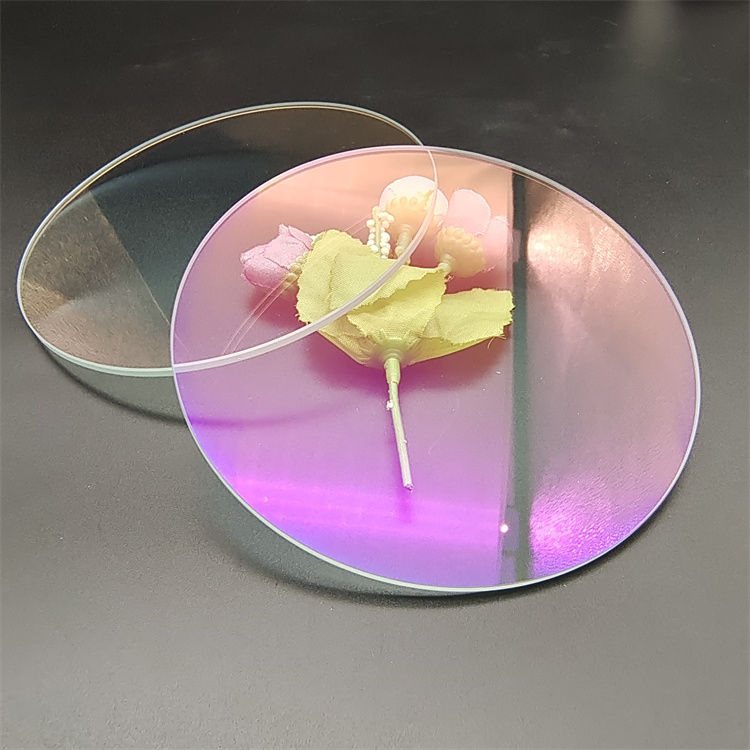
Premium Quality Ultra Clear Anti Reflective Solid High Strength 1mm 2mm 3mm 4mm 5mm 6mm Flat Tempered Glass Coating
For oven viewing windows and bright appliance displays where reflection hides the interior. AR coating improves see-through clarity; thermal suitability must be reviewed for the specific cavity temperature.
- 1–6 mm
- Anti-reflective
- Custom size
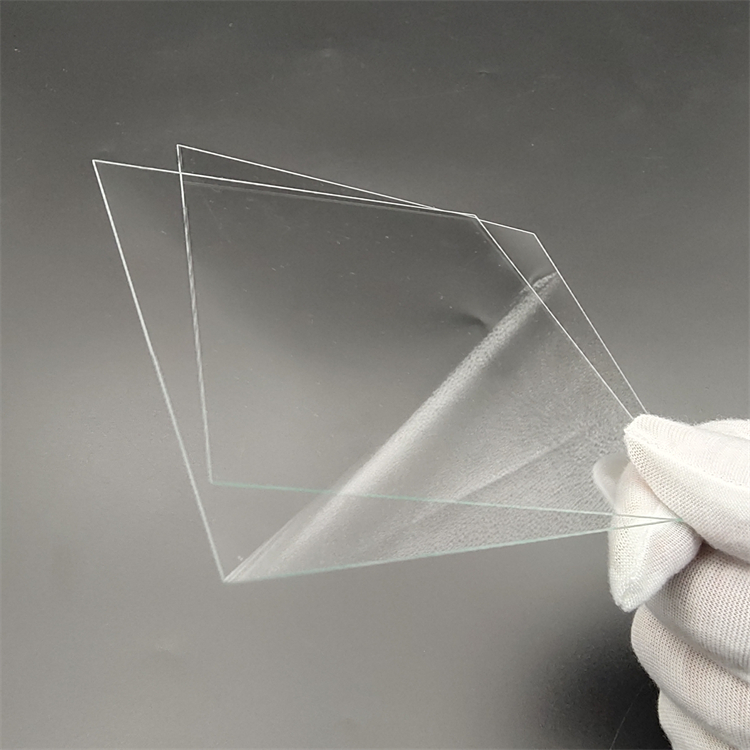
Customized Ultra Clear 0.5mm 0.7mm Thickness Ultra Thin Tempered Glass
Thin cover glass for compact appliance interfaces, sensor windows, and light-duty touch panels where weight and profile matter. Suitable for design review after drawings, tolerances, and handling limits are confirmed.
- 0.5 / 0.7 mm
- Ultra clear
- Touch-friendly
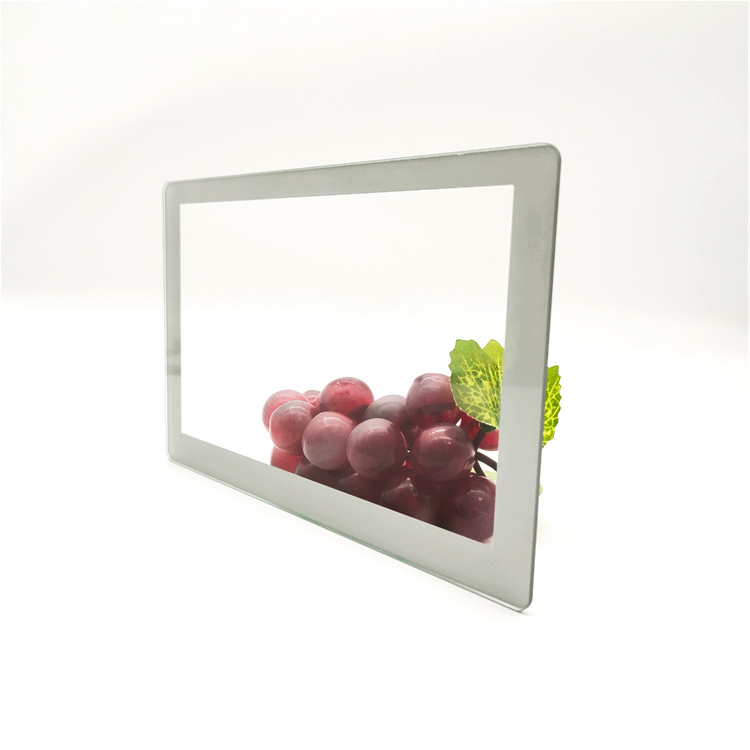
Customized High Strength Anti Glare Frosted Finish Tempered Glass LED/LCD Display Touch Panel for Monitor Screen Protector
Diffuses glare from kitchen downlights, windows, and outdoor light so screens remain readable. Useful for smart range displays, commercial kitchen HMIs, and San Jose storefront or kiosk interfaces.
- Frosted finish
- Anti-glare
- Touch panel
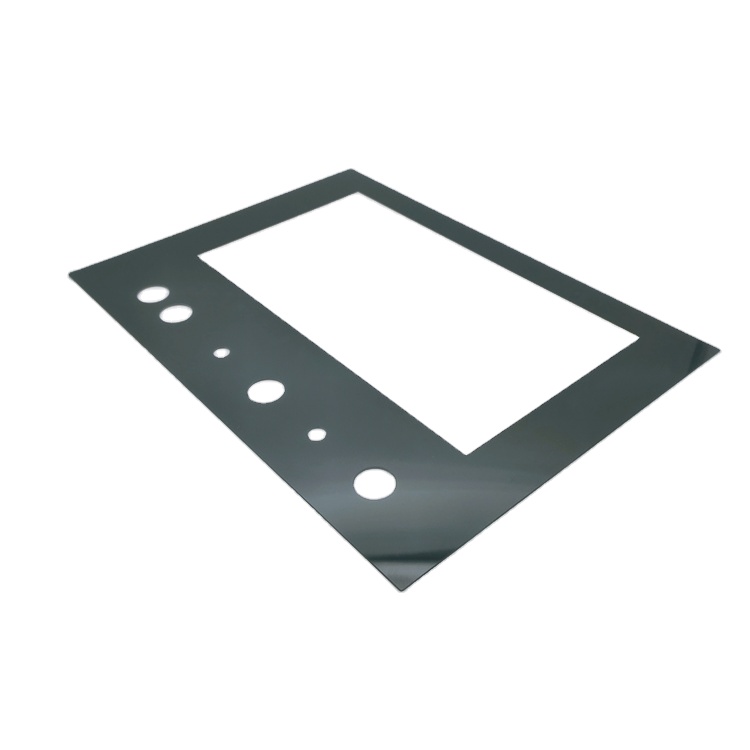
Customized Printed 0.5-6mm Thickness Flat Tempered Glass Screen Protector with Cut Holes
For range panels, appliance controls, and instrument windows that need printed windows, branding, icons, sensor openings, or screw holes. A practical choice for OEM programs and refurbishment suppliers.
- 0.5–6 mm
- Silk print
- CNC holes

Customized Industrial Lighting Solid Flat Ultra Clear Frosted Tempered Glass with Beveled Step Edge
For LED lamp covers, oven indicator lenses, and fixture glass that needs a clean edge and controlled light diffusion. The beveled step edge helps fit the glass into a frame or housing.
- Frosted
- Beveled step edge
- LED cover

Custom Extra White 0.5mm 1mm 1.5mm 2mm Low Iron Tempered Glass Chemical Strengthened
Low-iron glass avoids the green edge tint of standard float glass. It is often specified for premium appliance panels, white LED covers, and display windows where color fidelity matters.
- Extra white
- 0.5–2 mm
- Strengthened
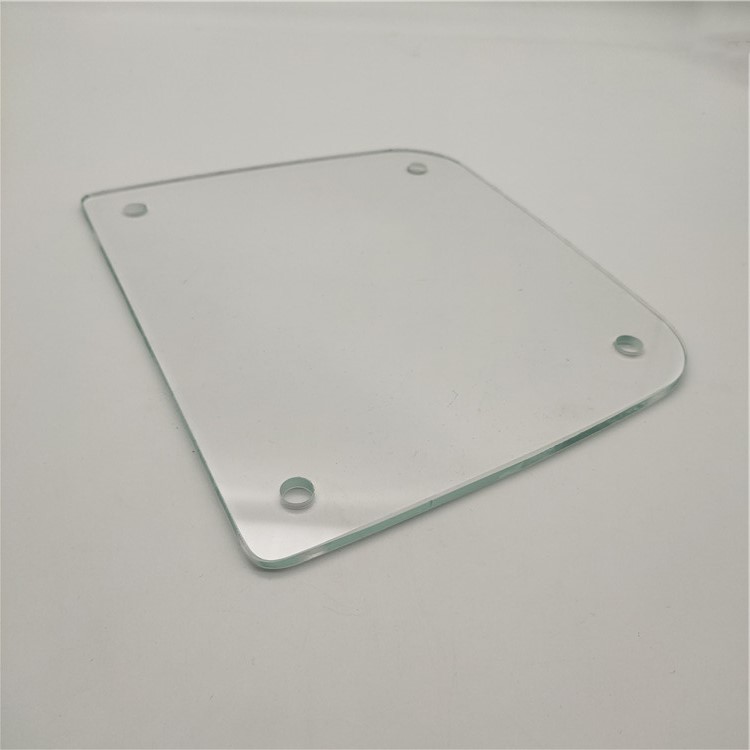
Ultra Clear Tempered Glass Customized Design with Cut Holes for Led Light Cover
Clear protection for LED light fixtures, oven lamps, and appliance indicators. CNC-cut holes can accommodate screws, wiring, or mounting hardware while preserving a clean outer appearance.
- Clear
- Cut holes
- LED fixture
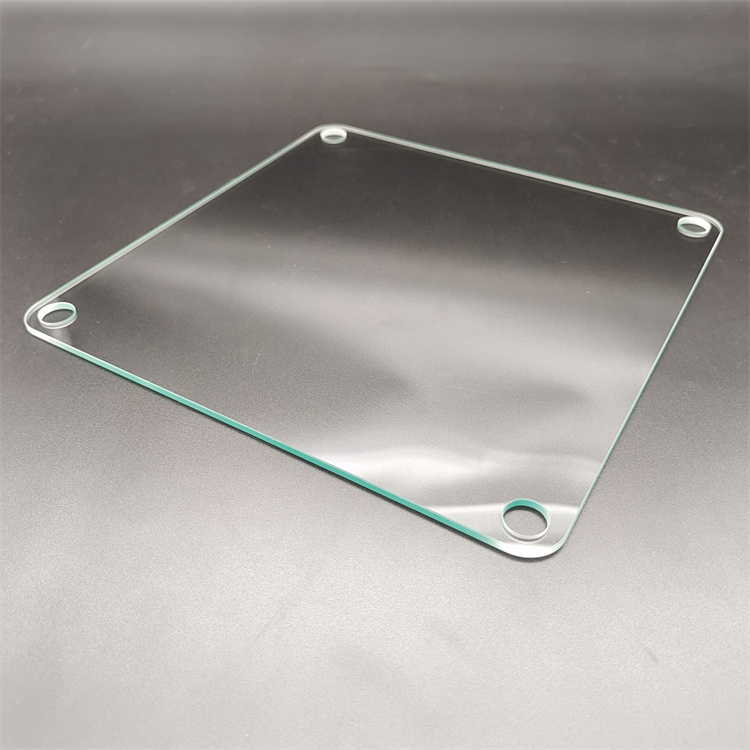
Factory Sale Customized Shape Decorative Glass Cover Hole Drilling Glass Panel Soda-lime Tempered Glass Sheet With Holes
For decorative appliance covers, control windows, and shaped glass panels requiring drilled holes. Soda-lime tempered glass offers a practical balance of strength, cost, and process flexibility.
- Custom shape
- Drilled holes
- Soda-lime
Product images are displayed in their original proportions inside the card media area; the glass is not intentionally cropped or distorted. Product links above preserve the original URLs supplied for this article.
What “Oven Glass Factory & Suppliers in the San Jose Market” Really Means
San Jose buyers search with several different jobs in mind. A useful supplier page must separate urgent repair work, OEM design work, and commercial procurement verification instead of treating every visitor as the same buyer.
In San Jose, the phrase oven glass factory and suppliers is rarely used in only one way. A restaurant owner in downtown San Jose may be looking for a replacement oven door window after a breakage. An appliance repair company in Santa Clara may need a small batch of printed control glass with drilled holes. A product engineer in North San Jose may be developing a smart range interface and needs ultra-clear glass, anti-glare treatment, and anti-fingerprint coating on a thin cover. A lighting or electrical panel builder may simply need durable flat glass with a clean edge and reliable packing. These are different buying journeys, and they should be answered with different specifications.
The first information-gain point is that a “local San Jose supplier” and an “oven glass factory” are not interchangeable. Local glass fabricators can be excellent for measurement, emergency service, installation, and simple cut glass. However, custom tempered appliance glass, silk-screen printing, ceramic ink, drilled holes, AR / AG / AF optical coatings, and repeatable inspection usually require a dedicated glass processing factory. For a single replacement pane, a local glazier may be faster. For OEM production, distributor replacement programs, or custom control panels, factory-direct communication usually provides better control over drawings, samples, tolerances, and change management.
The second information-gain point is thermal honesty. Not every oven door uses the same glass construction. Some ovens require high-borosilicate glass for high heat and thermal shock; other applications use tempered soda-lime glass for control panels, viewing windows, lamp covers, or lower-demand cavities. A responsible supplier should ask for the continuous operating temperature, door-frame dimensions, gasket condition, mounting method, and expected thermal cycles before recommending a glass type. The product range shown here covers custom tempered and chemically strengthened glass from ultra-thin electronic grades up to heavy flat glass, but the final oven-door construction must be reviewed against the actual thermal load.
Dongguan Jaswe Glass Co., Ltd. is a glass processing factory in Dongguan, China, serving buyers in America, Europe, and Asia. The company’s published profile describes 26 glass processing machines, more than 80 workers, and monthly output above 200,000 pieces. For San Jose buyers, the practical value is not a claim of a local storefront; it is the ability to review a drawing, propose a process route, produce samples, and ship production glass with export packing. This guide uses that factory capability data because procurement decisions should be based on verifiable process depth, not generic “high quality” statements.
Information-gain summary for San Jose buyers
- Eight product paths are mapped to oven, appliance, touch, LED, and display uses rather than presented as a single commodity glass.
- The guide distinguishes urgent replacement, OEM development, and supplier verification intents.
- Technical limits are stated: AR / AG / AF coatings solve different optical problems, and oven-cavity heat must be validated.
- Factory capability is presented as published, verifiable data: machines, workers, capacity, response rate, reorder rate, and trade-profile links.
- Local San Jose application scenarios and procurement FAQs are included so the page supports real purchase decisions.
Three search intents behind San Jose oven glass queries
Urgent replacement & repair
The buyer needs a replacement oven door window, lamp cover, or control panel quickly. The right response is to confirm dimensions, glass type, frame clearance, and whether a local glazier should handle measurement and installation. Factory production makes sense when the part is custom, tempered, printed, or needed in repeat quantities.
OEM design & sampling
An appliance brand, contract manufacturer, or startup needs a cover glass that fits an industrial design. The buying criteria shift to drawing review, thickness tolerance, edge quality, printing alignment, optical coating, samples, and production consistency. This is where a factory with in-house CNC, tempering, printing, and coating matters most.
Procurement verification
A sourcing manager has already found suppliers and must now reduce risk. The questions become capacity, process ownership, inspection points, packaging, response time, trade history, and documentation. Published trade-profile evidence and direct engineering communication are more useful than a low headline price alone.
Jaswe Glass Capability at a Glance
San Jose buyers can use these published figures as a first-pass capacity check, then request drawings, samples, inspection plans, and current documents for their own supplier qualification file.
These figures come from the company’s published trade profile and should be confirmed with current production data during supplier qualification. Capacity is application-specific: thickness, printing, coating, tolerances, and packing all affect real lead time.
Product-to-Application Matrix for San Jose Projects
Use this matrix to turn a local use case into a glass specification discussion. It does not replace thermal or mechanical validation, but it helps align the first RFQ with the right product family.
| San Jose Use Case | Recommended Product Direction | Why It Fits | Specification Note |
|---|---|---|---|
| Oven door viewing window | Ultra clear AR tempered glass or customer-approved high-temperature glass construction | AR coating improves interior visibility; tempered glass supports mechanical durability where suitable. | Confirm continuous cavity temperature, thermal shock, frame clearance, and gasket condition before approval. |
| Range or oven control panel | Printed 0.5–6 mm tempered glass with cut holes | Integrates transparent windows, icons, logos,指示灯, sensor openings, and mounting holes. | Send Pantone colors, print side, window size, hole positions, edge type, and surface requirement. |
| Smart appliance touch HMI | Ultra-thin 0.5 / 0.7 mm glass with AR and AF options | Thin profile, optical clarity, and easy-clean touch surface for modern kitchen interfaces. | Review touch sensitivity, optical bonding, coating durability, and fingerprint performance on samples. |
| Oven lamp or indicator cover | Ultra clear frosted tempered industrial glass with beveled step edge | Protects LED or lamp components while controlling glare and fit in a frame. | Confirm light transmission, haze level, edge profile, and fastening method. |
| Commercial kitchen display or kiosk | Anti-glare frosted tempered display glass | Diffuses strong overhead light and window glare in busy commercial environments. | Select haze based on viewing distance, resolution, and touch use; test under actual lighting. |
| Decorative or shaped appliance cover | Custom-shape soda-lime tempered glass with drilled holes | Balances strength and cost for shaped covers, windows, and non-critical decorative panels. | Provide DXF/DWG/PDF drawings with tolerances, hole diameter, edge requirement, and annual volume. |
Where Oven and Appliance Glass Is Used in the San Jose Market
San Jose is a mixed market: commercial kitchens, residential service, smart-home development, laboratories, semiconductor equipment, lighting, and outdoor technology all create different glass requirements.
Restaurant & commissary equipment
Downtown San Jose restaurants, hotel kitchens, commissaries, and food-service equipment servicers need replacement windows, control covers, and lamp glass that tolerate cleaning, grease, and repeated heating. The practical RFQ should include dimensions, existing frame photos, and whether the part is a viewing window, printed control panel, or light cover.
Residential appliance repair
Property managers and appliance repair companies around San Jose often need small batches of oven glass, range panels, and control windows for apartment turns and warranty repairs. When the exact OEM part is unavailable, a drawing-based custom part may be possible, but thermal and safety requirements must be confirmed before installation.
Smart home & range interfaces
Product teams in North San Jose, Santa Clara, and Milpitas use glass covers for touch controls, display windows, and decorative panels. Key requirements include thin glass, faithful color printing, anti-fingerprint performance, optical clarity, and reliable sample-to-production consistency.
Instrument and equipment windows
Laboratory, test, and semiconductor support equipment often needs small, high-clarity windows with precise holes or stepped edges. AR glass can improve readability; AG glass can reduce glare; printed tempered glass can hide electronics and create durable viewing windows.
Kiosks, EV charging & signage
San Jose’s bright outdoor conditions make glare a practical human-interface problem. Anti-glare display glass can keep information readable near storefronts, parking areas, and sidewalk kiosks. For touch surfaces, an AF top layer can make cleaning easier and reduce visible smudges.
LED lighting & control panels
Lighting fixture builders and electrical panel assemblers need flat glass that fits cleanly, transmits light evenly, and survives handling and installation. Frosted surfaces, beveled step edges, printed borders, and drilled holes can be combined in one custom glass part.
Localized Trends Shaping Oven & Appliance Glass Demand in San Jose
Procurement behavior in the Bay Area is moving toward smaller custom batches, higher interface quality, and more demand for verifiable manufacturing evidence.
High-mix, low-volume customization
Buyers increasingly need 100–500 piece runs for niche appliance models, repair programs, prototypes, and retrofits. A factory that can handle drawings, samples, and mixed processes without losing consistency has an advantage over a catalog-only supplier.
Electrification and smarter range controls
Induction ranges, smart ovens, and connected kitchen appliances push more functions onto glass HMI surfaces. This raises demand for printed windows, capacitive touch glass, anti-fingerprint coating, and optical treatments that preserve display clarity.
Optical clarity and glare control
San Jose’s bright interiors and large windows make glare visible in both commercial and residential kitchens. Buyers are asking for AG glass to diffuse reflections and AR glass to improve light transmission and contrast where reflection is the main problem.
Documentation and supply-chain transparency
Custom glass is still a physical component, but procurement teams now expect clearer process evidence: in-house capability, inspection points, trade history, response performance, and packing standards. Claims that cannot be verified are less persuasive than documented process data.
The bar chart is an illustrative planning example for custom appliance glass RFQs, not a statistical survey of San Jose buyers.
Why Jaswe Glass Is a Practical Factory Partner for San Jose Buyers
Dongguan Jaswe Glass Co., Ltd. focuses on custom processed glass for displays, touch panels, LED lighting, switches, electrical equipment, and appliance applications. The value to a San Jose buyer is process depth and direct engineering communication.



Jaswe Glass is based in Dongguan, Guangdong, China, within the electronics and manufacturing supply chain of the Pearl River Delta. The company processes custom tempered glass, ultra clear glass, silk screen printed glass, switch glass, AR / AG / AF coated glass, electrical equipment glass, and LED lighting glass. Buyers can send drawings for cutting, CNC shaping, edge polishing, hole drilling, tempering, printing, and coating review under one production conversation.
Most of the production team’s value is in handling detail: special shapes, small holes, thin glass, multi-color printing, transparent display windows, and optical treatments. Those details are exactly where low-cost trading companies often lose control, because the glass may move between multiple subcontractors. Keeping critical processes in-house shortens communication and makes it easier to trace defects back to a process step.
“Scientific management, careful manufacture, high quality service, striving for excellence.”
- Location
- Dongguan, Guangdong, China
- Employees
- 51–100 people
- Annual revenue
- US$2.5M–US$5M
- Main markets
- America · Europe · Asia
- Equipment
- 26 machines incl. tempering furnace
- Supplier status
- On-site verified · 6 years
In-house processes that matter for oven and appliance glass
Precision & CNC cutting
Automatic cutting plus CNC shaping for rounds, notches, slots, and irregular outlines used in control panels and display covers.
Edge polishing
Pencil, flat, beveled, stepped, and matte edges for safe handling, clean appearance, and reliable fit into frames or gaskets.
Hole drilling
Holes and countersinks for buttons, sensors, cameras, knobs, lamp hardware, and mounting screws in printed or clear panels.
Thermal tempering
Tempering strengthens glass for impact resistance and safer breakage behavior where the application and thermal profile are suitable.
Silk screen & ceramic printing
Multi-color logos, icons, borders, indicator windows, and transparent display windows with color matching for appliance panels.
AG anti-glare processing
Diffused matte surface that reduces glare from kitchen lighting, windows, and outdoor conditions while keeping screens readable.
AR anti-reflective coating
Optical coating that lowers surface reflection and raises light transmission for clearer oven viewing windows and display covers.
AF anti-fingerprint coating
Oleophobic top layer for touch screens, smart switches, and control panels: smoother glide, fewer smudges, and easier cleaning.
A supplier verification checklist for San Jose buyers
Five Steps from Drawing to Delivery
A clear workflow reduces costly rework on custom oven glass, printed control panels, and coated display covers.
Send requirements
Drawing, thickness, edge, printing, coating, application, and estimated annual volume.
Engineering review
Manufacturability check, glass recommendation, process route, and questions before sampling.
Sampling
Physical samples for fit, color, optical performance, hole position, and surface approval.
Mass production
Batch production with inspection at cutting, edging, tempering, printing, coating, and packing stages.
Packing & shipping
Interleaved, edge-protected export packing coordinated with your freight forwarder or logistics plan.
Oven Glass Factory & Supplier Questions Local Buyers Ask
Are you a local San Jose oven glass factory?
Can you make replacement oven door glass from measurements?
What is the best glass for an oven door?
What glass thickness can Jaswe Glass process?
What is the minimum order quantity for custom oven or appliance glass?
What is the difference between AR, AG, and AF glass?
Can you print logos, icons, borders, and transparent windows?
Which processes are done in-house?
How are fragile glass panels packed for shipment to San Jose?
How do I start a custom glass project?
Have a Drawing or Broken Sample? Get an Engineering Review.
Share your oven glass, appliance panel, LED cover, or display glass requirement with the Jaswe Glass team. Include dimensions, thickness, edge type, printing, coating, application, and estimated quantity so the reply can be practical rather than generic.
Contact Us Email: info@jasweglass.com · Dongguan Jaswe Glass Co., Ltd.