Eight Precision Glass Products for San Diego Buyers
These product families cover the most common procurement paths in San Diego County: display covers, instrument windows, AR/AG touch surfaces, printed appliance glass, LED lighting glass and custom screen protection. Each item is made to drawing, with thickness, outline, holes, edge profile, printing and coating reviewed before sampling.
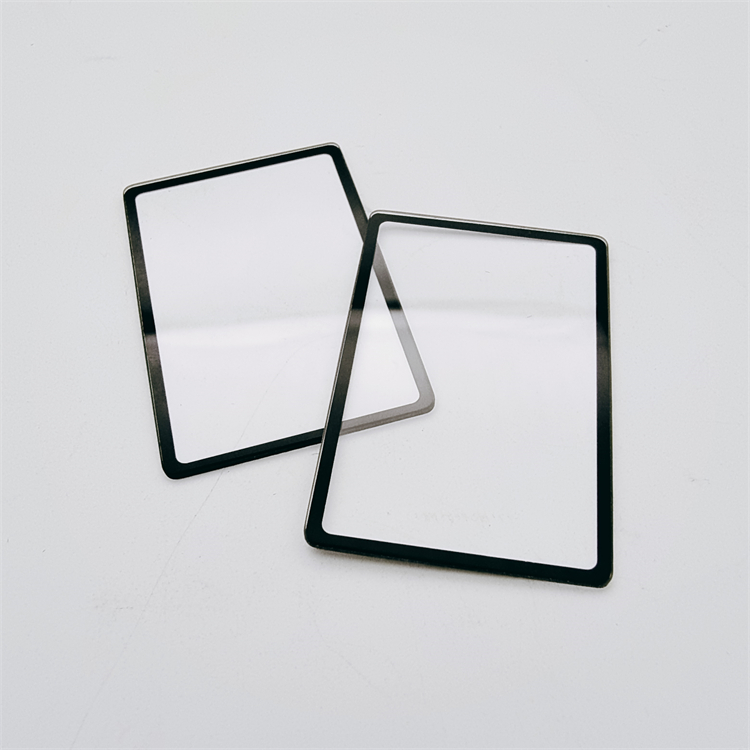
0.5mm 0.7mm 1mm 2mm 3mm OEM Wholesale Custom Silk Screen Printing Tempered Glass Display Screen
A practical choice for instrument windows, appliance control panels and industrial display covers that need printed borders, icons or transparent windows.
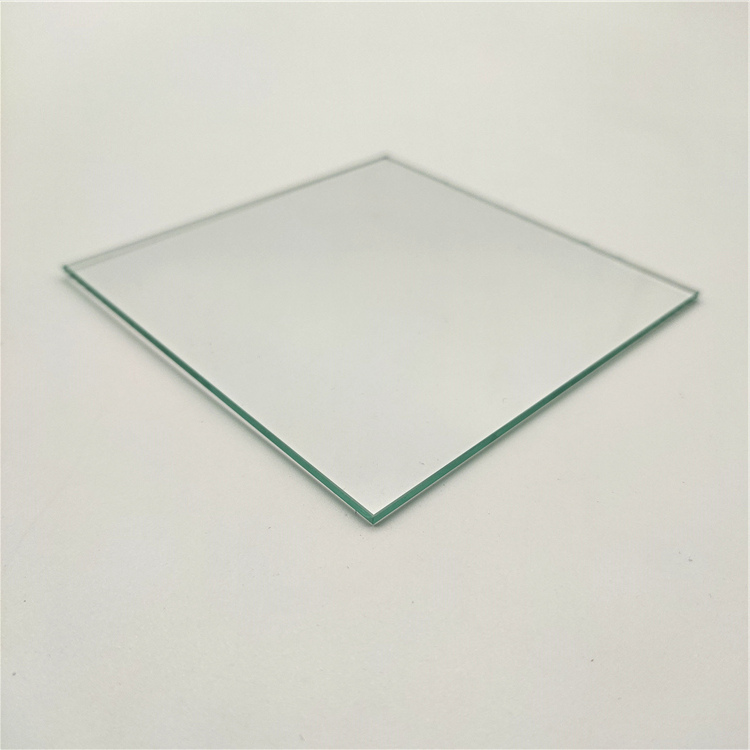
Fast Delivery Custom 1mm Clear Glass Sheet
Useful for prototype builds, replacement windows and thin clear cover plates where speed and dimensional accuracy matter.
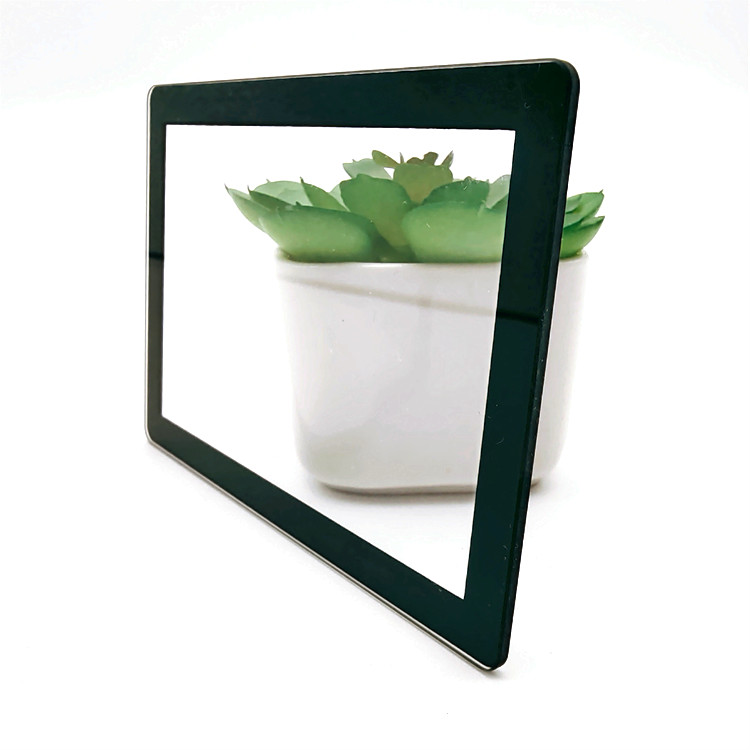
High Quality 0.5mm–6mm Solid Industrial Display Screen Tempered Glass with Printed Design
A strong fit for industrial HMI covers, equipment windows and control interfaces exposed to handling, cleaning and vibration.

Both Sides Anti Reflective AR Coating 1mm 2mm 3mm 4mm Ultra Clear Tempered Glass
Recommended for bright-display readability, medical-instrument windows and high-transmittance covers where reflections reduce contrast.
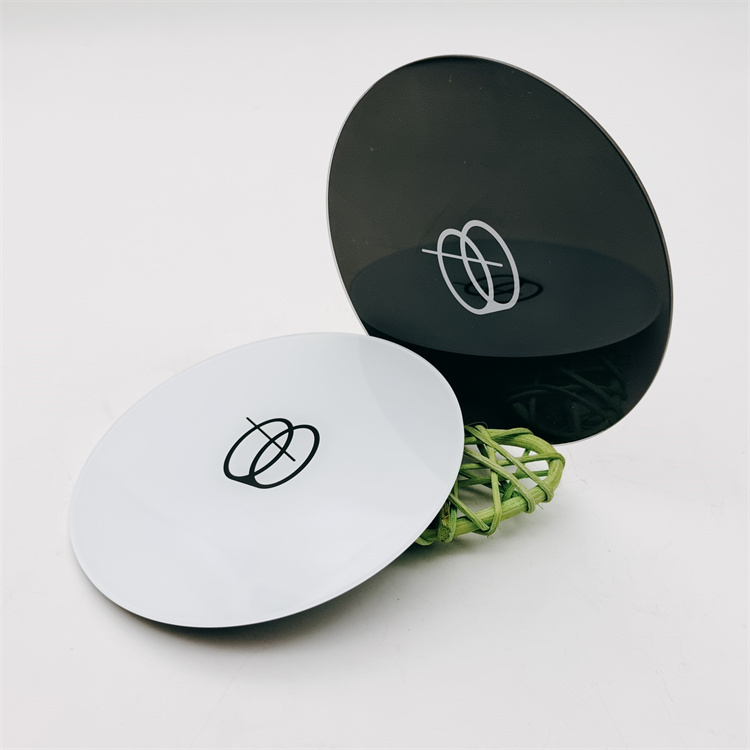
Black White Silk Screen Printing Toughened Glass Round Tempered Glass for Electric Appliance
Ideal for smart appliances, switch plates and compact control panels where crisp graphic printing and repeatable color matter.
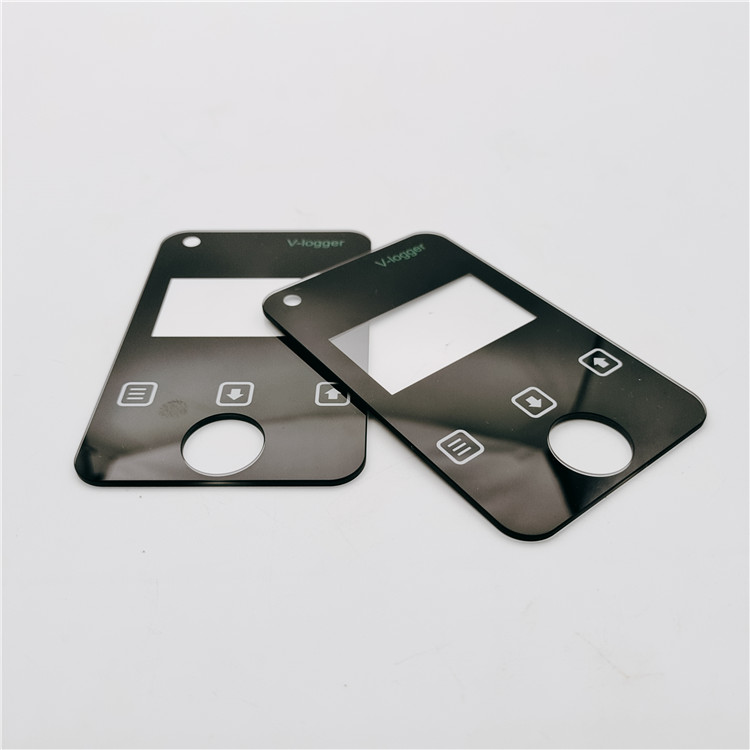
Customized Cut 1mm 2mm 3mm 4mm Instrument Printed Tempered Glass with Holes
Designed for meter windows, sensor openings, indicator compartments and control panels that require drilled holes and printed graphics.
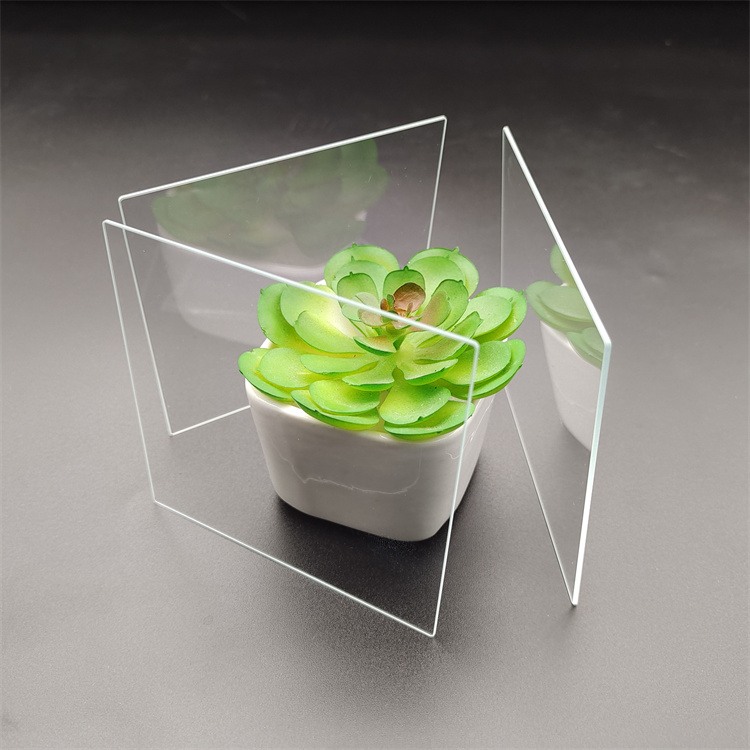
Custom 1mm 2mm 3mm 4mm 5mm Tempered Extra Clear Glass Panel for LCD Screen, LED Light and Electronic Appliance Cover
A versatile low-iron glass cover for LCD modules, LED fixtures and premium appliance panels where neutral color and clarity are important.
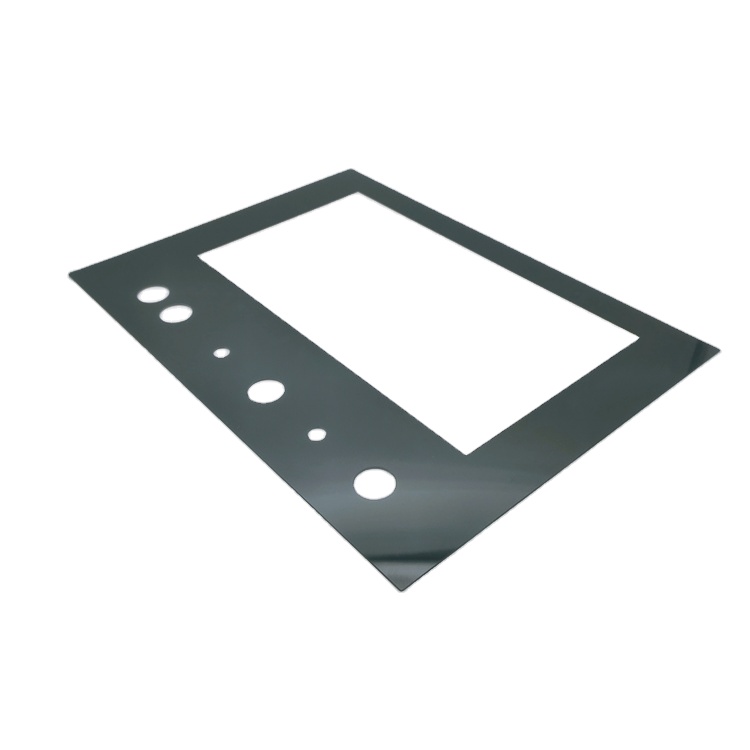
Customized Printed 0.5–6mm Thickness Flat Tempered Glass Screen Protector with Cut Holes
For kiosk displays, outdoor enclosures and instrumentation screens that need flat tempered protection with precise cut-outs.
Biotech & Life-Science Instruments
Specify ultra-clear AR-coated glass for analyzer windows, diagnostic readers and lab-equipment displays where glare and green tint reduce readability.
Outdoor Digital Signage & Kiosks
Use AG + AF or AR + AF on 3–6 mm tempered glass to control San Diego sunlight, fingerprints and cleaning wear at touch points.
Marine, Defense & Industrial HMI
Prioritize high-strength 3–6 mm tempered covers with printed masks, sealed edges and documented first-article inspection where required.
Where Precision Glass Processing Creates Value in San Diego
San Diego’s manufacturing base combines life sciences, defense and marine electronics, cleantech, craft food and beverage equipment, tourism-facing digital signage and a cross-border production corridor with Baja California. The glass specification should follow the operating environment, not only the drawing.
Life-Science & Diagnostic Instruments
AR-coated ultra-clear windows improve contrast on analyzer screens, sample readers and benchtop instruments. AF coating supports frequent glove-touch interaction and wipe-down routines.
Marine & Defense Electronics
Harbor, coastal and field environments demand robust covers. Tempered 3–6 mm glass with printed masks, secure edge treatment and optional AG diffusion supports HMI readability and durability.
Outdoor Digital Signage & Kiosks
Tourism, transit, campus and retail displays face strong Pacific light. AG treatment diffuses glare, while AR increases transmission; combine with AF for public touch surfaces.
Cleantech & EV Charging Interfaces
Charging stations, energy storage controls and smart-building panels need printed icons, indicator windows and anti-glare surfaces that remain clear under exterior lighting.
Food, Beverage & Appliance Controls
San Diego’s craft beverage and specialty food equipment benefits from tempered printed glass panels that resist cleaning, hide wiring and present crisp brand graphics.
Cross-Border Baja California Production
San Diego engineering teams often coordinate with Tijuana assembly partners. A single glass supplier can ship matched lots to California or Mexico, reducing color, thickness and coating variation across builds.
What Is Changing in Local Precision Glass Demand
Buyers are increasingly evaluating total landed cost, optical consistency and supply resilience rather than price per piece alone. These six trends are especially relevant for San Diego product teams.
Nearshoring Plus Asia Sourcing
Many San Diego manufacturers keep final assembly close to California or Baja California while sourcing engineered glass from specialized processors. The key is predictable documentation and lot-to-lot consistency.
Higher Display Readability Standards
Life-science and medical users expect low reflection, neutral color and touch-friendly surfaces. AR, AG and AF are now specified together more often than as isolated upgrades.
Outdoor Durability by Design
UV exposure, coastal moisture and cleaning chemicals push buyers toward tempered glass, sealed edge options and surface treatments validated against the actual enclosure design.
Smaller Pilot Runs Before Volume
Product teams want sample glass and first-article review before committing to annual volume. A supplier that supports 100–500 piece pilots can shorten the engineering cycle.
Printed Glass as Brand Experience
Switch plates, appliance panels and EV charger interfaces use glass printing to combine function and brand presentation. Pantone matching, window clarity and ink durability matter.
Data-Backed Supplier Qualification
Procurement teams now review response rate, reorder rate, inspection stages and process ownership. Transparent metrics reduce risk when the supplier is overseas.
AR vs AG vs AF vs Ultra Clear for San Diego Applications
This matrix is a starting point for RFQ discussions. Final coating stacks should be validated with samples because viewing distance, bezel design, display brightness and cleaning method all affect perceived performance.
| Glass / Treatment | What It Solves | Best Local Fit | Engineering Note |
|---|---|---|---|
| Ultra Clear Low-Iron | Reduces the green tint of standard float glass and supports true color reproduction. | LCD covers, LED lighting lenses, premium appliance panels and medical display windows. | Pair with neutral white printing and check edge color under final illumination. |
| AR Anti-Reflective | Lowers surface reflection and increases visual contrast and light transmission. | Instrument windows, bright indoor displays, camera openings and optical sensor covers. | Double-sided AR gives a larger readability gain; confirm coating durability with the cleaning process. |
| AG Anti-Glare | Diffuses reflected light so screens remain readable under strong ambient or outdoor light. | Kiosks, outdoor signage, marine HMIs, vehicle interfaces and industrial controls. | Select haze level by viewing distance; high-resolution screens usually need finer AG treatment. |
| AF Anti-Fingerprint | Oleophobic top layer resists oil, sweat and smudges on touch surfaces. | Public kiosks, smart switches, POS terminals, EV chargers and touch control panels. | Apply as a top layer over AR or AG when the product is finger-operated. |
| Silk-Screen Printed Tempered | Hides wiring, adds icons, borders, logos and transparent display windows. | Appliance control panels, instrument faces, switch glass and equipment windows. | Send Pantone references, window dimensions and tolerance priorities with the drawing. |
| Custom Holes & Cut-Outs | Creates openings for sensors, buttons, cameras, fasteners and connectors. | Instrument glass, security devices, environmental enclosures and control interfaces. | Review minimum hole-to-edge distance before tempering; DFM feedback prevents sample delays. |
For San Diego outdoor projects, request sample viewing under direct afternoon sun and shade. For indoor medical and scientific equipment, evaluate reflection, color neutrality and fingerprint visibility under the actual display brightness.
Why Jaswe Glass Fits a San Diego Procurement Strategy
Dongguan Jaswe Glass Co., Ltd. is a glass processing supplier and exporter serving America, Europe and Asia. The company processes tempered glass, display glass, touch screen glass, silk-screen printed glass, switch glass, AR / AG / AF coated glass, electrical equipment glass and LED lighting glass. For San Diego buyers, the advantage is not simply a factory price; it is the combination of in-house process control, engineering feedback and repeatable export packing.
Most of the 80+ operators have more than eight years of hands-on glass processing experience. That matters on tight-tolerance work such as ultra-thin 0.2 mm electronic-grade cover glass, multi-color printed windows, or 3–6 mm tempered HMI covers where small handling errors become visible defects.
“Scientific management, careful manufacture, high quality service, striving for excellence.”
The company’s 26 glass processing machines include automatic cutting, CNC shaping, edge polishing, hole drilling, a tempering furnace, silk-screen and ceramic printing equipment, AG processing and AR / AF coating capability. Monthly output exceeds 200,000 pieces, which supports both pilot builds and sustained production for lighting, electronics, appliance and instrument customers.
Quality control is staged across cutting, edging, drilling, tempering, printing and coating before packing. This staged inspection model is important for San Diego teams coordinating with assembly partners in California or Baja California: it gives the receiving team a clearer basis for incoming inspection and reduces surprises at final build.



RFQ Data Pack That Speeds Review
Send a DXF, DWG or PDF drawing with thickness, outline tolerance, edge profile, hole positions, printing colors, coating requirement, application environment, annual volume and target delivery date. Our engineers review manufacturability before samples are made.
From Drawing to San Diego Delivery
A straightforward five-step process for overseas buyers who want technical clarity, sample approval and predictable mass production.
Send Requirements
Drawing, thickness, edge, printing, coating, application and annual volume.
Engineering Review
DFM feedback, process route, risk points and quotation within hours.
Sampling
Physical samples for fit, color, transparency, glare and touch feel.
Mass Production
Batch production with in-process inspection at each key station.
Export Packing
Interleaved, edge-protected packing for Los Angeles / Long Beach or air freight to SAN.
Questions San Diego Buyers Ask Most
What glass thicknesses and sizes can Jaswe Glass process for San Diego projects?
What is the minimum order quantity, and can we order samples before production?
Should we choose AR or AG glass for San Diego sunlight?
How do you ship custom glass to San Diego, and what documents are needed?
Can you support a supply chain that includes Tijuana or Baja California assembly?
How do we start a precision glass project and validate optical quality?
Have a Drawing Ready? Get an Engineering Review.
Share your specifications with Jaswe Glass and receive process recommendations for tempered, ultra-clear, printed, AR / AG / AF coated glass. Include the application, annual volume and destination in San Diego County so the quotation can reflect the right packing and shipping route.
info@jasweglass.com